

Dragobrat Travel Guide - Free Web & App
Your ultimate guide to Dragobrat. Discover top landmarks, proposed trips, and local tips. Free on the web or via the Evendo companion app.


Dragobrat, Ukraine’s high-altitude Carpathian resort, offers deep winter snow, ski touring, mountain views and a gateway to Svydovets hiking trails.
High in the Svydovets Range
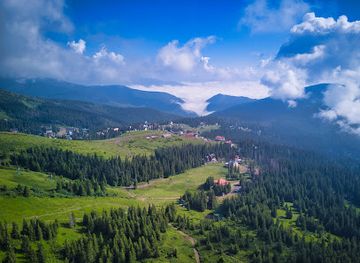
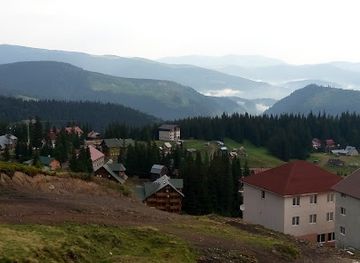
Dragobrat is a remote mountain resort in Ukraine’s Zakarpattia Oblast, set in a broad high-altitude basin of the Svydovets range. Generally regarded as Ukraine’s highest ski resort, it lies above the village of Yasinya and is reached by a steep, rough mountain road rather than a conventional paved approach. The resort’s position gives it a long winter season, expansive views and direct access to open slopes and ridgelines around the Dragobrat basin. Blyznytsia, one of the best-known peaks in the vicinity, rises above the resort, while the wider Svydovets landscape is marked by rounded summits, spruce-covered valleys, alpine meadows and glacially shaped hollows.Read more about Dragobrat
Winter Sports and Mountain Scenery
Hutsul Mountain Culture
When is the best time to visit Dragobrat?
Best: June–August · 18–21°C| Month | High (°C) | Rainfall (mm) |
|---|---|---|
| January | -2 | 29 |
| February | -1 | 25 |
| March | 2 | 32 |
| April | 7 | 43 |
| May | 14 | 48 |
| June (best) | 18 | 61 |
| July (best) | 21 | 68 |
| August (best) | 20 | 65 |
| September | 15 | 56 |
| October | 9 | 48 |
| November | 3 | 41 |
| December | -1 | 35 |
Getting to and around Dragobrat
How to get there
Transportation
Best attractions in Dragobrat
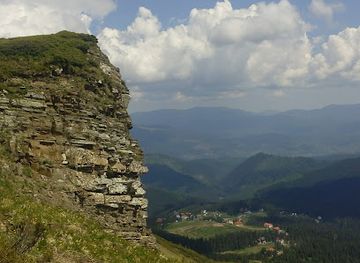
Dragobrat’s principal attraction is the high mountain basin itself, where ski runs, open snowfields and broad views across the Svydovets range create a markedly alpine setting within Ukraine. Blyznytsia is the most recognisable nearby summit and a focus for summer ridge walks, although routes require proper mountain preparation rather than casual sightseeing. In warmer weather, hikers can explore polonyna meadows, spruce forests and upland hollows containing mountain lakes, including the remote Drahobrat-area lakes associated with the Svydovets landscape. The resort’s lifts provide access to higher slopes when operating, while the surrounding ridges offer changing perspectives towards other Carpathian summits. Yasinya, below the resort, adds a more settled experience through its valley setting and Hutsul connections. The better-known Hoverla lies elsewhere in the Carpathians and should be treated as a separate excursion, not as an attraction within Dragobrat.
-
Tourist attraction
Drahobrat
Discover the breathtaking beauty and thrilling skiing experiences at Drahobrat, the highest ski resort in Ukraine.
-
Tourist attraction
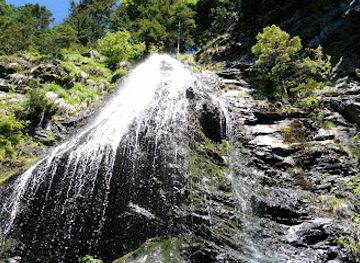
Vodospad Trufanetsʹ
Experience the enchanting beauty of Vodospad Trufanetsʹ, a cascading waterfall in Zakarpattia, ideal for nature lovers and adventure enthusiasts.
-
Hiking area
Mount Gendarme
Discover the natural beauty of Mount Gendarme in Zakarpattia Oblast – a premier hiking destination offering breathtaking views and unforgettable adventures.
-
Tourist attraction
Yalyn waterfall
Explore the stunning Yalyn Waterfall in Zakarpattia Oblast, a serene natural wonder perfect for nature lovers and adventure seekers alike.
Best landmarks in Dragobrat
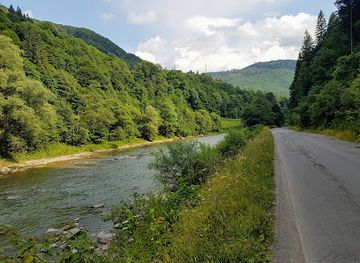
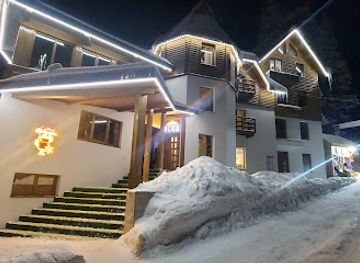
The defining landmark of Dragobrat is its elevated basin in the Svydovets range, an open mountain setting framed by forested slopes and rounded ridges. Blyznytsia provides the most recognisable natural focal point above the resort and is closely associated with local hiking and mountain views. The surrounding polonyna meadows are cultural as well as physical landmarks, reflecting the seasonal pastoral traditions of the Carpathians. Upland lakes and hollows add distinctive features to the wider Svydovets landscape, although many are reached only by demanding walks. The resort’s collection of mountain lodges and ski infrastructure represents a modern layer of development rather than historic architecture. In the valley, Yasinya’s Hutsul environment and traditional regional building forms offer a more settled cultural contrast, while major landmarks such as Hoverla belong to neighbouring parts of the Carpathians rather than to Dragobrat itself.
-
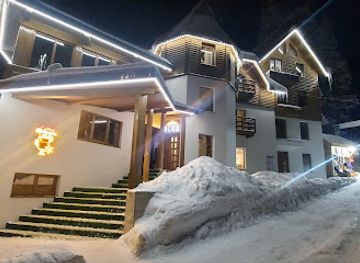
Hotel
Hata Magnata
Experience the perfect blend of adventure and relaxation at Hata Magnata, your premier hotel destination in the stunning Dragobrat region.
-
Hotel
U Stozi
Experience the charm of U Stozi, where cozy accommodation meets authentic Ukrainian cuisine in the heart of Zakarpattia.
-
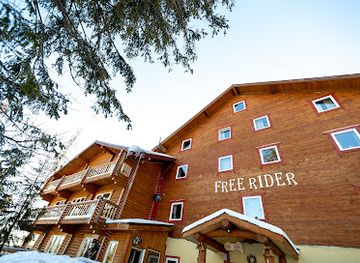
Hotel
Готель FreeRider Драгобрат
Discover the beauty of the Carpathian Mountains at FreeRider Dragobrat Hotel, your perfect retreat for adventure and relaxation.
-
Hotel
Yaremyna Khata
Discover the charm of Yaremyna Khata, a cozy hotel in Zakarpattia Oblast, perfect for exploring nature and Ukrainian culture.
Explore Dragobrat on the map
Plan your trip on one map. See where the top attractions, landmarks, restaurants and hotels are, and book hotels and experiences in a few clicks.
Best hotels in Dragobrat
Best restaurants in Dragobrat
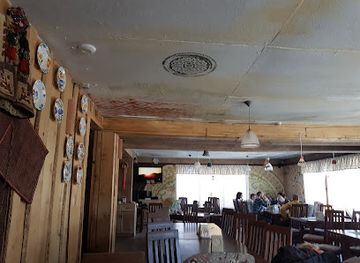
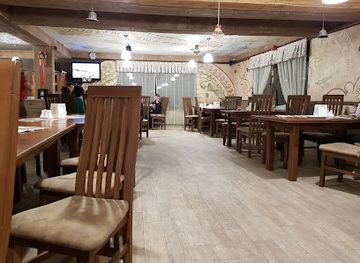
Dining at Dragobrat is concentrated in the resort’s hotels, lodges, cafés and informal mountain establishments rather than in a separate restaurant district. Menus commonly reflect practical Carpathian fare, with soups, potatoes, meat, dairy products, bread and warming drinks suited to cold-weather activity; visitors may also encounter dishes associated with Zakarpattia and the wider Hutsul region, although individual menus vary. In Yasinya, the main gateway settlement, eating options and everyday food shopping are more varied, while Rakhiv provides a broader regional choice. Travellers staying in a lodge should check whether meals are included or arranged, particularly outside the busiest winter periods. Vegetarian and special-diet choices may be more limited in small mountain establishments, so carrying suitable provisions from a larger town can be useful.
-
 Hotel
HotelOAZA
Discover tranquility and adventure at OAZA in the stunning Carpathian Mountains - your ideal destination for skiing, dining, and relaxation.
-
Hotel
Hata Magnata
Experience comfort and vibrant nightlife at Hata Magnata - your ultimate mountain retreat in Dragobrat.
-
Restaurant
Kazka Karpat
Discover Kazka Karpat: where exquisite local cuisine meets stunning mountain hospitality in Zakarpattia Oblast.
-
Hotel
U Stozi
Discover comfort and authentic Ukrainian cuisine at U Stozi in Dragobrat – your perfect retreat in Zakarpattia's stunning landscapes.
Best bars in Dragobrat
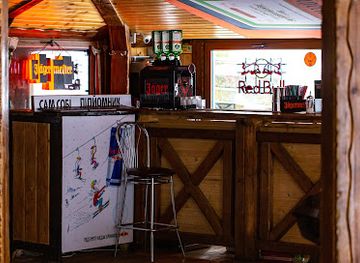
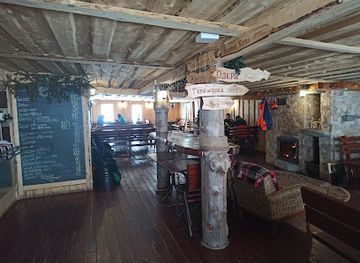
Dragobrat does not have a conventional nightclub scene or a large evening entertainment district. After skiing or hiking, the social life is centred on lodge dining rooms, hotel bars and informal mountain gatherings, with conversation, music and drinks providing a relaxed après-ski atmosphere when establishments are operating. Evening choices are generally more associated with accommodation and seasonal visitor numbers than with permanent nightlife. Yasinya has the character of a working mountain settlement rather than a late-night resort, while Rakhiv offers a wider selection of ordinary cafés and hospitality venues. Visitors should not expect dependable performances, extended opening hours or a broad choice of bars in the high basin, especially outside the main winter season.
-
Restaurant
Rizdvo
Experience authentic Ukrainian cuisine at Rizdvo, a cozy restaurant in the heart of Zakarpattia Oblast, where flavor meets tradition.
-
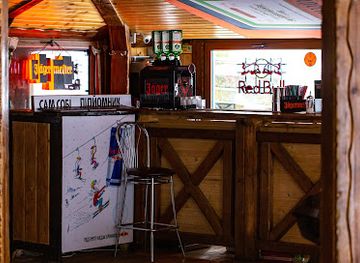
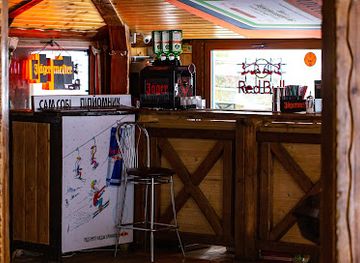
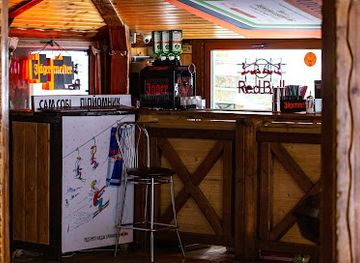
Bar
Drahobrat Verkh Pidyomnyka
Discover the charm of Drahobrat Verkh Pidyomnyka, a mountain cabin bar in the Carpathians, perfect for relaxation and adventure.
-
Restaurant
Hata Magnata
Discover Hata Magnata in Dragobrat: where delightful dining meets vibrant nightlife amidst stunning mountain scenery.
-
Restaurant
Kazka Karpat
Discover the authentic flavors of the Carpathians at Kazka Karpat, where traditional Ukrainian cuisine meets stunning mountain vistas.
Best nightclubs in Dragobrat
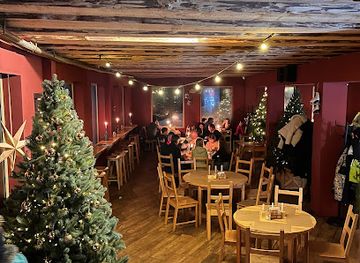
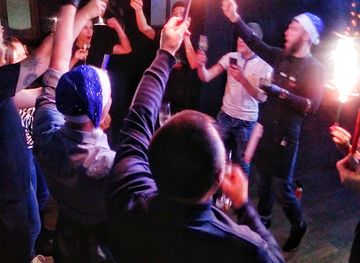
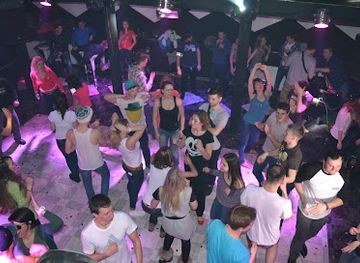
Dragobrat does not have a conventional nightclub scene or a large evening entertainment district. After skiing or hiking, the social life is centred on lodge dining rooms, hotel bars and informal mountain gatherings, with conversation, music and drinks providing a relaxed après-ski atmosphere when establishments are operating. Evening choices are generally more associated with accommodation and seasonal visitor numbers than with permanent nightlife. Yasinya has the character of a working mountain settlement rather than a late-night resort, while Rakhiv offers a wider selection of ordinary cafés and hospitality venues. Visitors should not expect dependable performances, extended opening hours or a broad choice of bars in the high basin, especially outside the main winter season.
-
Hotel
Hata Magnata
Experience the vibrant blend of hospitality, dining, and nightlife at Hata Magnata in the stunning Carpathian Mountains.
-
Karaoke bar
Нічний клуб G7
Discover the ultimate karaoke experience at G7 Night Club in Dragobrat, where unforgettable nights and vibrant atmosphere await.
-
Disco club
Driada
Experience the vibrant nightlife of Driada Disco Club, set against the stunning backdrop of the Carpathian Mountains in Ukraine.
-
Night club
Club Hollywood
Experience the vibrant nightlife at Club Hollywood in Yablunytsya, where pulsating beats and exquisite drinks await every night.
Best shops in Dragobrat
Shopping in Dragobrat is limited to practical supplies, food, drinks, ski-related necessities and locally made items offered through individual accommodation or small resort businesses when available. It is not a destination for extensive retail, and visitors should purchase medicines, specialist equipment and most provisions in Yasinya, Rakhiv or another larger town before making the mountain transfer. In the wider Hutsul region, travellers may find woollen goods, embroidered textiles, carved wood, ceramics, honey, dairy products and other small-scale regional produce, though availability varies and not every item is made locally. Yasinya is the most convenient nearby settlement for everyday shopping, while Rakhiv offers a broader selection of shops and services. Buying directly from genuine local producers, where possible, supports the mountain communities connected with the resort.
-
Hotel
OAZA
Discover the charm of OAZA, a premier hotel and ski resort in the Carpathian Mountains, perfect for adventure seekers and relaxation lovers alike.
-
Hotel
Hata Magnata
Discover Hata Magnata, where Ukrainian culture meets breathtaking mountain views, dining, and nightlife in the heart of Dragobrat.
-
Hotel
U Stozi
Discover the perfect blend of comfort and culinary delights at U Stozi, a charming hotel and restaurant in the heart of the Carpathians.
-
Coffee shop
Korytsya
Discover Korytsya, a cozy coffee shop in Yasinya offering exceptional brews and breathtaking mountain views for a perfect retreat.
Get your free copy of our complete guide to Dragobrat, delivered straight to you.
Everything on this page, from attractions and restaurants to essentials and local phrases, in one PDF you can read offline, print or share.
Already have an account? Sign in
Your Dragobrat guide is ready.
We'll send it to · Not you? Sign out

Getting your guide ready…
We are putting together a fresh copy of the Dragobrat guide. This can take up to a minute.
This can take a few moments. If your browser asks, choose Allow so the download can start. You'll find the guide in your Downloads folder.
Nothing happened? Download it again
Sorry, the guide is taking longer than usual. Please try again in a minute, or get it by email instead.
Dragobrat essentials
Currency and Payment
Safety
Emergency Situations
Do's and Don'ts
Local Tips
From Eve
Local phrases worth knowing
You don't need to get them perfect. A few words go a long way, and locals appreciate the effort.
Basics
| English | Local | Say it |
|---|---|---|
| Hello | Привіт | [Privit] |
| Goodbye | До побачення | [Do pobachennya] |
| Yes | Так | [Tak] |
| No | Ні | [Ni] |
| Please/You're welcome | Будь ласка | [Bud laska] |
| Thank you | Дякую | [Dyakuyu] |
| Excuse me/Sorry | Вибачте | [Vybachte] |
| How are you? | Як справи? | [Yak spravy?] |
| Fine. And you? | Добре. А у вас? | [Dobre. A u vas?] |
| Do you speak English? | Ви говорите англійською? | [Vy hovoryte anhliysʹkoyu?] |
| I don't understand | Я не розумію | [Ya ne rozumiyu] |
Eating & Drinking
| English | Local | Say it |
|---|---|---|
| I'd like to see the menu, please | Я б хотів подивитися меню, будь ласка | [Ya b khotiv podivytyся menyу, budʹ laska] |
| I don't eat meat | Я не їм м'ясо | [Ya ne yim m'yaso] |
| Cheers! | На здоров'я! | [Na zdorov'ya!] |
| I would like to pay, please | Я б хотів розрахуватися, будь ласка | [Ya b khotiv rozrakhuvatysya, budʹ laska] |
Emergencies
| English | Local | Say it |
|---|---|---|
| Help! | Допоможіть! | [Dopomozhitʹ!] |
| Go away! | Підіть геть! | [Piditʹ hetʹ!] |
| Call the Police! | Викличте поліцію! | [Vyklіchte polіtsіyu!] |
| Call a doctor! | Викличте лікаря! | [Vyklіchte lіkarya!] |
| I'm lost | Я загубився | [Ya zahubyvsya] |
| I'm ill | Я хворий | [Ya khvoryy] |
Shopping
| English | Local | Say it |
|---|---|---|
| I'd like to buy... | Я б хотів купити... | [Ya b khotiv kupytы...] |
| I'm just looking | Я просто дивлюсь | [Ya prosto dyvlusʹ] |
| How much is it? | Скільки це коштує? | [Skilʹky tse koshtuye?] |
| That's too expensive | Це занадто дорого | [Tse zanadto doroho] |
| Can you lower the price? | Чи можете ви знизити ціну? | [Chy mozhete vy znyzyty tsinu?] |
Time & Numbers
| English | Local | Say it |
|---|---|---|
| What time is it? | Котра година? | [Kotra hodyna?] |
| It's one o'clock | Одинадцята | [Odynadtsyata] |
| Half past (10) | Пів на одинадцяту | [Piv na odynadtsyatu] |
| Morning | Ранок | [Ranok] |
| Afternoon | День | [Denʹ] |
| Evening | Вечір | [Vechir] |
| Yesterday | Вчора | [Vchora] |
| Today | Сьогодні | [Sʹogodni] |
| Tomorrow | Завтра | [Zavtra] |
| 1 | Один | [Odyn] |
| 2 | Два | [Dva] |
| 3 | Три | [Try] |
| 4 | Чотири | [Chotyry] |
| 5 | П'ять | [P'yatʹ] |
| 6 | Шість | [Shistʹ] |
| 7 | Сім | [Sim] |
| 8 | Вісім | [Vіsіm] |
| 9 | Дев'ять | [Dev'yatʹ] |
| 10 | Десять | [Desyatʹ] |
Transport & Directions
| English | Local | Say it |
|---|---|---|
| Where's a/the...? | Де є...? | [De ye...?] |
| What's the address? | Яка адреса? | [Yaka adresa?] |
| Can you show me (on the map)? | Чи можете ви мені показати (на карті)? | [Chy mozhete vy meni pokazaty (na karti)?] |
| When's the next (bus)? | Коли наступний (автобус)? | [Koly nastupnyy (avtobus)?] |
| A ticket (to ....) | Квиток (до ....) | [Kvytok (do ....)] |
History of Dragobrat
A Landscape Shaped by Ice and Uplift
The Dragobrat basin belongs to the Carpathian mountain system, whose ridges were formed through geological uplift and later reshaped by erosion, weather and historic glacial processes. Rounded summits, open high meadows and hollows containing mountain lakes give the Svydovets range a different character from the narrower, more densely forested valleys below. This physical setting explains Dragobrat’s high elevation, exposed weather and value as a seasonal grazing and mountain recreation landscape, although its geological development belongs to timescales far older than human settlement.
Hutsul Pastoral Traditions
The wider area has long formed part of the Hutsul cultural region, associated with pastoral communities living in the eastern and central Carpathians. Seasonal movement towards high mountain meadows, known locally as polonyna landscapes, supported cattle and sheep grazing during the warmer months. Villages such as Yasinya developed around valley agriculture, forestry, trade and mountain routes, while customs, wooden buildings, music, embroidery and pastoral foodways helped distinguish local identity. Dragobrat itself has never been a conventional historic town; its significance grew from its position within this inhabited mountain environment.
From Forestry to Mountain Tourism
The surrounding valleys were shaped by forestry, livestock keeping and transport through the Carpathians, while the high slopes remained comparatively remote. Recreational interest expanded during the twentieth century as improved roads, lift infrastructure and mountain accommodation made winter sports possible. Development associated with the resort accelerated during the late Soviet period and continued after Ukraine became independent in 1991. The result is a dispersed high-mountain settlement of lodges, hotels and service buildings rather than a traditional village centre, with access still strongly influenced by terrain and seasonal weather.
A Contemporary Carpathian Resort
Modern Dragobrat combines winter tourism with summer hiking and other mountain activities, bringing visitors into a landscape still used and valued for its meadows, forests and upland watercourses. Its growth has also made questions of road access, building pressure, waste management and responsible recreation increasingly important across the Svydovets region. Nearby communities remain connected to the resort through transport, hospitality and supplies, while Hutsul cultural traditions provide the wider historical context for visiting a destination whose identity is primarily recreational rather than architectural.
Dragobrat in Photos
Browse through our photo collection highlighting the charm and character of the destination.
Neighbouring destination travel guides
The closest destinations to Dragobrat, if you have time for more than one.
-

-

-

-

-


Swipe for more destinations
Explore more

Explore more of Transcarpathia
Discover the untouched beauty and rich cultural tapestry of Transcarpathia, a hidden gem in Ukraine, perfect for nature lovers, history enthusiasts, and wellness seekers.
Explore Transcarpathia
Explore more of Ukraine
Explore Ukraine: From Kyiv's golden domes to the Carpathian Mountains, discover a country rich in history, culture, and natural beauty in the heart of Eastern Europe.
Explore Ukraine