

Svydovets Mountains Travel Guide - Free Web & App
Your ultimate guide to Svydovets Mountains. Discover top landmarks, proposed trips, and local tips. Free on the web or via the Evendo companion app.


Svydovets Mountains in Ukraine offer high Carpathian ridges, alpine lakes, Hutsul villages, hiking, skiing and wide views above Zakarpattia.
High Ridges and Alpine Basins
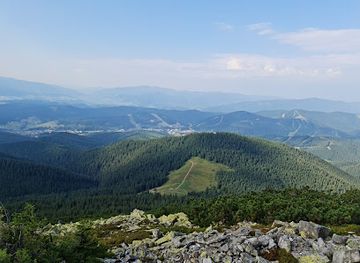
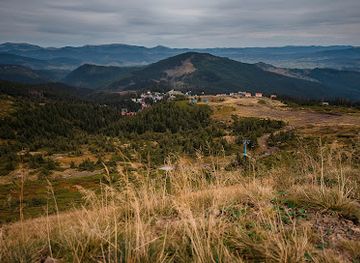
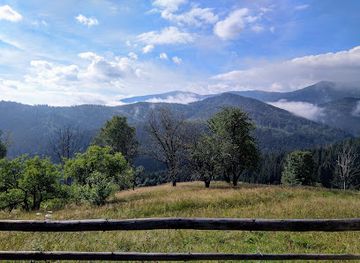
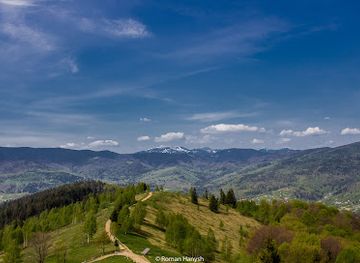
The Svydovets Mountains form one of the broadest highland massifs in the Ukrainian Carpathians, rising in Zakarpattia Oblast between the valleys of the Chorna Tysa and Teresva rivers. Their rounded ridges, open summer pastures and glacially shaped hollows create a landscape that feels more spacious than the densely forested ranges nearby. The highest summit is Blyznytsia, usually given as 1,881 or 1,883 metres, while the Drahobrat basin provides one of the best-known approaches to the upper mountain country. Small alpine lakes, including Apshynets and Vorozheska, lie among extensive spruce forests and high meadows.Read more about Svydovets Mountains
Mountain Villages and Hutsul Culture
Exploring Svydovets
When is the best time to visit Svydovets Mountains?
Best: June–August · 23–25°C| Month | High (°C) | Rainfall (mm) |
|---|---|---|
| January | 1 | 18 |
| February | 2 | 17 |
| March | 5 | 15 |
| April | 12 | 15 |
| May | 19 | 14 |
| June (best) | 23 | 13 |
| July (best) | 25 | 13 |
| August (best) | 24 | 13 |
| September | 18 | 14 |
| October | 12 | 14 |
| November | 5 | 16 |
| December | 4 | 17 |
Getting to and around Svydovets Mountains
How to get there
Transportation
Best attractions in Svydovets Mountains
The principal attraction of the Svydovets Mountains is the high ridge country above the forest, where routes from Drahobrat and surrounding valleys lead towards Blyznytsia and broad polonyna pastures. The Drahobrat basin is a major starting point for summer walks and a winter ski base, while the summits offer extensive views across the Ukrainian Carpathians in clear weather. Apshynets Lake and Vorozheska Lake are among the best-known upland waters, reached by demanding walks through spruce forest, wet meadows and open terrain rather than by formal lakeside promenades. The Chorna Tysa valley around Yasinia and Kvasy provides a gentler introduction to the landscape, with villages, mountain roads and local pastoral culture. On the eastern side, the more secluded approaches from Ust-Chorna reveal a quieter combination of forest, river valleys and high grazing grounds, although facilities are sparse and routes require independent planning.
-
Historical place
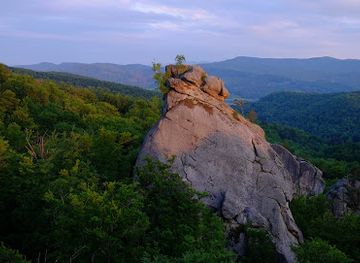
Dovbush rocks
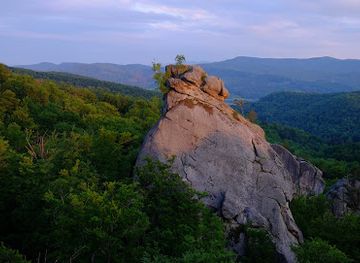
Explore the breathtaking Dovbush Rocks in Ivano-Frankivsk Oblast, a historical and natural wonder of Ukraine, perfect for adventure seekers and nature lovers.
-
Park
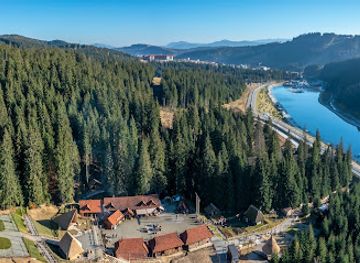
Hutsul Land Bukovel
Explore the rich traditions of the Hutsul people surrounded by breathtaking landscapes at Hutsul Land Bukovel, a unique cultural park in the Carpathians.
-
Hiking area
Dovbush's rock
Explore the breathtaking Dovbush's Rock in Yaremche, Ukraine, where stunning landscapes meet rich cultural history, perfect for all nature lovers and adventurers.
-
National park
Vyzhnytsia National Park
Explore the natural beauty of Vyzhnytsia National Park, a stunning Ukrainian treasure filled with diverse wildlife, rich culture, and breathtaking landscapes.
Best landmarks in Svydovets Mountains
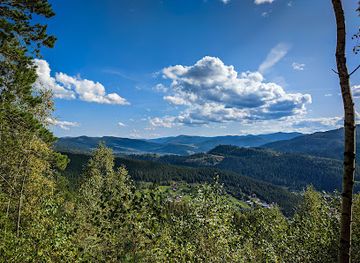
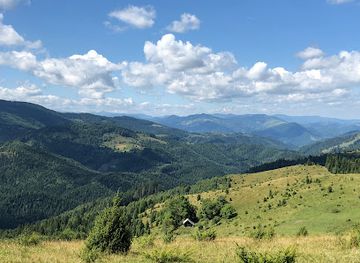
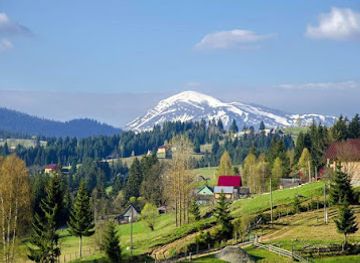
Blyznytsia is the defining natural landmark of the Svydovets massif, a prominent high summit whose paired rocky forms rise above the Drahobrat area and the surrounding open ridges. The broad polonynas are equally significant: these treeless upland pastures record the long use of the mountains for seasonal grazing and provide the characteristic open horizons of Svydovets. Apshynets and Vorozheska lakes are important high-altitude landscape features set among forest, wet ground and mountain hollows, while the Chorna Tysa and Teresva valleys frame the massif below. Drahobrat is the best-known built landmark of the area in tourism terms, not for historic architecture but as a distinctive mountain settlement and ski base reached from Yasinia. In the valleys, wooden houses, churches and dispersed homesteads reflect the regional Hutsul building tradition, although individual structures and access arrangements differ between villages.
-
Ski resort
Bukovel
Explore Bukovel, Ukraine's largest ski resort, offering breathtaking slopes, year-round outdoor activities, and vibrant après-ski experiences for all visitors.
-
Mountain range
Carpathian Mountains
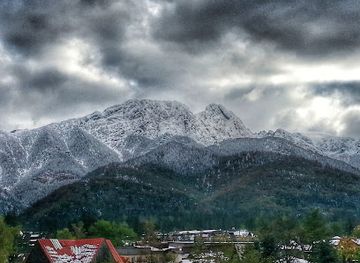
Explore the stunning Carpathian Mountains: a paradise for hiking, skiing, and immersing in the rich culture of Central and Eastern Europe.
-
Historical place
Dovbush rocks
Explore the stunning Dovbush Rocks in Ivano-Frankivsk Oblast, a historical site where nature and legend intertwine for an unforgettable adventure.
-
Scenic spot
Smotrytsky Canyon
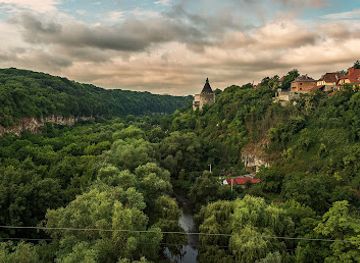
Experience the stunning vistas and thrilling adventures at Smotrytsky Canyon, a natural gem in Ukraine's Khmelnytskyi Oblast.
Explore Svydovets Mountains on the map
Plan your trip on one map. See where the top attractions, landmarks, restaurants and hotels are, and book hotels and experiences in a few clicks.
Best hotels in Svydovets Mountains
Best restaurants in Svydovets Mountains
Dining in the Svydovets area is concentrated in Yasinia, Kvasy, Drahobrat and other gateway settlements rather than beside remote lakes or on the open ridges. Family-run guesthouses, mountain bases and village cafés commonly provide filling Carpathian food such as soups, potatoes, buckwheat, varenyky, grilled or stewed meat, trout where available, and baked dishes influenced by the cuisines of western Ukraine. Hutsul food traditions are closely connected with pastoral life, so bryndza and other sheep’s-milk cheeses, banosh made with maize porridge, mushrooms, berries, honey and smoked products are characteristic regional ingredients. Kvasy is also associated with mineral-water traditions. In smaller villages, menus and opening arrangements can be informal, while hikers should carry provisions for full-day routes because high pastures and mountain lakes do not have a dependable restaurant network.
-
Ukrainian
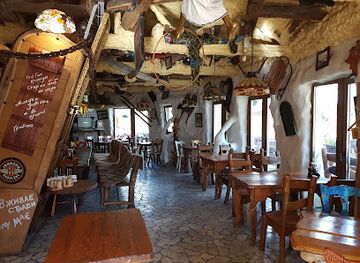
Mushroom House
Experience authentic Ukrainian cuisine at Mushroom House in Polyanytsya - where nature meets tradition for an unforgettable dining adventure.
-
Hotel
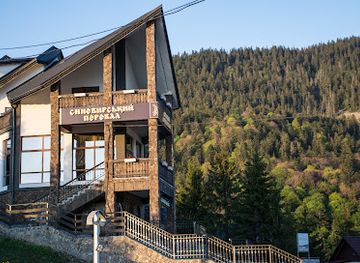
Synevyrsʹkyy Pereval
Experience breathtaking mountain views and local cuisine at Synevyrsʹkyy Pereval - your perfect escape in Zakarpattia Oblast.
-
Restaurant
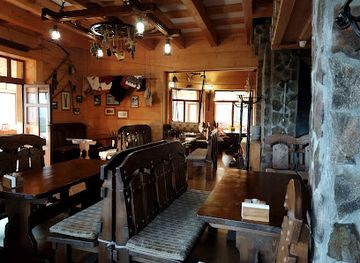
Vysokyy Pereval
Discover Vysokyy Pereval: A cozy restaurant offering delicious local cuisine amidst stunning mountain views in Bukovel.
-
Hungarian
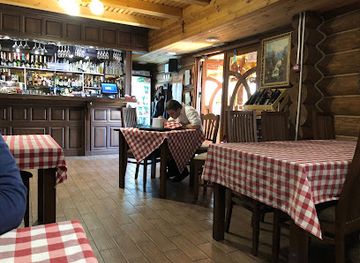
Vadász Csárda
Savor traditional Hungarian dishes in the heart of Zakarpattia Oblast at Vadász Csárda, where every meal is a journey into Hungary's rich culinary heritage.
Best bars in Svydovets Mountains
Svydovets is not a nightlife destination, and evenings are generally quiet once the last mountain transport and dining services have finished. Drahobrat has the liveliest après-ski atmosphere in winter, with hospitality venues attached to the resort base where visitors may eat, drink and socialise, although the character and availability of evening activity vary by season. Yasinia, Kvasy and Ust-Chorna have village cafés, restaurants and traditional drinking places rather than dedicated club districts, and local evenings may centre on conversation, music or the communal atmosphere of a guesthouse. In remote valleys there may be no venue open late and no convenient transport after dark. Visitors should arrange their return to accommodation in advance and treat village quiet, livestock and neighbouring households with consideration.
-
Mountain peak
Svydovets
Experience the breathtaking beauty of Svydovets, a stunning mountain peak in Zakarpattia Oblast, perfect for outdoor adventures and nature lovers.
-
Nature preserve
Svydovets protected massif
Experience the breathtaking beauty and diverse wildlife of the Svydovets Protected Massif in Ukraine's Zakarpattia Oblast, a natural paradise for every traveler.
Best nightclubs in Svydovets Mountains
Svydovets is not a nightlife destination, and evenings are generally quiet once the last mountain transport and dining services have finished. Drahobrat has the liveliest après-ski atmosphere in winter, with hospitality venues attached to the resort base where visitors may eat, drink and socialise, although the character and availability of evening activity vary by season. Yasinia, Kvasy and Ust-Chorna have village cafés, restaurants and traditional drinking places rather than dedicated club districts, and local evenings may centre on conversation, music or the communal atmosphere of a guesthouse. In remote valleys there may be no venue open late and no convenient transport after dark. Visitors should arrange their return to accommodation in advance and treat village quiet, livestock and neighbouring households with consideration.

Best shops in Svydovets Mountains
Shopping is modest and locally focused, with the most useful opportunities in Yasinia, Kvasy and other valley settlements rather than on the high mountain routes. Small shops provide provisions for walking, while guesthouses and village producers may offer honey, dried mushrooms, berries, preserves, herbal products and regional cheeses. Bryndza and related sheep’s-milk products are strongly associated with Carpathian pastoral life, but visitors should buy only from reputable sellers and observe any local food-handling advice. Hutsul-inspired textiles, carved wooden objects, ceramics and handmade souvenirs may be found through local artisans or seasonal stalls, although availability is not guaranteed and permanent craft markets are limited. Drahobrat has practical tourism and winter-sports retail connected with the resort, while larger and more varied shopping is available in regional towns outside the massif.
-
Shopping mall
Forum Lviv
Discover a vibrant shopping experience at Forum Lviv, where local charm meets international brands in a stunning modern setting.
-
Shopping mall
King Cross Leopolis SEC
Explore King Cross Leopolis, a vibrant shopping mall in Lviv Oblast, featuring a wide range of shops, dining, and entertainment options for every visitor.
-
Amusement park
Mountain Valley Peppers
Experience family-friendly fun at Mountain Valley Peppers, where adventure and local culture meet amidst stunning mountain landscapes.
-
Mountain peak
Makovytsia Mountain
Discover the breathtaking views and rich biodiversity at Makovytsia Mountain, a serene peak in Ivano-Frankivsk Oblast, Ukraine.

Get your free copy of our complete guide to Svydovets Mountains, delivered straight to you.
Everything on this page, from attractions and restaurants to essentials and local phrases, in one PDF you can read offline, print or share.
Already have an account? Sign in
Your Svydovets Mountains guide is ready.
We'll send it to · Not you? Sign out

Getting your guide ready…
We are putting together a fresh copy of the Svydovets Mountains guide. This can take up to a minute.
This can take a few moments. If your browser asks, choose Allow so the download can start. You'll find the guide in your Downloads folder.
Nothing happened? Download it again
Sorry, the guide is taking longer than usual. Please try again in a minute, or get it by email instead.
Svydovets Mountains essentials
Currency and Payment
Safety
Emergency Situations
Do's and Don'ts
Local Tips
From Eve
Local phrases worth knowing
You don't need to get them perfect. A few words go a long way, and locals appreciate the effort.
Basics
| English | Local | Say it |
|---|---|---|
| Hello | Привіт | [pryvit] |
| Goodbye | До побачення | [do pobachennia] |
| Yes | Так | [tak] |
| No | Ні | [ni] |
| Please/You're welcome | Будь ласка | [bud laska] |
| Thank you | Дякую | [dyakuyu] |
| Excuse me/Sorry | Вибачте | [vybachte] |
| How are you? | Як справи? | [yak spravy] |
| Fine. And you? | Добре. А ви? | [dobre. A vy?] |
| Do you speak English? | Ви говорите англійською? | [vy hovoryte anhliysʹkoyu?] |
| I don't understand | Я не розумію | [ya ne rozumiyu] |
Eating & Drinking
| English | Local | Say it |
|---|---|---|
| I'd like to see the menu, please | Я б хотів подивитися меню, будь ласка | [ya b khotiv podyvytysya menyu, bud laska] |
| I don't eat meat | Я не їм м'ясо | [ya ne yim m'yaso] |
| Cheers! | Будьмо! | [budmo] |
| I would like to pay, please | Я б хотів розрахуватися, будь ласка | [ya b khotiv rozrakhuvatysya, bud laska] |
Emergencies
| English | Local | Say it |
|---|---|---|
| Help! | Допоможіть! | [dopomozhitʹ] |
| Go away! | Йдіть геть! | [ydіtʹ hetʹ] |
| Call the Police! | Викличте поліцію! | [vyklychte politsiyu!] |
| Call a doctor! | Викличте лікаря! | [vyklychte likarya!] |
| I'm lost | Я загубився | [ya zahubyvsya] |
| I'm ill | Я хворий | [ya khvoryy] |
Shopping
| English | Local | Say it |
|---|---|---|
| I'd like to buy... | Я б хотів купити... | [ya b khotiv kupity...] |
| I'm just looking | Я просто дивлюсь | [ya prosto dyvlyusʹ] |
| How much is it? | Скільки це коштує? | [skilʹky tse koshtuye?] |
| That's too expensive | Це занадто дорого | [tse zanadto doroho] |
| Can you lower the price? | Чи можете ви знизити ціну? | [chy mozhete vy znyzyty tsinu?] |
Time & Numbers
| English | Local | Say it |
|---|---|---|
| What time is it? | Котра година? | [kotra hodyna?] |
| It's one o'clock | Одинадцята | [odynadtsyata] |
| Half past (10) | Пів на одинадцяту | [piv na odynadtsyatu] |
| Morning | Ранок | [ranok] |
| Afternoon | День | [den'] |
| Evening | Вечір | [vechir] |
| Yesterday | Вчора | [vchora] |
| Today | Сьогодні | [s'ohodni] |
| Tomorrow | Завтра | [zavtra] |
| 1 | Один | [odyn] |
| 2 | Два | [dva] |
| 3 | Три | [try] |
| 4 | Чотири | [chotyry] |
| 5 | П'ять | [p'yat'] |
| 6 | Шість | [shist'] |
| 7 | Сім | [sim] |
| 8 | Вісім | [visim] |
| 9 | Дев'ять | [dev'yat'] |
| 10 | Десять | [desyat'] |
Transport & Directions
| English | Local | Say it |
|---|---|---|
| Where's a/the...? | Де є/знаходиться...? | [de ye/znakhodytsya...?] |
| What's the address? | Яка адреса? | [yaka adresa?] |
| Can you show me (on the map)? | Чи можете ви показати мені (на карті)? | [chy mozhete vy pokazaty meni (na karti)?] |
| When's the next (bus)? | Коли наступний (автобус)? | [koly nastupnyy (avtobus)?] |
| A ticket (to ....) | Квиток (до ....) | [kvitok (do ....)] |
History of Svydovets Mountains
Carpathian Formation and Mountain Waters
The Svydovets massif belongs to the Outer Eastern Carpathians, a mountain system formed through the geological compression and uplift of sedimentary rocks over immense timescales. Its ridges are largely built from resistant flysch, a layered sequence of sandstone and finer sediments characteristic of much of the Ukrainian Carpathians. Erosion, landslides and the action of water have shaped the broad summits, steep ravines and cirque-like hollows visible today. The small high lakes and peat-rich wet places are especially important features of the upper landscape, retaining water and supporting specialised mountain habitats.
Early Settlement and Pastoral Life
Human use of the Svydovets valleys developed through woodland clearance, small-scale farming and seasonal grazing rather than dense settlement on the high ridges. Hutsul communities established villages and dispersed mountain homesteads around the river valleys, while shepherds moved animals to summer pastures known locally as polonynas. Cheese-making, timber buildings, keeping horses and cattle, and the use of forest and meadow resources formed part of a subsistence economy adapted to steep terrain and long winters. Many modern walks pass through landscapes still marked by this relationship between settled valleys and high grazing grounds.
Frontier Landscapes and Changing Rule
For centuries the Svydovets area occupied a changing frontier zone within the historic lands of Central Europe. Its valleys were associated at different times with the Kingdom of Hungary and the Habsburg Monarchy, before the political reorganisation that followed the First World War placed Carpathian Ruthenia within Czechoslovakia. After the Second World War, the region became part of the Ukrainian Soviet Socialist Republic and subsequently independent Ukraine. These changes affected forestry, administration, transport and local education, while the Hutsul cultural character of the mountain settlements continued across the political transitions.
Forestry, Roads and Mountain Communities
Commercial forestry became increasingly important in the Carpathians during the nineteenth and twentieth centuries, bringing timber extraction, forest roads and seasonal employment to valleys around the massif. Rail access to the upper Tysa valley helped connect settlements such as Yasinia and Kvasy with larger regional centres, although the mountains themselves remained difficult to cross. The contrast between managed forest, open grazing land and remote upland terrain reflects successive layers of economic use. Today, forestry, farming, tourism and conservation interests continue to shape debates about roads and development in the Svydovets landscape.
Tourism and Conservation Pressure
Organised tourism expanded during the twentieth century, with mountain shelters, walking routes and winter recreation gradually establishing the area as a destination for Carpathian hikers and skiers. Drahobrat developed into the best-known winter base, while Blyznytsia and the high lakes attracted walkers during the warmer months. Svydovets contains valuable forests, wetlands and open mountain habitats, and parts of the wider Carpathian region are protected through national and international conservation frameworks. At the same time, proposals for large-scale resort development and connecting roads have prompted sustained public concern about habitat loss, water resources, landscape character and the future of traditional land use.
Svydovets Mountains in Photos
Browse through our photo collection highlighting the charm and character of the destination.
Cities in Svydovets Mountains
The towns and cities of Svydovets Mountains, and the easiest places to base yourself.
-

-

-

-
-

-


Swipe for more cities
Neighbouring destination travel guides
The closest destinations to Svydovets Mountains, if you have time for more than one.
-

-

-

-


Swipe for more destinations
Explore more

Explore more of Transcarpathia
Discover the untouched beauty and rich cultural tapestry of Transcarpathia, a hidden gem in Ukraine, perfect for nature lovers, history enthusiasts, and wellness seekers.
Explore Transcarpathia
Explore more of Ukraine
Explore Ukraine: From Kyiv's golden domes to the Carpathian Mountains, discover a country rich in history, culture, and natural beauty in the heart of Eastern Europe.
Explore Ukraine