
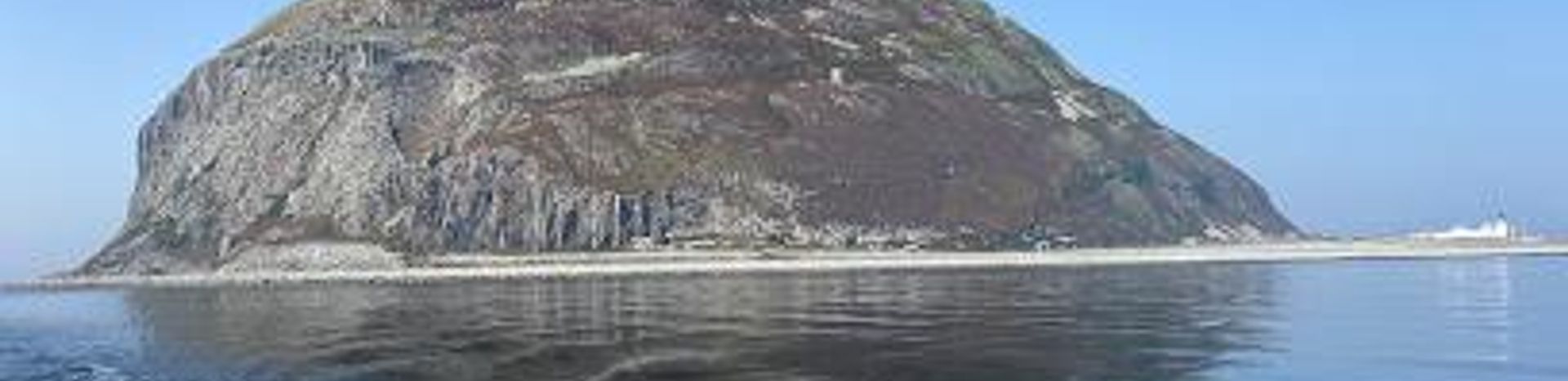
Ailsa Craig: The Granite Jewel of the Firth of Clyde
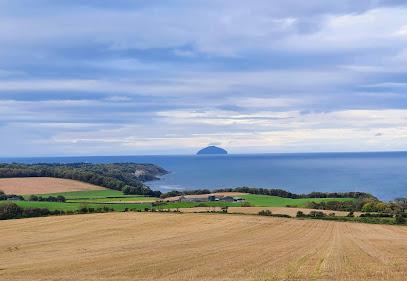
Ailsa Craig, the volcanic granite isle famed for its seabird colonies and world-renowned curling stones, rises steeply from the Firth of Clyde’s waters.
Ailsa Craig is a steep, volcanic granite island located about 16 km off the coast of South Ayrshire, Scotland. Known as “Paddy’s Milestone,” it is famed for its massive seabird colonies and unique blue hone granite used for curling stones worldwide. Uninhabited and rugged, the island rises sharply to 340 meters, offering dramatic cliffs and a sanctuary for wildlife amid its rich history and geological significance.
A brief summary to Ailsa Craig
- GB
- Duration: 2 to 5 hours
- Mid ranged
-
 Outdoor
- Mobile reception: 1 out of 5
Local tips
- Visit during late spring or summer for the best chance to see large seabird colonies, including gannets and puffins.
- Bring sturdy footwear and be prepared for steep, uneven terrain if exploring the island’s eastern landing area and summit.
- Respect wildlife habitats by keeping a safe distance from nesting birds and following conservation guidelines.
- Consider a wildlife or scenic cruise from nearby Girvan or Arran for views of the island if landing conditions are unfavorable.
- Learn about the island’s curling stone heritage by visiting the quarry sites and reading about the unique blue hone granite.

For the on-the-go comforts that matter to you
- Information Boards
- Seating Areas
- Trash Bins
Getting There
-
Boat Transfer
Private boat charters operate from Girvan, with travel times around 1 to 1.5 hours depending on weather. Services are seasonal and weather-dependent, costing approximately £100-£150 per person for a return trip. Landing is only possible on the island's eastern side due to steep cliffs.
-
Wildlife and Scenic Cruises
Several operators from Ayrshire and Arran offer day cruises to view Ailsa Craig from the water, lasting 3 to 5 hours. These cruises cost between £40 and £70 and provide excellent opportunities to see seabirds and the island’s dramatic profile without landing.
-
Helicopter Charter
Helicopter transfers can be arranged from the mainland, offering a 15-20 minute flight. This option is weather-dependent and more costly, typically exceeding £500 per trip, suitable for small groups or special visits.
Ailsa Craig location weather suitability
-
 Any Weather
-
 Rain / Wet Weather
-
 Clear Skies
-
 Windy Conditions
-
 Mild Temperatures
Discover more about Ailsa Craig
Geological Majesty and Volcanic Origins
Ailsa Craig is an iconic volcanic plug that rises dramatically from the sea in the outer Firth of Clyde. Formed over 500 million years ago during ancient igneous activity, this granite islet measures approximately 1.2 km by 0.8 km and reaches an elevation of 340 meters. Its steep cliffs and rugged terrain make it a striking natural monument, shaped by volcanic forces and glacial movements that have scattered its distinctive microgranite boulders across distant regions.A Sanctuary for Seabirds and Wildlife
The island is a vital wildlife refuge, hosting one of Europe’s largest gannet colonies alongside significant populations of puffins, razorbills, kittiwakes, herring gulls, shags, fulmars, and black-backed gulls. Its isolation and lack of human habitation provide a safe haven for these seabirds, with tens of thousands nesting on its precipitous cliffs. Small populations of rabbits and goats also inhabit the island, adding to its unique ecosystem.Cultural and Historical Significance
Known colloquially as “Paddy’s Milestone” for its position roughly halfway between Glasgow and Belfast, Ailsa Craig has a rich history. It served as a refuge for Catholics during the Scottish Reformation and was once fortified with a tower house built by Clan Hamilton to protect against Spanish invasion. The island also has a lighthouse dating from the late 19th century. Though currently uninhabited, these remnants hint at its strategic maritime importance and storied past.The World’s Premier Source of Curling Stone Granite
Ailsa Craig’s microgranite is prized globally for crafting curling stones, especially the rare blue hone granite renowned for its water resistance and durability. Nearly all curling stones used in the Winter Olympics and Paralympics over the last century have been carved from this island’s granite. The unique molecular structure of the rock makes it ideal for the sport, blending natural heritage with international sporting tradition.Conservation and Access
Owned by a conservation trust, Ailsa Craig is protected to preserve its ecological and geological value. There is no electricity, potable water, or permanent human presence. Access is limited to the eastern side, where the terrain allows landing by boat in favorable weather. Visitors can explore the old quarry workings, the lighthouse, and the ruins of the tower house, all set within a rugged and remote environment that demands respect and care.Panoramic Views and Natural Grandeur
From the summit, the island offers breathtaking views across the Firth of Clyde to the Scottish mainland and beyond to Northern Ireland. Its dramatic silhouette against the sea has made it a navigational landmark and a symbol of natural grandeur. The combination of geological wonder, wildlife spectacle, and cultural resonance makes Ailsa Craig a unique and compelling destination for those drawn to Scotland’s wild coastal heritage.Iconic landmarks you can’t miss

Kingscross Viking Fort
28.6 km
Discover the ancient Viking fort and burial mound at Kingscross Point, where history meets breathtaking coastal vistas on the Isle of Arran.
Wee Al's Bench
30.9 km
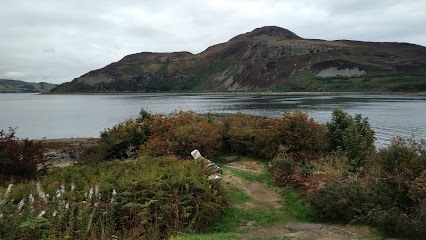
Breathtaking coastal vantage point where Arran's natural beauty meets centuries of island heritage.
Lamlash Stone Circle
33.5 km
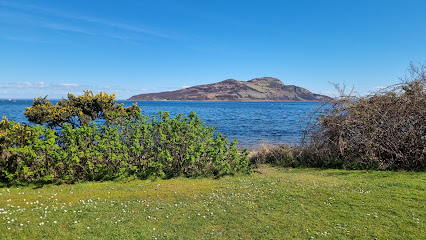
Ancient Neolithic gathering place where stone and sky converge on Arran's moorland.
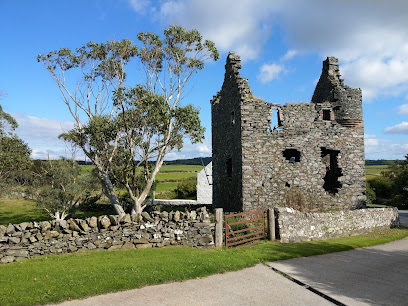
Galdenoch Castle
36.9 km
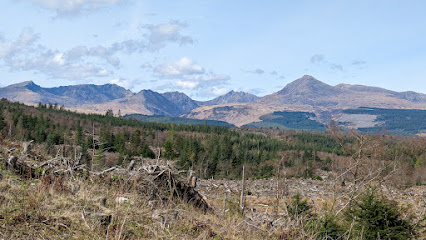
Explore the evocative ruins of Galdenoch Castle, a 16th-century Scottish tower house rich in history, architecture, and ghostly legends.
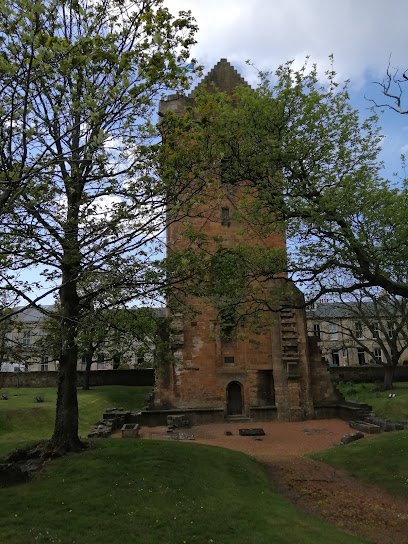
Ayr Citadel
38.3 km
Explore Ayr Citadel, a 17th-century hexagonal fortress by the sea, rich in history and coastal charm.
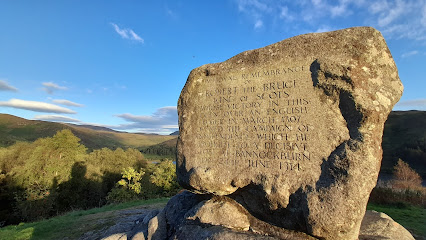
Bruce’s Stone
44.0 km
Discover the historic site of Bruce’s Stone overlooking Loch Trool, where Scotland’s fight for independence echoes amid stunning natural beauty.
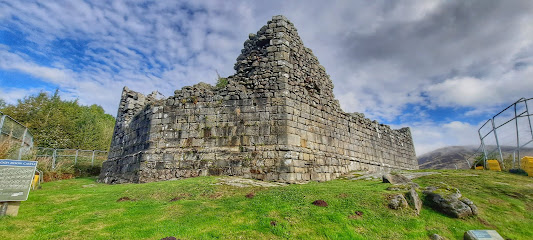
Original site of Loch Doon Castle
46.9 km
Discover the relocated medieval stronghold of Loch Doon Castle, a polygonal fortress with deep ties to Robert the Bruce and Scottish history.
Wallace's Monument, Ayrshire “Burnweil”
48.6 km
A proud Ayrshire landmark honoring William Wallace, Scotland’s legendary hero of independence and bravery.
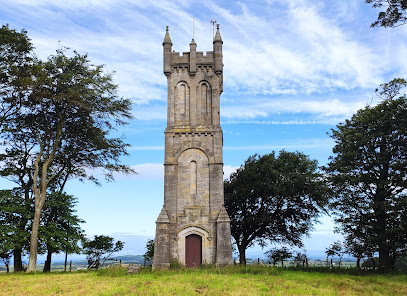
Dundonald Castle and Visitor Centre
48.7 km
Explore the rich medieval heritage and breathtaking views at Dundonald Castle and Visitor Centre, a must-visit destination for history enthusiasts and travelers.
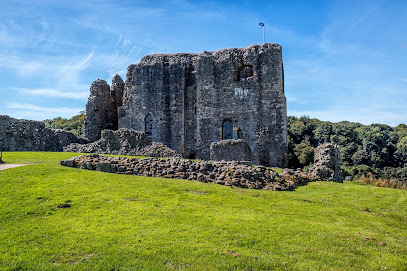
Trinity Church (Former)
49.1 km
A majestic Gothic Revival landmark showcasing Victorian ecclesiastical architecture and Irvine’s rich religious heritage.
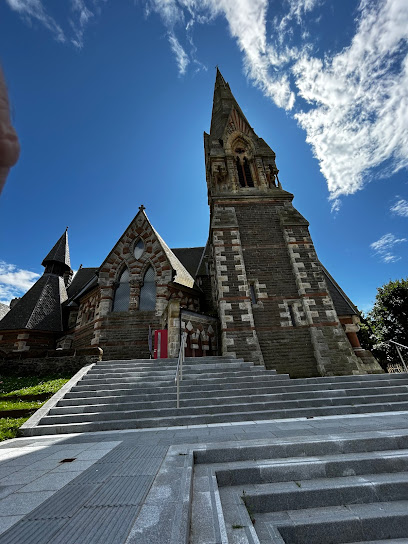
Craigie Castle
50.1 km
Discover the historical charm of Craigie Castle in Kilmarnock, a beautiful site rich in Scottish heritage and stunning architecture.
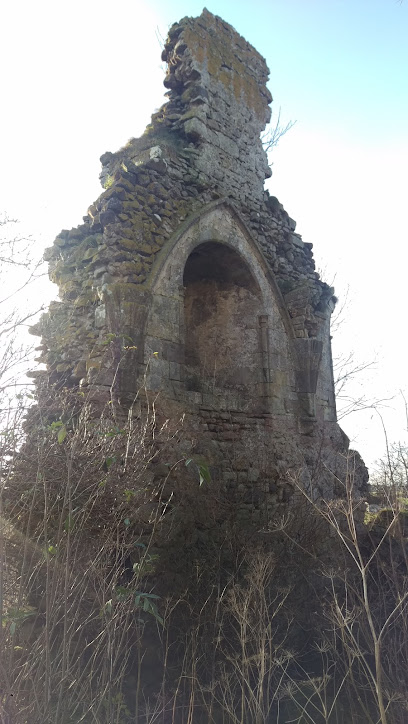
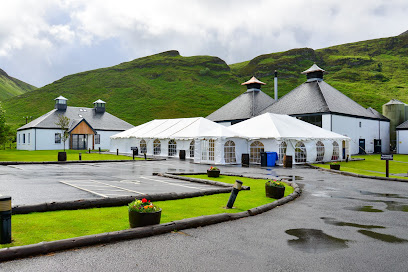
Lochranza Distillery
50.5 km
Discover the art of whisky-making at Lochranza Distillery, Isle of Arran, where tradition meets stunning landscapes and rich flavors.
Lochranza Youth Hostel
51.2 km
Experience the natural beauty and cultural charm of Lochranza Youth Hostel on the Isle of Arran, the perfect retreat for adventure and relaxation.

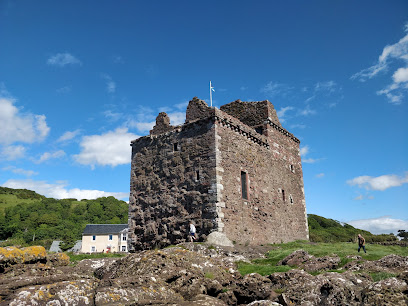
Portencross Castle
51.4 km
Explore the rich history and stunning views of Portencross Castle, a captivating historical landmark on Scotland's picturesque Ayrshire coast.
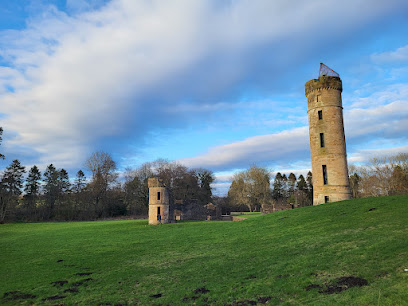
Eglinton Country Park
51.5 km
Experience the serene beauty and rich history of Eglinton Country Park, a must-visit destination for nature lovers and outdoor enthusiasts.
Unmissable attractions to see

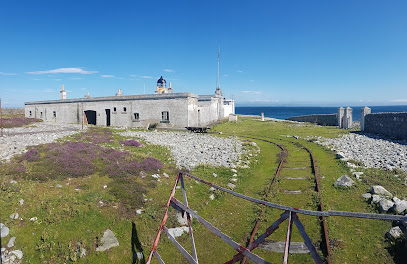
Ailsa Craig Lighthouse
0.5 km
Historic 19th-century lighthouse on a volcanic island sanctuary, blending maritime heritage with vibrant seabird colonies off Scotland’s Ayrshire coast.
Sawney Bean's Cave
14.5 km
Explore the eerie coastal cave of Sawney Bean, Scotland’s legendary cannibal lair steeped in dark folklore and dramatic seaside beauty.
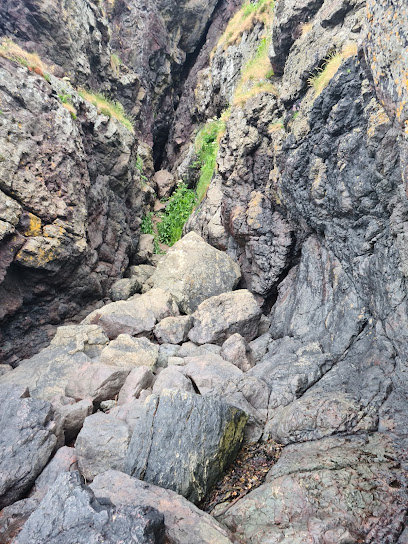
Girvan Beach
16.1 km
A sweeping sandy beach with iconic views of Ailsa Craig, family-friendly attractions, and a charming seaside town atmosphere.
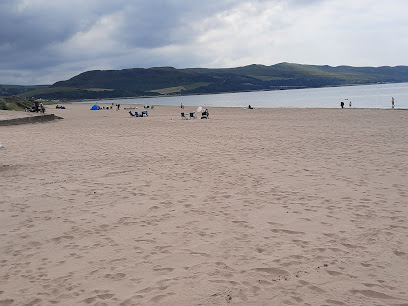
Turnberry Lighthouse
19.0 km
Historic 1873 lighthouse on Ayrshire coast blending maritime heritage, stunning sea views, and luxury golf resort charm.
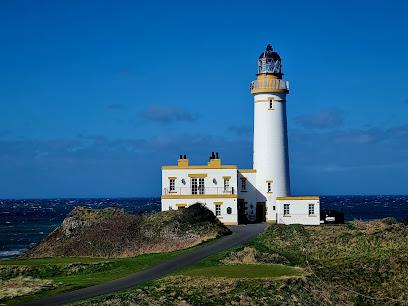
Turnberry Castle, Robert the Bruce birthplace
19.1 km
Historic ruins on Scotland’s Ayrshire coast, birthplace of Robert the Bruce and a symbol of Scottish independence and heritage.
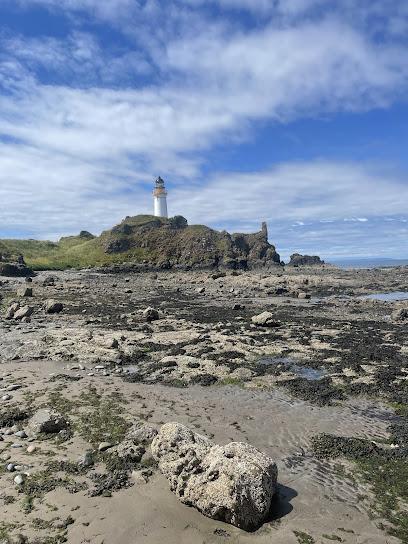
Glenapp Castle
20.5 km
Experience timeless Scottish Baronial luxury and breathtaking coastal views at Glenapp Castle, a secluded 5-star retreat in Ayrshire’s natural splendor.
Kildonan Castle
21.1 km
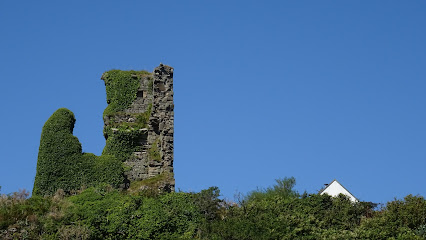
Discover the ivy-clad ruins of Kildonan Castle on Arran’s southern coast, where medieval history meets breathtaking sea views.
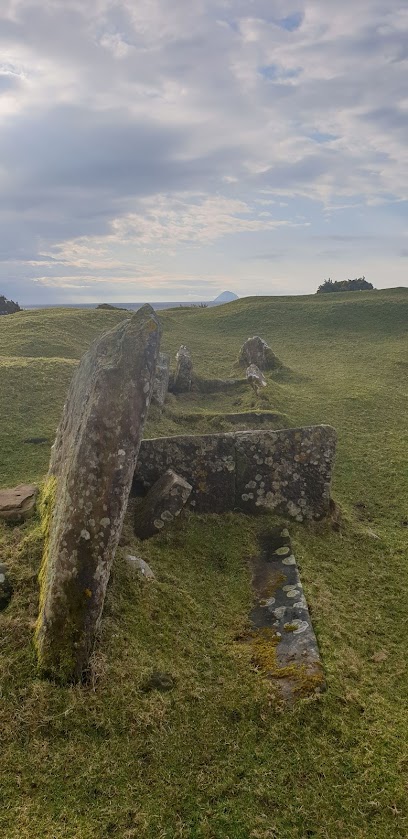
Torrylin Cairn
22.2 km
Explore Torrylin Cairn, a Neolithic chambered tomb on the Isle of Arran, revealing ancient burial rites and prehistoric connections to the landscape.
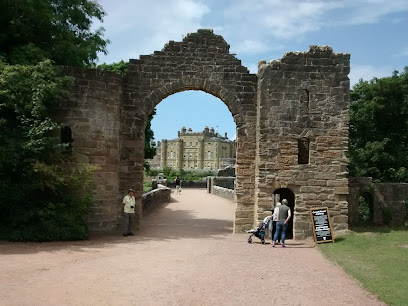
Culzean Castle
23.6 km
Discover Culzean Castle’s dramatic cliff-top grandeur, rich history, and sprawling parkland with gardens, beaches, and family-friendly adventures.
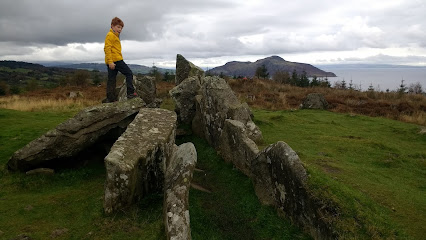
Giants' Graves
24.9 km
Explore the mysterious Neolithic Giants' Graves on Isle of Arran, ancient chambered tombs with breathtaking views over Whiting Bay and the Clyde estuary.
Dalquharran Castle
25.0 km
Explore the evocative ruins of Dalquharran Castle, a neo-classical masterpiece turned romantic ruin nestled in Ayrshire’s scenic countryside.
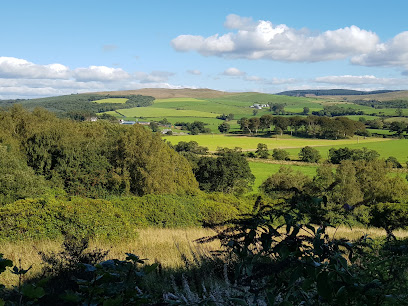
Eas a’ Chrannaig
25.1 km
Discover the Isle of Arran’s tallest waterfall and ancient Neolithic Giants’ Graves in a scenic woodland setting rich with history and wildlife.
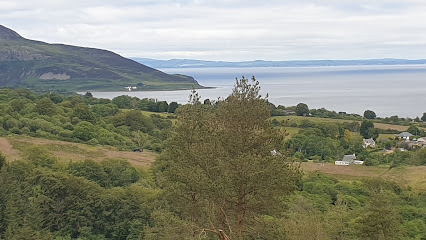
The Shurig
25.9 km
Savor fresh Scottish grill specialties with stunning sea views in the cozy, welcoming setting of The Shurig at Eden Lodge.
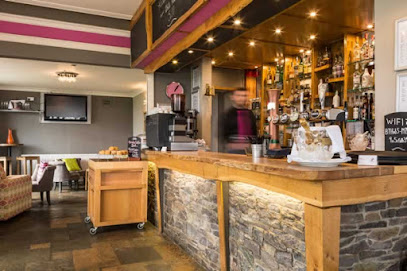
Crossraguel Abbey(Abaid Crossraguel
26.8 km
Explore the remarkably complete ruins of Crossraguel Abbey, a medieval Cluniac monastery steeped in Scottish history and scenic Ayrshire charm.
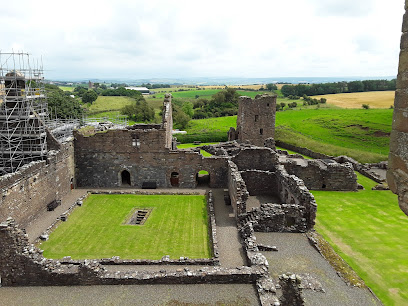
Electric Brae
26.8 km
Discover the surreal optical illusion of Electric Brae, where cars appear to roll uphill amidst stunning Ayrshire coastal views.
Essential places to dine

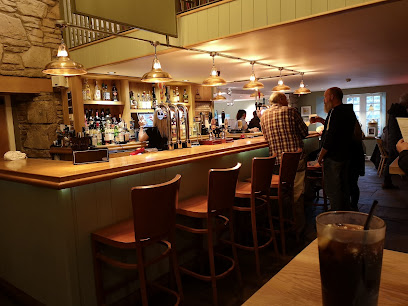
Souters Inn
23.1 km
Historic Burns schoolhouse turned award-winning restaurant, blending Scottish heritage with contemporary culinary excellence.
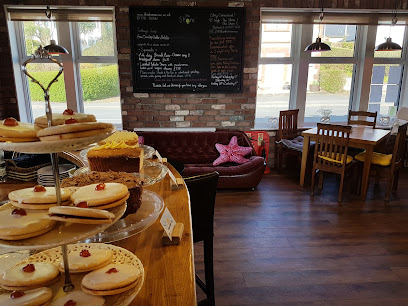
The Shore
26.4 km
Family-run café on Whiting Bay’s shore serving local produce with stunning views over Holy Isle and the Firth of Clyde.
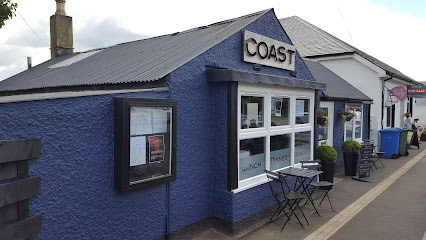
Coast Arran
26.4 km
Coast Arran offers a warm, pet-friendly dining experience with fresh Scottish coastal flavors on the scenic Isle of Arran’s Shore Road.
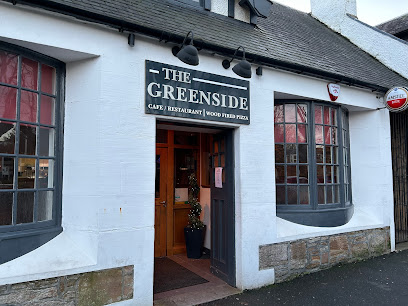
The Greenside Restaurant
29.5 km
A welcoming Maybole eatery offering generous portions, diverse menu, and friendly service in a cozy, clean setting.
Drift Inn
31.6 km
Experience fresh seafood and grill delights with breathtaking views of Holy Isle at The Drift Inn, Lamlash’s beloved coastal eatery.
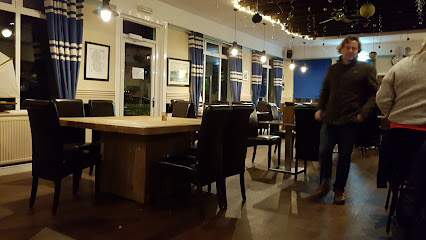
Duncans on the Green
32.1 km
Family-friendly dining with local flavors and stunning views at Lamlash Golf Club on the Isle of Arran.

The Balgarth Pines Bar & Restaurant
35.8 km
A welcoming modern British restaurant and bar in Ayr blending traditional flavors with contemporary dining in a relaxed setting.
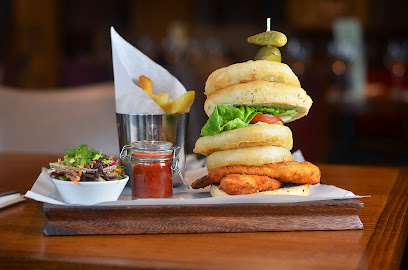
Brambles Seafood + Grill
35.9 km
Elegant seafood and grilled specialties with local flair in a cozy, dog-friendly setting at Auchrannie Resort, Brodick.
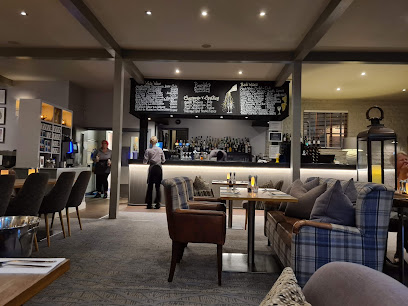
Eighteen69
36.0 km
Experience innovative tapas and island charm at Eighteen69, the stylish dining jewel within Auchrannie Resort on the Isle of Arran.
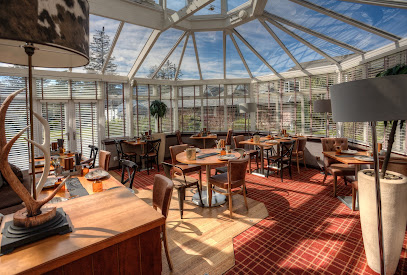
Little Rock Cafe & Wee Deli
36.0 km
Charming shorefront café and deli in Brodick offering quality Scottish fare, scenic bay views, and a welcoming, family-friendly atmosphere.
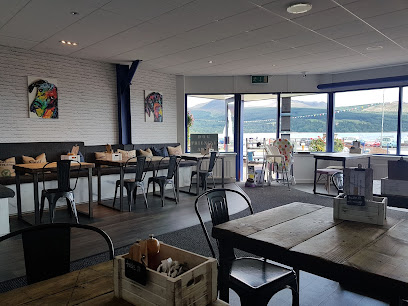
The Secret Garden
36.0 km
A cozy family-friendly bistro in Ayr offering hearty British breakfasts, award-winning coffee, and delightful home baking daily.
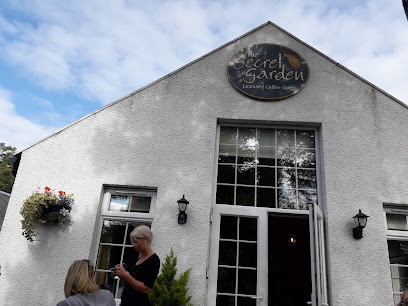
La Truffe Noire
36.1 km
A family-run fine dining gem in Brodick, Isle of Arran, serving seasonal Scottish cuisine with exceptional wines and warm island hospitality.
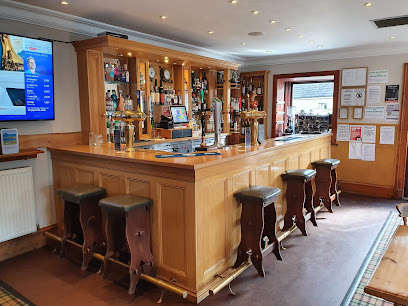
The French Fox
36.2 km
Authentic French classics served with charm and generous portions beside a tranquil river in Brodick, Isle of Arran.
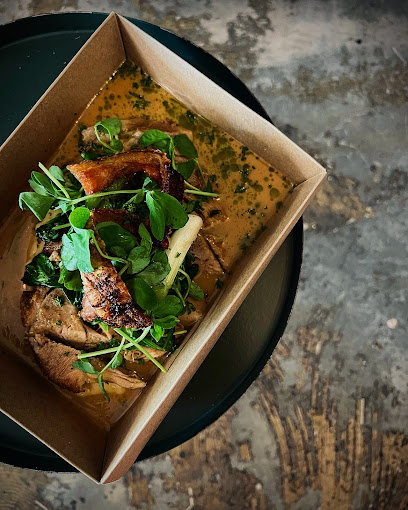
Chestnuts Restaurant & Hotel
37.3 km
Cozy 3-star hotel and vibrant restaurant near Ayr’s beach, offering warm hospitality, diverse dining, and a welcoming bar atmosphere.
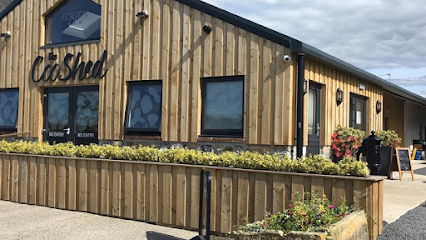
The Coo Shed
37.3 km
Award-winning Ayrshire café serving farm-fresh food, homemade cakes, and afternoon teas in a charming countryside setting with an adjoining plant nursery.
Markets, malls and hidden boutiques

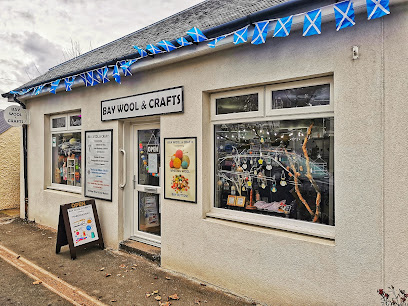
BAY WOOL & CRAFTS
26.4 km
Discover the heart of Arran’s wool craft tradition at Bay Wool & Crafts, Whiting Bay’s unique yarn and artisan shop.
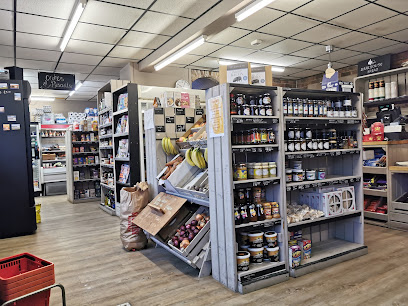
The Bay Kitchen and Stores
27.3 km
A century-old gourmet store in Whiting Bay blending local artisan foods, fresh seasonal produce, and eco-friendly shopping on the Isle of Arran.
Aruna Art & Gifts
28.3 km
Discover unique handcrafted gifts in a charming harbour-side shop nestled in the historic village of Dunure, Ayr.
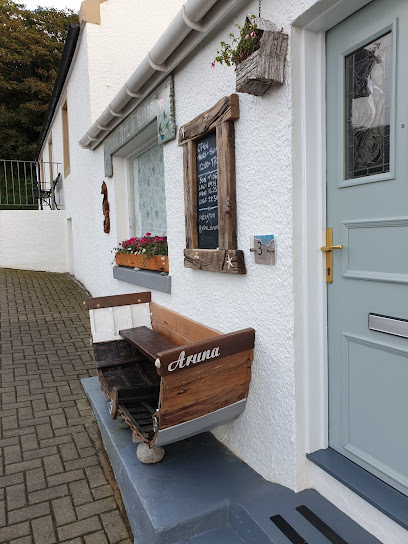
Arran Fine Foods
30.2 km
Discover authentic Isle of Arran flavors and artisanal gifts at Arran Fine Foods in the historic Old Mill, Lamlash.
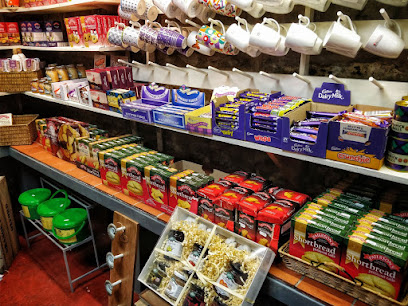
A&C Cameron Post Office & Licensed Grocer
30.8 km
A&C Cameron offers essential groceries, local delicacies, and post office services in Blackwaterfoot, blending community warmth with unique Arran flavors.
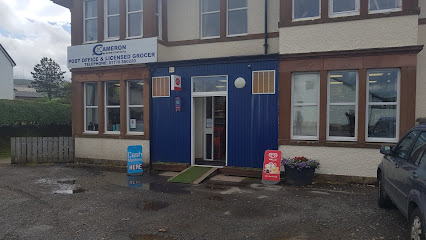
The Harbour Shop
31.0 km
Discover authentic Isle of Arran gifts and local treasures in the heart of Blackwaterfoot at The Harbour Shop.
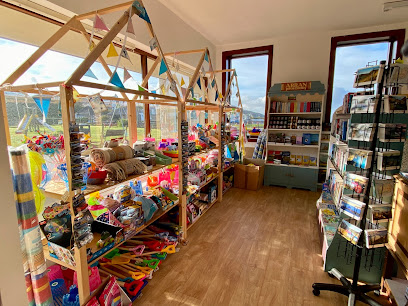
Gordon Brothers Ship House
31.1 km
Discover quality home improvement and local craftsmanship in the heart of Lamlash at Gordon Brothers Ship House on the Isle of Arran.
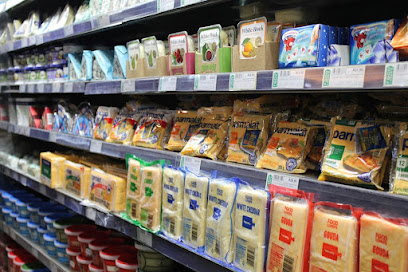
Chameleon Arran Boutique
31.2 km
Discover stylish, comfortable ladies’ fashion in a historic boutique nestled in the heart of Lamlash on the Isle of Arran.

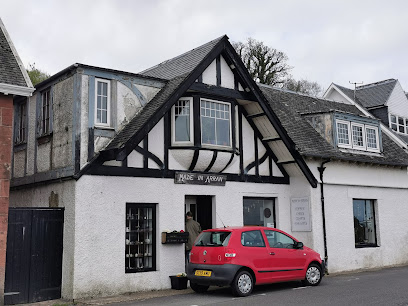
Made In Arran
31.3 km
Authentic artisan shop in Lamlash offering affordable local food, drink, and crafts that capture the spirit of the Isle of Arran.
North Isle of Arran
32.0 km
Explore the rugged beauty and historic charm of the North Isle of Arran, a serene Highland escape with castles, wildlife, and breathtaking landscapes.
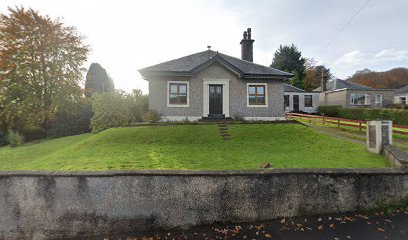
Treasures Gift Shop
33.7 km
Explore Ayr's Treasures Gift Shop – your destination for unique souvenirs and local crafts that capture the essence of this charming Scottish town.
Co-op Food - Arran Invercloy - Main Street
36.0 km
Your friendly local Co-op in Brodick, offering fresh Arran produce, local specialties, and everyday essentials with extended daily hours.
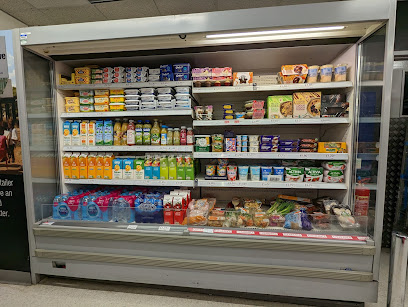
Co-op Food - Arran Brodick - Shore Street
36.0 km
Discover the essential convenience of Co-op Food in Brodick, Isle of Arran – your go-to stop for local treats and everyday necessities.
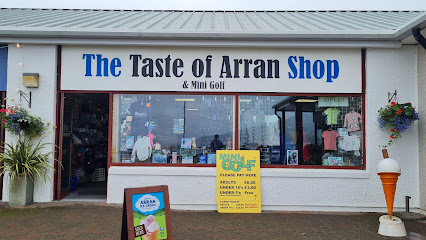
The Taste of Arran Shop
36.0 km
Discover authentic Isle of Arran flavors with artisan cheeses, handmade chocolates, and renowned local ice cream in Brodick’s charming Taste of Arran Shop.
Arran Active
36.0 km
Scotland’s largest independent outdoor retailer on Isle of Arran, offering expert gear for hiking, camping, and watersports with stunning seafront views.

Essential bars & hidden hideouts

Flix Theme Bar
16.5 km
A vibrant bar and nightclub in Girvan offering lively nights, diverse drinks, and versatile event spaces on Bridge Street.
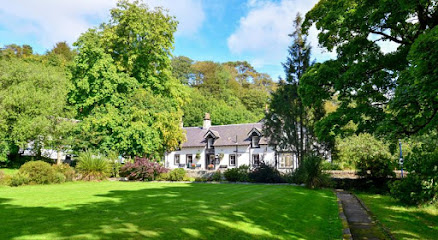
The Lagg Inn 1791
22.7 km
Historic family-run inn with cosy fires, homemade food, and tranquil gardens on the scenic Isle of Arran’s southern tip.
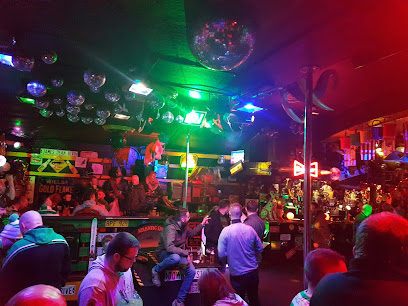
Pierhead Tavern
31.4 km
A welcoming seaside pub in Lamlash with stunning views, hearty fare, and lively local spirit on the Isle of Arran.
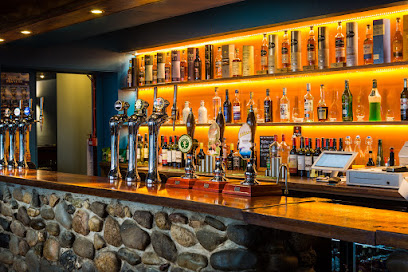
Duncan's On The Green
32.1 km
Relax and unwind with local ales and stunning views at Duncan's On The Green, nestled in historic Lamlash Golf Club on the Isle of Arran.
Ormidale Hotel
35.9 km
Family-run pub and hotel on Isle of Arran offering cozy en suite rooms, local ales, lively entertainment, and stunning views of Brodick Bay.
Cruize Bar Brasserie
36.1 km
A vibrant family-friendly brasserie at Auchrannie Resort serving fresh, locally inspired Scottish dishes in a lively, welcoming atmosphere.
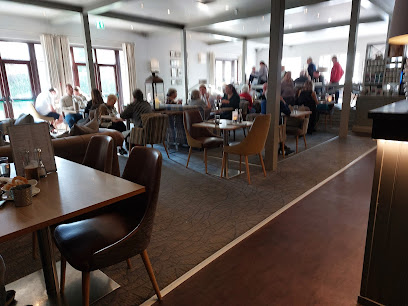
Edgewater
36.1 km
Cozy pub on Brodick’s Shore Road offering a warm welcome and scenic views near the heart of Isle of Arran’s main village.
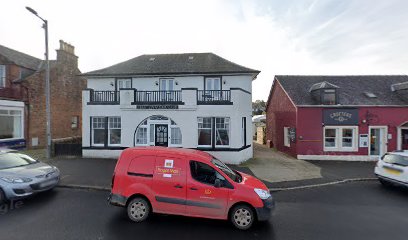
Arran Botanical Drinks @Cladach Beach House
37.7 km
Discover handcrafted botanical cocktails and scenic beachside charm at Arran Botanical Drinks, Isle of Arran’s unique coastal cocktail bar.
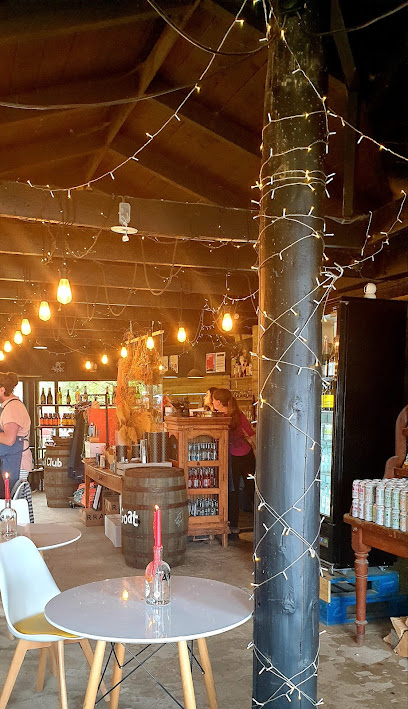
Wellingtons Lounge Bar
38.1 km
Step into Wellingtons Lounge Bar for handcrafted cocktails, live music, and a cozy 1920s vibe in the heart of Ayr’s vibrant social scene.
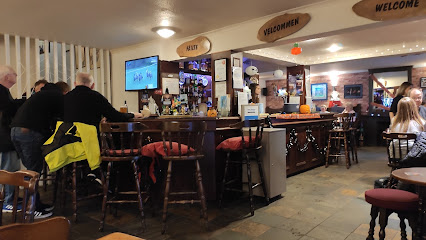
The Growler Taphouse & Kitchen
38.3 km
A lively bar and grill in Ayr offering exceptional craft beers, grilled delights, and a welcoming dog-friendly atmosphere.
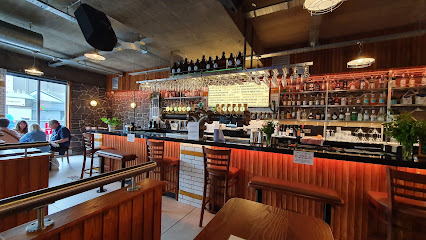
The Twa Dugs
38.3 km
A lively, Burns-inspired Scottish pub in Ayr’s heart, known for unique ales, live music, and an inclusive, welcoming atmosphere.
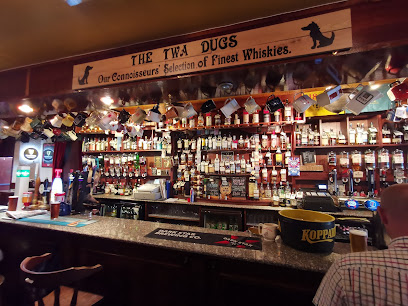
Smiths Bar
38.3 km
A lively Scottish pub and restaurant in Ayr offering home-cooked meals, premium drinks, live sports, and a spacious beer garden for all ages and dog lovers.
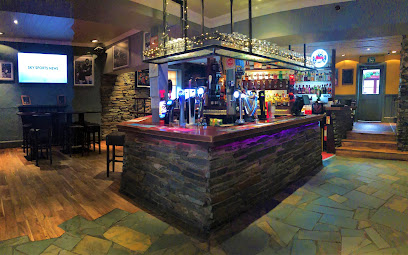
Tbar
38.4 km
A quirky and lively pub in Ayr offering excellent cocktails, live music, and a welcoming atmosphere for a memorable night out.
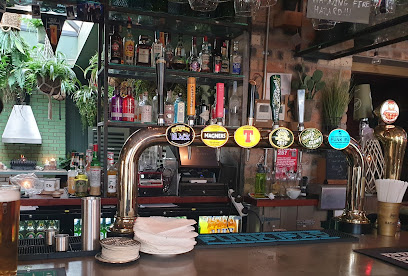
The Ghillie Dhu
38.4 km
A vibrant bar and street food hotspot in Ayr’s Burns Statue Square, blending Scottish tradition with lively music and modern flavors.
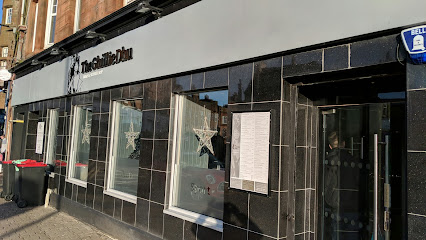
Rabbies Bar
38.4 km
A vibrant Ayrshire pub blending Robert Burns heritage with lively sports, music, and welcoming Scottish hospitality.
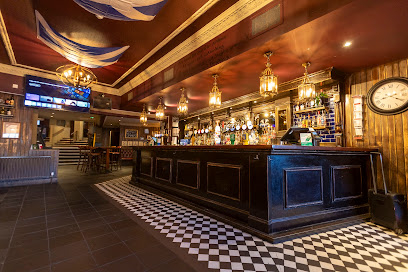
Nightclubs & after hour spots

Notion Ayr
38.5 km
Discover the vibrant nightlife at Notion Ayr, an exceptional events venue in the heart of Ayr, perfect for unforgettable social experiences.

Ayr Ex-Services Club
38.5 km
A friendly and lively social club in Ayrshire offering great music, community spirit, and vibrant weekend nights.
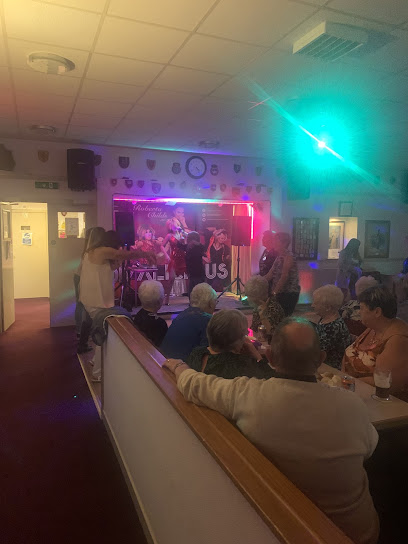
Printhouse Ayr
38.6 km
Experience Ayrshire’s vibrant nightlife and live music scene at Printhouse Ayr, where music and atmosphere unite for unforgettable nights.
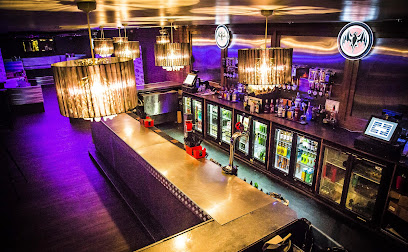
Pitchers Bar and Nightclub
49.3 km
A vibrant and inclusive nightclub in Irvine’s heart, offering lively music, dancing, and a welcoming atmosphere until the early hours.

The Club
55.6 km
A vibrant nightlife hotspot in the heart of Kilmarnock, offering lively music and a welcoming atmosphere for locals and visitors.
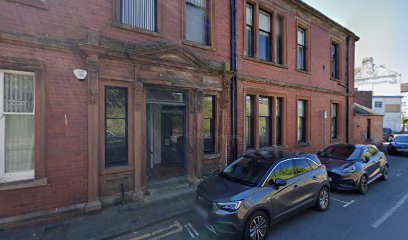
Halo Ballycastle
72.2 km
Discover the lively nightlife at Halo Ballycastle, a must-visit bar and nightclub featuring live music and a vibrant atmosphere in Ballycastle.
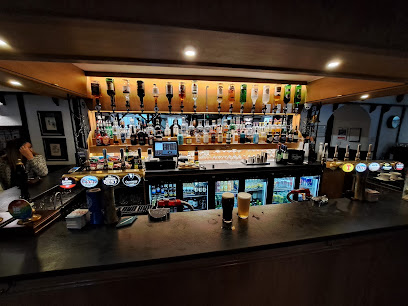
Masonic Arms
72.4 km
A welcoming gastropub in Gatehouse of Fleet, blending hearty Scottish fare, quality ales, and charming garden views in a historic setting.
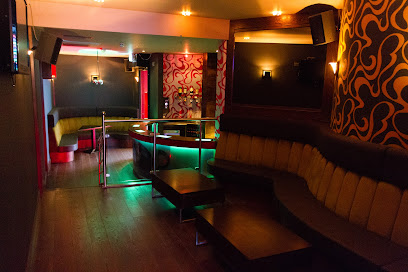
Vienna's Nightclub
78.8 km
Experience Paisley’s vibrant nightlife at Vienna's Nightclub, where energetic music and lively crowds come alive every weekend.
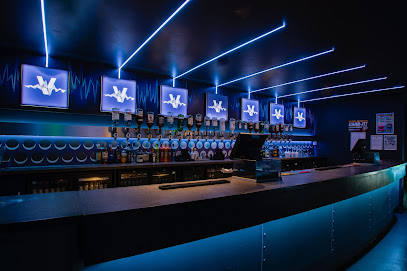
Fantoosh
78.8 km
A lively, intimate nightclub in Paisley’s heart, perfect for energetic nights with friends and local beats.
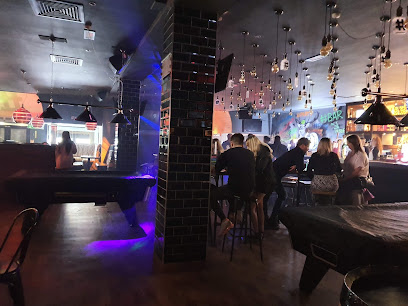
Argyll’s Social Club
79.2 km
Discover the lively atmosphere of Argyll’s Social Club in Dunoon, a perfect spot for drinks, entertainment, and local culture.
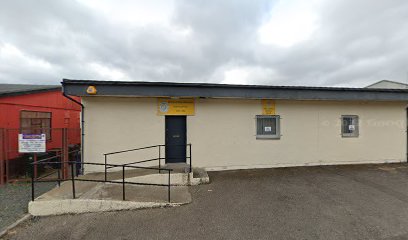
Club 69 Paisley
79.4 km
Dive into Paisley’s legendary underground techno scene at Club 69, where pulsating beats and vibrant vibes keep the night alive.
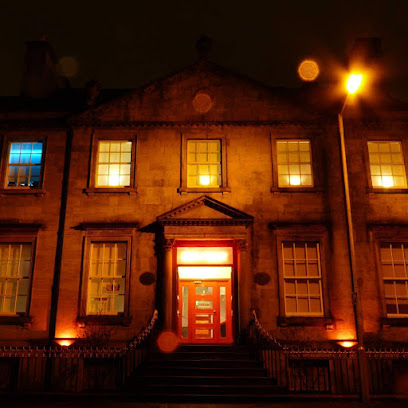
The Ardview Inn
79.4 km
Experience the warm hospitality and local flavors at The Ardview Inn, a charming pub in Port Ellen, Isle of Islay, perfect for unwinding after your travels.
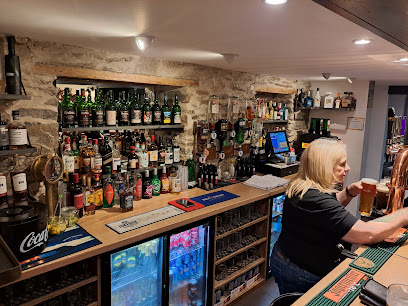
The Islay Hotel
79.5 km
Experience the charm of The Islay Hotel, where comfort meets local culture on the beautiful Isle of Islay.
No. 1 Charlotte Street
79.7 km
Discover the cozy charm of No. 1 Charlotte Street, a perfect blend of bar, hotel, and local hospitality in Port Ellen, Isle of Islay.
Red
80.5 km
Experience Greenock’s vibrant nightlife at Red Nightclub, where intimate vibes meet lively dance floors and affordable fun every weekend.

For the vibe & atmosphere seeker
- Scenic
- Relaxing
- Tranquil
- Unique
For the design and aesthetic lover
- Rustic Designs
- Vintage Styles
For the architecture buff
- Historic
- Landmarks
For the view chaser and sunset hunter
- Iconic Views
- Panoramas
For the social media creator & influencer
- Instagrammable
- Photo Spots
For the eco-conscious traveler
- Protected Area
- Nature Reserve
- Car-Free Access
- Public-Transport Accessible
- Leave-No-Trace Critical
- Locally Managed
- Wildlife Habitat
For the kind of experience you’re after
- Nature Escape
- Cultural Heritage
- Photowalk
- Day Trip
- Weekend Getaway
For how adventurous you want the journey to be
- Easy Access
- Seasonal Only
- Remote
Location Audience
- Family Friendly
- Senior Friendly
- Child Friendly
- Teen Friendly
- Solo Friendly
- Couple Friendly
- Vegetarian Friendly
- Vegan Friendly


