
Findlater Castle, Banffshire Travel Guide
Explore the dramatic cliffside ruins of Findlater Castle, a medieval stronghold steeped in Norse battles, royal sieges, and rugged coastal beauty.
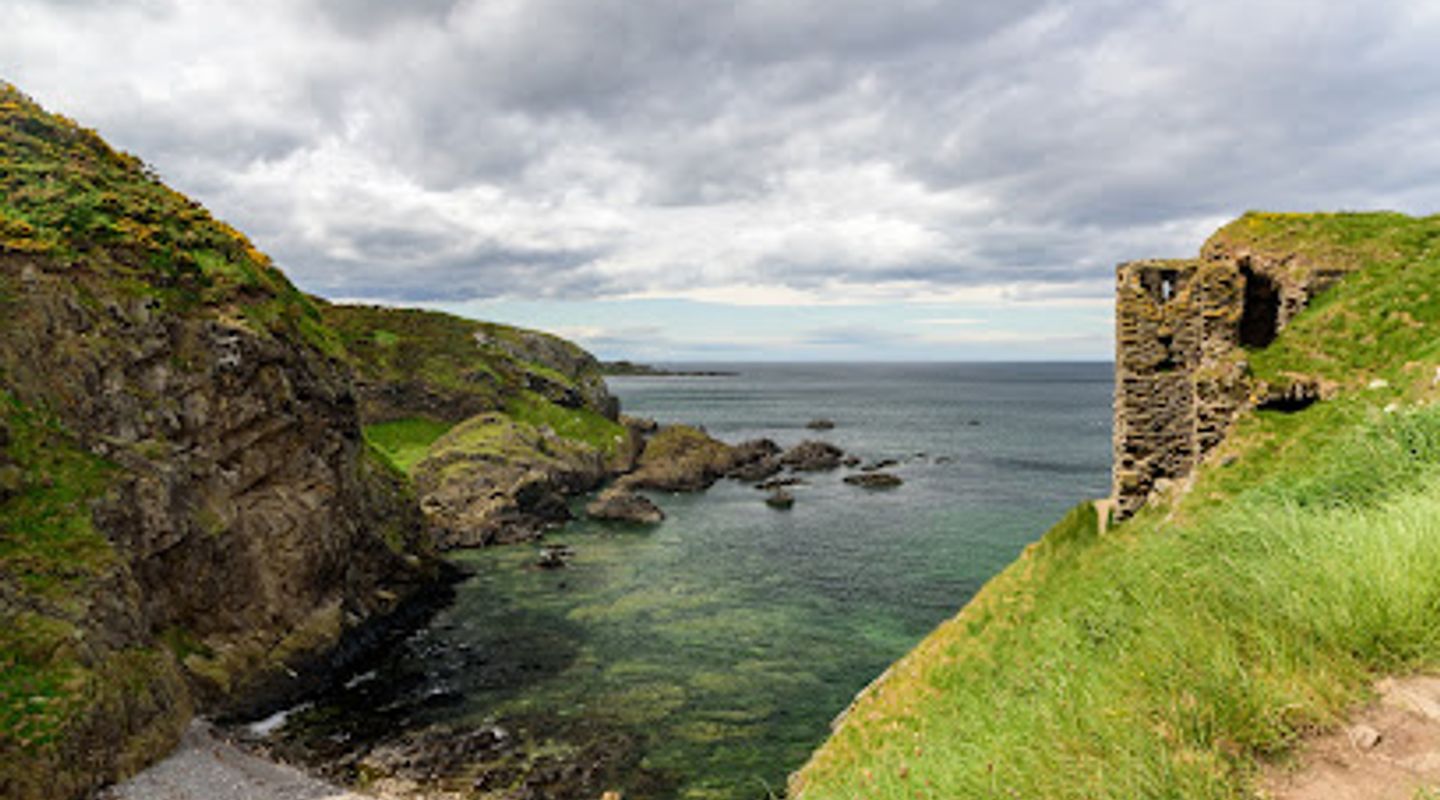
Perched on a 50-foot cliff overlooking the Moray Firth in Aberdeenshire, Findlater Castle is a striking medieval ruin dating back to the 13th century. With a turbulent history involving Norse invasions, royal sieges, and clan conflicts, this evocative site offers rugged coastal scenery and a glimpse into Scotland’s turbulent past. Though the castle is ruinous and perched precariously, its dramatic setting and rich stories make it a compelling destination for adventurous visitors.
A brief summary to Findlater Castle
- Aberdeenshire, GB
- Click to display
- Duration: 1 to 3 hours
- Free
-
 Outdoor
- Mobile reception: 4 out of 5

Know before you go
Hi, I'm Eve. Here are a few practical things to know before exploring Findlater Castle.
- Wear sturdy footwear and exercise extreme caution on the steep, uneven paths and near cliff edges.
- Visit during clear weather for the best views and safer footing.
- Bring a camera to capture the spectacular coastal scenery and evocative ruins.
- Explore the nearby dovecot, a rare and well-preserved historic structure dating from the 16th or 17th century.
Do you manage this location?
Take control to get all the benefits, like improved information, better appearance, and stronger visibility across AI-powered discovery. Learn more about listing your business on Evendo
Activate your presenceOther nearby places you may find interesting
The closest places of the same kind, if this one is not quite what you had in mind.
Explore Findlater Castle on the Map
A handpicked selection of must-see spots near Findlater Castle, mapped for you.
Getting There
-
Car
Driving from Cullen, take the A98 coastal road for approximately 6 km to a small car park near farm buildings. From there, a well-marked footpath leads to the castle over uneven terrain. Parking is limited; no fees apply.
-
Bus and Walk
Take a regional bus from Aberdeen or Elgin to Cullen (travel time 1.5–2 hours). From Cullen, a 1.5-hour walk along rural paths and farmland leads to Findlater Castle. The walk involves steep and uneven sections, so suitable footwear and fitness are required.
-
Taxi
Local taxi services from Cullen can reach the castle car park in 15–20 minutes. This option is convenient for those avoiding the longer walk but can cost approximately £15–£25 GBP one way.
For the on-the-go comforts that matter to you
-
 Restrooms
-
 Drink Options
-
 Food Options
-
 Information Boards
-
 Seating Areas
Discover more about Findlater Castle
A Fortress Carved from White Cliffs
Findlater Castle commands a dramatic position atop a steep 50-foot-high cliff on the Moray Firth coast of Aberdeenshire. Its name, derived from the Gaelic "Fionn Leiter" meaning "white cliff," reflects the quartz-rich cliffs on which it stands. The castle is built on a rocky peninsula accessible only by a narrow land bridge, now lost, which once featured a drawbridge. This natural fortress made Findlater nearly impregnable, with sheer cliffs on three sides and a commanding view of the sea below.Medieval Origins and Norse Conflicts
The earliest records of Findlater date to 1246, with fortifications strengthened by King Alexander III in the 1260s amid threats from King Haakon IV of Norway. The castle was briefly occupied by Norwegian forces until their defeat at the Battle of Largs in 1263. The surviving ruins mainly date from a late 14th-century reconstruction, likely commissioned by Sir John Sinclair, inspired by Roslin Castle’s design. Over the centuries, the castle evolved into a powerful stronghold under the Ogilvy family, who obtained royal permission to expand its defenses in 1455.Political Intrigue and Royal Sieges
Findlater Castle’s history is marked by intense clan rivalries and royal drama. In the 16th century, ownership shifted controversially when Alexander Ogilvy disinherited his son in favor of Sir John Gordon, son of the Earl of Huntly. This sparked the Gordon Rebellion, culminating in a siege by Mary, Queen of Scots’ forces in 1562. Despite initial resistance, the Gordons were defeated at the Battle of Corrichie, and John Gordon was executed. The castle returned to the Ogilvy family but gradually fell into decline after they moved their main residence to nearby Cullen House in the early 17th century.The Ruins and Visitor Experience Today
Today, Findlater Castle stands as a haunting ruin, its towers and vaulted rooms reduced to precarious skeletons of stone. The original footbridge is gone, and the site’s steep, unstable cliffs demand caution from visitors. The castle’s rugged coastal setting offers spectacular views and excellent photography opportunities, though exploring the ruins requires care due to safety risks. Nearby, a well-preserved dovecot dating from the 16th or 17th century adds to the historical ambiance.Natural Beauty and Coastal Adventure
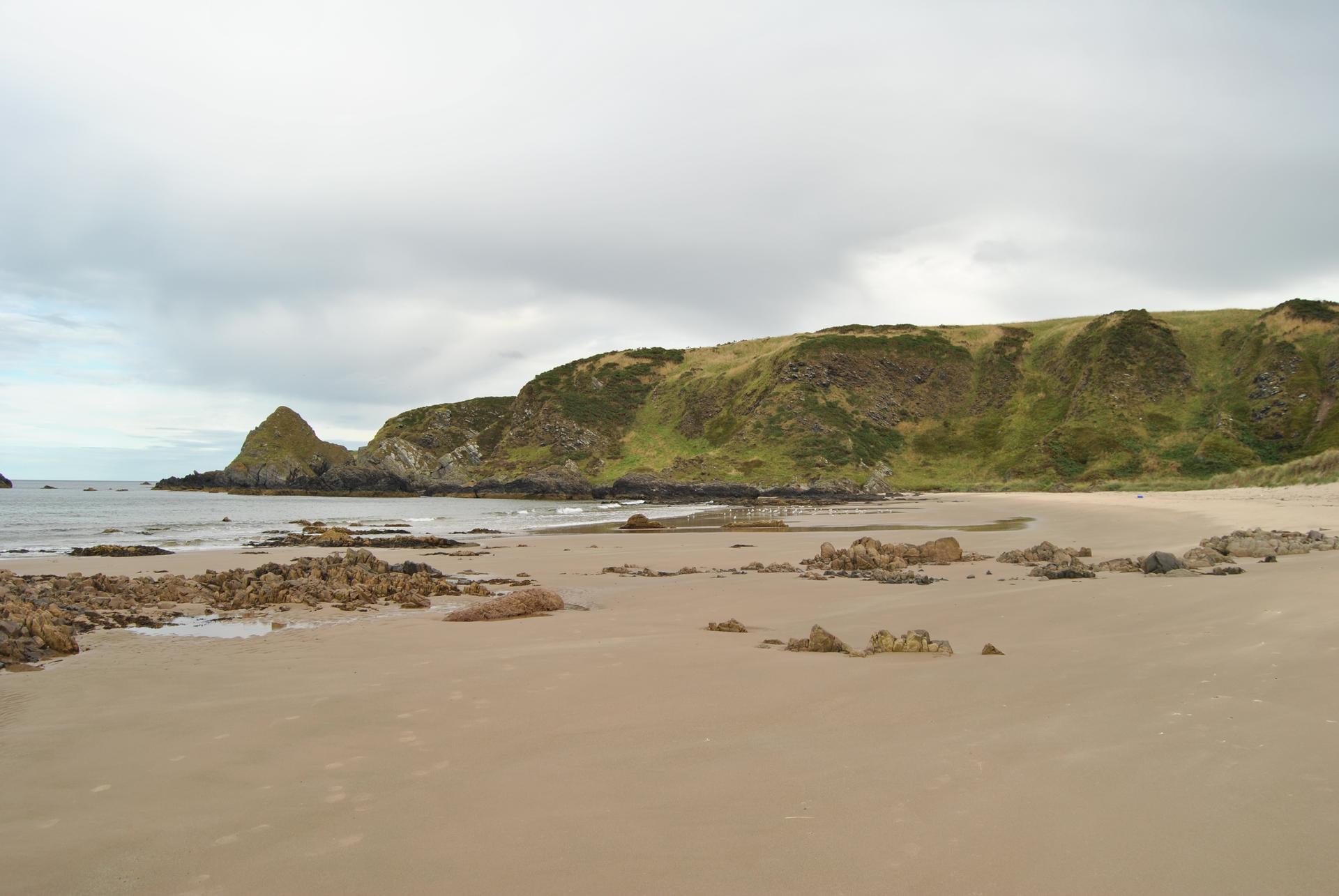
The castle’s location on the Moray Coast places it amid some of Scotland’s most stunning coastal landscapes. Visitors approaching from the nearby village of Cullen traverse farmland and rugged paths that reveal panoramic vistas of the North Sea. The white quartz cliffs shimmer in sunlight, contrasting with the deep blue waters below. This blend of natural beauty and evocative history makes Findlater Castle a unique highlight for travelers seeking both adventure and cultural heritage.Legacy of Scottish Turmoil and Resilience
Findlater Castle embodies centuries of Scotland’s medieval struggles, from Norse invasions to clan warfare and royal power plays. Its ruins stand as a testament to the resilience of those who built and defended it against overwhelming odds. Though time and the elements have reduced it to a fragile relic, Findlater’s story continues to captivate, inviting visitors to imagine the lives and battles that shaped this remarkable coastal fortress.












Your all‑in‑one travel companion app
Explore expert travel guides, compare and book tours, experiences, hotels, and more—all from the palm of your hand. Download now for seamless trip planning wherever your wanderlust takes you.


Explore More of Banffshire
Looking beyond Findlater Castle? Discover Banffshire for broader travel guides, local hot-spots, and regional highlights.
Explore Banffshire
A vibrant 10-foot sculpture blending lion and mermaid motifs, celebrating Elgin’s historic fisher folk and textile heritage with colorful eccentricity.
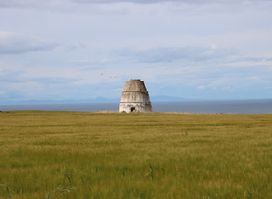
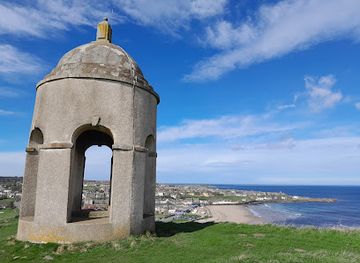
Explore the restored 15th-century Findlater Doocot, a unique medieval dovecote near the dramatic ruins of Findlater Castle on Scotland’s Moray Coast.
