

Findlater Doocot Travel Guide
Free Guide: Explore the restored 15th-century Findlater Doocot, a unique medieval dovecote near the dramatic ruins of Findlater Castle on Scotland’s Moray Coast.


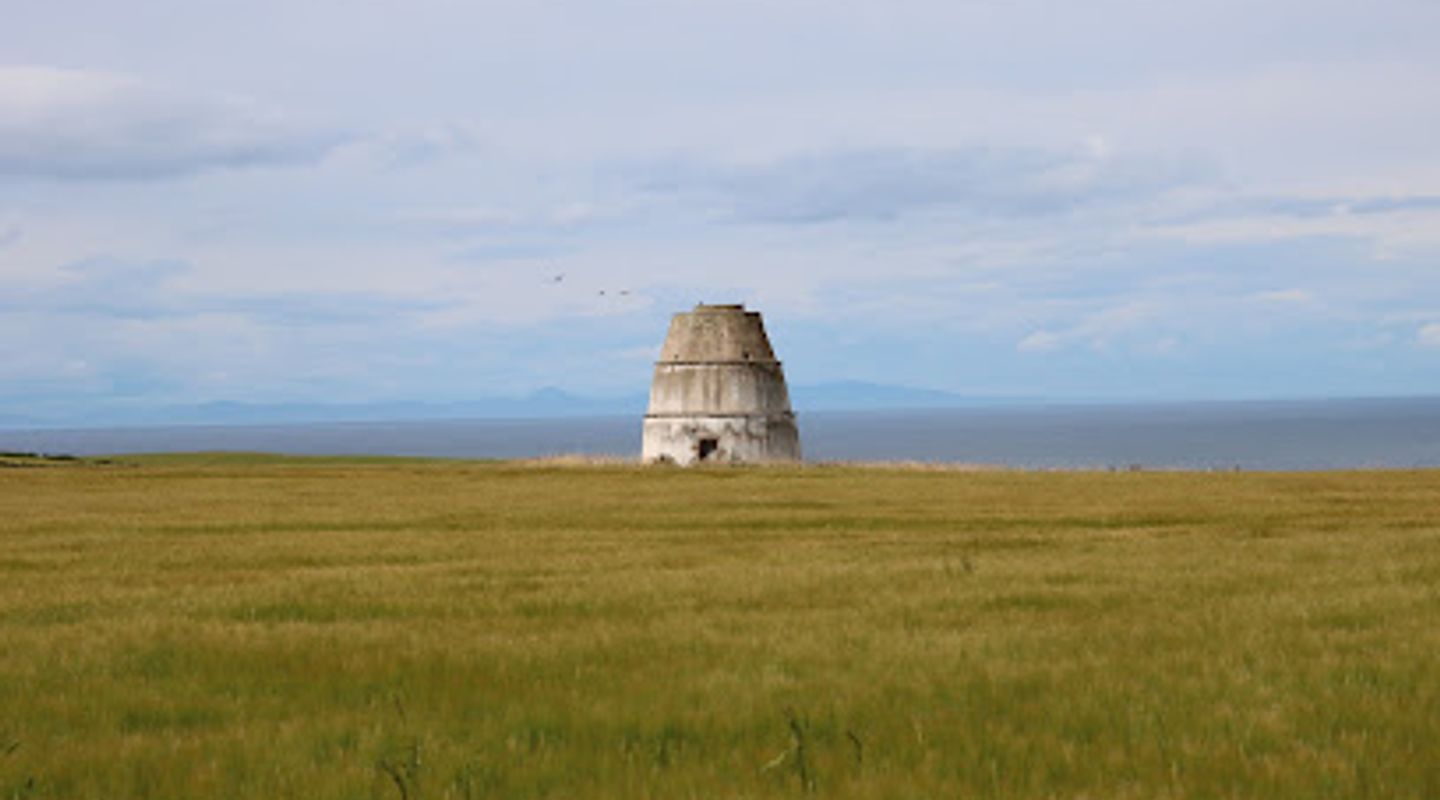
A brief summary of Findlater Doocot
Explore the restored 15th-century Findlater Doocot, a unique medieval dovecote near the dramatic ruins of Findlater Castle on Scotland’s Moray Coast.
The Findlater Doocot is a historic beehive-shaped dovecote located near the ruins of Findlater Castle on the Moray Coast in Aberdeenshire, Scotland. Dating from the 15th or 16th century, this restored structure once housed up to 700 nesting boxes for pigeons, providing a vital food source for the castle’s inhabitants. Set amidst rugged coastal cliffs, the Doocot offers a glimpse into medieval Scottish estate life and complements the dramatic history of the nearby castle ruins.
On-site amenities
 Restrooms
 Seating areas
 Information boards
Opening hours
- Every dayOpen 24 hours
Opening hours as listed on the venue’s Google Business Profile. Hours can change for services and special events, so check with the venue before you go.
- Address
- M6QG+7M, Banff AB45 2UD
- Website
Getting there
Car
Bus
Walking
Discover more about Findlater Doocot
A Medieval Legacy on the Moray Coast
Nestled near the cliff-edge ruins of Findlater Castle, the Findlater Doocot stands as a remarkable reminder of Scotland’s medieval past. This beehive-shaped dovecote, likely constructed in the 15th or 16th century, was an essential feature of the castle estate. Designed to house up to 700 pigeons in its numerous nesting boxes, the Doocot provided a reliable source of fresh meat and eggs throughout the year, crucial for sustaining the castle’s residents during times of siege or scarcity.
Architectural Charm and Restoration
The Doocot’s distinctive rounded form, tapering towards the top, exemplifies traditional Scottish dovecote construction. Its thick stone walls and small entrance openings protected the birds from predators and harsh coastal weather. After centuries of weathering, the structure was carefully restored in 1992 by local authorities with support from Historic Scotland, preserving its historical integrity and allowing visitors to appreciate its original design and function.
Findlater Castle and Its Turbulent History
The Doocot’s proximity to Findlater Castle enriches its significance. The castle, perched dramatically on a 50-foot cliff overlooking the Moray Firth, dates back to the 13th century and was fortified multiple times through the medieval period. It witnessed sieges, royal visits, and clan conflicts, including involvement in the Gordon Rebellion of 1562. Though the castle fell into ruin by the early 17th century, the Doocot remains a tangible link to the daily life and sustenance of its former occupants.
Atmosphere and Surroundings
Visitors to the Doocot can enjoy sweeping coastal views and the rugged beauty of the Banffshire coastline. The site’s exposed location invites the fresh sea breeze and the calls of seabirds, enhancing the sense of connection to Scotland’s natural and historical heritage. The nearby castle ruins add a dramatic backdrop, evoking the stories of medieval power struggles and local lore.
Visitor Experience and Safety
The Doocot is accessible via a short walk from the car park near Sunnyside Beach, with signage guiding visitors. While the area offers stunning vistas and photographic opportunities, caution is advised due to steep and slippery cliff paths near the castle ruins. The Doocot itself is a safe and stable structure to explore, offering insight into a unique aspect of Scottish castle life.
Preserving a Unique Heritage
Today, the Findlater Doocot stands not only as a historical monument but also as a symbol of local heritage conservation efforts. Its restoration reflects a commitment to preserving Scotland’s architectural and cultural landmarks for future generations, ensuring that the stories of medieval life on the Moray Coast continue to inspire and educate.
Evendo Review Centre
 Google
Guest reviews
Best time to go
Quietest: Jan, Feb & Dec · before 6am or at 8pm
Busy times are Evendo estimates for a typical year, to help you plan. Actual crowds vary with events, school holidays and the weather.
Explore Findlater Doocot on the map
A handpicked selection of must-see spots near Findlater Doocot, mapped for you.
Get your free copy of our complete guide to Findlater Doocot, delivered straight to you.
Everything on this page, from opening hours and how to get there to Eve’s tips and the best time to go, in one PDF you can read offline, print or share.
Already have an account? Sign in
Your Findlater Doocot guide is ready.
We'll send it to · Not you? Sign out

Getting your guide ready…
We are putting together a fresh copy of the Findlater Doocot guide. This can take up to a minute.
This can take a few moments. If your browser asks, choose Allow so the download can start. You'll find the guide in your Downloads folder.
Nothing happened? Download it again
Sorry, the guide is taking longer than usual. Please try again in a minute, or get it by email instead.
Other nearby places you may find interesting
The closest places of the same kind, if this one is not quite what you had in mind.
-
-
-
-
-


Swipe for more places
More to explore near Findlater Doocot

 Best experiences near Findlater Doocot
 Best hotels near Findlater Doocot
 Best landmarks near Findlater Doocot
 Best attractions near Findlater Doocot
 Best shops near Findlater Doocot
 Best restaurants near Findlater Doocot
 Best bars near Findlater Doocot
Do you manage this location?
Take control to get all the benefits, like improved information, better appearance, and stronger visibility across AI-powered discovery.
Explore more
Explore more of Banffshire
Discover Banffshire, Scotland's hidden gem, where stunning coastlines, historic castles, and warm hospitality await you in this serene and picturesque region.
Explore Banffshire
Explore more of United Kingdom
Discover the United Kingdom: A blend of rich history, stunning landscapes, and vibrant cities, offering a unique travel experience for every visitor.
Explore United Kingdom
