Background

Redcliffe Caves: Bristol's Hidden Sandstone Labyrinth

Explore Bristol’s mysterious Redcliffe Caves, a hidden underground network carved from red sandstone with centuries of industrial and cultural history.

4.3

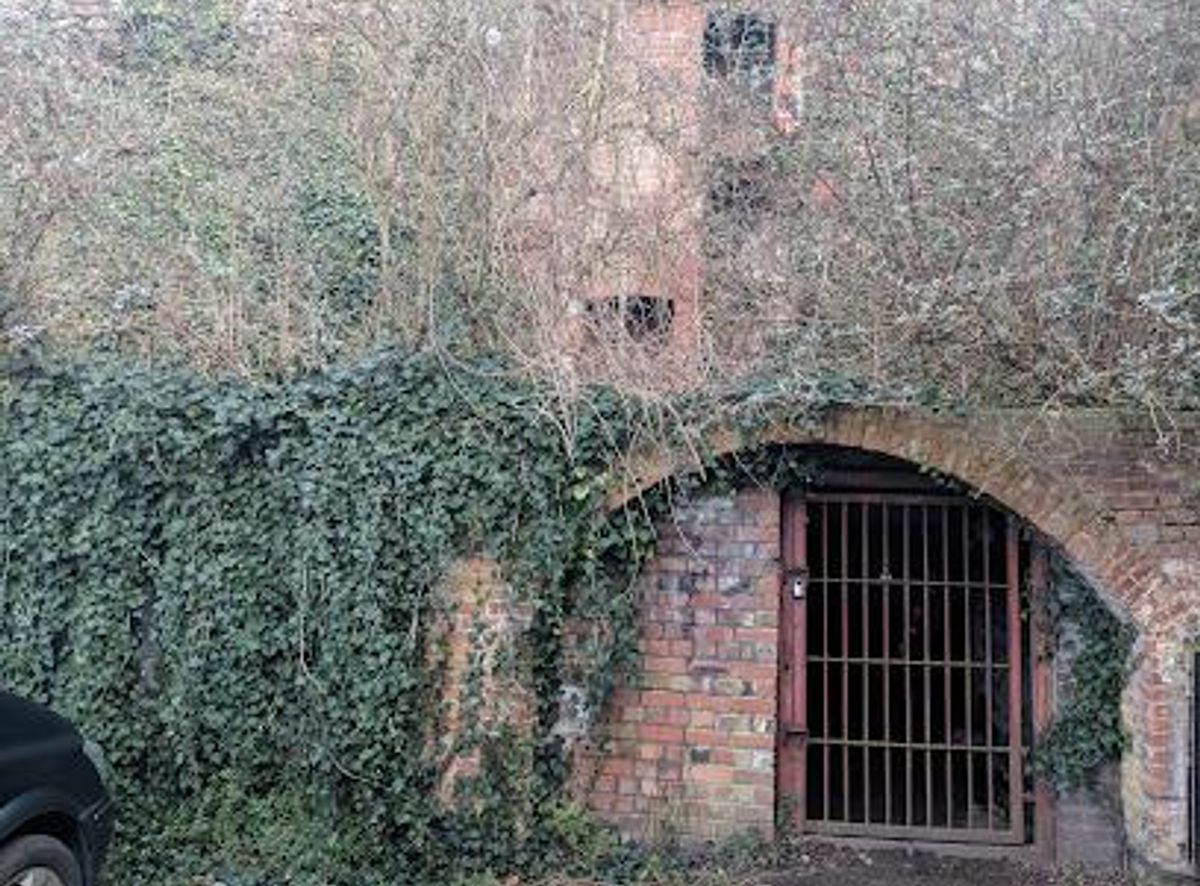
Redcliffe Caves are a fascinating network of man-made tunnels beneath Bristol's Redcliffe district, carved from Triassic red sandstone. Originally excavated from the Middle Ages through the 19th century to supply sand for glassmaking and pottery, these caves later served as storage spaces and even wartime prisons. Today, they offer a unique glimpse into Bristol's industrial past and subterranean heritage, accessible mainly through special events and guided tours.

A brief summary to Redcliffe Caves

  • Phoenix Wharf, Redcliffe Way, Bristol, Redcliffe, BS1 6SR, GB
  • +441179222200
  • Visit website
  • Duration: 0.5 to 2 hours
  • Mid ranged
  • Environment icon Mixed
  • Mobile reception: 4 out of 5

Local tips

  • Wear sturdy shoes as the cave floors are uneven and some ceilings are low.
  • Check the official website for special event dates and guided tour availability, as the caves are not regularly open.
  • Visit during weekdays or off-peak times for a quieter, more immersive experience.
  • Bring a flashlight or headlamp if attending self-guided tours, since lighting can be limited.
widget icon

Getting There

  • Bus

    From Bristol city center, take bus numbers 8 or 9 towards Redcliffe. The journey lasts approximately 10 to 15 minutes. Disembark at the Redcliffe Way stop; from there, it's a short walk to Phoenix Wharf where the caves entrance is located. Buses run frequently, but check schedules for weekend variations. Tickets cost around £2.50–£3.00.

  • Train

    From Bristol Temple Meads station, a 15 to 20-minute walk leads to Redcliffe Caves via city center routes. The path is mostly flat but involves urban streets. Train services to Temple Meads are frequent from regional locations, with ticket prices varying by origin.

  • Walking

    If you are in Bristol city center, a pleasant 20-minute walk along the River Avon and across Bristol Bridge brings you to Phoenix Wharf. The terrain is urban and generally accessible, but note that the caves themselves have uneven floors and low ceilings.

Redcliffe Caves location weather suitability

  • Weather icon Any Weather
  • Weather icon Rain / Wet Weather
  • Weather icon Mild Temperatures

Unlock the Best of Redcliffe Caves

Buy tickets

    No tickets available

Book tours with entry

    No tours available

Book tours without entry

    No tours available

Discover more about Redcliffe Caves

Origins Carved in Red Sandstone

The Redcliffe Caves owe their existence to the rich Triassic red sandstone cliffs that give Bristol's Redcliffe area its name. From the Middle Ages onward, these caves were excavated to extract sand essential for the city's flourishing glass and pottery industries. The mining activity intensified between the 17th and early 19th centuries, creating an extensive labyrinth of tunnels and chambers. The caves are not natural formations but carefully quarried spaces, evidenced by pick marks on walls and ceilings and the lack of natural sandstone caves nearby.

A Multipurpose Underground Network

Beyond their industrial role, the caves served various functions over centuries. Hermits inhabited them from the 14th to 17th centuries, while during the French Revolutionary and Napoleonic Wars, prisoners of war were reportedly held within their depths. The caves also stored trade goods arriving from Africa and the West Indies, linking them to Bristol’s maritime history. After glass production ceased, the caves became storage areas and dumping grounds, including waste from the nearby Redcliffe Shot Tower.

Structural Features and Preservation

The caves span over an acre, with tunnels extending nearly to Bristol General Hospital. To support the large chambers, stone columns were supplemented by arches made of stone, brick, and concrete. Damage from World War II bombing and subsequent infill has rendered some areas inaccessible, and the full extent of the caves remains unknown. Despite these challenges, the caves are maintained and occasionally opened for cultural events, film shoots, and guided tours.

Modern Cultural Significance

Today, Redcliffe Caves are a rare subterranean venue hosting art installations, theatre productions, and film shoots for popular series such as Doctor Who and Poldark. Their dark, atmospheric interiors provide a unique backdrop that contrasts with the bustling city above. Access is limited and usually available during special events or the Bristol Open Doors weekend, preserving the caves’ fragile environment while allowing visitors to experience this hidden heritage.

Visitor Experience and Surroundings

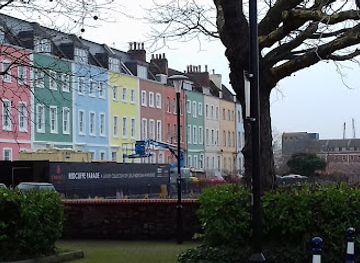
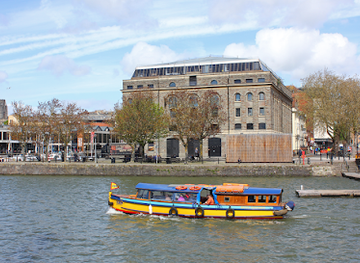
Visitors exploring the caves encounter uneven floors, low ceilings, and intriguing features like straw stalactites, a carved ‘little man’ figure, and a 6-meter deep well shaft. The caves’ proximity to Bristol’s waterfront offers opportunities to enjoy nearby cafes and shops after tours. The surrounding Redcliffe district itself is notable for its colorful houses and historic architecture, enriching the overall visit.

Legends and Local Lore

The caves have inspired many stories, from tales of smuggling due to their closeness to the harbor to ghostly legends fueled by their mysterious depths. While some rumors—such as the caves being slave prisons—have been debunked, the caves’ varied history as quarries, shelters, and storage spaces continues to captivate imaginations and contribute to Bristol’s rich cultural tapestry.

Busiest months of the year

Busiest hours of the day

Popular Experiences near Redcliffe Caves

Popular Hotels near Redcliffe Caves

Select Currency