Background

Welsh Back: The Historic Waterfront Heart of Bristol

Historic waterfront street in Bristol, blending maritime heritage, abolitionist history, and vibrant cultural life along the Floating Harbour.

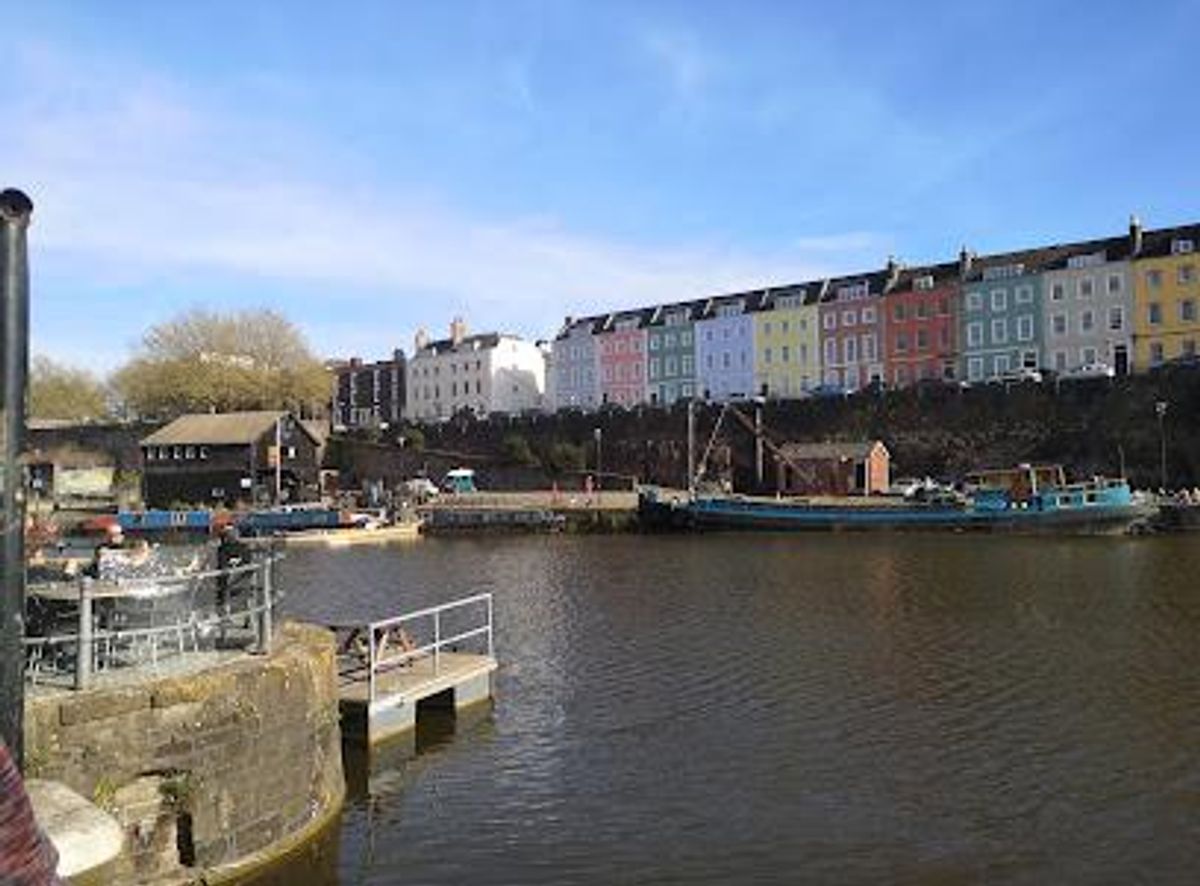
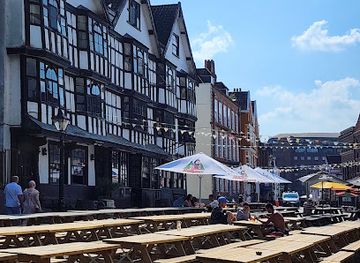
Welsh Back is a historic waterfront street and wharf in Bristol, England, stretching approximately 450 metres along the Floating Harbour. Once the bustling backs of merchants’ houses, it played a central role in Bristol’s maritime trade from the medieval period through the industrial age. Today, Welsh Back is a vibrant area linking key cultural sites and reflecting Bristol’s rich history of trade, exploration, and social reform.

A brief summary to Welsh Back

  • Bristol, GB
  • Duration: 1 to 3 hours
  • Free
  • Environment icon Outdoor
  • Mobile reception: 4 out of 5

Local tips

  • Visit during daylight hours to fully appreciate the waterfront views and historic architecture.
  • Explore nearby attractions like M Shed museum and Queen Square to deepen your understanding of Bristol’s history.
  • Look out for historical plaques and interpretive signs that provide context about Welsh Back’s maritime and social past.
  • Consider joining a guided heritage trail that includes Welsh Back to learn about Bristol’s abolitionist legacy.
widget icon

Getting There

  • Bus

    Take the Bristol Bus Service routes 1 or 2 from Bristol city centre to Redcliffe Way stop, approximately a 10-15 minute ride. From there, Welsh Back is a 5-minute walk along the waterfront. Buses run frequently, but check schedules for weekends and evenings. Single fares cost around £2.50 GBP.

  • Train and Walk

    Arrive at Bristol Temple Meads railway station, located about 1.5 km from Welsh Back. From the station, enjoy a 20-minute walk along the Brunel Mile and waterfront paths to reach Welsh Back. The walk is mostly flat and accessible, suitable for most travelers.

  • Taxi

    A taxi from Bristol city centre to Welsh Back typically takes 5-10 minutes depending on traffic, costing approximately £6-£10 GBP. This option offers direct and convenient access, especially for travelers with luggage or mobility needs.

Welsh Back location weather suitability

  • Weather icon Any Weather
  • Weather icon Clear Skies
  • Weather icon Rain / Wet Weather
  • Weather icon Mild Temperatures

Unlock the Best of Welsh Back

Buy tickets

    No tickets available

Book tours with entry

    No tours available

Book tours without entry

    No tours available

Discover more about Welsh Back

A Maritime Legacy Rooted in Bristol’s Growth

Welsh Back traces its origins to the medieval era when it served as the rear access to merchants’ houses, directly connecting them to the harbour for loading and unloading goods. Its name derives from the frequent arrival of vessels from Wales carrying slate, stone, timber, and coal, vital commodities that fueled Bristol’s economy. Extending roughly 450 metres between Bristol and Redcliffe Bridges, Welsh Back was a core artery of Bristol’s maritime commerce, witnessing centuries of trade expansion and industrial development.

Intersection of Commerce, Culture, and Controversy

Beyond commerce, Welsh Back is steeped in complex history, notably linked to Bristol’s involvement in the transatlantic slave trade. Nearby quaysides were launching points for voyages tied to exploration and the slave economy from the 15th century onward. The area also saw early abolitionist activity, with figures like St Wulfstan campaigning to end the slave trade as early as the 11th century. In the 18th and 19th centuries, Welsh Back was a focal point for reform movements, including the 1831 Queen Square Reform Riots, underscoring its role in social and political change.

Architectural and Industrial Evolution

The waterfront’s architecture reflects its layered history, from medieval warehouses to 19th-century granaries and industrial sheds. Many original structures were destroyed during the Bristol Blitz of World War II, after which the area was remodeled. Today, remnants like the Fairbairn Steam Crane and preserved wharves evoke the industrial past while the surrounding redevelopment blends heritage with modern use, maintaining Welsh Back’s character as a living historic district.

A Cultural Corridor Linking Bristol’s Heritage

Welsh Back forms part of Bristol’s ‘String of Pearls’ visitor attractions along the Floating Harbour, connecting landmarks such as Queen Square, Redcliff Bridge, and the M Shed museum. It is adjacent to the Brunel Mile, a walking route celebrating engineering heritage, and is integral to trails exploring Bristol’s maritime and abolitionist history. The area hosts proposals for a History Hub and Slave Trade memorial, aiming to deepen public engagement with Bristol’s multifaceted past.

Contemporary Atmosphere and Visitor Experience

Today, Welsh Back combines its historic ambiance with lively urban life. Its quayside location offers scenic waterfront views and a tranquil atmosphere amid the city’s bustle. Visitors can appreciate the blend of old and new, from preserved industrial relics to vibrant cultural spaces, making Welsh Back a compelling destination for history enthusiasts, photographers, and those seeking a reflective stroll along Bristol’s storied harbour.

Preserving Memory and Inspiring Reflection

Efforts to commemorate the area's history through memorials and museums underscore Welsh Back’s significance as a site of remembrance and education. The proposed Slave Trade memorial and Abolition Shed aim to honor those affected by Bristol’s involvement in slavery and celebrate the city’s role in abolition. This commitment to acknowledging difficult histories alongside celebration of maritime heritage enriches Welsh Back’s identity as a place of both heritage and hope.

Busiest months of the year

Busiest hours of the day

Popular Experiences near Welsh Back

Popular Hotels near Welsh Back

Select Currency