
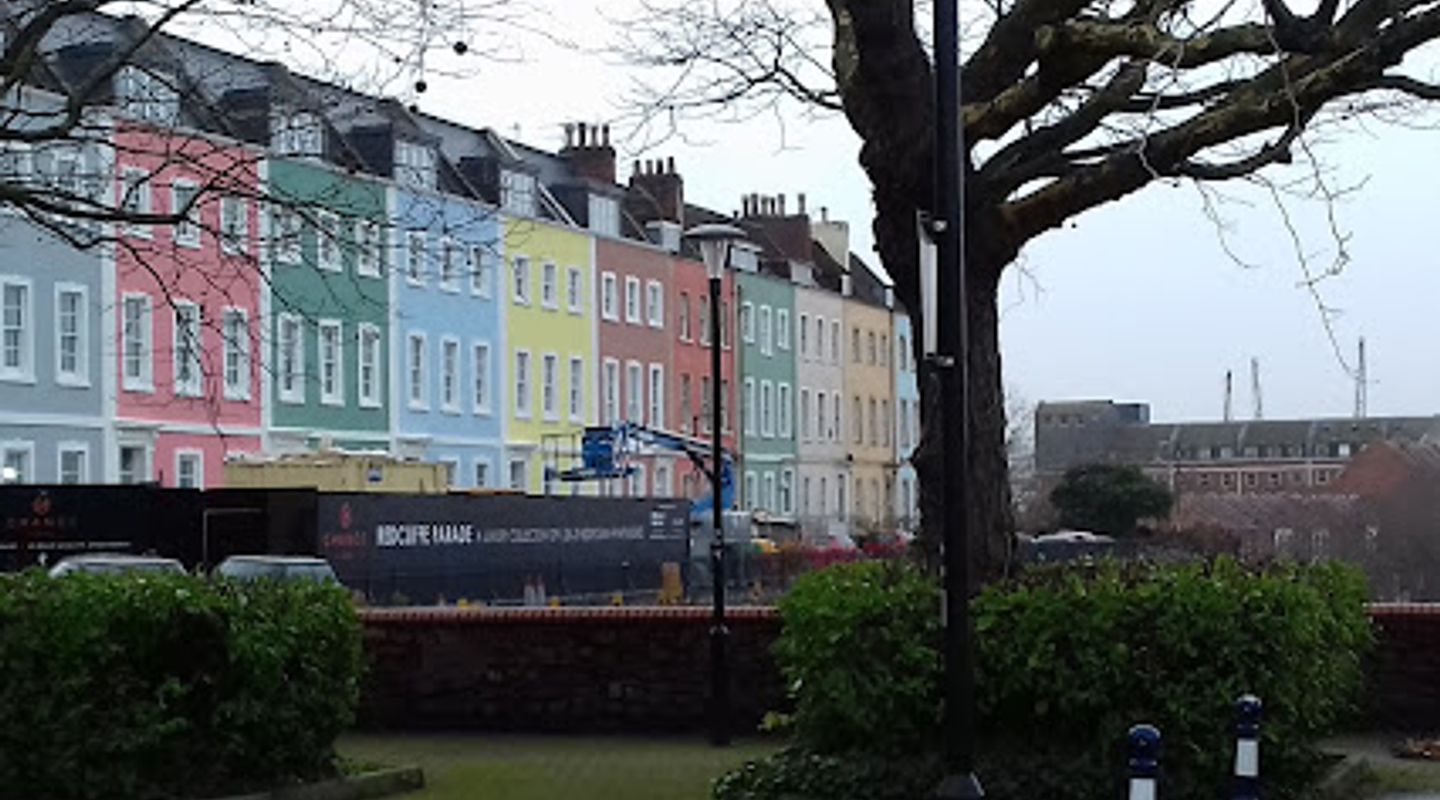
Redcliffe Caves, Bristol Travel Guide
Explore Bristol’s mysterious underground network where history, art, and industry converge beneath the Redcliffe district.
Redcliffe Caves are a fascinating network of man-made tunnels beneath Bristol’s Redcliffe district, originally excavated from red sandstone to support the city’s historic glass and pottery industries. Today, these atmospheric underground spaces host special events, art installations, and guided tours, revealing centuries of history from medieval mining to wartime uses. Access is limited to scheduled openings, making each visit a rare glimpse into Bristol’s subterranean past.
A brief summary to Redcliffe Caves
- Phoenix Wharf, Redcliffe Way, Bristol, Redcliffe, BS1 6SR, GB
- Click to display
- Click to display
- Duration: 1 to 3 hours
- Mid ranged
-
 Outdoor
- Mobile reception: 4 out of 5

Know before you go
Hi, I'm Eve. Here are a few practical things to know before exploring Redcliffe Caves.
- Check the official schedule for special events or guided tours, as the caves are rarely open for general access.
- Wear sturdy, closed-toe footwear due to uneven and sometimes damp cave floors.
- Bring a flashlight or headlamp to explore darker sections safely, even during lit events.
- Dress in layers to stay comfortable in the caves’ cool and consistent temperature year-round.
Do you manage this location?
Take control to get all the benefits, like improved information, better appearance, and stronger visibility across AI-powered discovery. Learn more about listing your business on Evendo
Activate your presenceOther nearby places you may find interesting
The closest places of the same kind, if this one is not quite what you had in mind.
Explore Redcliffe Caves on the Map
A handpicked selection of must-see spots near Redcliffe Caves, mapped for you.
Unlock the Best of Redcliffe Caves
Buy tickets
-
No tickets available
Book tours with entry

Book tours without entry

Getting There
-
Train
From Bristol Temple Meads station, the caves are approximately a 10-15 minute walk. Trains connect Bristol with regional hubs, with fares typically ranging from £5 to £20 depending on origin.
-
Bus
Local bus services run along Redcliffe Way and Cumberland Road, with stops within 5-10 minutes walking distance. Tickets cost around £2 to £4 for single journeys. Evening and Sunday services are available on the M2 Metrobus route.
-
Car
Visitors driving can use nearby public car parks such as Redcliffe Parade or Portwall Lane. Parking fees vary by duration but typically range from £1.50 to £3 per hour. Note that vehicle access for loading is available at Phoenix Wharf.
-
Walking
For those staying nearby, walking to the caves offers a pleasant urban stroll through the Redcliffe district. Terrain is flat and accessible, taking approximately 15-20 minutes from central Bristol landmarks.
For the on-the-go comforts that matter to you
-
 Restrooms
-
 Drink Options
-
 Food Options
-
 Information Boards
-
 Seating Areas
Discover more about Redcliffe Caves
Origins Carved in Red Sandstone
Redcliffe Caves owe their name and existence to the distinctive Triassic red sandstone cliffs of Bristol’s Redcliffe area. Beginning in the Middle Ages, these caves were excavated to extract sand essential for glassmaking and pottery, industries that thrived in Bristol due to its strategic port and access to raw materials. Over the centuries, the tunnels expanded beneath the city, creating a labyrinth of passages that once connected various buildings and industrial sites.A Multifaceted Past Beneath the City
Beyond their industrial role, the caves have served diverse purposes. In the 14th to 17th centuries, some tunnels housed hermits seeking solitude. Later, during the 18th and 19th centuries, the caves were used for storage of trade goods arriving from Africa and the West Indies. Historical evidence also suggests that prisoners of war were confined here during the French Revolutionary and Napoleonic Wars. The caves’ function evolved further in the 20th century, briefly considered as air-raid shelters during WWII, with some sections outfitted for civilian protection.Modern Rediscovery and Cultural Revival
After falling into disuse following the decline of glass production, Redcliffe Caves were largely forgotten and partly sealed off due to bomb damage and urban development. In recent decades, they have been rediscovered as a unique cultural venue. Though not generally open to the public, the caves host occasional guided tours, art exhibitions, film screenings, and immersive events, often linked to Bristol’s vibrant creative scene. Their dark, atmospheric interiors have also made them a popular filming location for TV dramas and sci-fi series.Exploring the Caves Today
Visitors can explore about an acre of mapped tunnels during special open days such as the Bristol Open Doors weekend or curated events. The uneven, sometimes damp floors and low ceilings require sturdy footwear and caution. The caves maintain a cool, consistent temperature year-round, so dressing in layers is advisable. Informational displays and guided commentary provide insights into the caves’ historical significance and the lives of those who once worked or lived underground.Community and Future Prospects
Situated near Phoenix Wharf and close to Bristol Temple Meads station, the caves are part of a broader vision to revitalize the Redcliffe area as a dynamic cultural hub. Local authorities and event organizers seek sustainable ways to manage and open the caves more regularly, balancing preservation with public engagement. The surrounding neighborhood’s recent investment in homes and businesses complements efforts to integrate this subterranean heritage into Bristol’s urban fabric.Unique Atmosphere and Hidden Stories
Redcliffe Caves offer a rare chance to experience Bristol’s layered history beneath the surface. From medieval mining to wartime shelter, from industrial hub to creative venue, the caves embody stories of resilience and transformation. Their mysterious passages invite curiosity and discovery, making each visit a memorable journey into the city’s hidden depths.












Your all‑in‑one travel companion app
Explore expert travel guides, compare and book tours, experiences, hotels, and more—all from the palm of your hand. Download now for seamless trip planning wherever your wanderlust takes you.


Explore More of Bristol
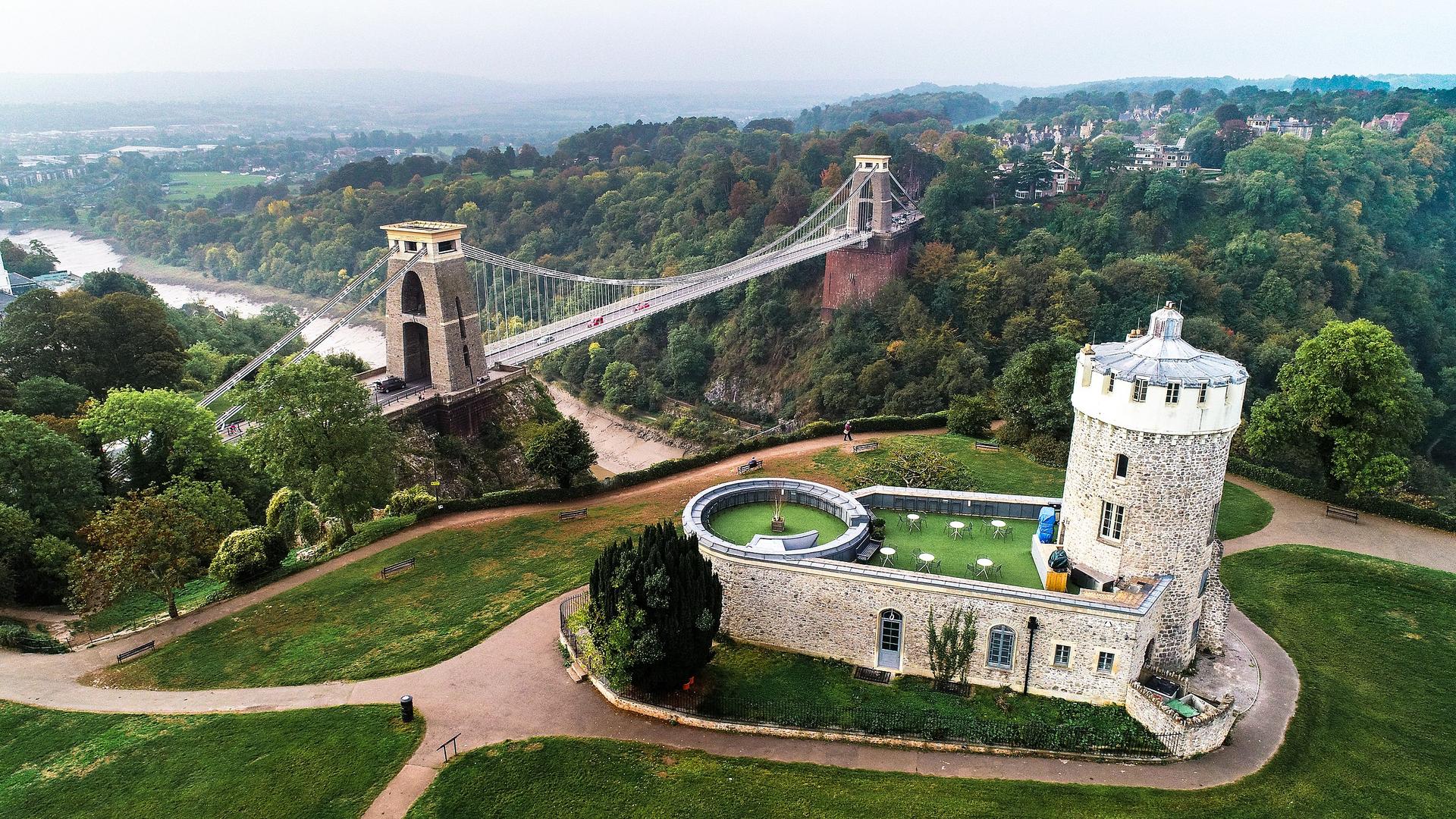
Looking beyond Redcliffe Caves? Discover Bristol for broader travel guides, local hot-spots, and regional highlights.
Explore Bristol
Dive into Bristol Aquarium’s vibrant marine world with interactive exhibits, daily talks, and seasonal events in the heart of the city.
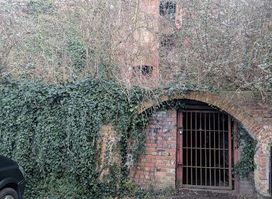
Explore Bristol’s mysterious Redcliffe Caves, a hidden medieval sandstone labyrinth steeped in history and industrial heritage beneath the city.
