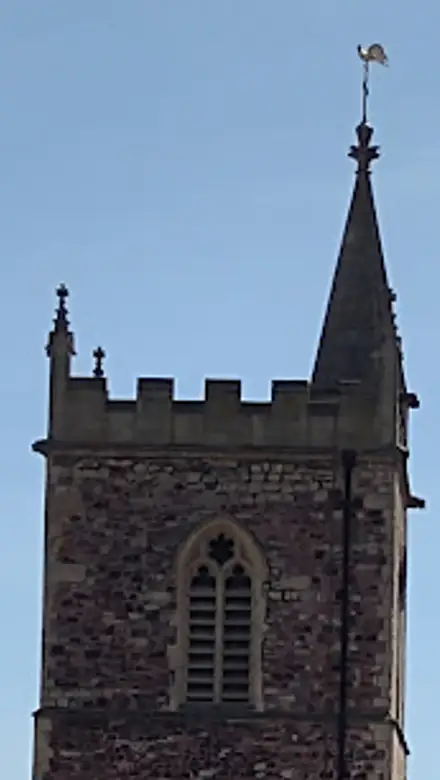
St James' Priory, Bristol Travel Guide
Free Guide: Explore Bristol’s oldest building, a Norman priory with nearly 900 years of history and stunning medieval architecture.


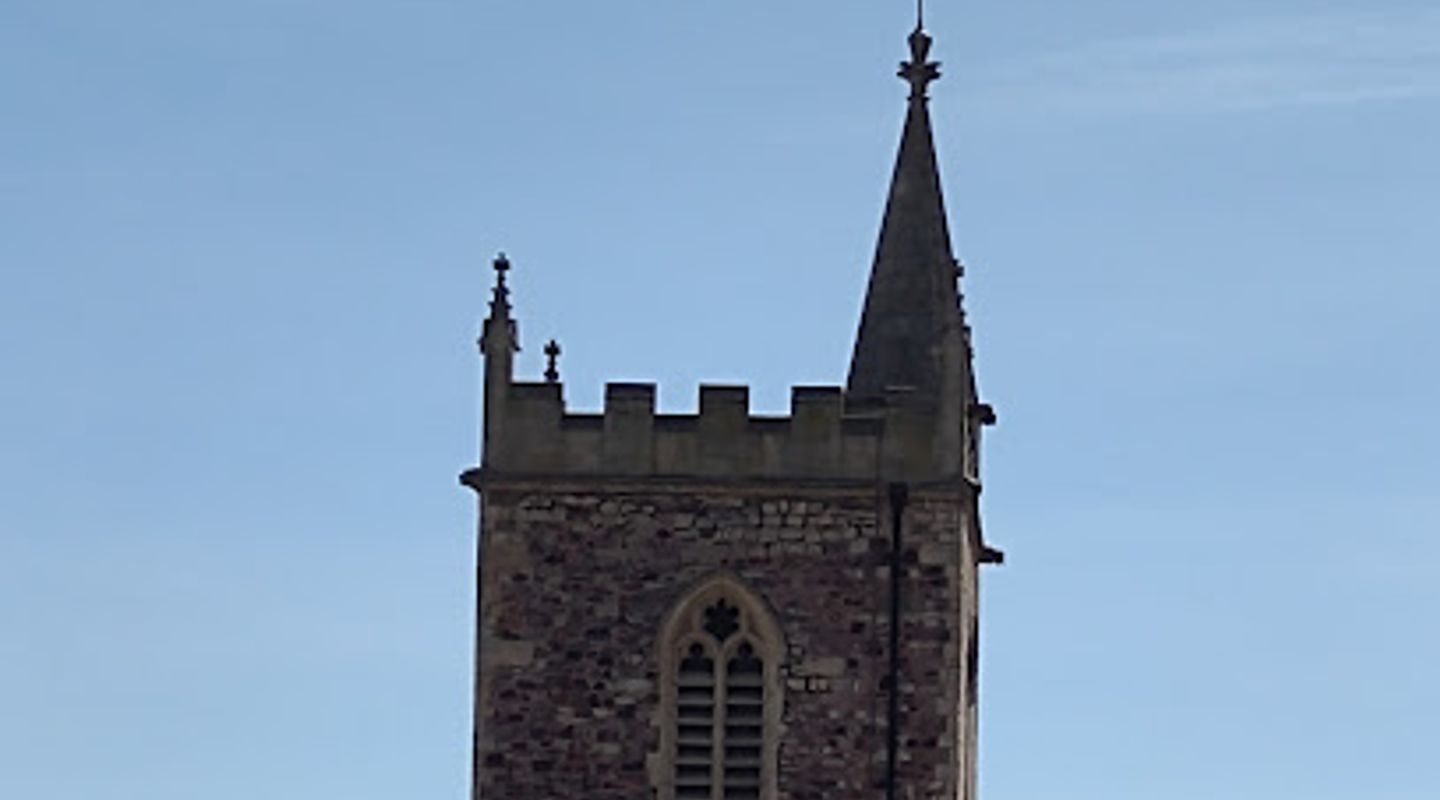
A brief summary of St James' Priory
Explore Bristol’s oldest building, a Norman priory with nearly 900 years of history and stunning medieval architecture.
St James' Priory in Bristol is the city's oldest building still in use, founded in 1129 by Robert, Earl of Gloucester. Originally a Benedictine monastery, it has served as a place of worship for nearly 900 years. The priory features remarkable Norman Romanesque architecture, a medieval tower, and a rich history intertwined with Bristol’s development and England’s medieval conflicts.
On-site amenities
 Restrooms
 Seating areas
 Information boards
Opening hours
- Mon10 am–4 pm
- Tue10 am–4 pm
- Wed10 am–4 pm
- Thu10 am–4 pm
- Fri10 am–4 pm
- SatClosed
- Sun7:30 am–9:30 am
Opening hours as listed on the venue’s Google Business Profile. Hours can change for services and special events, so check with the venue before you go.
- Address
- 1 Whitson St, Bristol BS1 3NZ
- Phone
- Website
Getting there
Bus
Taxi
Walking
Discover more about St James' Priory
Founding and Medieval Origins
St James' Priory was established around 1129 by Robert, Earl of Gloucester, the illegitimate grandson of William the Conqueror. It began as a Benedictine priory affiliated with the Abbey of Tewkesbury. The priory was part of a religious and social network that supported worship, care for the poor, and the sick. During the turbulent period known as the Anarchy (1135–1153), the priory and its founder played a significant role in the political struggles between Empress Matilda and King Stephen, with Bristol serving as a strategic center.
Architectural Significance and Features
The building is a Grade I listed structure renowned for its substantial Norman Romanesque architecture. Key features include the nave arcades, clerestory windows, and the west front, which largely date from the original 12th-century construction. The chancel roof, tree-ring dated to the early 14th century, is among the oldest in the southwest of England, while the nave roof dates from the 15th century. The imposing tower, begun in 1374 and extended in the late 15th century, was funded jointly by the monks and local parishioners. Notable medieval details include a small dragon-like carving on a capital and intricate corbels supporting the roofs.
Transformation Through the Ages
The priory was dissolved in 1540 during Henry VIII’s Dissolution of the Monasteries, leading to demolition of many monastic buildings. However, the west end survived and continued as a parish church, a role it maintains today. Over the centuries, the church saw numerous modifications: the south porch was added in 1802, the east end refaced in 1846, and decorative stained glass windows installed in the late 19th and early 20th centuries. The adjacent Church House, bearing the initials of 17th-century owners Thomas and Anne Ellis, reflects Bristol’s industrial and religious history.
Community Role and Spiritual Legacy
For nearly nine centuries, St James' Priory has been a spiritual heart for Bristol, serving both monastic and lay communities. Originally the monks’ church and parish church were combined, with the nave serving local parishioners. The priory’s lands and income from local fairs and taxes supported its religious and charitable missions. Today, it remains an active place of worship and a site for personal healing and reflection, continuing its legacy as a sanctuary in the city.
Historic Context and Cultural Importance
St James' Priory stands as a monument to Bristol’s medieval past and its evolution through England’s history. Its founder, Robert of Gloucester, was instrumental in shaping Bristol as a major provincial capital. The priory’s survival through dissolution and urban change highlights its resilience and importance. It also offers insight into monastic life, medieval architecture, and the social fabric of historic Bristol.
Preservation and Visitor Experience
Today, St James' Priory is preserved as a heritage building and tourist attraction. Visitors can explore its ancient stonework, medieval carvings, and stained glass, immersing themselves in centuries of history. The site offers a unique blend of architectural splendor and spiritual atmosphere, inviting contemplation and appreciation of Bristol’s rich cultural tapestry.
Evendo Review Centre
 Google
Guest reviews
Best time to go
Quietest: Jan, Feb & Dec · before 7am or at 8pm
Busy times are Evendo estimates for a typical year, to help you plan. Actual crowds vary with events, school holidays and the weather.
Explore St James' Priory on the map
A handpicked selection of must-see spots near St James' Priory, mapped for you.
Get your free copy of our complete guide to St James' Priory, delivered straight to you.
Everything on this page, from opening hours and how to get there to Eve’s tips and the best time to go, in one PDF you can read offline, print or share.
Already have an account? Sign in
Your St James' Priory guide is ready.
We'll send it to · Not you? Sign out

Getting your guide ready…
We are putting together a fresh copy of the St James' Priory guide. This can take up to a minute.
This can take a few moments. If your browser asks, choose Allow so the download can start. You'll find the guide in your Downloads folder.
Nothing happened? Download it again
Sorry, the guide is taking longer than usual. Please try again in a minute, or get it by email instead.
Other nearby places you may find interesting
The closest places of the same kind, if this one is not quite what you had in mind.
-
-
-
-
-


Swipe for more places
More to explore near St James' Priory

 Best experiences near St James' Priory
 Best hotels near St James' Priory
 Best landmarks near St James' Priory
 Best attractions near St James' Priory
 Best shops near St James' Priory
 Best restaurants near St James' Priory
 Best bars near St James' Priory
Do you manage this location?
Take control to get all the benefits, like improved information, better appearance, and stronger visibility across AI-powered discovery.
Explore more
Explore more of Bristol
Discover Bristol: A dynamic city where historical grandeur meets modern innovation, offering a rich tapestry of culture, art, and maritime heritage.
Explore Bristol
Explore more of United Kingdom
Discover the United Kingdom: A blend of rich history, stunning landscapes, and vibrant cities, offering a unique travel experience for every visitor.
Explore United Kingdom