

Bristol City Centre (Bristol) Travel Guide - Free
Explore Bristol City Centre in Bristol with Evendo's free guide. Find the best shops, historic streets, restaurants, and gems on web or mobile.


Bristol City Centre blends harbourside museums, medieval lanes, independent markets, street art, live music and West Country dining in a walkable urban quarter.
Between Harbour and Old City
Bristol City Centre is a compact, layered urban district shaped by water, trade and reinvention. The floating harbour curves through its southern and western edges, linking the maritime setting of the Harbourside with the narrow lanes of the Old City, while Broadmead extends the centre eastwards as the principal shopping district. Within a relatively walkable area, visitors encounter medieval street patterns, Georgian commercial buildings, Victorian civic architecture, contemporary galleries and busy public squares.Read more about Bristol City Centre
Historic Streets and Public Life
Culture, Food and Evening Bristol
Best attractions in Bristol City Centre
Bristol City Centre's attractions are concentrated enough to form a varied walking circuit. St Nicholas Market introduces the Old City's commercial character with food stalls and independent traders, while the nearby Christmas Steps and Corn Street lead through some of the centre's most atmospheric historic streets. Around the floating harbour, M Shed explores Bristol's people, industries and social history, and the Arnolfini presents contemporary art and cultural programming in a former warehouse setting. Bristol Aquarium occupies a waterside building near the basin, while We The Curious, when operating, adds interactive science and learning to the Harbourside offer. Bristol Cathedral and College Green provide a quieter civic and architectural pause, and the central branches of the Bristol Museum & Art Gallery are within walking distance, though the main museum is in Clifton rather than the city centre. Public art, bridges and dockside views connect these formal attractions.
-
Shopping Centre
Bristol Shopping Quarter
Bristol's bustling retail heart: pedestrian streets, grand malls, Victorian arcades, and indie gems blending high-street buzz with historic charm in a shopper's paradise.
6 min walk · 0.5 km from neighbourhood centre
-
Aquarium
Bristol Aquarium
Dive into Bristol Aquarium’s vibrant marine world with interactive exhibits, daily talks, and seasonal events in the heart of the city.
8 min walk · 0.6 km from neighbourhood centre
-
Park and Garden
Queen Square
Historic Georgian park in Bristol’s city centre, blending tranquil green space with classic architecture and vibrant cultural events.
5 min walk · 0.4 km from neighbourhood centre
-
Brunch
Cosy Club
Historic elegance meets vibrant British dining in a stunning former banking hall at the heart of Bristol’s Old City.
3 min walk · 0.3 km from neighbourhood centre



Best landmarks in Bristol City Centre
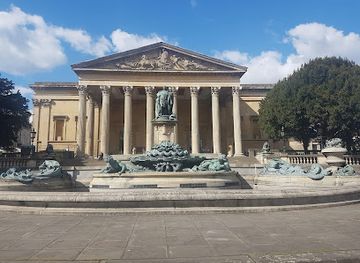
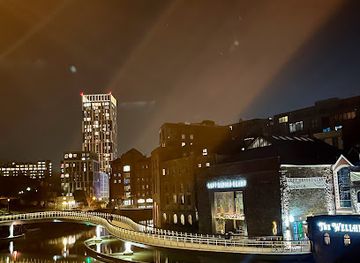
Bristol City Centre's landmarks reveal the city's development from medieval market town to port, commercial centre and cultural district. Bristol Cathedral on College Green is the area's principal ecclesiastical landmark, with a long history and a notable sequence of architectural additions. St Nicholas Market retains a strong civic and commercial presence in the Old City, while Corn Street's former banks and merchants' buildings express Bristol's nineteenth-century financial importance. The Corn Exchange, with its distinctive clock features, stands near the market area, and the nearby Christmas Steps preserve a memorable historic route through the central streets. On the waterfront, Pero's Bridge has become a recognisable modern feature, while former dock buildings around the Harbourside signal the shift from working port to public cultural quarter. These places are significant not only as photo subjects but as evidence of changing trade, transport and public life.
-
 Historical landmark
Cabot Tower
Historic red sandstone tower atop Brandon Hill offering free panoramic views of Bristol’s iconic landmarks and lush parkland.
13 min walk · 1.1 km from neighbourhood centre
-
Historical landmark
St Peter's Church
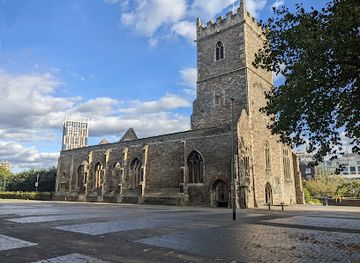
Explore the haunting ruins of Bristol’s oldest church, a Gothic gem and poignant memorial in the heart of Castle Park.
3 min walk · 0.2 km from neighbourhood centre
-
Museum
The Georgian House Museum
Step back into Georgian Bristol at this beautifully restored townhouse revealing the lives of a wealthy merchant and his household, including the story of Pero.
10 min walk · 0.8 km from neighbourhood centre
-
Historical landmark
Old City Walls
Trace the vanished medieval walls that shaped Bristol’s historic Old City, revealing centuries of rich heritage and urban evolution.
1 min walk · 0.1 km from neighbourhood centre
Explore Bristol City Centre on the map
A handpicked selection of must-see spots in Bristol City Centre, mapped for you.
Best hotels in Bristol City Centre
Best restaurants in Bristol City Centre
Dining in Bristol City Centre ranges from market food and independent cafés to restaurants occupying converted warehouses, historic commercial buildings and modern Harbourside developments. St Nicholas Market is the strongest place to encounter a broad range of informal food stalls in one setting, while Corn Street, Clare Street, Baldwin Street and the waterfront have densely grouped restaurants and cafés. Menus reflect Bristol's diverse urban population, with vegetarian and plant-based cooking, international cuisines, contemporary British dishes and casual street food all well represented. Broadmead and Cabot Circus add chain restaurants and large-scale dining, whereas the Old City tends to offer smaller, more characterful premises. Several pubs serve substantial food, and the centre's proximity to the West Country is reflected in the use of regional produce, cider and locally brewed beer, although the dining scene is far from limited to local specialities.
-
Caribbean
Turtle Bay Bristol Broad Quay
Experience vibrant Caribbean cuisine, tropical cocktails, and reggae vibes in Bristol’s lively Harbourside at Turtle Bay Broad Quay.
5 min walk · 0.4 km from neighbourhood centre
-
Steak
Pasture
Savor premium dry-aged steaks and vibrant local flavors in a historic Bristol warehouse with live music and craft cocktails.
6 min walk · 0.5 km from neighbourhood centre
-
Vegetarian
The Canteen
A vibrant vegetarian restaurant and live music venue in Bristol, blending ethical dining with a lively community spirit.
13 min walk · 1.0 km from neighbourhood centre
-
Italian
San Carlo - Bristol
Elegant Italian dining in Bristol with sumptuous seafood, grand interiors, and a vibrant atmosphere perfect for special occasions.
3 min walk · 0.2 km from neighbourhood centre


Best bars in Bristol City Centre
Bristol City Centre has a varied evening scene rather than one single nightlife strip. King Street and the Old City contain historic pubs and smaller bars, while Baldwin Street, Corn Street and the Harbourside offer cocktail bars, contemporary drinking venues and places suited to an early evening by the water. Bristol Beacon anchors the centre's live-music landscape, and theatres and performance spaces around Colston Street and the Old City extend the cultural programme after dark. St Nicholas Market's surroundings become more atmospheric in the evening, although its daytime market identity remains distinct from the city's club scene. Some venues cater to students and late-night crowds, while others are quieter pubs or music-focused spaces. Conditions vary by night and event, so visitors should check individual venue information rather than assume that every central street stays busy until late.
-
Bar
Small Bar
Bristol's compact craft beer gem: sample microbrew masterpieces in rustic intimacy amid King Street's historic buzz.
4 min walk · 0.3 km from neighbourhood centre
-
Bar
Revolution Bristol
Two-storey cocktail bar in Bristol’s Old Fish Market — colourful interiors, mezzanine balcony and cocktails for day and night.
2 min walk · 0.2 km from neighbourhood centre
-
Cocktail bar
Slug & Lettuce - City Centre Bristol
Bristol's go-to cocktail haven on St Nicholas Street, blending lush drinks, tasty bites, and vibrant nights in the Old City heart.
2 min walk · 0.2 km from neighbourhood centre
-
Bar
The Mothers' Ruin
Bristol's dive bar legend: cheap pints, basement beats, live tunes, and pizza in a historic street nook – pure debauchery awaits.
2 min walk · 0.1 km from neighbourhood centre


Best nightclubs in Bristol City Centre
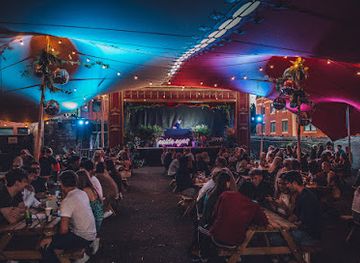
Bristol City Centre has a varied evening scene rather than one single nightlife strip. King Street and the Old City contain historic pubs and smaller bars, while Baldwin Street, Corn Street and the Harbourside offer cocktail bars, contemporary drinking venues and places suited to an early evening by the water. Bristol Beacon anchors the centre's live-music landscape, and theatres and performance spaces around Colston Street and the Old City extend the cultural programme after dark. St Nicholas Market's surroundings become more atmospheric in the evening, although its daytime market identity remains distinct from the city's club scene. Some venues cater to students and late-night crowds, while others are quieter pubs or music-focused spaces. Conditions vary by night and event, so visitors should check individual venue information rather than assume that every central street stays busy until late.
-
Nightclub
Thekla
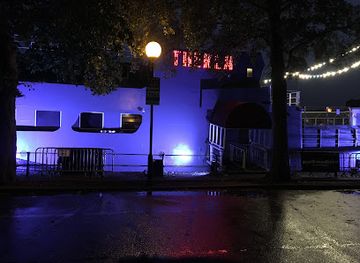
Bristol's legendary floating nightclub: cargo ship turned bassline haven since 1984, where harbour waves meet pounding beats.
7 min walk · 0.6 km from neighbourhood centre
-
Night Club
Lakota
Bristol's underground legend: four rooms of thunderous bass, 30+ years of raves, and St Paul's raw nightlife spirit—where the city dances till dawn.
11 min walk · 0.9 km from neighbourhood centre
-
Nightclub
Antix
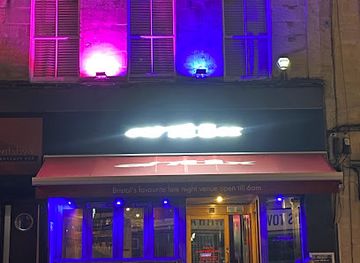
Bristol's family-run late-night haven on Park Street: cocktails till 1am, DJ beats till 6am, free entry most nights in a smart casual vibe.
10 min walk · 0.8 km from neighbourhood centre
-
Nightclub
Popworld - Bristol
A neon‑soaked, singalong nightclub on Baldwin Street where 90s/00s pop, signature cocktails and booth parties keep the tempo high until the small hours.
4 min walk · 0.3 km from neighbourhood centre

Best shops in Bristol City Centre
Shopping in Bristol City Centre divides between the large retail concentration of Broadmead and Cabot Circus and the smaller-scale, more individual character of the Old City. Broadmead contains department-store, fashion, beauty and everyday retail, while Cabot Circus extends the commercial area eastwards with additional shops, cafés and leisure uses. St Nicholas Market offers independent stalls, food traders, vintage goods and specialist browsing in a historic setting, and the surrounding streets contain smaller retailers, bookshops and creative businesses. The Galleries shopping centre occupies part of the Broadmead area, adding further mainstream retail. Visitors interested in Bristol-made or locally designed goods may find independent products in market stalls and central boutiques, though stock changes regularly. The best contrast is between planned, modern shopping spaces and older streets such as Corn Street, High Street and Broad Street, where the architecture gives retail browsing a stronger sense of Bristol's past.
-
Gift shop
Prior Shop - Cabot Circus (Independent Superstore)
Bristol's not-for-profit haven for ethical gifts, local designs, workshops, and coffee—supporting 187+ independent makers in Cabot Circus.
5 min walk · 0.4 km from neighbourhood centre
-
Gift shop
Blaze
Unique gifts and artisanal treasures in Bristol's creative heart—perfect for discovering one-of-a-kind souvenirs on Colston Street.
7 min walk · 0.5 km from neighbourhood centre
-
Gift shop
The Ethical Gift Shop
Discover handmade, fair-trade treasures in Bristol's Broadmead—where ethical shopping meets quirky charm and zero-waste refills.
6 min walk · 0.5 km from neighbourhood centre
-
Vintage Clothing Shop
Urban Fox
Unearth retro gems at Urban Fox, Bristol's vintage clothing nook in vibrant St Nicholas Market—quality finds with 25 years of expertise.
2 min walk · 0.2 km from neighbourhood centre


Bristol City Centre essentials
Getting There
Getting Around
Safety
Emergency Situations
Do's and Don'ts
Local Tips

From Eve
Local phrases worth knowing
You don't need to get them perfect. A few words go a long way, and locals appreciate the effort.
Basics
| English | Local | Say it |
|---|---|---|
| Hello | Alright | [al-right] |
| Goodbye | Cheers | [cheers] |
| Yes | Aye | [aye] |
| No | Nah | [nah] |
| Please/You're welcome | Cheers/Alright | [cheers/al-right] |
| Thank you | Cheers | [cheers] |
| Excuse me/Sorry | Sorry | [so-ree] |
| How are you? | Awright? | [aw-right] |
| Fine. And you? | Not bad. You? | [not bad. you?] |
| Do you speak English? | D'you speak English? | [d'you speak English?] |
| I don't understand | I ain't got a clue | [I ain't got a clue] |
Eating & Drinking
| English | Local | Say it |
|---|---|---|
| I'd like to see the menu, please | Can I 'ave a look at the menu, please | [can I 'ave a look at the menu, please] |
| I don't eat meat | I don't eat meat | [I don't eat meat] |
| Cheers! | Cheers! | [cheers] |
| I would like to pay, please | Can I pay, please | [can I pay, please] |
Emergencies
| English | Local | Say it |
|---|---|---|
| Help! | Help! | [help!] |
| Go away! | Sod off! | [sod off!] |
| Call the Police! | Ring the Old Bill! | [ring the old bill!] |
| Call a doctor! | Get a quack! | [get a quack!] |
| I'm lost | I'm bost | [I'm bost] |
| I'm ill | I'm poorly | [I'm poorly] |
Shopping
| English | Local | Say it |
|---|---|---|
| I'd like to buy... | I wanna buy... | [I wanna buy...] |
| I'm just looking | Just 'avin a butcher's | [just 'avin a butcher's] |
| How much is it? | How much is that? | [how much is that?] |
| That's too expensive | That's a bit steep | [that's a bit steep] |
| Can you lower the price? | Can you do me a deal? | [can you do me a deal?] |
Time & Numbers
| English | Local | Say it |
|---|---|---|
| What time is it? | What's the time? | [what's the time?] |
| It's one o'clock | It's one o'clock | [It's one o'clock] |
| Half past (10) | Half ten | [half ten] |
| Morning | Mornin' | [mornin'] |
| Afternoon | Arvo | [arvo] |
| Evening | Evenin' | [evenin'] |
| Yesterday | Yest'day | [yest'day] |
| Today | Today | [today] |
| Tomorrow | Morrow | [morrow] |
| 1 | One | [one] |
| 2 | Two | [two] |
| 3 | Three | [three] |
| 4 | Four | [four] |
| 5 | Five | [five] |
| 6 | Six | [six] |
| 7 | Seven | [seven] |
| 8 | Eight | [eight] |
| 9 | Nine | [nine] |
| 10 | Ten | [ten] |
Transport & Directions
| English | Local | Say it |
|---|---|---|
| Where's a/the...? | Where's the...? | [where's the...?] |
| What's the address? | What's the address? | [what's the address?] |
| Can you show me (on the map)? | Can you show me (on the map)? | [can you show me (on the map)?] |
| When's the next (bus)? | When's the next (bus)? | [when's the next (bus)?] |
| A ticket (to ....) | A ticket (to ....) | [a ticket (to ....)] |
History of Bristol City Centre
A Medieval Trading City
Bristol's central settlement developed around the Avon and Frome, whose waterways supported trade and gave the town access to the Severn and the Bristol Channel. Medieval Bristol grew as a port and commercial centre, and the street plan around Broad Street, Wine Street, High Street and Corn Street still reflects that historic role. St Nicholas Market, established in the eighteenth century but rooted in the area's older market tradition, occupies a particularly important position in the city's commercial memory. The lanes of the Old City, together with surviving churches and fragments of older buildings, show how closely civic, religious and trading life once fitted together.
Commerce, Civic Buildings and Docks
During the eighteenth and nineteenth centuries, Bristol's prosperity produced banks, merchants' offices, shops and public buildings across the central streets. The old commercial quarter around Corn Street and Exchange Avenue acquired imposing façades, while improvements to the harbour and the construction of docks altered the relationship between the city and its waterways. Bristol Cathedral, College Green and the central civic institutions became important landmarks within the expanding city. Industrial growth and rising traffic brought new roads, bridges and warehouses, linking the centre more closely with surrounding districts while also separating some streets from the working harbour.
War, Reconstruction and the Shopping Centre
The city centre suffered substantial damage during the Bristol Blitz in 1940 and 1941, particularly around commercial streets and areas close to the harbour. Post-war reconstruction introduced wider roads, modern shops and new civic infrastructure, changing the scale and movement of the central district. Broadmead became the principal post-war shopping area, while older streets survived unevenly beside redevelopment. This period left Bristol with a city centre in which medieval lanes, nineteenth-century commercial buildings and modern retail architecture stand close together, sometimes in abrupt visual contrast.
The Harbour Reimagined
The decline of the central docks and the relocation of port activity downstream created an opportunity to transform former industrial waterfronts. From the late twentieth century onwards, warehouse buildings and quaysides around the floating harbour were adapted for museums, galleries, restaurants, public spaces and cultural events. M Shed, the Arnolfini and other Harbourside institutions helped give the water a renewed civic and cultural role. The change also brought new apartments, offices and leisure uses, making the centre more active beyond traditional shopping hours while prompting continuing debate about access, development and the balance between residents, visitors and commercial interests.
A Contemporary Cultural Centre
Today, Bristol City Centre combines the functions of a regional shopping district, a cultural quarter, a transport hub and a historic civic core. The reopening and renewal of major cultural venues, the continuing importance of St Nicholas Market and the growth of independent food and creative businesses have reinforced its mixed identity. Public art, festivals and music sit alongside everyday retail and office life, while the Harbourside remains a visible reminder of Bristol's maritime past. The centre's present character is therefore less a single historic landscape than a close meeting of preserved streets, post-war rebuilding and ongoing urban change.
Bristol City Centre in Photos
Browse through our photo collection highlighting the charm and character of the destination.
Neighbourhoods near Bristol City Centre
The closest neighbourhoods to Bristol City Centre, if you have time for more than one stop.
-

-


Swipe for more neighbourhoods
Explore more
Explore more of Bristol
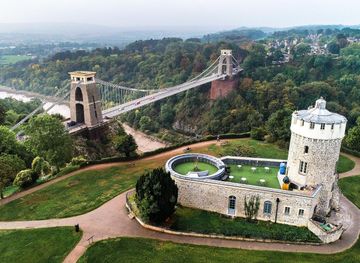
Bristol blends maritime history, street art, culture and harbourside attractions, from Clifton Suspension Bridge to SS Great Britain and the city’s museums.
Explore Bristol