

Roath (Cardiff) Travel Guide - Free
Explore Roath in Cardiff with Evendo's free guide. Find the best shops, historic streets, restaurants, and gems on web or mobile.


Roath in Cardiff blends Roath Park Lake, Victorian streets, independent shops, international dining and relaxed local culture in eastern Cardiff.
Street Life and Local Character
Roath occupies a broad stretch of eastern Cardiff where Victorian terraces, busy shopping streets and leafy residential avenues meet the open water of Roath Park Lake. Its character is varied rather than uniform: Albany Road and City Road bring a steady flow of cafés, grocers, takeaways and independent businesses, while Wellfield Road has a more polished village-like feel, with boutiques, delicatessens and restaurants threaded through handsome late nineteenth- and early twentieth-century terraces. The neighbourhood is closely associated with Cardiff’s student life and international communities, giving its commercial streets a notably diverse food culture and an easygoing, lived-in atmosphere.Read more about Roath
Lake, Gardens and Architecture
A Neighbourhood to Explore Slowly
Best attractions in Roath
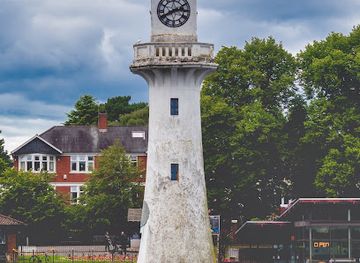
Roath Park is the neighbourhood’s principal attraction, combining a large ornamental lake with landscaped gardens, mature trees, lawns, a recreation ground and walking paths. The lake’s Scott Memorial lighthouse, built as a memorial to Captain Robert Falcon Scott, is a particularly distinctive focal point, while the adjacent conservatory and botanical planting add a more formal horticultural dimension. Visitors can also explore the streets around Wellfield Road and Albany Road, where Victorian terraces, independent businesses and everyday Cardiff life provide a different kind of local interest. City Road offers dense urban street life and an internationally varied food scene, while the quieter residential avenues reveal the scale and detail of Roath’s late nineteenth- and early twentieth-century expansion. The neighbourhood’s attractions are therefore spread across public landscapes, commercial streets and architectural surroundings rather than concentrated in a single museum quarter.
-
Tourist attraction
Cardiff Castle
Discover Cardiff Castle’s 2,000-year journey from Roman fort to Victorian masterpiece in the heart of Wales’ capital city.
15 min walk · 1.2 km from neighbourhood centre
-
Tourist attraction
National Museum Cardiff
Discover Wales’s rich heritage through world-class art, natural history, and archaeology in Cardiff’s majestic National Museum.
9 min walk · 0.7 km from neighbourhood centre
-
Tourist attraction
Bute Park
Discover Cardiff’s historic green heart, where nature, heritage, and vibrant events blend across 130 acres of stunning parkland and arboretum.
16 min walk · 1.3 km from neighbourhood centre
-
Tourist attraction
Sophia Gardens
A scenic riverside park and premier cricket stadium blending natural beauty with vibrant cultural and sporting events in Cardiff.
5 min drive · 1.6 km from neighbourhood centre


Best landmarks in Roath
Roath Park Lake and the Scott Memorial lighthouse form Roath’s most recognisable landmark ensemble. The lake is part of a substantial Victorian public park whose planting, paths and recreational spaces demonstrate the period’s investment in municipal landscapes, while the lighthouse gives the waterfront a clear commemorative identity. The park’s conservatory and formal gardens add architectural and horticultural interest without overwhelming the open landscape. Elsewhere, the long terraces and larger villas around Wellfield Road, Albany Road and the park are significant as a coherent record of Cardiff’s late nineteenth-century suburban growth. The commercial roads contain ornate façades, older shopfronts and religious buildings that reflect the area’s expanding population and varied communities. Roath’s landmarks are consequently not limited to isolated monuments; they include the relationship between the lake, park infrastructure, Victorian housing and the streets that continue to serve local commerce.
-
Historical landmark
Scott Memorial Lighthouse
Historic lighthouse memorial in Roath Park honoring Captain Scott’s Antarctic expedition, set beside Cardiff’s scenic Victorian lake.
6 min drive · 2.0 km from neighbourhood centre
Explore Roath on the map
A handpicked selection of must-see spots in Roath, mapped for you.
Best hotels in Roath
Best restaurants in Roath
Roath’s dining scene is shaped by its mixed residential population, student presence and busy east Cardiff shopping streets. Wellfield Road has cafés, restaurants and food-led independent businesses set among Victorian terraces, while Albany Road and City Road offer a broader and more informal choice, including South Asian, Middle Eastern, East Asian, African and European cuisines alongside familiar café and takeaway formats. City Road is particularly associated with international dining and late-opening food businesses, although its atmosphere is more urban and traffic-heavy than the quieter streets around Roath Park. Small grocers and specialist food shops add to the neighbourhood’s culinary range, making it possible to encounter ingredients and flavours from several communities within a short walk. The area is better understood as a diverse everyday dining district than as a destination built around one defining local dish or formal restaurant cluster.
-
Steak
Pasture Restaurant Cardiff
A vibrant steakhouse in Cardiff’s city centre, offering expertly crafted meat dishes in a stylish, lively setting for discerning food lovers.
15 min walk · 1.2 km from neighbourhood centre
-
Syrian
Shaam nights restaurant
Experience authentic Syrian cuisine and ornate Middle Eastern ambiance in the heart of Cardiff’s vibrant Roath district.
1 min walk · 0.1 km from neighbourhood centre
-
Restaurant
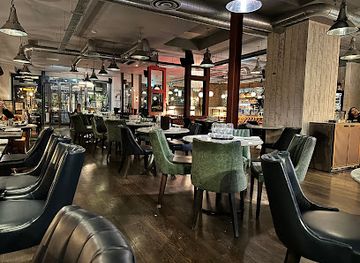
Juno Lounge
A lively and inclusive British restaurant and bar in Cardiff’s Roath, perfect for family dining and diverse dietary needs.
8 min walk · 0.7 km from neighbourhood centre
-
Indian
Little Kochi
Authentic Kerala-inspired South Indian dining in Cardiff’s vibrant Roath district with bold flavors and cozy charm.
7 min walk · 0.5 km from neighbourhood centre


Best bars in Roath
Roath’s evening life is varied but generally more low-key than Cardiff’s central club districts. Wellfield Road and the streets around Albany Road provide pubs, casual bars and relaxed places to meet, while City Road combines late food with informal drinking venues and a steady student presence. Much of the neighbourhood’s nightlife is dispersed through commercial terraces rather than concentrated in a dedicated entertainment quarter, and residential streets become noticeably quieter away from the main roads. Roath Park is primarily a daytime and early-evening setting, with limited reason to treat the lake paths as a night-time entertainment route. Visitors seeking large clubs, major live-music programming or a dense concentration of late venues will generally find more choice in Cardiff city centre, which lies nearby but outside Roath.
-
Bar
Juno Lounge
Eclectic Roath lounge for all-day eats, inclusive menus, and laid-back vibes from breakfast burgers to evening cocktails.
8 min walk · 0.7 km from neighbourhood centre
-
Cocktail bar
Henry's Cafe Bar Cardiff
A versatile, long-established Park Place café bar serving pub classics, cocktails and casual meals in relaxed, sociable surroundings.
10 min walk · 0.8 km from neighbourhood centre
-
Lounge
Revolution Cardiff
Cardiff's ultimate cocktail bar and party den opposite the castle—quirky vibes, epic drinks, bottomless brunches, and non-stop nightlife in one electric spot.
16 min walk · 1.3 km from neighbourhood centre
-
Pub
Pear Tree
Cozy Cardiff pub with hearty roasts, cask ales, beer garden bliss, and family fun in lively Roath – your spot for classic bites and good times.
8 min walk · 0.6 km from neighbourhood centre


Best nightclubs in Roath
Roath’s evening life is varied but generally more low-key than Cardiff’s central club districts. Wellfield Road and the streets around Albany Road provide pubs, casual bars and relaxed places to meet, while City Road combines late food with informal drinking venues and a steady student presence. Much of the neighbourhood’s nightlife is dispersed through commercial terraces rather than concentrated in a dedicated entertainment quarter, and residential streets become noticeably quieter away from the main roads. Roath Park is primarily a daytime and early-evening setting, with limited reason to treat the lake paths as a night-time entertainment route. Visitors seeking large clubs, major live-music programming or a dense concentration of late venues will generally find more choice in Cardiff city centre, which lies nearby but outside Roath.
-
Nightclub
The Globe
A compact Grade II-listed former cinema turned lively live-music venue and nightclub, famed for intimate gigs and energetic club nights on Albany Road.
8 min walk · 0.6 km from neighbourhood centre
-
Nightclub
Retro
Three floors of neon‑lit throwback clubbing in Cardiff’s Mill Lane — loud DJs, karaoke and late‑night parties for groups and nostalgic dancers.
18 min walk · 1.4 km from neighbourhood centre
-
Nightclub
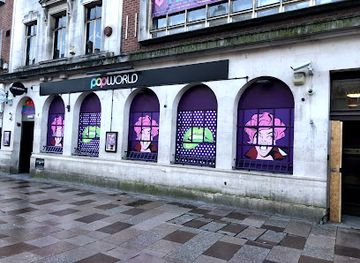
Popworld - Cardiff
A neon, singalong‑friendly nightclub on St Mary Street — bright lights, cheesy pop and late‑night energy for groups and party crowds.
17 min walk · 1.4 km from neighbourhood centre
-
Nightclub
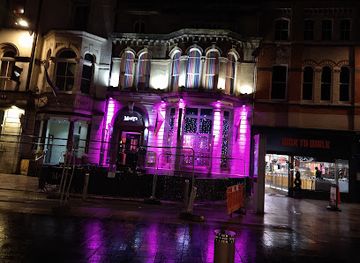
Mary's Cardiff
A glamorous, high‑energy cabaret bar on St Mary Street — cocktails, drag performances and dancing in Cardiff city centre.
17 min walk · 1.4 km from neighbourhood centre


Best shops in Roath
Shopping in Roath is concentrated along Wellfield Road, Albany Road and City Road, with each corridor offering a somewhat different experience. Wellfield Road is known for independent boutiques, cafés, delicatessens and specialist businesses set among attractive terraces, while Albany Road combines everyday retail with food shops, services and smaller independent outlets. City Road has a more intensely urban commercial character, including international grocers, specialist food retailers, cafés and informal businesses reflecting Cardiff’s diverse communities. Roath is not primarily a department-store shopping district; its appeal lies in browsing local premises and finding products connected with different culinary and cultural traditions. The area around Roath Park is quieter commercially, with the pleasure of combining a park walk and local shopping rather than treating the park itself as a retail destination.
-
Gift shop
Little Welsh Company
Discover Cardiff's premier independent shop for authentic Welsh gifts, blending tradition with modern charm since 2003 on lively St John Street.
14 min walk · 1.1 km from neighbourhood centre
-
Gift shop
Cardiff Creative Shop
Handcrafted Welsh wonders from 45+ local artisans await in Queens Arcade's creative gem—unique gifts that sparkle with personality and heritage.
13 min walk · 1.0 km from neighbourhood centre
-
Vintage Clothing Shop
Penny Lane Vintage
Unearth hand-picked 1940s-1970s treasures—vintage clothing, jewelry, ceramics, and homewares—in Cardiff's charming Roath arcade boutique.
9 min walk · 0.7 km from neighbourhood centre
-
Gift shop
Gift shop Cardiff Home 4 You Home goods and craft store
A compact, curated gift and homewares shop on Albany Road offering locally minded crafts, kitchenware and lighting accents for thoughtful, affordable gifts.
6 min walk · 0.5 km from neighbourhood centre


Roath essentials
Getting There
Getting Around
Safety
Emergency Situations
Do's and Don'ts
Local Tips

From Eve
Local phrases worth knowing
You don't need to get them perfect. A few words go a long way, and locals appreciate the effort.
Basics
| English | Local | Say it |
|---|---|---|
| Hello | Alright | [al-right] |
| Goodbye | Ta-ra | [ta-ra] |
| Yes | Aye | [aye] |
| No | Nah | [nah] |
| Please/You're welcome | Cheers | [cheers] |
| Thank you | Cheers, ta | [cheers, ta] |
| Excuse me/Sorry | Sorry | [sorry] |
| How are you? | Alright? | [al-right] |
| Fine. And you? | Not bad. You? | [not bad. you?] |
| Do you speak English? | You speak English? | [you speak English?] |
| I don't understand | I don't get ya | [I don't get ya] |
Eating & Drinking
| English | Local | Say it |
|---|---|---|
| I'd like to see the menu, please | Can I see the menu, please? | [Can I see the menu, please?] |
| I don't eat meat | I don't do meat | [I don't do meat] |
| Cheers! | Cheers! | [cheers] |
| I would like to pay, please | Can I pay, please? | [Can I pay, please?] |
Emergencies
| English | Local | Say it |
|---|---|---|
| Help! | Help! | [help] |
| Go away! | Clear off! | [clear off] |
| Call the Police! | Get the coppers! | [get the coppers] |
| Call a doctor! | Get a doc! | [get a doc] |
| I'm lost | I'm lost | [I'm lost] |
| I'm ill | I'm poorly | [I'm poorly] |
Shopping
| English | Local | Say it |
|---|---|---|
| I'd like to buy... | I'm after... | [I'm after...] |
| I'm just looking | Just browsing | [Just browsing] |
| How much is it? | How much? | [How much?] |
| That's too expensive | That's steep | [That's steep] |
| Can you lower the price? | Can you knock some off? | [Can you knock some off?] |
Time & Numbers
| English | Local | Say it |
|---|---|---|
| What time is it? | What's the time? | [What's the time?] |
| It's one o'clock | It's one | [It's one] |
| Half past (10) | Half past ten | [Half past ten] |
| Morning | Mornin' | [mornin'] |
| Afternoon | Afternoon | [Afternoon] |
| Evening | Evenin' | [evenin'] |
| Yesterday | Yest'day | [yest'day] |
| Today | Today | [Today] |
| Tomorrow | Morrow | [morrow] |
| 1 | One | [One] |
| 2 | Two | [Two] |
| 3 | Three | [Three] |
| 4 | Four | [Four] |
| 5 | Five | [Five] |
| 6 | Six | [Six] |
| 7 | Seven | [Seven] |
| 8 | Eight | [Eight] |
| 9 | Nine | [Nine] |
| 10 | Ten | [Ten] |
Transport & Directions
| English | Local | Say it |
|---|---|---|
| Where's a/the...? | Where's the...? | [Where's the...?] |
| What's the address? | What's the address? | [What's the address?] |
| Can you show me (on the map)? | Can you show me (on the map)? | [Can you show me (on the map)?] |
| When's the next (bus)? | When's the next (bus)? | [When's the next (bus)?] |
| A ticket (to ....) | A ticket (to ....) | [A ticket (to ....)] |
History of Roath
From Rural Lands to Roath Village
Before Cardiff’s rapid nineteenth-century expansion, Roath was a rural area east of the emerging town, associated with farms, small settlements and estates rather than dense urban streets. The name is generally linked with the historic manor of Roath, whose lands extended across parts of the east side of Cardiff. Roath House and its estate were important local features, while the nearby coast and low-lying ground influenced drainage and land use. The old village identity did not disappear immediately as Cardiff grew; instead, it was gradually absorbed into a larger urban landscape whose roads and property development followed the expanding town and its industries.
Cardiff’s Victorian Expansion
The arrival of railways, the growth of Cardiff’s docks and the city’s rising commercial importance encouraged substantial development across Roath during the nineteenth century. Streets of terraced houses and larger villas were laid out to accommodate a growing population, with schools, places of worship, shops and public institutions following close behind. Newport Road, Albany Road and the routes towards the docks became important connections, linking residential streets with employment and commerce. Much of the architectural character visible today, including bay-fronted terraces and decorative brick and stonework, reflects this period of planned suburban expansion rather than the older rural landscape.
Roath Park and Public Improvement
Roath Park was created during the late nineteenth century as Cardiff developed a stronger tradition of municipal parks and public recreation. The lake was formed in the former Roath Brook valley, and the park was laid out with ornamental gardens, open lawns, mature planting and facilities for leisure. Its creation transformed part of the area from semi-rural land into a major public landscape while also increasing the desirability of nearby housing. The Scott Memorial lighthouse, erected in 1915 to commemorate Captain Robert Falcon Scott and his polar expedition, later became an especially distinctive landmark on the lake.
Industry, Migration and Commercial Streets
Roath’s development was closely connected to Cardiff’s docks and the industrial economy that supported them, even where the neighbourhood itself remained largely residential. Workers, traders and families from different parts of Britain and overseas contributed to the city’s changing social life, while local streets acquired a mixture of shops, cafés, religious buildings and community institutions. Albany Road and City Road developed into important commercial corridors, serving nearby residents as well as students and workers. Their present-day diversity reflects several generations of urban change rather than a single recent transformation.
A Changing Inner-Urban Neighbourhood
During the twentieth century, Roath retained its Victorian street plan while Cardiff’s economy shifted away from the dock-based industries that had shaped the wider eastern districts. Some older properties were divided into flats or student accommodation, and the neighbourhood’s proximity to Cardiff University and the city centre influenced its rental market and commercial life. At the same time, Roath Park, local schools, churches and independent businesses preserved strong everyday functions. Contemporary Roath is therefore a layered inner-urban area: residential streets and inherited architecture sit alongside international food businesses, creative enterprises and continuing redevelopment.
Roath in Photos
Browse through our photo collection highlighting the charm and character of the destination.
Neighbourhoods near Roath
The closest neighbourhoods to Roath, if you have time for more than one stop.
-

-

-


Swipe for more neighbourhoods
Explore more

Explore more of Cardiff
Cardiff combines a medieval castle, waterfront culture, grand civic architecture and Welsh traditions with lively museums, markets and green spaces to explore.
Explore Cardiff