Pier Head, Lancashire Travel Guide
Liverpool’s iconic waterfront hub, Pier Head blends historic maritime grandeur with vibrant cultural and recreational spaces.
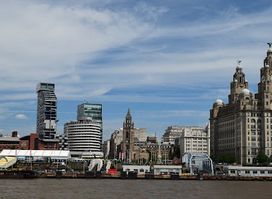
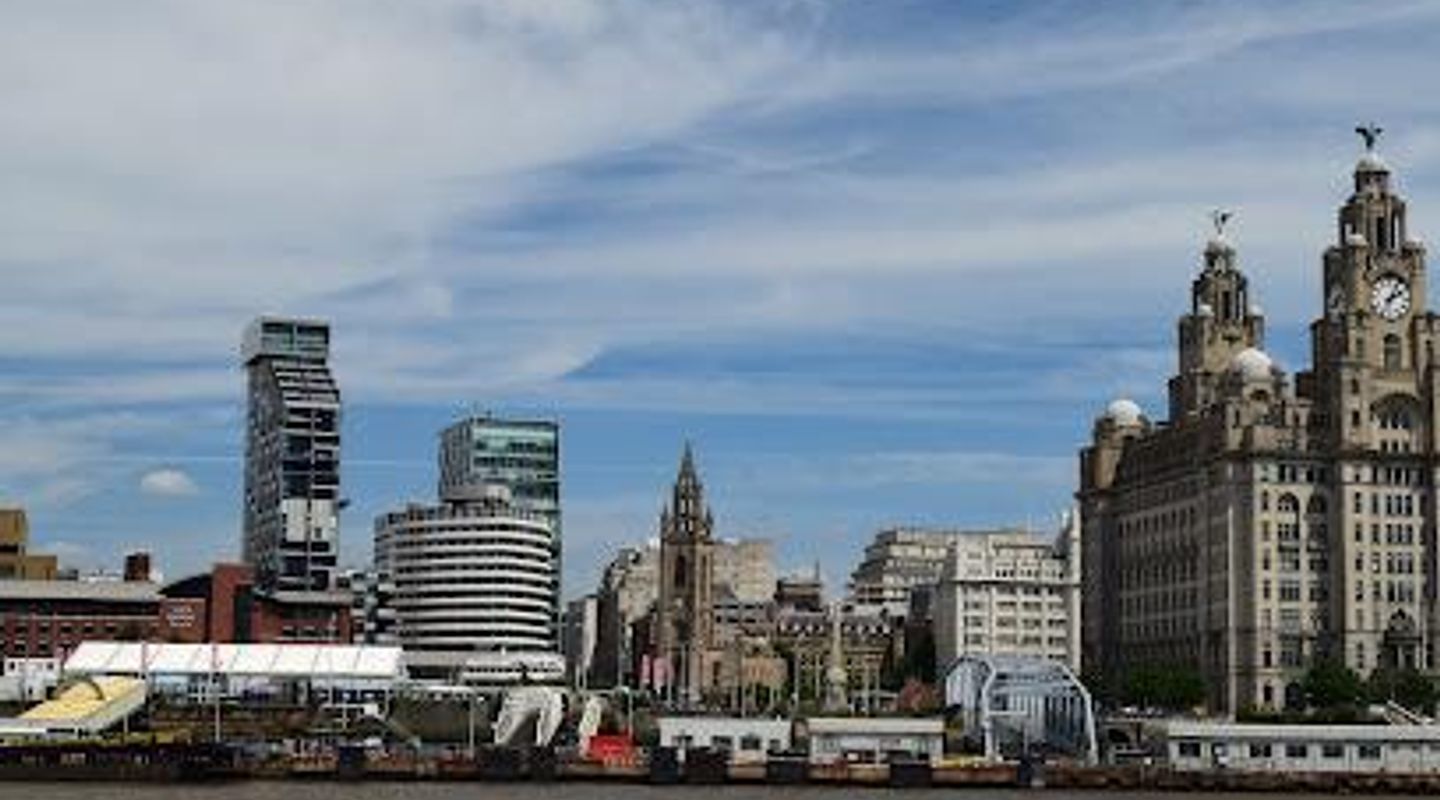
Pier Head is a historic riverside area in Liverpool city centre, renowned for its iconic waterfront skyline featuring the 'Three Graces'—the Port of Liverpool Building, Cunard Building, and Royal Liver Building. Once a bustling transatlantic passenger ship terminal, it now serves as a cultural and recreational space with memorials, museums, and ferry terminals reflecting Liverpool’s maritime legacy and global connections.
A brief summary to Pier Head
- Liverpool, L3 1DP, GB
- Click to display
- Duration: 1 to 3 hours
- Free
-
 Outdoor
- Mobile reception: 4 out of 5

Know before you go
Hi, I'm Eve. Here are a few practical things to know before exploring Pier Head.
- Visit early morning or late afternoon for softer light and fewer crowds around the Three Graces and waterfront.
- Explore the nearby Museum of Liverpool for deeper insight into the city’s maritime and social history.
- Take a Mersey Ferry from Pier Head to experience the river and views of the Liverpool skyline.
- Look out for the various memorials scattered around Pier Head, each telling stories of Liverpool’s global connections.
Do you manage this location?
Take control to get all the benefits, like improved information, better appearance, and stronger visibility across AI-powered discovery. Learn more about listing your business on Evendo
Activate your presenceOther nearby places you may find interesting
The closest places of the same kind, if this one is not quite what you had in mind.

Explore Pier Head on the Map
A handpicked selection of must-see spots near Pier Head, mapped for you.
Unlock the Best of Pier Head
Buy tickets
-
No tickets available
Book tours with entry


Getting There
-
Public Transport
Take Liverpool’s Merseyrail network to James Street station, a 10-15 minute walk from Pier Head. Trains run frequently from Liverpool Central and other city stations, with tickets costing around £2-£4 GBP.
-
Bus
Several city buses stop near the Pier Head area, including routes 10 and 17. Travel times vary from 15-30 minutes depending on your starting point. Bus fares are typically £2-£3 GBP per journey.
-
Taxi or Rideshare
Taxis and rideshare services like Uber can reach Pier Head within 10-20 minutes from central Liverpool locations. Fares generally range from £5 to £10 GBP depending on traffic.
-
Walking
If staying in Liverpool city centre, Pier Head is accessible on foot within 15-25 minutes via mostly flat, paved routes suitable for most visitors, including wheelchair users.
For the on-the-go comforts that matter to you
-
 Restrooms
-
 Drink Options
-
 Food Options
-
 Seating Areas
-
 Information Boards
-
 Visitor Center
Discover more about Pier Head
Historic Maritime Gateway of Liverpool
Pier Head, officially known as George's Pier Head, sits prominently on the River Mersey in Liverpool’s city centre. Originally the site of George's Dock built in 1771, it evolved from a commercial dock into a key passenger ship terminal by the late 19th and early 20th centuries. This transformation reflected Liverpool’s stature as a major global port, particularly for transatlantic liners. Though the Prince's Landing Stage and other landing stages that once extended nearly half a mile were dismantled in the 1970s, Pier Head remains a symbolic gateway to the world and a testament to the city’s maritime heritage.The Three Graces and Architectural Grandeur
Dominating the Pier Head skyline are the 'Three Graces': the Royal Liver Building, Cunard Building, and Port of Liverpool Building. These Grade II* listed landmarks showcase a blend of architectural styles including Edwardian Baroque and Italian Renaissance influences. The Port of Liverpool Building, constructed between 1903 and 1907, served as the Mersey Docks and Harbour Board headquarters. The Cunard Building was the Cunard Line’s office from 1914 to 1916, while the Royal Liver Building, once dubbed England’s first skyscraper, is an emblem of Liverpool’s maritime power and civic pride.Memorials and Cultural Significance
Pier Head is home to numerous memorials commemorating maritime history and wartime sacrifices. Notable are the Heroes of the Marine Engine Room memorial, one of the earliest tributes to ordinary working people lost in WWI, and the Canadian maple tree avenue honoring Canada’s role in the Battle of the Atlantic during WWII. Other memorials include those dedicated to maritime war casualties and notable local figures, reflecting Liverpool’s deep connections to global events and its diverse cultural heritage.Modern Role and Visitor Experience
Today, Pier Head functions as a vibrant public space with recreational areas, museums such as the Museum of Liverpool, and active ferry terminals operated by Mersey Ferries. Visitors can enjoy panoramic waterfront views, explore maritime exhibitions, and appreciate the area’s blend of historic and contemporary urban life. The site’s open spaces and memorials offer contemplative and scenic experiences, while the ferry services maintain the tradition of river travel.Environmental and Urban Context
Situated within Liverpool’s regenerated waterfront, Pier Head balances its historic significance with modern urban amenities. The area is pedestrian-friendly with seating, information boards, and access to nearby cultural institutions. Its riverside location provides iconic views of the Mersey and the city skyline, making it a focal point for photography, events, and cultural festivals. Although no longer a UNESCO World Heritage Site, Pier Head remains central to Liverpool’s identity as a maritime city.Legacy and Symbolism in Liverpool’s Story
Pier Head encapsulates Liverpool’s rise as a global port and its enduring maritime legacy. The site’s buildings, memorials, and ferry operations symbolize the city’s economic, social, and cultural connections across the world. It stands as a living monument to Liverpool’s creativity, resilience, and international influence, inviting visitors to engage with its layered history and vibrant present.












Your all‑in‑one travel companion app
Explore expert travel guides, compare and book tours, experiences, hotels, and more—all from the palm of your hand. Download now for seamless trip planning wherever your wanderlust takes you.


Explore More of Lancashire
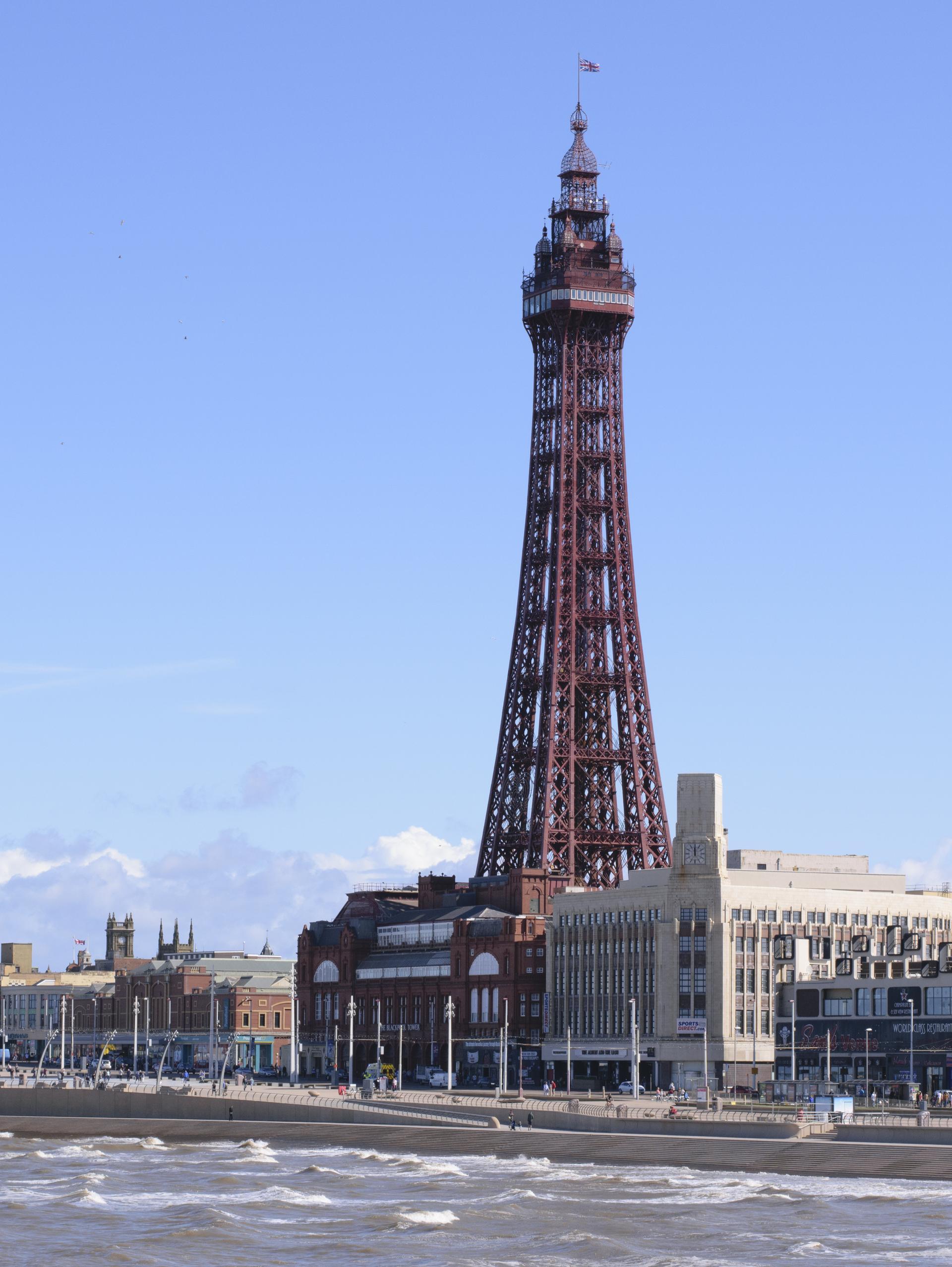
Looking beyond Pier Head? Discover Lancashire for broader travel guides, local hot-spots, and regional highlights.
Explore Lancashire