

Derby Square
Historic square honouring Queen Victoria, built on the ruins of medieval Liverpool Castle.
Derby Square is a historic public square in Liverpool's city centre, situated on the former site of Liverpool Castle (built circa 1235, demolished by 1721). The square features the Grade II listed Victoria Monument, unveiled in 1906 to honour Queen Victoria, crowned with a victorious angel in Beaux-Arts style. Surrounded by significant architecture including Castle Moat House and the Queen Elizabeth II Law Courts, Derby Square serves as a tranquil urban gathering space with ample seating, offering visitors a blend of historical reflection and modern city life in the heart of Liverpool.
A brief summary to Derby Square
- Liverpool, L2 7NU, GB
- Duration: 0.5 to 2 hours
- Free
-
 Outdoor
- Mobile reception: 5 out of 5

Know before you go
Hi, I'm Eve. Here are a few practical things to know before exploring Derby Square.
- Visit on weekday mornings for a peaceful atmosphere with fewer crowds, allowing you to fully appreciate the Victoria Monument's intricate Beaux-Arts details and the square's historical significance.
- Take time to explore the surrounding architecture, including Castle Moat House and the Queen Elizabeth II Law Courts, which together tell the story of Liverpool's evolution from medieval fortress to modern city.
- Use the ample seating throughout the square to pause and reflect on the location's layered history—from the 13th-century castle foundations to the Victorian monument that crowns the site today.
- Photograph the victorious angel atop the Victoria Monument from multiple angles to capture the monument's imposing presence and intricate sculptural details in different light conditions.
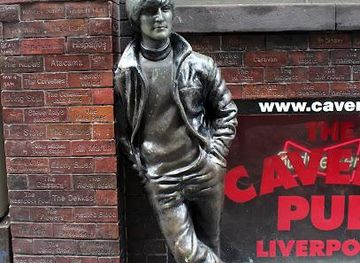
- Combine your visit with nearby attractions such as the Cavern Club, John Lennon Statue, and the waterfront landmarks, all within walking distance of Derby Square.
Do you manage this location?
Take control to get all the benefits, like improved information, better appearance, and stronger visibility across AI-powered discovery. Learn more
Activate your presence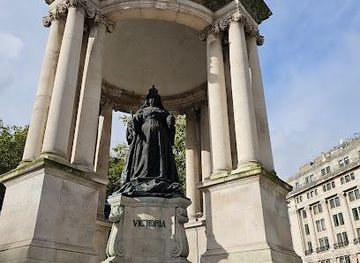
Getting There
-
Train
Liverpool James Street railway station is approximately 80 metres from Derby Square, offering direct connections to Manchester Piccadilly (approximately 50 minutes), Chester (approximately 45 minutes), and other regional destinations. Merseyrail services provide frequent connections throughout the Merseyside area. Journey times vary by destination, with most regional services running every 15–30 minutes during peak hours. Standard adult fares typically range from £3–£15 depending on destination.
-
Bus
Multiple bus services serve the city centre near Derby Square, with stops on James Street and nearby streets. Local Merseyside buses connect to all areas of Liverpool and surrounding towns, with frequent services (typically every 10–20 minutes on main routes). Day tickets cost approximately £2–£5, and journey times within the city centre are generally 10–30 minutes depending on destination.
-
Walking
Derby Square is easily accessible on foot from Liverpool Lime Street railway station (approximately 10–12 minutes walk), the Albert Dock waterfront (approximately 8–10 minutes walk), and the city centre shopping district (immediately adjacent). The surrounding streets are flat and well-paved, making walking accessible for most visitors. All major city centre attractions are within 15 minutes' walk.
-
Taxi or Ride-Share
Taxis and ride-share services operate throughout Liverpool city centre with pickup points near Derby Square. Journey times from Liverpool Airport are approximately 25–35 minutes depending on traffic, with fares typically ranging from £25–£40. From Lime Street station, journey times are 5–10 minutes with fares around £8–£15.
For the on-the-go comforts that matter to you
-
 Seating Areas
-
 Information Boards
-
 Trash Bins
-
 Restrooms
-
 Food Options
-
 Drink Options
Discover more about Derby Square
The Castle's Legacy and Historical Foundations
Derby Square occupies one of Liverpool's most historically significant sites—the former location of Liverpool Castle, believed to have been constructed between 1208 and 1235. This medieval fortress once dominated the landscape, featuring a hall, chapel, and defensive structures that protected the emerging port town. Following the English Civil War, Parliament ordered the castle's destruction, and by 1715 it had been reduced to ruins. The castle's bricks and stone were systematically recycled for other building projects throughout the city, transforming the site into an open public space. This transition from fortress to square marks a pivotal moment in Liverpool's urban development, shifting from medieval defence to civic gathering.Victorian Grandeur and Monumental Architecture
The most striking feature of Derby Square today is the Victoria Monument, officially unveiled in 1906 as a tribute to Queen Victoria. This magnificent Beaux-Arts structure showcases the ornate architectural language of the late Victorian and Edwardian era, with intricate detailing, grand staircases, and imposing columns that create an imposing yet elegant presence. The monument is crowned by a victorious angel, a common motif in Beaux-Arts design symbolizing triumph, aspiration, and imperial grandeur. The angel figure has become iconic, drawing the eye and providing a focal point for the entire square. Remarkably, this monument survived the devastating 1941 Blitz that extensively damaged much of Derby Square and surrounding areas, emerging from the bombing campaign without serious damage—a testament to both its sturdy construction and fortunate positioning.Architectural Neighbours and Urban Development
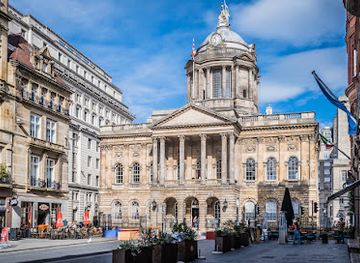
Surrounding the Victoria Monument are several significant buildings that define the square's character. Castle Moat House, originally constructed as the North and South Wales Bank building between 1838 and 1840 by architect Edward Corbett, still stands on the square and represents 19th-century commercial architecture. The Queen Elizabeth II Law Courts, completed in 1984, introduced modern judicial facilities to the area following construction that began in 1973. St George's Church, built in 1726, once graced the square but was demolished in 1899 after closure in 1897. The church's history reflects the square's evolving social landscape—it was rebuilt between 1809 and 1825 due to structural settling caused by its foundation being laid over the castle's rubble-filled moat, a physical reminder of the fortress that once stood there.A Contemporary Urban Sanctuary
Today, Derby Square functions as a pleasant public space in Liverpool's city centre, offering respite from the bustling urban environment. The square is characterized by ample seating areas distributed throughout, making it an ideal spot for visitors to relax, enjoy a packed lunch, or simply observe the flow of city life. The clean, well-maintained environment invites contemplation and provides a peaceful counterpoint to the surrounding commercial and civic activity. The combination of historical significance and modern public amenities creates a unique atmosphere where Liverpool's layered past—from medieval castle to Victorian monument to contemporary civic hub—converges in a single location.Connectivity and Urban Integration
Derby Square's position in Liverpool's city centre places it within easy reach of major transport links and attractions. Liverpool James Street railway station is mere metres away, providing direct connections throughout the region. The square serves as a natural gathering point and waypoint for visitors exploring the city's cultural and historical attractions, from the nearby Cavern Club and music heritage sites to the waterfront landmarks and museums. Its central location and accessibility make it an essential reference point for understanding Liverpool's urban geography and historical development.Explore the best of what Derby Square has to offer















More about Chester
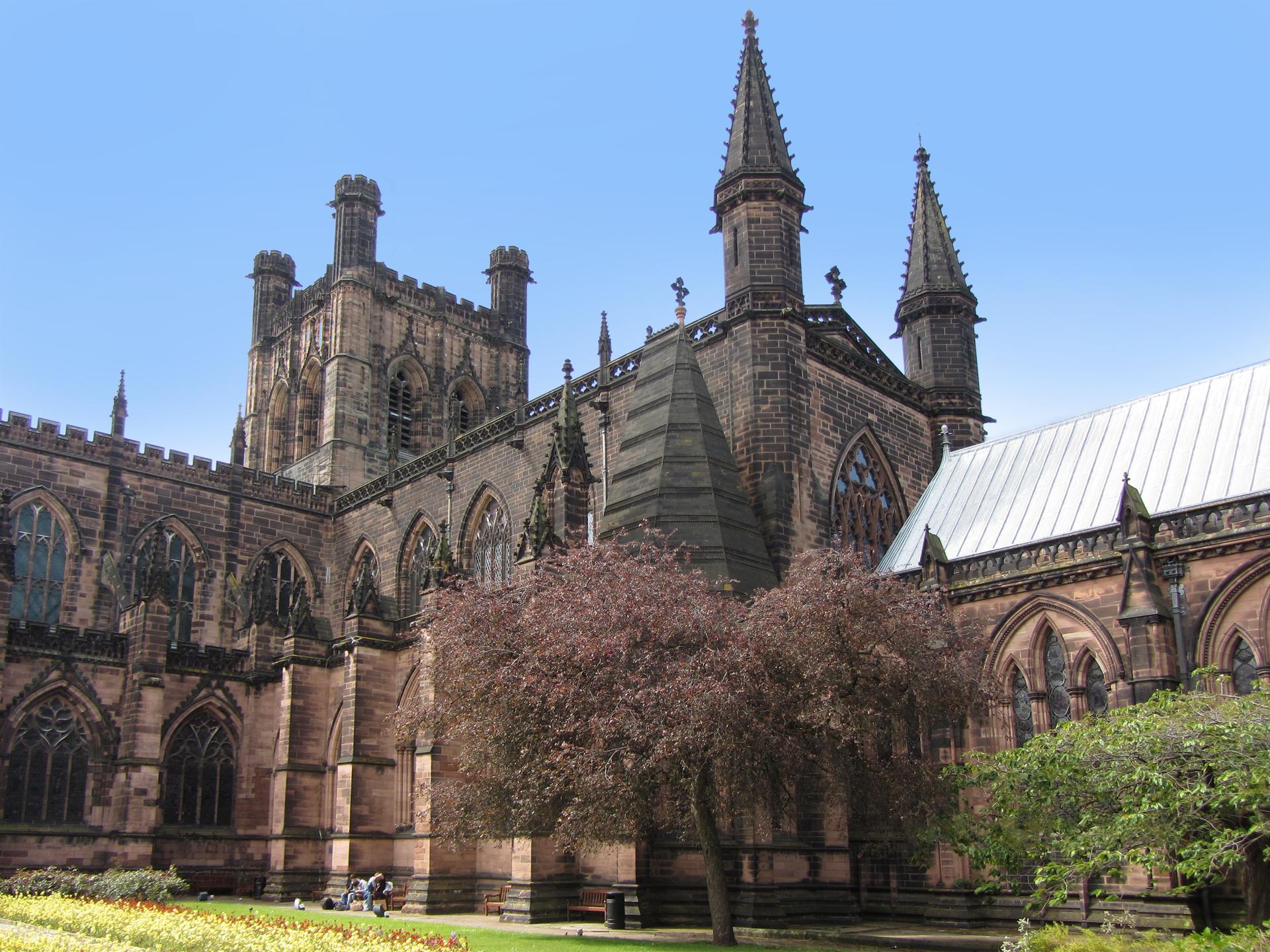
Discover Chester: A perfect blend of ancient history and modern charm, with its Roman walls, stunning cathedral, and unique shopping experiences.
Tell me more about Chester
Discover Mulberry Passage, a hidden Manchester alleyway celebrating John Dalton’s atomic theory through captivating art and historic charm.
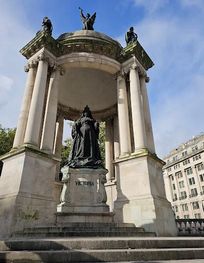
A grand neo-Baroque monument in Liverpool’s Derby Square commemorating Queen Victoria with intricate sculptures and rich historical significance.
