
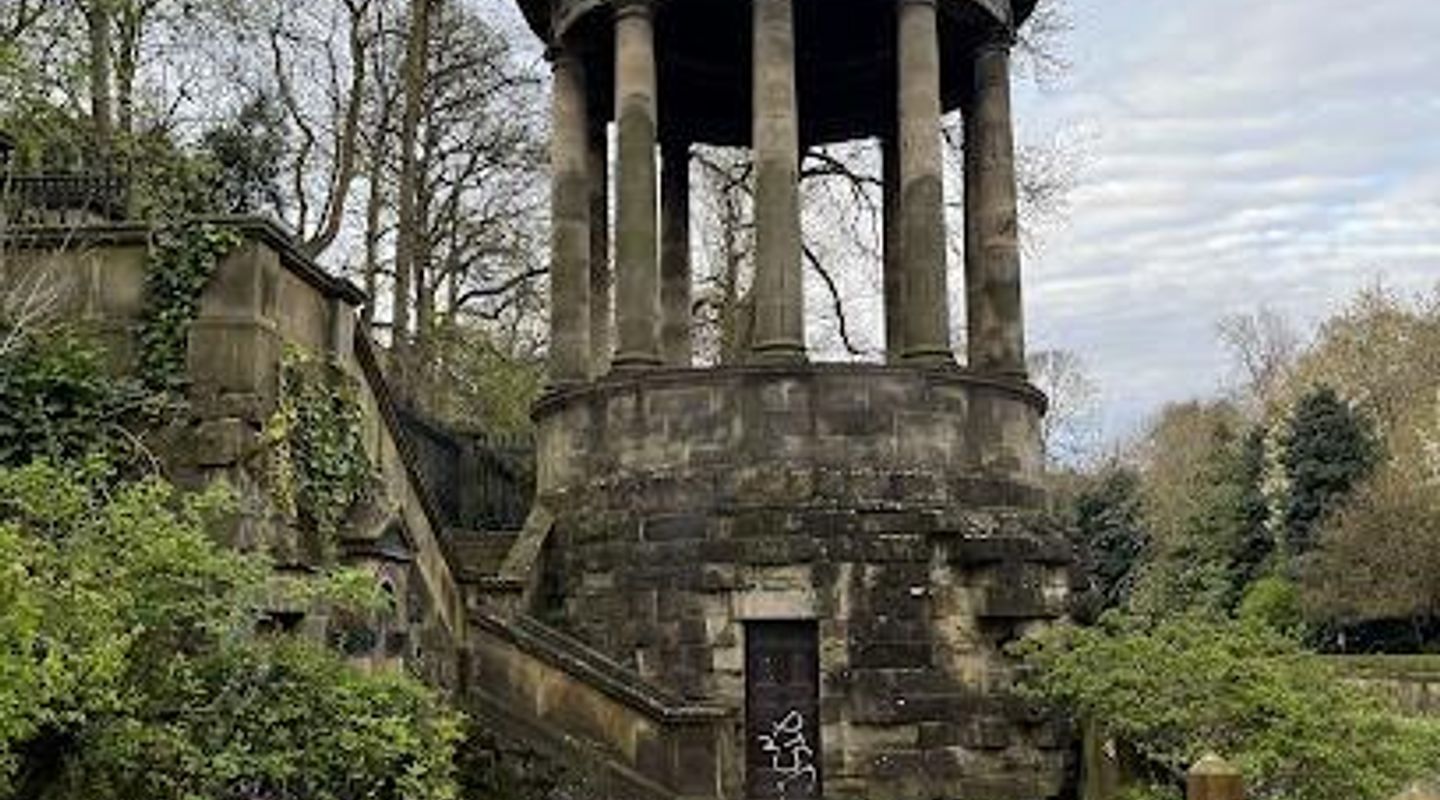
St. Bernard's Well, Edinburgh Travel Guide
An exquisite 18th-century Greco-Roman temple in Edinburgh celebrating healing waters and Enlightenment elegance.
Nestled on the banks of the Water of Leith in Edinburgh, St. Bernard's Well is an elegant 18th-century monument famed for its mineral spring waters once believed to have healing powers. Designed by Alexander Nasmyth in a Greco-Roman style, the well features a domed temple with Doric columns and a statue of Hygieia, goddess of health. Though closed to the public most of the year, it remains a serene historic landmark treasured for its beauty and cultural significance.
A brief summary to St. Bernard's Well
- 2 Clarendon Cres, Edinburgh, EH4 1PT, GB
- Click to display
- Duration: 0.5 to 1.5 hours
- Free
-
 Outdoor
- Mobile reception: 4 out of 5

Know before you go
Hi, I'm Eve. Here are a few practical things to know before exploring St. Bernard's Well.
- Visit during the Edinburgh Arts Festival or Doors Open Days for rare access inside the well’s beautifully tiled interior.
- Explore the Water of Leith walkway nearby to enjoy peaceful riverside views and woodland surroundings.
- Look for the golden pinecone atop the dome, a restored feature symbolizing prosperity and health.
- Bring a camera to capture the classical columns and statue of Hygieia framed by verdant greenery.
Do you manage this location?
Take control to get all the benefits, like improved information, better appearance, and stronger visibility across AI-powered discovery. Learn more about listing your business on Evendo
Activate your presenceOther nearby places you may find interesting
The closest places of the same kind, if this one is not quite what you had in mind.
Explore St. Bernard's Well on the Map
A handpicked selection of must-see spots near St. Bernard's Well, mapped for you.
Unlock the Best of St. Bernard's Well
Buy tickets
-
No tickets available
Book tours with entry


Getting There
-
Bus
Take Lothian Buses routes 11 or 16 from Edinburgh city center to the nearby Stockbridge area; from the stop, it is a 10-15 minute walk along the Water of Leith walkway to the well. Bus journey time ranges from 15 to 25 minutes with a single fare around £1.80.
-
Walking
From Edinburgh city center, a scenic 40-50 minute walk along the Water of Leith walkway offers a pleasant route to St. Bernard's Well, passing through Dean Village and lush parklands. The path is mostly flat and accessible for most walkers.
-
Taxi
A taxi ride from central Edinburgh to St. Bernard's Well typically takes 10-15 minutes depending on traffic, with fares approximately £8-£12. Taxis provide convenient access but may be limited during peak hours.
For the on-the-go comforts that matter to you
-
 Seating Areas
-
 Information Boards
Discover more about St. Bernard's Well
An Architectural Tribute to Classical Antiquity
St. Bernard's Well stands as a striking example of neoclassical design, crafted in 1789 by the celebrated Scottish landscape painter Alexander Nasmyth. Inspired by the ancient Roman Temple of Vesta at Tivoli, Italy, the monument features a circular colonnade of Doric columns supporting a domed roof crowned by a gilded pinecone finial. At its center rests a marble statue of Hygieia, the Greek and Roman goddess of health, symbolizing the well’s historic role as a site of healing. The inscription above the entrance, “Bibendo Valeris” (Drink and you will be well), invites visitors to partake in its restorative legacy.Historical Roots and Medicinal Legacy
Discovered around 1760 by local boys fishing along the Water of Leith, the mineral spring quickly gained renown for its purported healing properties. Wealthy visitors traveled to Edinburgh to 'take the waters,' believing the spring could cure ailments ranging from arthritis to blindness. The well was commissioned by Lord Gardenstone, a notable abolitionist and advocate for social reform, who helped establish its prominence. In 1885, publisher William Nelson purchased and lavishly restored the well, gifting it to the city of Edinburgh in 1888 as a public treasure.Decline, Restoration, and Present-Day Significance
The well fell into disrepair after World War II and was closed in the 1940s due to concerns over water impurities including arsenic. It remained inaccessible to the public for decades until a major restoration project in 2012, part of the Twelve Monuments initiative led by Edinburgh World Heritage and the city council. The restoration included meticulous repairs to the domed roof and the re-gilding of the pinecone finial, reviving the monument’s resplendent appearance. Today, while the interior is rarely open, the exterior remains a beloved landmark visible from the Water of Leith walkway, evoking Edinburgh’s Enlightenment era and cultural heritage.Setting and Atmosphere Along the Water of Leith
Situated in a tranquil wooded valley between Stockbridge and Dean Village, St. Bernard's Well is embraced by lush greenery and the gentle flow of the Water of Leith. The surrounding New Town gardens and parklands enhance its serene ambiance, creating a peaceful retreat within the city. Visitors strolling the riverside path often pause to admire the classical temple’s harmonious integration with nature, especially after rain when the spring’s waters surge through the channels beneath Dean Bridge.Cultural Connections and Literary Resonance
The well’s influence extends beyond its physical presence; it is linked to Edinburgh’s rich literary and cultural tapestry. Notably, it is mentioned in Mary Wollstonecraft Shelley’s "Frankenstein," where the protagonist reflects on the city’s inspiring landmarks, including St. Bernard’s Well. The site also commemorates St. Bernard of Clairvaux, a 12th-century monk reputed to have lived nearby, adding layers of spiritual and historical depth.Visiting Experience and Access
While the interior is generally closed except for special occasions such as the Edinburgh Arts Festival and Doors Open Days, the well’s exterior can be admired year-round from the Water of Leith walkway. Its secluded woodland setting offers a quiet, contemplative space to appreciate Edinburgh’s architectural elegance and natural beauty. The site invites reflection on the city’s past, the enduring allure of its healing waters, and the timeless appeal of classical design.












Your all‑in‑one travel companion app
Explore expert travel guides, compare and book tours, experiences, hotels, and more—all from the palm of your hand. Download now for seamless trip planning wherever your wanderlust takes you.


Explore More of Edinburgh

Looking beyond St. Bernard's Well? Discover Edinburgh for broader travel guides, local hot-spots, and regional highlights.
Explore Edinburgh
A charming village atmosphere with Georgian elegance, artisan markets, riverside walks, and cosy cafés just minutes from Edinburgh city centre.
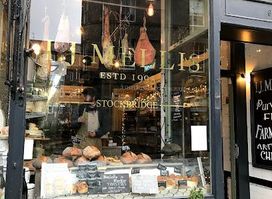
Edinburgh’s vibrant Sunday market offering fresh local produce, street food, crafts, and a lively community atmosphere in charming Stockbridge.
