

Mons Meg: The Mighty Medieval Bombard of Edinburgh Castle
Discover Mons Meg, the colossal 15th-century siege cannon at Edinburgh Castle, a symbol of Scotland’s medieval military might and royal heritage.
Mons Meg is a colossal 15th-century siege cannon housed at Edinburgh Castle. Built in 1449 in Mons, Belgium, and gifted to King James II of Scotland in 1457, this six-tonne bombard could fire 150kg stone cannonballs up to 3.2 km. Once cutting-edge military technology, Mons Meg saw action in sieges before retiring to ceremonial use. Its barrel burst in 1681, ending its firing days. Now prominently displayed outside St Margaret’s Chapel, it remains a symbol of Scotland’s medieval martial heritage.
A brief summary to Edinburgh Castle - Mons Meg
- Castlehill, Edinburgh, Edinburgh, EH1 2NG, GB
- +441312259846
- Visit website
- Duration: 0.5 to 2 hours
- Mid ranged
-
 Outdoor
- Mobile reception: 4 out of 5
- Monday 9:30 am-6:15 pm
- Tuesday 9:30 am-6:15 pm
- Wednesday 9:30 am-6:15 pm
- Thursday 9:30 am-6:15 pm
- Friday 9:30 am-6:15 pm
- Saturday 9:30 am-6:15 pm
- Sunday 9:30 am-6:15 pm
Local tips
- Visit early in the day to avoid peak crowds and get clear views of Mons Meg and St Margaret’s Chapel.
- Take time to explore the detailed information panels near the cannon to learn about its history and technical features.
- Combine your visit with a tour of Edinburgh Castle to understand the broader historical context of Mons Meg.
- Wear comfortable shoes as the castle grounds involve some uphill walking and cobblestone surfaces.

For the on-the-go comforts that matter to you
- Restrooms
- Drink Options
- Food Options
- Seating Areas
- Information Boards
- Visitor Center
Getting There
-
Public Transport
Take Lothian Buses routes 1, 35, or 36 to the Princes Street stop, then walk uphill approximately 10 minutes on cobblestone paths to Edinburgh Castle. Buses run frequently with fares around £1.80-£2.00 GBP.
-
Taxi or Ride Share
A taxi or ride-share from Edinburgh city center to Edinburgh Castle takes about 5-10 minutes depending on traffic, costing approximately £5-£10 GBP. Drop-off is available near the castle entrance but expect some uphill walking.
-
Walking
From central Edinburgh, a 15-20 minute walk to Edinburgh Castle is possible via the Royal Mile or Princes Street. The terrain includes cobblestones and uphill sections, so wear sturdy footwear and be prepared for moderate exertion.
Edinburgh Castle - Mons Meg location weather suitability
-
 Any Weather
-
 Rain / Wet Weather
-
 Clear Skies
-
 Mild Temperatures
-
 Windy Conditions
Discover more about Edinburgh Castle - Mons Meg
Origins and Construction of a Medieval Marvel
Mons Meg was forged in 1449 in the town of Mons, in modern-day Belgium, by the iron founder Jehan Cambier. Commissioned by Philip the Good, Duke of Burgundy, it was presented as a grand gift to King James II of Scotland in 1457, coinciding with the king’s marriage to Mary of Guelders, Philip’s niece. This massive bombard, weighing over six tonnes and stretching 15 feet in length, was among the largest cannons of its time. It was designed to fire enormous stone cannonballs weighing approximately 150 kilograms (330 pounds) over distances reaching two miles (3.2 kilometers), a remarkable feat of medieval artillery engineering.Military Service and Ceremonial Roles
Mons Meg was actively used in several key military campaigns during the late 15th and early 16th centuries. Notably, it was hauled to the siege of Roxburgh Castle in 1460 and later deployed by King James IV against Dumbarton and Norham Castles. Moving Mons Meg was a monumental task, often requiring teams of oxen and slow progress due to its immense weight. By the mid-1500s, advances in artillery rendered Mons Meg obsolete for battlefield use, and it transitioned to ceremonial roles. One famous occasion was in 1558 when Mons Meg fired a celebratory shot to mark the marriage of Mary, Queen of Scots, to the French Dauphin, with the cannonball reportedly landing two miles away.The End of Its Firing Days and Later History
The cannon’s active firing career ended dramatically in 1681 when its barrel burst during a salute to James, Duke of Albany and York (later King James VII). This catastrophic failure rendered Mons Meg unusable as a weapon. Following this, it was left outside the castle gates for many years. In 1754, Mons Meg was taken to the Tower of London along with other disarmed weapons as part of efforts to reduce armed threats in Scotland. After decades in England, a campaign led by Sir Walter Scott and the Society of Antiquaries of Scotland successfully secured its return. In 1829, Mons Meg was ceremoniously brought back to Edinburgh Castle, where it has remained ever since.Preservation and Display Today
Mons Meg now stands prominently outside St Margaret’s Chapel at Edinburgh Castle, where visitors can admire its formidable size and craftsmanship. It has undergone several conservation efforts, including a major restoration in 2015 to remove corrosion and repaint the cannon to protect it from the elements. The wooden carriage supporting Mons Meg was reconstructed in the 20th century based on historical designs. As part of the Royal Armouries collection on loan to Historic Environment Scotland, Mons Meg is recognized as a significant artifact of Scotland’s military heritage and medieval technology.Symbolism and Cultural Legacy
Beyond its military history, Mons Meg symbolizes Scotland’s medieval power and craftsmanship. Its presence at Edinburgh Castle, a site steeped in history and royal significance, connects visitors to Scotland’s turbulent past, including its wars of independence and royal ceremonies. The cannon’s dramatic barrel burst and subsequent abandonment became part of local lore, reflecting tensions between Scotland and England. Today, Mons Meg is not only a historic weapon but also a cultural icon, drawing visitors worldwide to marvel at one of the largest medieval cannons ever made.Visitor Experience and Context
Standing before Mons Meg, you can appreciate the sheer scale of medieval artillery and the logistical challenges of warfare in the 15th century. The cannon’s massive barrel, large enough for a person to climb inside, and the huge stone balls it fired evoke the era’s military ingenuity. Its location at Edinburgh Castle, a fortress with over two millennia of history, adds layers of context—from Iron Age fortifications to royal stronghold and military garrison. Mons Meg’s story intertwines with Scotland’s national narrative, making it a compelling highlight for history enthusiasts and casual visitors alike.Iconic landmarks you can’t miss

Robert Louis Stevenson Memorial
0.2 km
A modest stone tribute nestled in Edinburgh’s Princes Street Gardens celebrating the enduring legacy of Robert Louis Stevenson.
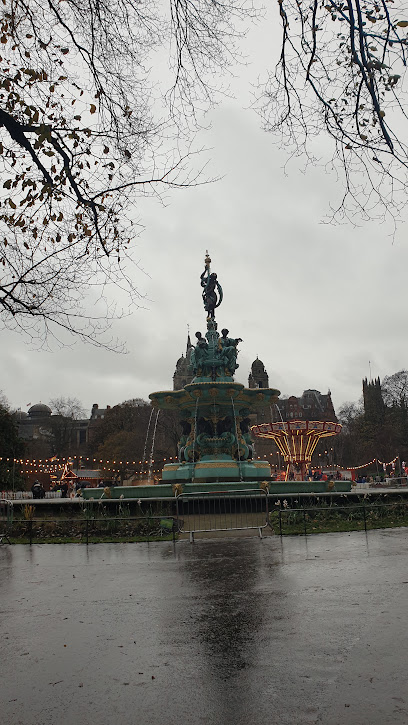
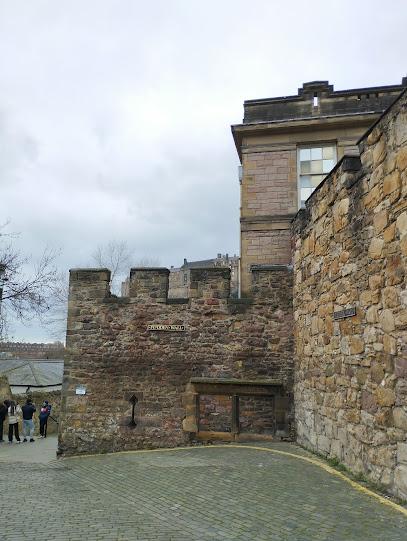
Flodden Wall
0.4 km
Explore Edinburgh’s medieval Flodden Wall, a historic sandstone fortification built after 1513 to protect the city and shape its iconic Old Town skyline.
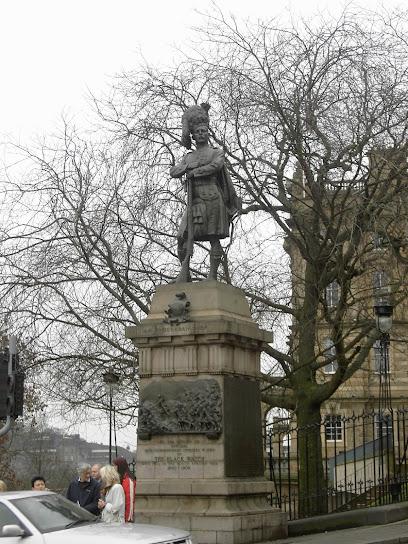
The Mound & Mound Place
0.4 km
Historic artificial slope linking Edinburgh’s Old and New Towns, home to iconic galleries, grand architecture, and vibrant cultural life.
Milne's Court
0.4 km
Discover Milne's Court, a captivating historical landmark in Edinburgh, where the past meets the present in a picturesque setting.

Rose St
0.4 km
Explore the vibrant atmosphere of Rose Street in Edinburgh, a perfect blend of local culture, dining, and shopping delights.
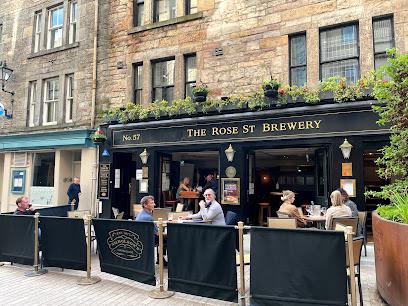
Lothian Rd
0.4 km
Explore Edinburgh's Lothian Road: A bustling hub of history, culture, and contemporary charm awaits every traveler.
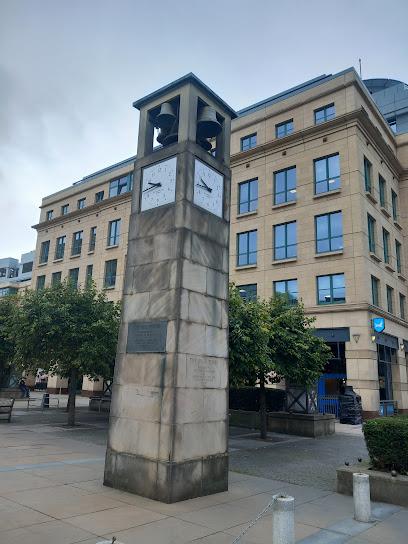
Gladstone's Land
0.4 km
Explore the historic charm of Gladstone's Land in Edinburgh, a captivating glimpse into Scotland's rich past with delightful cafes and stunning architecture.
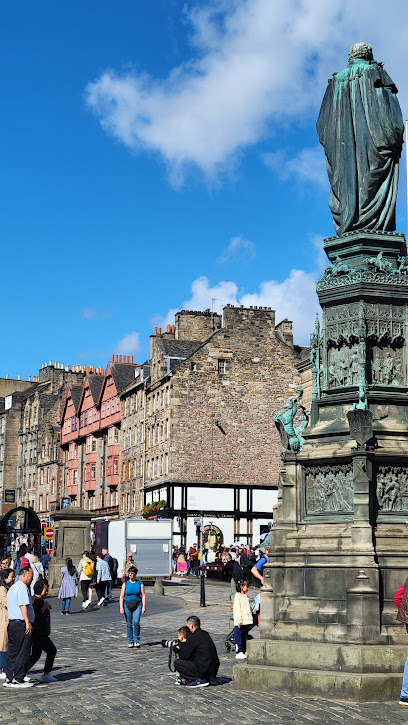
The Writers' Museum
0.4 km
Explore The Writers' Museum in Edinburgh, a tribute to Scotland's literary greats and a treasure trove for literature lovers seeking inspiration.
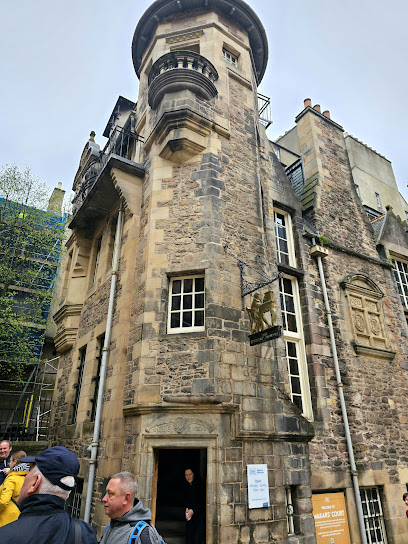
Lady Stair's House
0.4 km
Explore Lady Stair's House: A historic 17th-century building in Edinburgh celebrating Scotland's rich literary heritage and home to the Scottish Poetry Library.
Lady Stair's Close
0.4 km
Discover Lady Stair's Close, a serene historic courtyard in Edinburgh's Old Town, home to the Writers' Museum and Scotland’s literary heritage.
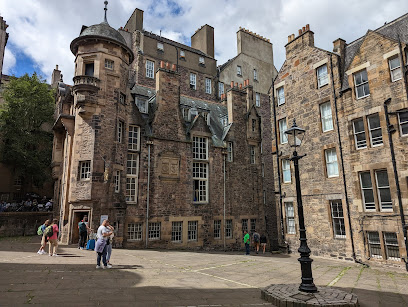
Lawnmarket
0.4 km
Discover Lawnmarket, a historic street in Edinburgh rich in culture, shopping, and stunning medieval architecture, perfect for an unforgettable visit.
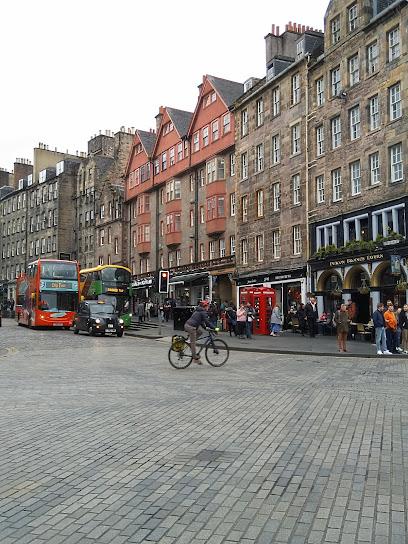
Thomas Riddell's Grave
0.5 km
Explore the mystical Thomas Riddell's Grave in Greyfriars Kirkyard, a historic site rich with tales of the past and connections to the Harry Potter universe.
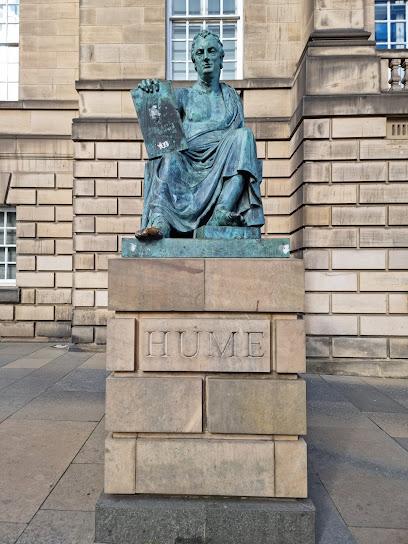
David Hume Statue
0.5 km
A striking bronze tribute to philosopher David Hume, blending classical imagery with Edinburgh’s Enlightenment heritage and a toe-rubbing tradition for luck.
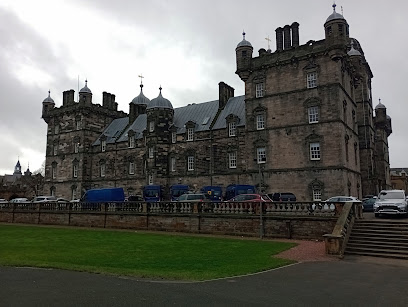
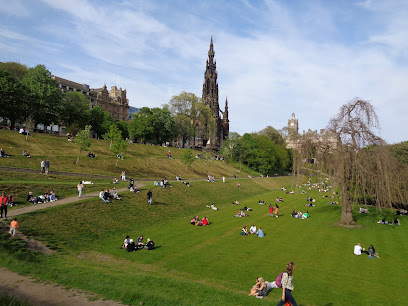
East Princes Street Gardens
0.5 km
Explore the beauty and tranquility of East Princes Street Gardens in Edinburgh, a hidden gem offering stunning views and a peaceful retreat.
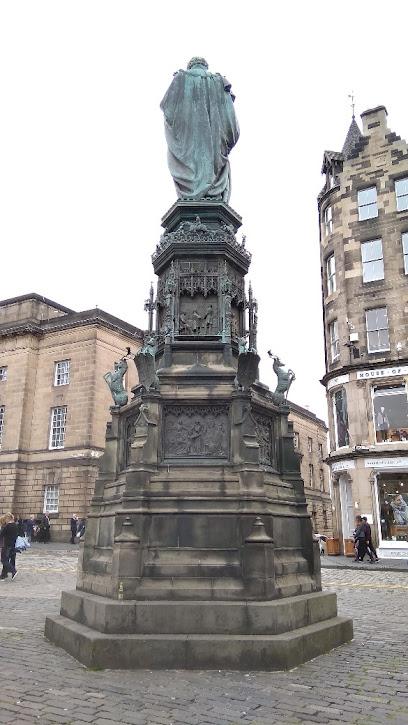
Statue Of Fifth Duke Of Buccleuch
0.5 km
Explore the historical beauty of Edinburgh with a visit to the Statue of the Fifth Duke of Buccleuch, a remarkable sculpture steeped in Scottish heritage.
Unmissable attractions to see

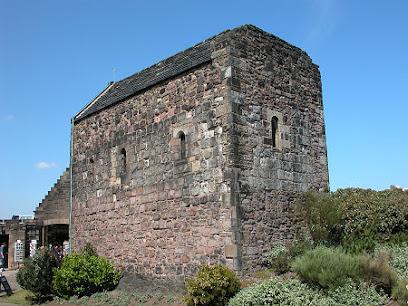
St Margaret's Chapel
0.0 km
Edinburgh’s oldest building, a serene 12th-century chapel atop Castle Rock honoring Queen Margaret’s enduring spiritual legacy.
Edinburgh Castle - Mill's Mount Battery
0.0 km
Historic fortress atop Castle Rock offering iconic views, royal treasures, and rich Scottish military heritage in the heart of Edinburgh.
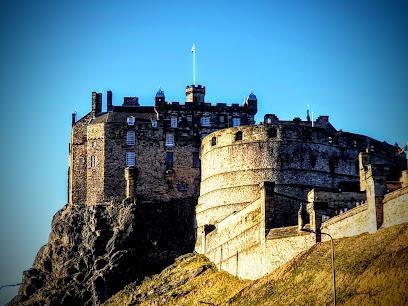
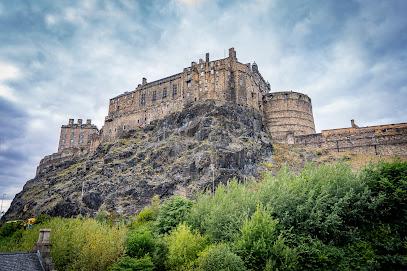
Edinburgh Castle
0.0 km
Explore Edinburgh Castle, a majestic fortress atop Castlehill offering royal history, breathtaking views, and iconic Scottish heritage.
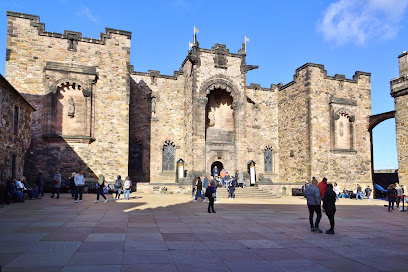
Scottish National War Memorial
0.1 km
A solemn tribute within Edinburgh Castle honoring Scotland’s fallen heroes from World War I to today.
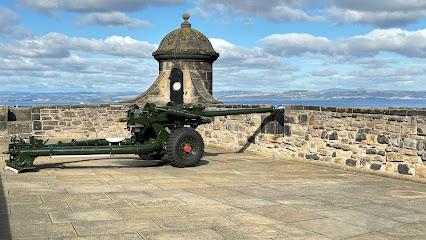
One O’Clock Gun
0.1 km
Experience Edinburgh’s iconic One O’Clock Gun, a historic maritime time signal fired daily from Edinburgh Castle since 1861.
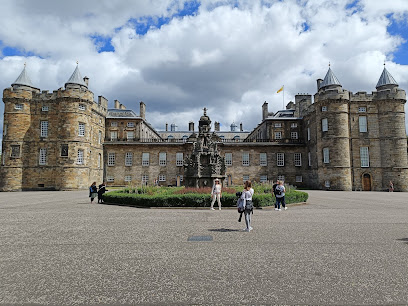
Royal Palace
0.1 km
Explore the Royal Palace of Edinburgh, a majestic historical landmark rich in Scottish heritage and royal history, offering breathtaking views and captivating exhibitions.
The Royal Scots Dragoon Guards Regimental Museum
0.1 km
Explore over 300 years of Scotland’s only cavalry regiment in the historic New Barracks of Edinburgh Castle.
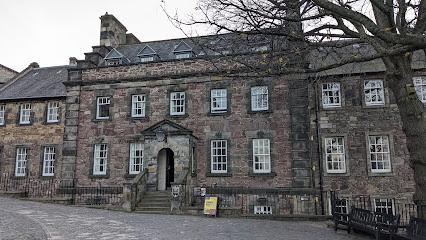
Great Hall
0.1 km
Step into the majestic Great Hall of Edinburgh Castle, a stunning medieval chamber showcasing royal history, architecture, and armory.
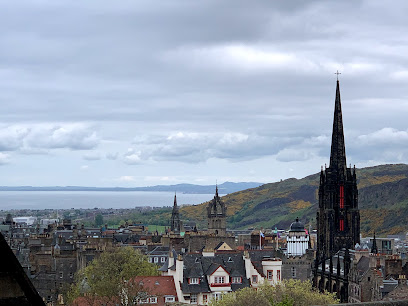
National War Museum
0.1 km
Explore Scotland’s rich military history through artifacts, personal stories, and art within the iconic Edinburgh Castle.
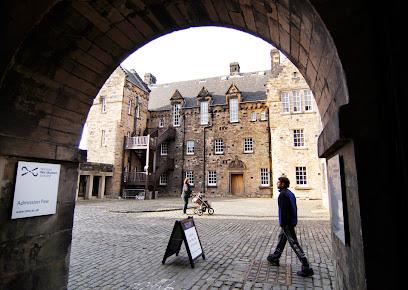
Forward and Half Moon Battery
0.1 km
Historic artillery batteries shaping Edinburgh Castle’s iconic silhouette with panoramic city views and centuries of military heritage.
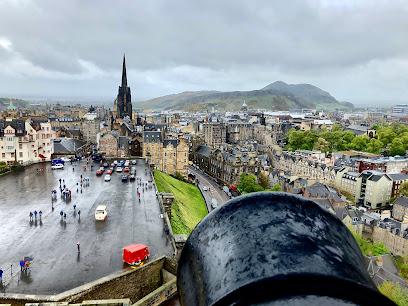
The India Cross
0.2 km
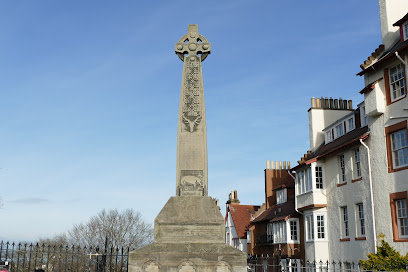
A solemn Celtic cross memorial honoring the 78th Highlanders who fell during the Indian Rebellion, set against Edinburgh Castle’s historic Esplanade.
Edinburgh Farmers' Market
0.2 km
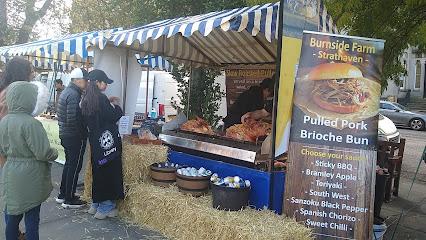
Discover fresh Scottish produce and artisanal delights every Saturday with stunning views of Edinburgh Castle at Castle Terrace Farmers' Market.
Ross Fountain
0.2 km
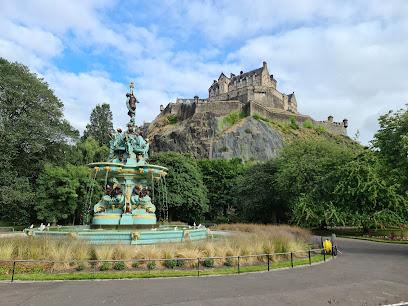
A dazzling Victorian cast-iron fountain beneath Edinburgh Castle, blending French artistry with Scottish heritage in vibrant color.
The Witches Well
0.2 km
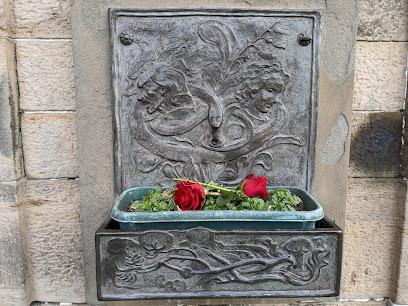
Explore The Witches Well in Edinburgh, a historical landmark steeped in folklore, offering a captivating glimpse into the city's dark past.
The Comedy Attic
0.2 km
Experience Edinburgh’s vibrant comedy scene in the intimate attic of the historic Beehive Inn with top comedians and lively atmosphere.

Essential places to dine

Beehive Inn
0.2 km
Historic pub and vibrant entertainment venue in Edinburgh’s Grassmarket, blending traditional Scottish charm with lively dining and comedy events.
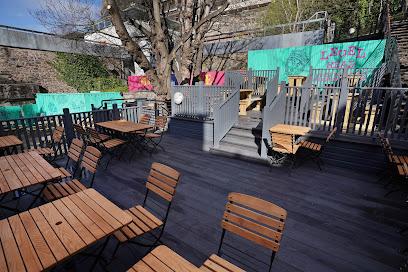
Amber Restaurant
0.3 km
Experience Scotland’s finest seasonal cuisine expertly paired with over 550 whiskies in the warm, amber-lit heart of Edinburgh’s Royal Mile.
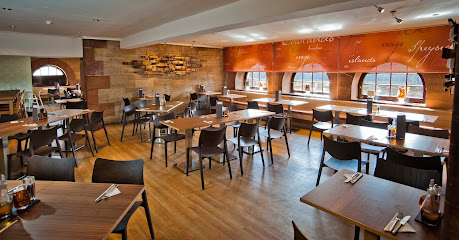
The Witchery by the Castle
0.3 km
A sumptuous gothic retreat on Edinburgh’s Royal Mile, blending historic grandeur with romantic luxury and award-winning Scottish cuisine.
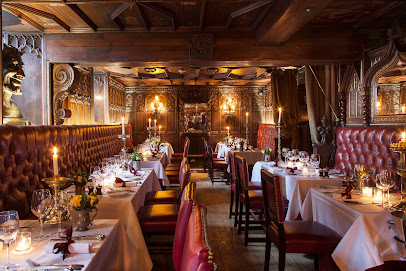
TIMBERYARD
0.3 km
Michelin-starred Modern British dining in a historic Edinburgh warehouse with seasonal, locally sourced cuisine and a celebrated natural wine cellar.
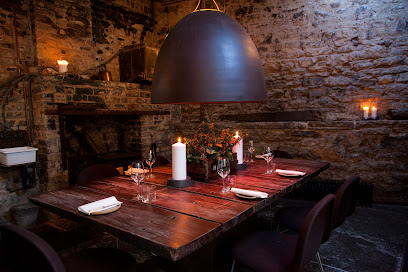
Dine Edinburgh
0.3 km
Elegant Scottish brasserie above the Traverse Theatre, blending seasonal local flavors with refined service and a chic cocktail lounge.
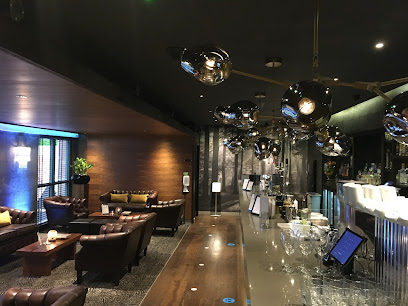
Maison Bleue
0.4 km
French-Moroccan dining in a historic Old Town setting with striking design and exceptional value.
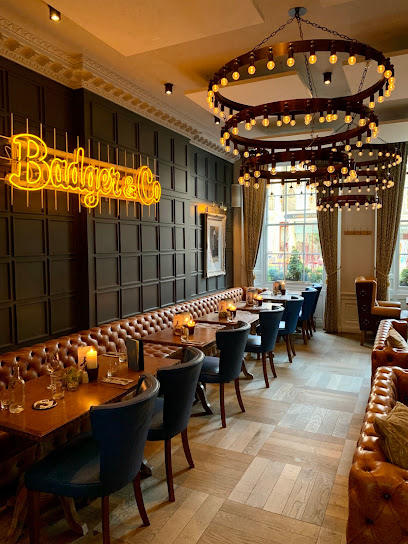
Badger & Co
0.4 km
A charming Wind in the Willows–themed gastropub in Edinburgh serving elevated Scottish pub classics and creative cocktails in a lively, welcoming setting.
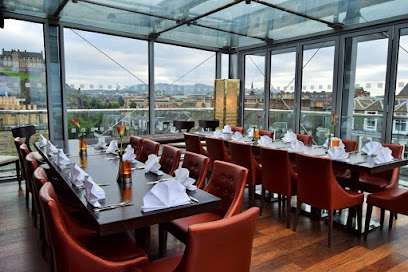
Chaophraya Thai Restaurant
0.4 km
Sophisticated Thai dining with panoramic views of Edinburgh Castle, blending authentic flavors and stylish ambiance in the heart of New Town.
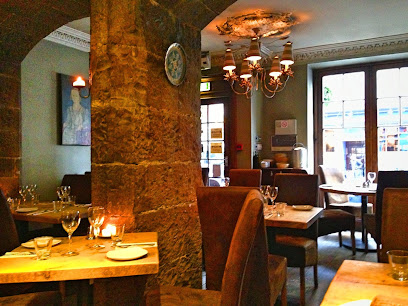
Howies Restaurant
0.4 km
Historic charm meets fresh Scottish flavors on Edinburgh’s iconic Victoria Street, offering seasonal dishes in a warm, relaxed setting.
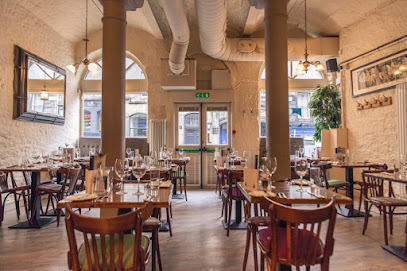
Whiski Rooms
0.4 km
Experience authentic Scottish cuisine and an extensive whisky selection at Whiski Rooms in Edinburgh's city center.
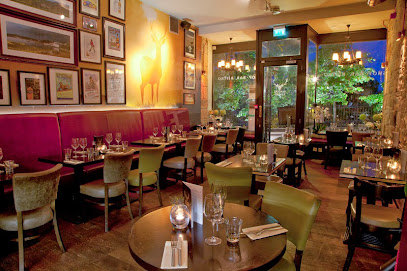
Makars Mash Bar
0.5 km
Scotland's beloved mash bar where premium Scottish meats meet nine distinctive potato creations.
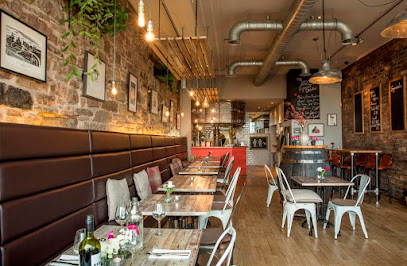
The Pompadour
0.5 km
Experience refined modern Scottish cuisine with stunning Edinburgh Castle views in the elegant setting of 1925 at The Pompadour.
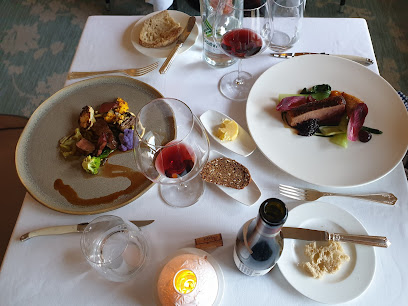
Contini George Street
0.5 km
Elegant Italian dining in a stunning Georgian banking hall, blending authentic flavors with Scottish freshness on Edinburgh’s George Street.
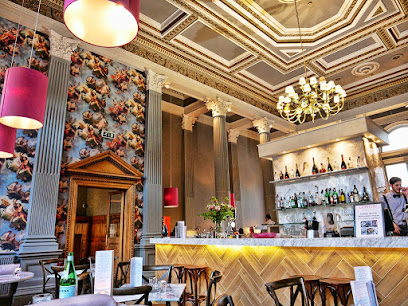
Ondine Restaurant
0.5 km
Edinburgh’s stylish seafood haven offering sustainable shellfish, fresh oysters, and elegant dining in a vibrant Old Town setting.
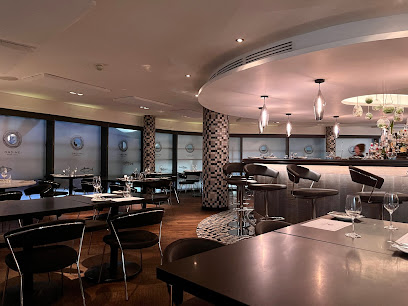
Aizle
0.5 km
Discover Edinburgh’s acclaimed modern European tasting menu with seasonal Scottish ingredients in a bright, relaxed Garden Room setting.
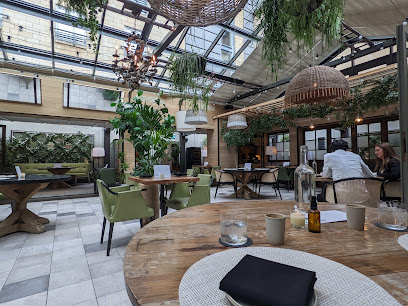
Markets, malls and hidden boutiques

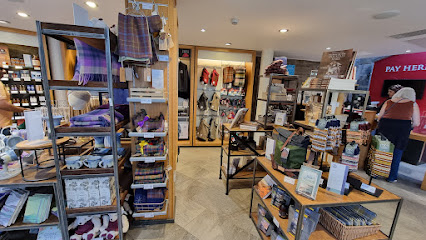
Portcullis Gift Shop
0.0 km
Edinburgh Castle’s largest gift shop, offering exclusive Scottish crafts, clan gifts, and souvenirs in a historic setting.
Godiva
0.3 km
Discover Edinburgh’s premier independent boutique blending vintage treasures with ethical, locally designed fashion in the heart of Grassmarket.
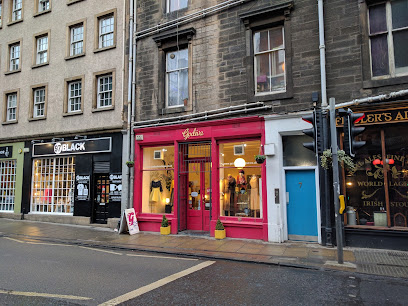
Edinburgh Gifts
0.3 km
Discover authentic Scottish treasures and local craftsmanship in the heart of Edinburgh on iconic Princes Street.
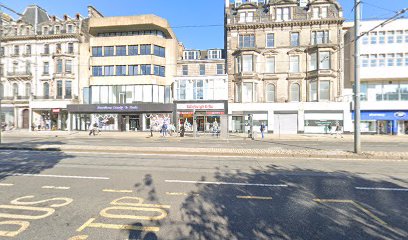
Herman Brown
0.3 km
Discover timeless vintage fashion and sustainable style at Herman Brown, Edinburgh’s iconic vintage clothing shop since 1983.
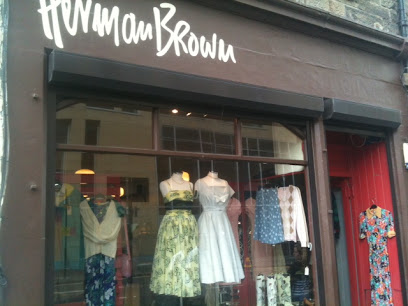
Carnivàle Vintage
0.4 km
Discover unique vintage clothing and timeless treasures in Edinburgh’s charming Carnivàle Vintage boutique.
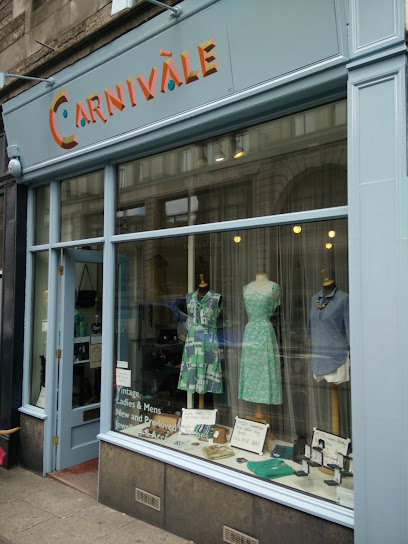
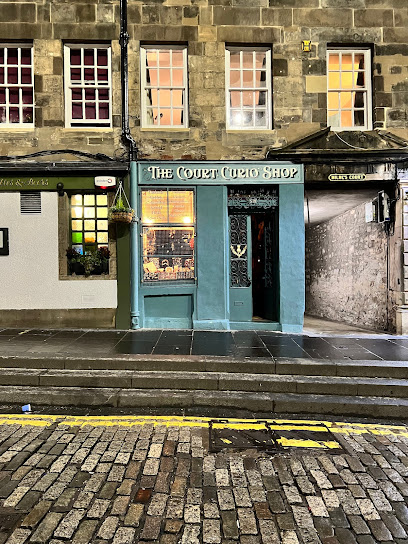
The Court Curio Shop
0.4 km
Discover unique Scottish gifts and artisan jewellery in the heart of Edinburgh’s historic Royal Mile at The Court Curio Shop.
Mangue - The Gift Shop
0.4 km
Discover unique gifts and local treasures in a friendly boutique on Edinburgh’s vibrant Rose Street.
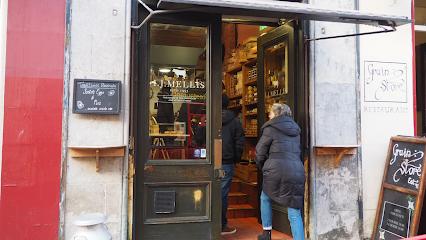
I.J. Mellis Cheesemonger Victoria Street
0.4 km
Edinburgh's iconic artisan cheese shop where small-scale makers meet passionate consumers on the city's most storied street.
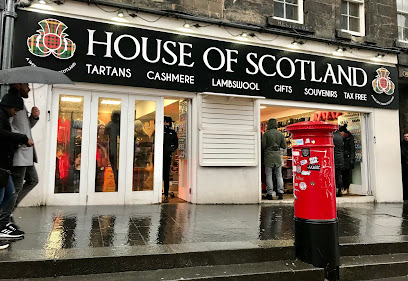
House of Scotland
0.4 km
Explore authentic Scottish gifts and souvenirs at the House of Scotland, located on the historic Royal Mile in Edinburgh.
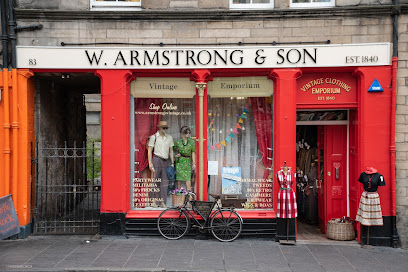
Armstrongs Vintage
0.4 km
Edinburgh's iconic vintage emporium in Grassmarket, brimming with bohemian dresses, chunky knits, and timeless treasures from decades past.
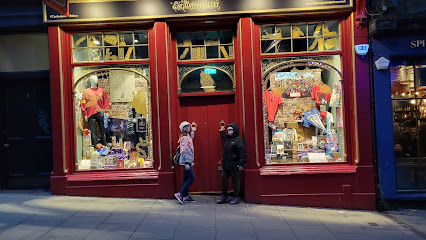
The Enchanted Galaxy
0.4 km
Dive into a wizarding wonderland on Victoria Street, where Harry Potter treasures and fantasy fandoms burst from every shelf in Edinburgh's most enchanting gift shop.
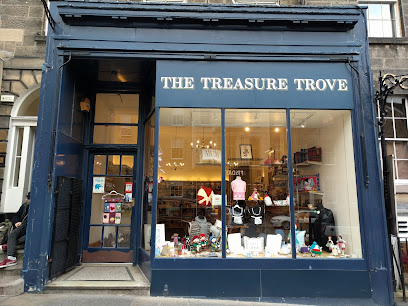
The Treasure Trove
0.4 km
Discover Edinburgh’s charming charity shop with unique handmade gifts that support local artisans and meaningful causes.
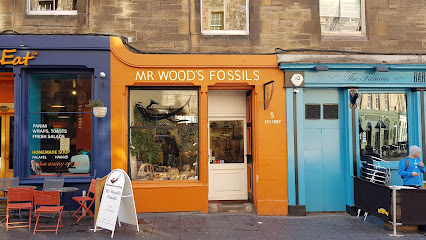
Mr Wood's Fossils
0.4 km
Discover rare fossils, minerals, and meteorites in Edinburgh’s iconic shop founded by legendary fossil hunter Stan Wood.
Olde Edinburgh
0.4 km
Independent Scottish gift shop on historic Lawnmarket, specializing in authentic local crafts and traditional shortbread.
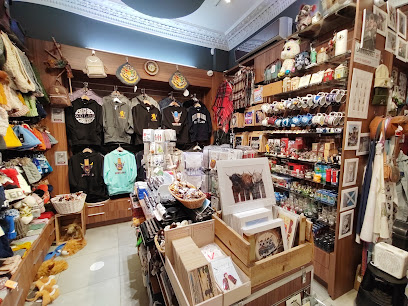
Scottish Experience
0.4 km
Explore the essence of Scotland with unique gifts and authentic souvenirs at the Scottish Experience in Edinburgh.
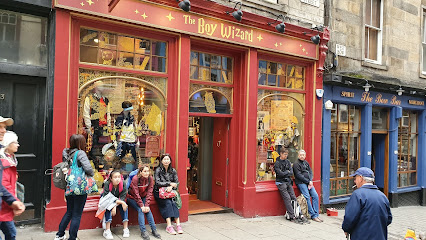
Essential bars & hidden hideouts

Dragonfly
0.3 km
Edinburgh’s oldest cocktail bar blending historic charm with innovative mixology in a cozy, lively setting.
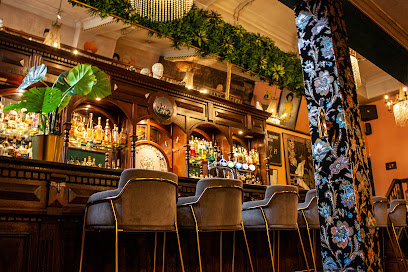
The Wee Pub - The Smallest Pub in Scotland
0.3 km
Discover Scotland’s smallest pub in Edinburgh’s Grassmarket—a cosy, whisky-rich haven perfect for intimate gatherings and private celebrations.
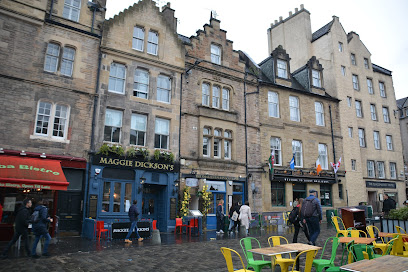
The Bow Bar
0.4 km
A historic Old Town pub famed for its vast whisky selection, traditional ales, and authentic Scottish atmosphere.
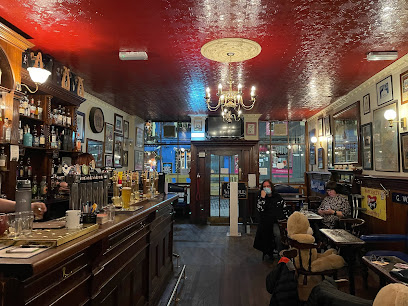
Never Really Here
0.4 km
Edinburgh's ultimate speakeasy: knock the graffiti door for bespoke cocktails in an intimate, menu-free den of mixology magic.
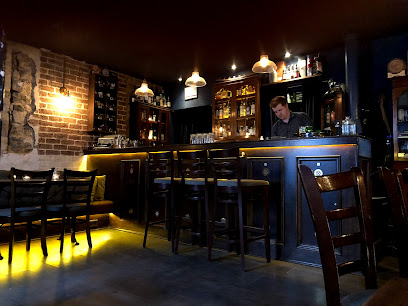
NQ64 Edinburgh
0.4 km
A neon-lit arcade bar in Edinburgh blending retro gaming classics with creative cocktails and a lively, nostalgic atmosphere.
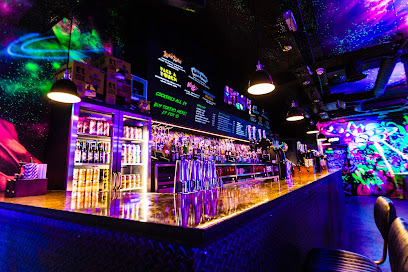
The Jolly Judge
0.4 km
A cozy, historic Scottish pub nestled in Edinburgh’s Old Town, famed for malt whiskies, real ales, and timeless hospitality just minutes from the Castle.

Dirty Dick's Pub
0.4 km
Experience Edinburgh’s quirky and cozy Dirty Dick's Pub, famed for whisky, lively charm, and hearty Scottish classics on vibrant Rose Street.
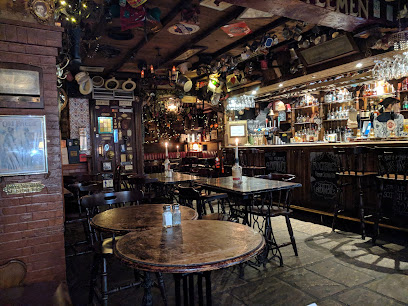
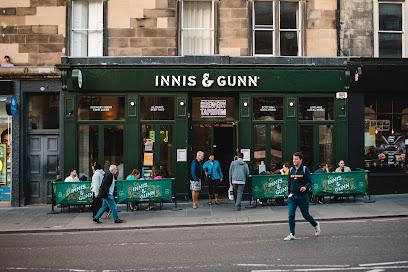
Innis & Gunn Edinburgh City Centre Brewery Taproom
0.4 km
A vibrant craft beer haven in Edinburgh’s West End, famed for Scottish steak frites and an extensive rotating tap selection.
BrewDog Edinburgh Lothian Road
0.4 km
Experience Edinburgh’s craft beer culture in a vibrant, historic setting with legendary wings, 28 taps, and a dog-friendly atmosphere.
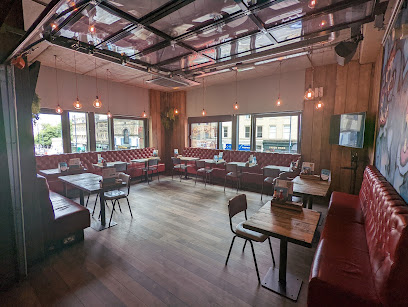
SKYbar Edinburgh
0.4 km
Experience Edinburgh’s skyline with exquisite cocktails and stunning castle views at SKYbar, the city’s premier rooftop destination.
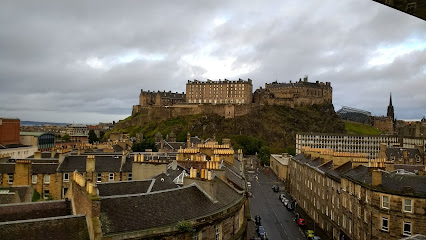
Deacon Brodies Tavern
0.5 km
Historic Royal Mile pub channeling Deacon Brodie's Jekyll-and-Hyde legacy with cask ales, hearty pies, and Old Town buzz—perfect for ale lovers and tale seekers.
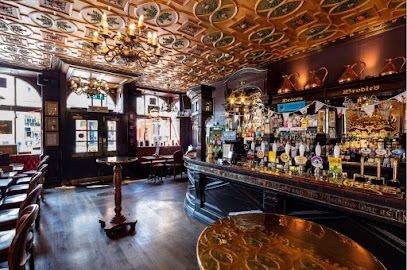
All Bar One Exchange Plaza
0.5 km
Stylish and contemporary wine bar in Edinburgh’s heart, perfect for relaxed socializing and after-work drinks with attentive service.
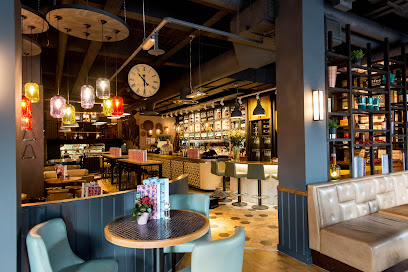
Hoot The Redeemer
0.5 km
A quirky, tarot-themed cocktail bar in Edinburgh offering inventive drinks, playful games, and a lively, intimate atmosphere.
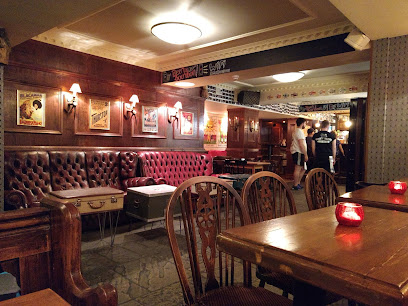
Copper Blossom
0.5 km
A glamorous cocktail bar and restaurant on George Street, blending stylish decor with inventive drinks and shareable plates in vibrant Edinburgh.
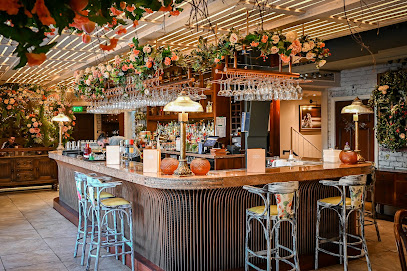
The Caley Bar
0.5 km
Step into The Caley Bar for a refined blend of Victorian railway heritage, bespoke cocktails, and Scotland’s finest whiskies in the heart of Edinburgh.
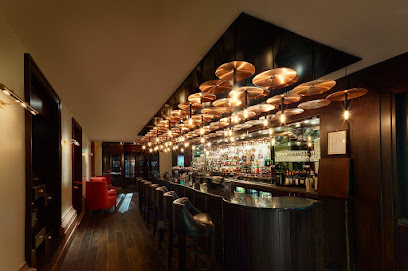
Nightclubs & after hour spots

The Shack Retro Bar & Club
0.4 km
Edinburgh's retro dance den blasting 60s-90s hits amid quirky decor and sweaty dance floors—pure nostalgic escapism on Rose Street.

Club Tropicana
0.4 km
Experience Edinburgh’s vibrant retro nightlife with classic disco hits and lively dance floors at Club Tropicana on Lothian Road.
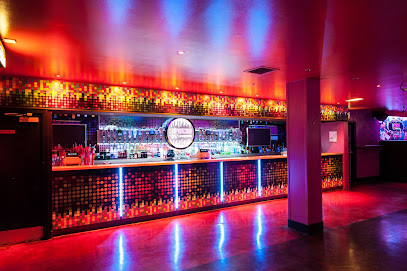
The Liquid Room
0.4 km
Edinburgh's multi-level nightlife gem: techno thumps, live gigs, and warehouse vibes on historic Victoria Street.
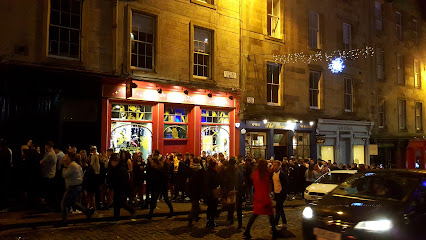
The Bongo Club
0.5 km
Edinburgh’s underground hotspot blending eclectic music, live art, and a vibrant late-night scene in the historic Old Town.

Lulu Bar and Nightclub
0.5 km
Edinburgh's George Street gem: chic cocktails, thumping beats, and dance floors that ignite the night in upscale style.
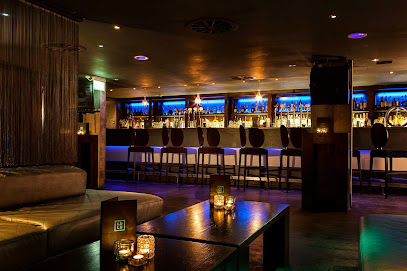
Opal Lounge
0.5 km
A stylish live music bar and nightclub in Edinburgh’s New Town, perfect for celebrations and vibrant nightlife.
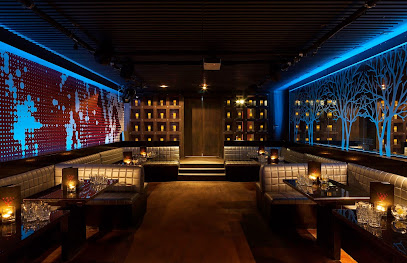
El Barrio Latino
0.5 km
Edinburgh's sizzling Latin nightclub where salsa beats pulse through New Town nights, drawing dancers to its vibrant Hanover Street heart until the early hours.
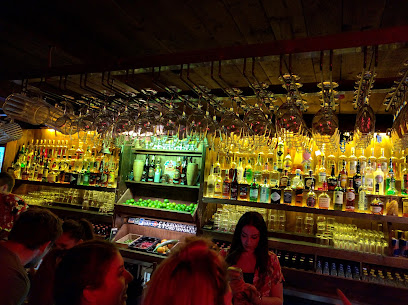
Legends
0.5 km
Edinburgh’s only 24/7 rock nightclub, Legends pulses with raw energy and live alternative music in the heart of Cowgate.
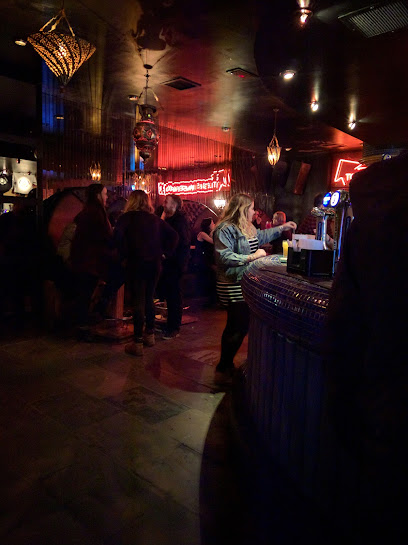
Sneaky Pete's
0.5 km
Intimate live music and club nights in Edinburgh’s Old Town, where emerging talent meets vibrant nightlife.
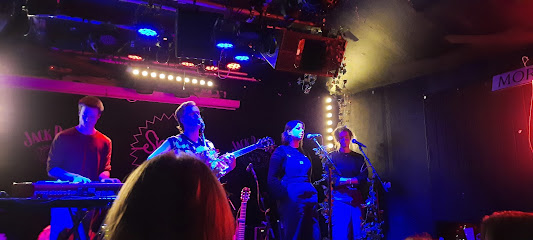
PDT Please Don’t Tell
0.6 km
Edinburgh’s intimate speakeasy-style nightclub offering expertly crafted cocktails and a cozy, conversation-friendly atmosphere.

Shanghai Nightclub
0.6 km
Edinburgh's Oriental nightlife den: Asian decor, themed beats, VIP vibes, and non-stop energy on George Street.
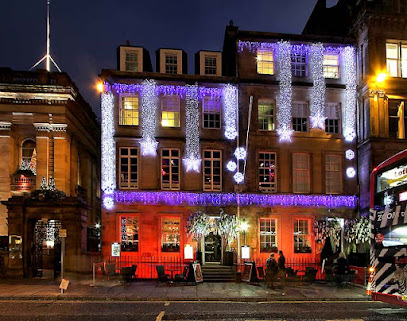
Why Not Nightclub
0.6 km
Edinburgh's multi-award-winning late-night haven with LED immersion, garden vibes, and non-stop beats on George Street.
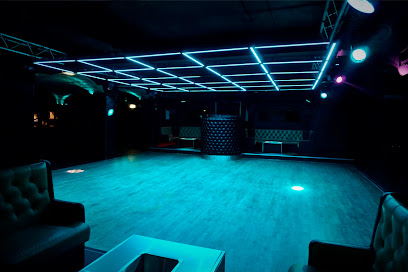
Garibaldi's
0.6 km
Edinburgh's tiniest nightclub packs the biggest late-night punch on Hanover Street, with killer margaritas and a dance floor that never quits till 3am.
The Mash House
0.8 km
A vibrant Edinburgh nightclub and live music venue blending folk, electronic, and techno in a lively, casual setting.

La Belle Angele
0.8 km
Edinburgh’s intimate nightclub and live music venue blending historic charm with vibrant themed nights and diverse performances.
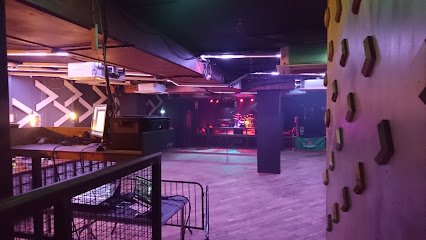
For the vibe & atmosphere seeker
- Historic
- Scenic
- Unique
- Tranquil
- Cultural Heritage
For the design and aesthetic lover
- Vintage Styles
- Rustic Designs
For the architecture buff
- Historic
- Landmarks
- Sacred Sites
- Heritage Neighborhoods
For the view chaser and sunset hunter
- Iconic Views
- Panoramas
- Sunset Spots
For the social media creator & influencer
- Instagrammable
- Photo Spots
- Architectural Shots
For the eco-conscious traveler
- Public-Transport Accessible
- Locally Managed
- Protected Area
For the kind of experience you’re after
- Cultural Heritage
- Photowalk
- Day Trip
- Weekend Getaway
For how adventurous you want the journey to be
- Easy Access
Location Audience
- Family Friendly
- Senior Friendly
- Child Friendly
- Teen Friendly
- Wheelchair Access
- Solo Friendly
- Couple Friendly
- Vegetarian Friendly
- Vegan Friendly


