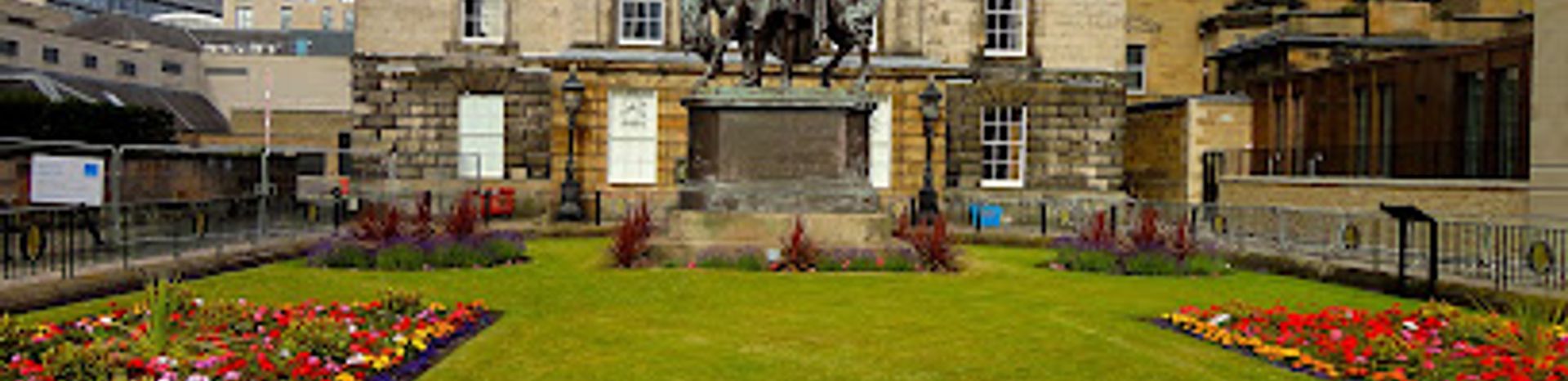
The Earl of Hopetoun Statue: A Glimpse into Scotland's Rich History
Discover the Earl of Hopetoun Statue in Edinburgh, a captivating historical landmark that reflects Scotland's rich heritage and artistry.
The Earl of Hopetoun Statue, located in Edinburgh's St Andrew Square, is a striking historical landmark that pays tribute to one of Scotland's notable figures. This impressive statue stands as a focal point in the square, surrounded by lush greenery and vibrant city life, making it a must-visit for tourists eager to experience a slice of Scottish heritage.
A brief summary to Earl of Hopetoun Statue
- 35 St Andrew Square, Edinburgh, EH2 2AD, GB
Local tips
- Visit early in the morning or late afternoon to avoid crowds and enjoy a peaceful experience.
- Bring your camera to capture the statue against the backdrop of the beautiful St Andrew Square.
- Take a moment to explore the nearby cafes and shops for a taste of local Edinburgh culture.

Getting There
-
Walking
If you are located in the heart of New Town, you can easily walk to the Earl of Hopetoun Statue. Start by heading towards St Andrew Square. Depending on your exact location, you may pass through George Street or Rose Street. Once you reach St Andrew Square, the statue is situated at 35 St Andrew Square, right in the middle of the square. The walk should take no more than 10-15 minutes from central New Town.
-
Public Transport (Bus)
For those further out in New Town, you can take a local bus to St Andrew Square. Look for buses that stop at the 'St Andrew Square' bus stop. Bus numbers such as 11, 16, 22, and 36 frequently service this area. The journey will typically take about 10-20 minutes depending on your starting point. Make sure to have a contactless payment method or an exact fare ready for the bus fare, which usually costs around £1.80 for a single journey.
-
Tram
If you are near the tram line, you can take a tram towards York Place and disembark at the 'St Andrew Square' stop. The tram service runs frequently, and the journey from major stops like Princes Street takes approximately 5-10 minutes. A single tram ticket costs around £1.70, which you can purchase at the tram stations or via a contactless payment method.
Discover more about Earl of Hopetoun Statue
Iconic landmarks you can’t miss

Earl of Hopetoun Statue
0.0 km
Discover the Earl of Hopetoun Statue in Edinburgh, an iconic historical landmark celebrating Scotland's rich heritage and architectural beauty.
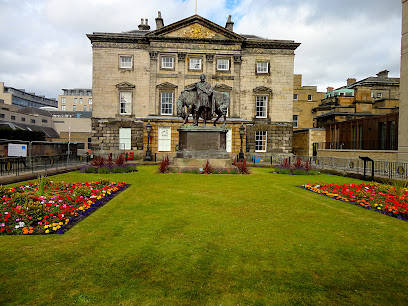
St Andrew Square
0.1 km
Experience the vibrant culture and historic charm of St Andrew Square, a must-visit destination in the heart of Edinburgh.
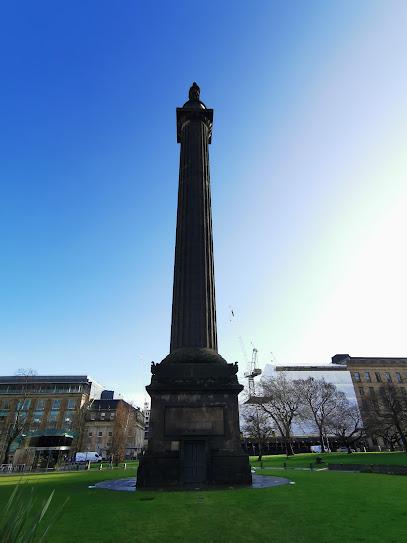
St Andrew Square & George St
0.2 km
Discover the vibrant charm of St Andrew Square & George Street, where historic elegance meets modern flair in the heart of Edinburgh.
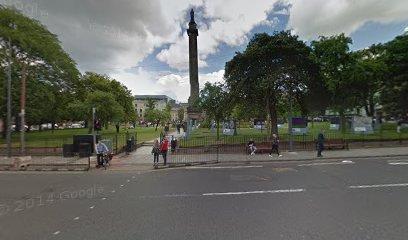
Waverley Steps
0.2 km
Discover Waverley Steps in Edinburgh, a historic staircase linking the Old and New Towns, offering stunning views and a glimpse into the city's rich heritage.
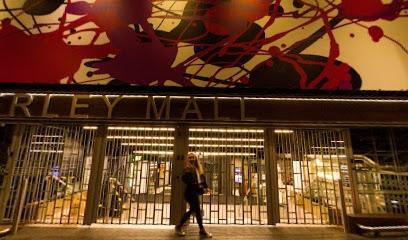
The Centre of Edinburgh
0.2 km
Uncover the storied past of Scotland's capital at The Centre of Edinburgh, a captivating historical landmark rich in culture and architectural beauty.
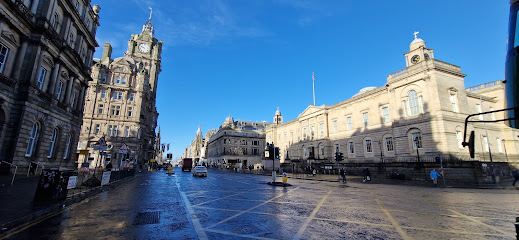
Edinburgh
0.3 km
Explore Edinburgh, a city rich in history and culture, with stunning architecture, vibrant festivals, and breathtaking landscapes.
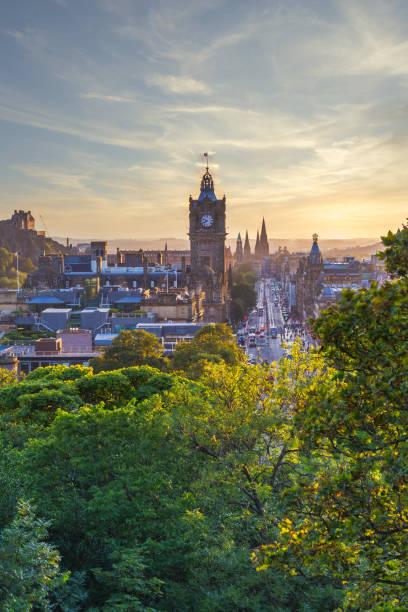
Waterloo Pl
0.3 km
Explore the architectural beauty and vibrant atmosphere of Waterloo Place, Edinburgh's notable street rich in history and culture.
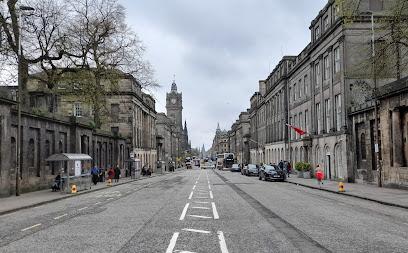
Scottish-American Soldiers Monument
0.4 km
Discover the Scottish-American Soldiers Monument, a unique tribute in Edinburgh honoring the valor of Scottish soldiers in the American Civil War.
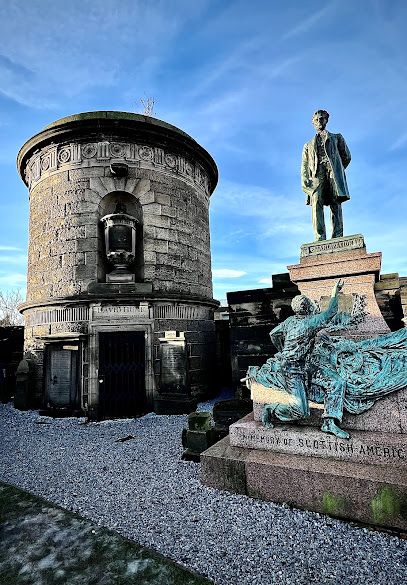
Martyrs of Reform Monument
0.4 km
Discover the Martyrs of Reform Monument in Edinburgh, a powerful symbol of freedom and a must-see historical landmark.
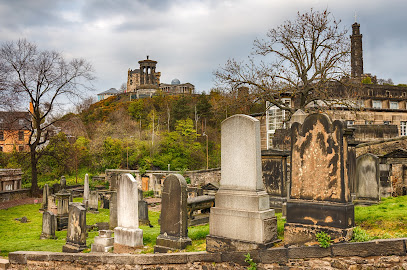
Anchor Close
0.4 km
Explore the charming Anchor Close, a historic passageway in Edinburgh, steeped in rich stories and architectural beauty.
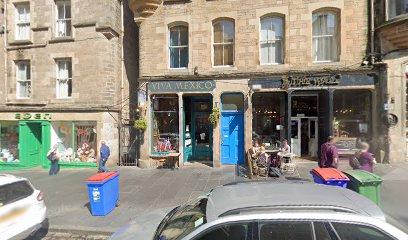
Cockburn St
0.4 km
Explore Cockburn Street, a vibrant and historic thoroughfare in Edinburgh, where culture meets charm in the heart of Scotland's capital.
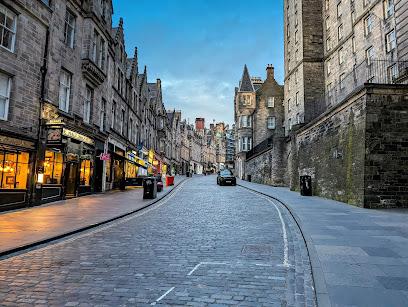
Warriston's Close Stairs
0.5 km
Explore the enchanting Warriston's Close Stairs in Edinburgh, a hidden gem showcasing stunning architecture and rich history amidst the vibrant Old Town.
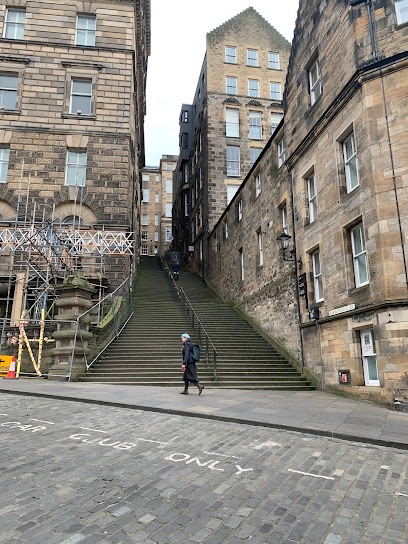
Museum Context
0.5 km
Explore a unique selection of Scottish gifts and homewares at Museum Context, Edinburgh's premier souvenir shop celebrating local artisans.
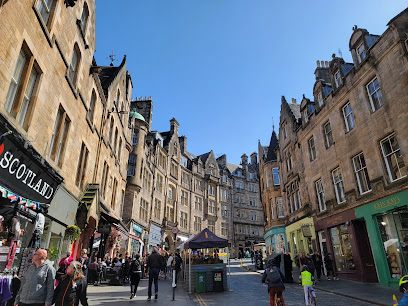
JK Rowling’s Handprints
0.5 km
Discover the iconic handprints of J.K. Rowling at the City Chambers in Edinburgh, a magical tribute for Harry Potter fans and literature lovers alike.
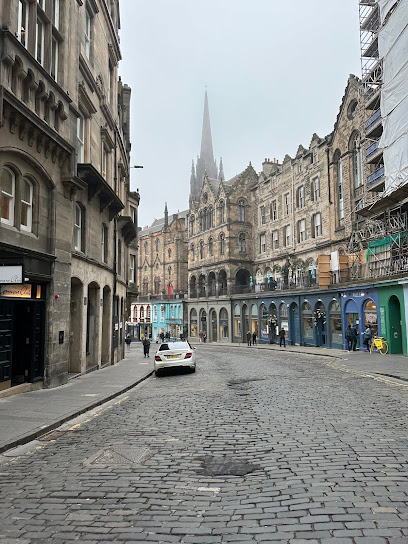
The Real Mary King's Close
0.5 km
Discover the hidden history of Edinburgh at The Real Mary King's Close, a captivating journey into the city's past beneath the streets.
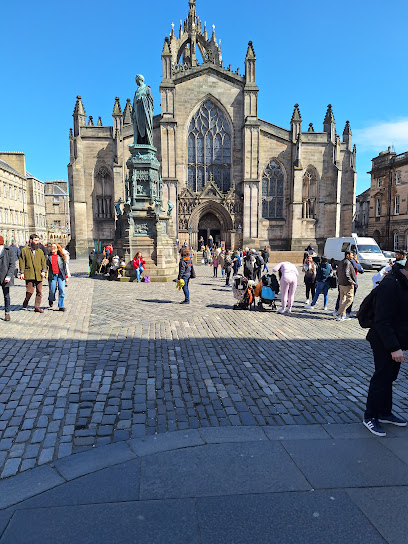
Unmissable attractions to see

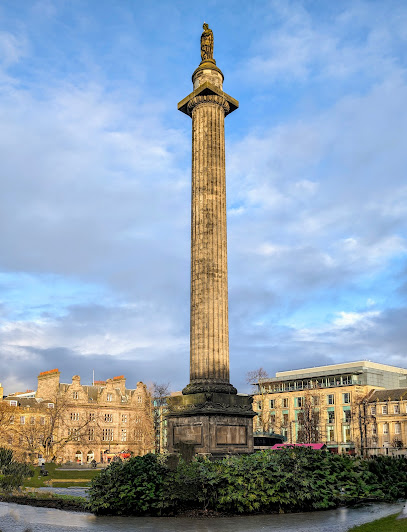
Melville Monument
0.1 km
Discover the Melville Monument, a stunning historical landmark in Edinburgh, a tribute to Scotland's rich heritage and architectural brilliance.
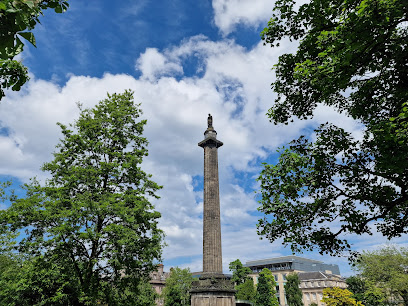
St. Andrew Square Garden
0.1 km
Discover tranquility at St. Andrew Square Garden, a lush green oasis in the heart of Edinburgh filled with beautiful landscapes and historical monuments.
Edinburgh Bus Tours
0.1 km
Discover Edinburgh's rich history and stunning landscapes with convenient and informative bus tours, perfect for every traveler.
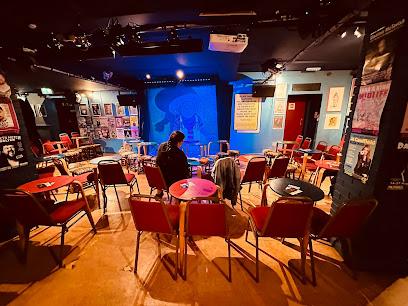
The Stand Comedy Club
0.1 km
Experience the heart of Edinburgh's nightlife at The Stand Comedy Club, where laughter meets a lively bar scene and unforgettable performances await.
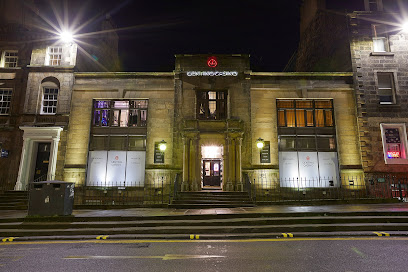
Genting Casino York Place
0.1 km
Experience the thrill of gaming, exquisite dining, and vibrant nightlife at Genting Casino York Place in Edinburgh.
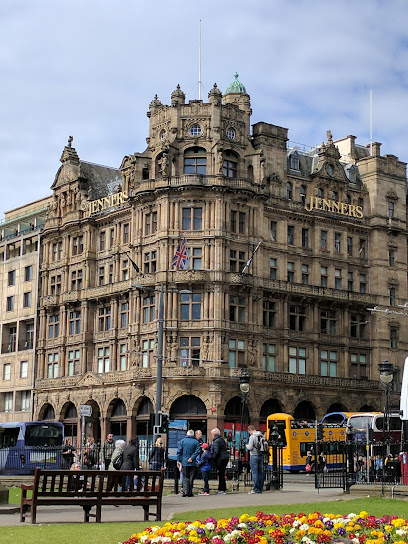
Twenty Princes Street
0.2 km
Experience authentic Scottish cuisine and breathtaking views at Twenty Princes Street, the heart of Edinburgh's culinary scene.
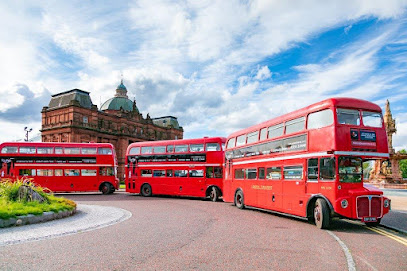
Red Bus Bistro - Edinburgh
0.2 km
Discover Edinburgh's charm and flavors aboard the Red Bus Bistro, where dining meets sightseeing in a delightful experience.
National Galleries of Scotland: Portrait
0.2 km
Explore Scotland's rich cultural heritage through stunning portraits at the National Galleries of Scotland: Portrait in Edinburgh.
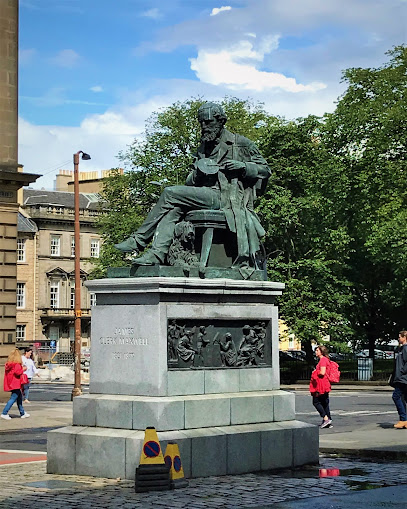
James Clerk Maxwell Statue
0.2 km
Explore the James Clerk Maxwell Statue in Edinburgh, a historical landmark celebrating scientific innovation and cultural heritage.
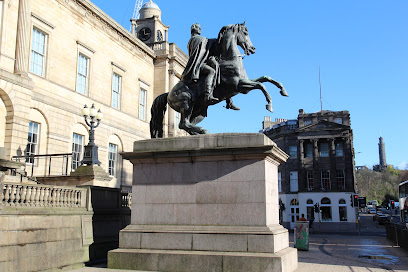
Monument to Wellington
0.2 km
Discover the Duke of Wellington Monument, a unique blend of history and humor in the heart of Edinburgh's vibrant streets.
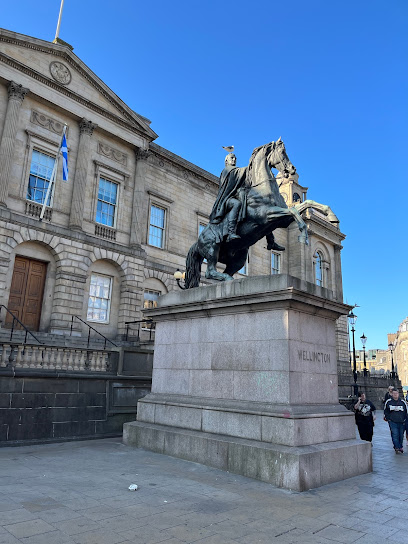
Duke of Wellington Equestrian statue
0.2 km
Discover the whimsical Duke of Wellington Equestrian Statue, a historic landmark embodying Edinburgh's spirit and rich heritage.
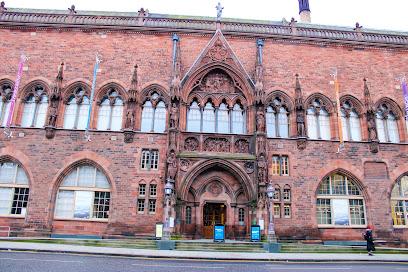
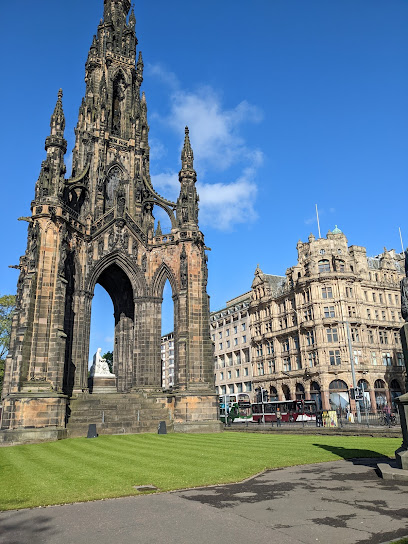
Scott Monument
0.3 km
Explore the Scott Monument, an iconic gothic tribute to Sir Walter Scott, offering stunning views and rich literary history in the heart of Edinburgh.
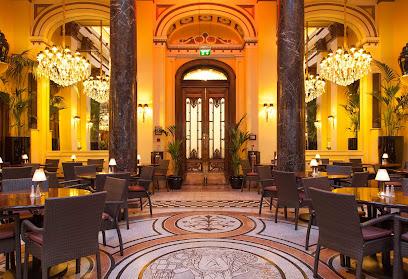
The Dome
0.3 km
Experience the elegance of The Dome in Edinburgh, where exquisite dining, vibrant cocktails, and afternoon tea await in a stunning Georgian setting.
Roxy Lanes Edinburgh Rose Street
0.3 km
Experience the fun of bowling with a modern twist at Roxy Lanes Edinburgh, where excitement and good times await.

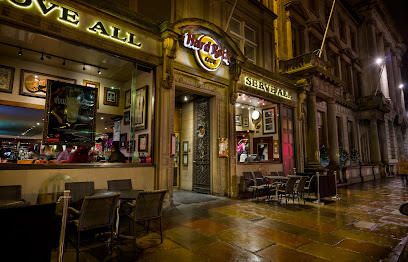
Hard Rock Cafe
0.3 km
Discover the ultimate American dining experience at Hard Rock Cafe Edinburgh, where delicious food meets rock 'n' roll history.
Essential places to dine

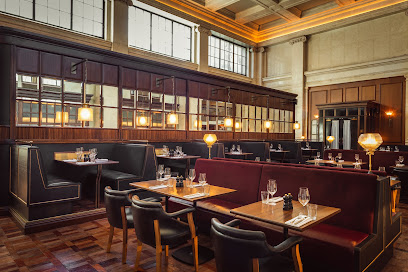
Hawksmoor Edinburgh
0.1 km
Discover exquisite British cuisine at Hawksmoor Edinburgh, where premium steaks meet fresh seafood in a welcoming atmosphere.
Tattu Edinburgh
0.1 km
Experience exquisite Chinese dining in Edinburgh at Tattu – where tradition meets innovation in every dish.
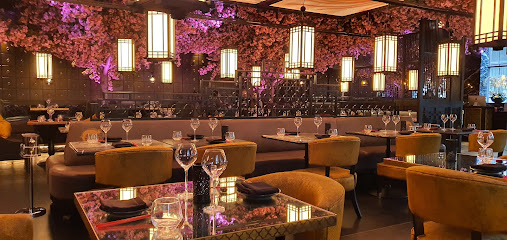
Dishoom Edinburgh
0.1 km
Experience the vibrant flavors of India at Dishoom Edinburgh – where culinary tradition meets modern charm in every dish.
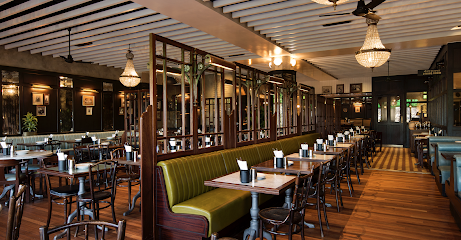
Gaucho Edinburgh
0.1 km
Discover authentic Argentinian steakhouse dining in Edinburgh, featuring premium meats and fine wines in an elegant atmosphere.
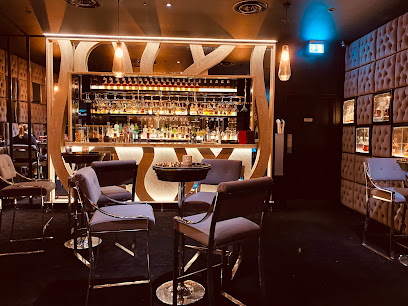
Bread Street Kitchen & Bar - Edinburgh
0.1 km
Experience modern British cuisine at its finest at Bread Street Kitchen & Bar in Edinburgh – where culinary excellence meets vibrant atmosphere.
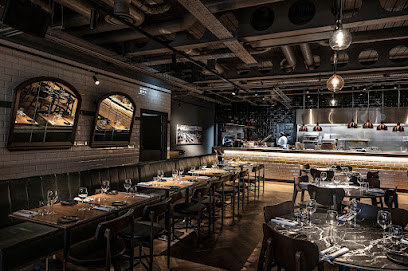
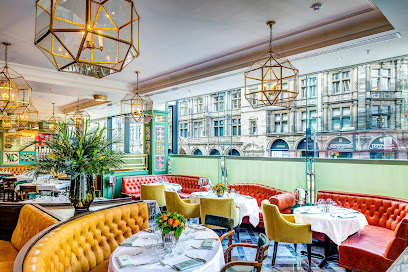
The Ivy On The Square Edinburgh
0.2 km
Experience exquisite British cuisine in the heart of Edinburgh at The Ivy On The Square - where tradition meets contemporary elegance.
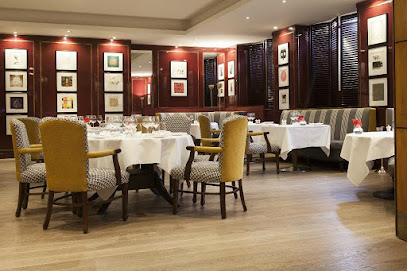
Amarone
0.2 km
Experience authentic Italian flavors at Amarone in Edinburgh, where exquisite pizzas and pastas await in an inviting atmosphere.
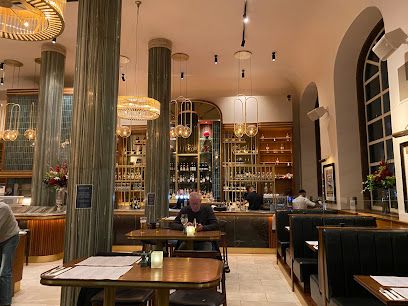
Number One
0.2 km
Experience exquisite Scottish cuisine with a modern twist at Number One in Edinburgh's luxurious Balmoral Hotel.
Duck & Waffle
0.2 km
Experience breathtaking views and innovative cuisine at Duck & Waffle, Edinburgh's premier destination for brunch and cocktails.
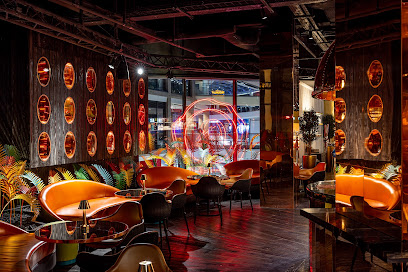
The Botanist Edinburgh
0.2 km
Discover the vibrant ambiance and delightful British cuisine at The Botanist Edinburgh – where culinary creativity meets botanical beauty.
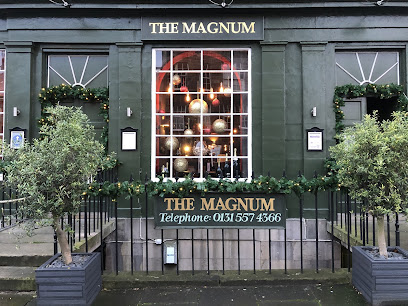
The Magnum
0.3 km
Discover culinary excellence at The Magnum in Edinburgh - where fine dining meets casual elegance amidst local flavors.
Six by Nico Edinburgh
0.4 km
Experience innovative cuisine at Six by Nico Edinburgh – where each meal tells a story through its unique six-course tasting menu.
Howies Restaurant
0.4 km
Experience authentic Scottish cuisine with locally sourced ingredients at Howies Restaurant in Edinburgh.
Taisteal
0.4 km
Experience modern European cuisine at Taisteal in Edinburgh - where tradition meets innovation in every bite.
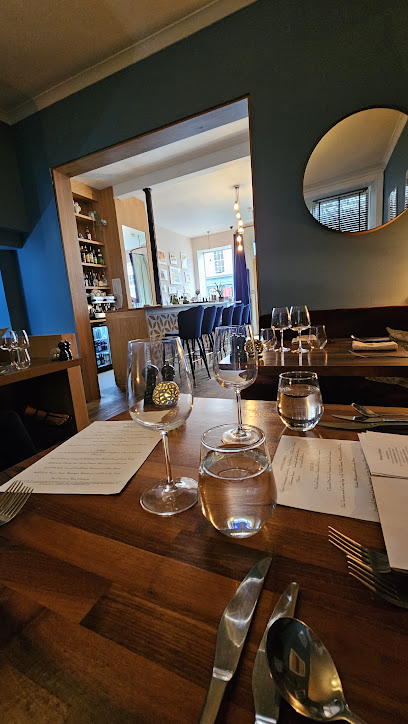
Educated Flea
0.4 km
Discover Educated Flea: A Fusion of Scottish Tradition and Modern Culinary Artistry in the Heart of Edinburgh.
Markets, malls and hidden boutiques

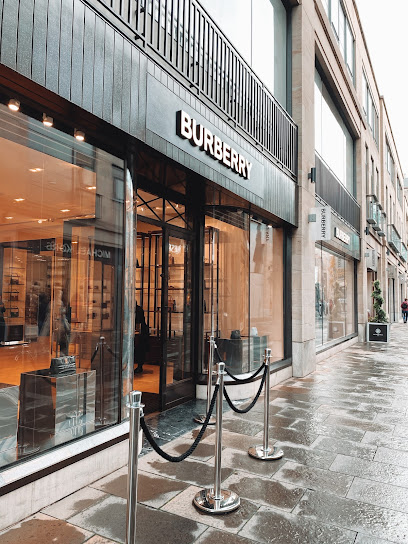
Multrees Walk
0.1 km
Multrees Walk: A premier shopping destination in Edinburgh featuring luxury brands and a stylish atmosphere for a memorable retail experience.
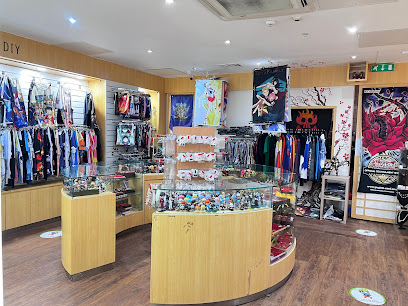
Anime Republic
0.2 km
Explore the vibrant world of anime at Anime Republic, Edinburgh's premier destination for collectibles, community events, and unforgettable experiences.
Waverley Market
0.2 km
Experience the heart of Edinburgh at Waverley Market, a vibrant shopping center with diverse retail and dining options in a bustling atmosphere.
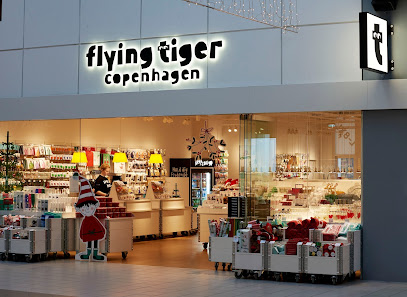
Flying Tiger Copenhagen
0.2 km
Explore a whimsical range of affordable gifts and homewares at Flying Tiger Copenhagen in Edinburgh's Waverley Mall.
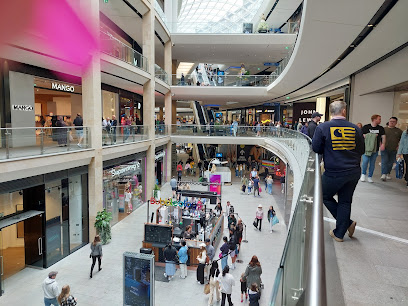
St James Quarter
0.2 km
Discover Edinburgh's St James Quarter: A contemporary shopping haven with diverse dining and entertainment options in the heart of the city.
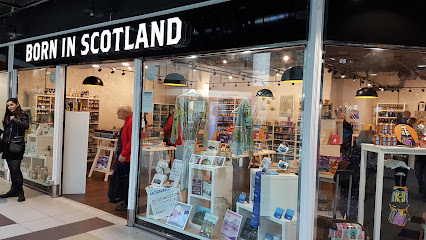
Born In Scotland - Edinburgh Waverly Mall
0.2 km
Explore the heart of Scotland at Born In Scotland - Edinburgh Waverly Mall, your go-to destination for unique souvenirs and gifts.
Pure Scottish
0.3 km
Explore Pure Scottish, Edinburgh's gem for authentic Scottish gifts, from tartans to handmade treasures, encapsulating the essence of Scotland.

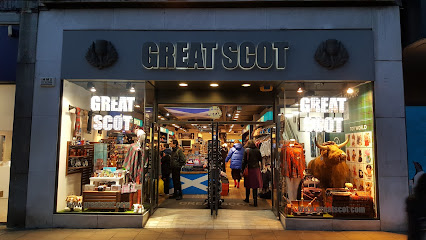
Great Scot
0.4 km
Explore Great Scot, the quintessential gift shop in Edinburgh, offering authentic Scottish souvenirs and locally crafted treasures.
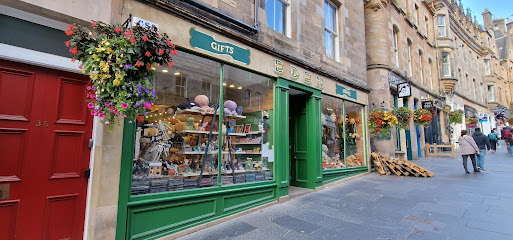
Eden
0.4 km
Discover unique Scottish gifts and craft treasures at Eden, your go-to gift shop in the heart of Edinburgh.
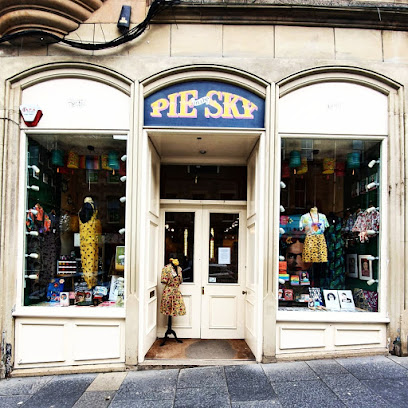
Pie In The Sky Ltd
0.4 km
Explore Edinburgh's fashion scene at Pie In The Sky Ltd, where unique styles and local artistry come together in a vibrant clothing shop.
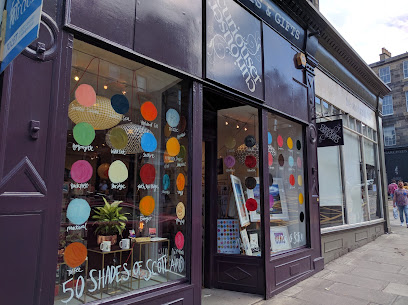
Curiouser & Curiouser
0.5 km
Explore the enchanting Curiouser & Curiouser in Edinburgh, a unique gift shop offering handmade crafts, books, and local treasures for all ages.
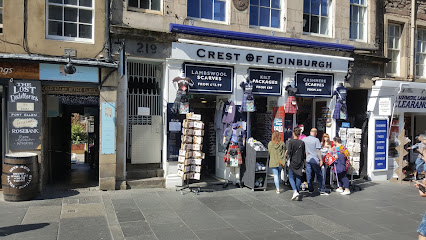
Crest Of Edinburgh
0.5 km
Discover unique Scottish gifts and local fashion at Crest of Edinburgh, the heart of souvenir shopping in the city's historic landscape.
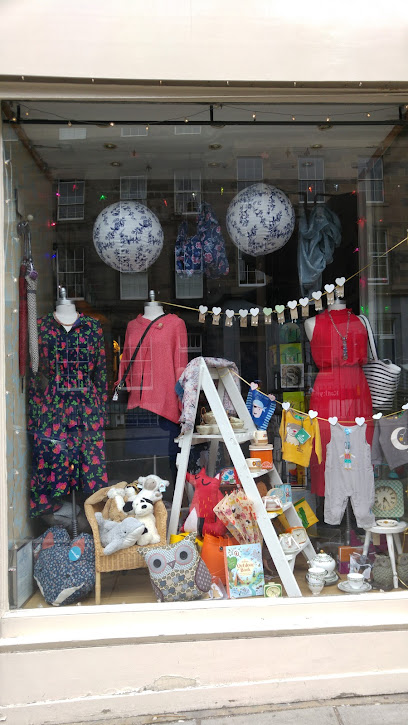
The Dragonfly
0.5 km
Discover unique gifts and local craftsmanship at The Dragonfly, Edinburgh’s charming boutique gift shop, perfect for souvenirs and more.
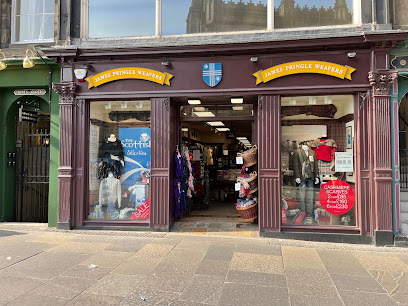
James Pringle Weavers of Inverness
0.5 km
Explore authentic Scottish gifts and textiles at James Pringle Weavers on Edinburgh's historic Royal Mile, a treasure trove for tourists.
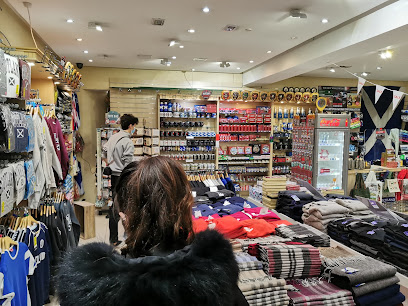
I Love Scotland
0.5 km
Explore I Love Scotland Gift Shop in Edinburgh for unique souvenirs and a taste of Scottish culture that you can take home.
Essential bars & hidden hideouts

Lady Libertine
0.1 km
Discover the vibrant culinary scene at Lady Libertine in Edinburgh, where innovative cocktails and exquisite dishes await food lovers and socialites.
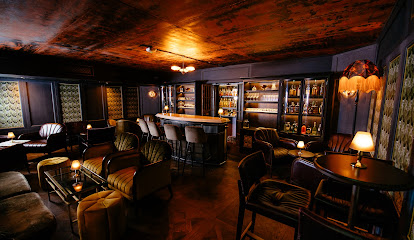
The Voodoo Rooms
0.1 km
Discover the vibrant atmosphere and exquisite flavors at The Voodoo Rooms, a must-visit gastropub in Edinburgh's nightlife scene.
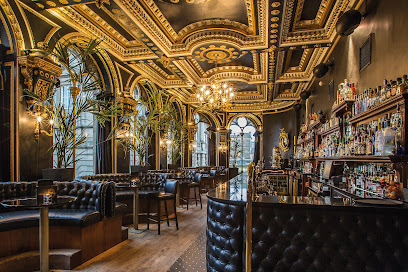
Nightcap
0.2 km
Discover Nightcap, Edinburgh's must-visit cocktail and wine bar, where unique drinks and a vibrant atmosphere await you.
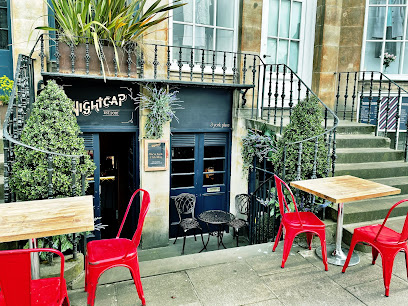
Cask
0.2 km
Discover Cask: Edinburgh's rooftop cocktail bar offering stunning views, innovative drinks, and delectable small plates in a vibrant atmosphere.
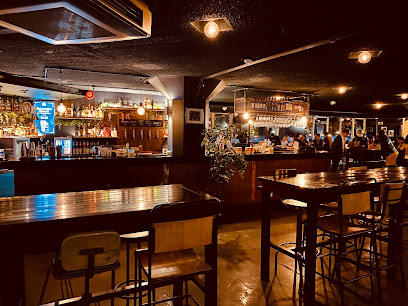
The Alchemist
0.2 km
Experience the magic of mixology at The Alchemist, Edinburgh's premier cocktail bar offering innovative drinks and a vibrant atmosphere.
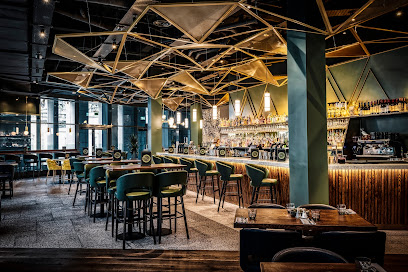
The Alchemist St James Quarter
0.2 km
Discover the enchanting world of cocktails at The Alchemist St James Quarter, where every drink is a work of art in the heart of Edinburgh.
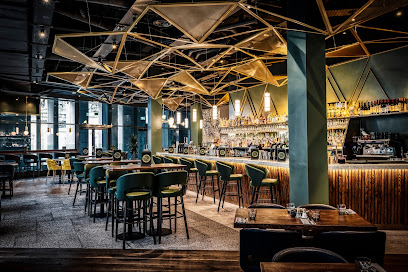
Grand Cru
0.4 km
Discover the culinary delights of Grand Cru, a modern European restaurant and bar in Edinburgh offering exquisite dishes and an inviting atmosphere.
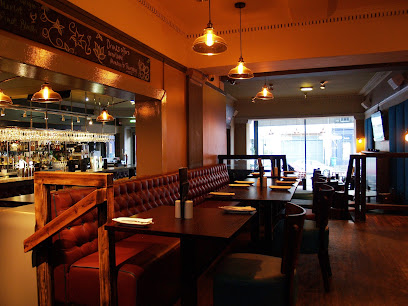
Hoot The Redeemer
0.4 km
Discover the quirky charm and creative cocktails at Hoot The Redeemer, a unique bar experience in the heart of Edinburgh's vibrant nightlife.
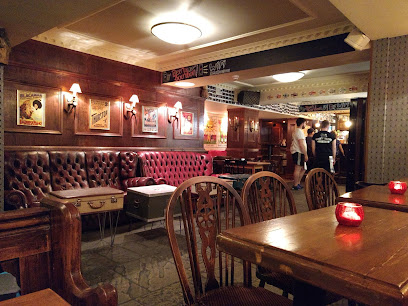
Bramble Bar
0.4 km
Experience Edinburgh's vibrant nightlife at Bramble Bar, known for its exquisite cocktails and cozy ambiance in the heart of the city.
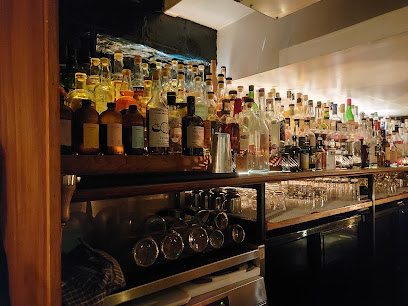
Thistle Street Bar
0.5 km
Discover Edinburgh's vibrant nightlife at Thistle Street Bar - a cozy pub serving exceptional Scottish ales and crafted cocktails.
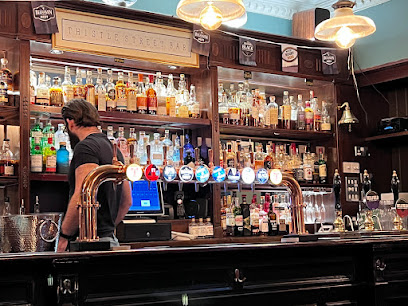
Arcade Bar Haggis & Whisky House, celebrating 20 years of serving The Best Haggis in Town!
0.5 km
Experience the best of Scottish cuisine at Arcade Bar Haggis & Whisky House, where tradition meets taste in the heart of Edinburgh.
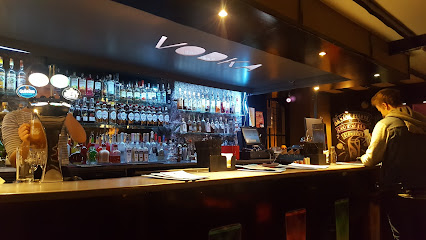
The Bon Vivant
0.5 km
Discover the vibrant flavors of Scotland at The Bon Vivant, Edinburgh's premier bar and restaurant, offering a unique culinary experience.
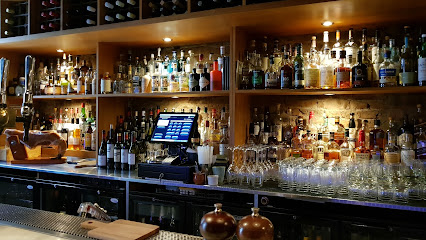
The Cocktail Geeks
0.5 km
Discover the artistic cocktail creations at The Cocktail Geeks, Edinburgh's premier cocktail bar for a vibrant nightlife experience.
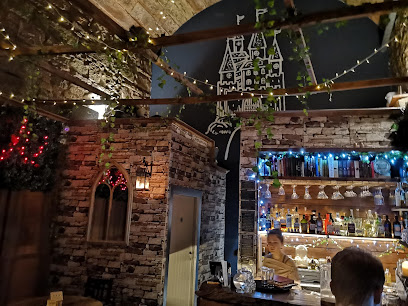
Copper Still
0.5 km
Copper Still in Edinburgh: Experience modern British cuisine and exquisite cocktails in a vibrant atmosphere.
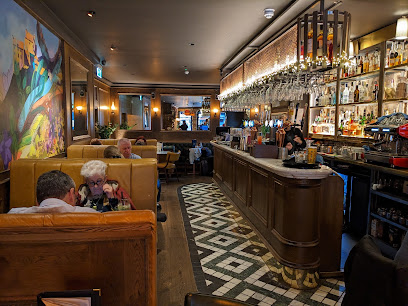
Whiski Bar & Restaurant
0.6 km
Immerse yourself in Scottish culture at Whiski Bar & Restaurant, where traditional cuisine meets an extensive whisky selection and live music.