

St Vedast-alias-Foster: A Resilient City Church with a Unique Heritage
Discover St Vedast-alias-Foster, a resilient City of London church blending medieval origins, Wren’s baroque design, and wartime restoration.
St Vedast-alias-Foster, located at 4 Foster Lane in London, is a historic Anglican church with origins dating back to the 12th century. Dedicated to the French saint Vedast, the church was rebuilt by Sir Christopher Wren after the Great Fire of London and restored again following severe damage in the Blitz. Its distinctive baroque spire and collegiate-style interior reflect centuries of architectural evolution and resilience in the heart of the City of London.
A brief summary to St Vedast alias Foster
- 4 Foster Ln, London, EC2V 6HH, GB
- +442076063998
- Visit website
- Duration: 0.5 to 2 hours
- Free
-
 Indoor
- Mobile reception: 5 out of 5
Local tips
- Visit during weekday mornings to experience the church’s tranquil atmosphere before the afternoon closure at 3pm.
- Take time to admire the intricate baroque spire, one of the most ornate in the City of London.
- Look for the early graffiti on the tower, remnants of the church’s survival through the Blitz.
- Explore the parish room and rectory nearby to see the Hans Feibusch mural and the carved stone head of Canon Mortlock.

For the on-the-go comforts that matter to you
- Restrooms
- Seating Areas
- Information Boards
Getting There
-
London Underground
Take the Central Line to St Paul's station, approximately a 7 to 10-minute walk to St Vedast-alias-Foster. The station is well-served and accessible, with frequent trains running every few minutes. No entrance fee applies for the tube ride beyond the standard fare.
-
Bus
Bus routes 8, 25, and 242 stop near St Paul's Cathedral, about a 5-minute walk from the church. Buses run regularly throughout the day with fares payable by contactless card or Oyster. Note that traffic can affect journey times during peak hours.
-
Walking
From the nearby Bank area, a 15-minute walk through the City’s historic streets offers a pleasant urban stroll. The terrain is flat and accessible, suitable for most visitors, with plenty of sights along the way.
St Vedast alias Foster location weather suitability
-
 Any Weather
-
 Rain / Wet Weather
-
 Clear Skies
-
 Mild Temperatures
Discover more about St Vedast alias Foster
A Rare Dedication and Early Origins
St Vedast-alias-Foster is one of the few churches in the United Kingdom dedicated to Saint Vedast, a French saint and bishop from the late 5th and early 6th centuries. The parish is known from the 12th century, with the church traditionally claimed to have been established by 1170. The dedication likely reflects the influence of the Flemish community in medieval London, as the saint was venerated in northern France and Flanders. The name "Foster" is an Anglicisation of "Vaast," the saint’s continental name, evolving through several forms over centuries. Foster Lane itself was once known as St Vedas Lane, underscoring the church’s longstanding local significance.Architectural Evolution and Wren’s Rebuild
Although the original medieval church survived until the Great Fire of London in 1666, it was severely damaged and required extensive rebuilding. Sir Christopher Wren’s office undertook reconstruction between 1670 and 1673, incorporating some medieval fabric such as the south wall. The church’s tower, rebuilt in the late 17th century, features a three-tier baroque spire added around 1709–1712, possibly designed by Nicholas Hawksmoor. This spire is considered one of the most ornate among City churches. The interior seating is arranged in a collegiate style, with pews facing each other, creating a distinctive worship space.Survival and Restoration after Wartime Devastation
St Vedast was badly damaged during the London Blitz in 1940–41, when incendiary and high-explosive bombs gutted the building. The tower survived with early graffiti still visible, but much of the church was left a roofless ruin. Post-war restoration led by architect Stephen Dykes Bower began in 1953, under the guidance of Canon Charles B. Mortlock. The church was re-roofed and restored within its old walls, with sympathetic additions including a parish room and a Georgian-style rectory featuring a mural by Hans Feibusch. The restoration preserved the church’s historical character while adapting it for modern use.Community and Cultural Significance
The church has long served as a spiritual and cultural landmark in the City of London. It is linked to notable historical figures such as the poet Robert Herrick, who was baptized there in 1591. The church’s survival through disasters and its careful restoration reflect the resilience of the local community and the importance of preserving heritage amidst urban change. Its unique dedication and architectural features make it a distinctive presence among London’s many historic churches.Atmosphere and Visitor Experience
Visitors to St Vedast-alias-Foster encounter a dignified and tranquil space that contrasts with the bustling financial district surrounding it. The collegiate seating arrangement fosters a sense of intimacy and reflection, while the baroque spire and historic walls evoke centuries of layered history. The church’s courtyard and parish hall add to its welcoming atmosphere, making it a place of quiet contemplation and cultural interest in the heart of London.Legacy and Ongoing Role
Today, St Vedast continues to function as an active Anglican parish church, maintaining its role as a spiritual home and heritage site. Its website and community activities reflect a commitment to both tradition and contemporary relevance. The church stands as a testament to London's ability to preserve its past while embracing renewal, offering visitors a glimpse into the city's rich ecclesiastical and architectural history.Iconic landmarks you can’t miss

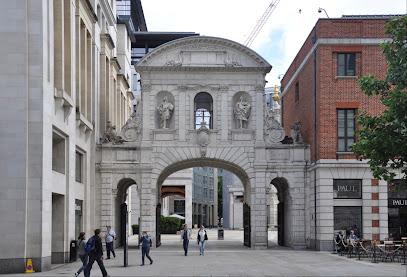
Temple Bar London
0.2 km
Explore Temple Bar, London’s historic ceremonial gateway rebuilt by Christopher Wren, rich with royal heritage and striking 17th-century architecture.
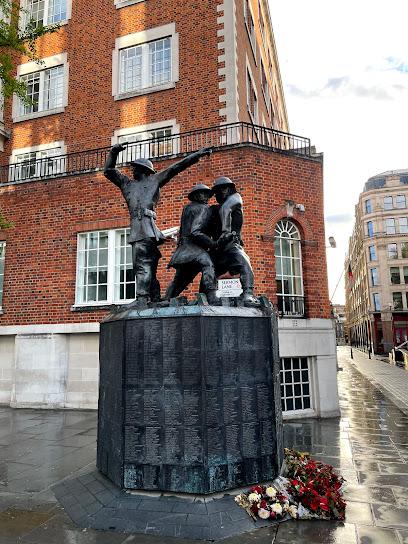
The National Firefighters Memorial
0.3 km
A solemn tribute in London honoring the bravery and sacrifice of firefighters who served during the Blitz and beyond.
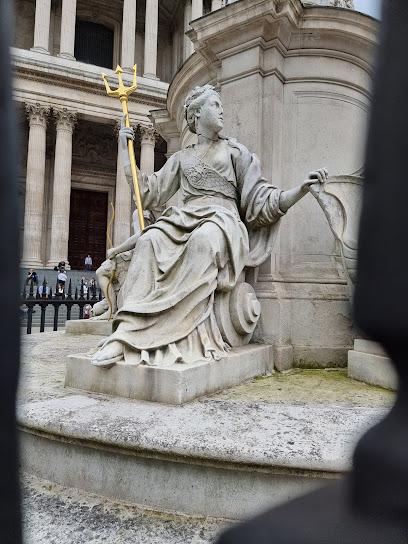
Queen Anne Statue
0.3 km
Historic statue commemorating Queen Anne’s reign and the completion of St. Paul’s Cathedral, symbolizing Britain’s royal heritage and resilience.
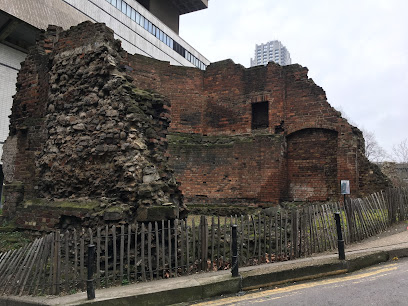
London City Wall - Bastion 14
0.3 km
Explore Bastion 14, a medieval bastion built on Roman foundations, revealing centuries of London’s ancient city defenses in the Barbican.
London City wall
0.4 km
Explore the ancient Roman and medieval London City Wall, a monumental symbol of the city’s enduring history and resilience.
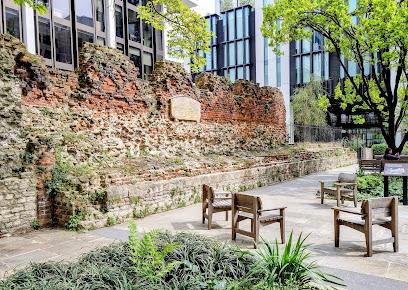
Roman London Wall (St Alphage Garden Section)
0.4 km
Explore the ancient Roman and medieval layers of London's historic city wall nestled within the peaceful St Alphage Garden in Barbican.
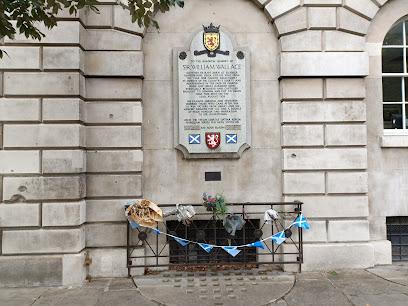
Sir William Wallace Memorial
0.5 km
A solemn 1956 memorial to Scotland's greatest patriot, executed here in 1305 for resisting English rule.
St Michael's Church : Paternoster Royal
0.5 km
Historic Anglican church on College Hill, rebuilt by Wren and linked to Dick Whittington, featuring stunning stained glass and a Hawksmoor spire.

Ludgate Circus
0.6 km
Historic Victorian junction where London's ancient Ludgate once stood, blending rich legend, architecture, and urban vitality.
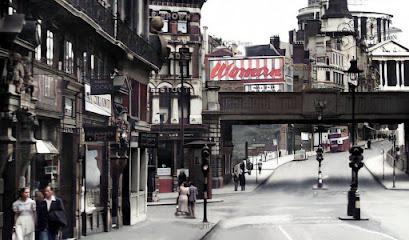
Historic England
0.6 km
Discover the rich tapestry of England's history at Historic England, a key organization dedicated to preserving the nation’s architectural treasures.
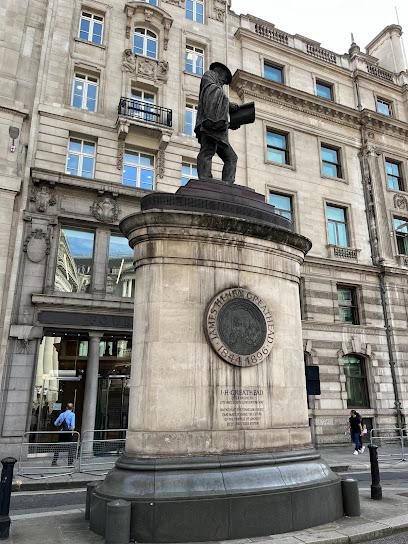
Statue of James Henry Greathead
0.6 km
Discover the statue honoring James Henry Greathead, the engineer whose invention shaped London's iconic Underground tunnels.
London Stone (remaining part)
0.6 km
Discover London Stone, the ancient and mysterious limestone relic at 111 Cannon Street, a symbol of London's enduring history and legend.

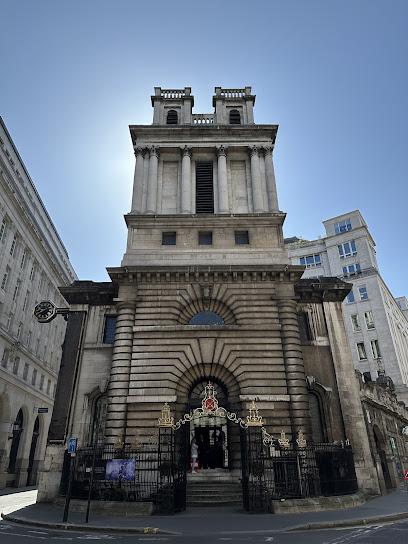
IMPRINT Church London: St Mary Woolnoth
0.6 km
Explore the historic IMPRINT Church London: St Mary Woolnoth, a stunning Anglican church offering a blend of spirituality, architecture, and community in the heart of London.
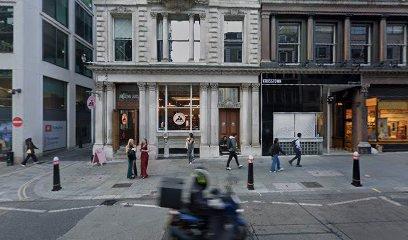
113 Cannon St
0.6 km
A distinguished Grade II listed classical building in London’s financial district, showcasing early 20th-century architectural elegance.
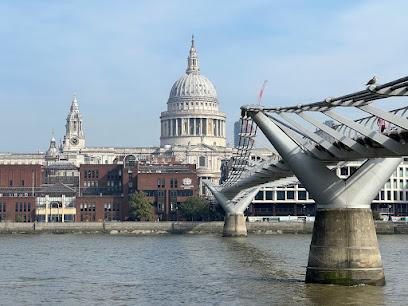
Millennium Bridge
0.6 km
Walk London’s sleek 'Wobbly Bridge' between St Paul’s and Tate Modern, with iconic Thames views and a fascinating engineering story.
Unmissable attractions to see

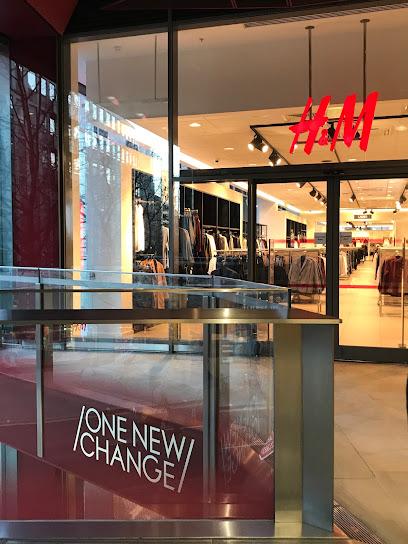
One New Change
0.1 km
Discover premier shopping, dining, and stunning rooftop views of St Paul's Cathedral in the heart of London's financial district.
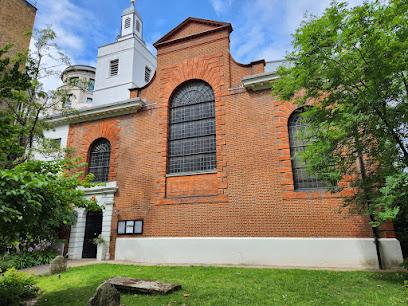
St Anne & St Agnes Church
0.2 km
Discover St Anne & St Agnes Church, a historic City sanctuary blending Dutch-inspired architecture with a vibrant musical legacy.
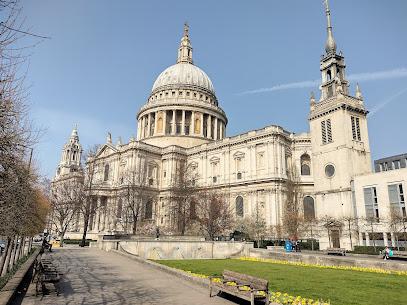
St. Paul's Cathedral
0.2 km
Explore the architectural beauty and spiritual significance of St. Paul's Cathedral, a must-visit landmark in the heart of London, offering stunning views and rich history.
St Mary-le-Bow Church
0.2 km
Discover St Mary-le-Bow, the iconic Wren church on Cheapside, home to the legendary Bow Bells and centuries of London history.

Postman's Park
0.2 km
A serene London park honoring everyday heroes through a unique memorial of selfless sacrifice, nestled near St Paul’s Cathedral.
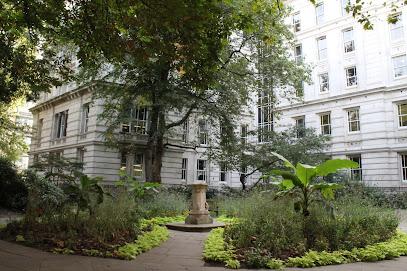
Watling St
0.2 km
Follow the ancient Roman road that shaped London’s history, once a frontier, battlefield approach, and boundary between kingdoms and boroughs.
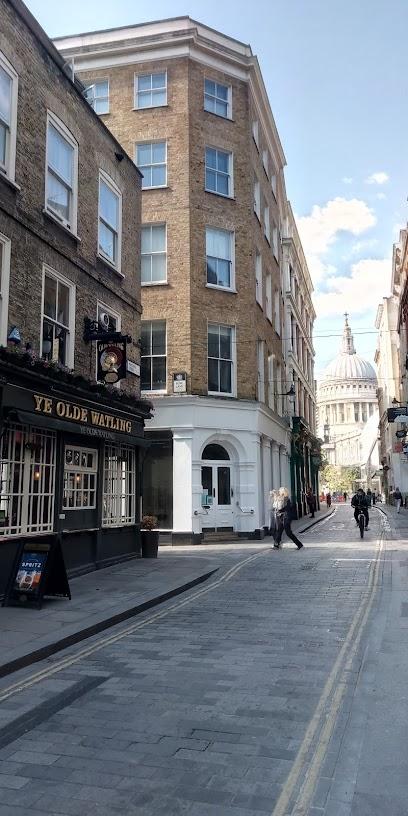
St Botolph’s-without-Aldersgate
0.2 km
Historic Georgian church at London’s eastern City gate, blending medieval roots with Victorian artistry and community resilience.
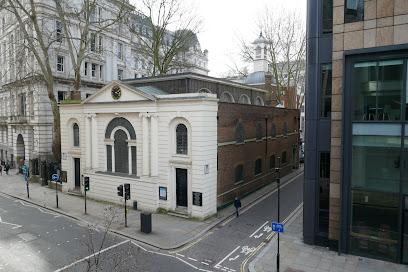
Guildhall Library
0.2 km
Discover London’s history through the world’s largest city-focused library, housed within the historic Guildhall complex.
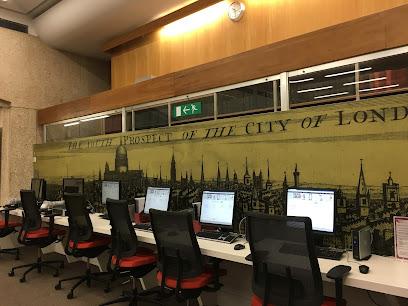
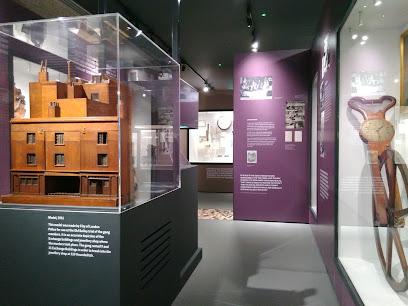
The City Of London Police Museum
0.3 km
Explore the rich history of London's oldest police force within the City’s historic Guildhall complex.
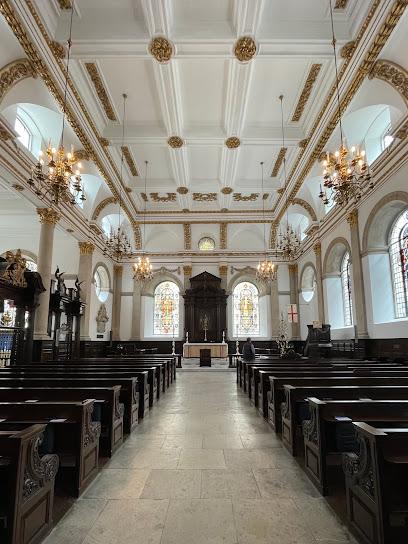
St Lawrence Jewry
0.3 km
Discover St Lawrence Jewry, Wren’s exquisite 17th-century guild church and the official sanctuary of London’s Lord Mayor, rich in history and serene beauty.
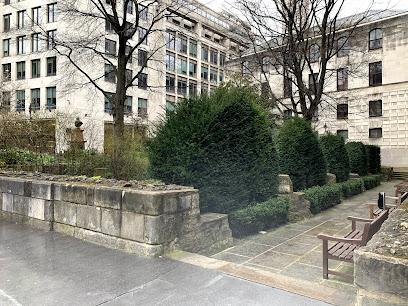
St Mary Aldermanbury Garden
0.3 km
Historic garden marking the site of Wren’s St Mary Aldermanbury church, linking Shakespeare, Churchill, and transatlantic heritage in the heart of London.
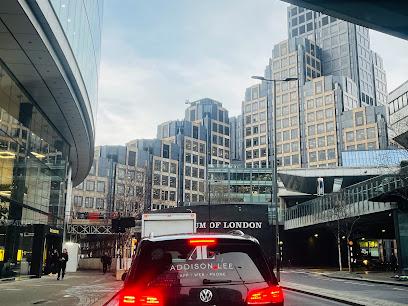
London Wall Museum Of London
0.3 km
Explore the ancient Roman city wall and artefacts at the Museum of London London Wall, a unique historical gem in Barbican.
St Mary Aldermary
0.3 km
Discover St Mary Aldermary, a rare 17th-century Gothic Revival church by Wren’s office, blending medieval roots with stunning architecture in London’s City.
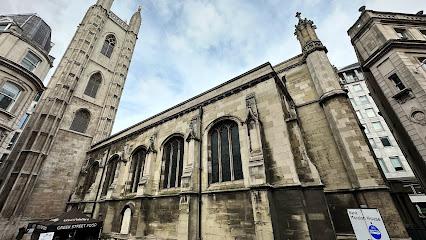
Guildhall Art Gallery
0.3 km
Discover London’s rich art heritage and ancient Roman past beneath the striking semi-Gothic facade of the Guildhall Art Gallery.
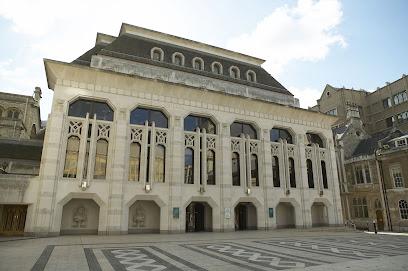
Queen Victoria St
0.3 km
A historic and vital City of London street linking iconic landmarks with Victorian-era urban vision and modern financial life.
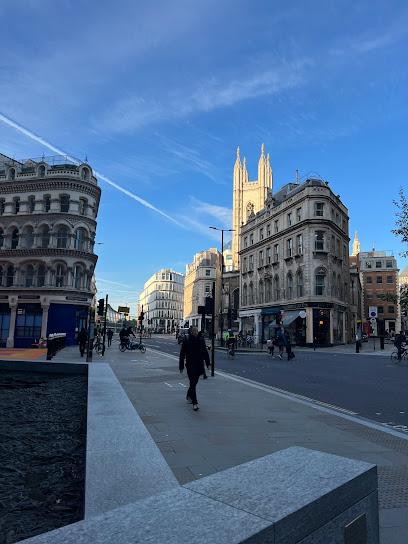
Essential places to dine

Madison
0.2 km
Stylish rooftop dining and cocktails with breathtaking views of St Paul’s Cathedral and London’s skyline.
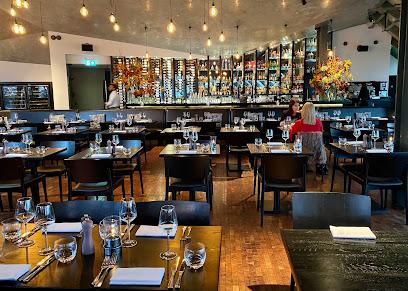
St. John
0.7 km
Experience authentic British nose-to-tail dining in the heart of London’s Barbican at St. John, where tradition meets modern culinary artistry.
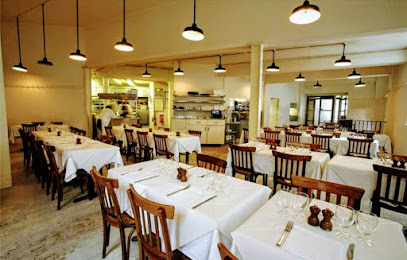
Dans le Noir ? London Restaurant
0.8 km
Experience dining like never before in total darkness, guided by visually impaired waitstaff in a sensory adventure at Dans le Noir ? London.
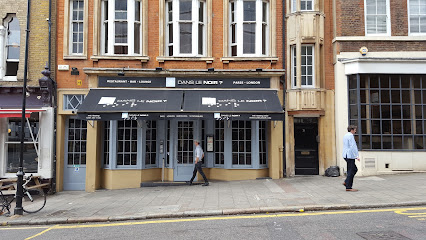
Sea Containers Restaurant
1.0 km
Stylish Modern British dining with iconic Thames views on London’s vibrant Southbank, perfect for brunch, dinner, and special occasions.
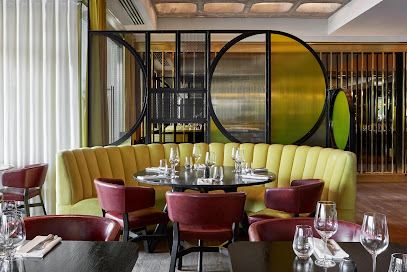
14 Hills
1.1 km
Experience modern British cuisine in a lush, sky-high garden with breathtaking panoramic views over London’s iconic skyline.
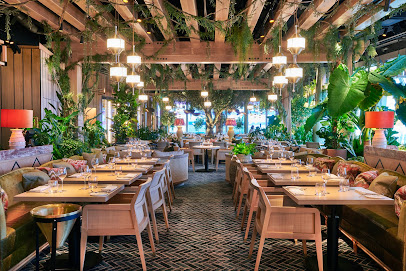
Paradiso Burger & Cocktail Bar Southbank
1.2 km
Vibrant riverside spot in Southbank serving gourmet burgers, cocktails, and bottomless brunch with stunning Thames views.
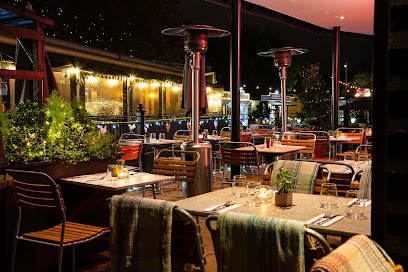
George
1.2 km
Step into London’s last galleried coaching inn, where history, hearty ales, and a lively courtyard blend in a timeless pub experience.
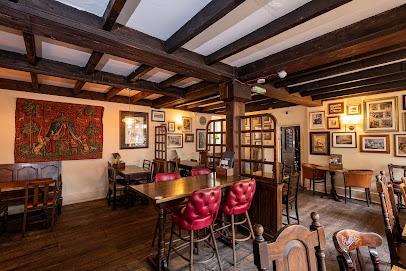
Marugame Udon Middlesex Street
1.3 km
Experience freshly handcrafted Japanese udon and crispy tempura in a lively open kitchen setting at Marugame Udon Middlesex Street, London’s authentic udon destination.
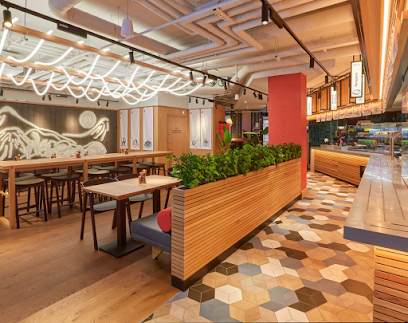
Ikoyi Restaurant
1.3 km
Discover Ikoyi, London’s two-Michelin-starred restaurant blending bold West African spices with British ingredients in an elegant, sensory tasting journey.
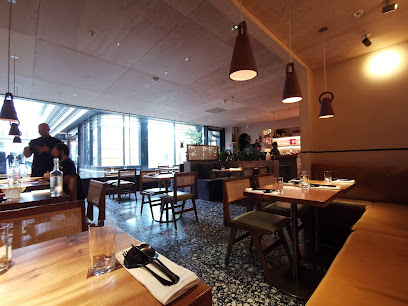
La Dame de Pic London
1.4 km
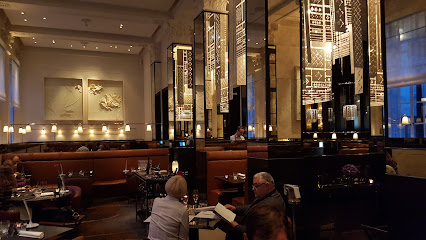
Discover refined French gastronomy and elegant dining in a historic London landmark with two Michelin stars and innovative cuisine.
Barcelona Tapas Bar & Restaurant
1.4 km
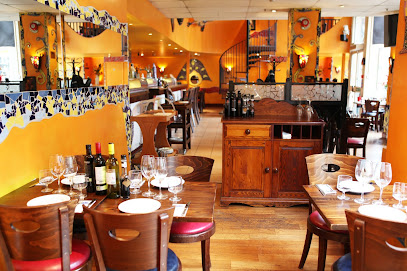
Authentic Spanish tapas and warm hospitality in the heart of London’s City since 1991.
Mattarello Chiodo Bolognese Restaurant
1.4 km
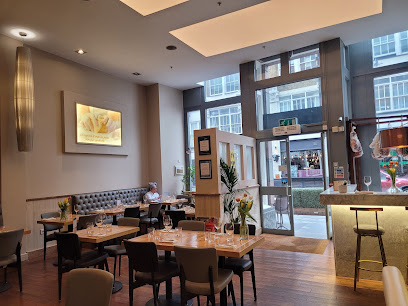
Authentic Bolognese pasta and gluten-free Italian delights in the heart of London’s Middlesex Street.
Wahaca Southbank
1.6 km
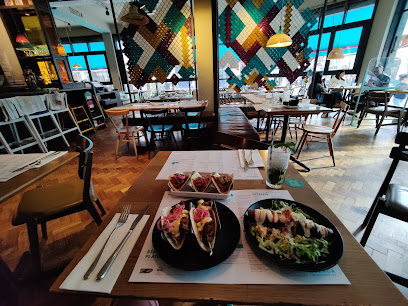
Experience vibrant Mexican street food in a unique riverside setting with scenic Thames views and lively atmosphere at Wahaca Southbank.
Sarastro
1.6 km
Experience vibrant Mediterranean flavors and live musical theatre in the heart of Covent Garden’s most theatrical restaurant.
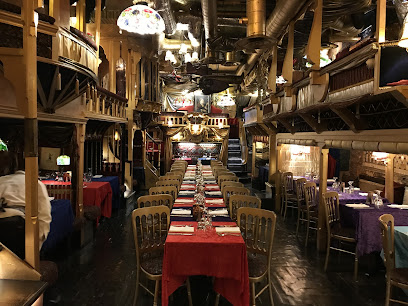
Brasserie Blanc - Southbank
1.7 km
Authentic French brasserie dining with hearty seasonal dishes and rustic charm on London’s lively South Bank.
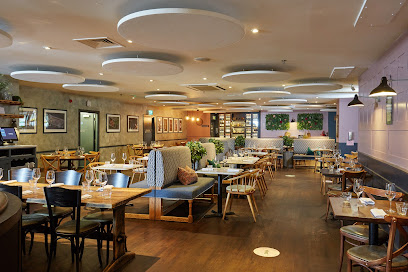
Markets, malls and hidden boutiques

Barbican Shop
0.6 km
Discover curated art, design, music, and unique gifts at the Barbican Shop, a creative retail haven within London’s iconic Barbican Centre.

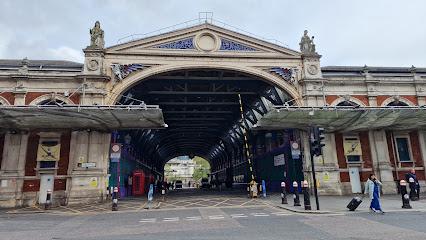
Smithfield Market
0.6 km
London’s oldest wholesale meat market, where history and commerce meet in the heart of the city.
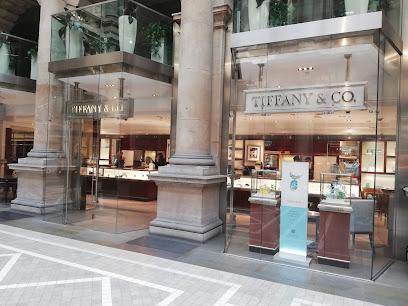
The Royal Exchange
0.6 km
A majestic neoclassical landmark blending 450 years of London’s trading history with luxury shopping in the City’s financial heart.
Bankside Arches Boutique
0.9 km
Discover unique London gifts and handcrafted treasures inside Blackfriars Station’s charming Bankside Arches Boutique.
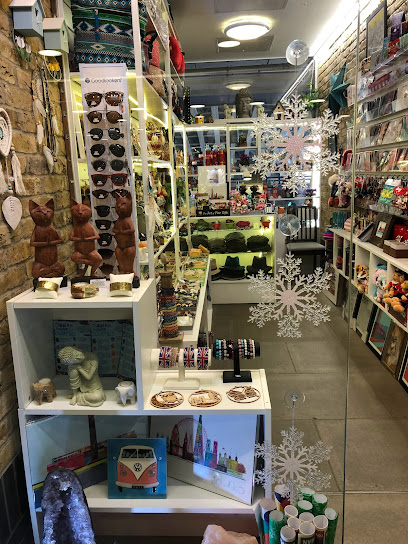
Borough Yards
1.1 km
Discover Borough Yards, a lively London district blending historic railway arches with cutting-edge shopping, dining, and culture near Borough Market.
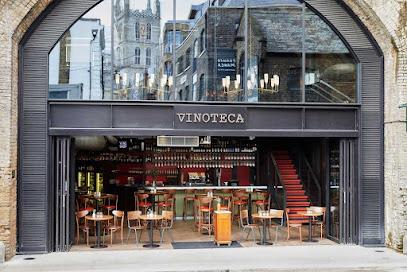
SUCK UK Alternative Gifts (OXO Tower)
1.1 km
Discover quirky, clever gifts and homewares at SUCK UK’s flagship store in London’s iconic OXO Tower.
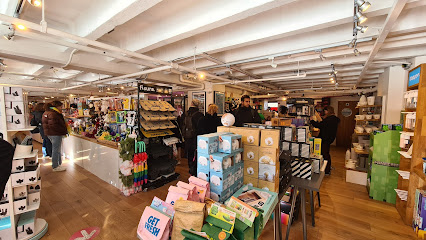
Brand Academy Independent Gift Shop
1.1 km
Dive into a world of whimsical designs and unique finds at this South Bank gem, where global brands meet emerging talents in the heart of Oxo Tower Wharf.
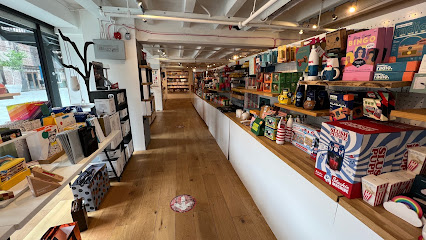
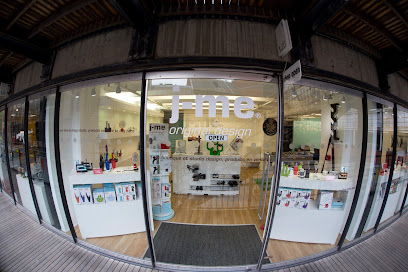
j-me original design ltd
1.2 km
Whimsical designs with a humorous twist from London's Oxo Tower creative hub – quirky home gifts blending fun, function, and British ingenuity.
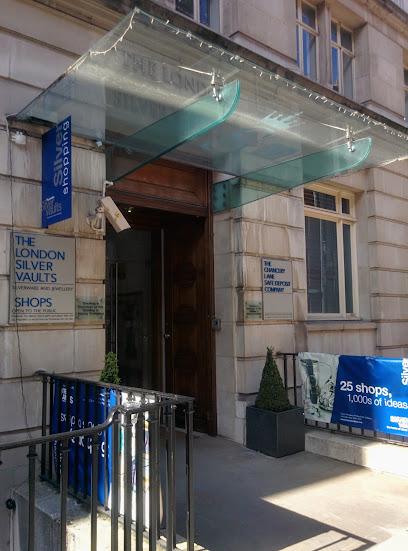
London Silver Vaults
1.2 km
The world's largest underground marketplace for fine antique and contemporary silver, hidden beneath historic Chancery Lane.
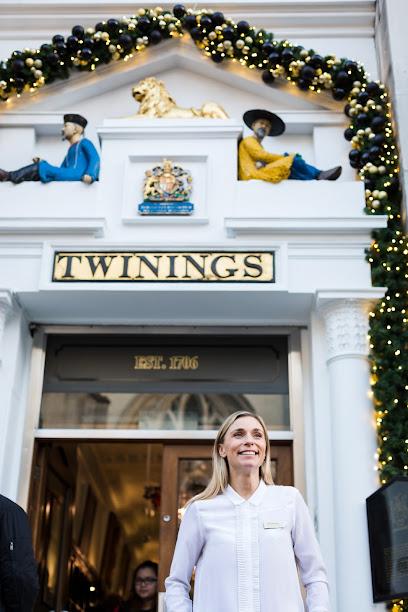
Twinings - The Strand
1.2 km
Discover over 300 years of tea heritage at London’s oldest tea shop, featuring historic charm, premium tastings, and a unique museum experience.
Sugar And Style
1.2 km
Discover design-led fashion accessories in Gabriel's Wharf, London's arty South Bank riverside haven blending style, creativity, and Thames views.

The Store X
1.3 km
A visionary space where London’s fashion, art, and culture converge in an immersive, innovative experience.

Middlesex Textiles
1.4 km
Discover London’s premier West African fabric store offering vibrant, high-quality textiles with unmatched variety and service since 1969.
Hay's Galleria
1.4 km
Historic riverside warehouse transformed into a vibrant shopping and dining destination beneath a stunning glass roof.
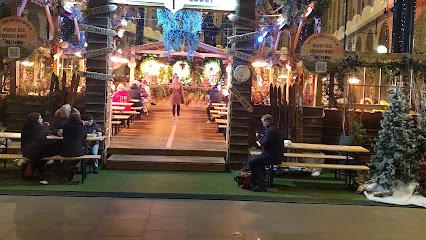
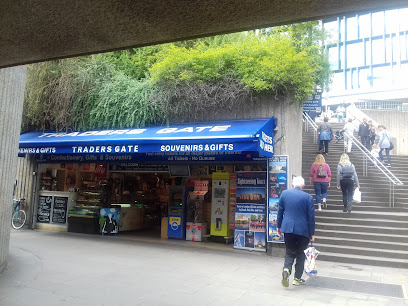
Traders Gate
1.4 km
A long-standing family-run gift shop on Tower Hill, offering classic London souvenirs and local charm just steps from the Tower of London.
Essential bars & hidden hideouts

Black Parrot
0.6 km
Discover London’s top rum bar with expertly crafted cocktails, immersive masterclasses, and a lively yet intimate atmosphere in Bride Court.
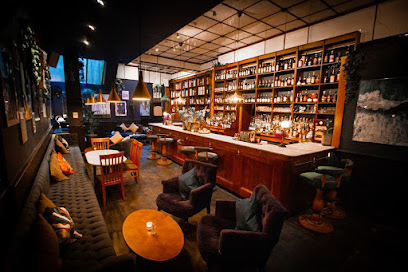
Punch Tavern
0.6 km
Historic Victorian Gin Palace on Fleet Street, famed for its Punch magazine heritage and vast gin selection in the heart of London.
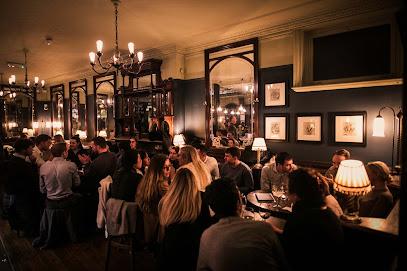
Demon, Wise & Partners
0.7 km
Classic basement cocktail bar blending historic City charm with expert mixology in London’s financial district.
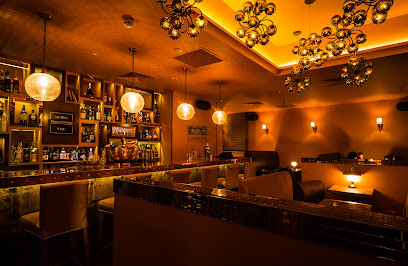
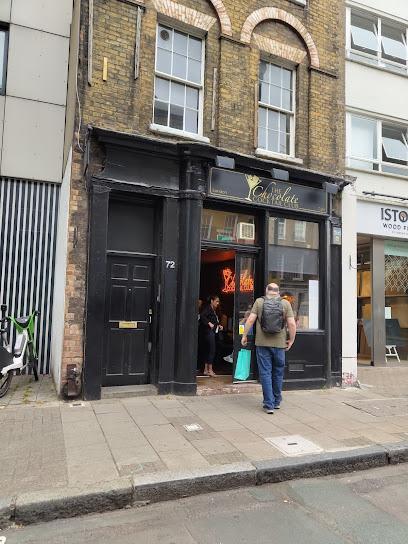
The Chocolate Cocktail Club
0.8 km
London’s intimate chocolate cocktail bar blending rich flavors, stylish ambiance, and over 20 unique chocolate-infused drinks.
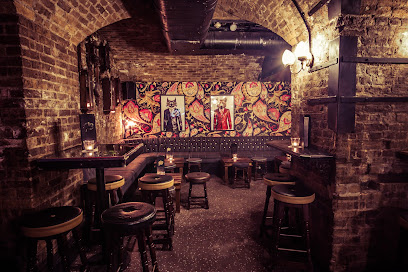
The Cocktail Club - Cocktail Bar near Monument
0.9 km
Vibrant underground cocktail bar near Monument, blending creative drinks with a lively, speakeasy-style party atmosphere.
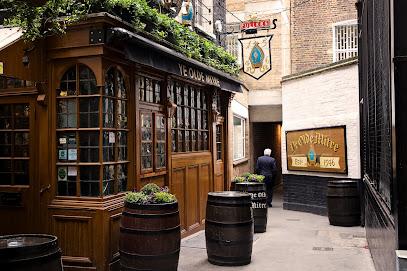
Ye Olde Mitre, Holborn
0.9 km
Discover Ye Olde Mitre, a hidden Tudor-era pub in Holborn where history, legend, and cozy charm converge in a secret London alley.
Doggett's Coat and Badge
0.9 km
A large, riverside Nicholson’s pub on Blackfriars Bridge offering classic British fare, real ales and a rooftop terrace with strong Thames views.
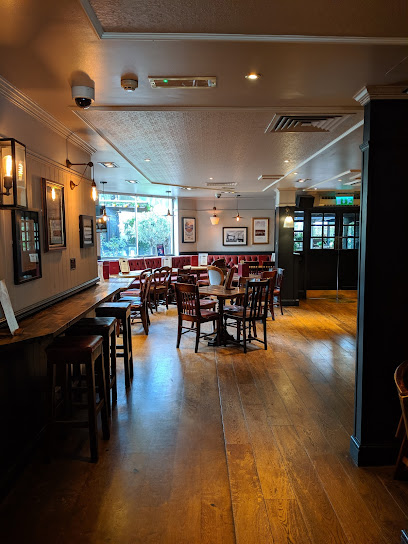
The Bootlegger
0.9 km
Step into The Bootlegger’s hidden Lime Street basement for expertly crafted cocktails, live jazz, and a true 1920s speakeasy vibe in the heart of London.
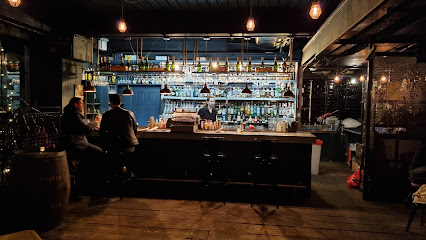
Lyaness
1.0 km
Innovative cocktails and sustainable mixology with stunning Thames views in London’s stylish South Bank hotspot.
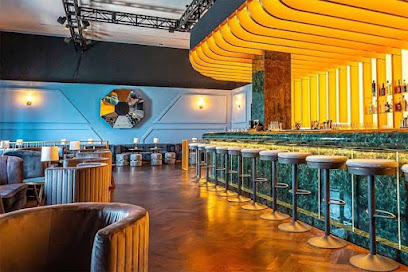
Flight Club Shoreditch
1.0 km
Experience the vibrant social darts scene with great food, cocktails, and fun at Flight Club Shoreditch in East London.
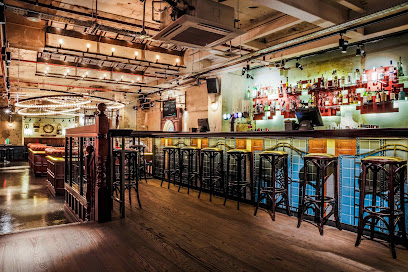
The Old Bank of England
1.1 km
Historic Victorian pub on Fleet Street housed in a former Bank of England branch with grand interiors and legendary London tales.
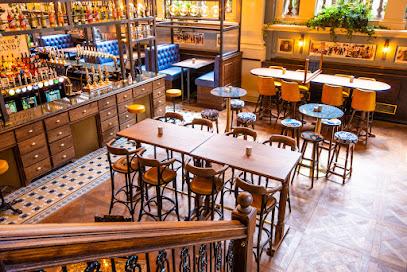
Aviary
1.1 km
Elegant rooftop dining with botanical cocktails and panoramic London skyline views in the heart of Finsbury Square.
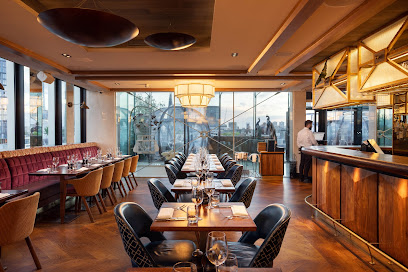
The Cocktail Club - Cocktail Bar near Old Street
1.2 km
A vibrant and stylish cocktail bar in London’s Old Street area, known for creative drinks and a lively urban atmosphere.
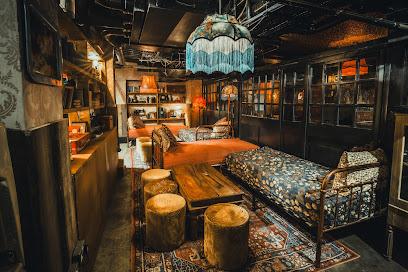
The Alchemist Bevis Marks
1.2 km
Experience London’s theatrical cocktail haven blending molecular mixology with Victorian charm and all-day dining in Aldgate.
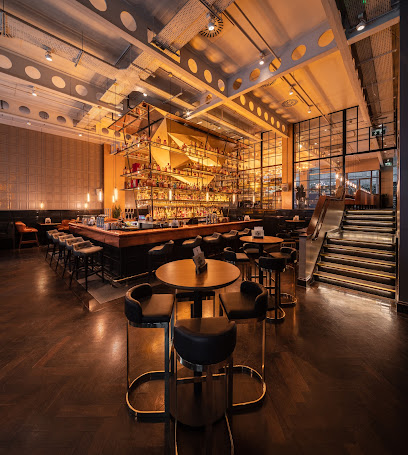
Dirty Dicks
1.2 km
Historic London pub with quirky charm, classic ales, and lively atmosphere near Liverpool Street Station.
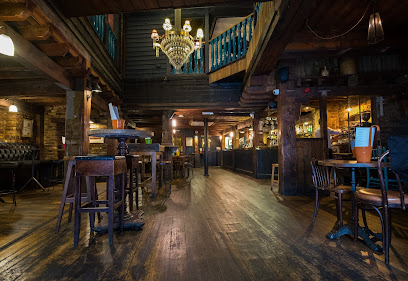
Nightclubs & after hour spots

The Steel Yard
0.7 km
Experience London’s premier industrial-chic nightclub set in historic Victorian railway arches, with world-class sound and late-night energy until 6am.
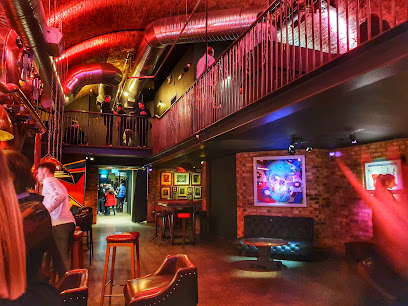
London Best Night Clubs
1.0 km
Experience London’s legendary Ministry of Sound, where cutting-edge sound meets dynamic club culture in a multi-room dance haven.
XOYO LONDON
1.4 km
Experience Shoreditch’s iconic XOYO, where cutting-edge DJs and vibrant nightlife create an unforgettable London clubbing atmosphere.

The Hoxton Pony
1.6 km
Edgy Shoreditch cocktail bar and nightclub blending vintage style with vibrant nightlife energy in East London.

Proud Late
1.6 km
Dive into two-storey glamour under Waterloo Bridge: cabaret acrobatics, burlesque dazzle, supper feasts, and non-stop clubbing till 5am in London's West End nightlife epicenter.
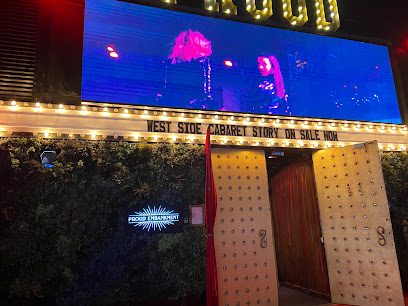
Carwash Nightclub
1.7 km
Experience Europe’s longest-running disco club in London’s West End, where retro beats, vibrant crowds, and themed parties create unforgettable nights.
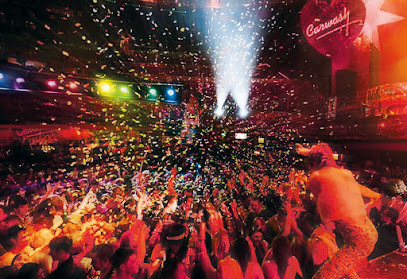
Trafik
1.7 km
Shoreditch’s dynamic nightclub with underground beats, two floors of dancing, and a late licence for unforgettable nights.

Bunga Bunga Covent Garden
1.8 km
A neon-soaked, pizza-and-karaoke supper club under Drury Lane — 90s nostalgia, stage shows and shareable Italian feasts.
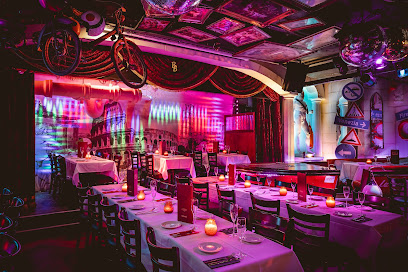
Ministry of Sound
1.9 km
London's legendary dance music cathedral since 1991, where world-class sound systems and global DJs fuel euphoric nights across four pulsing rooms.
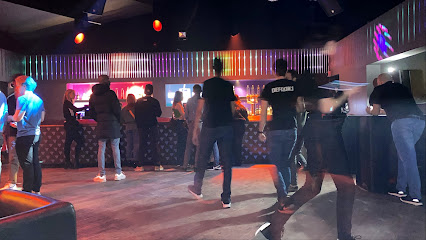
Cirque Du Soul
2.0 km
Dive into Leake Street's graffiti tunnel for soul-stirring electronic nights at this underground nightclub haven.
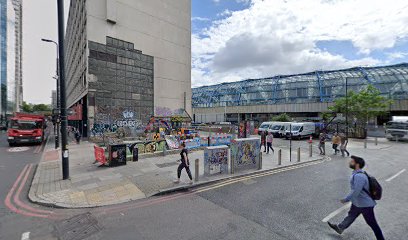
We Are Waterloo
2.0 km
Dive into Leake Street's graffiti heart where street art meets thumping beats in London's ultimate underground nightclub haven.
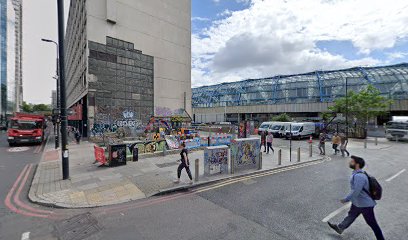
STRAWBERRY SUNDAE
2.0 km
Retro rave haven in Waterloo Arches: Daytime hardcore beats, 90s DJ legends, and industrial euphoria from midday to midnight.
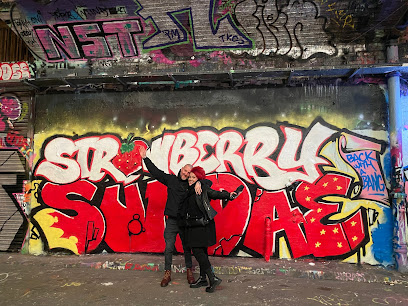
Basing House - Shoreditch
2.0 km
An intimate Shoreditch nightclub with top electronic beats, a Funktion One sound system, and a lively rooftop bar under the London skyline.

The Roxy
2.1 km
Soho's unbeatable happy hour cocktail bar by day, pulsing nightclub with live music and DJ nights till 3am—affordable vibes in London's nightlife heart.
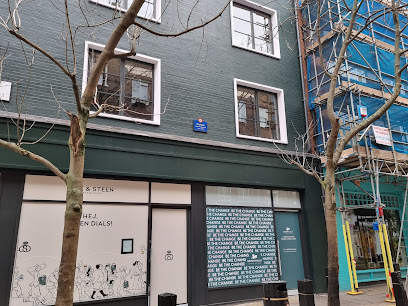
Comedy Carnival Covent Garden
2.1 km
London's premier stand-up comedy venue showcasing bold, award-winning international comedians in vibrant Covent Garden.

For the vibe & atmosphere seeker
- Tranquil
- Scenic
- Unique
- Casual
For the design and aesthetic lover
- Vintage Styles
- Art Deco Styles
For the architecture buff
- Historic
- Landmarks
- Sacred Sites
For the view chaser and sunset hunter
- Iconic Views
For the social media creator & influencer
- Instagrammable
- Architectural Shots
For the eco-conscious traveler
- Public-Transport Accessible
For the kind of experience you’re after
- Cultural Heritage
- Photowalk
- Day Trip
For how adventurous you want the journey to be
- Easy Access
Location Audience
- Family Friendly
- Senior Friendly
- Child Friendly
- Teen Friendly
- Wheelchair Access
- Solo Friendly
- Couple Friendly
- Solo Female Friendly


