
City Wall Walk, York Travel Guide
Walk atop nearly 2,000 years of history on York’s most complete medieval city walls, offering panoramic views and timeless stories at every step.
York's City Walls are the most complete medieval city walls in England, offering a free, elevated circular walkway around the historic city. Built mainly in the 13th century atop Roman and Viking foundations, the walls stretch over two miles and include iconic gatehouses such as Micklegate Bar and Monk Bar. The walk provides panoramic views of York Minster and the cityscape, blending centuries of history with scenic urban vistas.
A brief summary to City Wall Walk
- Lord Mayor's Walk, York, YO1 7JH, GB
- Duration: 1 to 3 hours
- Free
-
 Outdoor
- Mobile reception: 4 out of 5

Know before you go
Hi, I'm Eve. Here are a few practical things to know before exploring City Wall Walk.
- Start your walk early in the day to enjoy quieter paths and longer daylight hours, especially in summer months.
- Wear comfortable shoes as the walk includes uneven stone surfaces and several staircases.
- Check the weather and wall opening status before visiting, as icy or windy conditions may cause closures.
- Bring a camera to capture iconic views of York Minster and the medieval cityscape from elevated vantage points.
Do you manage this location?
Take control to get all the benefits, like improved information, better appearance, and stronger visibility across AI-powered discovery. Learn more about listing your business on Evendo
Activate your presenceOther nearby places you may find interesting
The closest places of the same kind, if this one is not quite what you had in mind.




Explore City Wall Walk on the Map
A handpicked selection of must-see spots near City Wall Walk, mapped for you.
Getting There
-
Public Bus
Take the Park & Ride bus service from various city outskirts to York Train Station, then walk approximately 10 minutes to the nearest wall access point at Lendal Bridge. Bus journeys take 15–30 minutes and cost around £3–£5 per person.
-
Train and Walk
Arrive at York Train Station, a major rail hub with frequent services from London, Manchester, and Leeds. From the station, the City Walls are accessible within a 10-minute walk via stone steps near Lendal Bridge.
-
Taxi or Rideshare
Taxis and rideshare services can drop you near any of the main bars (gatehouses) such as Micklegate Bar or Bootham Bar. Travel times vary from 5 to 20 minutes within the city center, with fares typically between £5 and £15 depending on distance.
For the on-the-go comforts that matter to you
-
 Restrooms
-
 Drink Options
-
 Food Options
-
 Seating Areas
-
 Information Boards
Discover more about City Wall Walk
Ancient Foundations and Medieval Fortifications
The York City Walls trace their origins back nearly two millennia to the Roman fortress of Eboracum, established around AD 71. The Romans constructed the initial defensive walls of stone and earth, which laid the groundwork for later fortifications. After the Roman withdrawal, the walls were adapted and reinforced by Anglo-Saxon and Viking settlers, with Vikings adding an earth bank and wooden palisade in the 9th century. The stone walls visible today predominantly date from the 13th and 14th centuries, built chiefly of magnesian limestone, reflecting medieval military architecture designed to protect the city from invasions and civil unrest.Architectural Highlights and Gatehouses
The walls encompass several notable medieval gatehouses, known as bars, including Micklegate Bar, Monk Bar, Bootham Bar, and Walmgate Bar. These bars served as fortified entrances controlling access to the city and were used to levy tolls and defend against attackers. Many bars have rich histories, such as Micklegate Bar, which was a ceremonial entry point for monarchs and a place where traitors’ heads were historically displayed as a warning. The walls also feature numerous towers and posterns, creating a continuous defensive circuit over two miles long, making York’s walls the most intact city walls in England.A Living Symbol of York’s Heritage
Beyond their military origins, the City Walls symbolize York’s enduring heritage and civic pride. They played key roles in historic events like the Siege of York during the English Civil War and have survived through centuries of urban change. The walls are now a cherished cultural landmark, managed by the City of York Council, and serve as a tangible link connecting modern visitors with York’s Roman, Viking, Norman, and medieval past.Experience and Atmosphere of the Walk
Walking the City Walls offers a unique vantage point over York’s skyline, including stunning views of York Minster, the River Ouse, and the city’s medieval rooftops. The elevated pathway is generally open daily from 8 am until dusk, weather permitting, and is free to access. The route is circular and can be started at multiple points, with stone steps providing access at the main bars and other locations. The walk combines historical exploration with scenic urban landscapes, making it a favorite for locals and visitors alike.Practical Considerations and Seasonal Access
The walls are closed on Christmas Day and during icy, snowy, or very windy conditions for safety reasons, with daily inspections conducted during cold weather. Due to steps and narrow pathways, the walk is not suitable for wheelchairs or strollers, and dogs are not permitted. Benches along the route provide resting points. The closing time varies seasonally, from mid-afternoon in winter to late evening in summer, ensuring visitors can enjoy the walls in daylight.Preservation and Community Engagement
York’s City Walls are protected as a scheduled ancient monument and Grade I listed structure. Preservation efforts have maintained the walls’ integrity, with restoration work undertaken since the Victorian era. The walls also host cultural events such as the York Walls Festival, celebrating their historical and social significance. As a living monument, the City Walls continue to inspire awe and foster a deep connection to York’s rich past and vibrant present.












Your all‑in‑one travel companion app
Explore expert travel guides, compare and book tours, experiences, hotels, and more—all from the palm of your hand. Download now for seamless trip planning wherever your wanderlust takes you.


Explore More of York
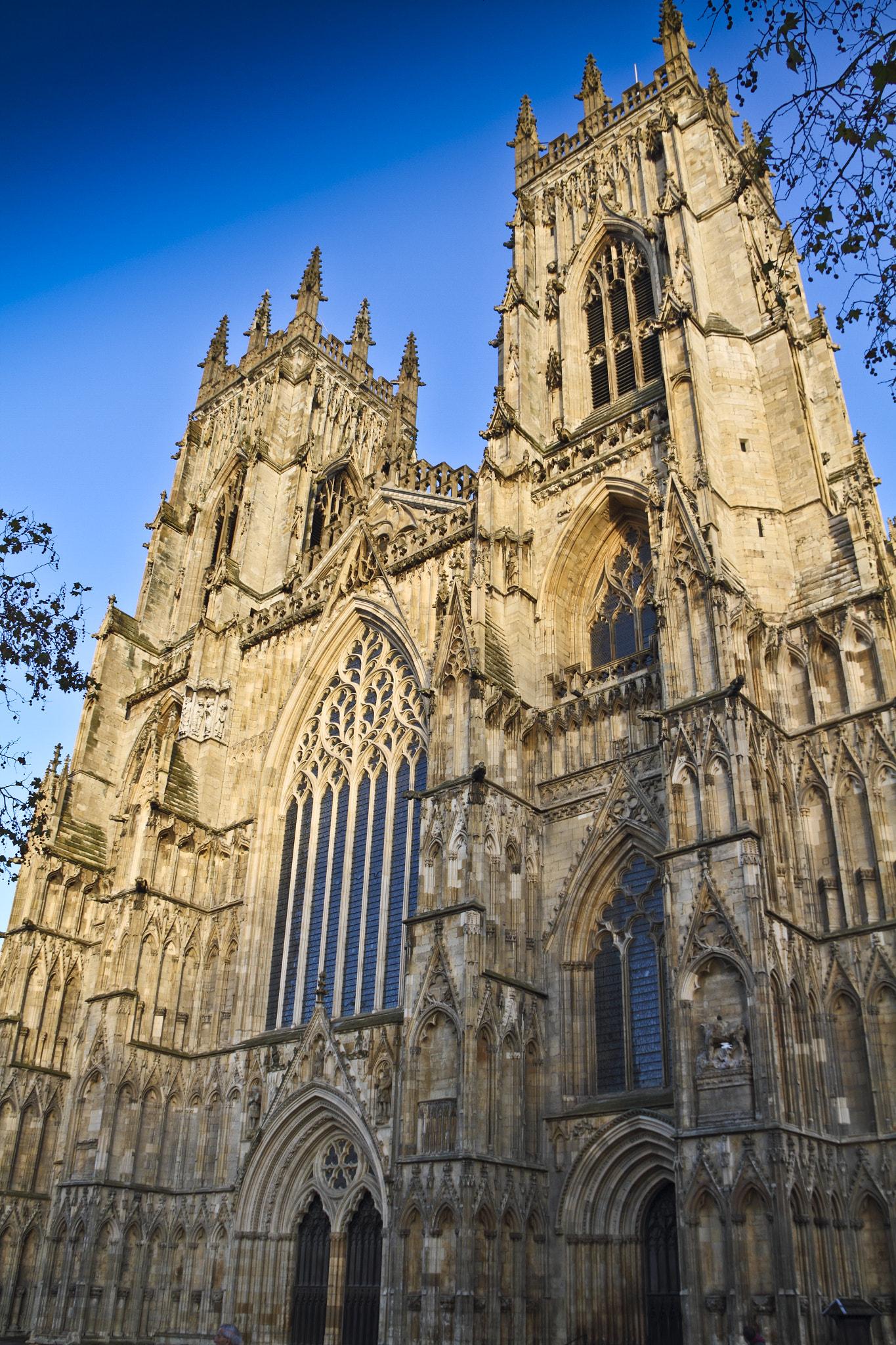
Looking beyond City Wall Walk? Discover York for broader travel guides, local hot-spots, and regional highlights.
Explore York
Historic Minster Yard in York surrounds the majestic York Minster, blending medieval heritage, stunning Gothic architecture, and vibrant cultural life.
Explore the lavish historic townhouse and award-winning gardens behind York Minster, filled with antiques, art, and stories from centuries past.