Yorkshire Museum, Yorkshire Travel Guide
Explore Yorkshire’s rich history from prehistoric fossils to Viking treasures in York’s iconic Greek Revival museum nestled in tranquil gardens.
Located within the serene Museum Gardens in York, the Yorkshire Museum offers an immersive exploration of the region’s rich archaeological, geological, and natural history. Housed in a striking Greek Revival building, it showcases treasures from prehistoric times through the medieval era, including rare Viking artifacts and dinosaur fossils. The museum’s engaging exhibitions and historic setting make it a captivating destination for history enthusiasts and families alike.
A brief summary to Yorkshire Museum
- Museum Gardens, Museum Street, York, YO1 7FR, GB
- Click to display
- Click to display
- Duration: 1 to 2 hours
- Mid ranged
-
 Indoor
- Mobile reception: 5 out of 5
- Tuesday 10 am-5 pm
- Wednesday 10 am-5 pm
- Thursday 10 am-5 pm
- Friday 10 am-5 pm
- Saturday 10 am-5 pm
- Sunday 10 am-5 pm

Know before you go
Hi, I'm Eve. Here are a few practical things to know before exploring Yorkshire Museum.
- Purchase tickets online in advance to avoid queues, especially during weekends and holidays.
- Allow 1 to 2 hours to fully explore the museum’s extensive collections and special exhibitions.
- Visit the Museum Gardens for a relaxing stroll before or after your museum tour.
- Check for special exhibitions like Viking North or Star Carr for unique insights into Yorkshire’s past.
- Use the accessible entrance and facilities if mobility assistance is needed; staff are happy to help.
Do you manage this location?
Take control to get all the benefits, like improved information, better appearance, and stronger visibility across AI-powered discovery. Learn more about listing your business on Evendo
Activate your presenceOther nearby places you may find interesting
The closest places of the same kind, if this one is not quite what you had in mind.

Explore Yorkshire Museum on the Map
A handpicked selection of must-see spots near Yorkshire Museum, mapped for you.
Unlock the Best of Yorkshire Museum
Buy tickets
-
No tickets available
Book tours with entry


Getting There
-
Train and Walk
From York Railway Station, it is a 10 to 15-minute walk to the Yorkshire Museum through the city centre. The route is mostly flat and accessible, passing key landmarks. No additional transport cost beyond your train fare.
-
Bus
Several local bus routes serve stops near Museum Gardens, including the number 12 and 13 buses. Travel times vary from 10 to 20 minutes from central York. A single bus ticket costs approximately £2.50. Check schedules for frequency and accessibility.
-
Taxi or Rideshare
Taxis and rideshare services from York city centre to the museum take about 5 to 10 minutes depending on traffic. Expect fares around £5 to £8. This option is convenient for those with limited mobility or carrying luggage.
For the on-the-go comforts that matter to you
-
 Restrooms
-
 Seating Areas
-
 Information Boards
-
 Visitor Center
-
 Drink Options
-
 Food Options
-
 Accessible Toilets
Discover more about Yorkshire Museum
Architectural Heritage and Setting
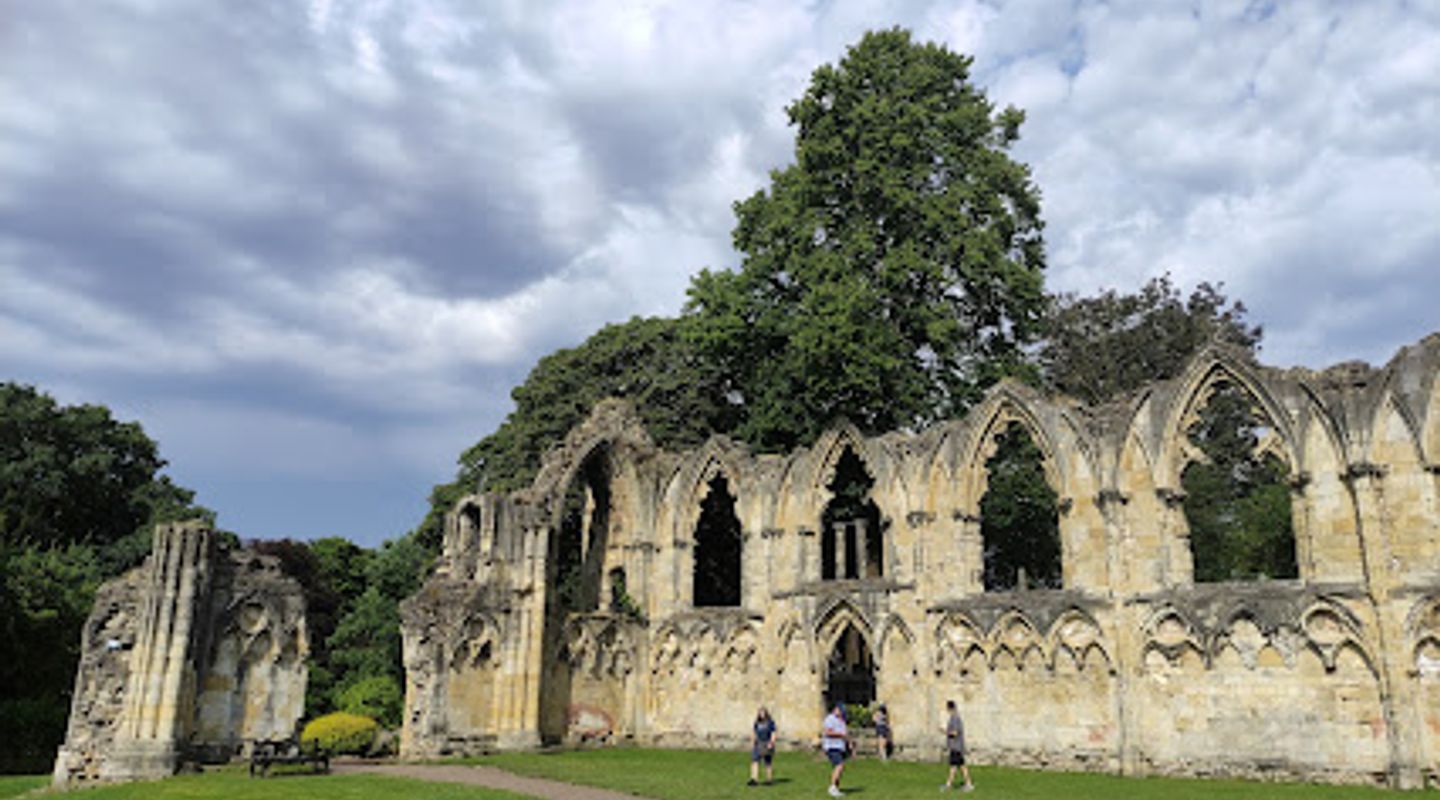
The Yorkshire Museum stands as one of England’s earliest purpose-built museums, opened in 1830 to house the collections of the Yorkshire Philosophical Society. Designed by William Wilkins in the Greek Revival style, its neo-classical façade with imposing columns evokes the grandeur of an ancient Greek temple, symbolizing a ‘shrine to science.’ The museum is nestled within York’s Museum Gardens, a tranquil green space that surrounds the building and incorporates the remains of St Mary’s Abbey, visible in the museum’s basement. The Tempest Anderson Hall, an early reinforced concrete structure added in 1912, complements the historic architecture and hosts lectures and events.Collections Spanning Millennia
The museum’s extensive collections cover Yorkshire’s archaeology, geology, palaeontology, and natural history. Visitors can trace human history from the Mesolithic period, highlighted by artefacts from the Star Carr site, through Roman and Viking eras, to medieval York. Noteworthy exhibits include the Middleham Jewel, a rare medieval gold pendant, and the Viking North exhibition, showcasing magnificent Viking finds from northern England. The palaeontology displays feature dinosaur fossils, including the oldest true sauropod remains found in the UK, alongside marine reptiles like ichthyosaurs, bringing prehistoric life vividly to the fore.Engaging Exhibitions and Educational Experiences
The Yorkshire Museum continually refreshes its offerings with interactive and family-friendly exhibitions. Recent highlights include the Star Carr exhibition exploring life after the last Ice Age, and the Mary Anning Rocks display celebrating the pioneering 19th-century palaeontologist. The Viking North exhibition, opening in July 2025, presents an unparalleled collection of Viking artefacts outside London, enriching understanding of the Viking Age in northern England. These exhibitions combine cutting-edge research with innovative displays, making history accessible and engaging for all ages.Visitor Facilities and Accessibility
Open Tuesday to Sunday from 10am to 5pm, the museum offers a welcoming environment with full wheelchair access to the lower and ground floors, a lift, and accessible toilets. While the first floor has some limitations, staff provide assistance to ensure all visitors can enjoy the experience. The museum is located within easy walking distance from York Railway Station and the city centre, with entrances to Museum Gardens from Museum Street and Marygate. Visitor amenities include information boards, seating areas, and nearby food and drink options within the gardens.Historical and Cultural Significance
The Yorkshire Museum not only preserves but actively interprets the rich cultural heritage of York and its surrounding region. It serves as a vital link connecting visitors to the ancient past, from prehistoric hunters and Roman settlers to medieval artisans and Viking warriors. Its location on the historic abbey grounds and its role as a centre for scientific and archaeological study underscore its importance as a cultural landmark. The museum’s ongoing commitment to education and conservation ensures that Yorkshire’s stories continue to inspire future generations.Atmosphere and Visitor Experience
Visitors to the Yorkshire Museum experience a blend of scholarly reverence and family-friendly curiosity. The serene gardens provide a peaceful backdrop, while the museum’s thoughtfully curated galleries invite exploration and discovery. The combination of historic architecture, fascinating artefacts, and engaging storytelling creates a memorable journey through time. Whether intrigued by ancient fossils, medieval treasures, or Viking lore, guests leave with a deeper appreciation of Yorkshire’s unique heritage.












Your all‑in‑one travel companion app
Explore expert travel guides, compare and book tours, experiences, hotels, and more—all from the palm of your hand. Download now for seamless trip planning wherever your wanderlust takes you.


Explore More of Yorkshire
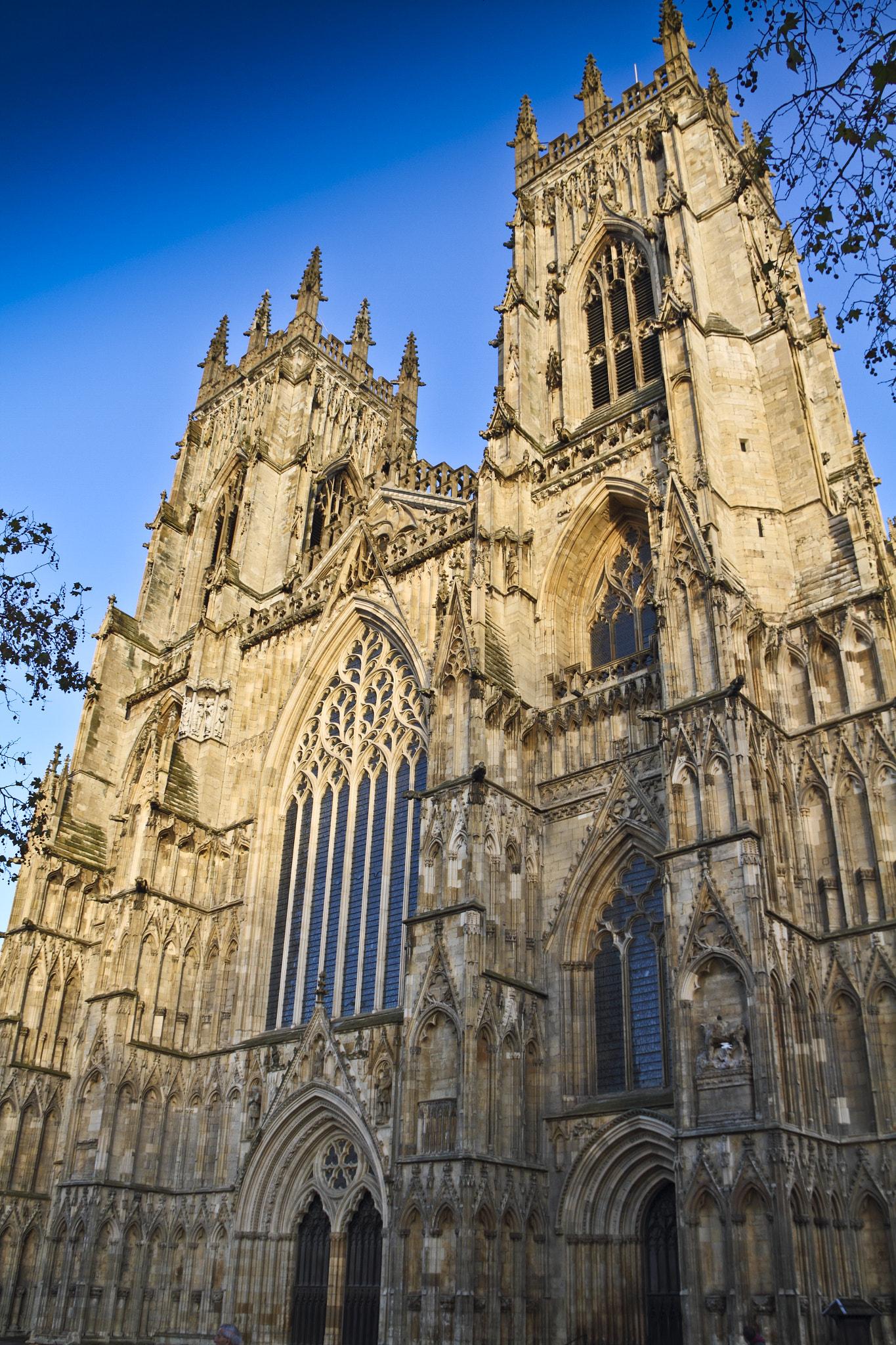
Looking beyond Yorkshire Museum? Discover Yorkshire for broader travel guides, local hot-spots, and regional highlights.
Explore Yorkshire