

York Observatory, York Travel Guide
Free Guide: Explore Yorkshire’s oldest working observatory nestled in York’s scenic Museum Gardens, home to historic telescopes and star clocks.


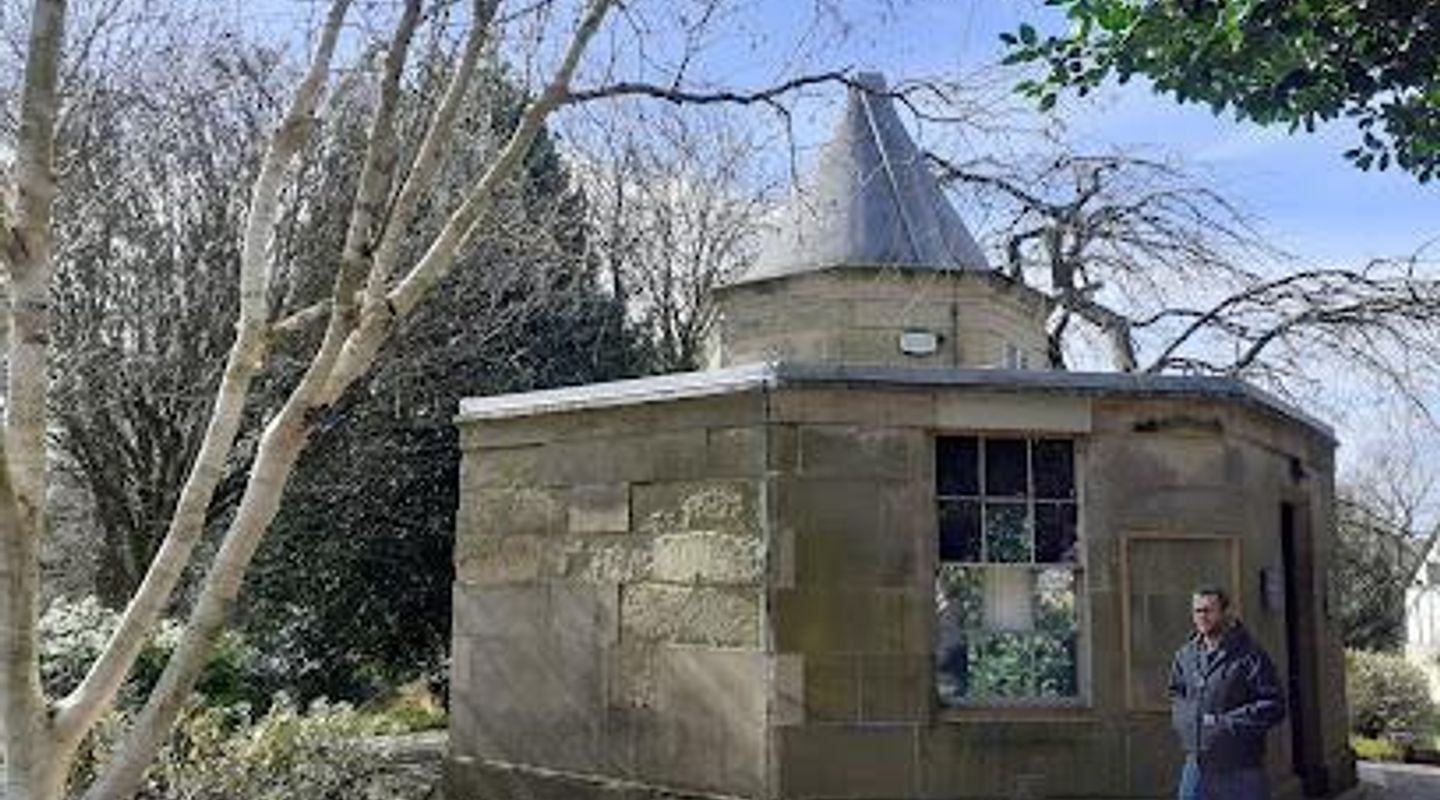
A brief summary of York Observatory
Explore Yorkshire’s oldest working observatory nestled in York’s scenic Museum Gardens, home to historic telescopes and star clocks.
York Observatory, located within York's Museum Gardens, is Yorkshire’s oldest working observatory, built in 1832-33. It houses a historic 4-inch refractor telescope made by Thomas Cooke in 1850 and an 1811 star-position clock that once set the time for all York clocks. Though public access is limited to special open nights, the observatory offers a fascinating glimpse into the city's rich astronomical heritage and scientific achievements.
On-site amenities
 Restrooms
 Drink options
 Food options
 Seating areas
 Information boards
- Address
- Museum Gardens, York YO30 7BH
- Phone
- Website
Getting there
Bus
Walking
Taxi
Discover more about York Observatory
A Storied Legacy of Astronomy in York
York Observatory stands as a remarkable testament to the city’s deep-rooted connection with astronomy. Constructed between 1832 and 1833, it is the oldest working observatory in Yorkshire. The observatory’s origins are intertwined with pioneering astronomers like John Goodricke and Edward Pigott, who in the late 18th century laid the foundations of variable star astronomy while based in York. Their legacy continues to influence the study of stars with varying brightness.
Historic Instruments and Innovations
At the heart of the observatory is a 4-inch refractor telescope crafted in 1850 by York native Thomas Cooke, a master instrument maker who later built the world’s largest telescope of his time. This telescope was installed during the observatory’s restoration in 1981 and remains a highlight for visitors. Another fascinating artifact is the 1811 clock that tells time based on stellar positions. Historically, this clock was the standard by which all other clocks in York were set, perpetually running four minutes and twenty seconds behind Greenwich Mean Time, reflecting the observatory’s unique astronomical timekeeping.
The Observatory’s Role and Public Engagement
While primarily a scientific facility, York Observatory opens its doors to the public during special 'open nights' and stargazing events, where visitors can peer through the historic telescope and learn about celestial phenomena. These events are led by knowledgeable volunteers passionate about astronomy, offering guided tours of the night sky and insights into planets, nebulae, and stars. The observatory’s setting in the tranquil Museum Gardens enhances the experience, combining natural beauty with scientific discovery.
Museum Gardens: A Historic and Scenic Setting
The observatory is nestled within Museum Gardens, a lush green space in central York that complements the historical and cultural significance of the site. The gardens provide a peaceful environment for reflection and exploration, with pathways that connect the observatory to other historic landmarks. This setting enriches the visitor experience, blending the allure of nature with the intrigue of astronomy.
Educational and Cultural Importance
York Observatory not only preserves important scientific instruments but also serves as a cultural beacon, celebrating York’s contribution to astronomy. The site honors figures like Goodricke and Pigott, whose work advanced the understanding of variable stars and comet discoveries. Educational displays and interpretative boards within the observatory provide context and engage visitors of all ages, fostering appreciation for the scientific heritage embedded in the city.
Visiting Experience and Atmosphere
Visitors to York Observatory can expect a quiet, contemplative atmosphere punctuated by moments of wonder during open nights. The observatory’s architectural charm, combined with its scientific treasures, creates a unique destination for those interested in astronomy and history. Although access is limited and requires advance planning, the experience offers a rare opportunity to connect with York’s astronomical past and gaze upon the cosmos through instruments that have witnessed centuries of celestial observation.
Evendo Review Centre
 Google
Guest reviews
Best time to go
Quietest: Jan, Feb & Dec · before 7am or from 11pm
Busy times are Evendo estimates for a typical year, to help you plan. Actual crowds vary with events, school holidays and the weather.
Explore York Observatory on the map
A handpicked selection of must-see spots near York Observatory, mapped for you.
Get your free copy of our complete guide to York Observatory, delivered straight to you.
Everything on this page, from opening hours and how to get there to Eve’s tips and the best time to go, in one PDF you can read offline, print or share.
Already have an account? Sign in
Your York Observatory guide is ready.
We'll send it to · Not you? Sign out

Getting your guide ready…
We are putting together a fresh copy of the York Observatory guide. This can take up to a minute.
This can take a few moments. If your browser asks, choose Allow so the download can start. You'll find the guide in your Downloads folder.
Nothing happened? Download it again
Sorry, the guide is taking longer than usual. Please try again in a minute, or get it by email instead.
Unlock the best of York Observatory
Skip-the-line tickets, guided tours with entry, and walking tours of the area, booked in a few clicks.

Other nearby places you may find interesting
The closest places of the same kind, if this one is not quite what you had in mind.
-
-
-
-
-


Swipe for more places
More to explore near York Observatory

 Best experiences near York Observatory
 Best hotels near York Observatory
 Best landmarks near York Observatory
 Best attractions near York Observatory
 Best shops near York Observatory
 Best restaurants near York Observatory
 Best bars near York Observatory
Do you manage this location?
Take control to get all the benefits, like improved information, better appearance, and stronger visibility across AI-powered discovery.
Explore more

Explore more of York
Explore York, a captivating city where medieval history meets modern charm. Discover York Minster, The Shambles, and a vibrant food scene in this must-visit UK destination.
Explore York
Explore more of United Kingdom
Discover the United Kingdom: A blend of rich history, stunning landscapes, and vibrant cities, offering a unique travel experience for every visitor.
Explore United Kingdom
