Multangular Tower, York Travel Guide
Free Guide: Explore York’s iconic ten-sided Roman tower blending ancient military might with medieval defense, nestled in serene Museum Gardens.


A brief summary of Multangular Tower
Explore York’s iconic ten-sided Roman tower blending ancient military might with medieval defense, nestled in serene Museum Gardens.
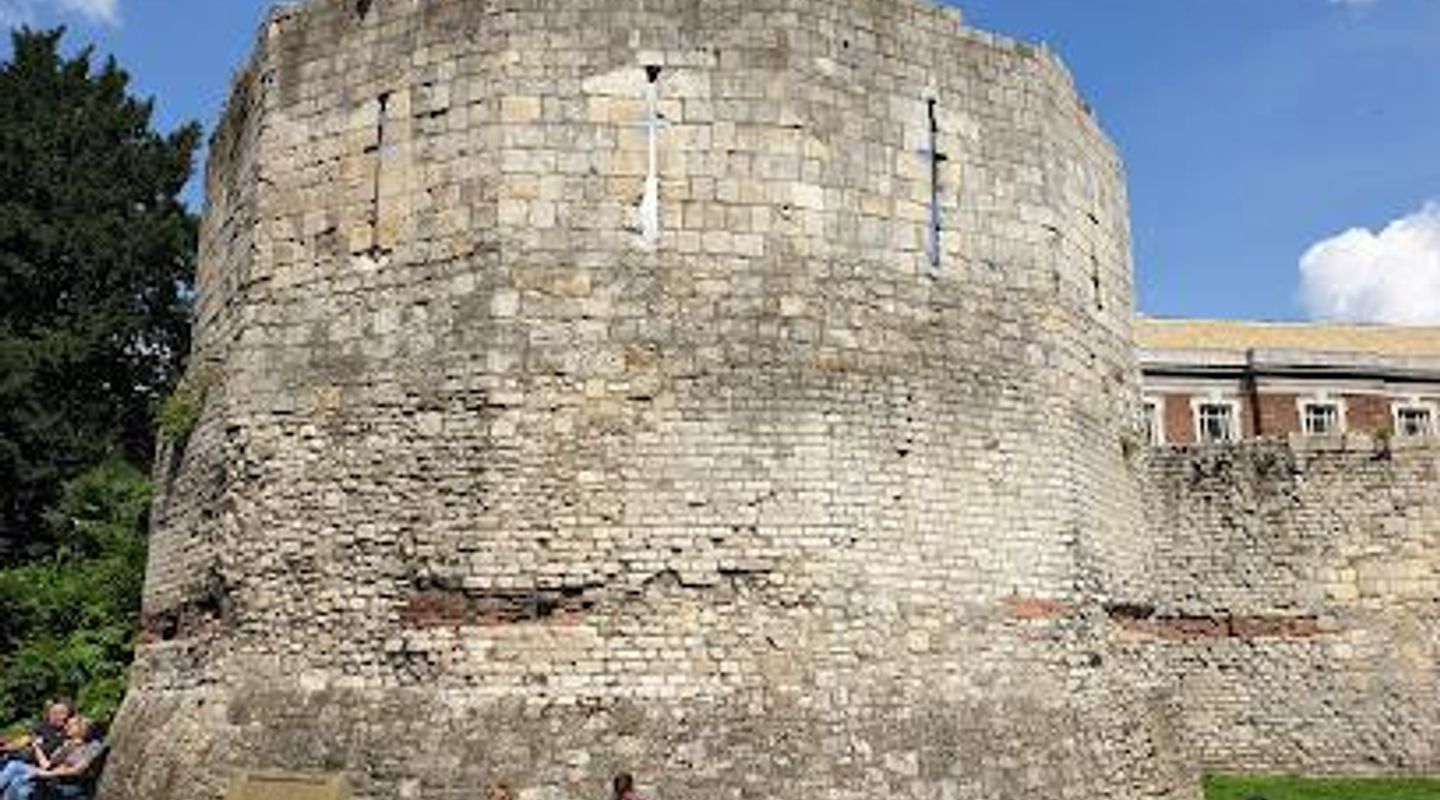
The Multangular Tower is a remarkable ten-sided Roman stone tower dating from the early 3rd century AD, located in York’s Museum Gardens. Originally part of the Roman legionary fortress’s west corner, it features well-preserved Roman masonry below and medieval reconstruction above. The tower offers a rare glimpse into York’s layered history, including visible damage from the English Civil War and displays of Roman coffins inside.
On-site amenities
 Restrooms
 Seating areas
 Information boards
 Visitor centre
Opening hours
- Every dayOpen 24 hours
Opening hours as listed on the venue’s Google Business Profile. Hours can change for services and special events, so check with the venue before you go.
- Address
- Bootham, York YO1 7DS
- Website
Getting there
Bus
Walking
Taxi
Discover more about Multangular Tower
Architectural Testament to Roman Military Engineering
The Multangular Tower stands as one of York’s most intact Roman structures, originally built in the early 3rd century AD as part of the legionary fortress’s defensive walls. Its distinctive ten-sided design, from which it derives its name, was an advanced architectural feature for the period. The tower would have originally reached over ten metres in height and contained three internal floors topped by a roof. Constructed from locally quarried limestone, the tower formed a critical part of the fortress’s western defenses, strategically positioned overlooking the River Ouse and River Foss confluence.
Medieval Adaptations and Continued Military Use
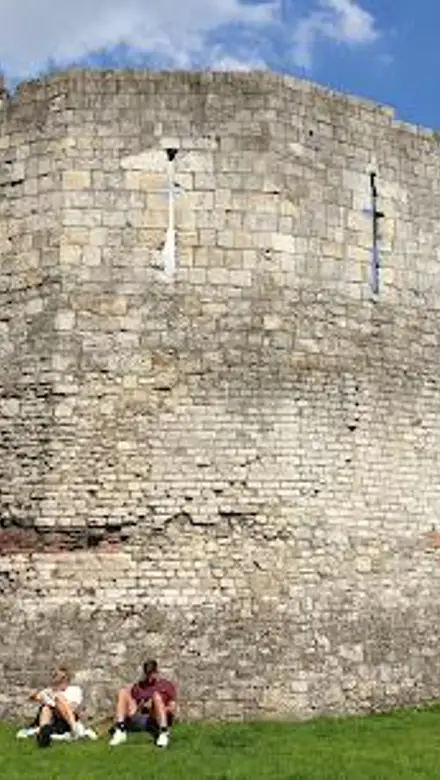
In the medieval period, the tower was rebuilt and heightened, with larger stone blocks added above the original Roman masonry. This reconstruction included the addition of cross-shaped arrow slits, designed for archers to defend the city while remaining protected. The tower’s medieval phase reflects York’s evolving defensive needs as the city expanded beyond the original Roman footprint. Remarkably, the tower remained militarily significant through the English Civil War, evidenced by visible cannonball damage on its northern side, a tangible reminder of the city’s turbulent history.
Integration into York’s Museum Gardens and Archaeological Significance
Today, the Multangular Tower is located within the tranquil Museum Gardens, a verdant space that houses various historical ruins and the Yorkshire Museum. The tower’s interior contains Roman coffins excavated from local graveyards, displayed to enrich visitors’ understanding of Roman burial practices. The juxtaposition of Roman and medieval masonry visible on the tower’s exterior offers a unique educational insight into centuries of architectural evolution and urban defense.
Historical Context of York’s Roman Fortress
York, known as Eboracum to the Romans, was established as a legionary fortress in AD 71 during the campaign against the Brigantes tribe. The fortress initially used earth and timber defenses before being rebuilt in stone around AD 210 under Emperor Severus. The Multangular Tower was one of eight defensive towers integrated into the fortress walls, with a matching tower at the south corner and six interval towers. Its location between two rivers provided natural defensive advantages, making it a vital military stronghold in Roman Britain.
Visitor Experience and Surrounding Heritage
Visitors to the Multangular Tower can explore its historic stonework and appreciate the layered history visible in its construction. Nearby, the picturesque ruins of St Mary’s Abbey and the Yorkshire Museum complement the experience, offering a broader narrative of York’s rich heritage. The Museum Gardens provide a peaceful setting to reflect on the city’s past, blending natural beauty with archaeological treasures.
Preservation and Cultural Importance
The Multangular Tower is a protected historical landmark, representing over 1,800 years of York’s history. Its preservation allows for ongoing archaeological study and public education. The tower’s survival through multiple eras—from Roman occupation to medieval fortification and Civil War battleground—makes it a unique symbol of resilience and continuity in York’s urban landscape.
Evendo Review Centre
 Google
Guest reviews
Best time to go
Quietest: Jan, Feb & Dec · before 7am or at 9pm
Busy times are Evendo estimates for a typical year, to help you plan. Actual crowds vary with events, school holidays and the weather.
Explore Multangular Tower on the map
A handpicked selection of must-see spots near Multangular Tower, mapped for you.
Get your free copy of our complete guide to Multangular Tower, delivered straight to you.
Everything on this page, from opening hours and how to get there to Eve’s tips and the best time to go, in one PDF you can read offline, print or share.
Already have an account? Sign in
Your Multangular Tower guide is ready.
We'll send it to · Not you? Sign out

Getting your guide ready…
We are putting together a fresh copy of the Multangular Tower guide. This can take up to a minute.
This can take a few moments. If your browser asks, choose Allow so the download can start. You'll find the guide in your Downloads folder.
Nothing happened? Download it again
Sorry, the guide is taking longer than usual. Please try again in a minute, or get it by email instead.
Unlock the best of Multangular Tower
Skip-the-line tickets, guided tours with entry, and walking tours of the area, booked in a few clicks.


Other nearby places you may find interesting
The closest places of the same kind, if this one is not quite what you had in mind.
-
-
-
-
-


Swipe for more places
More to explore near Multangular Tower

 Best experiences near Multangular Tower
 Best hotels near Multangular Tower
 Best landmarks near Multangular Tower
 Best attractions near Multangular Tower
 Best shops near Multangular Tower
 Best restaurants near Multangular Tower
 Best bars near Multangular Tower
Do you manage this location?
Take control to get all the benefits, like improved information, better appearance, and stronger visibility across AI-powered discovery.
Explore more
Explore more of York
Explore York, a captivating city where medieval history meets modern charm. Discover York Minster, The Shambles, and a vibrant food scene in this must-visit UK destination.
Explore York
Explore more of United Kingdom
Discover the United Kingdom: A blend of rich history, stunning landscapes, and vibrant cities, offering a unique travel experience for every visitor.
Explore United Kingdom