

Albert Dock (Liverpool) Travel Guide - Free
Explore Albert Dock in Liverpool with Evendo's free guide. Find the best shops, historic streets, restaurants, and gems on web or mobile.


Albert Dock in Liverpool blends Victorian warehouses, maritime museums, Beatles history, waterfront dining, galleries and Mersey views for curious visitors.
Warehouses Beside the Mersey
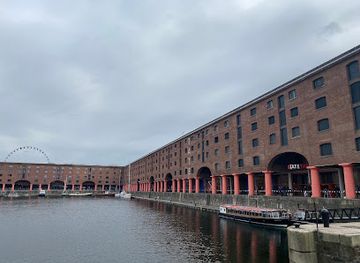
Albert Dock occupies a powerful stretch of Liverpool’s waterfront, where red-brick warehouses frame broad open basins and the River Mersey lies beyond the quays. Designed by Jesse Hartley and opened in 1846, the dock was built with fire-resistant construction and unusually substantial warehouses, giving it an architectural presence unlike Liverpool’s later commercial waterfront. Its enclosed waters, cast-iron details, granite edges and long colonnades now form a walkable public quarter rather than a working cargo dock.Read more about Albert Dock
Museums, Music and Memory
A Waterfront for Wandering
Best attractions in Albert Dock
Albert Dock’s principal attractions occupy the historic warehouses themselves. The Merseyside Maritime Museum traces Liverpool’s seafaring, port and migration histories through ship models, artefacts and displays, while the International Slavery Museum examines the city’s involvement in transatlantic slavery and its continuing legacies. The Beatles Story presents the group’s Liverpool origins through reconstructed settings and archival material. Tate Liverpool’s former Albert Dock galleries have played an important role in bringing modern and contemporary art to the waterfront, although the building is currently undergoing redevelopment. Outside the museums, the dock basin is an attraction in its own right: visitors can follow the quays, study the ironwork and brickwork, and look across the Mersey towards the Wirral. The nearby Museum of Liverpool and Pier Head are outside the dock complex but make natural extensions to a waterfront walk.
-
Historical landmark
Royal Albert Dock Liverpool
Liverpool’s iconic waterfront landmark blending rich maritime heritage with vibrant culture, dining, and world-class museums.
6 min walk · 0.5 km from neighbourhood centre
-
Tourist attraction
World Museum
Explore five floors of free exhibits from ancient civilizations to the cosmos in Liverpool’s engaging World Museum.
5 min drive · 1.8 km from neighbourhood centre
-
Tourist attraction
The Beatles Statue
Explore the iconic journey of The Beatles at Liverpool’s Royal Albert Dock in the world’s largest exhibition dedicated to the Fab Four.
13 min walk · 1.0 km from neighbourhood centre
-
Pub
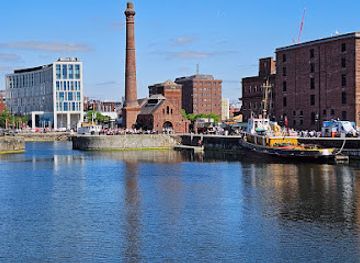
Pump House
Waterside Victorian pumphouse turned lively pub-restaurant on Albert Dock, serving classic British dishes and seasonal ales with dock views.
9 min walk · 0.7 km from neighbourhood centre


Best landmarks in Albert Dock
Albert Dock’s landmark quality lies in the survival and scale of its Victorian warehouse ensemble. Jesse Hartley’s red-brick buildings, granite quays, cast-iron columns and enclosed basin demonstrate how Liverpool’s nineteenth-century port stored valuable cargo beside the river while reducing the dangers of fire. The long façades and repeated warehouse bays give the complex a coherent architectural identity, while the dock gates, mooring fittings and water spaces retain evidence of its original industrial purpose. The former warehouse now occupied by Tate Liverpool is one of the most recognisable structures on the site, even while its gallery use is being redeveloped. The maritime museum buildings, the nearby Pier Head and the Museum of Liverpool belong to the wider waterfront setting rather than Albert Dock itself, but help explain the dock’s relationship with the port and the city.
-
Museum
The Beatles Story Museum, Liverpool
Explore the immersive journey through The Beatles’ legendary story at Liverpool’s iconic Royal Albert Dock museum.
6 min walk · 0.5 km from neighbourhood centre
-
Historical landmark
Old Wall Arch Albert Dock UK
Historic Georgian gateway at Liverpool’s Albert Dock, blending maritime heritage with vibrant cultural life and scenic waterfront charm.
8 min walk · 0.7 km from neighbourhood centre
-
Historical landmark
Albert Dock Pride Sculpture
A vibrant public artwork at Liverpool’s Royal Albert Dock celebrating LGBTQ+ pride, diversity, and the city’s rich maritime heritage.
7 min walk · 0.5 km from neighbourhood centre
-
Historical landmark
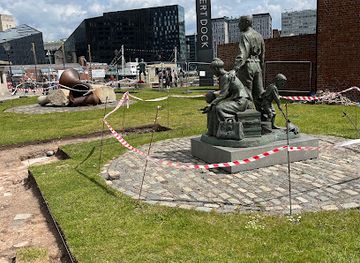
Legacy Sculpture
A powerful bronze tribute at Royal Albert Dock honoring Liverpool’s migrant heritage and the hopeful journeys to the New World.
8 min walk · 0.7 km from neighbourhood centre


Explore Albert Dock on the map
A handpicked selection of must-see spots in Albert Dock, mapped for you.
Best hotels in Albert Dock
Best restaurants in Albert Dock
Dining at Albert Dock is shaped by the restored warehouse interiors and the waterfront setting rather than by a single local cuisine. Restaurants and cafés occupy several of the old pavilions, offering Italian dining at Gusto Italian, Spanish-influenced food and drinks at Lunyalita, and a broad menu in the maritime-themed Smugglers Cove. There are also casual options for coffee, light meals and pre-museum stops, while the dock’s evening venues make the area useful for dinner as well as daytime sightseeing. The surrounding city centre adds a much wider choice within walking distance, but Albert Dock’s food scene is particularly defined by views across the basin, exposed brick interiors and the ability to combine a meal with museums or a riverside walk. Establishments and menus change, so visitors should check current arrangements directly rather than rely on historic listings.
-
Steak
Miller & Carter Albert Dock
Savor expertly crafted British and Irish steaks with panoramic Albert Dock views in Liverpool’s vibrant waterfront steakhouse.
7 min walk · 0.6 km from neighbourhood centre
-
Restaurant
The Botanist Albert Dock
A lush botanical bar and restaurant at Liverpool’s Albert Dock, blending garden-inspired charm with creative cocktails and vibrant dining.
6 min walk · 0.5 km from neighbourhood centre
-
Italian
Gusto Italian
Experience authentic Italian flavors in a sleek, elegant setting with panoramic views and a lively yet intimate atmosphere.
9 min walk · 0.7 km from neighbourhood centre
-
Grill
What's Cooking
Hearty American-Mexican grills with Mersey views in Liverpool's historic Albert Dock—a dockside dining staple since 1978.
5 min walk · 0.4 km from neighbourhood centre


Best bars in Albert Dock
Albert Dock’s nightlife is more restaurant- and bar-led than club-focused. The Smugglers Cove occupies a warehouse setting with a strong maritime theme, while nearby venues such as Revolución de Cuba contribute cocktails, music and late-evening socialising to the dock’s visitor economy. After dark, the illuminated brick façades and reflections across the basin create a different atmosphere from the daytime museum quarter, although the area is not Liverpool’s main concentration of nightclubs. Visitors seeking larger clubs, live-music rooms or a broader late-night circuit generally need to continue into the city centre, especially around Concert Square and adjacent streets outside Albert Dock. Evening activity is concentrated around the open restaurants and bars, with quieter stretches along the water and around the museums once cultural venues have closed.
-
Bar
Miller & Carter Albert Dock
Waterfront steakhouse at Albert Dock offering British and Irish cuts, a broad wine list and a lively bar in a glass-fronted, dockside setting.
7 min walk · 0.6 km from neighbourhood centre
-
Bar
The Botanist Albert Dock
Liverpool's dockside botanical bar and restaurant: lush greenery, creative cocktails, hanging kebabs, live music, and waterfront vibes for unforgettable gatherings.
6 min walk · 0.5 km from neighbourhood centre
-
Lounge
Revolución de Cuba Liverpool
Havana's spirit docks in Liverpool: rum flights, tapas feasts, live salsa, and waterfront cocktails at Albert Dock's Cuban cantina.
8 min walk · 0.6 km from neighbourhood centre
-
Bar
Revolution Liverpool - Albert Dock
Vibrant cocktails, riverside vibes, and non-stop nightlife in Liverpool's legendary Albert Dock—where dockside history meets modern revelry.
7 min walk · 0.6 km from neighbourhood centre


Best nightclubs in Albert Dock
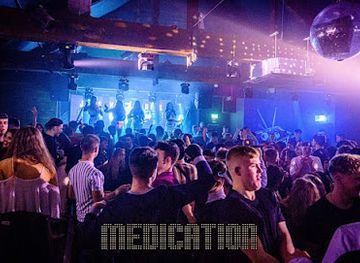
Albert Dock’s nightlife is more restaurant- and bar-led than club-focused. The Smugglers Cove occupies a warehouse setting with a strong maritime theme, while nearby venues such as Revolución de Cuba contribute cocktails, music and late-evening socialising to the dock’s visitor economy. After dark, the illuminated brick façades and reflections across the basin create a different atmosphere from the daytime museum quarter, although the area is not Liverpool’s main concentration of nightclubs. Visitors seeking larger clubs, live-music rooms or a broader late-night circuit generally need to continue into the city centre, especially around Concert Square and adjacent streets outside Albert Dock. Evening activity is concentrated around the open restaurants and bars, with quieter stretches along the water and around the museums once cultural venues have closed.
-
Nightclub
ELECTRIK WAREHOUSE
Liverpool's multi-floor warehouse nightclub blasting dance, RnB, indie, and charts till 4am in quirky industrial surrounds—pure nightlife adrenaline.
16 min walk · 1.3 km from neighbourhood centre
-
Nightclub
Popworld - Liverpool
Liverpool's ultimate cheesy pop haven: 90s bangers, cheap drinks, and dance-'til-dawn vibes in the heart of Ropewalks.
16 min walk · 1.3 km from neighbourhood centre
-
Nightclub
Ink Bar Liverpool
Liverpool's premier R&B and house nightclub, where cocktails flow, beats thump, and nights extend till dawn in stylish Wood Street surrounds.
17 min walk · 1.3 km from neighbourhood centre
-
Nightclub
LEVEL Nightclub Liverpool
Liverpool's colossal three-floor nightclub in Ropewalks: R&B, house beats, VIP booths, lasers, and ball pits fuel epic nights till 4am.
16 min walk · 1.3 km from neighbourhood centre


Best shops in Albert Dock
Shopping at Albert Dock is centred on visitor-oriented retail within the restored warehouses rather than a conventional high street. Museum shops linked to the Merseyside Maritime Museum, the International Slavery Museum and The Beatles Story offer books, records, exhibition merchandise, gifts and educational material associated with Liverpool’s maritime and musical histories. The Tate Liverpool shop has traditionally provided art books, design objects and gallery-related gifts, although its Albert Dock arrangements depend on the current redevelopment programme. Small galleries, craft-oriented outlets and independent gift retailers appear among the restaurants and attractions, but the range is more focused than that of the nearby Liverpool ONE shopping district. Visitors can therefore browse for cultural souvenirs and design-led presents while exploring the dock, then continue inland for mainstream fashion and department-store retail.
-
Jewellery Store
Nature's Treasure
Intimate jewellery boutique in The Colonnades, offering handcrafted pieces, bespoke commissions and restoration inside Liverpool’s historic Albert Dock.
6 min walk · 0.5 km from neighbourhood centre
-
Souvenir Shop
With Love From Liverpool
Heartfelt souvenirs from Liverpool's iconic dockside, brimming with Beatles magic, football passion, and Mersey pride in every treasure.
6 min walk · 0.5 km from neighbourhood centre
-
Clothing Shop
Lost Soles
Unique graphic tees and menswear in Liverpool's historic Albert Dock – independent style with waterfront flair.
6 min walk · 0.5 km from neighbourhood centre
-
Souvenir Shop
Pride of Liverpool
Whistle-stop souvenirs celebrating Liverpool pride and Britain's iconic cities in the heart of Royal Albert Dock's historic colonnades.
7 min walk · 0.5 km from neighbourhood centre


Albert Dock essentials
Getting There
Getting Around
Safety
Emergency Situations
Do's and Don'ts
Local Tips

From Eve
Local phrases worth knowing
You don't need to get them perfect. A few words go a long way, and locals appreciate the effort.
Basics
| English | Local | Say it |
|---|---|---|
| Hello | Alright | [al-right] |
| Goodbye | Ta-ra | [ta-rah] |
| Yes | Aye | [aye] |
| No | Nah | [nah] |
| Please/You're welcome | Please/Ta | [please/ta] |
| Thank you | Cheers | [cheers] |
| Excuse me/Sorry | Sorry | [sorry] |
| How are you? | Alright mate? | [al-right mate] |
| Fine. And you? | Sound. You? | [sound. you?] |
| Do you speak English? | Do you speak English? | [do you speak English?] |
| I don't understand | I ain't got a scooby | [I ain't got a scooby] |
Eating & Drinking
| English | Local | Say it |
|---|---|---|
| I'd like to see the menu, please | Can I have a gander at the menu, please | [can I have a gander at the menu, please] |
| I don't eat meat | I don't eat meat | [I don't eat meat] |
| Cheers! | Cheers! | [cheers] |
| I would like to pay, please | Can I settle up, please | [can I settle up, please] |
Emergencies
| English | Local | Say it |
|---|---|---|
| Help! | Help! | [help!] |
| Go away! | Sod off! | [sod off!] |
| Call the Police! | Ring the bobbies! | [ring the bobbies!] |
| Call a doctor! | Get a doctor! | [get a doctor!] |
| I'm lost | I'm proper lost | [I'm proper lost] |
| I'm ill | I'm feeling rough | [I'm feeling rough] |
Shopping
| English | Local | Say it |
|---|---|---|
| I'd like to buy... | I'm after... | [I'm after...] |
| I'm just looking | Just browsing, ta | [just browsing, ta] |
| How much is it? | How much is that? | [how much is that?] |
| That's too expensive | That's a bit steep | [that's a bit steep] |
| Can you lower the price? | Can you budge on the price? | [can you budge on the price?] |
Time & Numbers
| English | Local | Say it |
|---|---|---|
| What time is it? | What's the time? | [what's the time?] |
| It's one o'clock | It's one on the dot | [it's one on the dot] |
| Half past (10) | Half ten | [half ten] |
| Morning | Morning | [morning] |
| Afternoon | Afternoon | [afternoon] |
| Evening | Evening | [evening] |
| Yesterday | Yesterday | [yesterday] |
| Today | Today | [today] |
| Tomorrow | Tomorrow | [tomorrow] |
| 1 | One | [one] |
| 2 | Two | [two] |
| 3 | Three | [three] |
| 4 | Four | [four] |
| 5 | Five | [five] |
| 6 | Six | [six] |
| 7 | Seven | [seven] |
| 8 | Eight | [eight] |
| 9 | Nine | [nine] |
| 10 | Ten | [ten] |
Transport & Directions
| English | Local | Say it |
|---|---|---|
| Where's a/the...? | Where's the...? | [where's the...?] |
| What's the address? | What's the postcode? | [what's the postcode?] |
| Can you show me (on the map)? | Can you point me in the right direction? | [can you point me in the right direction?] |
| When's the next (bus)? | When's the next bus? | [when's the next bus?] |
| A ticket (to ....) | Single (to ...) | [single (to ...)] |
History of Albert Dock
A New Enclosed Dock
Albert Dock opened in 1846 as part of Liverpool’s expanding dock system, replacing an earlier tidal inlet known as Canning Dock in the wider waterfront area. Engineer Jesse Hartley designed the complex with massive brick warehouses, cast iron and granite, allowing goods to be loaded directly from ships into secure storage. Its fire-resistant construction was particularly significant in a port where timber warehouses and combustible cargo presented constant risks. The dock was named after Prince Albert, who formally opened the system during his visit to Liverpool. Its position close to the river and the commercial centre made it an important piece of the Victorian port.
Trade, Empire and Working Life
During the nineteenth and early twentieth centuries, the dock handled valuable cargoes including cotton, brandy, sugar and other imported goods moving through Liverpool’s global trading network. Its warehouses were places of intense labour, with dockers, warehouse workers, sailors, merchants and customs officials shaping the daily life of the waterfront. The prosperity represented by the architecture was inseparable from imperial commerce and from systems of forced labour and enslavement that had enriched Liverpool’s port economy. The later International Slavery Museum, developed within the maritime museum complex, gives this history a permanent local setting beside the buildings that benefited from maritime trade.
Decline of the Working Dock
Changing cargo-handling methods and the rise of containerisation made Albert Dock increasingly unsuitable for modern shipping. The dock closed to commercial traffic in 1972, leaving its vast warehouses and quaysides underused as Liverpool’s port activity moved downstream to larger facilities. Unlike many Victorian dock buildings, the complex survived largely intact, but its future was uncertain during the economic difficulties affecting the city in the 1970s. The preservation of its architecture eventually made it a strong candidate for a new cultural and visitor role rather than demolition or wholesale rebuilding.
Regeneration as a Cultural Quarter
The redevelopment of Albert Dock during the 1980s transformed the abandoned maritime complex into a mixed cultural and leisure district. The Merseyside Maritime Museum opened in the dock in 1980, followed by Tate Liverpool in 1988, while restaurants, shops and offices brought new activity into the restored warehouses. The Beatles Story later added a dedicated attraction centred on Liverpool’s musical heritage. This regeneration became one of the most visible changes to the city’s waterfront, preserving the dock’s historic form while changing its function from cargo storage to museums, hospitality, retail and public space.
Albert Dock in Photos
Browse through our photo collection highlighting the charm and character of the destination.
Neighbourhoods near Albert Dock
The closest neighbourhoods to Albert Dock, if you have time for more than one stop.
-

-

-


Swipe for more neighbourhoods
Explore more

Explore more of Liverpool
Liverpool blends maritime history, Beatles heritage, world-class museums, football passion and waterfront architecture with lively neighbourhoods and culture.
Explore Liverpool