Piazza Fountain, Liverpool Travel Guide
Discover Liverpool’s iconic 1967 kinetic Bucket Fountain, a dynamic water sculpture blending history, art, and sound in Beetham Plaza.
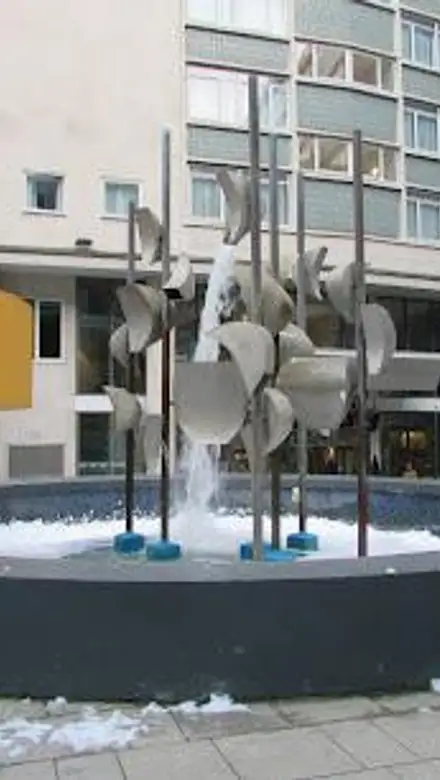
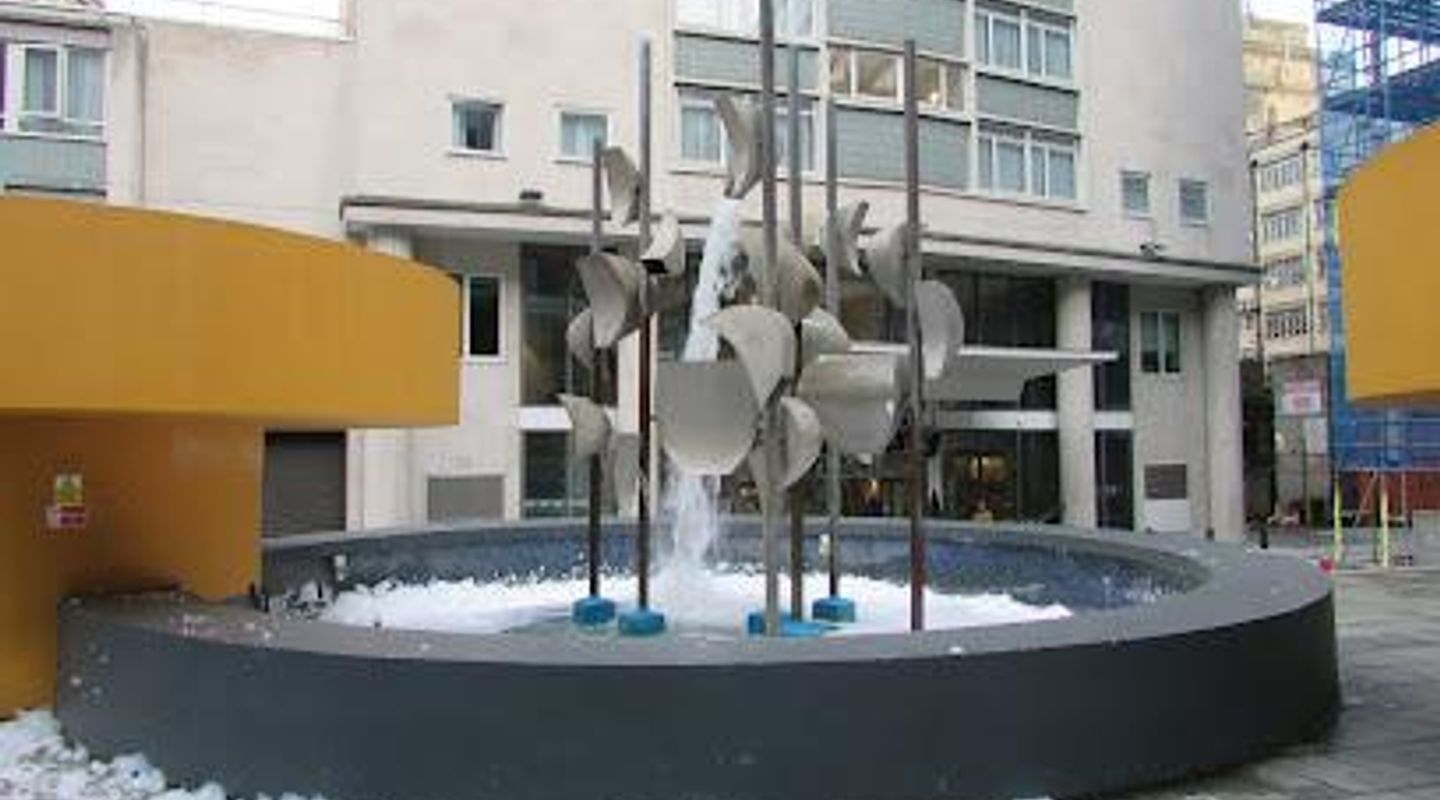
The Piazza Fountain, also known as the Bucket Fountain, is a unique kinetic water sculpture located in Beetham Plaza, Liverpool. Created by Welsh sculptor Richard Huws in 1967, this iconic fountain features pivoted buckets that fill and tip water in unpredictable sequences, producing a dynamic sound and visual display. It stands on the historic site of the former Goree Piazza warehouses, commemorating Liverpool’s layered history including its connection to the abolition of slavery.
A brief summary to Piazza Fountain
- Liverpool, Liverpool, GB
- Click to display
- Duration: 0.25 to 1 hours
- Free
-
 Outdoor
- Mobile reception: 5 out of 5

Know before you go
Hi, I'm Eve. Here are a few practical things to know before exploring Piazza Fountain.
- Visit the fountain’s viewing platforms to experience close-up views of the tipping buckets and their unique water sounds.
- Read the bronze plaque shaped like an African shield to understand the historical significance of Goree Piazza and its links to abolitionism.
- Combine your visit with nearby Liverpool waterfront attractions to explore the city’s cultural heritage fully.
- Check restoration updates or temporary closures before visiting, as the fountain has undergone conservation work.
Do you manage this location?
Take control to get all the benefits, like improved information, better appearance, and stronger visibility across AI-powered discovery. Learn more about listing your business on Evendo
Activate your presenceOther nearby places you may find interesting
The closest places of the same kind, if this one is not quite what you had in mind.

Explore Piazza Fountain on the Map
A handpicked selection of must-see spots near Piazza Fountain, mapped for you.
Unlock the Best of Piazza Fountain
Buy tickets
-
No tickets available
Book tours with entry

Book tours without entry

Getting There
-
Bus
Take Liverpool City Line buses 10A or 10B from Liverpool Lime Street Station to Beetham Plaza; journey time approximately 15-20 minutes. Buses run frequently every 10-15 minutes. Single fare costs around £2.50 GBP.
-
Train and Walk
From Liverpool Lime Street Station, walk approximately 20 minutes (1.5 km) through the city center to Beetham Plaza. The route is mostly flat and accessible, passing through Liverpool’s commercial district.
-
Taxi or Rideshare
A taxi or rideshare from Liverpool Lime Street Station to Beetham Plaza takes about 7-10 minutes depending on traffic. Typical fare ranges from £6 to £10 GBP.
For the on-the-go comforts that matter to you
-
 Seating Areas
-
 Information Boards
-
 Trash Bins
Discover more about Piazza Fountain
A Symbol of Liverpool’s Artistic and Historical Heritage
The Piazza Fountain, situated within Liverpool’s World Heritage Site at Beetham Plaza, is a remarkable example of mid-20th century public art. Designed and welded by Richard Huws in 1967, it is the last surviving public fountain sculpture by him and one of only two ‘bucket’ fountains worldwide. The fountain’s design was commissioned by the Merseyside Civic Society and represents a bold, kinetic water sculpture with pivoted buckets that fill and tip water in random sequences, creating a lively interplay of sound and movement. This innovative approach broke away from traditional steady-flow fountains, offering a playful and unpredictable sensory experience.Historical Context and Site Significance
The fountain stands on the site formerly known as Goree Piazza, named after the Goree Island off the coast of Senegal, a poignant reminder of Liverpool’s historical connections to the transatlantic slave trade. The original Goree Piazza warehouses, built in the 18th century, were destroyed by bombing during World War II and later demolished. The fountain commemorates this layered past, with a bronze plaque in the shape of an African shield explaining the history of the site and its links to abolitionist Wilberforce House nearby. The piazza itself is notable as the first and possibly only purpose-built open square in Liverpool designed with integrated public artwork, reflecting the city’s post-war urban regeneration.Engineering and Artistic Innovation
The fountain’s engineering was a collaboration between artist Richard Huws and the engineers at Cammell Laird. The pivoted buckets are suspended on rods and fill with water until tipping over, creating a cascade that is both visual and auditory. Huws described the fountain as a “waterfall of a strange new kind,” emphasizing its departure from monotonous bubbling to a dynamic, restless sea-like movement. The fountain’s soundscape varies with the random filling and emptying of buckets, making each viewing unique. This kinetic sculpture exemplifies 1960s experimentation with public art and remains an outstanding example of this genre.Conservation and Community Value
Recognized for its national significance, the Piazza Fountain was granted Grade II listed status in 2019, highlighting its importance as a heritage asset. The fountain has been the focus of conservation efforts to restore and preserve its structure, pump room, and viewing platforms. Local campaigns have rallied to save the fountain from removal, reflecting its status as a beloved symbol of Liverpool’s cultural and architectural heritage. The fountain continues to engage residents and visitors alike, offering a lively, interactive public space within the city’s urban fabric.Visitor Experience and Atmosphere
Visitors to the Piazza Fountain can enjoy the lively spectacle of water-filled buckets tipping and splashing, accompanied by the varying sounds produced. The plaza’s design allows for close viewing from platforms that offer unique perspectives of the fountain’s mechanics. The surrounding area, part of Liverpool’s historic docklands, adds to the atmosphere with views of the waterfront and nearby heritage sites. The fountain’s playful character and historical resonance make it a distinctive stop for those exploring Liverpool’s rich cultural landscape.Legacy and Cultural Impact
Beyond its physical presence, the Piazza Fountain has inspired local artists and musicians, becoming part of Liverpool’s creative identity. Its commissioning during the 1960s reflects a period of ambitious public art projects aimed at revitalizing urban spaces. Today, it stands as a testament to innovative design, historical remembrance, and community engagement, bridging Liverpool’s past and present through art and architecture.












Your all‑in‑one travel companion app
Explore expert travel guides, compare and book tours, experiences, hotels, and more—all from the palm of your hand. Download now for seamless trip planning wherever your wanderlust takes you.


Explore More of Liverpool
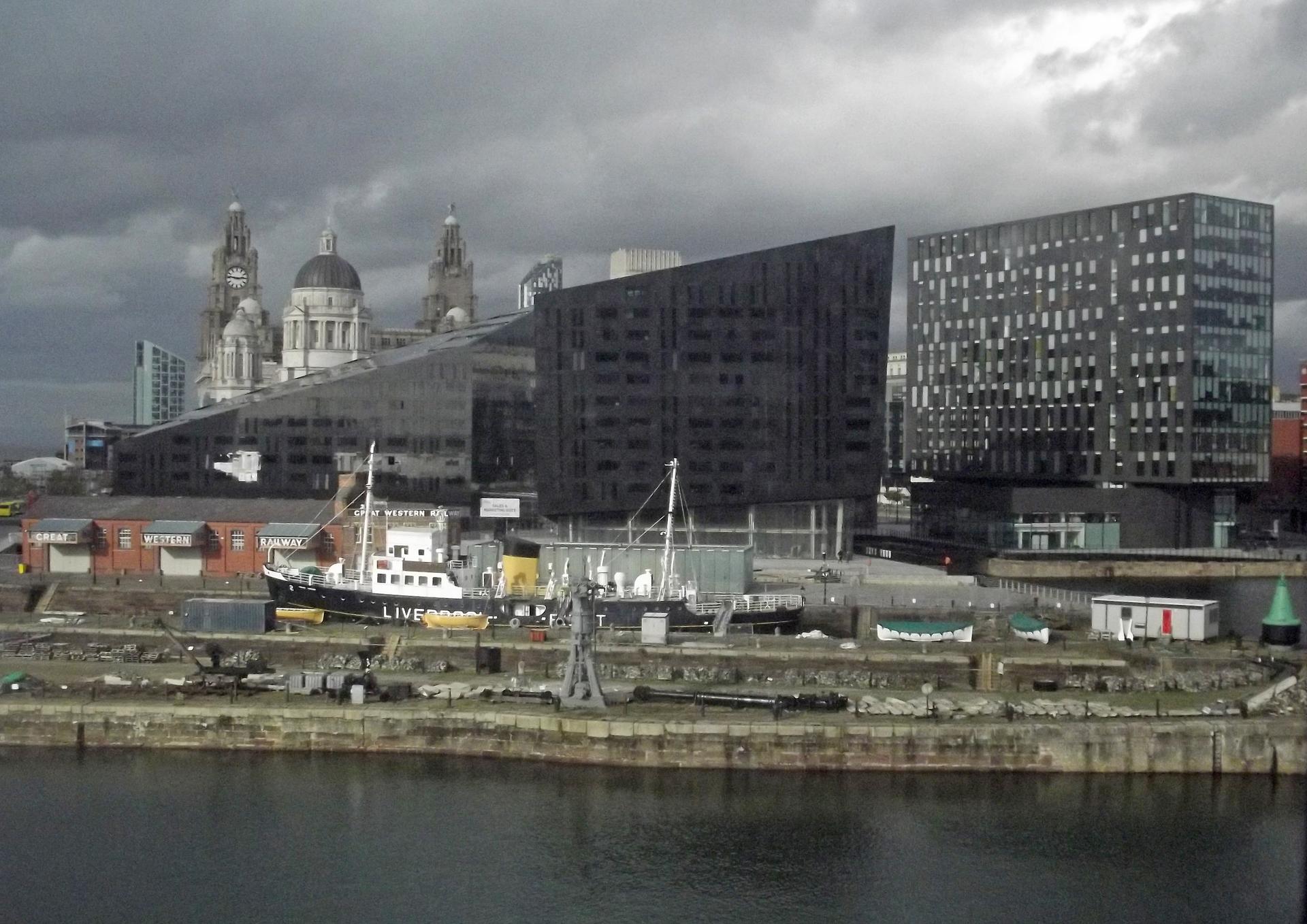
Looking beyond Piazza Fountain? Discover Liverpool for broader travel guides, local hot-spots, and regional highlights.
Explore Liverpool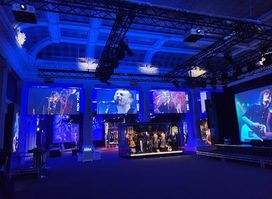
Explore the vibrant history of British pop and rock music through iconic memorabilia and interactive experiences in Liverpool’s Cunard Building.

A dynamic 1960s kinetic water sculpture in Liverpool’s historic Goree Piazza, blending art, history, and community spirit.