

St James Garlickhythe
Wren's luminous masterpiece on Garlick Hill, where medieval history meets architectural brilliance and mystery.
St James Garlickhythe, known as 'Wren's Lantern', is a historic Anglican church on Garlick Hill in the City of London. Originally established in Anglo-Saxon times and rebuilt by Sir Christopher Wren following the Great Fire of 1666, this architectural gem features the highest ceiling of any Wren church and exceptional natural light. The church maintains traditional 1662 Book of Common Prayer services and holds significant historical records, including England's oldest parish registers dating to 1535. Its ornate Portland stone steeple, mysterious mummified remains, and deep connections to the Vintners' Livery Company make it a compelling destination for history enthusiasts and spiritual seekers alike.
A brief summary to St James Garlickhythe
- Garlick Hill, London, EC4V 2AF, GB
- +442036331927
- Visit website
- Duration: 0.5 to 2 hours
- Free
-
 Indoor
- Mobile reception: 5 out of 5
Local tips
- Visit on a weekday morning to experience the church's exceptional natural light and architectural details without crowds. The bright interior is particularly stunning in clear weather.
- Attend the Sunday 10:30 a.m. Sung Eucharist to experience traditional 1662 Book of Common Prayer worship with choral music in an intimate, historically authentic setting.
- Look for the scallop shell motifs on the exterior and interior—symbols of St James the Apostle and markers of this church's role as a medieval pilgrimage site.
- Examine the salvaged woodwork and furnishings from St Michael Queenhithe, including the choirstalls with doorframes from the medieval church, which tell the story of London's ecclesiastical history.
- Ask the staff about the church's oldest parish registers (dating to 1535) and the legend of Jimmy Garlick, the mysterious mummified figure discovered in the vaults.

For the on-the-go comforts that matter to you
- Restrooms
- Seating Areas
- Information Boards
Getting There
-
London Underground
Take the District, Circle, or Central Line to Cannon Street station. Exit and walk north-northwest up Cannon Street for approximately 350 meters, then turn onto Garlick Hill. The church is located at the top of the hill. Journey time from central London is typically 15–25 minutes depending on your starting point and service frequency.
-
London Underground (Alternative)
Take the District or Circle Line to Mansion House station. Exit and walk north along Queen Victoria Street for approximately 250 meters, then turn right onto Garlick Hill. The church entrance is at the top of the hill. Total journey time is typically 12–20 minutes from central London.
-
Bus
Multiple bus routes serve the area, including routes 15, 40, and 76, which stop near Cannon Street or on Upper Thames Street. Alight at stops near Garlick Hill and walk uphill to reach the church. Journey times vary from 20–40 minutes depending on traffic and your starting location. Buses run frequently throughout the day.
-
Walking
If you are in the City of London or nearby areas such as St Paul's Cathedral or the Thames riverfront, St James Garlickhythe is accessible on foot. From St Paul's Cathedral, the walk takes approximately 12–15 minutes heading southeast. The route involves moderate gradients on Garlick Hill itself. The church is situated on a narrow historic street with limited vehicle traffic, making it a pleasant pedestrian destination.
St James Garlickhythe location weather suitability
-
 Any Weather
Discover more about St James Garlickhythe
A Sacred Site Through the Centuries
St James Garlickhythe has occupied its position on Garlick Hill since Anglo-Saxon times, making it one of London's most enduring places of worship. The church is first documented in a will dated between 1096 and 1115, though archaeological and historical evidence suggests a sacred structure stood here far earlier. The name itself reveals the area's medieval character: 'hythe' derives from the Saxon word for landing place or jetty, while 'Garlick' refers to the garlic that was unloaded and traded along the Thames banks by local merchants. The church became an important spiritual and commercial hub, serving as a stop on the pilgrimage route to Santiago de Compostella, as indicated by the scallop shell motif adorning its exterior. In the fourteenth century, the medieval church was substantially rebuilt by Richard de Rothing and his son John, both members of the Vintners' guild. This reconstruction established much of the footprint that the current building occupies today. By the following century, St James had grown into a significant parish church, supported by numerous chantries and served by priests who maintained quarters within the church complex. The church became closely associated with the Vintners' Livery Company, a relationship that has endured for over 650 years and remains central to the church's identity.Wren's Architectural Triumph and Restoration
The Great Fire of 1666 destroyed the medieval church entirely, but Sir Christopher Wren's vision transformed the loss into an architectural masterpiece. The foundation stone was laid in 1676, and the church reopened on 10 December 1682, with completion following in 1683. Wren's design is remarkable for its structural innovation: St James is unusual among City Wren churches in possessing a structurally separate sanctuary, and its nave reaches forty feet in height—the highest of any Wren church apart from St Paul's Cathedral itself. The architect's masterful use of extensive glazing and careful proportioning earned the church its enduring nickname, 'Wren's Lantern', a testament to the brilliant natural light that floods the interior. The steeple, completed to specifications by Nicholas Hawksmoor in 1717, stands as one of the City's most beautiful and ornate structures, its pure white Portland stone resembling an elaborate wedding cake. The gallery with its handsome double staircase was added to accommodate the organ, installed in 1718 by Johann Knoppell, though it is believed to have been originally constructed by Bernhard Schmidt, known as 'Father Smith'. The chancel was enlarged in 1876 to accommodate the pulpit and choirstalls, which were salvaged from the demolished St Michael Queenhithe. The backs of these stalls were ingeniously fashioned from the doorframes of the old church, creating a tangible link to the medieval structure that preceded Wren's design.Treasures, Records, and Historical Significance
St James holds some of England's most precious historical records. The parish registers, initiated in 1535—three years before Henry VIII's mandate requiring churches to maintain such records—represent the oldest continuous parish registers in England. The first entry documents the baptism of Edward Butler on 18 November 1535. These ancient registers, along with other City records, are now preserved at the London Metropolitan Archives, ensuring their protection for future generations. The church's historical importance is further underscored by the presence of six Lord Mayors buried within its medieval walls, commemorated by plaques on the north wall. The interior contains remarkable original and salvaged woodwork, including an altar table carved with doves, a marble font with carved cherubs' heads, and the mayoral swordrest adorned with lion and unicorn supporters. The finely carved and painted Stuart coat of arms on the south wall, transferred from St Michael Queenhithe, contrasts with St James' own Georgian arms displayed on the north wall. In 1815, the great east window was replaced by a painting of the Ascension by Andrew Geddes, ARA, which remains a focal point of the chancel. The church is also home to the Royal Jubilee Bells, cast in 2012 to commemorate the Diamond Jubilee of Her Majesty Queen Elizabeth II.The Mystery of Jimmy Garlick and Supernatural Legend
Perhaps the most intriguing aspect of St James Garlickhythe is the mystery surrounding its famous mummy, known affectionately as 'Jimmy Garlick'. Discovered in the church vaults in the 1830s in a state of almost perfect preservation, this small, wizened figure was long believed to be an adolescent boy from the late seventeenth century. For many years, Jimmy was displayed in a glass case in the vestry, where visitors paid a small fee to view the curious remains. Over the decades, the mummy was moved throughout the church—from the vaults to a cupboard in the narthex, and even behind the organ—accumulating folklore and ghost stories along the way. Visitors have reported feeling an unexplained presence in the building, attributing these sensations to Jimmy's spirit. Today, Jimmy rests in a fine coffin hidden within the body of the church, his existence as a tourist attraction mercifully ended, though the legend surrounding him persists.Resilience Through War and Modern Challenges
St James survived both World Wars with remarkable fortune. During a Zeppelin raid in 1915, a bomb came dangerously close to the structure. In 1941, another bomb pierced the roof but miraculously failed to detonate, sparing the church from destruction while the surrounding area suffered heavy damage from incendiaries. The magnificent clock at the front of the church, however, was destroyed during the bombing campaigns. A replica, installed in 1988, faithfully recreates the 1682 original and was restored with significant support from the Vintners' Livery Company. In 1991, the church faced an unexpected challenge when a crane collapsed during the construction of Vintners Hall across the road, and the jib came through the wall of the south transept, destroying the rose window and causing considerable internal damage. The church's resilience and the dedication of its community ensured its restoration and continued operation.Living Tradition and Contemporary Worship
Today, St James Garlickhythe remains a beacon of traditional Anglican worship. Services are drawn from the 1662 Book of Common Prayer, a practice the church has maintained since the seventeenth century, with readings from the King James Bible. The Sunday Sung Eucharist at 10:30 a.m. features traditional choral music and maintains the liturgical practices that have defined the church for centuries. St James serves as the church of the Intelligence Corps and holds the Book of Remembrance, honoring those who have served in this vital organization. The church is also the Guild Church for ten Livery Companies, though its strongest association remains with the Vintners' Company, whose connection to the site spans over six and a half centuries. In front of the church stands a bronze statue of Martin Spencer, the Bargemaster of the Vintners' Company, accompanied by a swan, commemorating the annual Swan Upping ceremony that has taken place on the Thames for at least five hundred years.Iconic landmarks you can’t miss

St Michael's Church : Paternoster Royal
0.1 km
Historic Anglican church on College Hill, rebuilt by Wren and linked to Dick Whittington, featuring stunning stained glass and a Hawksmoor spire.

Historic England
0.2 km
Discover the rich tapestry of England's history at Historic England, a key organization dedicated to preserving the nation’s architectural treasures.
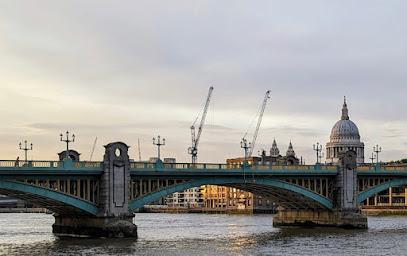
Southwark Bridge
0.2 km
A graceful steel-arched Thames crossing with a rich history, distinctive green-and-yellow detailing, and a key role in London’s illuminated river landscape.
London Stone (remaining part)
0.3 km
Discover London Stone, the ancient and mysterious limestone relic at 111 Cannon Street, a symbol of London's enduring history and legend.

113 Cannon St
0.3 km
A distinguished Grade II listed classical building in London’s financial district, showcasing early 20th-century architectural elegance.
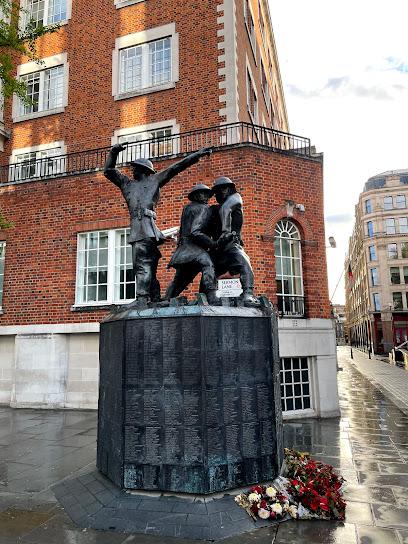
The National Firefighters Memorial
0.4 km
A solemn tribute in London honoring the bravery and sacrifice of firefighters who served during the Blitz and beyond.
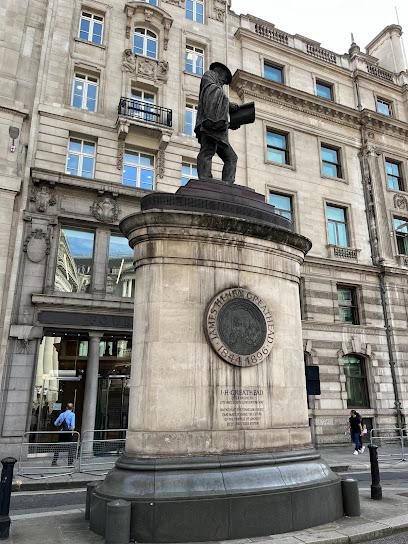
Statue of James Henry Greathead
0.5 km
Discover the statue honoring James Henry Greathead, the engineer whose invention shaped London's iconic Underground tunnels.
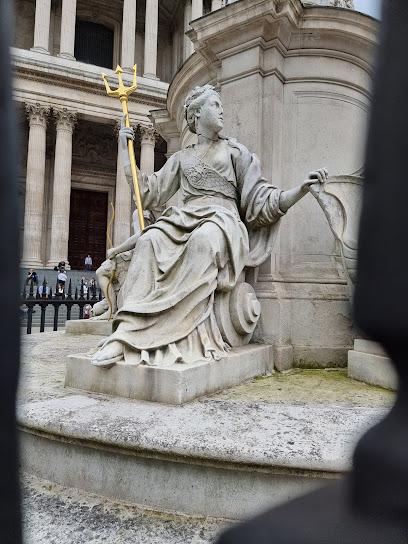
Queen Anne Statue
0.5 km
Historic statue commemorating Queen Anne’s reign and the completion of St. Paul’s Cathedral, symbolizing Britain’s royal heritage and resilience.
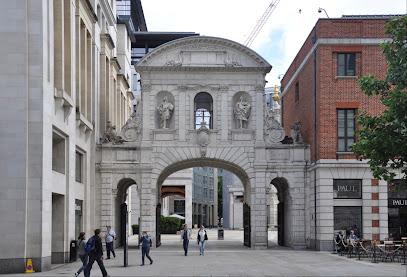
Temple Bar London
0.5 km
Explore Temple Bar, London’s historic ceremonial gateway rebuilt by Christopher Wren, rich with royal heritage and striking 17th-century architecture.
Monument to the Great Fire of London
0.5 km
An iconic Doric column commemorating the Great Fire of London, offering panoramic city views from its historic 311-step climb.

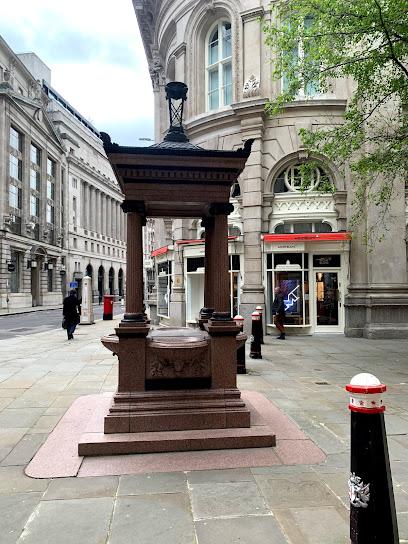
Cornhill Fountain
0.6 km
A historic cast-iron water pump outside the Royal Exchange, symbolizing centuries of London's civic pride and public health innovation.
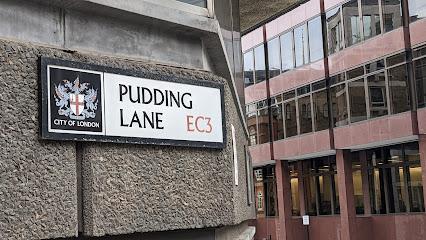
Pudding Ln
0.6 km
Explore Pudding Lane, a historic London street where the Great Fire ignited, and discover the rich heritage and vibrant culture of the City.
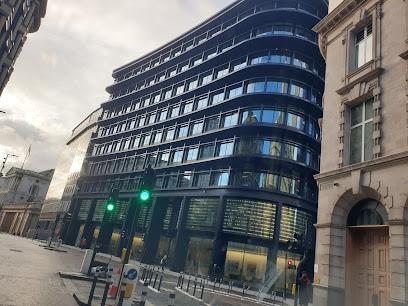
Threadneedle St
0.6 km
Historic Threadneedle Street: London’s iconic financial artery, home to the Bank of England and centuries of economic heritage.
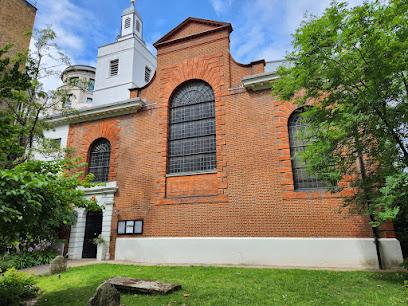
St Anne & St Agnes Church
0.6 km
Discover the serene St Anne & St Agnes Church, a historical Anglican gem in London, offering stunning architecture and a peaceful atmosphere.
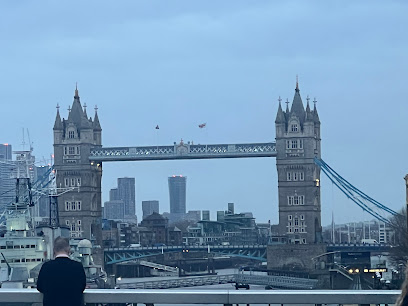
The London Bridge Experience & London Tombs
0.6 km
Discover London's haunting past at The London Bridge Experience, where history and thrills meet in an unforgettable adventure.
Unmissable attractions to see

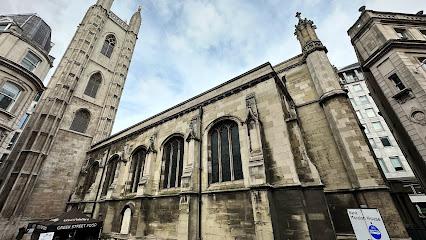
St Mary Aldermary
0.2 km
Discover St Mary Aldermary, a rare 17th-century Gothic Revival church by Wren’s office, blending medieval roots with stunning architecture in London’s City.
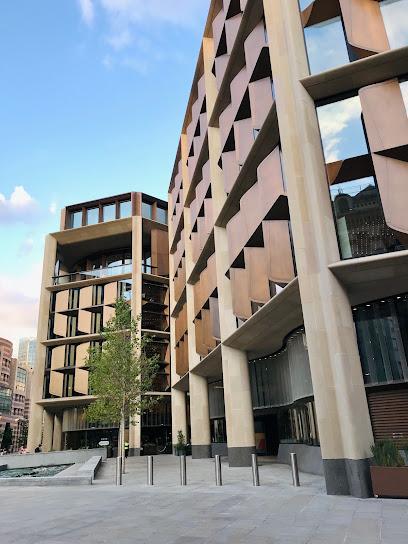
Bloomberg Arcade
0.2 km
A vibrant blend of independent dining, public art, and Roman history in the heart of London’s Square Mile.
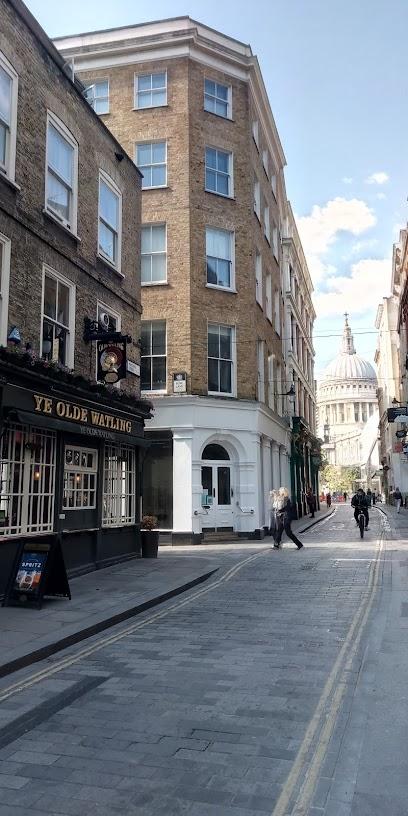
Watling St
0.2 km
Follow the ancient Roman road that shaped London’s history, once a frontier, battlefield approach, and boundary between kingdoms and boroughs.
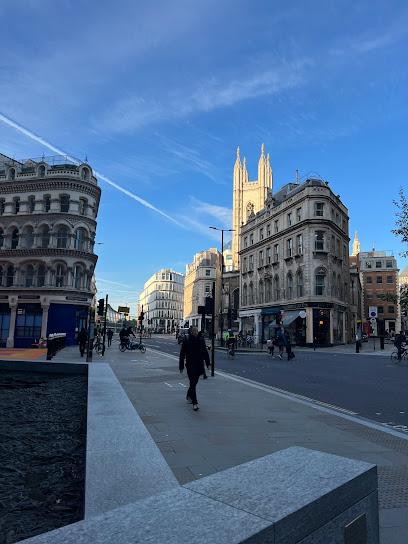
Queen Victoria St
0.2 km
A historic and vital City of London street linking iconic landmarks with Victorian-era urban vision and modern financial life.
City of London
0.2 km
Discover the City of London’s unique fusion of ancient history and modern finance in the vibrant Square Mile.
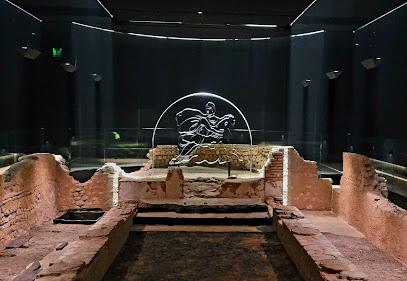
London Mithraeum Bloomberg SPACE
0.3 km
Discover the ancient Roman Temple of Mithras beneath Bloomberg’s headquarters in a captivating blend of archaeology, immersive art, and history in London’s heart.
St Mary-le-Bow Church
0.3 km
Discover St Mary-le-Bow, the iconic Wren church on Cheapside, home to the legendary Bow Bells and centuries of London history.

St Stephen Walbrook
0.3 km
Discover the serene beauty and historic grandeur of St Stephen Walbrook, Wren’s architectural gem with its iconic dome and modern artistic altar.

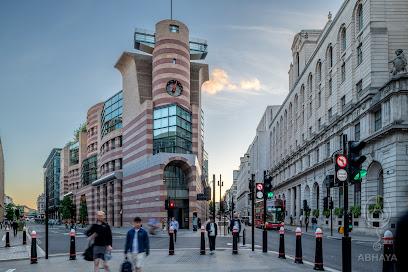
1 Poultry
0.3 km
A striking postmodern landmark in London’s financial heart, blending bold design, rich history, and panoramic rooftop views.
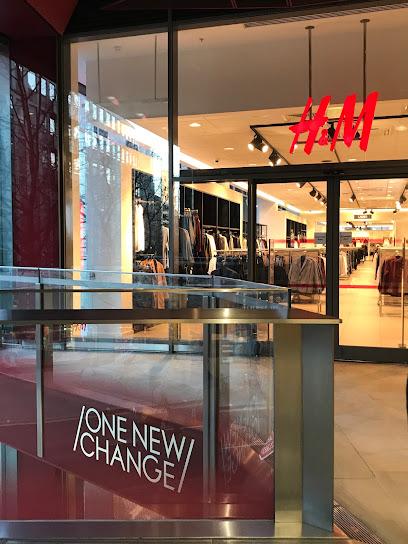
One New Change
0.3 km
Discover premier shopping, dining, and stunning rooftop views of St Paul's Cathedral in the heart of London's financial district.
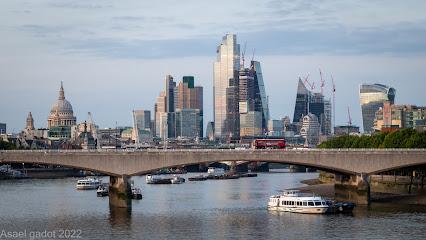
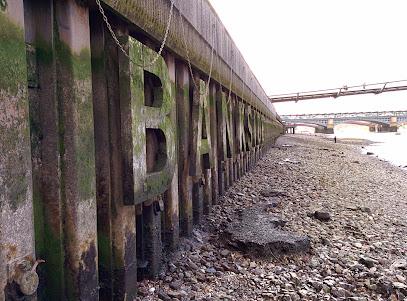
Bankside
0.3 km
Explore Bankside in London for a perfect mix of history, culture, and stunning riverside views amid a vibrant city atmosphere.
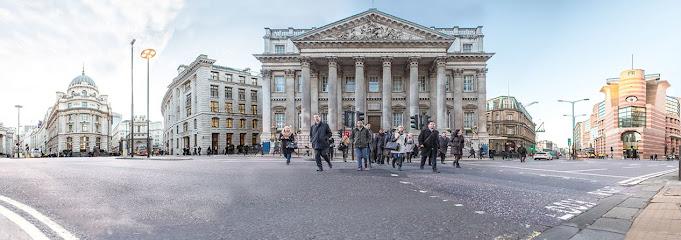
Mansion House
0.4 km
Explore Mansion House, the grand Palladian residence of the Lord Mayor of London, rich with history, art, and ceremonial splendor.
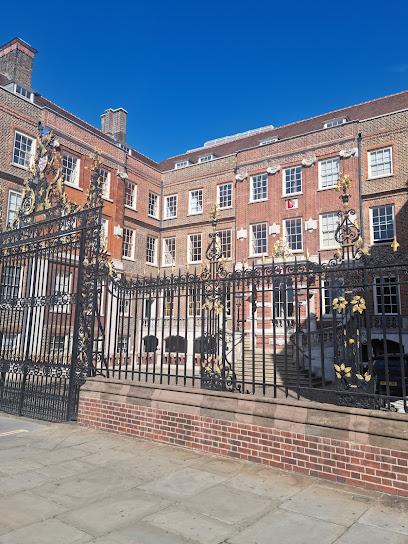
College of Arms
0.4 km
Explore centuries of heraldic tradition at the historic College of Arms, London's official authority on coats of arms and genealogy.
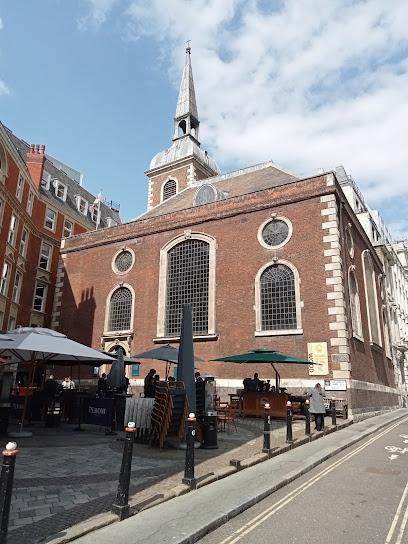
St Mary Abchurch
0.4 km
Discover the tranquility of St Mary Abchurch, a historic church designed by Sir Christopher Wren in London's financial district, perfect for a peaceful retreat.
Millennium Bridge
0.4 km
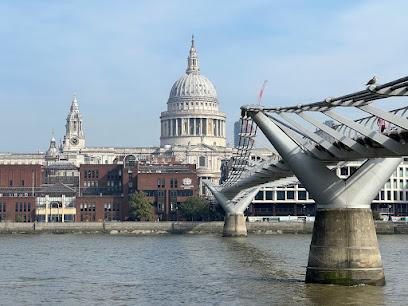
Explore the Millennium Bridge, a modern architectural gem in London, linking iconic landmarks with stunning river views and cultural experiences.
Essential places to dine

Madison
0.3 km
Stylish rooftop dining and cocktails with breathtaking views of St Paul’s Cathedral and London’s skyline.
George
0.8 km
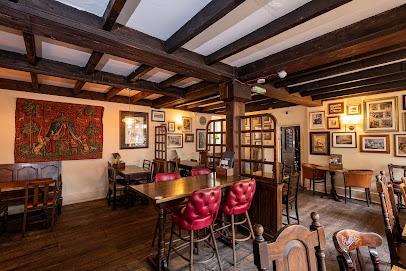
Step into London’s last galleried coaching inn, where history, hearty ales, and a lively courtyard blend in a timeless pub experience.
14 Hills
0.9 km
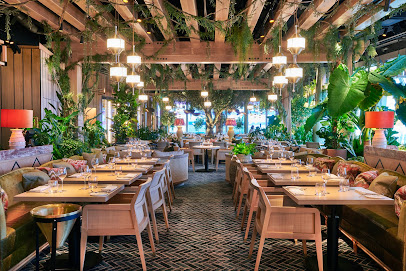
Experience modern British cuisine in a lush, sky-high garden with breathtaking panoramic views over London’s iconic skyline.
Sea Containers Restaurant
1.0 km
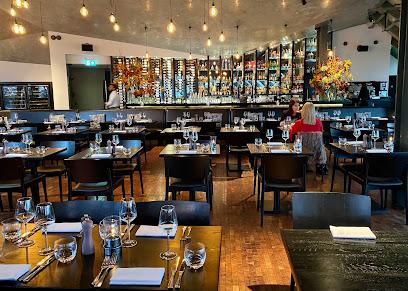
Stylish Modern British dining with iconic Thames views on London’s vibrant Southbank, perfect for brunch, dinner, and special occasions.
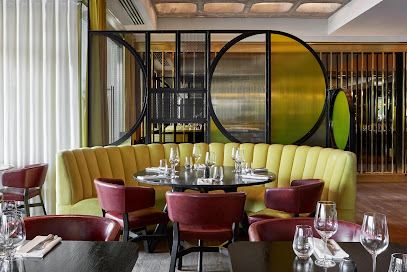
La Dame de Pic London
1.1 km
Discover refined French gastronomy and elegant dining in a historic London landmark with two Michelin stars and innovative cuisine.
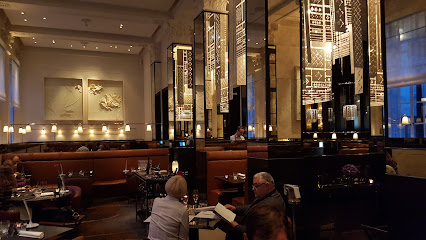
St. John
1.2 km
Experience authentic British nose-to-tail dining in the heart of London’s Barbican at St. John, where tradition meets modern culinary artistry.
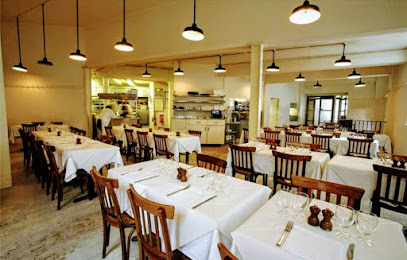
Paradiso Burger & Cocktail Bar Southbank
1.2 km
Vibrant riverside spot in Southbank serving gourmet burgers, cocktails, and bottomless brunch with stunning Thames views.
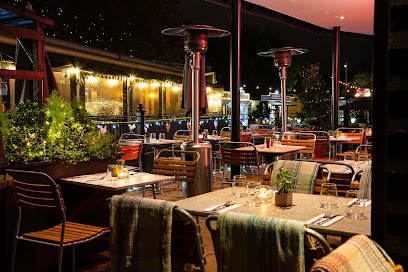
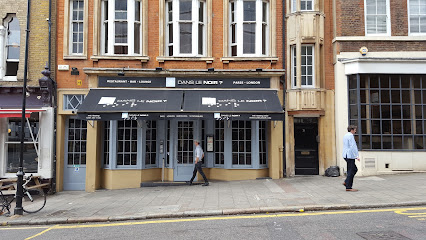
Dans le Noir ? London Restaurant
1.3 km
Experience dining like never before in total darkness, guided by visually impaired waitstaff in a sensory adventure at Dans le Noir ? London.
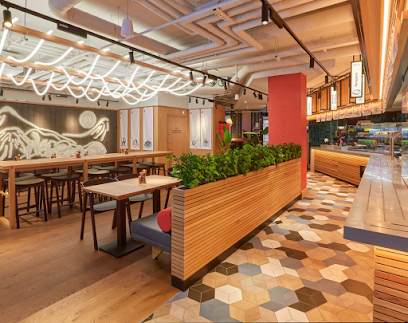
Marugame Udon Middlesex Street
1.3 km
Experience freshly handcrafted Japanese udon and crispy tempura in a lively open kitchen setting at Marugame Udon Middlesex Street, London’s authentic udon destination.
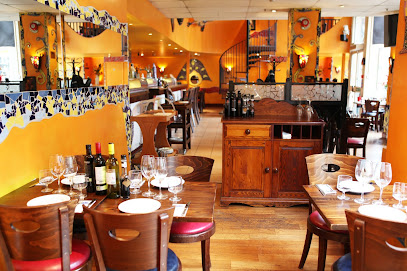
Barcelona Tapas Bar & Restaurant
1.3 km
Authentic Spanish tapas and warm hospitality in the heart of London’s City since 1991.
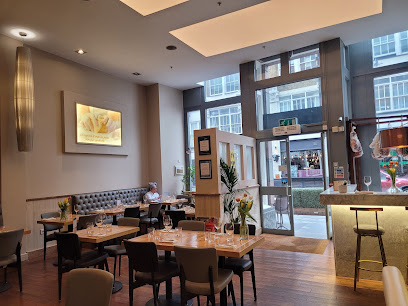
Mattarello Chiodo Bolognese Restaurant
1.3 km
Authentic Bolognese pasta and gluten-free Italian delights in the heart of London’s Middlesex Street.
Restaurant Story
1.4 km
Experience a two Michelin-starred culinary journey where storytelling meets British fine dining in the heart of London Bridge.
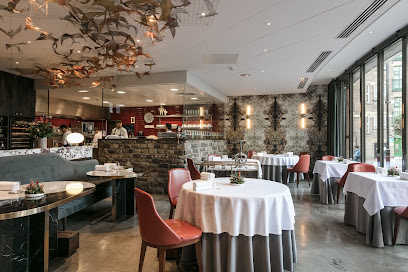
Mercato Metropolitano
1.4 km
A vibrant, sustainable community food market in Elephant & Castle offering global flavors, local sourcing, and a lively social atmosphere.
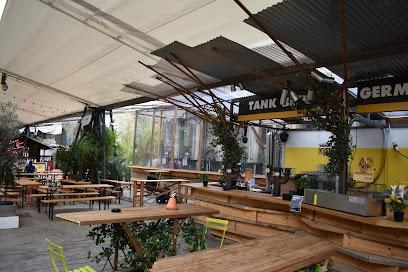
Ikoyi Restaurant
1.5 km
Discover Ikoyi, London’s two-Michelin-starred restaurant blending bold West African spices with British ingredients in an elegant, sensory tasting journey.
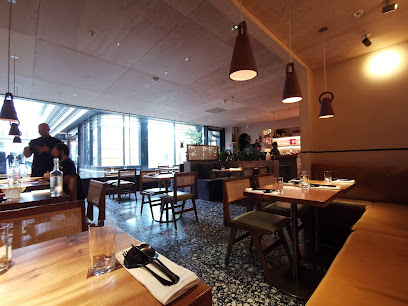
Brasserie Blanc - Southbank
1.6 km
Authentic French brasserie dining with hearty seasonal dishes and rustic charm on London’s lively South Bank.
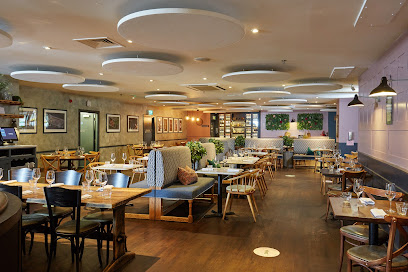
Markets, malls and hidden boutiques

Borough Yards
0.6 km
Discover Borough Yards, a lively London district blending historic railway arches with cutting-edge shopping, dining, and culture near Borough Market.
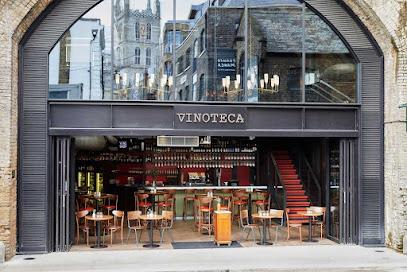
Bankside Arches Boutique
0.7 km
Discover unique London gifts and handcrafted treasures inside Blackfriars Station’s charming Bankside Arches Boutique.
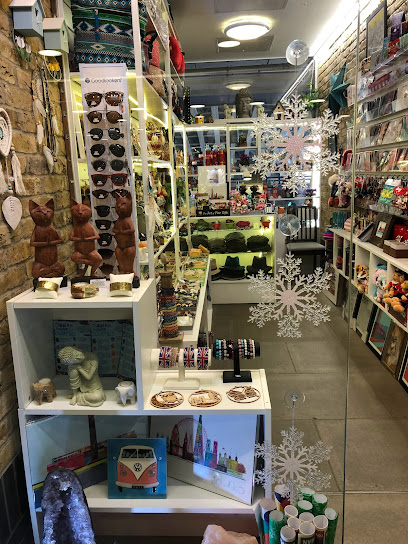
Hay's Galleria
0.9 km
Historic riverside warehouse transformed into a vibrant shopping and dining destination beneath a stunning glass roof.
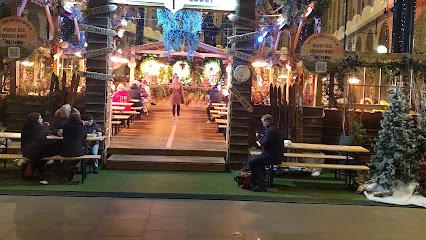
Barbican Shop
1.0 km
Discover curated art, design, music, and unique gifts at the Barbican Shop, a creative retail haven within London’s iconic Barbican Centre.
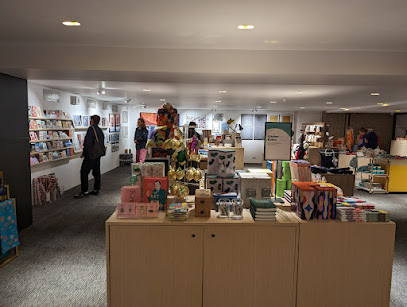
SUCK UK Alternative Gifts (OXO Tower)
1.0 km
Discover quirky, clever gifts and homewares at SUCK UK’s flagship store in London’s iconic OXO Tower.
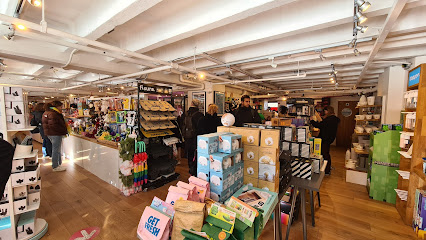
Brand Academy Independent Gift Shop
1.1 km
Dive into a world of whimsical designs and unique finds at this South Bank gem, where global brands meet emerging talents in the heart of Oxo Tower Wharf.
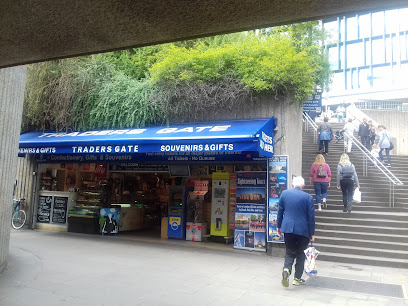
Traders Gate
1.1 km
A long-standing family-run gift shop on Tower Hill, offering classic London souvenirs and local charm just steps from the Tower of London.
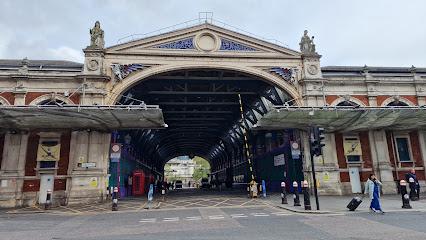
Smithfield Market
1.1 km
London’s oldest wholesale meat market, where history and commerce meet in the heart of the city.
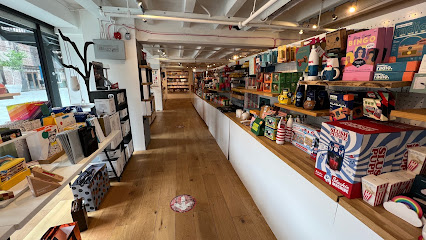
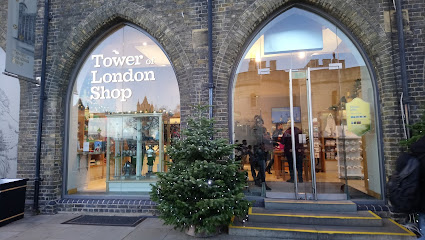
Tower of London Shop
1.1 km
Explore the Tower of London Shop for unique souvenirs that celebrate British heritage and history in the heart of London.
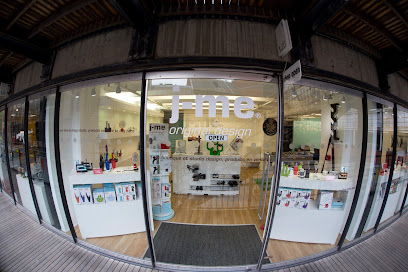
j-me original design ltd
1.1 km
Whimsical designs with a humorous twist from London's Oxo Tower creative hub – quirky home gifts blending fun, function, and British ingenuity.
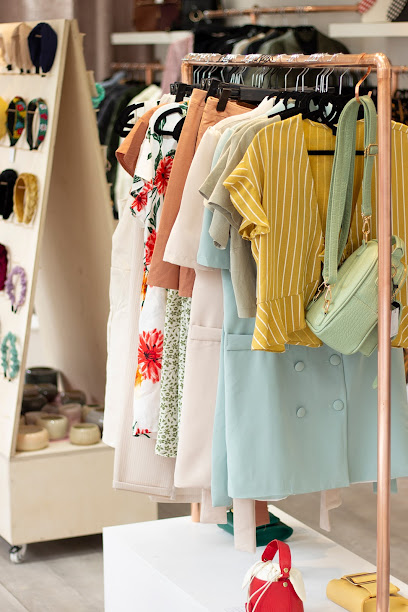
Sugar And Style
1.2 km
Discover design-led fashion accessories in Gabriel's Wharf, London's arty South Bank riverside haven blending style, creativity, and Thames views.
Middlesex Textiles
1.3 km
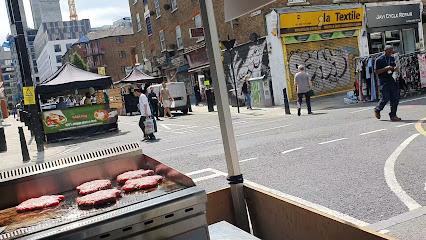
Discover London’s premier West African fabric store offering vibrant, high-quality textiles with unmatched variety and service since 1969.
Petticoat Lane Market
1.3 km
London's historic street market where 370 years of commerce, migration, and East End character converge.
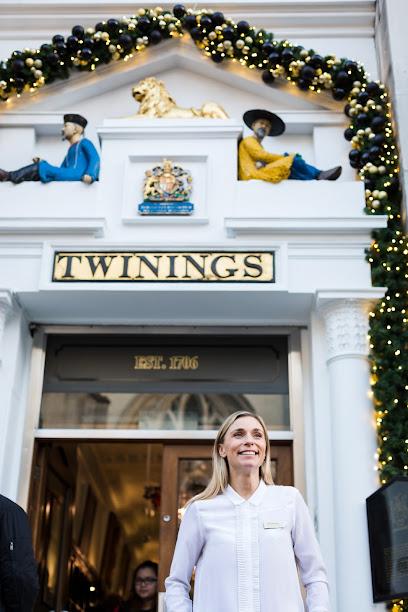
Twinings - The Strand
1.3 km
Discover over 300 years of tea heritage at London’s oldest tea shop, featuring historic charm, premium tastings, and a unique museum experience.
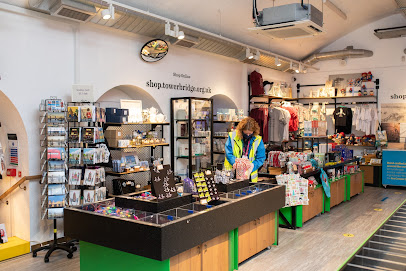
Tower Bridge - Engine Rooms and Official Gift Shop
1.4 km
Explore the fascinating history of Tower Bridge at the Engine Rooms and shop for unique gifts at the Official Gift Shop.
Essential bars & hidden hideouts

The Cocktail Club - Cocktail Bar near Monument
0.5 km
Vibrant underground cocktail bar near Monument, blending creative drinks with a lively, speakeasy-style party atmosphere.
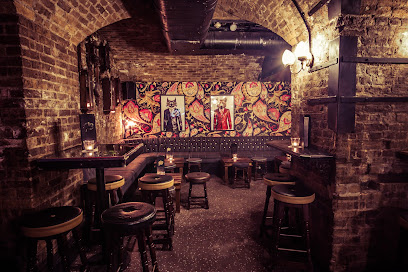
Demon, Wise & Partners
0.7 km
Classic basement cocktail bar blending historic City charm with expert mixology in London’s financial district.
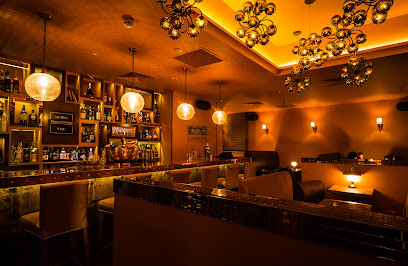
The Bootlegger
0.7 km
Step into The Bootlegger’s hidden Lime Street basement for expertly crafted cocktails, live jazz, and a true 1920s speakeasy vibe in the heart of London.
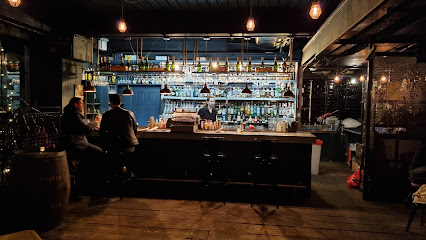
Doggett's Coat and Badge
0.8 km
A large, riverside Nicholson’s pub on Blackfriars Bridge offering classic British fare, real ales and a rooftop terrace with strong Thames views.
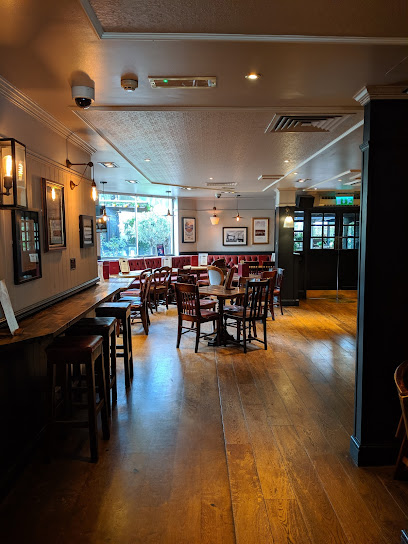
Black Parrot
0.8 km
Discover London’s top rum bar with expertly crafted cocktails, immersive masterclasses, and a lively yet intimate atmosphere in Bride Court.
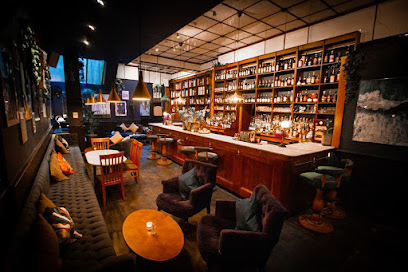
Punch Tavern
0.8 km
Historic Victorian Gin Palace on Fleet Street, famed for its Punch magazine heritage and vast gin selection in the heart of London.
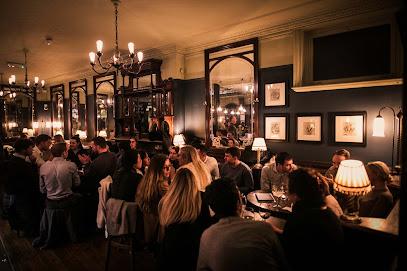
The Hung Drawn & Quartered, EC3
0.9 km
Historic pub near Tower Hill, blending dark medieval history with refined ales and classic British fare in a Grade II listed building.
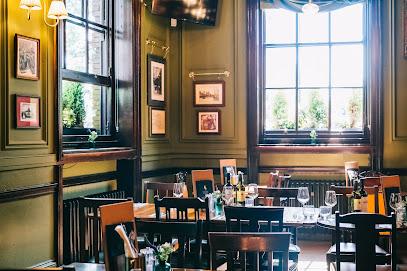
Lyaness
0.9 km
Innovative cocktails and sustainable mixology with stunning Thames views in London’s stylish South Bank hotspot.
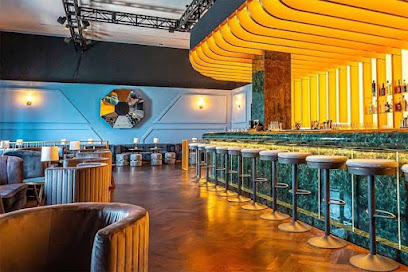
The Alchemist Bevis Marks
1.1 km
Experience London’s theatrical cocktail haven blending molecular mixology with Victorian charm and all-day dining in Aldgate.
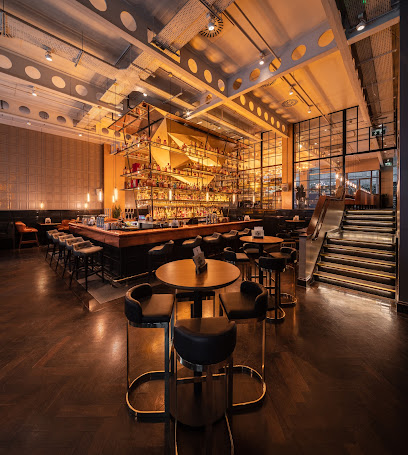
Moonshine Saloon
1.2 km
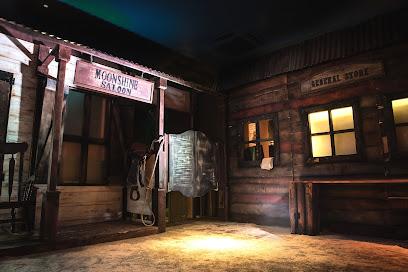
Step into London’s Moonshine Saloon for an immersive Wild West cocktail adventure with live actors, games, and bespoke drinks made from your own spirits.
Nine Lives
1.2 km
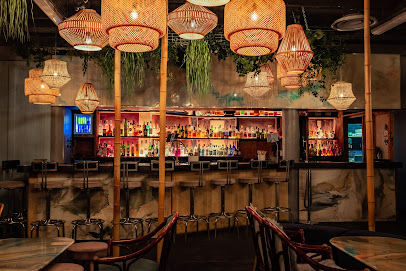
A subterranean Bermondsey bar blending Mexican spirits, sustainable craft cocktails, and vibrant sharable dishes in a boho-chic setting.
Dirty Dicks
1.2 km
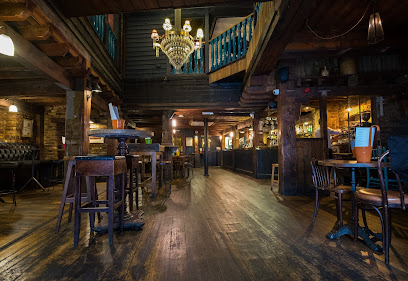
Historic London pub with quirky charm, classic ales, and lively atmosphere near Liverpool Street Station.
Ye Olde Mitre, Holborn
1.2 km
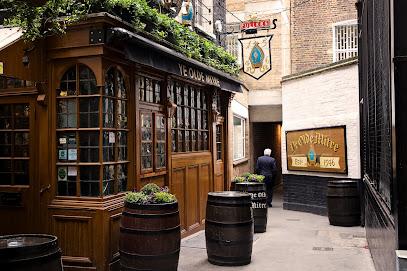
Discover Ye Olde Mitre, a hidden Tudor-era pub in Holborn where history, legend, and cozy charm converge in a secret London alley.
The Old School Yard
1.3 km
Step into a lively retro playground with expertly crafted cocktails, classic arcade games, and a vibrant 80s and 90s atmosphere in London Bridge.
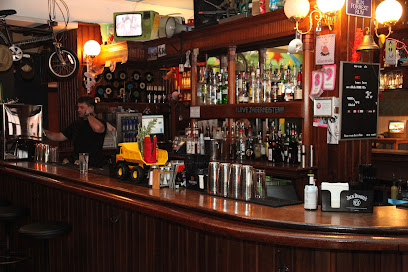
The Old Bank of England
1.3 km
Historic Victorian pub on Fleet Street housed in a former Bank of England branch with grand interiors and legendary London tales.
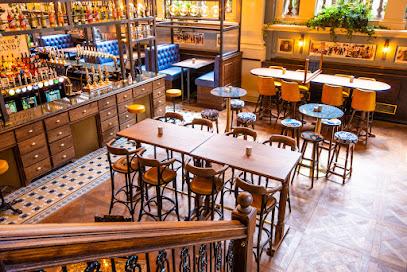
Nightclubs & after hour spots

The Steel Yard
0.3 km
Experience London’s premier industrial-chic nightclub set in historic Victorian railway arches, with world-class sound and late-night energy until 6am.
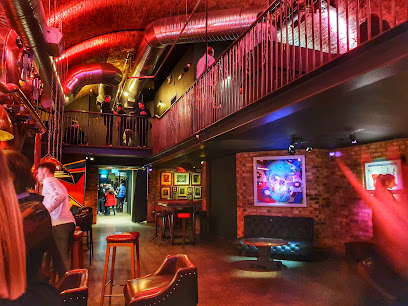
London Best Night Clubs
1.5 km
Experience London’s legendary Ministry of Sound, where cutting-edge sound meets dynamic club culture in a multi-room dance haven.
Ministry of Sound
1.6 km
London's legendary dance music cathedral since 1991, where world-class sound systems and global DJs fuel euphoric nights across four pulsing rooms.
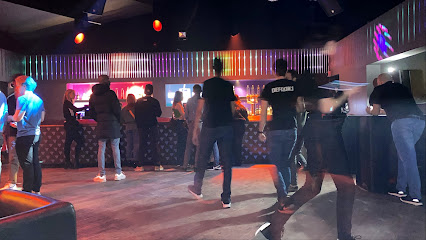
XOYO LONDON
1.7 km
Experience Shoreditch’s iconic XOYO, where cutting-edge DJs and vibrant nightlife create an unforgettable London clubbing atmosphere.

Proud Late
1.7 km
Dive into two-storey glamour under Waterloo Bridge: cabaret acrobatics, burlesque dazzle, supper feasts, and non-stop clubbing till 5am in London's West End nightlife epicenter.
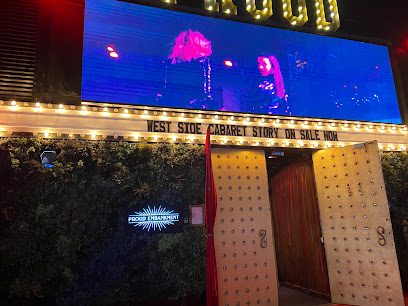
STRAWBERRY SUNDAE
1.8 km
Retro rave haven in Waterloo Arches: Daytime hardcore beats, 90s DJ legends, and industrial euphoria from midday to midnight.
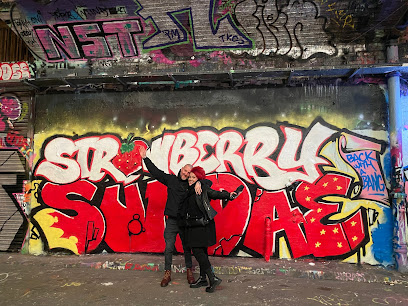
Cirque Du Soul
1.8 km
Dive into Leake Street's graffiti tunnel for soul-stirring electronic nights at this underground nightclub haven.
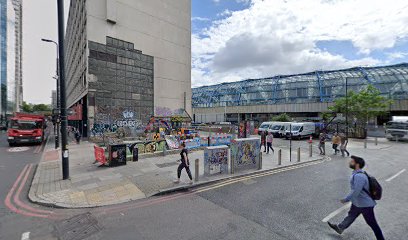
We Are Waterloo
1.8 km
Dive into Leake Street's graffiti heart where street art meets thumping beats in London's ultimate underground nightclub haven.
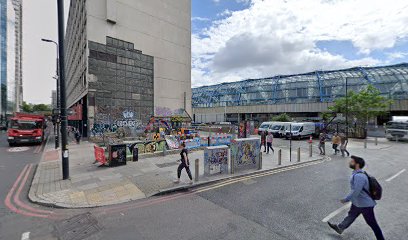
The Hoxton Pony
1.8 km
Edgy Shoreditch cocktail bar and nightclub blending vintage style with vibrant nightlife energy in East London.

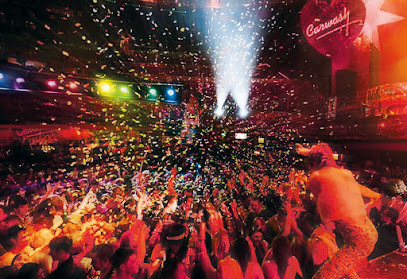
Carwash Nightclub
1.9 km
Experience Europe’s longest-running disco club in London’s West End, where retro beats, vibrant crowds, and themed parties create unforgettable nights.
Corsica Studios
2.0 km
Experience London’s underground music pulse at Corsica Studios, where intimate vibes meet exceptional sound beneath historic railway arches.
Trafik
2.0 km
Shoreditch’s dynamic nightclub with underground beats, two floors of dancing, and a late licence for unforgettable nights.

Bunga Bunga Covent Garden
2.1 km
A neon-soaked, pizza-and-karaoke supper club under Drury Lane — 90s nostalgia, stage shows and shareable Italian feasts.
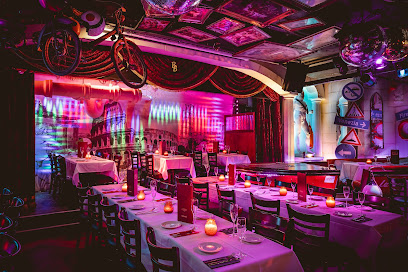
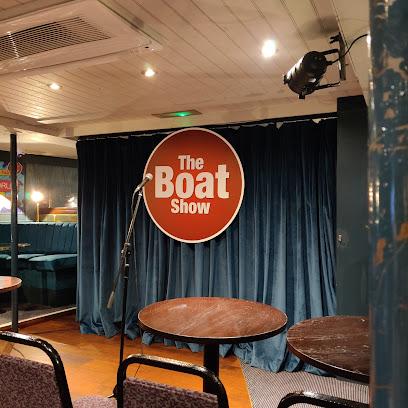
The Boat Show Comedy Club
2.1 km
London’s premier floating comedy club aboard the historic Tattershall Castle, blending laughter with iconic riverside views and vibrant nightlife.
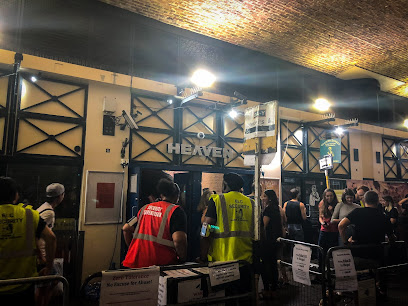
Heaven
2.1 km
London’s iconic gay superclub under the railway arches — big nights, loud music, drag, and late finishes in the heart of the West End.
For the vibe & atmosphere seeker
- Romantic
- Tranquil
- Scenic
- Unique
- Spiritual / Energy Spot
For the design and aesthetic lover
- Minimalist Designs
- Vintage Styles
For the architecture buff
- Historic
- Landmarks
- Art & Design
- Sacred Sites
- Heritage Neighborhoods
For the view chaser and sunset hunter
- Iconic Views
- Skyline
For the social media creator & influencer
- Instagrammable
- Photo Spots
- Architectural Shots
For the eco-conscious traveler
- Protected Area
- Locally Managed
For the kind of experience you’re after
- Spiritual / Energy Spot
- Myth & Legends
- Cultural Heritage
- Photowalk
- Day Trip
For how adventurous you want the journey to be
- Easy Access
Location Audience
- Family Friendly
- Senior Friendly
- Wheelchair Access
- Solo Friendly
- Couple Friendly


