

The Blind Beggar, London Travel Guide
Free Guide: Historic Whitechapel pub with a drinks-first focus, a beer garden, and one of East London’s most talked-about crime-history backstories.


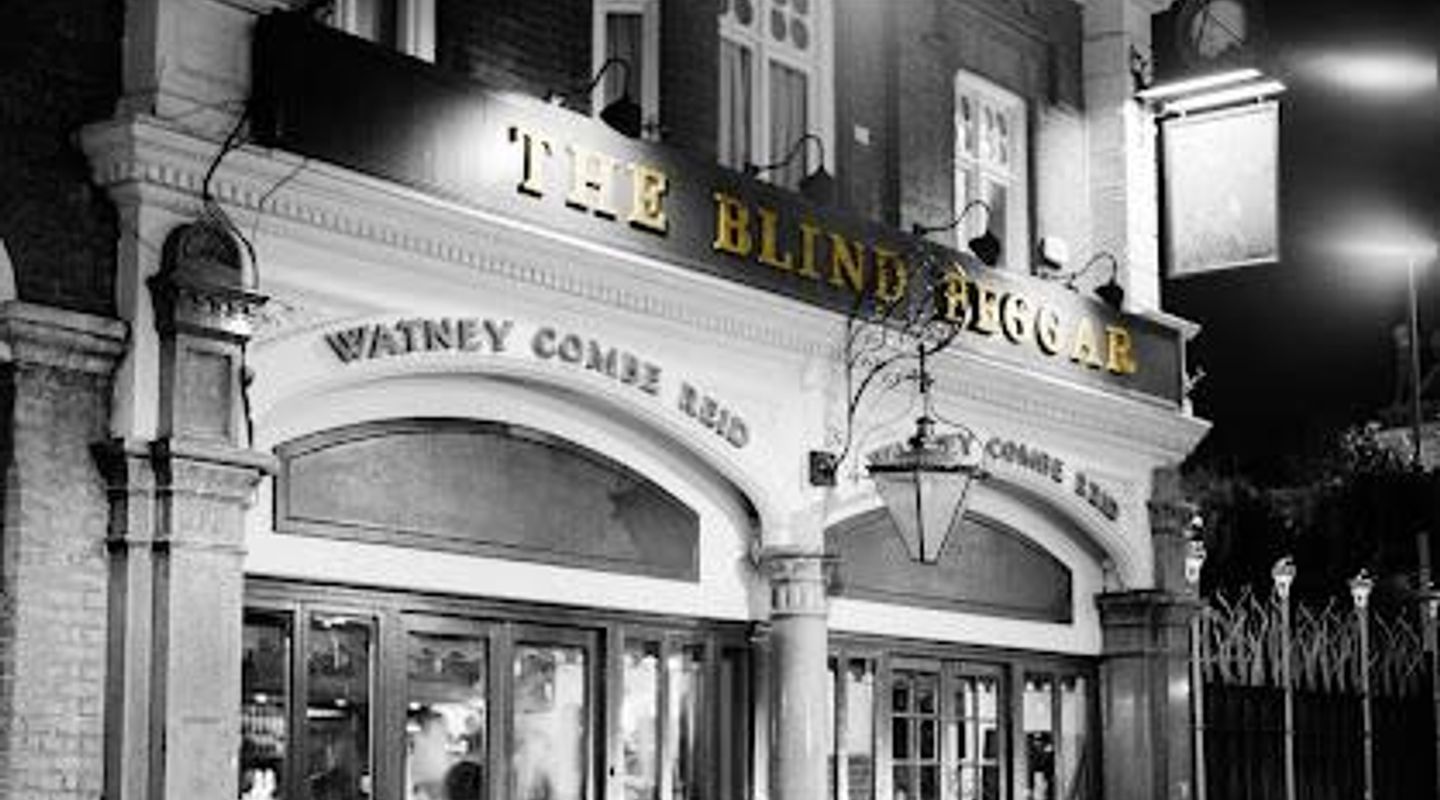
A brief summary of The Blind Beggar
Historic Whitechapel pub with a drinks-first focus, a beer garden, and one of East London’s most talked-about crime-history backstories.
On Whitechapel Road, The Blind Beggar is a working pub with a long memory: part historic drinking house, part East End landmark, and part crime-history stop. Visitors come for pints, a beer garden, and the layered stories attached to the site, from the Blind Beggar legend to the Kray-era shooting that fixed its name in London lore. It is lively rather than polished, and best approached as a place to sit, drink, and read the room.
On-site amenities
 Drink options
 Food options
 Seating areas
 Sheltered areas
 Trash bins
Opening hours
- Mon12 pm–10:30 pm
- Tue12 pm–11 pm
- Wed12 pm–11 pm
- Thu12 pm–11 pm
- Fri12 pm–12:30 am
- Sat11 am–12:30 am
- Sun12 pm–10:30 pm
Opening hours as listed on the venue’s Google Business Profile. Hours can change for services and special events, so check with the venue before you go.
- Address
- 337 Whitechapel Rd London
- Phone
- Website
Getting there
Public Transport
Bus
Taxi or Rideshare
Driving
Discover more about The Blind Beggar
What it is
The Blind Beggar is a historic public house on Whitechapel Road, operating today as a drink-led venue rather than a food-focused pub. Its roots reach back to an inn on the site before the mid-17th century, while the present building dates to 1894. The name refers to the legend of Henry de Montfort, the Blind Beggar of Bethnal Green, and the pub’s history also includes a spell as the brewery tap for Manns Albion, where the first modern Brown Ale was reportedly brewed.
Atmosphere and setting
This is firmly an East London street pub: busy road outside, compact hospitality space inside, and a sociable beer garden that softens the urban edge. The mood is casual and lively, with a strong local-history charge rather than any museum-like hush. It is the sort of place where people settle in for drinks, talk over the noise, and use the venue as a meeting point as much as a destination. The setting is practical rather than scenic, but the frontage and the Whitechapel context give it a distinct sense of place.
Why people go
Travellers come here for three reasons. First, it is a functioning pub with a straightforward drinks-first offer and outdoor seating. Second, it carries a dense layer of East End history, including William Booth’s first sermon outside the pub and the 1966 shooting of George Cornell, which tied the building to the Krays in the public imagination. Third, it appears on local walking routes, so many visitors arrive with a history angle already in mind. The experience is best for those who want a pint with context, not a curated attraction.
How a visit unfolds
A typical visit starts with a short walk from Whitechapel Station or a bus stop on the corridor, then a quick read of the pub’s exterior before heading inside or out to the garden. Inside, expect a standard pub rhythm: drinks ordered at the bar, tables filling through the afternoon, and a stronger social pulse after work and into the evening. In warmer weather the outdoor area becomes more important; in colder or wetter conditions the action shifts indoors. A brief stop can last half an hour, but most visitors stay longer once the history, setting, and easy pace take hold.
Practical expectations
This is an urban, alcohol-led venue with moderate prices and no strong food focus. It suits adults, couples, solo visitors, and groups meeting for drinks. It is less suitable for families looking for a meal or for anyone seeking quiet contemplation. Public transport is the sensible way in, and the venue is most rewarding when paired with a Whitechapel walk or other East End history stops.
Evendo Review Centre
 Google
Guest reviews
Best time to go
Quietest: Jan, Feb & Dec · before 1pm
Busy times are Evendo estimates for a typical year, to help you plan. Actual crowds vary with events, school holidays and the weather.
Explore The Blind Beggar on the map
A handpicked selection of must-see spots near The Blind Beggar, mapped for you.
Get your free copy of our complete guide to The Blind Beggar, delivered straight to you.
Everything on this page, from opening hours and how to get there to Eve’s tips and the best time to go, in one PDF you can read offline, print or share.
Already have an account? Sign in
Your The Blind Beggar guide is ready.
We'll send it to · Not you? Sign out

Getting your guide ready…
We are putting together a fresh copy of the The Blind Beggar guide. This can take up to a minute.
This can take a few moments. If your browser asks, choose Allow so the download can start. You'll find the guide in your Downloads folder.
Nothing happened? Download it again
Sorry, the guide is taking longer than usual. Please try again in a minute, or get it by email instead.
Unlock the best of The Blind Beggar
Skip-the-line tickets, guided tours with entry, and walking tours of the area, booked in a few clicks.
 Tour with entry
East End History Walking Tour by Real East Enders
from $31.50 Tour with entry
Gangster London tour with actor Vas Blackwood
from $33.29 Tour with entry
Gangster Tour of London’s East End Led by Actor Vas Blackwood
from $37.80 Tour with entry
Villains and Gangsters of London Private Taxi Tour
from $496.18
Other nearby places you may find interesting
The closest places of the same kind, if this one is not quite what you had in mind.
-
-
-
-
-


Swipe for more places
More to explore near The Blind Beggar

 Best experiences near The Blind Beggar
 Best hotels near The Blind Beggar
 Best landmarks near The Blind Beggar
 Best attractions near The Blind Beggar
 Best shops near The Blind Beggar
 Best restaurants near The Blind Beggar
 Best bars near The Blind Beggar
Do you manage this location?
Take control to get all the benefits, like improved information, better appearance, and stronger visibility across AI-powered discovery.
Explore more

Explore more of London
Explore London: A city of iconic landmarks, rich history, vibrant culture, and endless attractions that cater to every taste, making it a must-visit destination.
Explore London
Explore more of United Kingdom
Discover the United Kingdom: A blend of rich history, stunning landscapes, and vibrant cities, offering a unique travel experience for every visitor.
Explore United Kingdom
