

Chinatown Gate, London’s Vibrant Cultural Portal
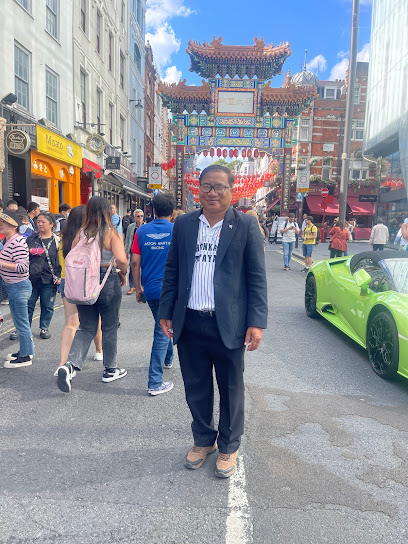
A stunning Qing dynasty-style arch marking the vibrant gateway to London’s bustling Chinatown in Soho.
The Chinatown Gate in London stands as a striking symbol marking the entrance to the city’s lively Chinatown district in Soho. Crafted in traditional Qing dynasty style by skilled Chinese artisans, this ornate gate features a tiled roof and red pillars, welcoming visitors into a bustling enclave filled with authentic Chinese restaurants, shops, and cultural vibrancy. Open 24/7, the gate is a celebrated landmark reflecting the rich heritage and dynamic community of London’s Chinese population.
A brief summary to Chinatown Gate
- 16-17 Wardour St, London, W1F 8AT, GB
- Visit website
- Duration: 0.5 to 2 hours
- Free
-
 Outdoor
- Mobile reception: 5 out of 5
Local tips
- Visit during Chinese New Year to experience spectacular cultural celebrations and street performances.
- Explore the surrounding streets for authentic Chinese cuisine ranging from dim sum to hotpot.
- Take photos at the gate during the evening when the red lanterns light up the streets for a magical atmosphere.
- Combine your visit with nearby Leicester Square or Soho attractions to enjoy a full day in central London.

For the on-the-go comforts that matter to you
- Restrooms
- Drink Options
- Food Options
- Seating Areas
- Information Boards
Getting There
-
Underground
Take the London Underground to Leicester Square station on the Northern or Piccadilly lines, then walk approximately 5-7 minutes through Soho’s streets to reach Chinatown Gate. The station is well-signposted and accessible, with no additional cost beyond standard Tube fares.
-
Bus
Several bus routes serve the area, including lines 14, 19, 24, 29, 38, and 176. Alight at stops near Shaftesbury Avenue or Charing Cross Road and walk 5-10 minutes to Chinatown Gate. Buses run frequently throughout the day, with fares payable by contactless card or Oyster.
-
Taxi
Licensed London black cabs or ride-hailing services can drop you near Wardour Street. Expect variable travel times depending on central London traffic, especially during peak hours. Taxi fares vary but typically start around £5-7 from central locations.
-
Walking
If you are exploring central London, Chinatown Gate is within walking distance from Leicester Square (about 7 minutes) and Piccadilly Circus (about 10 minutes). The terrain is flat and suitable for all fitness levels, with pedestrian-friendly streets.
Chinatown Gate location weather suitability
-
 Any Weather
-
 Clear Skies
-
 Rain / Wet Weather
-
 Mild Temperatures
Discover more about Chinatown Gate
A Gateway Rooted in Tradition and Friendship
The Chinatown Gate, unveiled in 2016 by the Duke of York, Prince Andrew, is a grand architectural statement that marks the entrance to London’s Chinatown. Designed and crafted by Chinese artisans, the gate is built in the style of the Qing dynasty, featuring intricate woodwork, a striking tiled roof, and bold red pillars. This gate is more than just an entrance; it symbolizes the friendship between China and the United Kingdom and serves as a cultural beacon welcoming visitors into one of London’s most vibrant ethnic enclaves.The Heart of London’s Chinatown
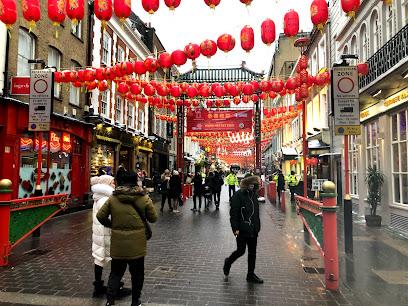
Located on Wardour Street, the gate leads into the bustling streets of Chinatown, centered around Gerrard Street in Soho. This area is renowned for its dense concentration of Chinese restaurants, bakeries, supermarkets, and souvenir shops, making it a hotspot for authentic Asian cuisine and cultural experiences. The streets are adorned with red lanterns and traditional Chinese street signs, creating an immersive atmosphere that celebrates Chinese heritage year-round.Historical Evolution of Chinatown
London’s Chinatown traces its origins back to the 19th century with the first Chinese community established in Limehouse, East London. After World War II bombings devastated the original enclave, many Chinese families relocated to Soho, where Chinatown began to take shape in the 1960s. The area flourished with the opening of restaurants and shops, and by the 1980s, Chinese gates, street furniture, and a pavilion were installed, solidifying Chinatown’s identity. The current Chinatown Gate continues this legacy, blending historical significance with contemporary cultural expression.A Living Cultural Hub
Beyond the gate lies a vibrant neighborhood that pulses with life. Visitors can enjoy a wide range of authentic Chinese and other Asian cuisines, from dim sum to hotpot, alongside traditional shops offering herbal medicine, gifts, and cultural goods. Chinatown is also a focal point for cultural celebrations, most notably the annual Chinese New Year parade, which features dragon dances, music, and fireworks, drawing locals and tourists alike.Architectural and Artistic Highlights
The Chinatown Gate complements other iconic features in the area, such as the stone guardian lions on Gerrard Street and the smaller Chinese-style pavilion that once stood nearby. The gate’s traditional design contrasts beautifully with the modern urban surroundings, making it a popular photo spot and a distinctive landmark that embodies the fusion of heritage and city life.Enduring Symbol of Community and Identity
More than a tourist attraction, the Chinatown Gate represents the resilience and cultural pride of London’s Chinese community. It stands as a testament to the community’s contributions to the city’s multicultural fabric and offers a welcoming portal for all who wish to explore and appreciate the rich traditions and contemporary vibrancy of Chinatown.Iconic landmarks you can’t miss

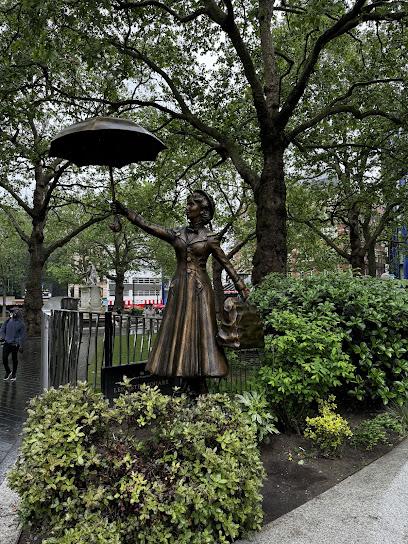
Mary Poppins Statue
0.1 km
Where cinema's most elegant nanny takes flight in the heart of London's film district.
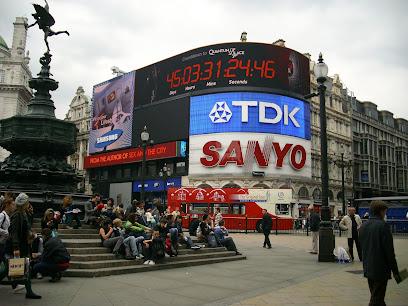
Piccadilly Circus
0.2 km
Piccadilly Circus pulses with iconic neon lights, historic monuments, and vibrant street life at the heart of London’s West End.

225 Piccadilly Circus
0.2 km
At the luminous heart of London’s West End, 225 Piccadilly Circus dazzles with history, iconic lights, and vibrant urban energy.
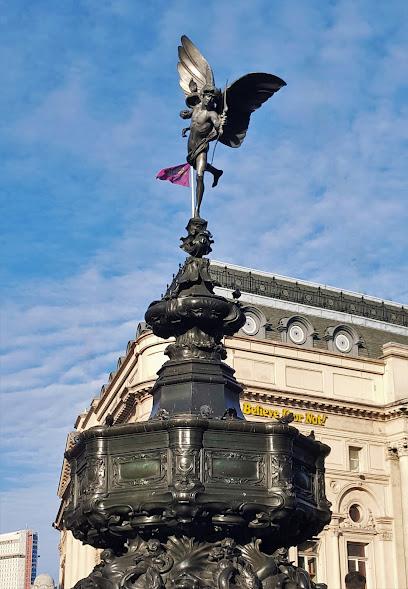
Eros (Shaftesbury Memorial Fountain)
0.2 km
Iconic London landmark honoring Victorian philanthropy with the world’s first aluminium statue, set amidst Piccadilly Circus’s vibrant theatre district.
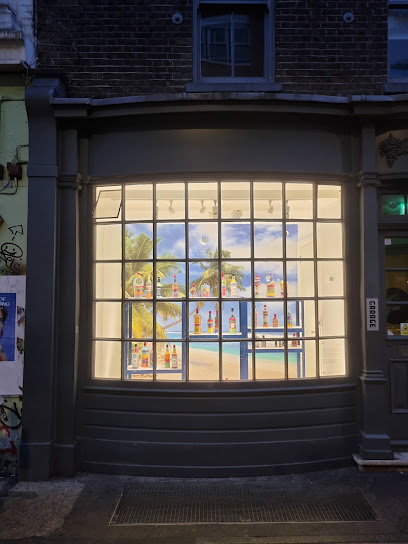
The Smallest Gallery in Soho
0.2 km
Discover unique contemporary art at The Smallest Gallery in Soho, London - an intimate space showcasing emerging talents and established artists.
Piccadilly & Piccadilly Circus
0.2 km
London's dazzling heart: iconic neon lights, legendary Eros statue, and the pulsing epicentre of West End entertainment.
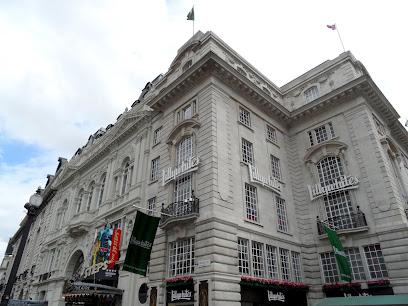
Self-Guided Audio Tour - London's Soho, Theatreland and Chinatown
0.2 km
Discover the rich culture and vibrant nightlife of London's Soho, Theatreland, and Chinatown with a self-guided audio tour.
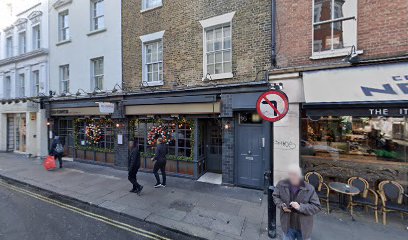
Cecil Court
0.3 km
Step into a cobbled alley where books, history, and magic converge in the heart of London.
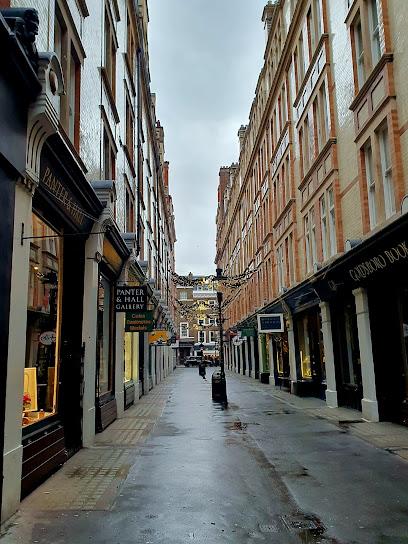
Shaftesbury Ave
0.3 km
Discover London’s vibrant Shaftesbury Avenue, the epicenter of the West End's theatre scene, offering a myriad of shows, dining, and nightlife options.
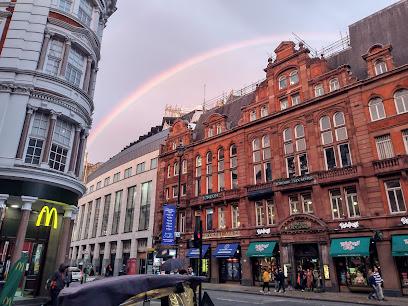
Agatha Christie memorial
0.3 km
A captivating bronze tribute to Agatha Christie, celebrating her literary genius and theatrical legacy in London's vibrant theatre district.
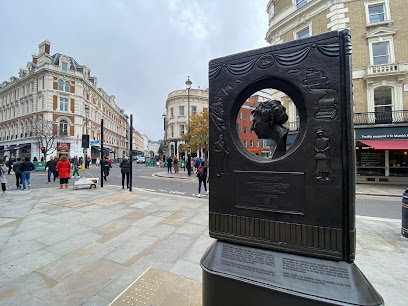
5 Trafalgar Sq
0.4 km
London's grand civic heart: Nelson's victory immortalised in stone, surrounded by world-class art and democratic tradition.
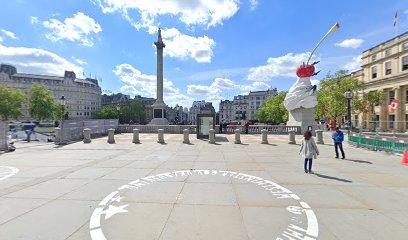
Golden Square
0.4 km
Discover the tranquility of Golden Square, a charming park in the heart of London, perfect for relaxation, picnics, and cultural experiences.
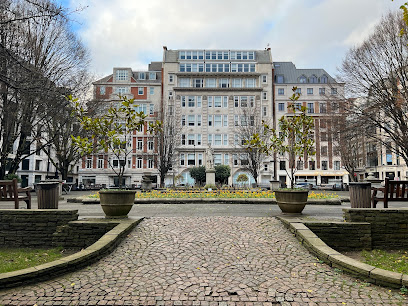
The Fourth Plinth
0.4 km
A historic plinth turned world-renowned stage for bold contemporary art in the heart of London’s Trafalgar Square.
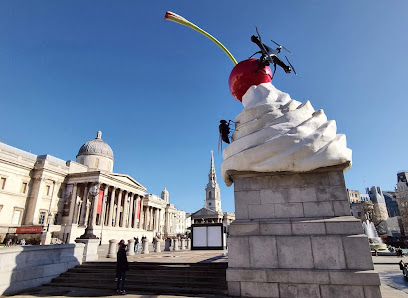
Goodwin’s Court
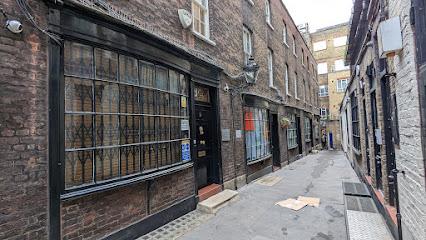
0.4 km
Experience the serene charm of Goodwin's Court, a historic landmark in London, perfect for leisurely strolls and captivating photography.
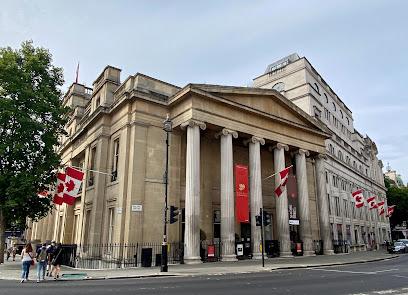
Canada House
0.4 km
A grand Greek Revival building on Trafalgar Square, Canada House is a cultural and diplomatic showcase for Canada in the heart of London.
Unmissable attractions to see

London self-guided board game tour
0.0 km
Explore London’s iconic landmarks and hidden gems through a fun, interactive self-guided board game tour at your own pace.
M&M'S London
0.1 km
Discover the colorful world of M&M'S in London, where every visit is a sweet adventure filled with chocolate delights and interactive fun.
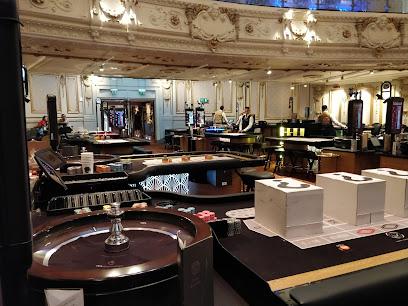
Grosvenor Casino, Piccadilly
0.1 km
Experience nonstop gaming excitement and stylish social vibes in the heart of London’s West End at Grosvenor Casino Piccadilly.
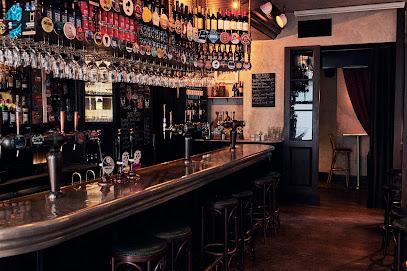
The Blue Posts
0.1 km
A historic Soho pub blending classic charm with sleek modernity, offering lively drinks and a welcoming atmosphere in the heart of London’s West End.
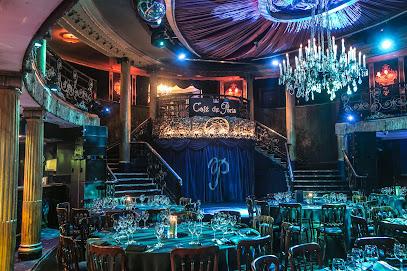
Café de Paris
0.1 km
Experience the vibrant nightlife of London at Café de Paris, an iconic venue known for live music, exquisite dining, and unforgettable events.
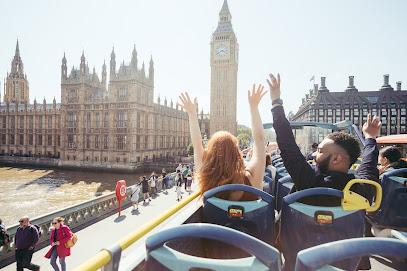
Tootbus London
0.1 km
Explore London’s iconic sights sustainably with Tootbus’s electric hop-on hop-off buses, family-friendly tours, and scenic Thames cruises.
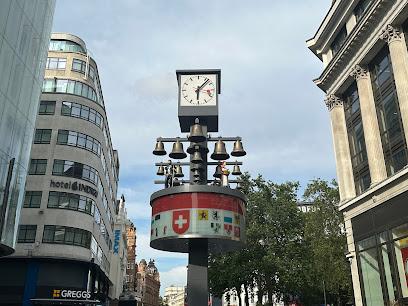
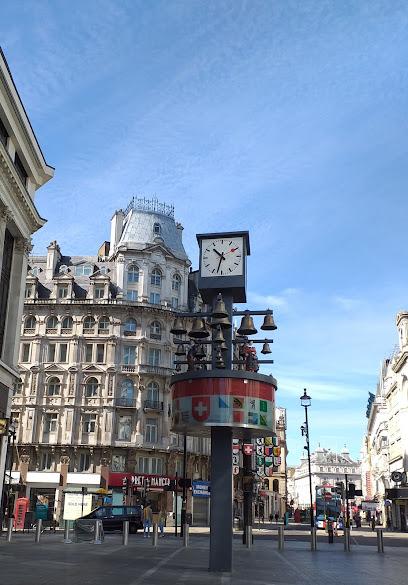
Swiss Glockenspiel
0.1 km
Experience the charm of the Swiss Glockenspiel in London, where art and tradition meet in a captivating clock tower performance.
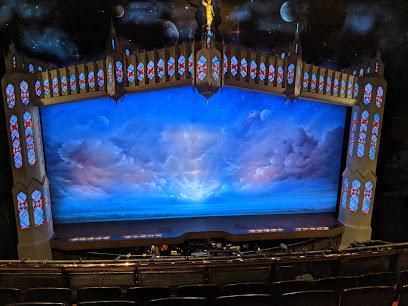
Prince of Wales Theatre
0.1 km
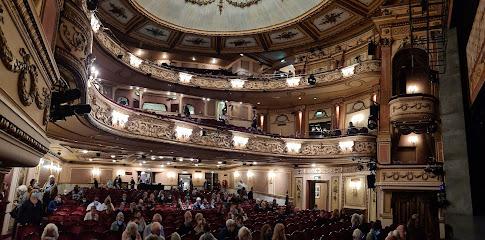
Historic Art Deco West End theatre in London’s Theatreland, famed for premier musicals and an intimate yet grand audience experience.
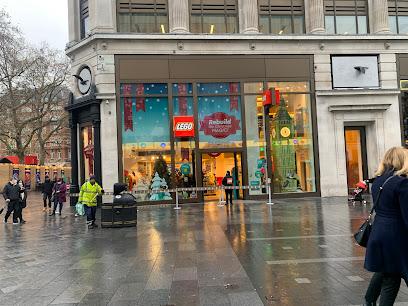
The LEGO® Store Leicester Square
0.1 km
Explore the world’s largest LEGO® Store in London’s Leicester Square, where creativity, iconic models, and exclusive experiences await every fan.
Leicester Square
0.1 km
Discover Leicester Square, London's vibrant entertainment hub, rich with theaters, dining, and lively street performances, perfect for tourists seeking excitement.
The Book Of Mormon
0.1 km
Experience the irreverent, award-winning musical comedy The Book of Mormon at London’s Prince of Wales Theatre, where sharp satire meets catchy tunes.
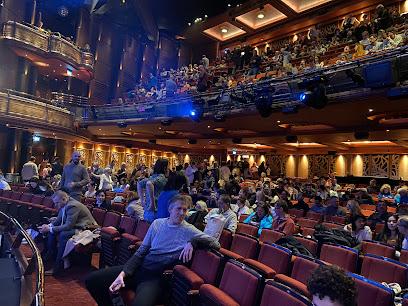
Chinatown
0.1 km
Discover the vibrant flavors, rich culture, and iconic sights of London’s bustling Chinatown in the heart of the West End.
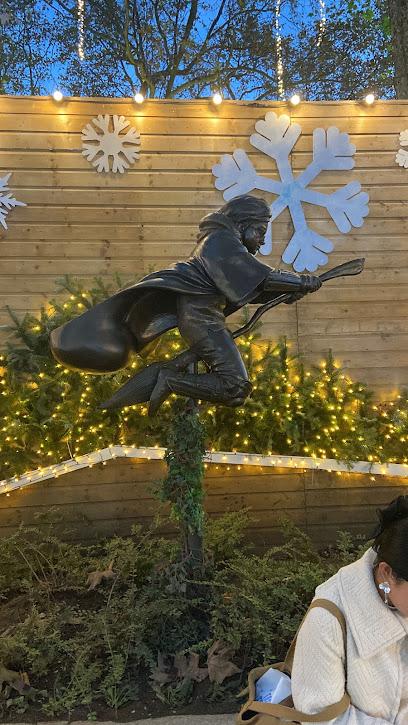
Harry Potter Statue
0.1 km
Discover the enchanting Harry Potter Statue in Leicester Square, capturing the magic of Quidditch and London’s cinematic legacy.
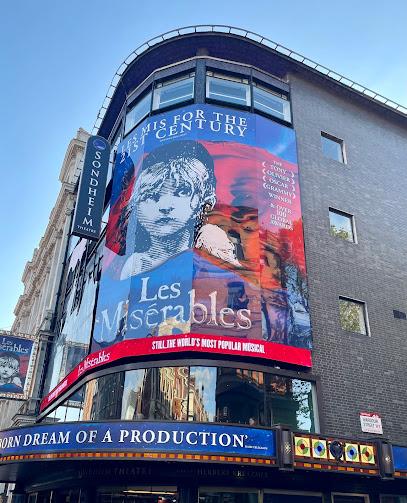
Sondheim Theatre
0.1 km
Historic West End theatre on Shaftesbury Avenue, home to Les Misérables and named for Stephen Sondheim after a stunning 2019 restoration.
Gielgud Theatre
0.1 km
Experience world-class theatre in the intimate, historic Gielgud Theatre nestled in London’s vibrant West End.
Essential places to dine

Evelyn's Table
0.1 km
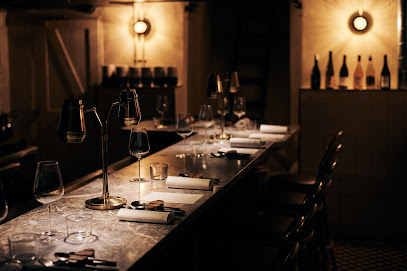
Discover Evelyn's Table, a Michelin-starred, intimate dining counter in Soho offering inventive British cuisine with French and Japanese flair.
Meet Fresh
0.1 km
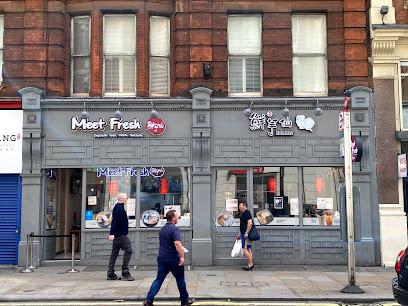
Authentic Taiwanese desserts in lively Soho, offering generous portions of mochi, taro balls, and refreshing fruit teas in a bustling urban setting.
New Loon Fung Restaurant
0.1 km
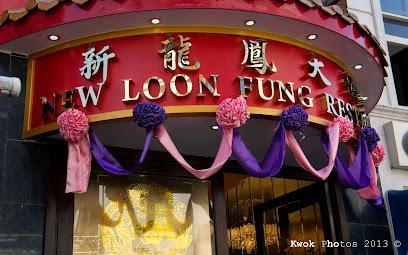
Experience authentic Cantonese dim sum and classic Chinese dishes in one of Chinatown’s largest, long-standing restaurants on bustling Gerrard Street.
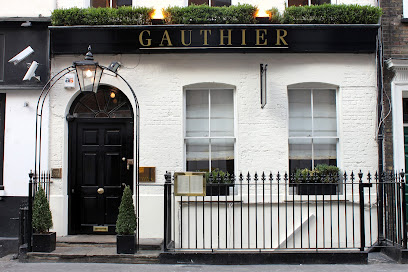
Gauthier Soho
0.2 km
Innovative vegan French fine dining in a stylish Soho townhouse, blending tradition with plant-based creativity.
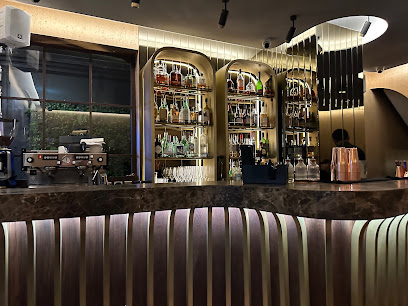
Bantof
0.2 km
Discover Bantof, Soho’s intimate hotspot blending Michelin-starred modern European cuisine, inventive cocktails, and vibrant art in a stylish, welcoming setting.
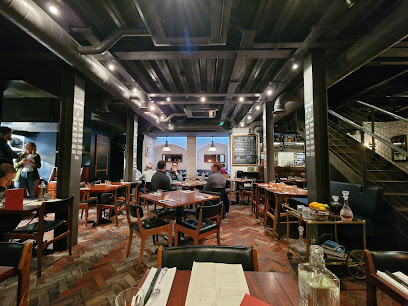
Blacklock Soho
0.2 km
A vibrant Soho basement chophouse serving exceptional grass-fed steaks and chops in a lively, rustic setting with unbeatable value.
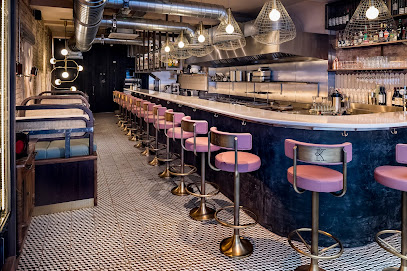
Kricket Soho
0.2 km
Discover bold, modern Indian small plates in a lively Soho setting with an open kitchen and vibrant basement dining.
Mele e Pere
0.3 km
Discover authentic Italian flavors and a rich vermouth selection in the cozy, candlelit basement of Soho’s Mele e Pere.
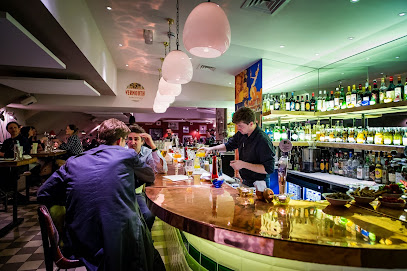
J Sheekey
0.3 km
Classic British seafood excellence in Covent Garden’s elegant, theatre-adjacent dining gem.
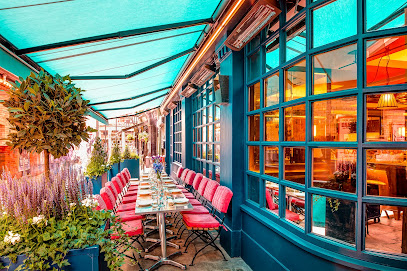
Hoppers Soho
0.3 km
Experience vibrant Sri Lankan street food and signature hoppers in a lively, intimate Soho setting bursting with authentic flavors and culture.
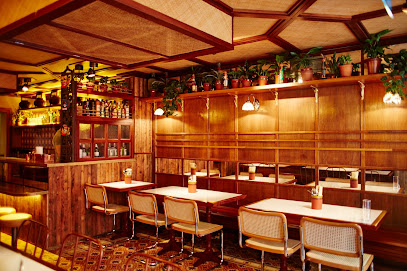
La Bodega Negra Restaurant
0.3 km
Experience daring Mexican cuisine and vibrant nightlife in Soho’s provocative La Bodega Negra, where edgy ambiance meets inventive flavors.
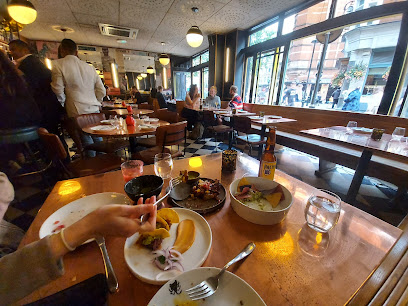
Quo Vadis
0.4 km
An iconic Soho dining destination blending refined modern British cuisine with elegant historical charm and a lively, convivial atmosphere.
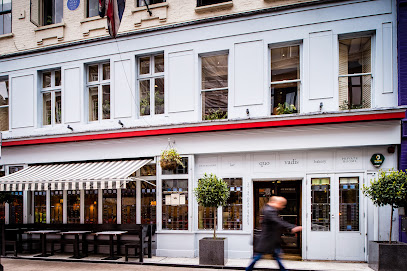
Sussex Bar & Restaurant
0.4 km
A vibrant Soho bistro blending Sussex countryside flavors with London’s energy, featuring seasonal British dishes and curated wines.
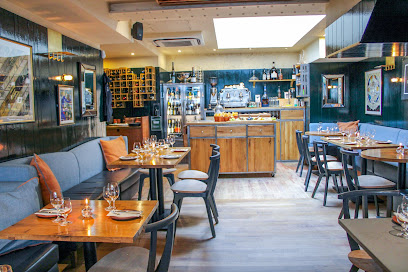
Andrew Edmunds Restaurant
0.4 km
A romantic Soho townhouse serving refined Franco-Mediterranean dishes with an acclaimed wine list in an intimate, candlelit setting.
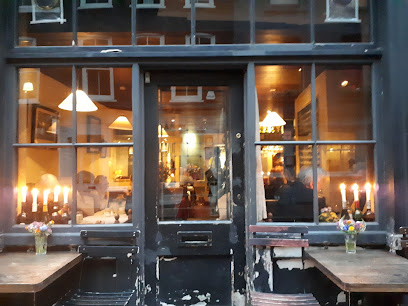
Wild Honey St James
0.4 km
Michelin-starred French-influenced cooking in a Grade II-listed banking hall, where refined technique meets understated elegance.
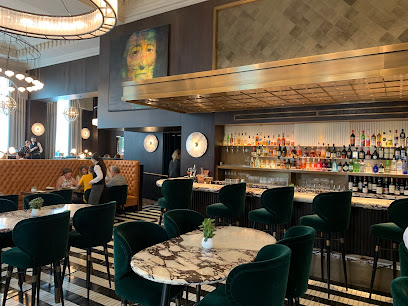
Markets, malls and hidden boutiques

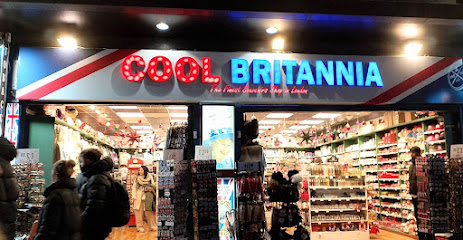
Cool Britania
0.1 km
Discover authentic British souvenirs and capture timeless memories at Cool Britannia, Leicester Square’s premier gift and photography shop.
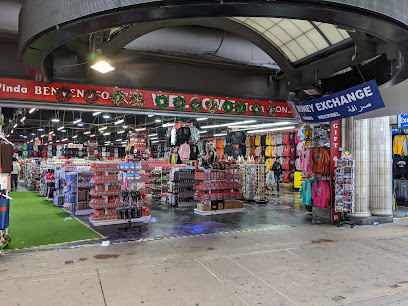
Glorious London Gift & Souvenir
0.1 km
Discover unique souvenirs and gifts that embody the spirit of London at Glorious London Gift & Souvenir, a must-visit shopping destination.
La Boutik
0.2 km
Soho's chic haven for European designer imports on buzzing Dean Street—unique fashion finds in London's creative epicenter.
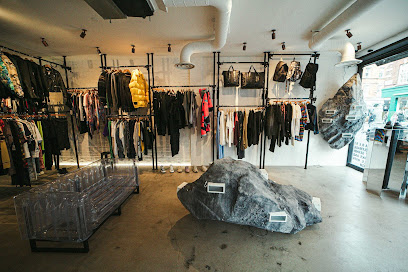
Machine-A
0.2 km
Small but influential Soho boutique showcasing curated avant‑garde and emerging fashion with gallery‑like presentation.
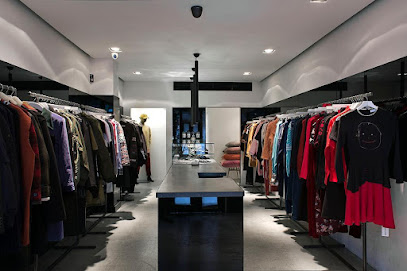
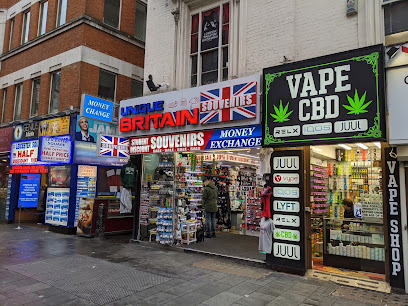
Unique Britain
0.2 km
Discover authentic British souvenirs and artistic keepsakes in the heart of London’s lively West End on historic Cranbourn Street.
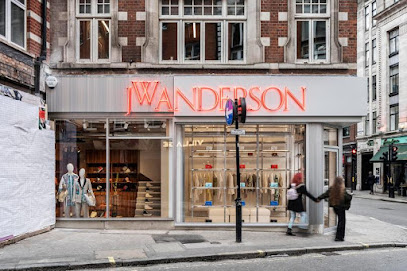
JW Anderson London Soho
0.2 km
Soho's avant-garde flagship: minimalist Shaker-inspired space brimming with gender-fluid luxury fashion, artisanal homewares, and exclusive collaborations.
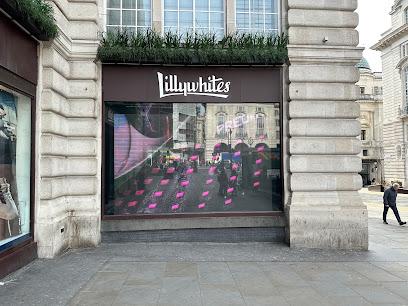
Lillywhites
0.2 km
London's iconic sports megastore at Piccadilly Circus—where athletic excellence meets retail tradition.
CLOSET CASE SOHO LONDON
0.2 km
Discover avant-garde menswear from global designers in Soho's vibrant heart – unique finds for the bold dresser at Closet Case.
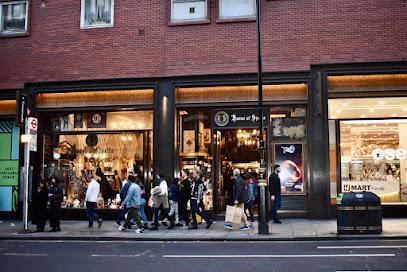
House of Spells
0.3 km
Step into a world of magic and fandom at House of Spells, London’s enchanting emporium for Harry Potter and fantasy collectibles.
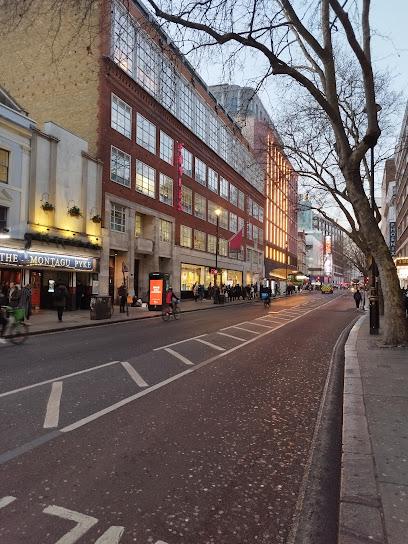
Charing Cross Rd
0.3 km
Charing Cross Road: London’s iconic street for book lovers, theatres, and vibrant urban culture in the heart of the West End.
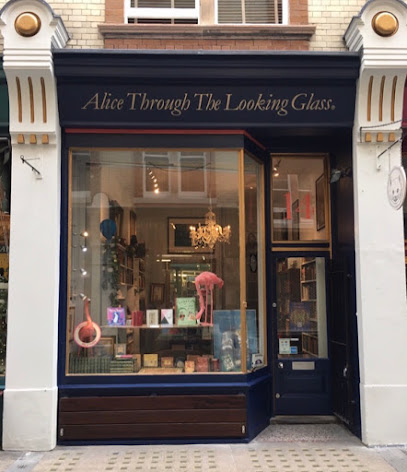
Alice Through The Looking Glass
0.3 km
Step into a whimsical world of antiques, art, and literary treasures inspired by Alice in Wonderland in the heart of London’s Cecil Court.
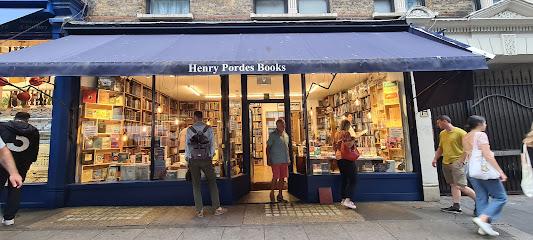
Henry Pordes Books Ltd
0.3 km
London's legendary independent rare bookshop preserving literary treasures on historic Charing Cross Road.
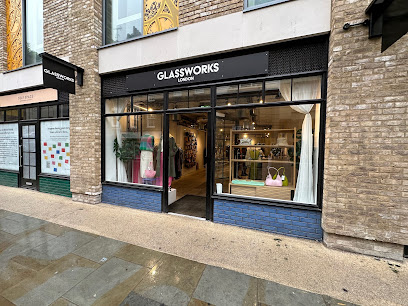
Glassworks London - Soho
0.3 km
Discover limited-edition London fashion at Glassworks Soho: quality designs, weekly drops, and timeless style on vibrant Berwick Street.
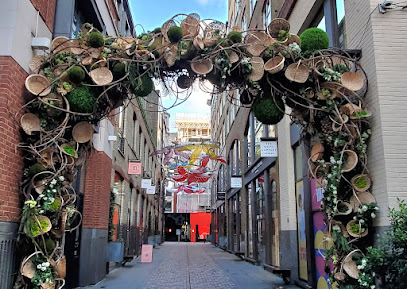
St Martin's Courtyard
0.4 km
Experience the vibrant blend of shopping, dining, and relaxation at St Martin's Courtyard in the heart of Covent Garden, London.
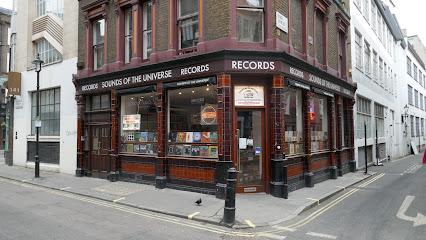
Sounds of the Universe
0.4 km
Discover a world of diverse vinyl and music culture at Soho’s iconic Sounds of the Universe record store.
Essential bars & hidden hideouts

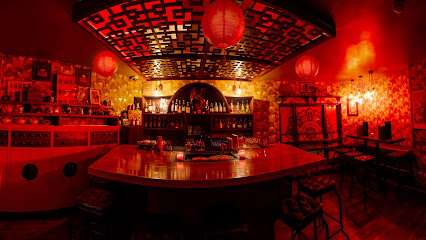
Opium Cocktail Bar - Soho
0.1 km
Discover a hidden Soho speakeasy blending 1920s Shanghai charm with inventive cocktails and exquisite dim sum in London’s Chinatown.
All Bar One Leicester Square
0.1 km
Stylish wine and cocktail bar in the heart of Leicester Square, perfect for socializing, dining, and private events in central London.
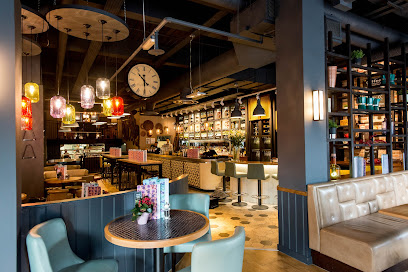
Ku Bar
0.2 km
Soho's legendary gay bar icon: three levels of inclusive vibes, cocktails, and basement beats in Chinatown's electric heart.
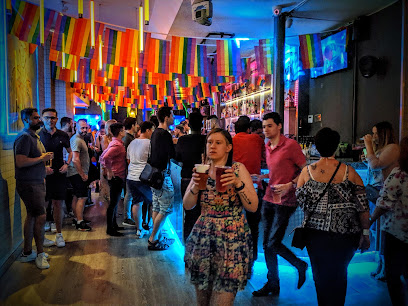
Hampshire Restaurant and Bar
0.2 km
Intimate bar and restaurant serving vibrant Mexican and Peruvian cuisine in the heart of Leicester Square’s iconic theatre district.
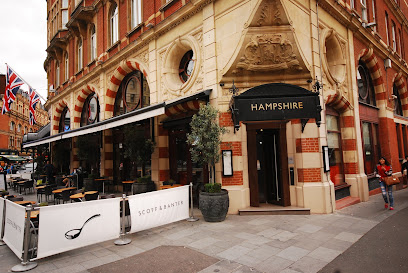
Village Soho
0.2 km
A lively, inclusive gay bar in Soho with energetic dance floors, go-go dancers, karaoke nights, and a vibrant LGBTQ+ atmosphere.
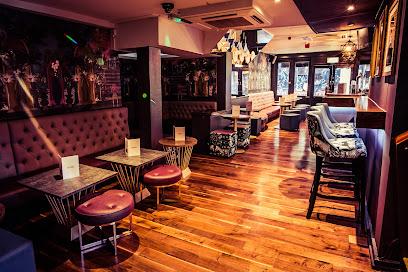
The Thin White Duke
0.2 km
Discover Soho’s intimate cocktail bar inspired by David Bowie, blending bespoke drinks, award-winning dim sum, and creative recording studios.
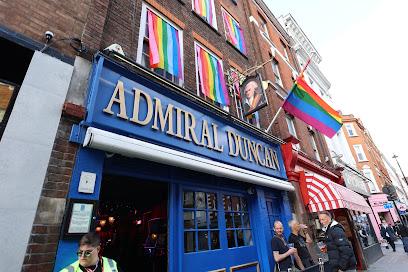
The Admiral Duncan - Soho
0.2 km
Historic Soho gay pub and resilient LGBTQ+ landmark, symbolizing community strength and vibrant nightlife since the 1830s.
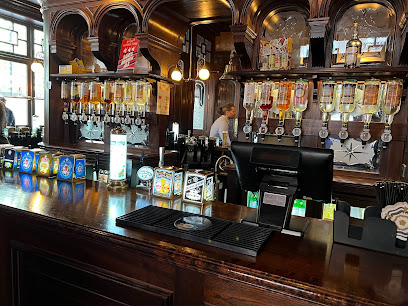
Duke of Argyll
0.2 km
Step into the Duke of Argyll for authentic Victorian pub charm, affordable ales, and a warm Soho atmosphere in central London.
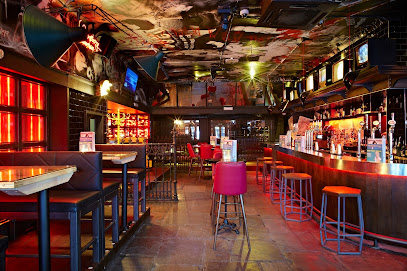
Bar Soho
0.3 km
A theatrical two‑floor cocktail bar on Old Compton Street — daytime drinks and late‑night DJs for dancing, private hire and people‑watching in the heart of Soho.
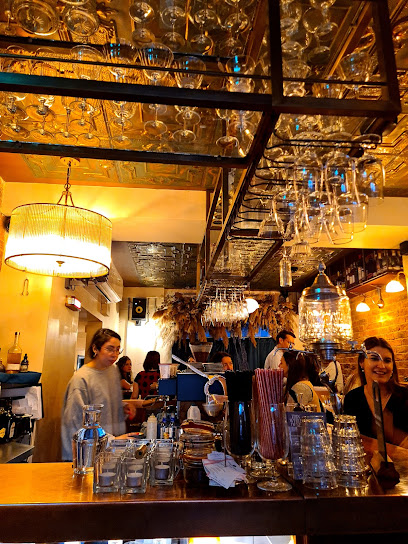
The Black Book
0.3 km
Soho's clandestine basement wine bar, pouring rare vintages by the glass alongside Mediterranean bites in a former members' club hideout—perfect for late-night indulgence.
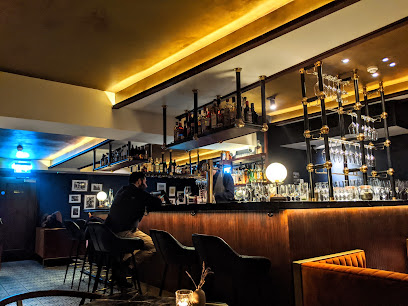
The Coach & Horses, Soho
0.3 km
Historic Soho pub famed for its legendary landlord, literary clientele, and London’s first vegetarian and vegan menu.
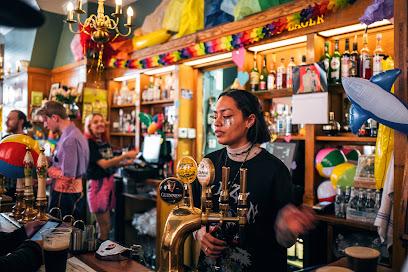
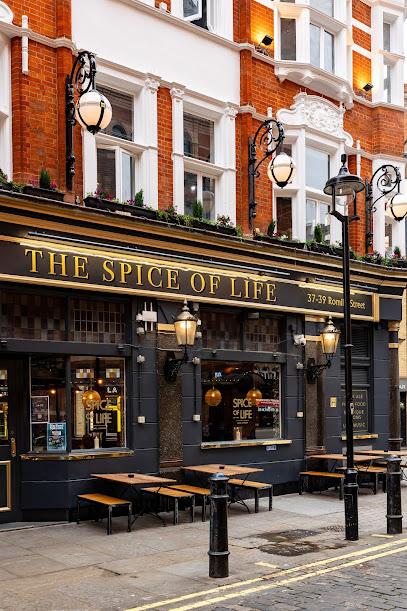
The Spice Of Life
0.3 km
Historic Soho pub and live music venue blending traditional charm with vibrant nightlife and boutique hotel comforts.
Covent Garden Social Club
0.3 km
Dive into Covent Garden's dual-world party den: prohibition cocktails below, live piano magic above—West End's ultimate nightlife hideaway for cocktails, cabaret, and endless sing-alongs. (162 characters)
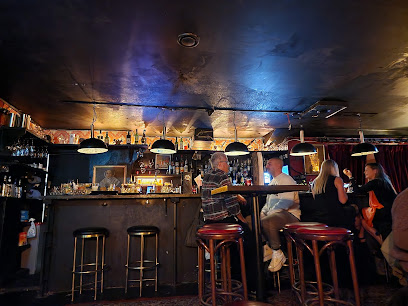
Bar Termini
0.3 km
An intimate Soho gem blending Italian cocktail artistry with a cozy, elegant atmosphere in London’s vibrant West End.
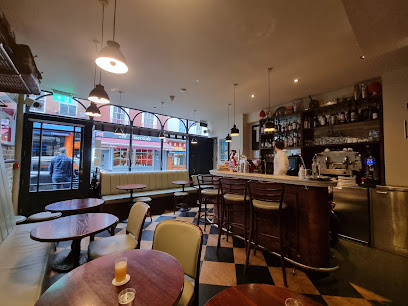
Swift Soho
0.3 km
Soho's split-level cocktail gem: aperitivo elegance upstairs, whisky-laced intimacy below, with live jazz and legendary mixes drawing night owls to Old Compton Street.
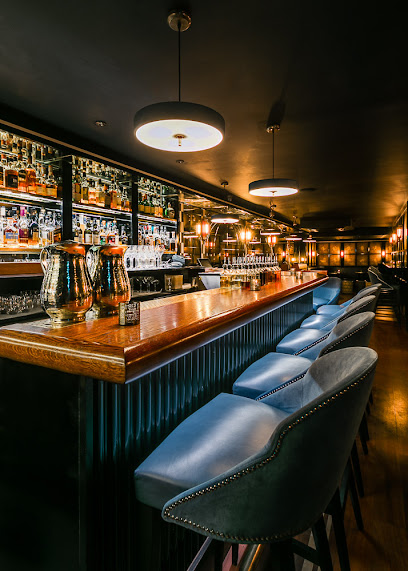
For the vibe & atmosphere seeker
- Lively
- Scenic
- Fun-filled
- Unique
- Casual
For the design and aesthetic lover
- Colorful Aesthetics
- Vintage Styles
For the architecture buff
- Historic
- Landmarks
- Art & Design
For the view chaser and sunset hunter
- Iconic Views
- Photo Spots
For the social media creator & influencer
- Instagrammable
- Photo Spots
- Selfie Spots
For the eco-conscious traveler
- Public-Transport Accessible
For the kind of experience you’re after
- Cultural Heritage
- Photowalk
- Festival / Event Nearby
- Day Trip
For how adventurous you want the journey to be
- Easy Access
Location Audience
- Family Friendly
- LGBT Friendly
- Senior Friendly
- Child Friendly
- Teen Friendly
- Wheelchair Access
- Pet Friendly
- Solo Friendly
- Couple Friendly
- Solo Female Friendly
- Vegetarian Friendly
- Vegan Friendly


