

225 Piccadilly Circus: Iconic Heart of London’s West End
At the luminous heart of London’s West End, 225 Piccadilly Circus dazzles with history, iconic lights, and vibrant urban energy.
225 Piccadilly Circus stands at the vibrant core of London’s West End, a bustling junction renowned for its dazzling neon signs, historic architecture, and rich cultural legacy. This landmark area links Regent Street and Piccadilly, serving as a gateway to theatres, shopping, and nightlife. Its famous illuminated advertising and the Shaftesbury Memorial Fountain with Eros statue make it a must-see urban spectacle, blending history with contemporary London life.
A brief summary to 225 Piccadilly Circus
- 225 Piccadilly Circus, London, GB
- Duration: 0.5 to 2 hours
- Mid ranged
-
 Outdoor
- Mobile reception: 5 out of 5
Local tips
- Visit after dusk to experience the full spectacle of Piccadilly Circus’s famous illuminated advertising.
- Explore the nearby Criterion Theatre for a taste of historic London theatre culture.
- Use Piccadilly Circus Underground Station for quick access via Bakerloo and Piccadilly lines.
- Enjoy a meal or drink at the Hard Rock Café, located in the historic Criterion Building.

For the on-the-go comforts that matter to you
- Restrooms
- Drink Options
- Food Options
- Seating Areas
- Information Boards
Getting There
-
London Underground
Access Piccadilly Circus via the Underground station served by the Bakerloo and Piccadilly lines. Trains run frequently, with journey times from central hubs like Leicester Square around 2-5 minutes. The station is well-equipped but can be crowded during peak hours; ticket prices range from £2.50 to £6 depending on zones and ticket type.
-
Bus Services
Several London bus routes stop near Piccadilly Circus, including routes 14, 19, and 38. Buses offer a scenic way to reach the location from various parts of central London, with typical travel times of 10-25 minutes depending on traffic. Contactless payment is accepted, with fares around £1.75 per trip.
-
Taxi or Ride-Hailing
Black cabs and ride-hailing services like Uber provide direct access to Piccadilly Circus. Travel times vary from 10 to 30 minutes depending on traffic. Fares typically start around £8 and can increase during peak hours or heavy congestion.
-
Walking
From nearby landmarks such as Leicester Square or Trafalgar Square, walking to Piccadilly Circus takes approximately 10-15 minutes on mostly flat, paved urban terrain. The area is pedestrian-friendly with ample crossings but can be busy during peak times.
225 Piccadilly Circus location weather suitability
-
 Any Weather
-
 Rain / Wet Weather
-
 Clear Skies
-
 Mild Temperatures
Discover more about 225 Piccadilly Circus
A Historic Nexus of London’s Urban Design
225 Piccadilly Circus is situated at one of London’s most famous intersections, created in 1819 to connect Regent Street with Piccadilly. Originally designed by John Nash as part of a grand urban plan commissioned by George IV, the area evolved from a circular plaza into a complex junction linking major thoroughfares. The name 'Piccadilly' derives from a 17th-century tailor’s shop selling stiff lace collars called pickadills, highlighting the area's deep historical roots.Architectural and Cultural Landmarks
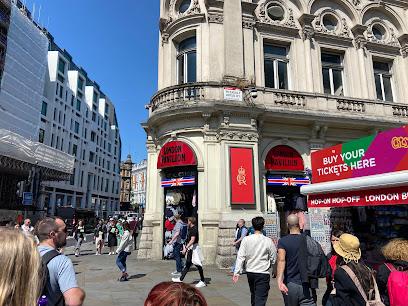
The site includes notable historic buildings such as the Criterion Theatre and the London Pavilion. The Criterion, built in 1873 with a neo-Byzantine interior, has served as a theatre, restaurant, and cultural hub for nearly 150 years. The London Pavilion, once a music hall, now houses modern attractions but retains its striking redbrick and Portland stone façade. The area’s architecture blends Victorian grandeur with modern commercial vibrancy.Vibrant Entertainment and Commercial Hub
Piccadilly Circus is synonymous with entertainment, shopping, and nightlife. It is surrounded by theatres, flagship stores, and restaurants, including the famous Hard Rock Café located in the Criterion Building. The junction’s electric billboards, first installed in the early 20th century, remain a defining feature, creating a vibrant, illuminated spectacle that draws visitors day and night.Transport and Connectivity
The location is a major transport hub, anchored by Piccadilly Circus Underground Station, serving the Bakerloo and Piccadilly lines. The station, originally opened in 1906 and rebuilt in 1928, accommodates millions of passengers annually. Beneath the surface lies a network of disused platforms and tunnels, a testament to London’s evolving transport history.Social and Historical Significance
Over decades, Piccadilly Circus has witnessed key historical moments, from suffragette meetings in the early 20th century to serving as a bustling air-raid shelter during World War II. It has inspired literary and cinematic works, appearing in stories from Sherlock Holmes to Downton Abbey, cementing its place in British cultural heritage.Modern-Day Experience and Atmosphere
Today, 225 Piccadilly Circus pulses with energy, blending its rich past with contemporary urban life. Visitors experience a dynamic atmosphere of bright lights, street performers, and a cosmopolitan crowd. The area is a crossroads of culture, commerce, and history, making it an essential stop for exploring London’s West End.Iconic landmarks you can’t miss

225 Piccadilly Circus
0.0 km
At the luminous heart of London’s West End, 225 Piccadilly Circus dazzles with history, iconic lights, and vibrant urban energy.
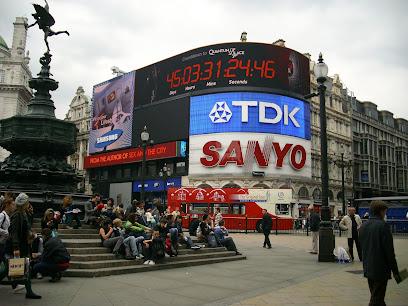
Piccadilly Circus
0.0 km
Piccadilly Circus pulses with iconic neon lights, historic monuments, and vibrant street life at the heart of London’s West End.

Eros (Shaftesbury Memorial Fountain)
0.0 km
Iconic London landmark honoring Victorian philanthropy with the world’s first aluminium statue, set amidst Piccadilly Circus’s vibrant theatre district.
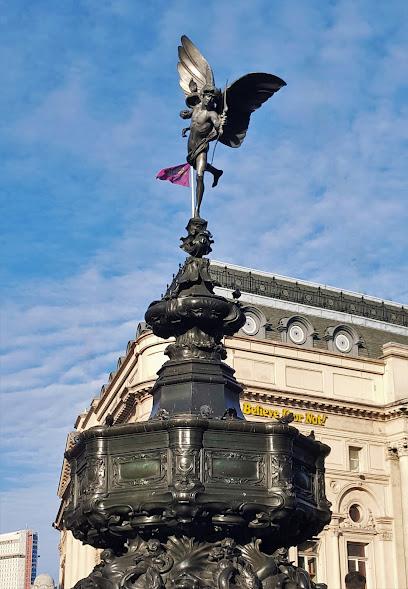
Mary Poppins Statue
0.3 km
Where cinema's most elegant nanny takes flight in the heart of London's film district.
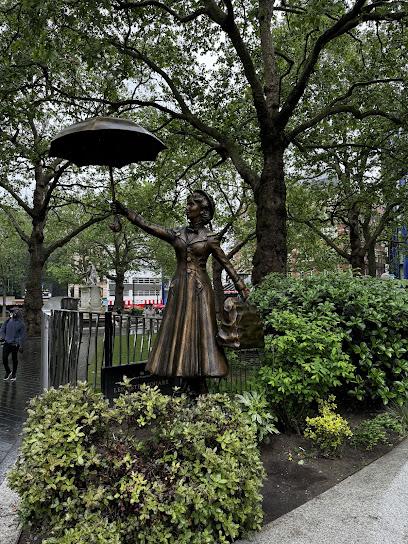
Leicester Square
0.3 km
London's glittering entertainment epicentre where cinema, theatre, and street culture converge in the heart of the West End.
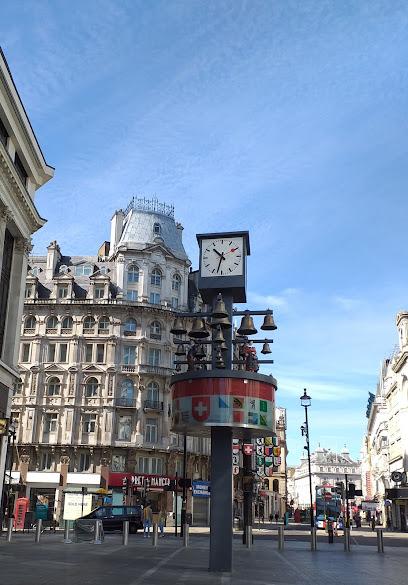
Golden Square
0.3 km
Discover the tranquility of Golden Square, a charming park in the heart of London, perfect for relaxation, picnics, and cultural experiences.
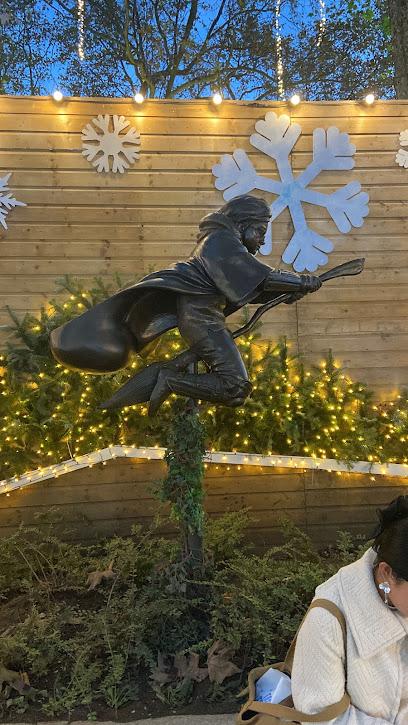
Harry Potter Statue
0.3 km
Where the boy wizard takes flight in London's cinematic heart—a bronze tribute to magic and movie history.
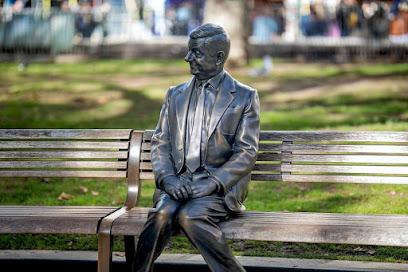
Mr Bean Statue
0.3 km
Explore the whimsical Mr. Bean Statue in Leicester Square, a must-see landmark that captures the charm and humor of British culture in the heart of London.
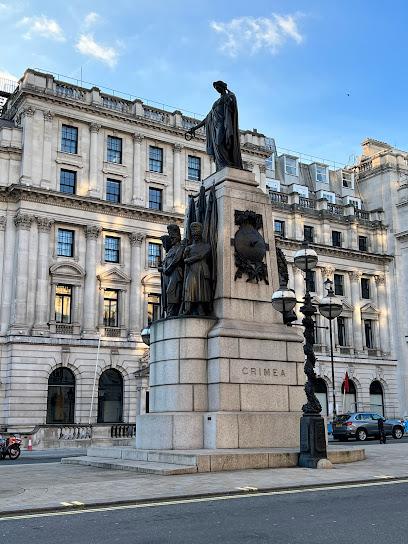
Guards Crimean War Memorial
0.3 km
A poignant bronze tribute in central London honoring the valor and sacrifice of ordinary soldiers in the Crimean War.
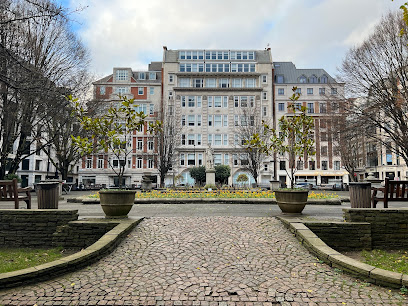
Waterloo Pl
0.3 km
Experience the historic elegance of Waterloo Place in London, where stunning architecture meets vibrant city life in a beautiful urban square.
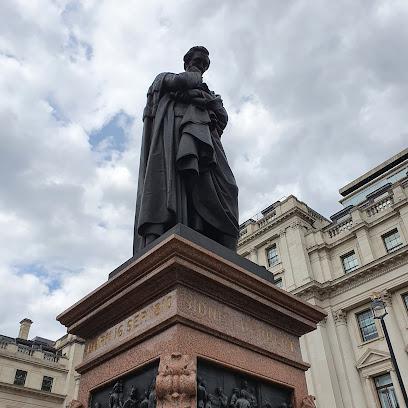
St James's Square
0.4 km
London’s oldest garden square, where Georgian elegance meets centuries of power, politics, and high society in the heart of Westminster.
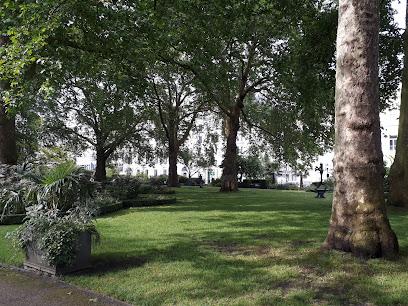
3 Savile Row
0.4 km
Historic Georgian townhouse in London, famed as The Beatles’ Apple Corps HQ and site of their legendary 1969 rooftop concert.
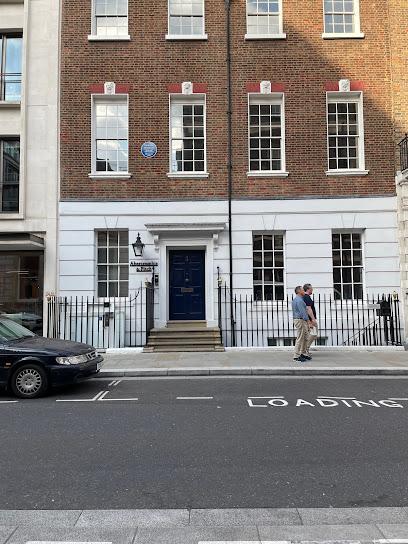
Pall Mall
0.4 km
Pall Mall, a historic London street famed for royal heritage, pioneering gas lighting, and exclusive gentlemen’s clubs near St James’s Palace.
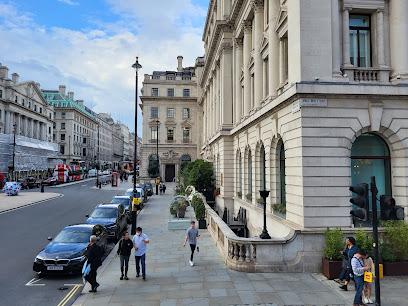
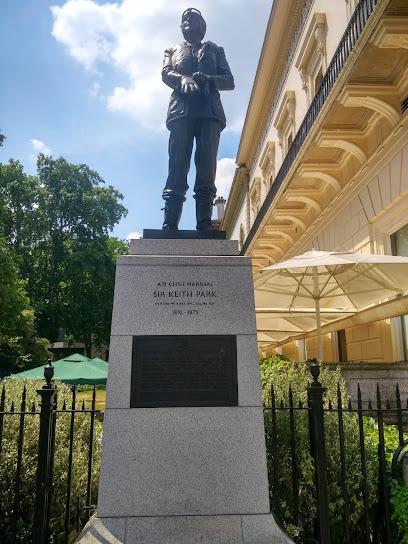
Sir Keith Park statue
0.4 km
Discover the Sir Keith Park Statue in London, an inspiring tribute to a World War II hero amidst the beauty of Waterloo Place.
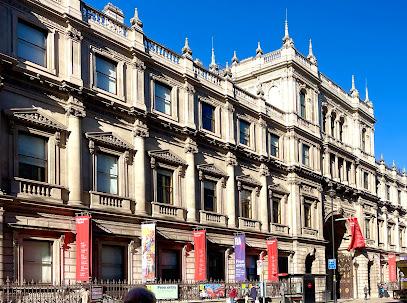
Burlington House
0.4 km
A grand 17th-century mansion on Piccadilly, now home to the Royal Academy of Arts and Britain’s leading learned societies, blending Palladian elegance with centuries of art and science.
Unmissable attractions to see

Piccadilly & Piccadilly Circus
0.0 km
Experience the vibrant crossroads of London’s West End where iconic lights, historic landmarks, and lively entertainment converge.
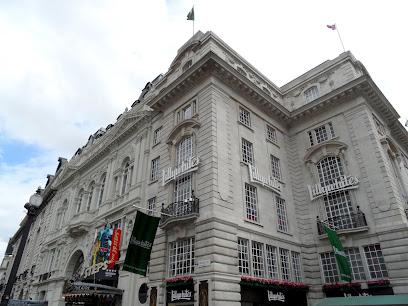
Lillywhites
0.0 km
London's premier sporting goods store on Regent Street, offering top brands and expert gear for every athlete and sports enthusiast.
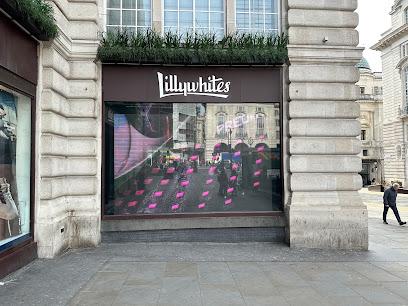
The London Pavillion
0.1 km
A historic West End landmark blending Victorian theatrical grandeur with modern urban culture in the heart of London’s Shaftesbury Avenue.
Picturehouse Central
0.1 km
Experience cinema in style at Picturehouse Central, a vibrant West End venue blending heritage charm with modern luxury and diverse film programming.
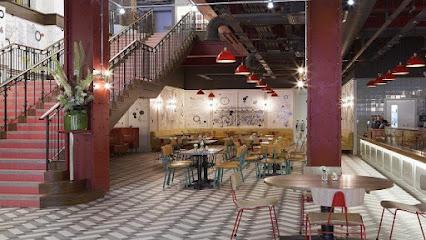
Tiger Tiger London
0.1 km
Discover the electrifying nightlife at Tiger Tiger London, a premier nightclub offering diverse entertainment and unforgettable experiences in the heart of the city.
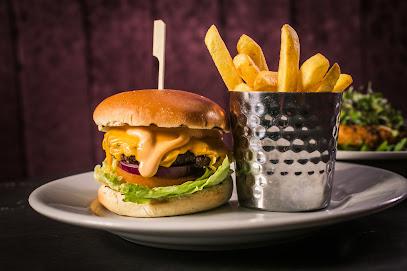
Piccadilly Theatre
0.1 km
Historic West End theatre offering immersive musicals and timeless Art Deco charm in the heart of London’s vibrant entertainment district.
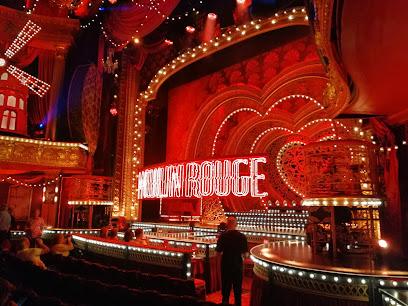
Comedy Carnival Leicester Square
0.2 km
Experience London’s top unapologetic stand-up comedy club with award-winning international acts in an intimate, lively setting near Leicester Square.
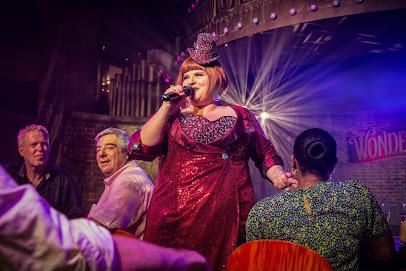
Wonderville
0.2 km
Discover Wonderville, London’s captivating cabaret club blending magic, comedy, and variety in an intimate West End setting near Piccadilly Circus.
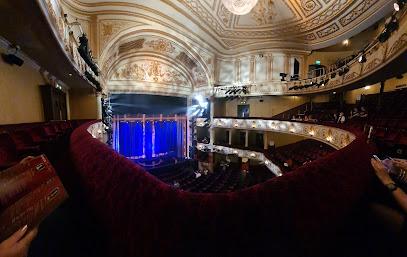
Lyric Theatre
0.2 km
London’s oldest surviving theatre on Shaftesbury Avenue, blending historic charm with world-class musicals and drama in the heart of the West End.
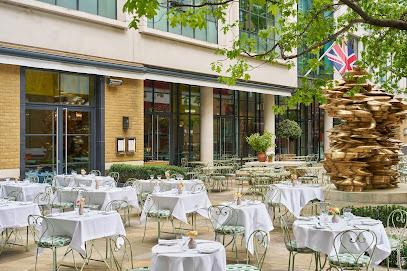
Ham Yard Hotel
0.2 km
A vibrant boutique hotel in Soho blending eclectic design, luxury amenities, and central London convenience in a lively yet tranquil setting.
Prince of Wales Theatre
0.2 km
Historic Art Deco West End theatre in London’s Theatreland, famed for premier musicals and an intimate yet grand audience experience.
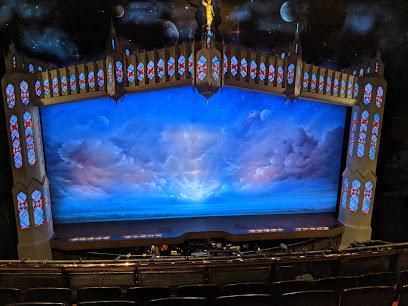
The Book Of Mormon
0.2 km
Experience the irreverent, award-winning musical comedy The Book of Mormon at London’s Prince of Wales Theatre, where sharp satire meets catchy tunes.
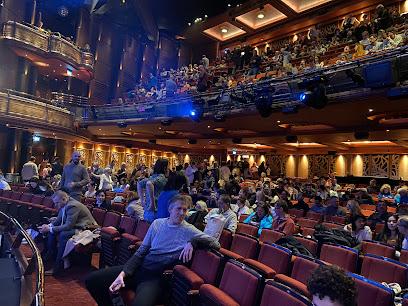
Tootbus London
0.2 km
Explore London’s iconic sights sustainably with Tootbus’s electric hop-on hop-off buses, family-friendly tours, and scenic Thames cruises.
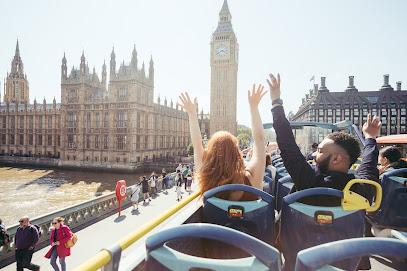
Haymarket
0.2 km
Step into the Theatre Royal Haymarket, a historic West End jewel blending Georgian elegance with three centuries of theatrical brilliance.
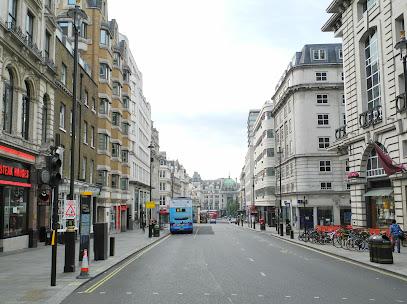
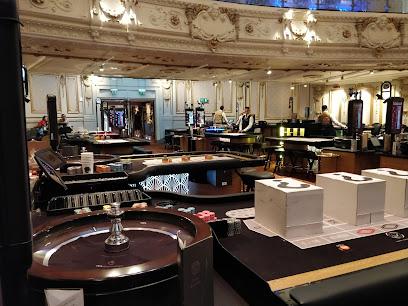
Grosvenor Casino, Piccadilly
0.2 km
Experience nonstop gaming excitement and stylish social vibes in the heart of London’s West End at Grosvenor Casino Piccadilly.
Essential places to dine

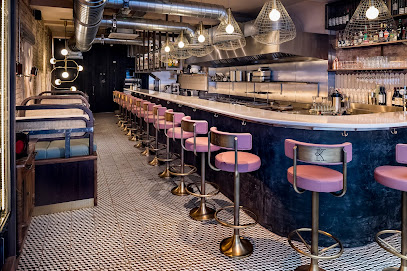
Kricket Soho
0.1 km
Discover bold, modern Indian small plates in a lively Soho setting with an open kitchen and vibrant basement dining.
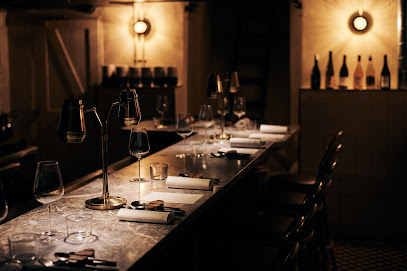
Evelyn's Table
0.2 km
Discover Evelyn's Table, a Michelin-starred, intimate dining counter in Soho offering inventive British cuisine with French and Japanese flair.
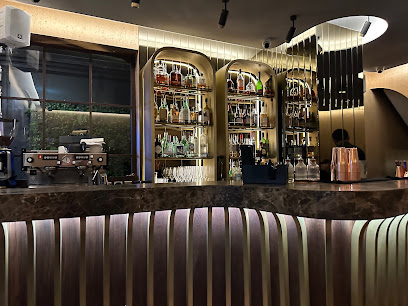
Bantof
0.2 km
Discover Bantof, Soho’s intimate hotspot blending Michelin-starred modern European cuisine, inventive cocktails, and vibrant art in a stylish, welcoming setting.
Blacklock Soho
0.2 km
A vibrant Soho basement chophouse serving exceptional grass-fed steaks and chops in a lively, rustic setting with unbeatable value.
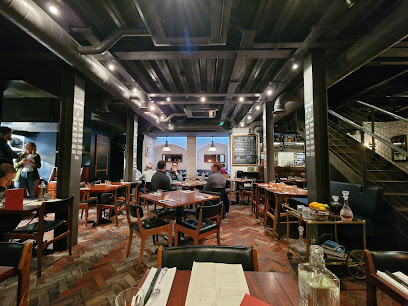
Mele e Pere
0.2 km
Discover authentic Italian flavors and a rich vermouth selection in the cozy, candlelit basement of Soho’s Mele e Pere.
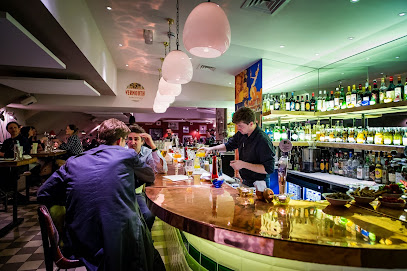
Wild Honey St James
0.3 km
Michelin-starred French-influenced cooking in a Grade II-listed banking hall, where refined technique meets understated elegance.
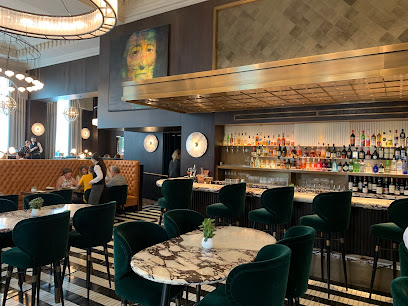
Bob Bob Ricard Soho
0.3 km
Experience glamorous British & French dining in Soho with iconic booths and a unique ‘Press for Champagne’ button at every table.
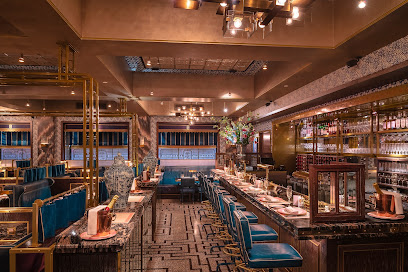
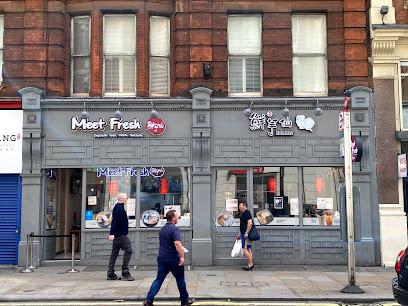
Meet Fresh
0.3 km
Authentic Taiwanese desserts in lively Soho, offering generous portions of mochi, taro balls, and refreshing fruit teas in a bustling urban setting.
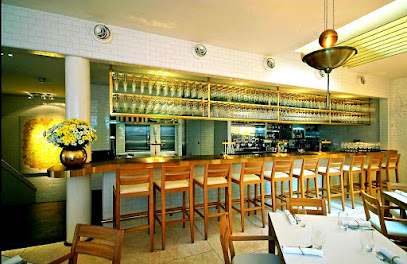
NOPI
0.4 km
Experience vibrant Mediterranean and Middle Eastern flavors in Soho at NOPI, Ottolenghi’s innovative restaurant known for shareable, seasonal dishes.
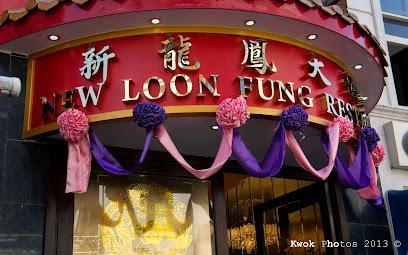
New Loon Fung Restaurant
0.4 km
Experience authentic Cantonese dim sum and classic Chinese dishes in one of Chinatown’s largest, long-standing restaurants on bustling Gerrard Street.
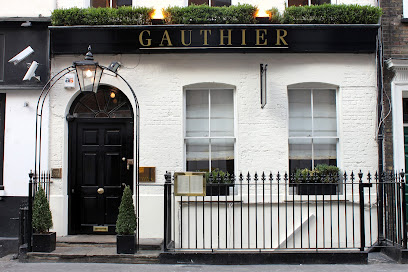
Gauthier Soho
0.4 km
Innovative vegan French fine dining in a stylish Soho townhouse, blending tradition with plant-based creativity.
Andrew Edmunds Restaurant
0.4 km
A romantic Soho townhouse serving refined Franco-Mediterranean dishes with an acclaimed wine list in an intimate, candlelit setting.
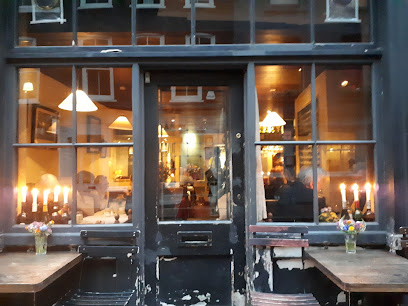
Quaglino's
0.4 km
Glamorous basement brasserie with live music, cocktails, and theatrical dining in St. James's.
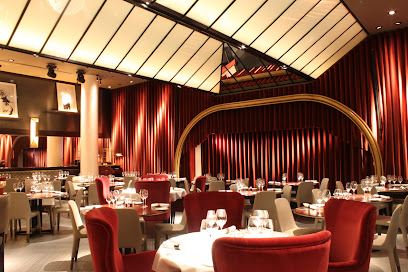
Kingly Court
0.4 km
Discover a world of flavors in London’s vibrant Kingly Court, where global cuisine meets Soho’s lively spirit.
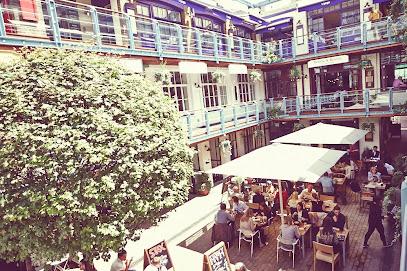
Golden Lion
0.5 km
Historic 1690s pub in St James's offering classic British fare, rich heritage, and a warm, family-friendly atmosphere near Buckingham Palace.
Markets, malls and hidden boutiques

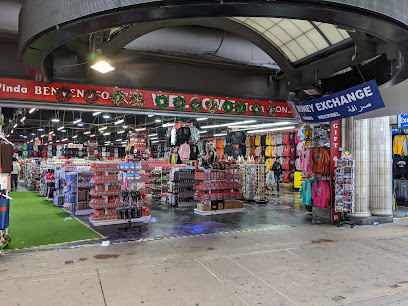
Glorious London Gift & Souvenir
0.1 km
Discover unique souvenirs and gifts that embody the spirit of London at Glorious London Gift & Souvenir, a must-visit shopping destination.
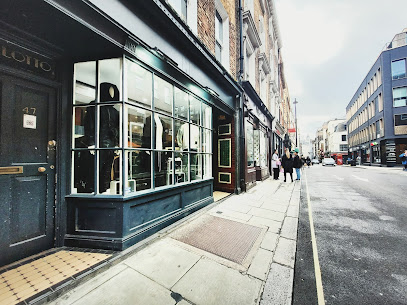
CLOSET CASE SOHO LONDON
0.2 km
Discover avant-garde menswear from global designers in Soho's vibrant heart – unique finds for the bold dresser at Closet Case.
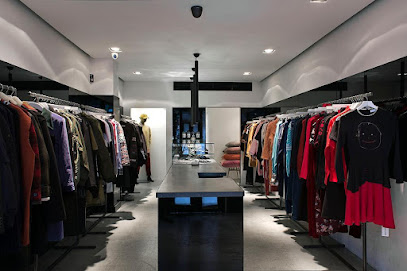
Machine-A
0.3 km
Small but influential Soho boutique showcasing curated avant‑garde and emerging fashion with gallery‑like presentation.
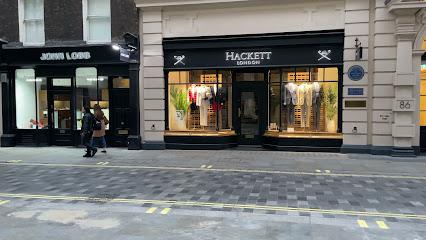
Princes Arcade
0.3 km
A refined covered arcade where London's bespoke traditions meet curated luxury shopping.
Floris London
0.3 km
Experience nearly three centuries of British fragrance heritage at Floris London’s historic boutique on iconic Jermyn Street.
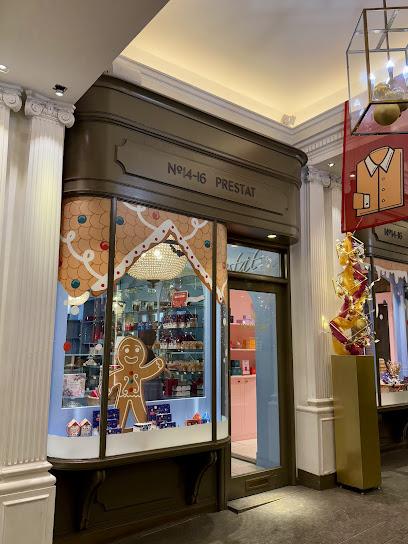
Prestat Chocolates
0.3 km
Royal warrant chocolatier crafting sophisticated truffles in Piccadilly's elegant Princes Arcade since 1902.
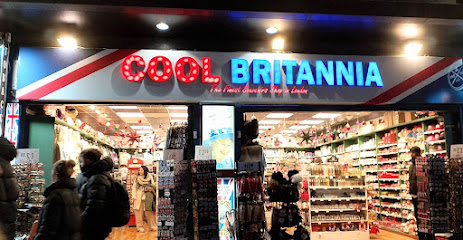
Cool Britania
0.3 km
Discover authentic British souvenirs and capture timeless memories at Cool Britannia, Leicester Square’s premier gift and photography shop.
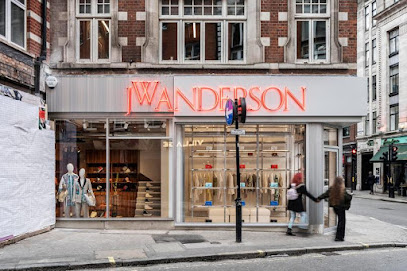
JW Anderson London Soho
0.3 km
Soho's avant-garde flagship: minimalist Shaker-inspired space brimming with gender-fluid luxury fashion, artisanal homewares, and exclusive collaborations.
Fortnum & Mason
0.3 km
Historic luxury food hall and iconic London emporium offering gourmet delights, royal hampers, and timeless British tradition since 1707.
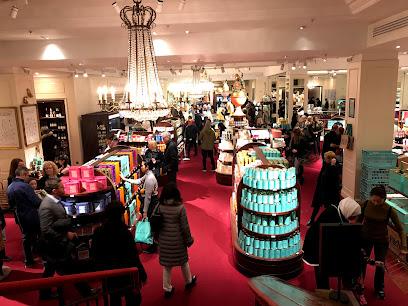
La Boutik
0.4 km
Soho's chic haven for European designer imports on buzzing Dean Street—unique fashion finds in London's creative epicenter.
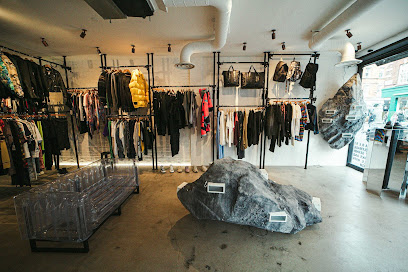
Glassworks London - Soho
0.4 km
Discover limited-edition London fashion at Glassworks Soho: quality designs, weekly drops, and timeless style on vibrant Berwick Street.
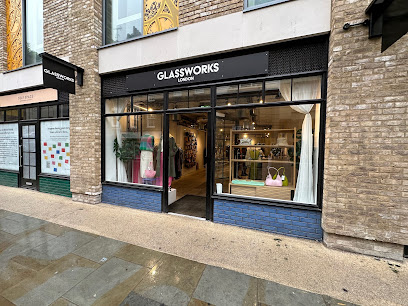
Piccadilly Arcade
0.4 km
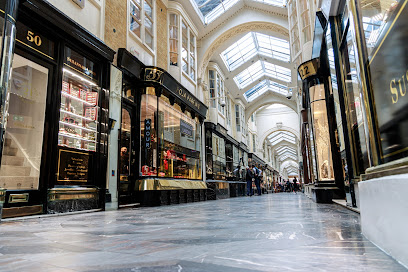
Discover Edwardian elegance and bespoke luxury in Piccadilly Arcade, a historic shopping gem linking Piccadilly and Jermyn Street in London.
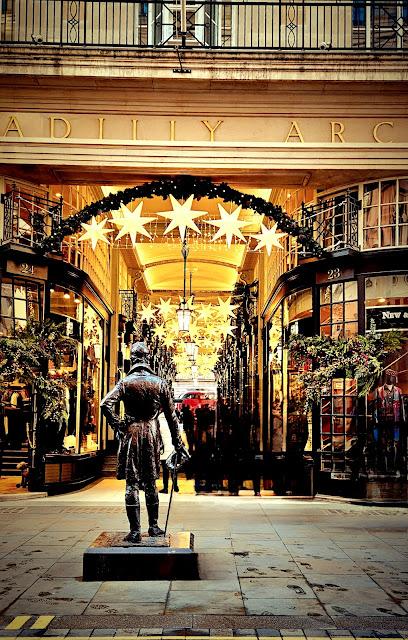
Burlington Arcade
0.4 km
Discover a luxurious shopping experience at Burlington Arcade, where timeless elegance meets exquisite craftsmanship in the heart of London.
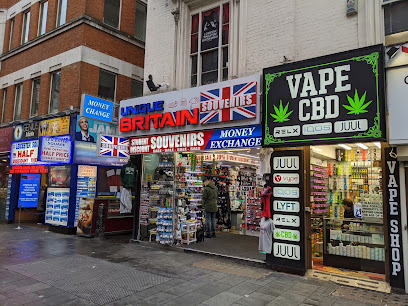
Unique Britain
0.4 km
Discover authentic British souvenirs and artistic keepsakes in the heart of London’s lively West End on historic Cranbourn Street.
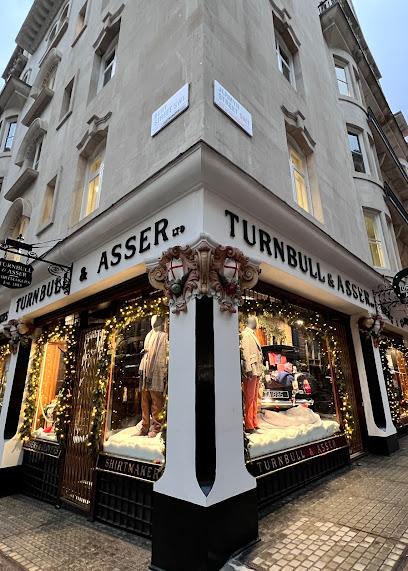
Turnbull & Asser Jermyn Street
0.4 km
Discover Turnbull & Asser on Jermyn Street, the quintessential British shirtmaker blending heritage craftsmanship with timeless elegance since 1885.
Essential bars & hidden hideouts

The Thin White Duke
0.2 km
Discover Soho’s intimate cocktail bar inspired by David Bowie, blending bespoke drinks, award-winning dim sum, and creative recording studios.
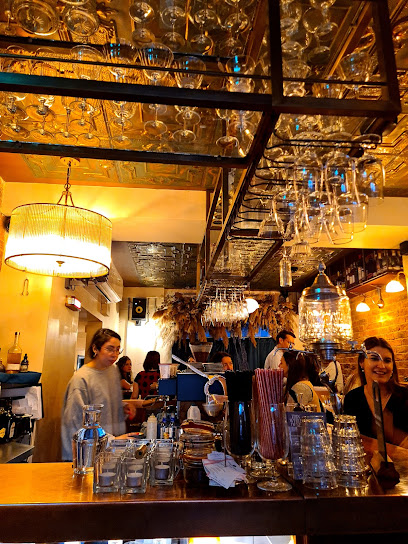
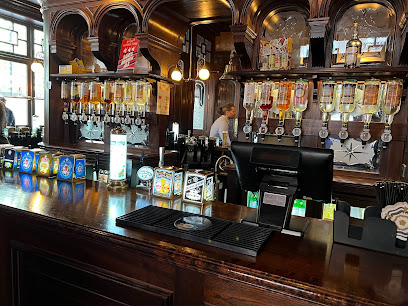
Duke of Argyll
0.2 km
Step into the Duke of Argyll for authentic Victorian pub charm, affordable ales, and a warm Soho atmosphere in central London.
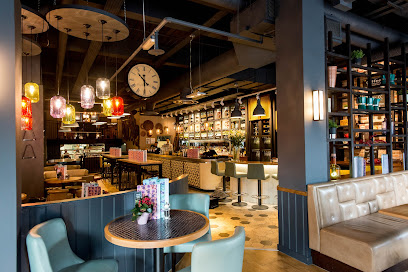
All Bar One Leicester Square
0.3 km
Stylish wine and cocktail bar in the heart of Leicester Square, perfect for socializing, dining, and private events in central London.
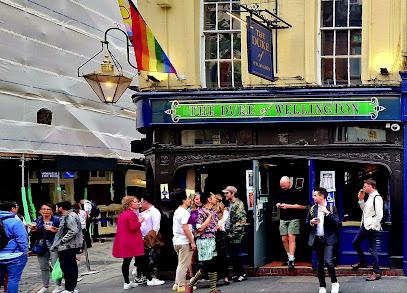
Duke Of Wellington
0.3 km
A lively Soho pub blending traditional British charm with modern nightlife energy on Wardour Street.
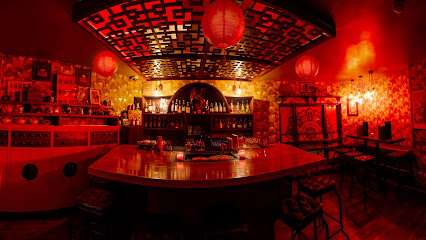
Opium Cocktail Bar - Soho
0.3 km
Discover a hidden Soho speakeasy blending 1920s Shanghai charm with inventive cocktails and exquisite dim sum in London’s Chinatown.
Village Soho
0.3 km
A lively, inclusive gay bar in Soho with energetic dance floors, go-go dancers, karaoke nights, and a vibrant LGBTQ+ atmosphere.
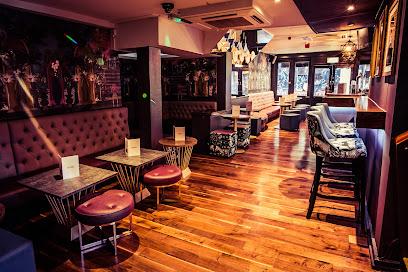
Hampshire Restaurant and Bar
0.3 km
Intimate bar and restaurant serving vibrant Mexican and Peruvian cuisine in the heart of Leicester Square’s iconic theatre district.
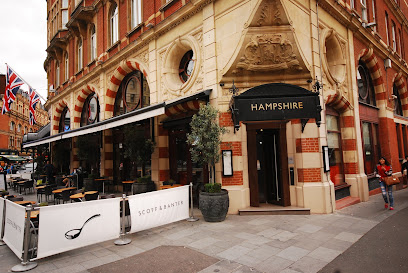
The Admiral Duncan - Soho
0.4 km
Historic Soho gay pub and resilient LGBTQ+ landmark, symbolizing community strength and vibrant nightlife since the 1830s.
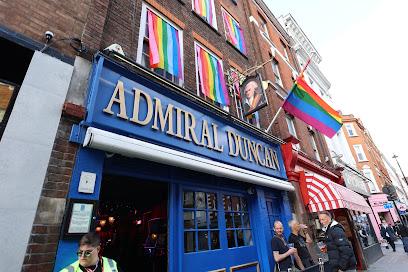
Disrepute - Soho
0.4 km
Descend into Soho's glamorous underworld at Disrepute, where 1960s scandal meets masterful cocktails in velvet-clad vaults—Soho's seductive late-night escape.
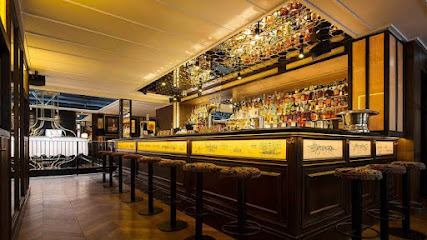
Ku Bar
0.4 km
Soho's legendary gay bar icon: three levels of inclusive vibes, cocktails, and basement beats in Chinatown's electric heart.
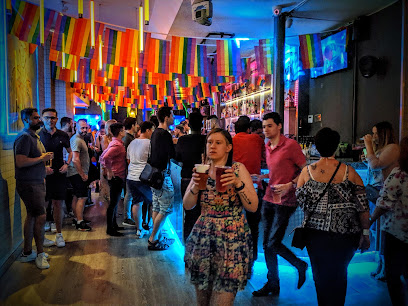
Cahoots London
0.4 km
Step into a 1940s London underground tube station and enjoy creative cocktails in a vibrant, theatrical vintage setting.
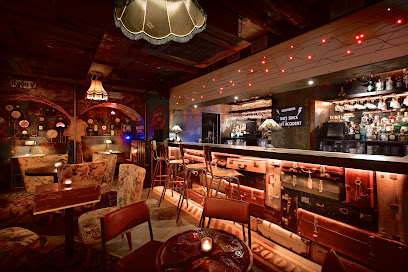
Bar Soho
0.4 km
A theatrical two‑floor cocktail bar on Old Compton Street — daytime drinks and late‑night DJs for dancing, private hire and people‑watching in the heart of Soho.
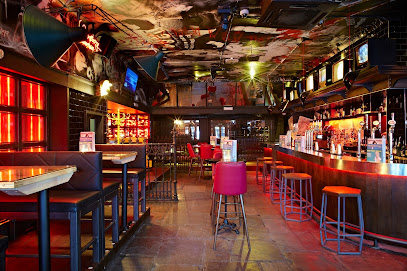
The Black Book
0.4 km
Soho's clandestine basement wine bar, pouring rare vintages by the glass alongside Mediterranean bites in a former members' club hideout—perfect for late-night indulgence.
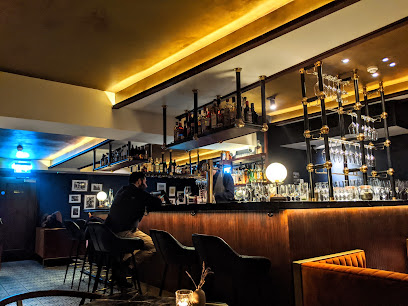
Basement Sate
0.5 km
Discover Soho’s chic basement bar where decadent desserts meet expertly crafted cocktails in an intimate, stylish setting.
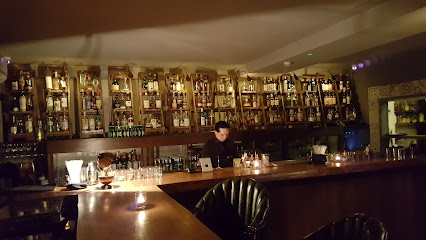
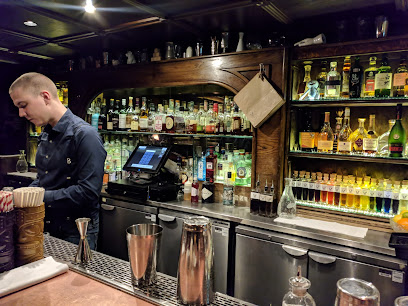
The Blind Pig at Social Eating House
0.5 km
Soho's hidden speakeasy gem: storybook cocktails and Michelin bites in Prohibition-style elegance.
Nightclubs & after hour spots

Luxe Club
0.1 km
Experience London's vibrant nightlife at Luxe Club, a central hotspot for music, dancing, and late-night entertainment.
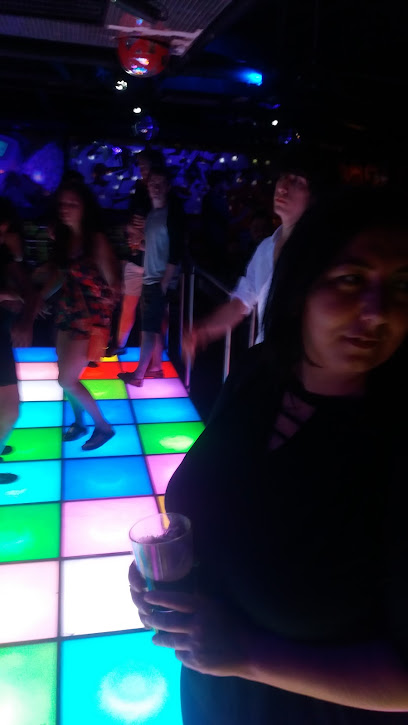
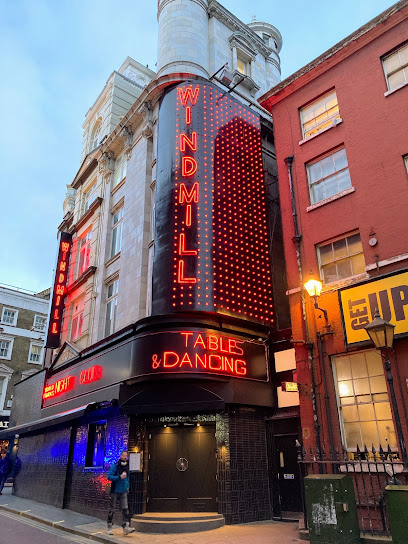
The Windmill Soho | Restaurant, Cabaret & Nightclub in Soho, London
0.2 km
Soho's legendary cabaret den revived: burlesque bites, theatrical feasts, and all-night beats in a historic hotspot of hedonism.
The Cuckoo Club
0.2 km
Exclusive Mayfair nightclub and restaurant blending glamorous design, contemporary cuisine, and vibrant nightlife in London’s upscale scene.
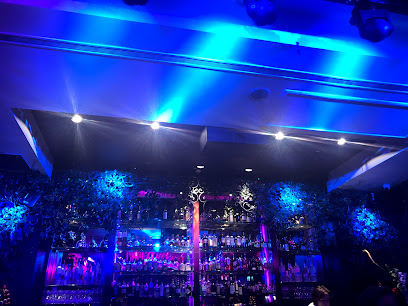
The Penthouse London
0.3 km
A compact, rooftop nightclub above Leicester Square — reached by a side lift, built for late‑night private parties and skyline glimpses.
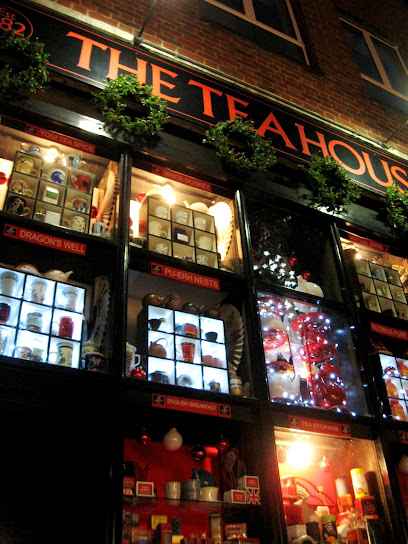
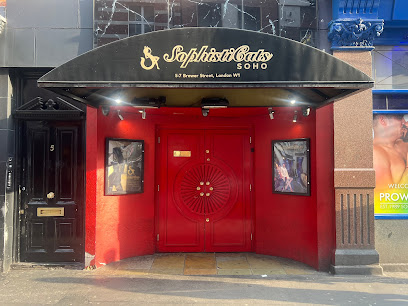
Sophisticats Soho
0.3 km
An intimate, late‑night Soho gentlemen’s club on Brewer Street offering staged performances, VIP seating and an upmarket, discreet atmosphere.
The Scotch of St James
0.3 km
Legendary Mayfair speakeasy where 60s rock stars jammed and today's elite dance till dawn in velvet-clad intimacy.
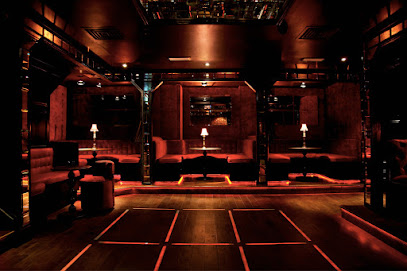
Versity Camp Nightclub
0.3 km
Dive into Soho's beating heart at Versity Camp Nightclub, where thumping bass, inventive cocktails, and an electric crowd fuel unforgettable nights until dawn.
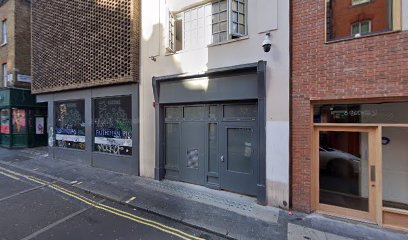
The Box Soho
0.3 km
A clandestine Soho cabaret where decadent staging, provocative shows and high‑end cocktails collide in an intense late‑night theatre.
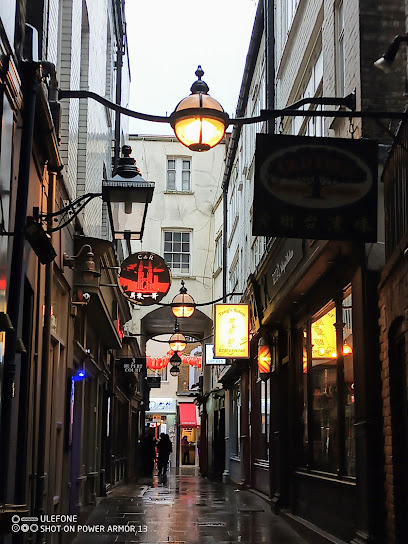
Zoo Bar & Club
0.4 km
Dive into Leicester Square's edgy nightlife hub: two floors of R&B beats, sports screens, and wild energy until 3am at Zoo Bar & Club.
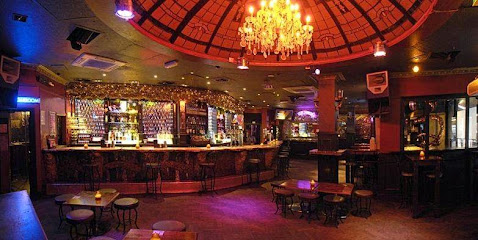
TSQ Club
0.4 km
Dive into Trafalgar Square's nightlife pulse at TSQ Club, where eclectic beats, dazzling lights, and craft cocktails fuel unforgettable weekend nights in London's heart.
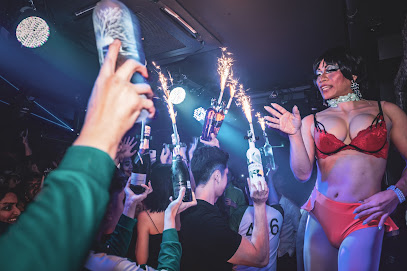
Sunset night club
0.4 km
Dive into Soho's electric nightlife at Sunset Night Club, where thumping beats, craft cocktails, and dawn-chasing energy define unforgettable nights in London's vibrant core.
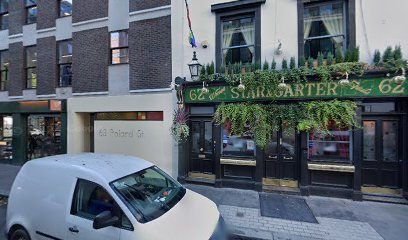
St Moritz Club
0.5 km
Soho's retro basement nightclub: 1960s vibes meet modern beats in an intimate, wood-paneled haven beneath a Swiss chalet restaurant.
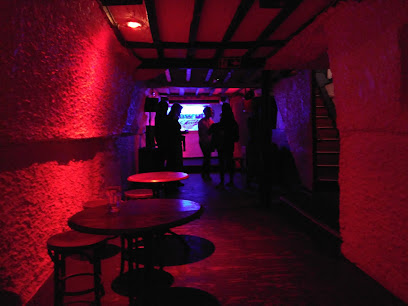
Club49Soho
0.5 km
Soho's stylish cocktail haven with DJ-fueled dancefloor energy, blending upscale drinks and classy nightlife vibes until 3am.
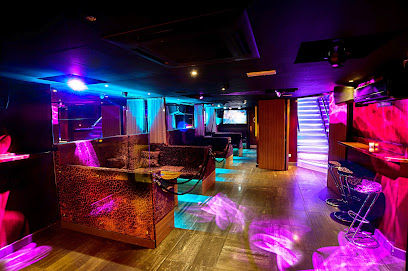
La Capannina Club
0.5 km
Discover Soho's discreet gentlemen's club: seductive stage shows, cosy vibes, and late-night allure in London's nightlife heart.
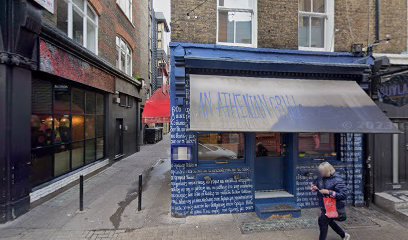
Tabu London
0.5 km
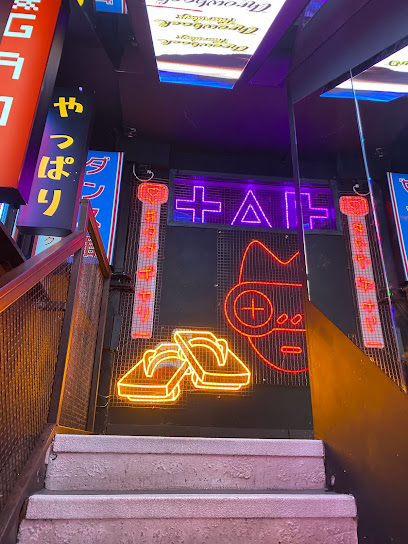
Escape Mayfair's polish for Tokyo's neon-lit Shinjuku alleys at Tabu London—retro gaming vibes, caged dancers, hip-hop beats, and upscale bites fuel epic nights.
For the vibe & atmosphere seeker
- Lively
- Scenic
- Fun-filled
- Unique
For the design and aesthetic lover
- Victorian Styles
- Colorful Aesthetics
For the architecture buff
- Historic
- Landmarks
- Art & Design
- Viewpoints
For the view chaser and sunset hunter
- Iconic Views
- Panoramas
- Sunset Spots
For the social media creator & influencer
- Instagrammable
- Photo Spots
- Selfie Spots
- Colorful Backdrops
For the eco-conscious traveler
- Public-Transport Accessible
For the kind of experience you’re after
- Cultural Heritage
- Photowalk
- Day Trip
- Weekend Getaway
For how adventurous you want the journey to be
- Easy Access
Location Audience
- Family Friendly
- LGBT Friendly
- Senior Friendly
- Child Friendly
- Teen Friendly
- Wheelchair Access
- Pet Friendly
- Solo Friendly
- Couple Friendly
- Solo Female Friendly
- Vegetarian Friendly
- Vegan Friendly


