

Threadneedle St, London Travel Guide
Discover Threadneedle Street, the historic financial artery of London, home to the Bank of England and centuries of economic heritage.
Threadneedle Street, located in the City of London, is renowned as the site of the Bank of England since 1734 and a historic financial hub. This street, steeped in history from Roman times, features iconic buildings like the Bank of England, the former London Stock Exchange, and the Merchant Taylors' Hall. Its name likely derives from the Worshipful Company of Needlemakers or Merchant Taylors, reflecting its textile industry heritage.
A brief summary to Threadneedle St
- London, GB
- Duration: 0.5 to 2 hours
- Free
-
 Outdoor
- Mobile reception: 5 out of 5

Know before you go
Hi, I'm Eve. Here are a few practical things to know before exploring Threadneedle St.
- Visit the Bank of England Museum nearby to explore the history of the UK's central bank and see gold vault exhibits.
- Take time to admire the Merchant Taylors' Hall, one of London's oldest livery company halls with rich history.
- Notice the sandstone facades and classical architectural details that reflect the street’s historic importance.
- Explore surrounding landmarks like the Royal Exchange and Bank junction for a fuller experience of London’s financial district.
Do you manage this location?
Take control to get all the benefits, like improved information, better appearance, and stronger visibility across AI-powered discovery. Learn more about listing your business on Evendo
Activate your presenceOther nearby places you may find interesting
The closest places of the same kind, if this one is not quite what you had in mind.
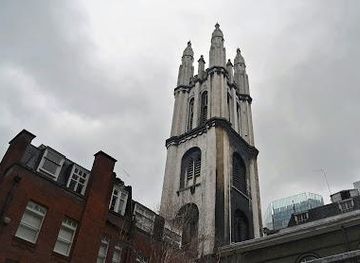
Explore Threadneedle St on the Map
A handpicked selection of must-see spots near Threadneedle St, mapped for you.
Unlock the Best of Threadneedle St
Buy tickets
-
No tickets available
Book tours with entry

Book tours without entry
-
No tours available
Getting There
-
London Underground
Take the London Underground to Bank station, which is a 5 to 10-minute walk from Threadneedle Street. The station is served by the Central, Northern, Waterloo & City lines, and the DLR. Frequent service operates daily with fares starting around £2.50 using contactless payment.
-
Bus
Several London bus routes, including 8, 11, 23, 26, 133, 242, and 388, stop near Threadneedle Street. Bus travel times vary but typically range from 10 to 30 minutes depending on your starting point. Single fares cost approximately £1.75 with an Oyster card or contactless payment.
-
Taxi or Ride-Hailing
Taxis and ride-hailing services can reach Threadneedle Street within 15 to 30 minutes from central London locations, depending on traffic. Expect fares from £10 to £25. Note that traffic congestion and the Congestion Charge zone may affect travel time and cost.
For the on-the-go comforts that matter to you
-
 Restrooms
-
 Drink Options
-
 Food Options
-
 Seating Areas
-
 Information Boards
Threadneedle St location weather suitability
-
 Any Weather
-
 Rain / Wet Weather
-
 Clear Skies
-
 Mild Temperatures
Discover more about Threadneedle St
Ancient Origins and Name
Threadneedle Street has served as a vital thoroughfare since Roman times, originally part of what was known as Broad Street. The name 'Threadneedle' is believed to originate either from the Worshipful Company of Needlemakers, whose coat of arms features three needles, or the Merchant Taylors’ Company, a powerful livery company established in the 14th century with a hall on the street since 1347. This connection to textile guilds underlines the street's historical importance in London's commercial life.Financial Powerhouse of London
Threadneedle Street is best known as the home of the Bank of England, often affectionately called the 'Old Lady of Threadneedle Street.' Established here since 1734, the Bank holds immense significance as the UK's central bank and custodian of vast gold reserves stored in vaults beneath the street. Until 2004, the London Stock Exchange was also located here, marking Threadneedle Street as a cornerstone of global finance.Architectural and Cultural Landmarks
The street is lined with notable historic and modern buildings, including the Merchant Taylors' Hall, the Royal Exchange, and the Bank of England Museum, which showcases the institution’s rich history. The Hall of Commerce, built in the 1840s on the site of a former French Protestant church, features classical architecture and bas-reliefs symbolizing commerce and civilization. Threadneedle Street’s sandstone facades and blend of architectural styles reflect its evolving role through centuries.Historic Events and Anecdotes
Threadneedle Street was the starting point of London’s first bus service to Paddington in 1829, highlighting its role in the city’s transport history. The street also witnessed the founding of the Baltic Exchange in 1744 at the Virginia and Baltick Coffee House. Anecdotes such as the British national anthem’s first private performance in the Merchant Taylors’ Hall add cultural depth to the street’s story.Modern-Day Significance and Surroundings
Today, Threadneedle Street remains a bustling financial district hub, surrounded by offices, banks, shops, and restaurants. It lies within the historic City of London ward of Cornhill and connects key points like Bishopsgate and Bank junction. Nearby attractions include the Bank of England Museum and the Royal Exchange, making it a must-see for visitors interested in London’s financial and architectural heritage.Legacy and Symbolism
Threadneedle Street symbolizes the enduring legacy of London’s commercial and financial might. Its name, architecture, and institutions tell a story of craftsmanship, commerce, and power that has shaped the city’s identity for centuries. Walking along this street offers a tangible connection to London’s past and present as a global financial capital.












Your all‑in‑one travel companion app
Explore expert travel guides, compare and book tours, experiences, hotels, and more—all from the palm of your hand. Download now for seamless trip planning wherever your wanderlust takes you.


Explore More of London
Looking beyond Threadneedle St? Discover London for broader travel guides, local hot-spots, and regional highlights.
Explore London
Discover centuries of history, architecture, and music at St Michael Cornhill, a serene medieval church standing atop Roman London’s ancient basilica.

A compact City of London crossroads where the Royal Exchange, Bank-era finance and classical stone façades frame a brisk heritage walk.
