
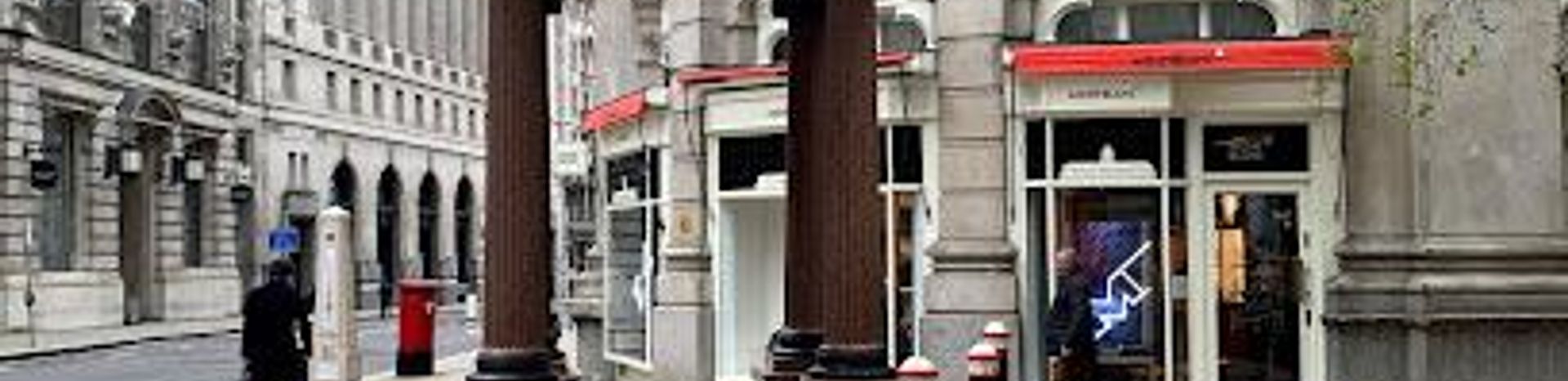
Cornhill Fountain and Water Pump: A Historic Civic Landmark in London
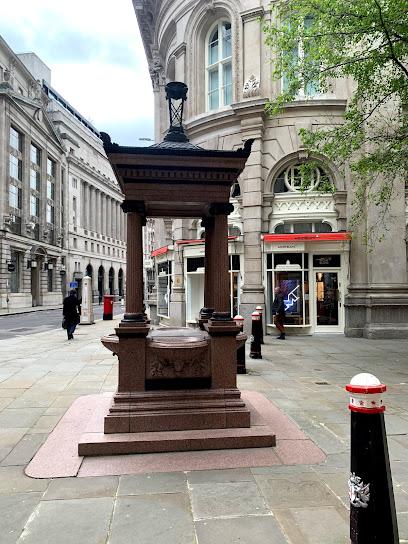
A historic cast-iron water pump outside the Royal Exchange, symbolizing centuries of London's civic pride and public health innovation.
Situated outside 5-6 Royal Exchange in London, the Cornhill Fountain and Water Pump is a Grade II listed monument commemorating centuries of public health and civic enterprise. Originally erected in 1799 over a medieval well dating back to 1282, this cast-iron pump features emblems of historic fire insurance companies and symbolizes London's evolution in water supply and urban welfare. Recently restored, it stands as a tangible link to the city's rich medieval and Victorian heritage.
A brief summary to Cornhill Fountain
- 5-6 Royal Exchange, London, EC3V 3LT, GB
- Visit website
- Duration: 0.5 to 1.5 hours
- Free
-
 Outdoor
- Mobile reception: 5 out of 5
Local tips
- Take time to examine the detailed emblems of the four historic fire insurance companies adorning the pump.
- Read the inscriptions on both sides of the pump to appreciate its layered history from medieval times to the 18th century.
- Visit nearby historic sites in the City of London to contextualize the pump within the area's rich commercial and civic heritage.
- Notice the restoration work revealing the original nougat-colored cast iron, a contrast to its former blue paint.

For the on-the-go comforts that matter to you
- Information Boards
- Seating Areas
- Trash Bins
Getting There
-
Public Transport
Take the London Underground to Bank Station, served by the Central, Northern, Waterloo & City, and DLR lines. From the station, it is a 5-10 minute walk along well-paved streets to the Royal Exchange area. The station is wheelchair accessible. Typical fare ranges from £2.50 to £6 depending on ticket type and time.
-
Bus
Several London bus routes stop near Cornhill, including routes 8, 11, 21, and 26. Buses run frequently throughout the day with travel times varying by origin. Bus stops are located on nearby streets, and contactless payment is accepted. Services may be less frequent on weekends and public holidays.
-
Taxi or Rideshare
Licensed London black cabs and rideshare services like Uber can drop you directly at 5-6 Royal Exchange. Travel times vary with traffic but typically range from 10 to 30 minutes from central London locations. Expect fares from £10 to £25 depending on distance and time of day.
Cornhill Fountain location weather suitability
-
 Any Weather
-
 Rain / Wet Weather
-
 Clear Skies
-
 Mild Temperatures
Discover more about Cornhill Fountain
Ancient Origins and Rediscovery
The site of the Cornhill Fountain and Water Pump holds a remarkable history stretching back to medieval London. A well was first documented here in 1282, dug under the direction of Henry Wallis, then Mayor of London. This well was part of a complex that included a House of Correction, a place where vagrants were put to work as part of social reform efforts. Over time, the well and the House of Correction fell into disuse and were demolished around 1380, with the well itself forgotten beneath the city streets for centuries.18th-Century Revival and Civic Collaboration
In 1799, during pavement works near the Royal Exchange, the ancient well was rediscovered, still containing high-quality water. This discovery inspired the ward of Cornhill to erect a cast-iron water pump on the site, financed through an unprecedented collaboration among prominent City institutions. The Bank of England, the East India Company, local bankers, traders, and four fire insurance companies—the Sun, Phoenix, London, and Royal Exchange—jointly sponsored the pump. This reflected a collective commitment to public health and urban infrastructure before municipal water systems were established.Design and Symbolism
The pump is notable for its metronome-shaped cast-iron design, featuring three protective spikes above the spout to deter misuse. Its four sides bear the emblems of the sponsoring fire insurance companies, each of which operated private fire brigades in Victorian London. These symbols served as a form of 18th-century branding, reminding locals of the companies’ presence and civic role. The inscriptions on the pump narrate its history, commemorating both the medieval origins of the well and the 18th-century resurrection of the site.Restoration and Contemporary Significance
By the early 2000s, the pump had deteriorated due to centuries of exposure to weather and urban conditions. A comprehensive restoration completed in 2015 returned the pump to its original nougat-colored cast iron finish, replacing the blue livery it had worn for decades. This restoration preserved the pump as a Grade II listed monument, ensuring its survival as a historical artifact. Though no longer functional as a water source, it remains a powerful symbol of London's medieval past and Victorian civic pride.Context within London's Urban History
Cornhill itself is one of London's oldest thoroughfares, historically central to commerce and travel routes. The pump’s location near the Royal Exchange situates it at a significant junction connecting major routes across the city and beyond. The site also reflects broader themes in London's history, including the evolution of public health infrastructure, the role of private fire insurance companies, and the transition from medieval to modern urban governance.Legacy and Cultural Importance
The Cornhill Fountain and Water Pump stand as enduring reminders of the city's commitment to public welfare through centuries of change. It commemorates the collaborative spirit of London's financial and civic institutions in addressing practical needs like clean water. The monument also connects present-day visitors with stories of medieval social reform, Victorian philanthropy, and the development of modern firefighting services, making it a unique historical landmark in the heart of London.Iconic landmarks you can’t miss

Cornhill Fountain
0.0 km
A historic cast-iron water pump outside the Royal Exchange, symbolizing centuries of London's civic pride and public health innovation.
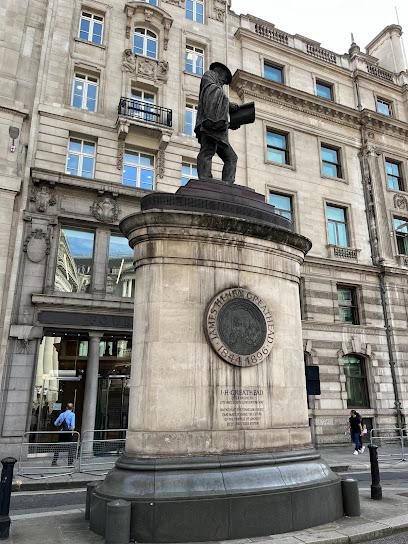
Statue of James Henry Greathead
0.1 km
Discover the statue honoring James Henry Greathead, the engineer whose invention shaped London's iconic Underground tunnels.
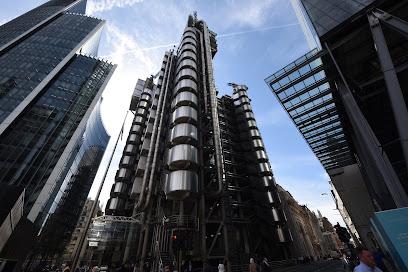
Lloyd's of London
0.3 km
A high-tech architectural masterpiece blending tradition and innovation in the heart of London’s financial district.
113 Cannon St
0.3 km
A distinguished Grade II listed classical building in London’s financial district, showcasing early 20th-century architectural elegance.
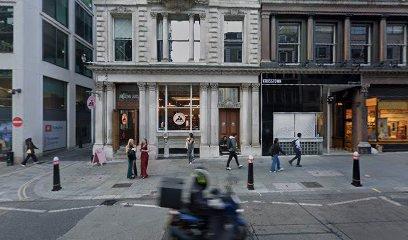
London Stone (remaining part)
0.3 km
Discover London Stone, the ancient and mysterious limestone relic at 111 Cannon Street, a symbol of London's enduring history and legend.

Monument to the Great Fire of London
0.4 km
An iconic Doric column commemorating the Great Fire of London, offering panoramic city views from its historic 311-step climb.

Historic England
0.4 km
Discover the rich tapestry of England's history at Historic England, a key organization dedicated to preserving the nation’s architectural treasures.
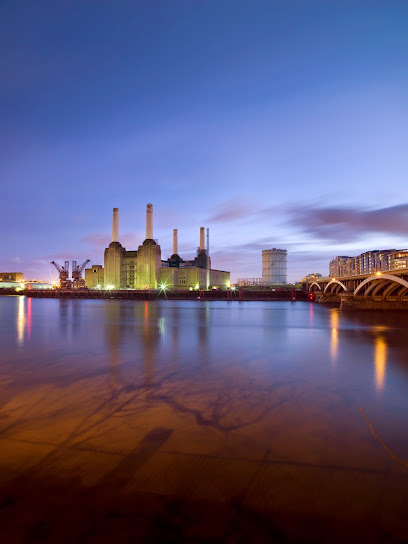
30 St Mary Axe (The Gherkin)
0.4 km
A striking, sustainable skyscraper in London’s financial heart, blending innovative design with panoramic city views and historic roots.
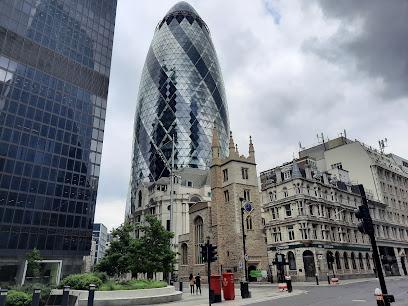
30 Saint Mary Axe - Swiss Re
0.4 km
Discover The Gherkin, London’s pioneering eco-friendly skyscraper with its iconic spiraling glass façade and panoramic city views.
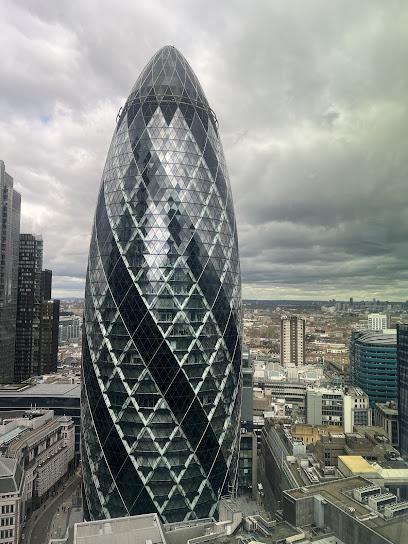
St Michael's Church : Paternoster Royal
0.5 km
Historic Anglican church on College Hill, rebuilt by Wren and linked to Dick Whittington, featuring stunning stained glass and a Hawksmoor spire.

Custom House
0.5 km
Historic Custom House on London’s Thames waterfront, a grand 19th-century customs hub echoing centuries of maritime trade and empire.
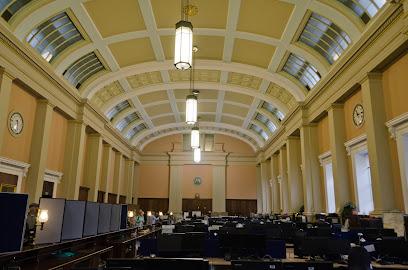
St James Garlickhythe
0.6 km
Wren's luminous masterpiece on Garlick Hill, where medieval history meets architectural brilliance and mystery.

Mitre Square
0.6 km
Mitre Square: A serene retreat in London’s financial district, blending rich history with beautiful landscapes for an unforgettable city experience.
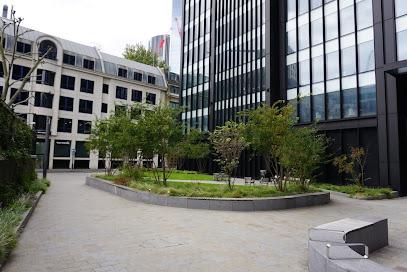
Devonshire Square
0.6 km
A vibrant historic campus blending heritage, modern workspaces, and lively lifestyle spaces in central London’s City.
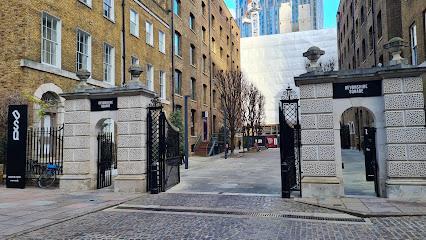
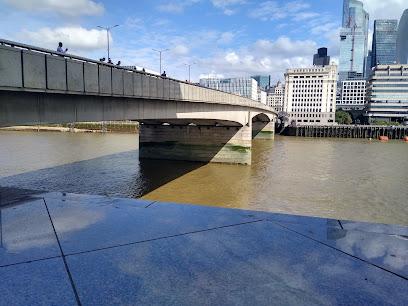
London Bridge
0.6 km
Historic London Bridge, a vital Thames crossing blending centuries of engineering with modern urban life.
Unmissable attractions to see

Threadneedle St & Royal Exchange
0.1 km
Historic crossroads where London’s financial legacy meets neoclassical grandeur and luxury shopping in the heart of the City.
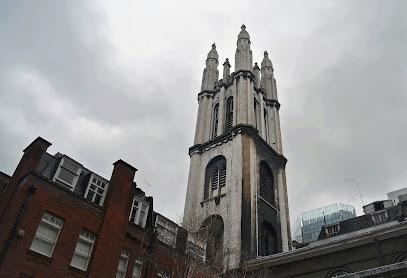
St Michael Cornhill
0.1 km
Discover centuries of history, architecture, and music at St Michael Cornhill, a serene medieval church standing atop Roman London’s ancient basilica.
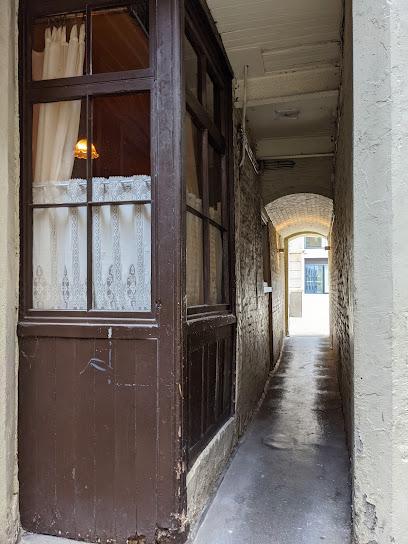
Change Alley
0.1 km
Historic passageway in London’s financial heart, where coffee houses sparked the birth of modern stock trading and commerce.
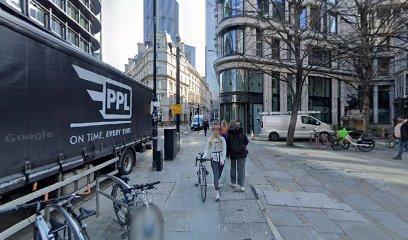
Threadneedle St
0.1 km
Discover Threadneedle Street, the historic financial artery of London, home to the Bank of England and centuries of economic heritage.
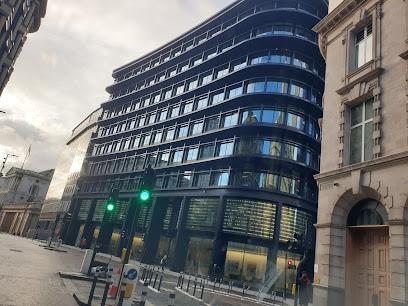
The Royal Exchange
0.1 km
A historic neoclassical landmark in London’s financial heart, blending centuries of commerce with luxury shopping and fine dining.
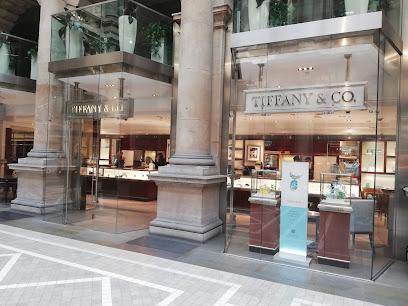
Lombard St
0.1 km
Discover Lombard Street, London’s medieval banking hub where historic signs and financial legacy meet in the heart of the City.
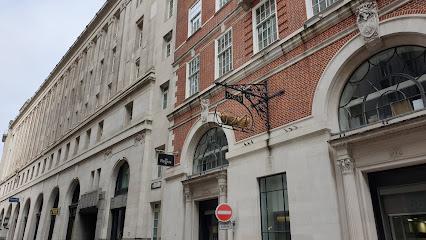
Bank of England Museum
0.1 km
Explore over 300 years of British financial history and try lifting a real gold bar at this free, interactive museum in the heart of London’s financial district.
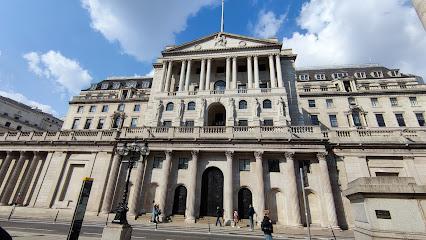
IMPRINT Church London: St Mary Woolnoth
0.1 km
Historic Anglican church in London’s financial district, blending striking Baroque architecture with rich heritage and vibrant community life.
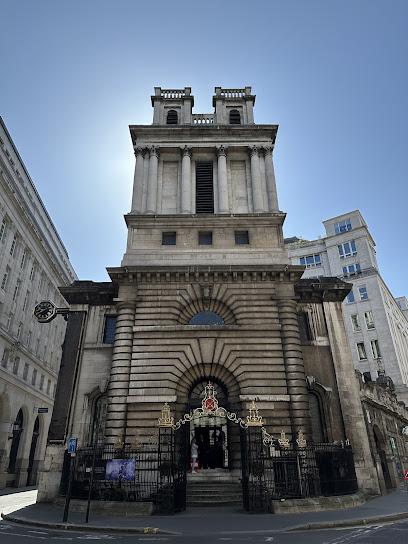
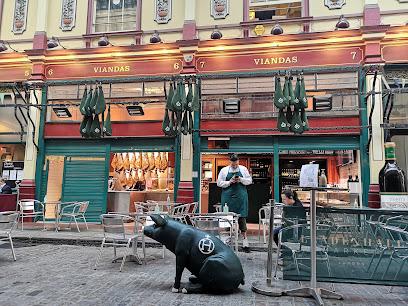
Leadenhall Market
0.2 km
Discover Leadenhall Market’s stunning Victorian architecture and vibrant heritage in the heart of London’s financial district.
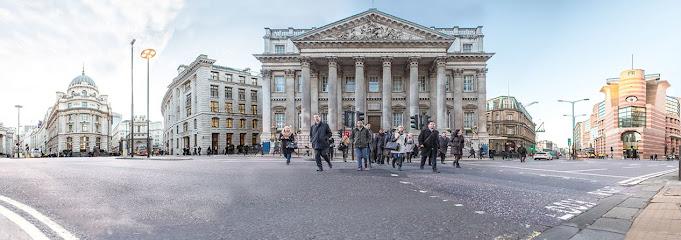
Mansion House
0.2 km
Explore Mansion House, the grand Palladian residence of the Lord Mayor of London, rich with history, art, and ceremonial splendor.
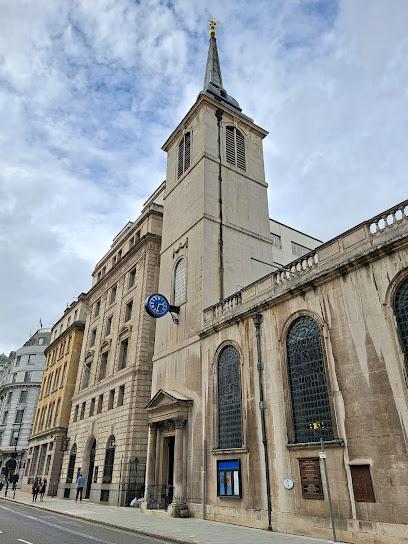
St Margaret Lothbury
0.2 km
Discover St Margaret Lothbury, a Baroque masterpiece by Christopher Wren nestled in London's financial heart, rich with history and exquisite woodwork.
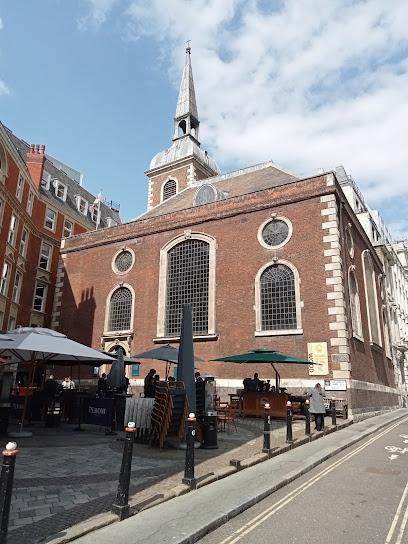
St Mary Abchurch
0.2 km
Discover the tranquility of St Mary Abchurch, a historic church designed by Sir Christopher Wren in London's financial district, perfect for a peaceful retreat.
St Stephen Walbrook
0.3 km
Discover the serene beauty and historic grandeur of St Stephen Walbrook, Wren’s architectural gem with its iconic dome and modern artistic altar.

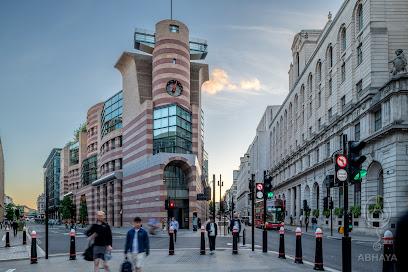
1 Poultry
0.3 km
A striking postmodern landmark in London’s financial heart, blending bold design, rich history, and panoramic rooftop views.
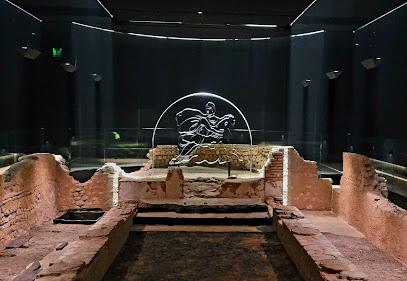
London Mithraeum Bloomberg SPACE
0.3 km
Discover the ancient Roman Temple of Mithras beneath Bloomberg’s headquarters in a captivating blend of archaeology, immersive art, and history in London’s heart.
Essential places to dine

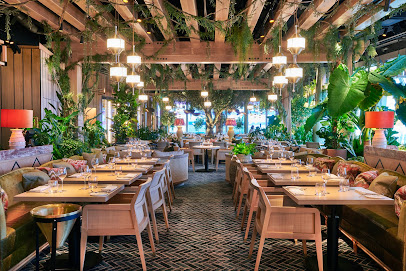
14 Hills
0.4 km
Experience modern British cuisine in a lush, sky-high garden with breathtaking panoramic views over London’s iconic skyline.
Madison
0.6 km
Stylish rooftop dining and cocktails with breathtaking views of St Paul’s Cathedral and London’s skyline.
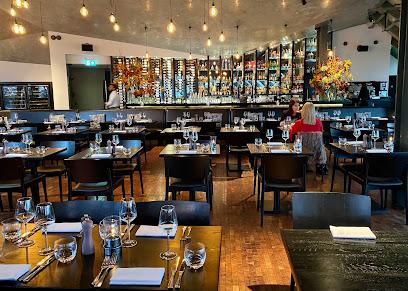
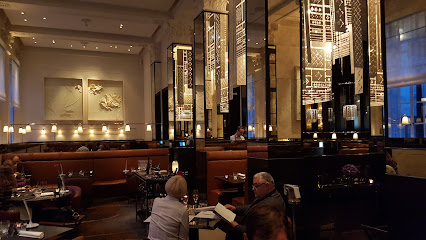
La Dame de Pic London
0.7 km
Discover refined French gastronomy and elegant dining in a historic London landmark with two Michelin stars and innovative cuisine.
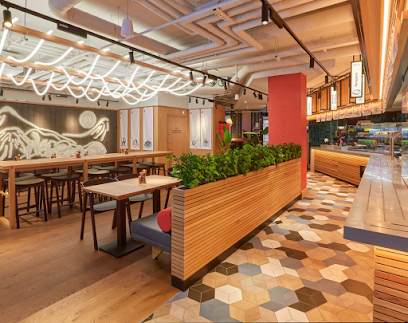
Marugame Udon Middlesex Street
0.8 km
Experience freshly handcrafted Japanese udon and crispy tempura in a lively open kitchen setting at Marugame Udon Middlesex Street, London’s authentic udon destination.
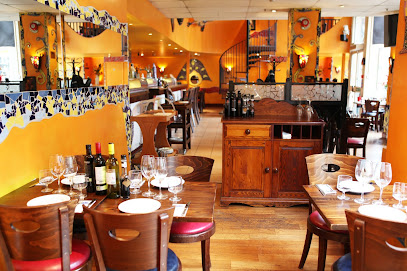
Barcelona Tapas Bar & Restaurant
0.8 km
Authentic Spanish tapas and warm hospitality in the heart of London’s City since 1991.
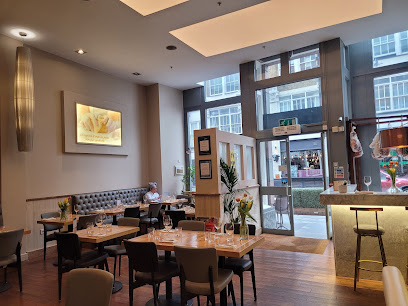
Mattarello Chiodo Bolognese Restaurant
0.8 km
Authentic Bolognese pasta and gluten-free Italian delights in the heart of London’s Middlesex Street.
George
1.1 km
Step into London’s last galleried coaching inn, where history, hearty ales, and a lively courtyard blend in a timeless pub experience.
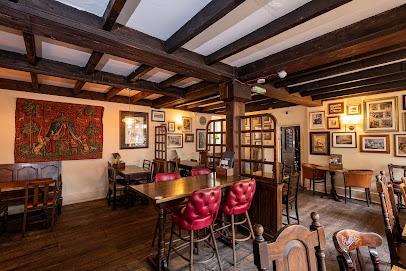
St. John
1.3 km
Experience authentic British nose-to-tail dining in the heart of London’s Barbican at St. John, where tradition meets modern culinary artistry.
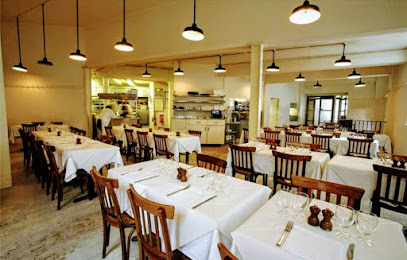
Restaurant Story
1.3 km
Experience a two Michelin-starred culinary journey where storytelling meets British fine dining in the heart of London Bridge.
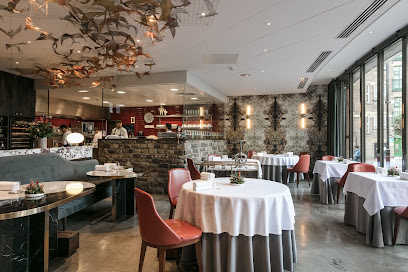
Lyle's
1.3 km
Michelin-starred Lyle's serves innovative, seasonal British cuisine in a minimalist Shoreditch setting with a relaxed, refined atmosphere.
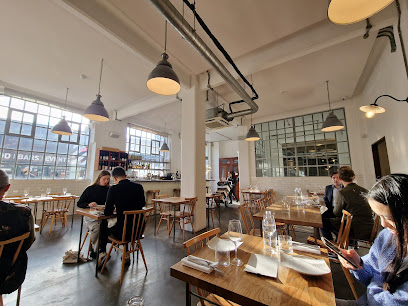
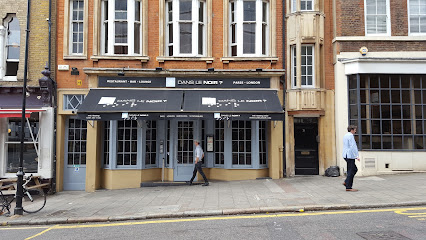
Dans le Noir ? London Restaurant
1.4 km
Experience dining like never before in total darkness, guided by visually impaired waitstaff in a sensory adventure at Dans le Noir ? London.
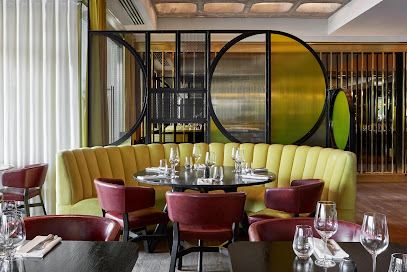
Sea Containers Restaurant
1.5 km
Stylish Modern British dining with iconic Thames views on London’s vibrant Southbank, perfect for brunch, dinner, and special occasions.
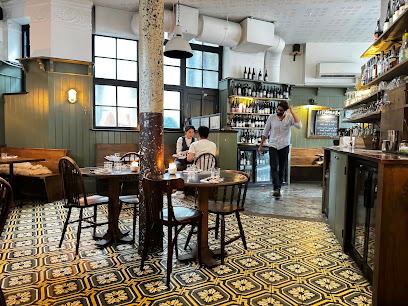
Nest Restaurant Old Street
1.6 km
Intimate Shoreditch gem offering creative British seasonal tasting menus in a cozy, historic setting with a sustainable ethos.
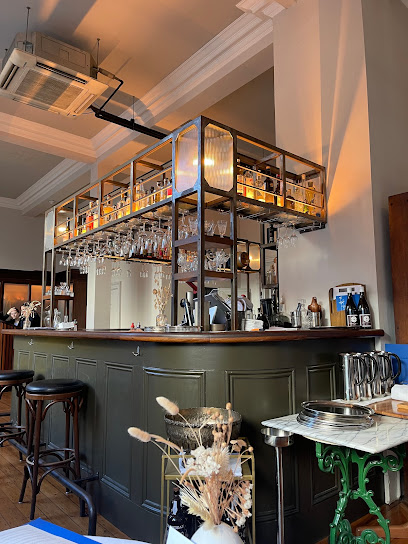
The Clove Club
1.6 km
Two Michelin stars meet innovative modern British cuisine in a historic Shoreditch Town Hall setting with a unique urban garden.
Nomadic community
1.6 km
A colorful, community-driven urban garden near Brick Lane, blending street art, creativity, and green space in East London’s vibrant cultural scene.
Markets, malls and hidden boutiques

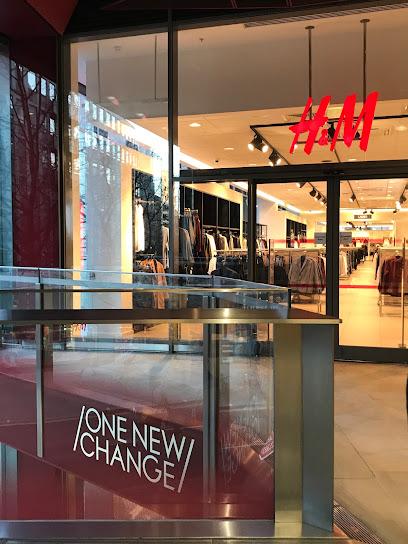
One New Change
0.6 km
Modern glass landmark with free rooftop views of St Paul's Cathedral and London skyline.
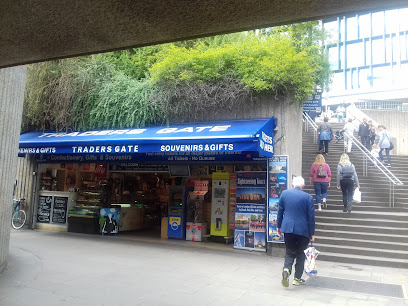
Traders Gate
0.7 km
A long-standing family-run gift shop on Tower Hill, offering classic London souvenirs and local charm just steps from the Tower of London.
Middlesex Textiles
0.7 km
Discover London’s premier West African fabric store offering vibrant, high-quality textiles with unmatched variety and service since 1969.
Petticoat Lane Market
0.8 km
London's historic street market where 370 years of commerce, migration, and East End character converge.
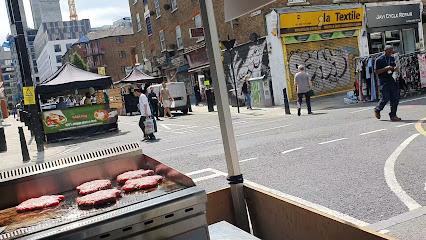
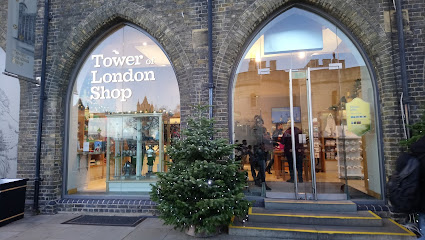
Tower of London Shop
0.8 km
Explore the Tower of London Shop for unique souvenirs that celebrate British heritage and history in the heart of London.
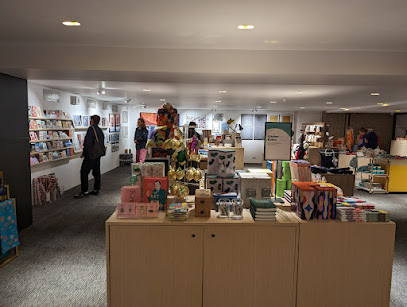
Barbican Shop
0.9 km
Discover curated art, design, music, and unique gifts at the Barbican Shop, a creative retail haven within London’s iconic Barbican Centre.
Hay's Galleria
0.9 km
Historic riverside warehouse transformed into a vibrant shopping and dining destination beneath a stunning glass roof.
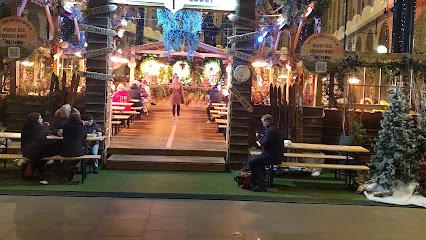
Borough Yards
0.9 km
Discover Borough Yards, a lively London district blending historic railway arches with cutting-edge shopping, dining, and culture near Borough Market.
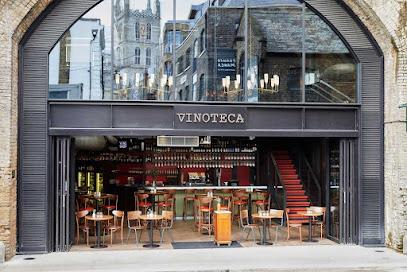
Spitalfields Market
1.0 km
Historic yet vibrant, Spitalfields Market blends East London’s rich heritage with a lively mix of food, art, and shopping all week long.
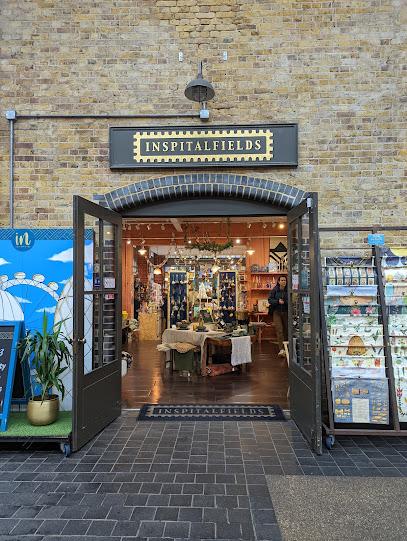
Commercial St
1.0 km
Historic East London artery blending industrial heritage, vibrant markets, and cultural landmarks in the heart of Spitalfields.
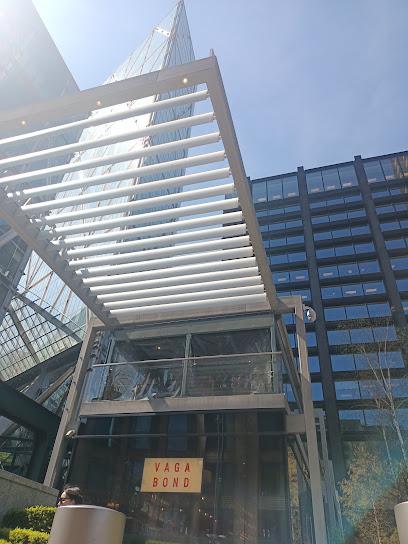
Fashion St
1.1 km
A historic East London street where Victorian architecture meets modern creativity, surrounded by boutiques, cafés, and vibrant community life.
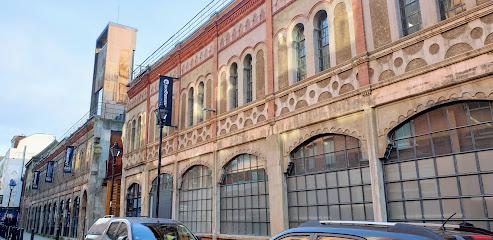
Sclater Street Market
1.1 km
Vintage treasures and eclectic finds in the heart of Shoreditch's bohemian marketplace.
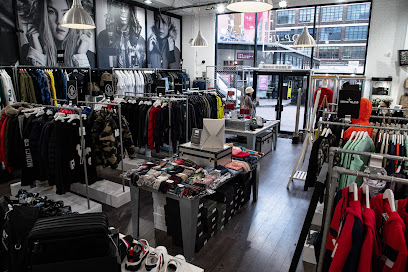
DPUS Designer Outlet
1.2 km
Authentic designer fashion outlet in Shoreditch’s historic Old Truman Brewery, blending luxury style with urban culture and unbeatable prices.
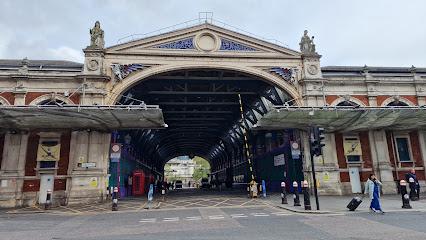
Smithfield Market
1.2 km
London’s oldest wholesale meat market, where history and commerce meet in the heart of the city.
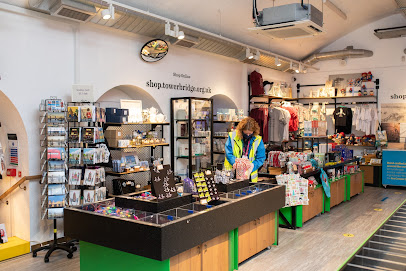
Tower Bridge - Engine Rooms and Official Gift Shop
1.2 km
Explore the fascinating history of Tower Bridge at the Engine Rooms and shop for unique gifts at the Official Gift Shop.
Essential bars & hidden hideouts

Demon, Wise & Partners
0.2 km
Classic basement cocktail bar blending historic City charm with expert mixology in London’s financial district.
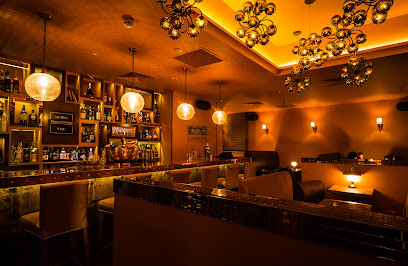
The Bootlegger
0.3 km
Step into The Bootlegger’s hidden Lime Street basement for expertly crafted cocktails, live jazz, and a true 1920s speakeasy vibe in the heart of London.
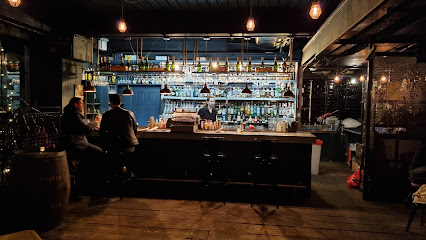
The Cocktail Club - Cocktail Bar near Monument
0.3 km
Vibrant underground cocktail bar near Monument, blending creative drinks with a lively, speakeasy-style party atmosphere.
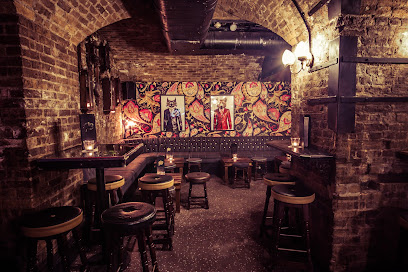
The Alchemist Bevis Marks
0.5 km
Experience London’s theatrical cocktail haven blending molecular mixology with Victorian charm and all-day dining in Aldgate.
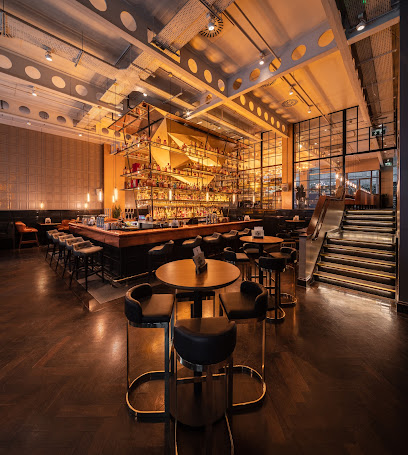
The Hung Drawn & Quartered, EC3
0.6 km
Historic pub near Tower Hill, blending dark medieval history with refined ales and classic British fare in a Grade II listed building.
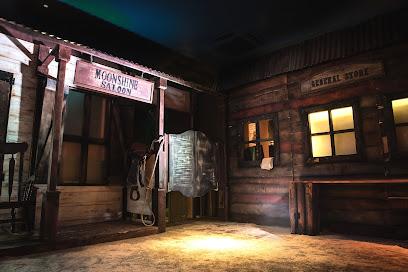
Moonshine Saloon
0.6 km
Step into London’s Moonshine Saloon for an immersive Wild West cocktail adventure with live actors, games, and bespoke drinks made from your own spirits.
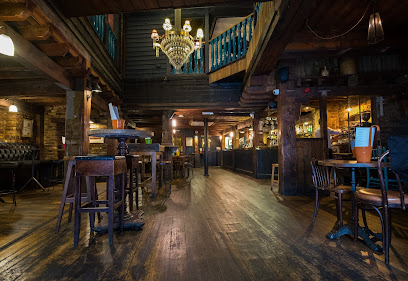
Dirty Dicks
0.7 km
Historic London pub with quirky charm, classic ales, and lively atmosphere near Liverpool Street Station.
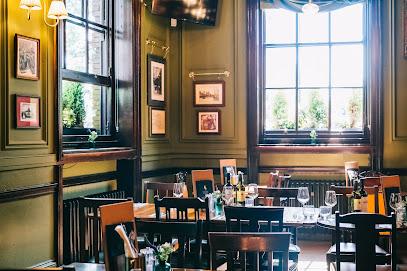
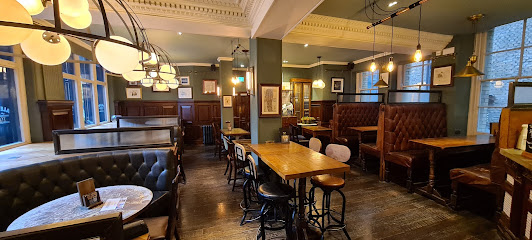
The Astronomer, EC1
0.7 km
A traditional London pub with a cosmic twist, offering hearty pies, craft ales, and a welcoming atmosphere near Liverpool Street.
The Mayor of Scaredy Cat Town
0.8 km
Discover Shoreditch’s secret speakeasy behind a fridge door, where quirky vintage charm meets expertly crafted cocktails and lively 80s beats.
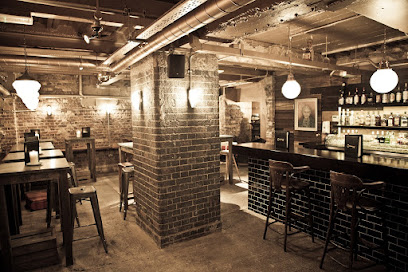
The Bell
0.8 km
A historic East End pub blending traditional charm and local spirit near Petticoat Lane Market.
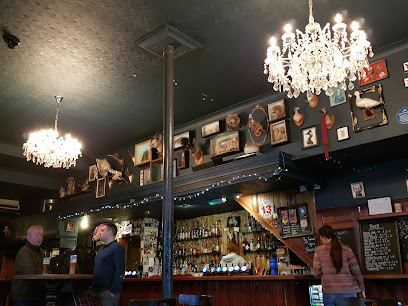
Discount Suit Company
0.8 km
Discover a hidden vintage cocktail bar beneath Spitalfields, blending bespoke drinks with a cozy speakeasy atmosphere in London’s historic tailoring district.
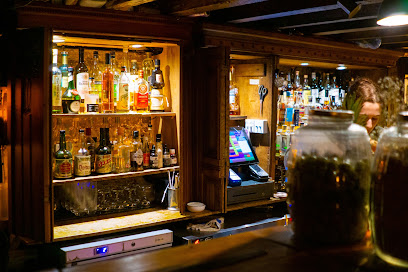
Aviary
0.9 km
Elegant rooftop dining with botanical cocktails and panoramic London skyline views in the heart of Finsbury Square.
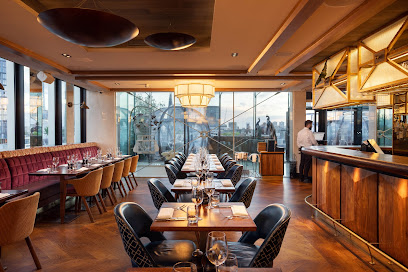
Flight Club Shoreditch
0.9 km
Experience the vibrant social darts scene with great food, cocktails, and fun at Flight Club Shoreditch in East London.
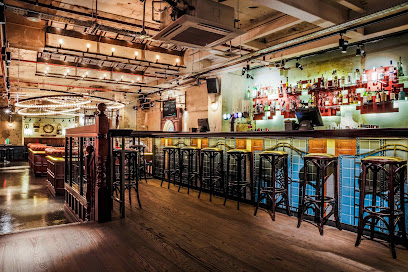
The Cocktail Club - Cocktail Bar near Old Street
1.0 km
A vibrant and stylish cocktail bar in London’s Old Street area, known for creative drinks and a lively urban atmosphere.
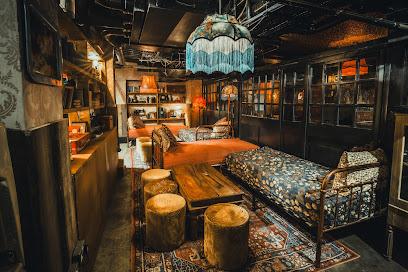
Nine Lives
1.2 km
A subterranean Bermondsey bar blending Mexican spirits, sustainable craft cocktails, and vibrant sharable dishes in a boho-chic setting.
For the vibe & atmosphere seeker
- Historic
- Scenic
- Unique
- Tranquil
For the design and aesthetic lover
- Vintage Styles
For the architecture buff
- Historic
- Landmarks
For the view chaser and sunset hunter
- Iconic Views
For the social media creator & influencer
- Instagrammable
- Photo Spots
- Architectural Shots
For the eco-conscious traveler
- Public-Transport Accessible
For the kind of experience you’re after
- Cultural Heritage
- Photowalk
- Day Trip
For how adventurous you want the journey to be
- Easy Access
Location Audience
- Family Friendly
- Senior Friendly
- Child Friendly
- Teen Friendly
- Wheelchair Access
- Solo Friendly
- Couple Friendly


