St Michael Cornhill, London Travel Guide
Discover centuries of history, architecture, and music at St Michael Cornhill, a serene medieval church standing atop Roman London’s ancient basilica.
St Michael Cornhill is a medieval Anglican church in the heart of London’s financial district, standing over the Roman basilica remains. Rebuilt by Sir Christopher Wren after the Great Fire of 1666, its Gothic tower by Nicholas Hawksmoor and Victorian interior enhancements reflect centuries of architectural evolution. Renowned for its rich history, musical heritage, and notable baptisms, this Grade I listed church offers a serene spiritual refuge amidst the bustling City.
A brief summary to St Michael Cornhill
- St Michael's Alley, London, EC3V 9DS, GB
- Click to display
- Click to display
- Duration: 0.5 to 1.5 hours
- Free
-
 Indoor
- Mobile reception: 5 out of 5
- Monday 9 am-5 pm
- Tuesday 10 am-4:30 pm
- Wednesday 10 am-4:30 pm
- Thursday 10 am-4:30 pm
- Friday 10 am-4:30 pm

Know before you go
Hi, I'm Eve. Here are a few practical things to know before exploring St Michael Cornhill.
- Visit on weekdays between 10:00 and 16:30 for access to the interior and to enjoy quieter moments.
- Take time to admire the Gothic tower by Hawksmoor and the Victorian porch sculpture of St Michael.
- Explore the church’s musical heritage and listen for special concerts or organ recitals if available.
- Notice the 17th-century paintings and the wooden Pelican in her Piety sculpture inside the church.
- Reflect on the church’s location above the Roman basilica remains, linking ancient and modern London.
Do you manage this location?
Take control to get all the benefits, like improved information, better appearance, and stronger visibility across AI-powered discovery. Learn more about listing your business on Evendo
Activate your presenceOther nearby places you may find interesting
The closest places of the same kind, if this one is not quite what you had in mind.
Explore St Michael Cornhill on the Map
A handpicked selection of must-see spots near St Michael Cornhill, mapped for you.
Unlock the Best of St Michael Cornhill
Buy tickets
-
No tickets available
Book tours with entry


Book tours without entry

Getting There
-
Public Transport
Take the London Underground to Bank Station (Central, Northern, Waterloo & City lines), approximately a 5-10 minute walk to St Michael Cornhill. Frequent services run throughout the day, with fares ranging from £2.50 to £6.00 depending on ticket type.
-
Bus
Several London bus routes serve the Cornhill area, including routes 15, 17, and 21. Bus stops are within a 5-minute walk. Buses run every 10-15 minutes during peak hours. Pay with an Oyster card or contactless payment, typically costing £1.75 per journey.
-
Taxi or Rideshare
A taxi or rideshare from central London locations to St Michael Cornhill usually takes 10-20 minutes depending on traffic, with fares ranging from £8 to £20. Note that parking is limited and the area is congested during business hours.
-
Walking
If staying nearby, walking is convenient, with flat, paved streets suitable for most mobility levels. Walking times vary but expect about 10-15 minutes from Liverpool Street Station. The route passes through historic parts of the City, enriching your arrival experience.
For the on-the-go comforts that matter to you
-
 Restrooms
-
 Seating Areas
-
 Information Boards
St Michael Cornhill location weather suitability
-
 Any Weather
-
 Rain / Wet Weather
-
 Clear Skies
-
 Mild Temperatures
Discover more about St Michael Cornhill
Ancient Foundations and Early Christian Legacy
St Michael Cornhill stands on a site layered with history, directly above the western apse of the Roman basilica of Londinium, constructed in the first century AD. This location ties the church to London’s earliest urban and civic life. Records indicate a church dedicated to St Michael existed here before the Norman Conquest, with the earliest documented mention dating to 1055 when Alnothus the priest transferred the church’s patronage to the Abbot of Evesham. The church’s name reflects its position on Cornhill, a historic market area known for corn trading since medieval times.Rebirth from the Great Fire and Architectural Highlights
The medieval church was almost entirely destroyed in the Great Fire of London in 1666, sparing only the tower. The main body was rebuilt between 1669 and 1672, traditionally attributed to Sir Christopher Wren, though some scholars suggest Wren’s office had limited involvement. The tower was later rebuilt in a striking Gothic style from 1718 to 1722 by Nicholas Hawksmoor, a distinguished architect and Wren’s associate. This tower, soaring 130 feet high and adorned with four elaborately panelled turrets reminiscent of King’s College Chapel, Cambridge, is a celebrated example of neo-Gothic design within the City.Victorian Enhancements and Artistic Features
Between 1857 and 1860, Sir George Gilbert Scott extensively remodelled the church’s interior in the High Victorian style, blending classical architecture with early basilican influences. The refurbishment introduced finely carved wooden pews, pulpit, and lectern by William Gibbs Rogers, alongside stained glass windows crafted by Clayton & Bell. A notable addition is the Franco-Italian Gothic porch, featuring a tympanum sculpture of St Michael disputing with Satan by John Birnie Philip. Pre-Victorian elements remain, including 17th-century paintings of Moses and Aaron and a wooden sculpture of the Pelican in her Piety dating from 1775.Historical Figures and Musical Heritage
St Michael Cornhill is steeped in historical associations. Robert Fabyan, chronicler of England and France, was buried here in 1513, as was King Henry VIII’s physician Robert Yaxley in 1540. The poet Thomas Gray, famous for “Elegy Written in a Country Churchyard,” was born nearby and baptised in the church’s 1672 font, which remains in use. The church boasts a rich musical tradition and excellent acoustics, historically hosting renowned musicians and composers, contributing to its cultural significance within London.Resilience and Preservation through the Centuries
The church escaped serious damage during the Second World War and was designated a Grade I listed building in 1950, recognizing its exceptional architectural and historic interest. Restoration efforts in the mid-20th century included repainting the interior with a more restrained palette and renewing roofs and structural elements. A First World War memorial featuring a bronze statue of St Michael by Richard Reginald Goulden stands beside the entrance, commemorating the church’s role as a spiritual and community landmark through turbulent times.Setting and Contemporary Significance
Nestled in St Michael’s Alley off Cornhill, the church offers a tranquil sanctuary amid the City’s bustling financial district. Its proximity to ancient Roman remains and continuous worship since at least the 11th century encapsulates London’s layered history. Today, St Michael Cornhill remains an active Anglican parish, welcoming visitors to experience its architectural grandeur, historical depth, and serene atmosphere in the heart of London’s historic core.












Your all‑in‑one travel companion app
Explore expert travel guides, compare and book tours, experiences, hotels, and more—all from the palm of your hand. Download now for seamless trip planning wherever your wanderlust takes you.


Explore More of London
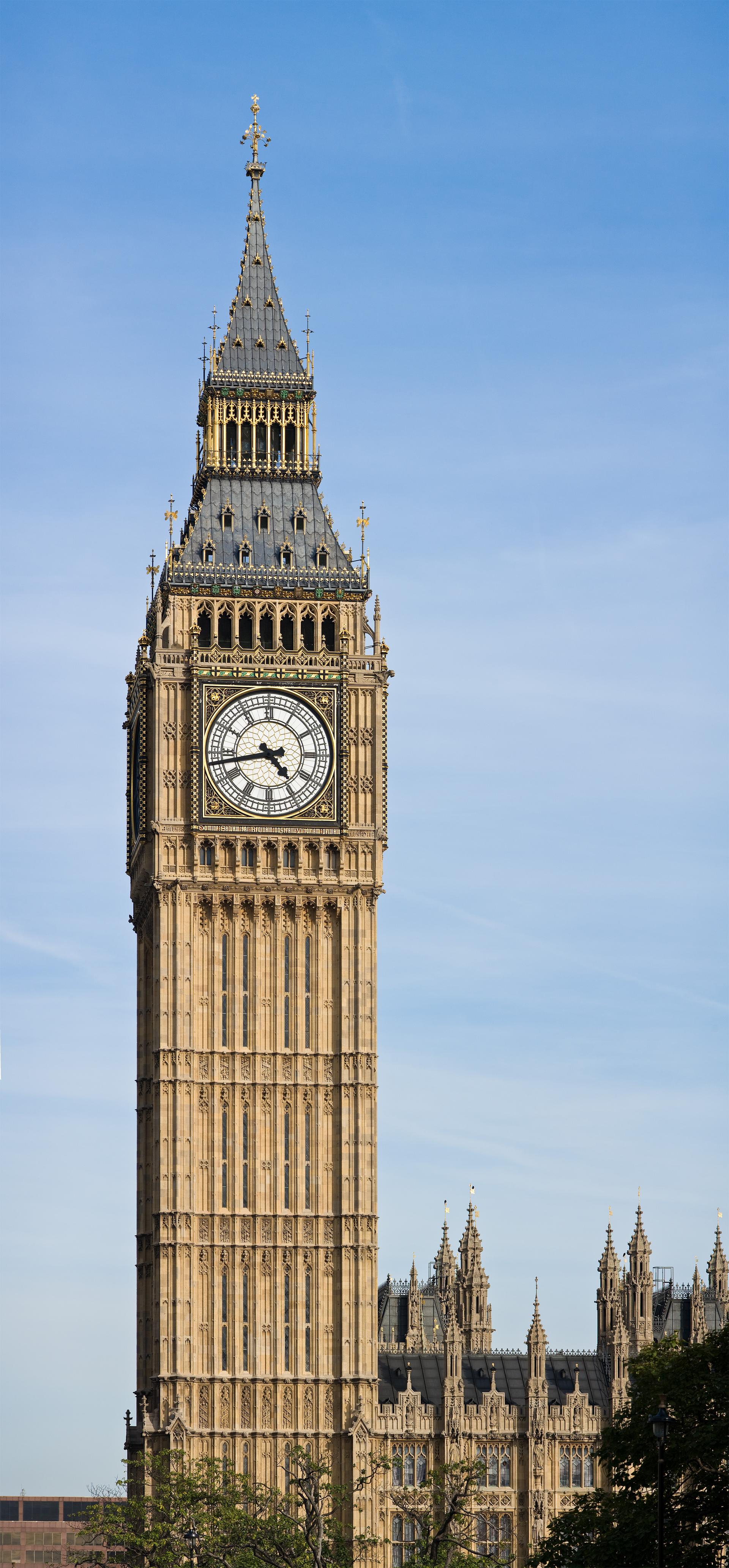
Looking beyond St Michael Cornhill? Discover London for broader travel guides, local hot-spots, and regional highlights.
Explore London