

Ukrainian Catholic Cathedral of the Holy Family in Exile, London
A historic London landmark blending Alfred Waterhouse’s architecture with vibrant Ukrainian Catholic heritage and art.
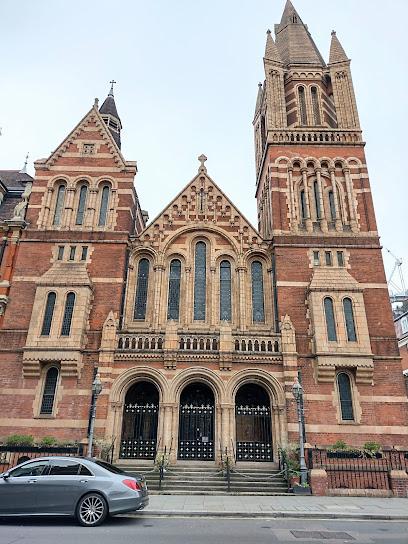
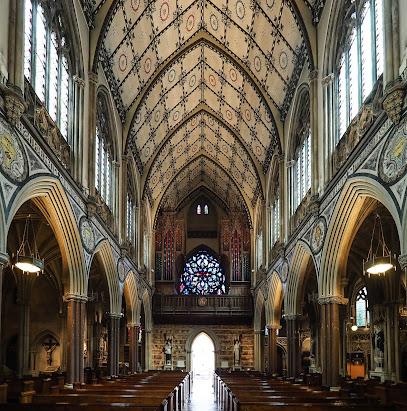
Located on Duke Street in London’s West End, the Ukrainian Catholic Cathedral of the Holy Family in Exile is a striking red brick and terracotta church designed by Alfred Waterhouse. Originally built in 1891 as the King’s Weigh House Congregational Church, it became the Ukrainian Catholic Cathedral in 1968, serving a growing Ukrainian community. The cathedral features an oval nave, an impressive iconostasis by a Ukrainian monk, and a rich history shaped by migration, war damage, and architectural heritage.
A brief summary to Ukrainian Catholic Cathedral
- Duke St, London, W1K 5BQ, GB
- +442076291534
- Visit website
- Duration: 0.5 to 1.5 hours
- Free
-
 Indoor
- Mobile reception: 5 out of 5
Local tips
- Visit during daylight hours to fully appreciate the intricate iconostasis and stained glass windows.
- Take time to read the guide next to the iconostasis to understand the religious symbolism.
- Attend a service if possible to experience the cathedral’s unique Byzantine Rite worship.
- Explore the surrounding Mayfair area for a blend of historic and modern London.

For the on-the-go comforts that matter to you
- Restrooms
- Information Boards
Getting There
-
Underground
Take the London Underground to Bond Street station on the Central or Jubilee lines; from there, it is a 7 to 10-minute walk through flat, paved streets. The station is well-served and accessible, with frequent trains and no additional cost beyond standard fares.
-
Bus
Several London bus routes stop near Duke Street, including routes 6, 98, and 390. Travel times vary between 15 and 25 minutes from central London locations. Buses run frequently during the day but can be slower during peak traffic hours.
-
Taxi or Ride-Hailing
A taxi or ride-hailing service from central London typically takes 10 to 20 minutes depending on traffic. Fares generally range from £8 to £15. This option offers door-to-door convenience but may be affected by congestion during peak times.
Ukrainian Catholic Cathedral location weather suitability
-
 Any Weather
-
 Rain / Wet Weather
-
 Clear Skies
-
 Mild Temperatures
Discover more about Ukrainian Catholic Cathedral
Architectural Heritage and Origins
The Ukrainian Catholic Cathedral of the Holy Family in Exile stands as a remarkable example of late 19th-century ecclesiastical architecture in London. Designed by Alfred Waterhouse, famed for the Natural History Museum, the building was completed in 1891 as the King’s Weigh House Congregational Church. Its distinctive red brick and buff terracotta Romanesque style, with round-arched Italianate classical details, reflects Waterhouse’s signature aesthetic. The cathedral’s oval nave and gallery provide seating for around 900 worshippers, showcasing a compact but grand design. The terracotta framework at the east end, adorned with figures of the Four Beasts of the Apocalypse, was crafted by Sir John Burnet, who also adapted the chancel and designed the now-lost towering organ.Transformation into a Ukrainian Catholic Cathedral
After decades of serving Protestant congregations and suffering bomb damage during World War II, the church’s congregation dwindled and it closed in 1966. In 1968, the building was acquired by the Ukrainian Catholic Church to serve as their cathedral, marking a new chapter in its history. Modifications were made to accommodate Byzantine Rite worship, including the installation of a magnificent iconostasis created by Ukrainian monk Juvenalij Mokrytsky. This iconostasis, a wall of icons and religious paintings, separates the nave from the sanctuary and is a focal point for visitors and worshippers alike.The Ukrainian Community and Spiritual Significance
The cathedral’s establishment reflects the waves of Ukrainian migration to London and the UK, particularly in the 19th century and post-World War II. The Ukrainian Catholic Church in Great Britain was formally established as a separate ecclesiastical entity in 1957, with the cathedral becoming its spiritual heart. It serves as a vital cultural and religious center for the Ukrainian diaspora, offering a place of worship, community gathering, and cultural preservation. The cathedral also houses a large stone carving of the Holy Family, salvaged from the original Saffron Hill Church, the first Ukrainian Catholic place of worship in the UK.Architectural and Artistic Features
Inside, the cathedral balances its architectural simplicity with rich decorative elements. The ceiling, once damaged during the war, has been carefully restored, blending old and new seamlessly. The interior’s eye-level decoration, including the iconostasis and stained glass windows by Robert Anning Bell, invites contemplation. Confessional boxes, not present in the original church, were added to suit the Ukrainian Catholic liturgical tradition. The building’s warm red brick apse glows with a nostalgic charm, making it a welcoming sanctuary amid the bustle of Oxford Street nearby.Historical Context and Resilience
The cathedral’s history is intertwined with London’s urban development and wartime challenges. Originally, the King’s Weigh House congregation was displaced from its City of London site to make way for the construction of Monument tube station, leading to the building of this church on Duke Street. The building sustained serious bomb damage during World War II and was used as a fire-watching and rest center. Its restoration in the 1950s preserved its architectural integrity. The transition from a Protestant chapel to a Ukrainian Catholic cathedral symbolizes resilience and adaptation, reflecting the evolving religious landscape of London.Present-Day Role and Visitor Experience
Today, the Ukrainian Catholic Cathedral remains open and active, welcoming worshippers and visitors who seek to explore its rich heritage and spiritual atmosphere. It is a rare opportunity to see inside a building that combines British architectural tradition with Eastern European religious art and culture. The cathedral’s location near Bond Street tube station makes it accessible, offering a peaceful retreat from the surrounding commercial energy. Visitors can admire the iconostasis, stained glass, and historic stone carvings, while appreciating the cathedral’s role as a beacon of faith and cultural identity for the Ukrainian community in London.Iconic landmarks you can’t miss

Ukrainian Catholic Cathedral
0.0 km
A historic London landmark blending Alfred Waterhouse’s architecture with vibrant Ukrainian Catholic tradition in the heart of Mayfair.
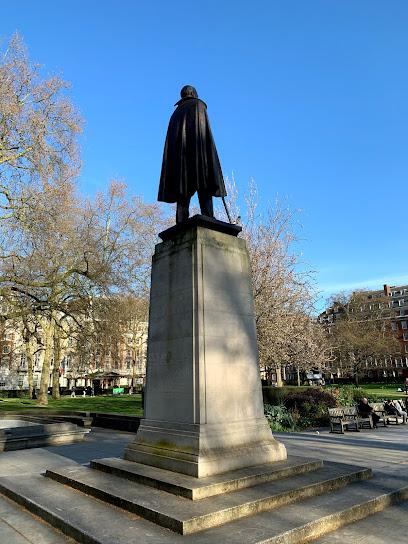
Roosevelt Memorial
0.2 km
A dignified tribute to Franklin D. Roosevelt in the historic heart of London’s Grosvenor Square, symbolizing enduring Anglo-American friendship.
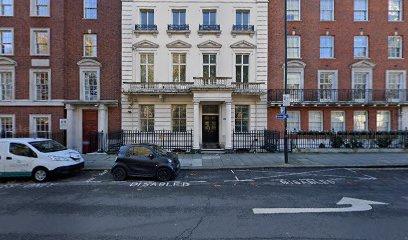
38 Grosvenor Sq
0.3 km
Historic mid-19th-century Italianate residence in London’s prestigious Grosvenor Square, a symbol of aristocratic and diplomatic heritage.
Former EMI House (Beatles album cover photo)
0.4 km
Where The Beatles' iconic Please Please Me album cover was photographed in 1963.
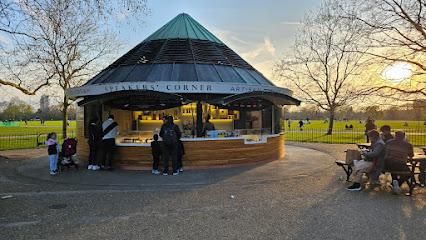
Speakers' Corner
0.6 km
Historic Speakers' Corner in Hyde Park: London's iconic open-air forum for free speech and public debate since the 19th century.
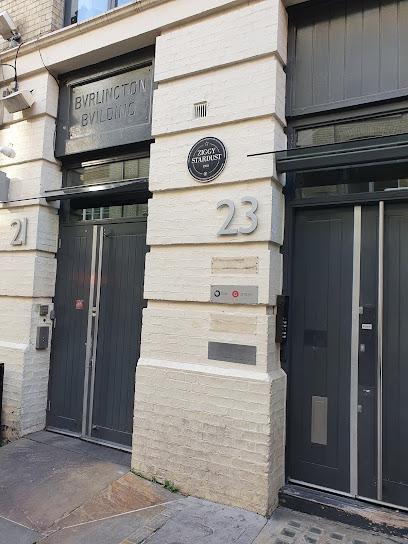
Ziggy Stardust album cover
0.8 km
Step into the legendary London street where David Bowie’s Ziggy Stardust persona was born on an iconic 1972 album cover.
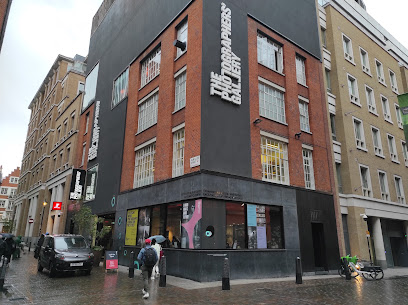
The Photographers' Gallery
0.8 km
Explore the captivating world of photography at The Photographers' Gallery, London's premier destination for stunning exhibitions and engaging workshops.
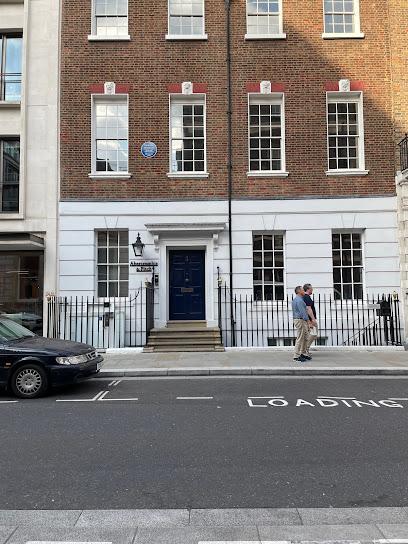
3 Savile Row
0.8 km
Historic Georgian townhouse in London, famed as The Beatles’ Apple Corps HQ and site of their legendary 1969 rooftop concert.
Upper Wimpole St
0.8 km
Discover the quiet elegance and rich history of Upper Wimpole Street, a Georgian gem in the heart of Marylebone.

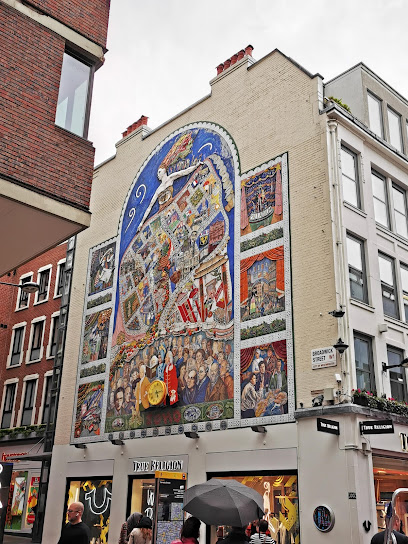
Spirit of Soho Mural
0.9 km
Discover the Spirit of Soho Mural, a captivating tribute to London's vibrant culture and artistic heritage in the heart of Soho.
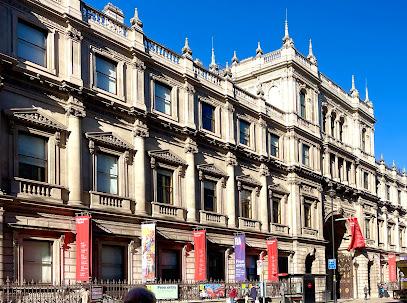
Burlington House
0.9 km
A grand 17th-century mansion on Piccadilly, now home to the Royal Academy of Arts and Britain’s leading learned societies, blending Palladian elegance with centuries of art and science.
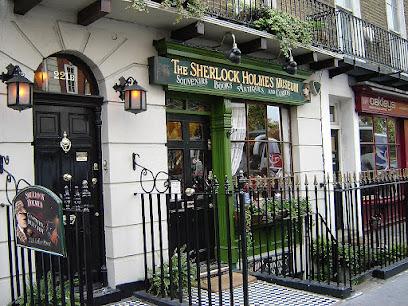
Baker St
0.9 km
Discover the rich history and vibrant culture of Baker Street, home to Sherlock Holmes and a hub of London’s iconic attractions.
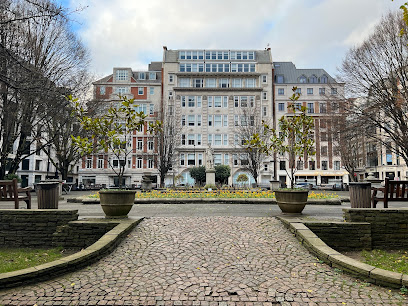
Golden Square
0.9 km
Discover the tranquility of Golden Square, a charming park in the heart of London, perfect for relaxation, picnics, and cultural experiences.
Soho
1.0 km
London's pulsating heart of nightlife, cuisine, and cultural reinvention where bohemian heritage meets contemporary glamour.
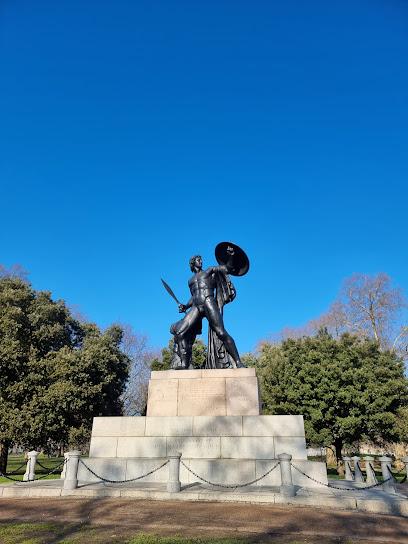
Statue of Achilles
1.0 km
Discover Apsley House, a stunning monument in London, showcasing the art and history of the Duke of Wellington in an exquisite setting.
Unmissable attractions to see

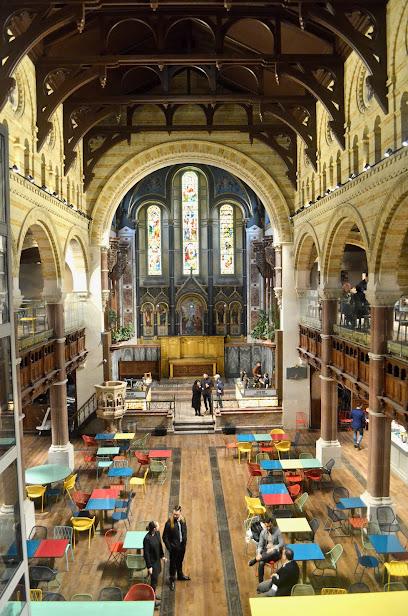
Mercato Mayfair
0.2 km
Discover a vibrant, sustainable food hall set within the historic St. Mark's Church, blending global flavors with Gothic grandeur in Mayfair.
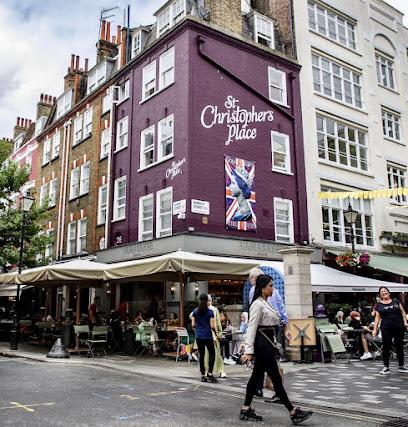
St Christopher's Place
0.2 km
A charming pedestrianised enclave of boutique shops and global dining, tucked just off Oxford Street in central London.
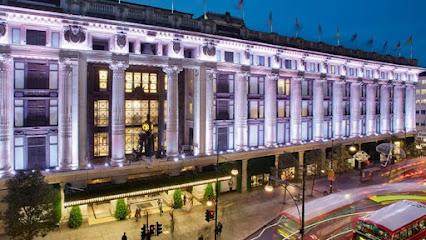
Selfridges
0.2 km
Discover Selfridges London, a historic Oxford Street icon blending luxury shopping, innovative experiences, and cultural heritage across six vibrant floors.
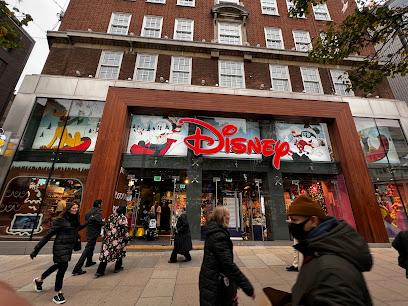
Disney Store
0.2 km
Step into a world of magic and adventure at London’s iconic Disney Store on Oxford Street, where beloved characters come to life across three enchanting floors.
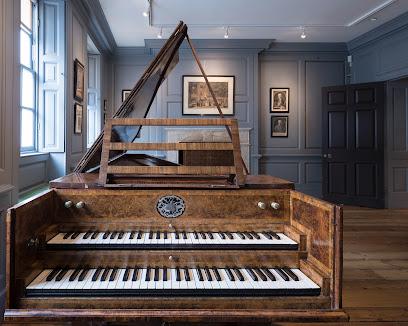
Handel Hendrix House
0.3 km
Where Handel composed Messiah and Jimi Hendrix made his only London home – a unique double portrait of musical genius in Mayfair.
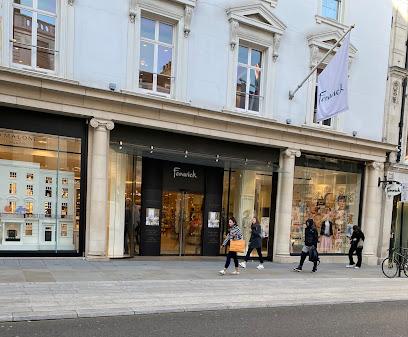
Fenwick
0.4 km
Fenwick Bond Street: A historic London department store blending timeless elegance with modern fashion, now closed but forever iconic.
Catholic Church of the Immaculate Conception, Mayfair
0.5 km
Historic Jesuit Catholic church in Mayfair, London, renowned for its Gothic Revival architecture and vibrant spiritual community.
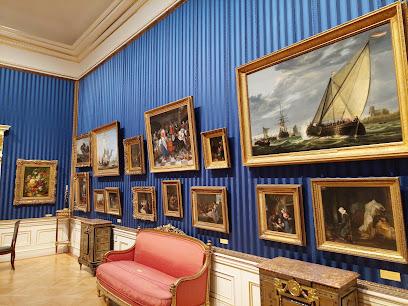
The Wallace Collection
0.5 km
Discover timeless masterpieces and aristocratic elegance in the heart of London at the Wallace Collection, a free museum of art and history.
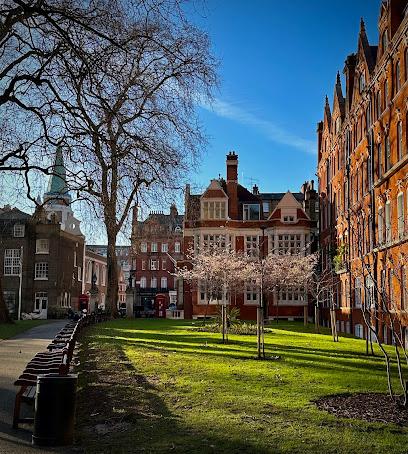
Mount Street Gardens
0.5 km
A historic and tranquil garden oasis in Mayfair, blending Victorian charm with seasonal beauty and rich London heritage.
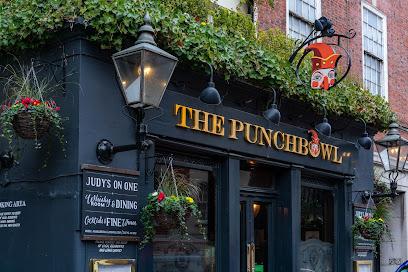
The Punch Bowl
0.5 km
Experience the warmth and charm of The Punch Bowl, a quintessential British pub in Mayfair, London, offering delectable cuisine and a vibrant atmosphere.
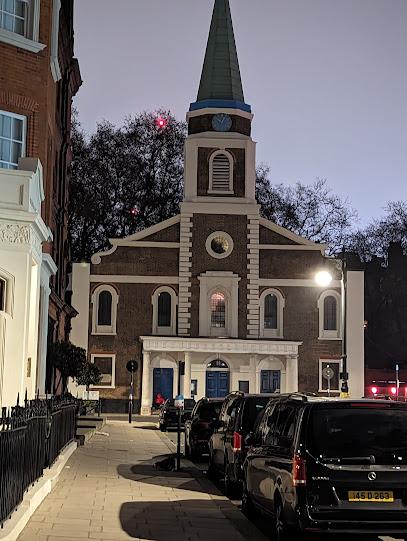
Grosvenor Chapel
0.5 km
Historic 18th-century Mayfair chapel blending Georgian elegance with Anglo-Catholic tradition and wartime American ties.
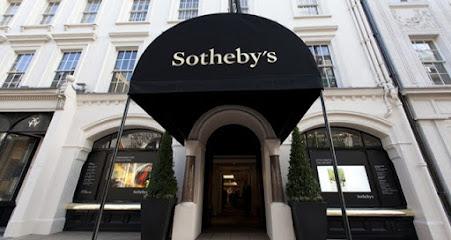
Sotheby's London
0.5 km
Sotheby's London: The world’s oldest auction house blending historic prestige with global art innovation since 1744.
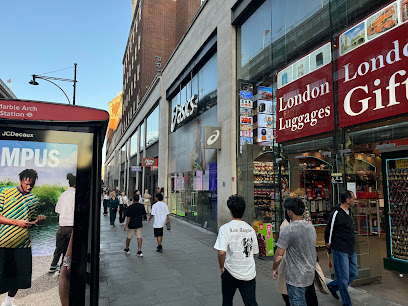
London Gifts
0.5 km
A lively London-themed gift shop on Oxford Street offering quick souvenirs with a vibrant but sometimes challenging shopping experience.
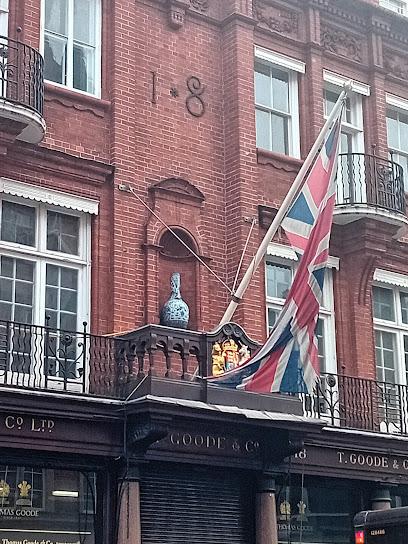
Thomas Goode & Co
0.5 km
Discover nearly two centuries of exquisite craftsmanship and royal heritage at Thomas Goode & Co, London's premier luxury tableware emporium in Mayfair.
St George's Church, Hanover Square
0.5 km
Historic Georgian church in Mayfair, famed for its architecture, Handel connections, and vibrant musical heritage.
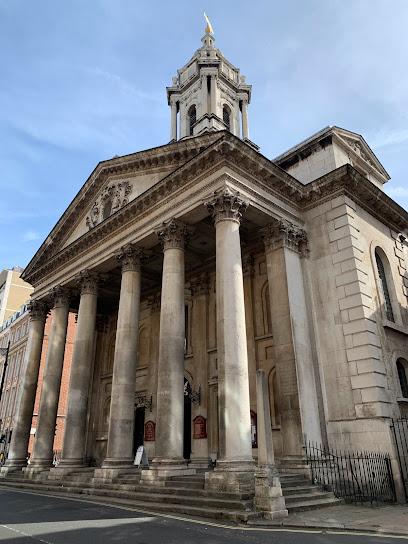
Essential places to dine

Apricity Restaurant
0.1 km
Sustainable fine dining in Mayfair blending seasonal British produce with innovative, low-waste culinary artistry.
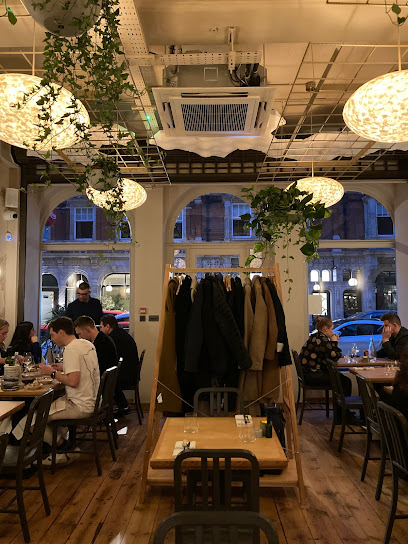
Little Social
0.6 km
Stylish Mayfair bistro offering refined modern British small plates with an intimate atmosphere and excellent wine selection.
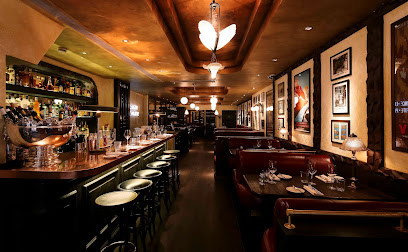
sketch
0.6 km
An iconic Mayfair venue blending avant-garde art, Michelin-starred dining, and whimsical design for an unforgettable London experience.
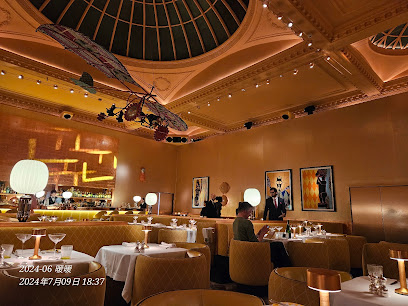
Kingly Court
0.8 km
Discover a world of flavors in London’s vibrant Kingly Court, where global cuisine meets Soho’s lively spirit.
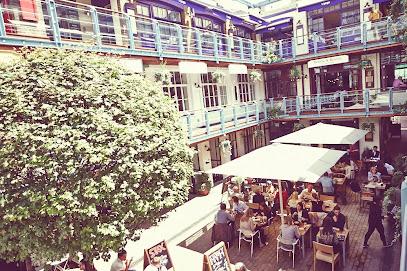
NOPI
0.9 km
Experience vibrant Mediterranean and Middle Eastern flavors in Soho at NOPI, Ottolenghi’s innovative restaurant known for shareable, seasonal dishes.
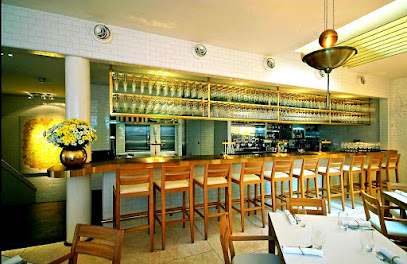
Ormer Mayfair Restaurant
0.9 km
Michelin-starred modern British dining in an elegant 1930s-style Mayfair setting, offering inventive tasting menus and impeccable service.
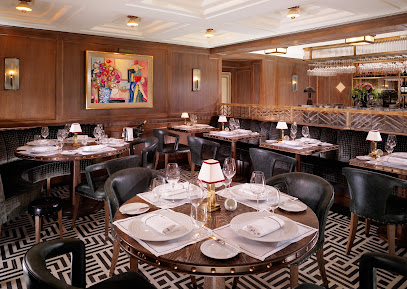
Portland
0.9 km
Michelin-starred modern European dining in Fitzrovia, blending seasonal British ingredients with refined, creative flavors in an intimate setting.
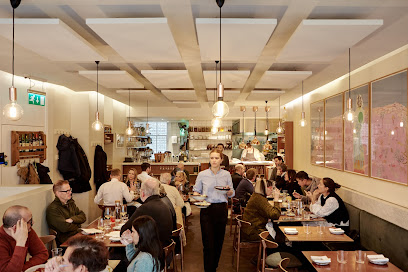
HIDE
0.9 km
Discover refined Modern European cuisine with panoramic Green Park views at HIDE, a Michelin-starred gem blending innovation and elegance in Mayfair.
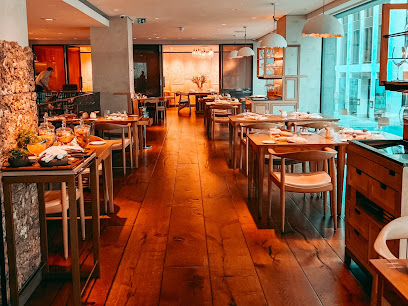
Bob Bob Ricard Soho
0.9 km
Experience glamorous British & French dining in Soho with iconic booths and a unique ‘Press for Champagne’ button at every table.
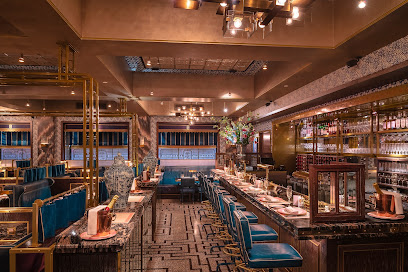
Social Eating House
1.0 km
Modern European dining in Soho with creative British flair, relaxed elegance, and an intimate chef’s counter experience.
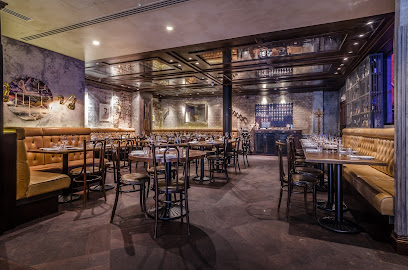
Andrew Edmunds Restaurant
1.0 km
A romantic Soho townhouse serving refined Franco-Mediterranean dishes with an acclaimed wine list in an intimate, candlelit setting.
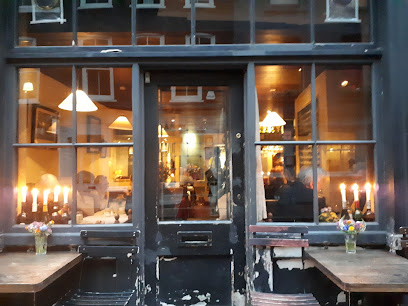
Blanchette
1.0 km
Cozy Soho French bistro serving modern small plates, charcuterie, and exquisite cheese and honey pairings in a Parisian-inspired setting.
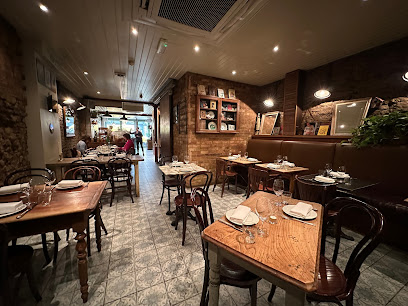
Quaglino's
1.0 km
Glamorous basement brasserie with live music, cocktails, and theatrical dining in St. James's.
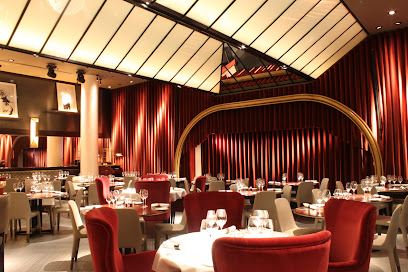
Mele e Pere
1.0 km
Discover authentic Italian flavors and a rich vermouth selection in the cozy, candlelit basement of Soho’s Mele e Pere.
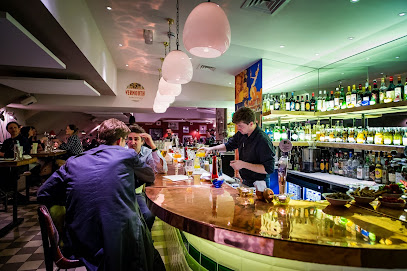
Seven Park Place by William Drabble
1.1 km
An intimate Michelin-starred restaurant in Mayfair offering refined British-French cuisine by Chef William Drabble in an elegant Art Deco setting.
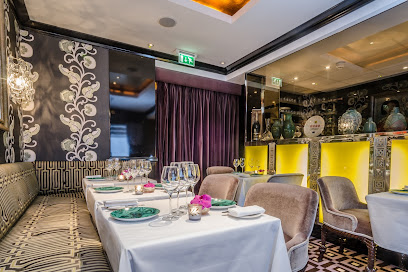
Markets, malls and hidden boutiques

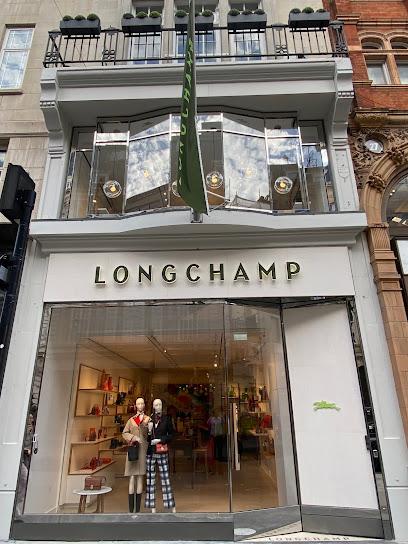
LONGCHAMP
0.5 km
Discover French luxury and craftsmanship at Longchamp’s elegant Bond Street boutique in London’s exclusive Mayfair district.
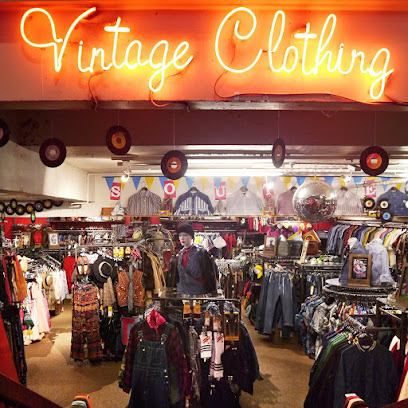
Beyond Retro Soho
0.7 km
Dive into Soho's ultimate vintage vault: two floors of era-spanning fashion, weekly drops, and pop-up vibes for the preloved obsessed.
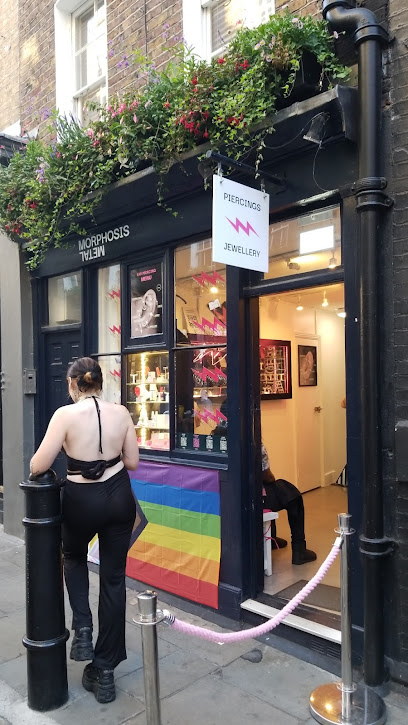
Canvas Collection
0.8 km
Discover handmade ceramics, jewelry, and accessories in Carnaby's artistic gift haven—unique treasures from London's creative makers.
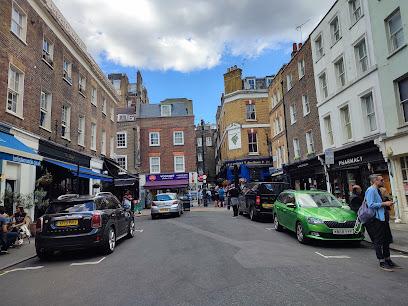
Shepherd Market
0.8 km
A Georgian village hidden in Mayfair's heart, where independent shops, art galleries and historic pubs preserve timeless London charm.
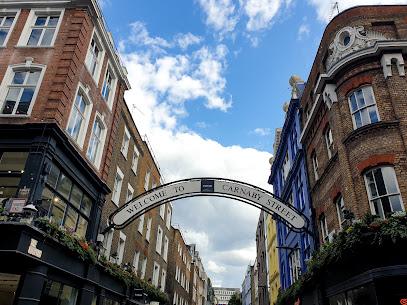
Carnaby St
0.8 km
London's iconic fashion hub where 1960s counterculture meets contemporary style across 14 vibrant streets.
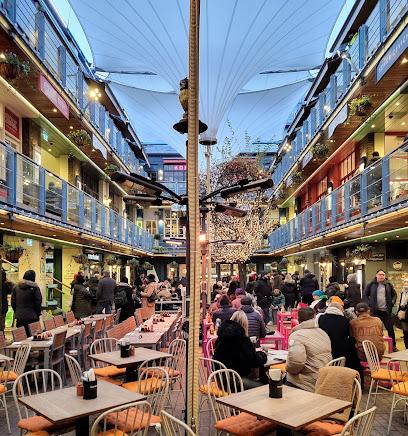
Kingly Ct
0.8 km
A vibrant three-storey courtyard in Soho offering eclectic global dining and unique shops in a lively, relaxed atmosphere.
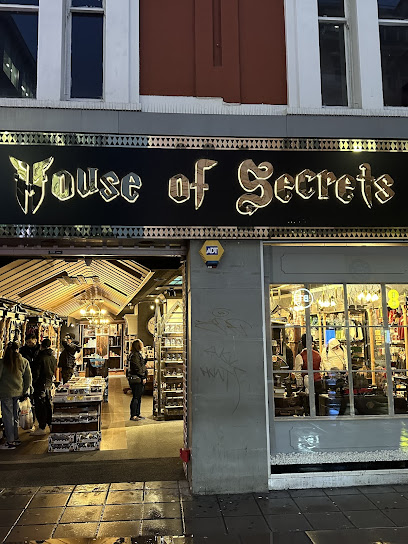
House of secrets
0.9 km
Step into House of Secrets on Oxford Street and discover a magical world of Harry Potter collectibles and enchanting souvenirs in the heart of London.
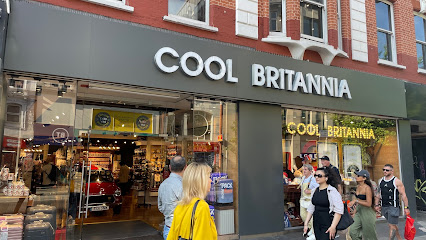
Cool Britannia Oxford Street
0.9 km
Discover authentic British souvenirs and capture timeless memories in the heart of London at Cool Britannia Oxford Street.
Burlington Arcade
0.9 km
Discover a luxurious shopping experience at Burlington Arcade, where timeless elegance meets exquisite craftsmanship in the heart of London.
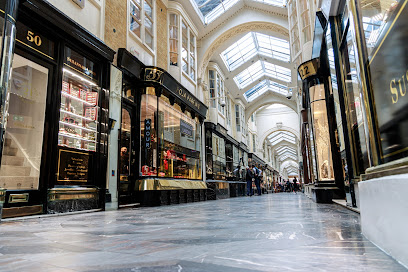
Fortnum & Mason
1.0 km
Historic luxury food hall and iconic London emporium offering gourmet delights, royal hampers, and timeless British tradition since 1707.
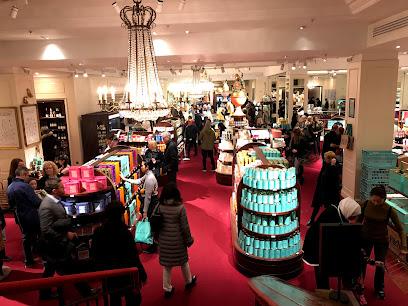
Piccadilly Arcade
1.0 km
Discover Edwardian elegance and bespoke luxury in Piccadilly Arcade, a historic shopping gem linking Piccadilly and Jermyn Street in London.
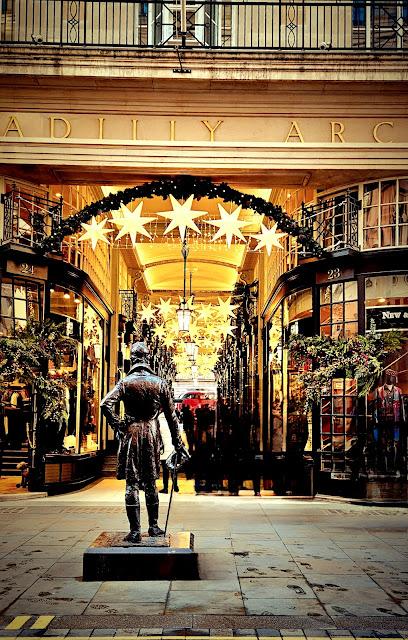
Turnbull & Asser Jermyn Street
1.0 km
Discover Turnbull & Asser on Jermyn Street, the quintessential British shirtmaker blending heritage craftsmanship with timeless elegance since 1885.
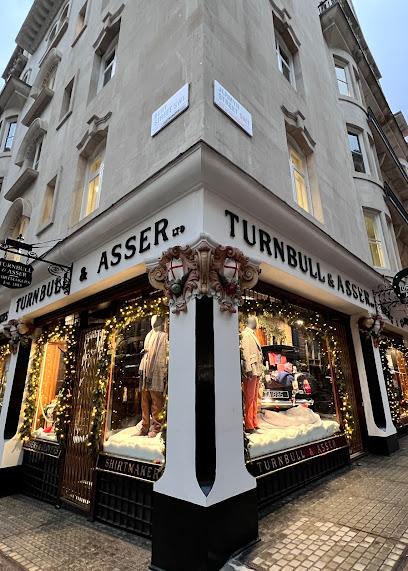
Berwick St
1.0 km
London's legendary market where 18th-century tradition meets contemporary street food culture and vinyl heritage.
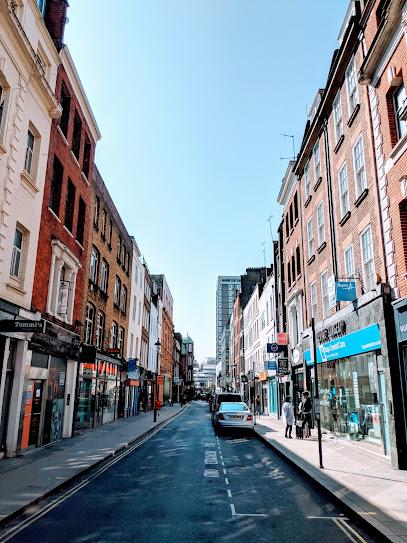
Princes Arcade
1.0 km
A refined covered arcade where London's bespoke traditions meet curated luxury shopping.
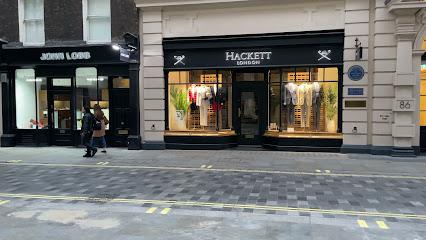
Pop Up 38
1.0 km
A compact, curated boutique on Broadwick Street offering rotating seasonal pieces and design-led accessories in the heart of Soho.
Essential bars & hidden hideouts

The Churchill Bar & Terrace
0.5 km
Sophisticated cocktail bar and terrace in central London, blending classic British charm with modern elegance and a vibrant social scene.
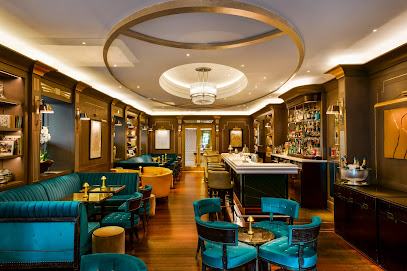
Purl London
0.6 km
Discover Purl London, a speakeasy-style cocktail bar in Marylebone offering expertly crafted drinks in a cozy vintage setting.
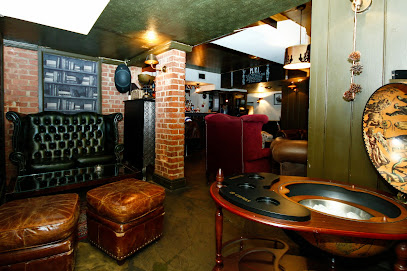
The Argyll Arms
0.7 km
Step into The Argyll Arms, a Victorian-era pub gem in Soho blending historic charm, real ales, and hearty British fare near Oxford Circus.
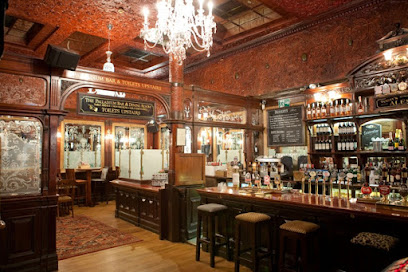
Cahoots London
0.8 km
Step into a 1940s London underground tube station and enjoy creative cocktails in a vibrant, theatrical vintage setting.
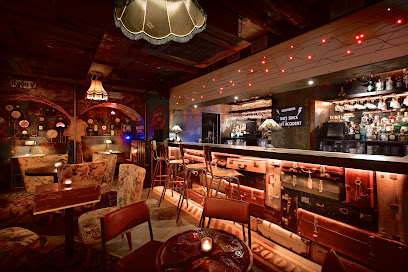
Disrepute - Soho
0.9 km
Descend into Soho's glamorous underworld at Disrepute, where 1960s scandal meets masterful cocktails in velvet-clad vaults—Soho's seductive late-night escape.
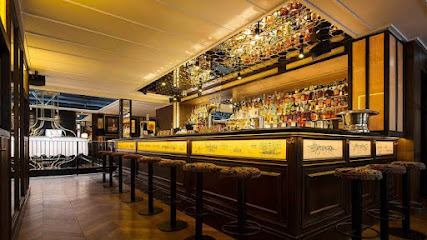
Below
0.9 km
Discover Below at HIDE, a hidden Mayfair cocktail bar offering expertly crafted seasonal drinks and rare spirits beneath a Michelin-starred restaurant.
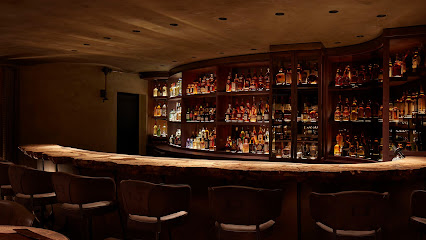
NQ64 Soho
1.0 km
Dive into a neon-lit world of retro arcade games and themed cocktails in the heart of Soho’s vibrant nightlife scene.
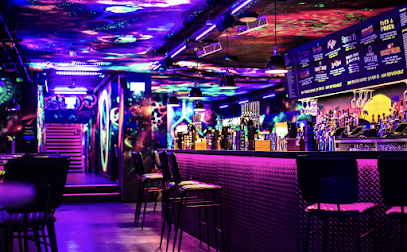
Punch Room
1.1 km
An exclusive Fitzrovia cocktail bar where historic punch traditions meet innovative craft mixology in a cozy, club-like setting.
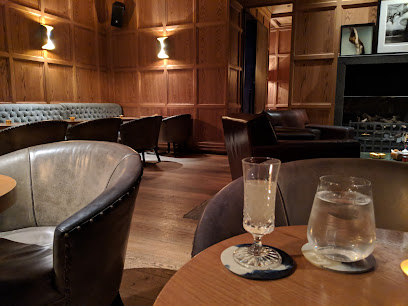
Basement Sate
1.1 km
Discover Soho’s chic basement bar where decadent desserts meet expertly crafted cocktails in an intimate, stylish setting.
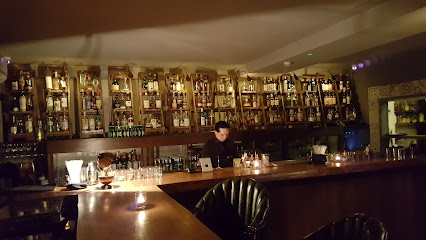
Duke of Argyll
1.1 km
Step into the Duke of Argyll for authentic Victorian pub charm, affordable ales, and a warm Soho atmosphere in central London.
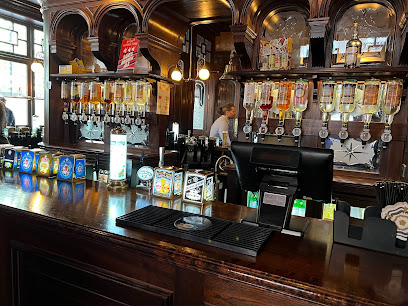
The Thin White Duke
1.1 km
Discover Soho’s intimate cocktail bar inspired by David Bowie, blending bespoke drinks, award-winning dim sum, and creative recording studios.
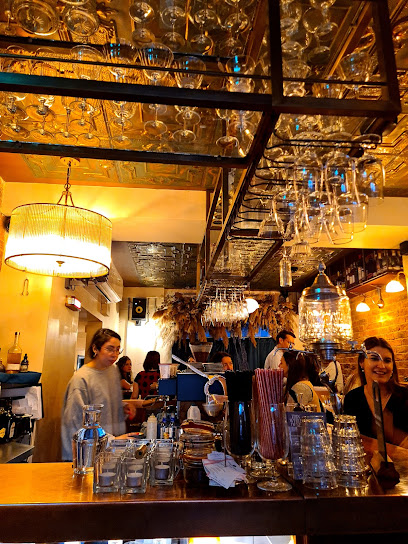
The Red Lion, Mayfair
1.1 km
Historic Victorian pub in Mayfair famed for its political heritage and classic London charm, steps from Downing Street.
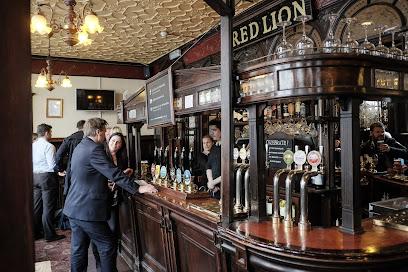
The Cocktail Club - Cocktail Bar in Fitzrovia
1.1 km
A vibrant, punk-inspired basement bar in Fitzrovia serving inventive cocktails and lively nights with flair and fun.
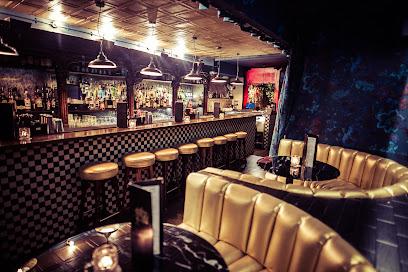
The Nellie Dean
1.2 km
A classic Soho pub blending traditional charm with lively local spirit and renowned for hearty pies and well-kept ales.
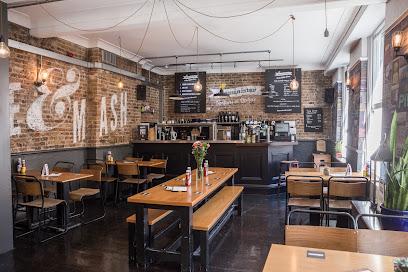
Village Soho
1.2 km
A lively, inclusive gay bar in Soho with energetic dance floors, go-go dancers, karaoke nights, and a vibrant LGBTQ+ atmosphere.
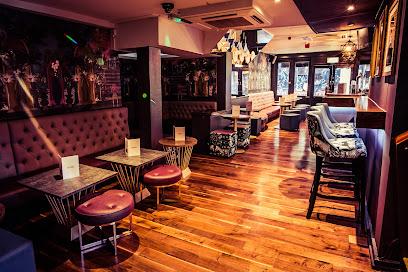
Nightclubs & after hour spots

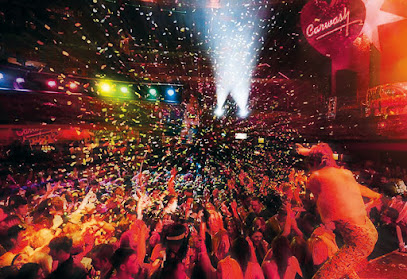
Carwash Nightclub
0.4 km
Europe's longest-running disco since 1989: sequins, funk beats, and joyful dancing in Mayfair's retro heart. Join the glitter-fueled party!
LUXX CLUB LONDON
0.7 km
Experience Mayfair’s premier luxury nightclub with dazzling lights, top DJs, and exclusive VIP vibes at LUXX CLUB LONDON.
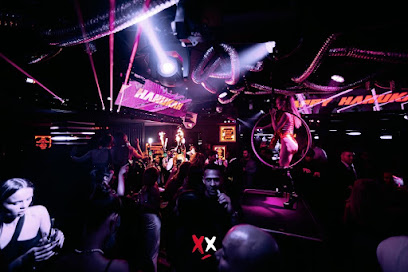
Tabu London
0.9 km
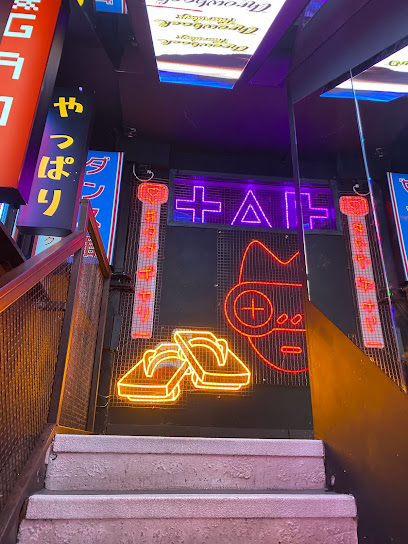
Escape Mayfair's polish for Tokyo's neon-lit Shinjuku alleys at Tabu London—retro gaming vibes, caged dancers, hip-hop beats, and upscale bites fuel epic nights.
The Cuckoo Club
1.0 km
Exclusive Mayfair nightclub and restaurant blending glamorous design, contemporary cuisine, and vibrant nightlife in London’s upscale scene.
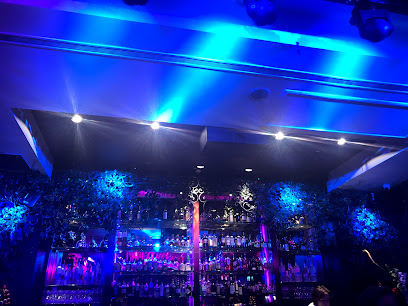
Sunset night club
1.0 km
Dive into Soho's electric nightlife at Sunset Night Club, where thumping beats, craft cocktails, and dawn-chasing energy define unforgettable nights in London's vibrant core.
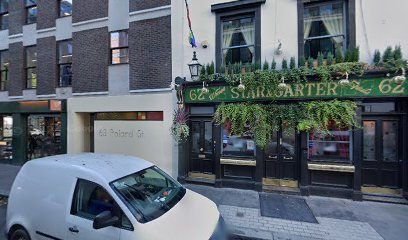
Bordello London
1.0 km
Dive into Soho's seductive basement beats at Bordello London, where Wardour Street's nightlife legacy ignites late-night frenzy on weekends.
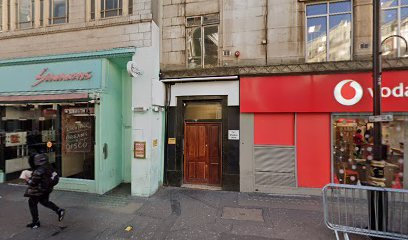
101 Nightclub London
1.0 km
Soho's raw Saturday night pulse: intimate beats, crowded floors, and unfiltered London club energy on Wardour Street.
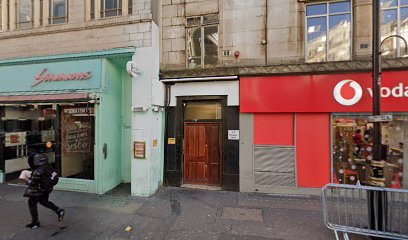
St Moritz Club
1.1 km
Soho's retro basement nightclub: 1960s vibes meet modern beats in an intimate, wood-paneled haven beneath a Swiss chalet restaurant.
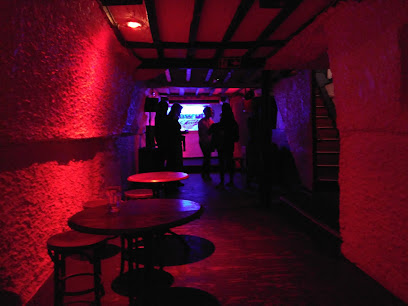
The Scotch of St James
1.1 km
Legendary Mayfair speakeasy where 60s rock stars jammed and today's elite dance till dawn in velvet-clad intimacy.
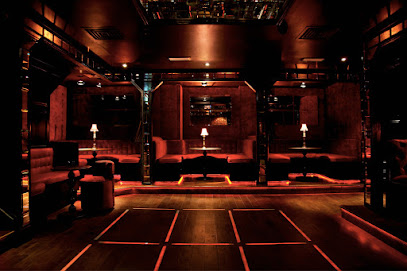
The Box Soho
1.1 km
A clandestine Soho cabaret where decadent staging, provocative shows and high‑end cocktails collide in an intense late‑night theatre.
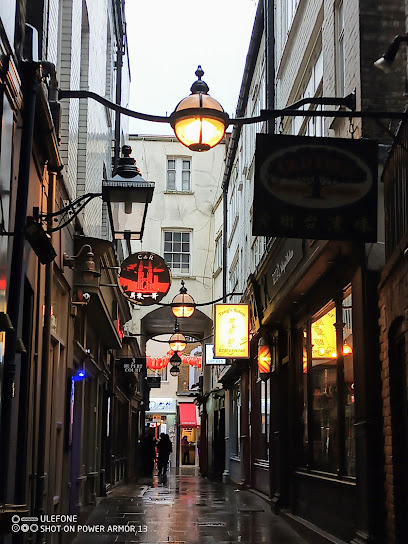
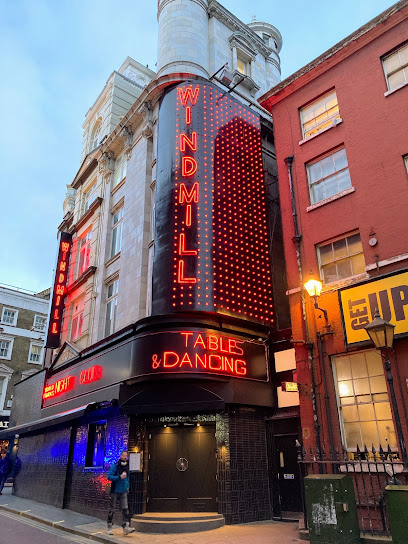
The Windmill Soho | Restaurant, Cabaret & Nightclub in Soho, London
1.2 km
Soho's legendary cabaret den revived: burlesque bites, theatrical feasts, and all-night beats in a historic hotspot of hedonism.
Versity Camp Nightclub
1.2 km
Dive into Soho's beating heart at Versity Camp Nightclub, where thumping bass, inventive cocktails, and an electric crowd fuel unforgettable nights until dawn.
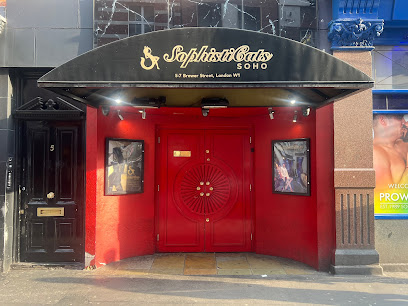
Sophisticats Soho
1.2 km
An intimate, late‑night Soho gentlemen’s club on Brewer Street offering staged performances, VIP seating and an upmarket, discreet atmosphere.
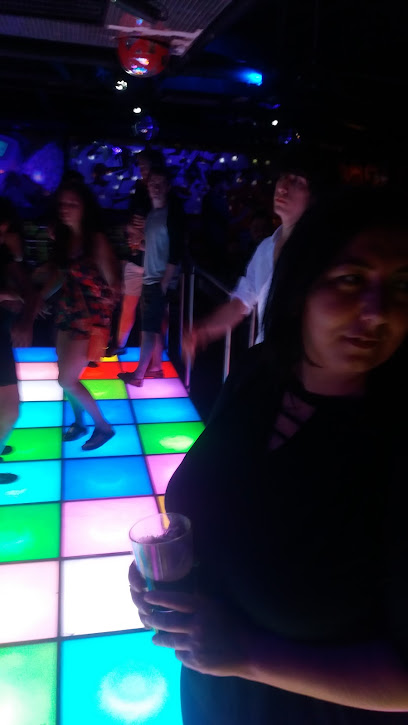
Luxe Club
1.3 km
Experience London's vibrant nightlife at Luxe Club, a central hotspot for music, dancing, and late-night entertainment.
Tiger Tiger London
1.3 km
Experience London’s iconic Haymarket nightclub with six vibrant rooms, lively DJs, and a dynamic party atmosphere just moments from Piccadilly Circus.
For the vibe & atmosphere seeker
- Tranquil
- Scenic
- Unique
- Relaxing
For the design and aesthetic lover
- Vintage Styles
- Rustic Designs
For the architecture buff
- Historic
- Landmarks
- Sacred Sites
For the view chaser and sunset hunter
- Iconic Views
For the social media creator & influencer
- Instagrammable
- Photo Spots
- Architectural Shots
For the eco-conscious traveler
- Public-Transport Accessible
For the kind of experience you’re after
- Cultural Heritage
- Spiritual / Energy Spot
- Myth & Legends
For how adventurous you want the journey to be
- Easy Access
Location Audience
- Family Friendly
- Senior Friendly
- Child Friendly
- Wheelchair Access
- Solo Friendly
- Couple Friendly
- Vegetarian Friendly
- Vegan Friendly


