
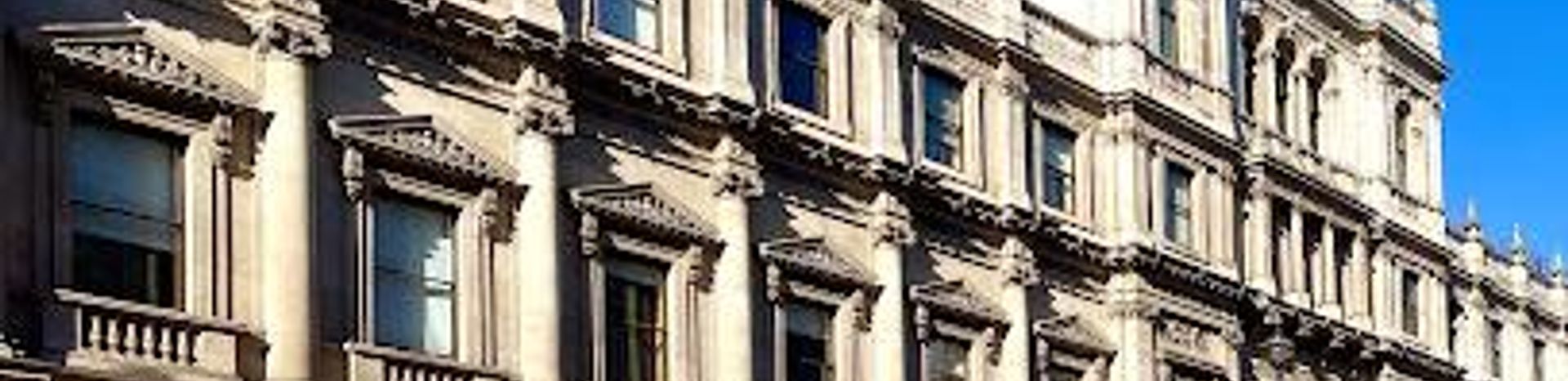
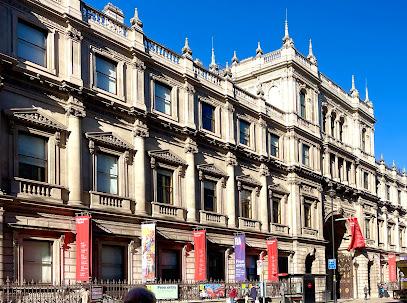
Burlington House
A grand 17th-century mansion on Piccadilly, now home to the Royal Academy of Arts and Britain’s leading learned societies, blending Palladian elegance with centuries of art and science.
Burlington House on Piccadilly is a grand 17th-century mansion transformed into a neoclassical landmark, now housing the Royal Academy of Arts and several of Britain’s most prestigious learned societies. Its elegant courtyard and state rooms host major art exhibitions and scholarly gatherings, blending Palladian architecture with centuries of intellectual and artistic life. The building’s history as a private residence, its role in the Georgian Palladian revival, and its current status as a cultural hub make it a quiet but essential stop for anyone exploring London’s architectural and artistic heritage.
A brief summary to Burlington House
- Piccadilly, London, W1J 0BD, GB
- Duration: 1 to 3 hours
- Mid ranged
-
 Mixed
Mixed
- Mobile reception: 5 out of 5
Local tips
- Check the Royal Academy’s website for current exhibitions and opening hours; major shows often require timed tickets.
- Visit the courtyard to see any temporary sculptures or installations; it’s a peaceful spot in central London.
- Look for guided tours or open days that give access to the historic state rooms and the societies’ spaces, which are not always open to the public.
- Combine a visit with a walk along Piccadilly, passing Burlington Arcade and nearby galleries and museums.

For the on-the-go comforts that matter to you
- Restrooms
- Drink Options
- Drinking Water
- Food Options
- Seating Areas
- Information Boards
Getting There
-
Underground
From Piccadilly Circus Underground station, it is a short walk east along Piccadilly to reach Burlington House. The route is flat and well-served by lifts and escalators at the station, making it accessible for most visitors.
-
Bus
Several bus routes stop near Piccadilly Circus, including routes 3, 6, 9, 12, 13, 14, 19, 22, 23, 38, 88, 94, 139, and 159. From there, it is a short walk east along Piccadilly to the building’s main entrance.
-
Walking
From central London landmarks such as Trafalgar Square or Green Park, it is a 10–15 minute walk along Piccadilly. The route is flat, with wide pavements and frequent crossings, suitable for most pedestrians.
-
Taxi / Ride‑hailing
A taxi or ride‑hailing service can drop you directly outside Burlington House on Piccadilly. There is limited kerbside stopping, so it is best to agree with the driver to use a nearby rank or a short wait while you enter the building.
Burlington House location weather suitability
-
 Any Weather
-
 Mild Temperatures
Discover more about Burlington House
A Grand London Townhouse Reborn
Burlington House stands on Piccadilly as one of the last survivors of the grand private townhouses that once lined this stretch of London. Built in the 1660s for Sir John Denham, Surveyor-General to Charles II, it began as a red-brick mansion that soon passed to Richard Boyle, 1st Earl of Burlington. Over the following century, it evolved into a refined Palladian palace under the 3rd Earl, a passionate architect and patron of the arts. His vision, inspired by Andrea Palladio and executed with architects like Colen Campbell and William Kent, gave the house its classical proportions and elegant interiors, including the celebrated Saloon, one of England’s first ‘Kentian’ rooms.Home of the Arts and Sciences
Since the mid-19th century, Burlington House has served as a shared home for some of Britain’s most distinguished institutions. The Royal Academy of Arts occupies the main block, using its galleries for major exhibitions and its historic rooms for lectures and events. Around the courtyard, the West and East Wings house learned societies including the Royal Academy of Arts, the Royal Society of Chemistry, the Geological Society, the Linnean Society, the Royal Astronomical Society, and the Society of Antiquaries. This concentration of artistic and scientific life makes the building a rare London space where art, architecture, natural history, chemistry, and antiquarian scholarship coexist under one roof.Architecture and Courtyard Life
The current appearance of Burlington House is largely the result of 19th-century expansion. After the British government purchased the property in 1854, architects Charles Barry and R R Banks designed new wings and gateway blocks to enclose the courtyard, clad in Portland stone. The courtyard itself is a calm, formal space in the heart of Mayfair, often used for sculpture displays and seasonal installations. Inside, visitors encounter a mix of historic state rooms, modern galleries like the Sackler Wing, and the working spaces of the societies, where libraries, meeting rooms, and lecture theatres continue centuries-old traditions of inquiry and debate.Exhibitions and Public Access
While much of the building functions as offices and libraries, the Royal Academy’s galleries are fully open to the public. The Main Galleries and the Diploma Galleries host major temporary exhibitions, from Old Masters to contemporary architecture, while the John Madejski Fine Rooms showcase the restored historic interiors. The building’s layout encourages exploration: from the grand entrance on Piccadilly, through the courtyard, into the galleries and event spaces. Temporary installations, talks, and academic events mean that each visit can reveal something new, whether a blockbuster art show or a glimpse into the workings of a learned society.Iconic landmarks you can’t miss

Burlington House
0.0 km
A grand 17th-century mansion on Piccadilly, now home to the Royal Academy of Arts and Britain’s leading learned societies, blending Palladian elegance with centuries of art and science.
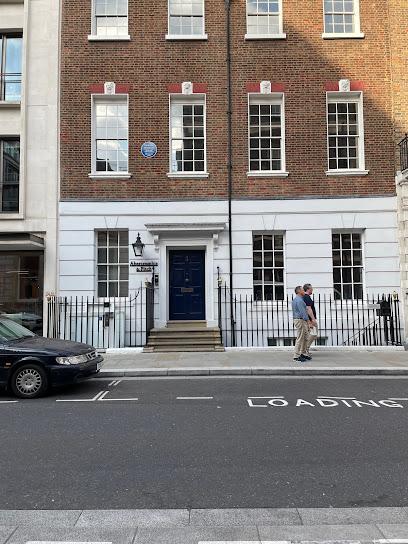
3 Savile Row
0.1 km
Historic Georgian townhouse in London, famed as The Beatles’ Apple Corps HQ and site of their legendary 1969 rooftop concert.
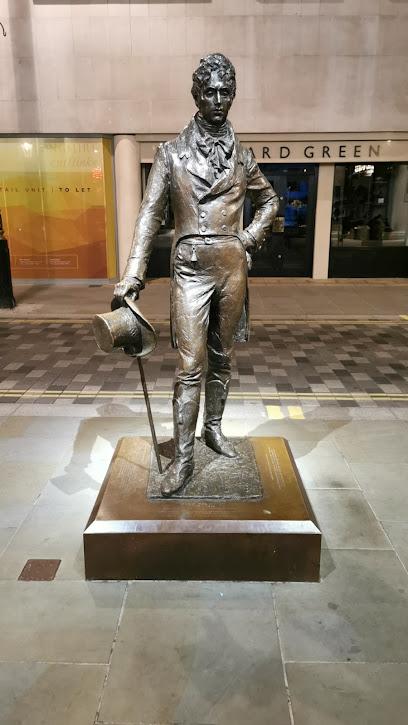
Beau Brummell Statue
0.2 km
The dandy who revolutionised menswear and defined Regency elegance in bronze.
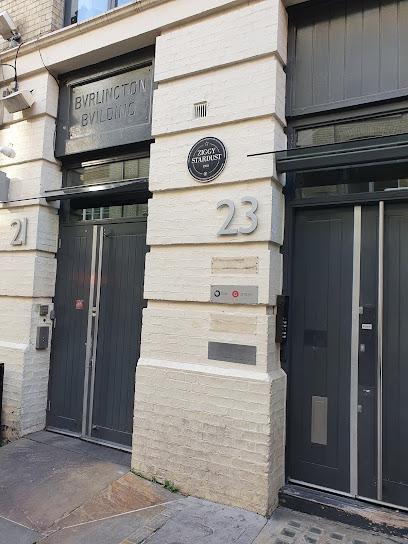
Ziggy Stardust album cover
0.2 km
Step into the legendary London street where David Bowie’s Ziggy Stardust persona was born on an iconic 1972 album cover.
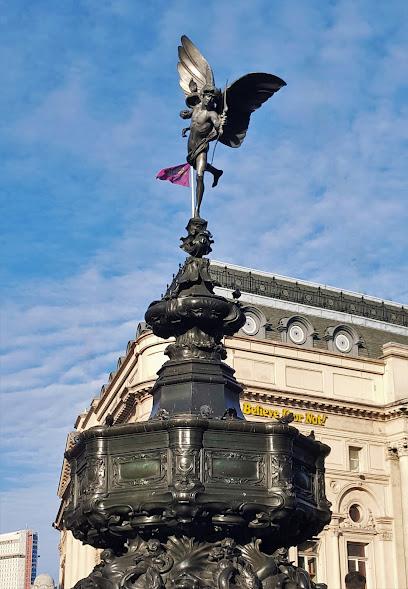
Eros (Shaftesbury Memorial Fountain)
0.4 km
Iconic London landmark honoring Victorian philanthropy with the world’s first aluminium statue, set amidst Piccadilly Circus’s vibrant theatre district.
225 Piccadilly Circus
0.4 km
At the luminous heart of London’s West End, 225 Piccadilly Circus dazzles with history, iconic lights, and vibrant urban energy.
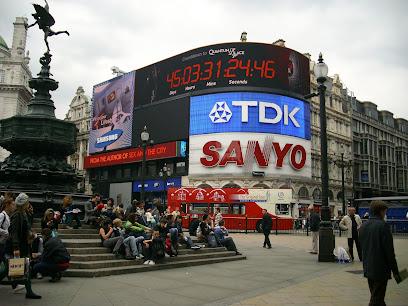
Piccadilly Circus
0.4 km
Piccadilly Circus pulses with iconic neon lights, historic monuments, and vibrant street life at the heart of London’s West End.

Pickering Pl
0.4 km
Discover Pickering Place, London's smallest square, a hidden Georgian courtyard steeped in duels, diplomacy, and timeless charm.
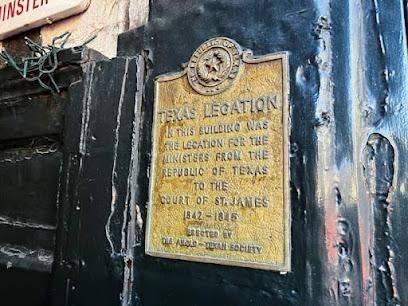
Republic of Texas Plaque
0.4 km
A hidden brass plaque marking where the Republic of Texas once sought recognition from the British Crown.
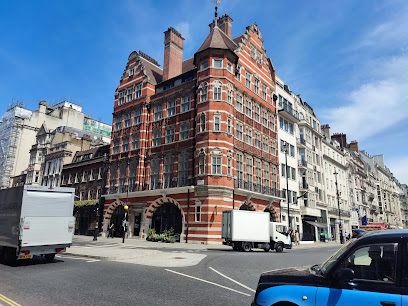
St James's Square
0.4 km
London’s oldest garden square, where Georgian elegance meets centuries of power, politics, and high society in the heart of Westminster.
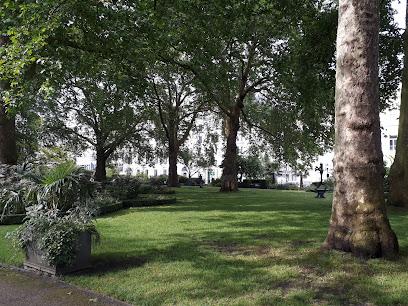
Pall Mall
0.5 km
Pall Mall, a historic London street famed for royal heritage, pioneering gas lighting, and exclusive gentlemen’s clubs near St James’s Palace.
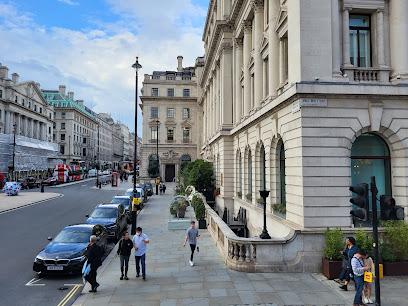
Liberty’s clock
0.5 km
Discover the charm of Liberty's Clock, an iconic landmark in Carnaby, London, embodying the city’s rich heritage and architectural beauty.
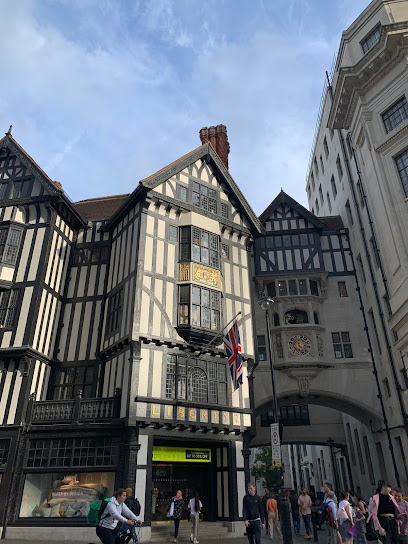
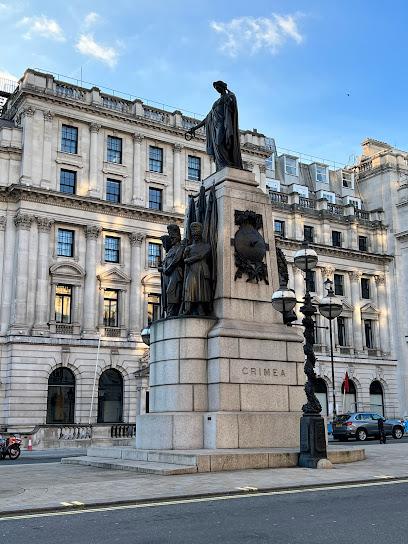
Guards Crimean War Memorial
0.5 km
A poignant bronze tribute in central London honoring the valor and sacrifice of ordinary soldiers in the Crimean War.
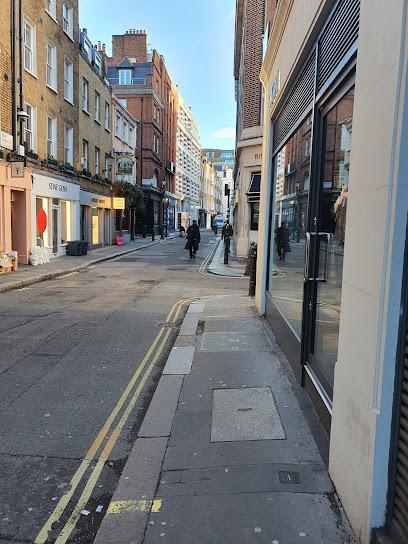
Soho
0.5 km
London's pulsating heart of nightlife, cuisine, and cultural reinvention where bohemian heritage meets contemporary glamour.
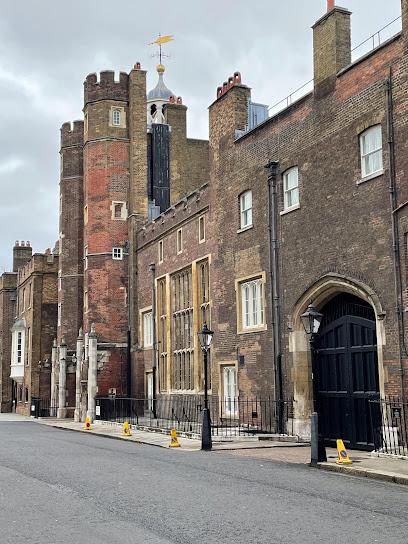
St. James's Palace
0.5 km
Discover the Tudor grandeur and royal ceremonies at London’s oldest palace, the enduring heart of British monarchy.
Unmissable attractions to see

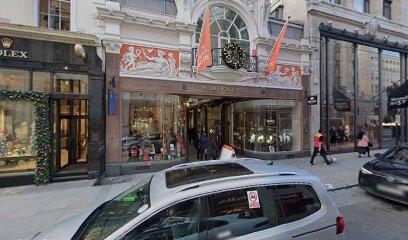
28 The Royal Arcade
0.1 km
Step into London’s oldest Victorian shopping arcade, where historic elegance meets exclusive luxury boutiques in the heart of Mayfair.
Charbonnel et Walker
0.1 km
Discover over 150 years of British chocolate mastery and timeless elegance at Charbonnel et Walker in London’s Royal Arcade.
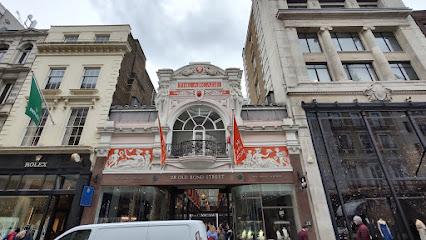
Fortnum & Mason
0.1 km
Three centuries of British luxury, tradition, and culinary excellence on Piccadilly
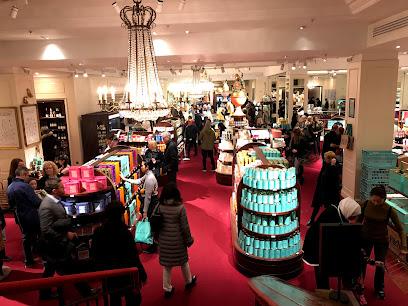
Hatchards - Piccadilly
0.1 km
Explore Hatchards, London's oldest bookshop since 1797, a historic literary haven with royal warrants and timeless charm on Piccadilly.
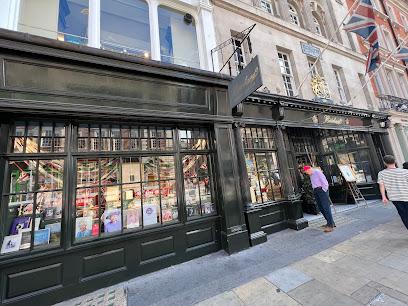
Princes Arcade
0.2 km
Discover Princes Arcade, a historic London shopping passage blending timeless craftsmanship with modern menswear in the heart of Piccadilly.
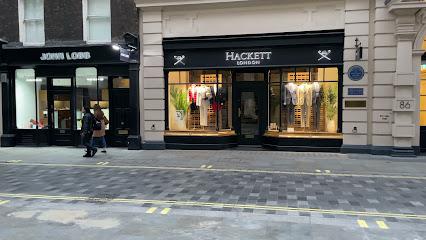
Piccadilly Arcade
0.2 km
Step into Piccadilly Arcade, a refined Edwardian shopping haven blending heritage tailoring, unique boutiques, and timeless London charm.
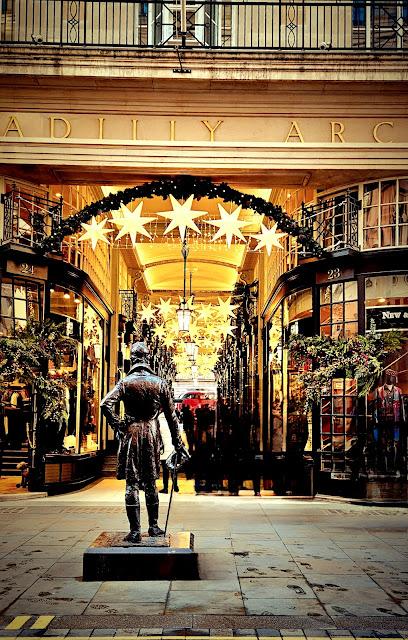
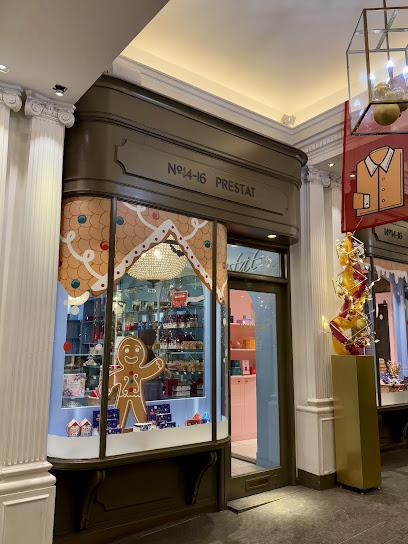
Prestat Chocolates
0.2 km
Discover London’s oldest royal chocolate shop, where century-old truffle traditions meet theatrical elegance in Piccadilly’s charming Princes Arcade.
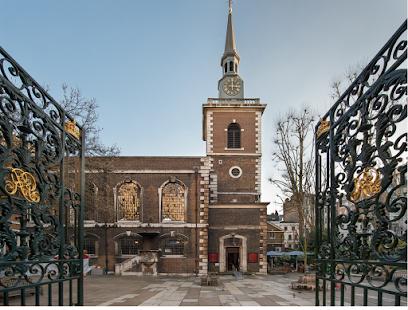
St James's Piccadilly
0.2 km
Discover St James's Piccadilly, a historic Wren-designed church blending artistic heritage and serene gardens in the heart of London’s vibrant West End.
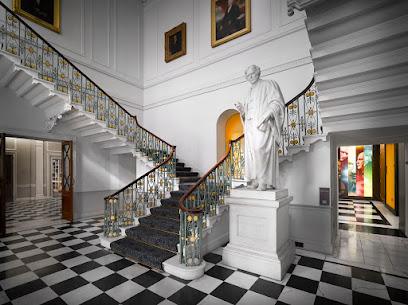
The Royal Institution
0.2 km
Explore centuries of groundbreaking science and iconic lectures at London’s historic Royal Institution, home to Faraday’s legacy and the famous Christmas Lectures.
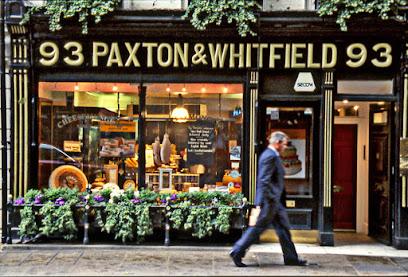
Paxton & Whitfield Ltd
0.2 km
Discover the rich heritage of British cheese at Paxton & Whitfield, London's historic cheese shop on Jermyn Street, featuring exceptional selections and gourmet delights.
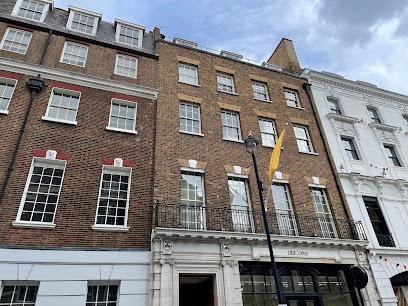
Savile Row
0.2 km
Savile Row, London’s legendary street, is the global heart of bespoke tailoring, where tradition meets timeless style and craftsmanship.
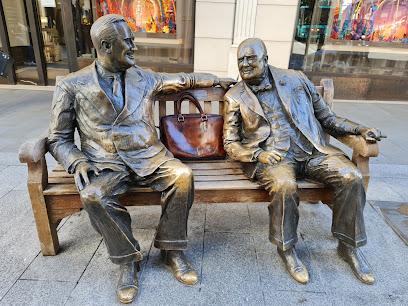
Allies (Churchill & Roosevelt)
0.2 km
An intimate bronze sculpture of Churchill and Roosevelt sharing a bench, symbolizing 50 years of peace and the enduring UK-US alliance on London’s New Bond Street.
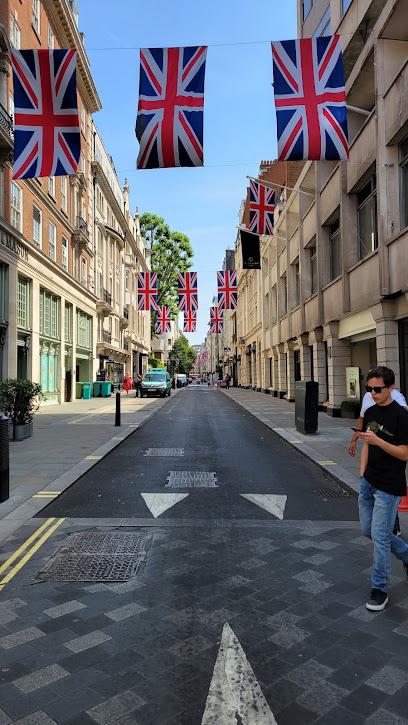
Jermyn St
0.2 km
Discover Jermyn Street, London’s iconic destination for timeless menswear, bespoke tailoring, and refined British craftsmanship in a historic setting.
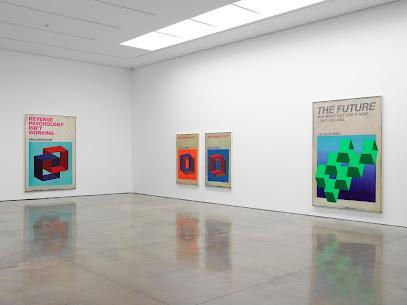
White Cube Mason's Yard
0.2 km
Premier contemporary art gallery in St James's, free admission, architectural landmark housing international exhibitions.
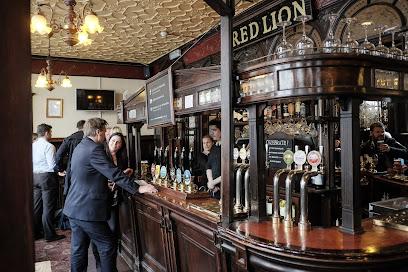
The Red Lion, Mayfair
0.2 km
Experience authentic British pub culture at The Red Lion in Mayfair, where history meets hospitality in the heart of London.
Essential places to dine

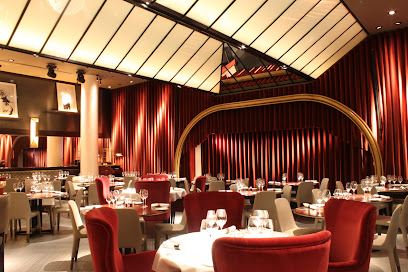
Quaglino's
0.2 km
Glamorous basement brasserie with live music, cocktails, and theatrical dining in St. James's.
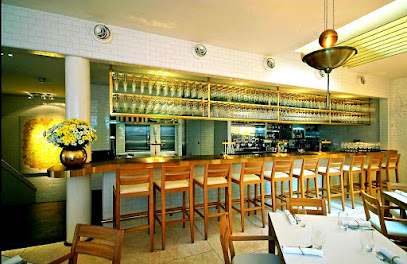
NOPI
0.3 km
Experience vibrant Mediterranean and Middle Eastern flavors in Soho at NOPI, Ottolenghi’s innovative restaurant known for shareable, seasonal dishes.
Seven Park Place by William Drabble
0.4 km
An intimate Michelin-starred restaurant in Mayfair offering refined British-French cuisine by Chef William Drabble in an elegant Art Deco setting.
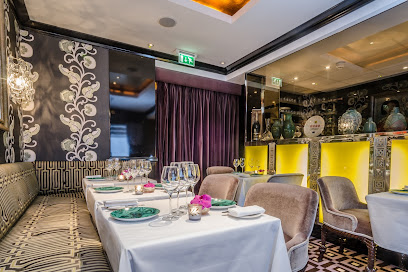
Kricket Soho
0.4 km
Discover bold, modern Indian small plates in a lively Soho setting with an open kitchen and vibrant basement dining.
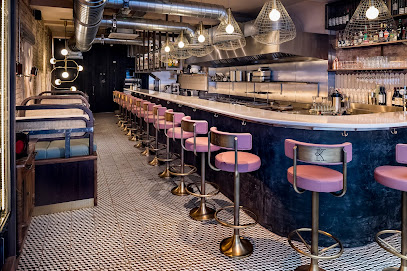
Golden Lion
0.4 km
Historic 1690s pub in St James's offering classic British fare, rich heritage, and a warm, family-friendly atmosphere near Buckingham Palace.
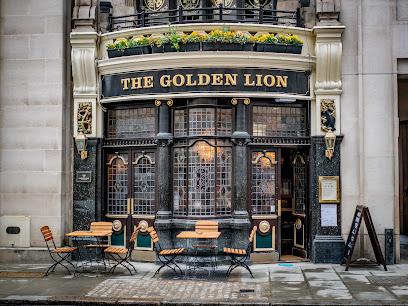
Bob Bob Ricard Soho
0.4 km
Experience glamorous British & French dining in Soho with iconic booths and a unique ‘Press for Champagne’ button at every table.
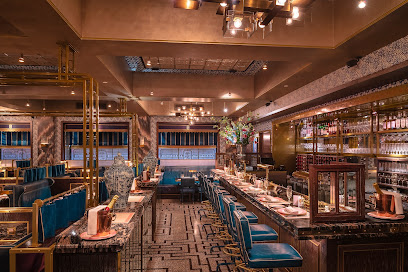
Mele e Pere
0.4 km
Discover authentic Italian flavors and a rich vermouth selection in the cozy, candlelit basement of Soho’s Mele e Pere.
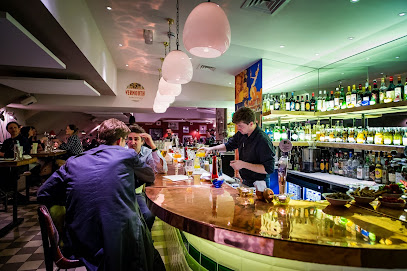
sketch
0.4 km
An iconic Mayfair venue blending avant-garde art, Michelin-starred dining, and whimsical design for an unforgettable London experience.
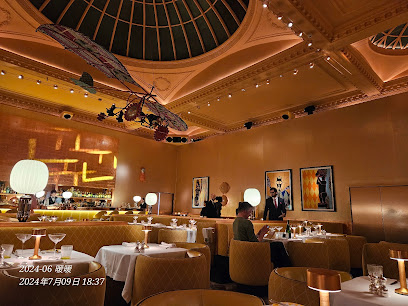
Great British Restaurant
0.4 km
Elegant British dining in the heart of St James’s, blending traditional flavors with modern sophistication in a tranquil hotel setting.
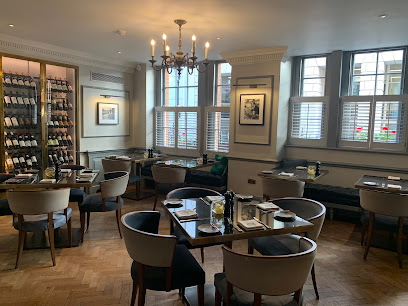
Bantof
0.4 km
Discover Bantof, Soho’s intimate hotspot blending Michelin-starred modern European cuisine, inventive cocktails, and vibrant art in a stylish, welcoming setting.
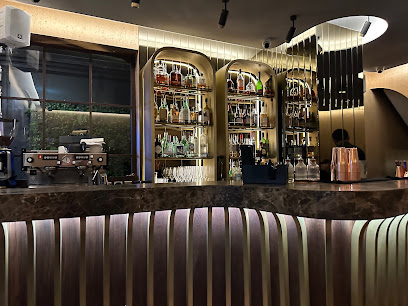
Blacklock Soho
0.4 km
A vibrant Soho basement chophouse serving exceptional grass-fed steaks and chops in a lively, rustic setting with unbeatable value.
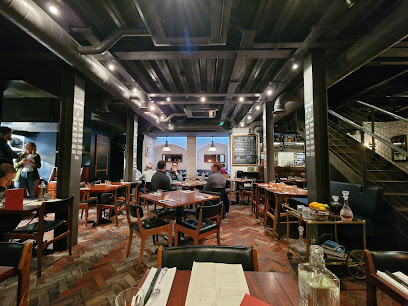
HIDE
0.5 km
Discover refined Modern European cuisine with panoramic Green Park views at HIDE, a Michelin-starred gem blending innovation and elegance in Mayfair.
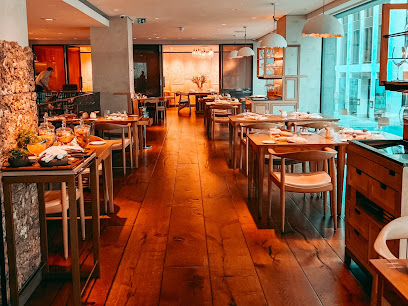
Ormer Mayfair Restaurant
0.5 km
Michelin-starred modern British dining in an elegant 1930s-style Mayfair setting, offering inventive tasting menus and impeccable service.
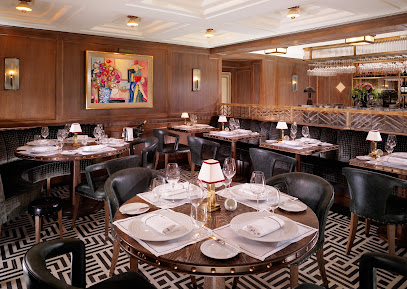
Andrew Edmunds Restaurant
0.5 km
A romantic Soho townhouse serving refined Franco-Mediterranean dishes with an acclaimed wine list in an intimate, candlelit setting.
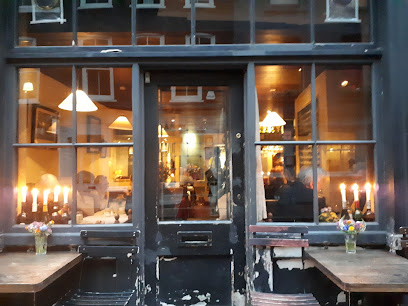
Little Social
0.5 km
Stylish Mayfair bistro offering refined modern British small plates with an intimate atmosphere and excellent wine selection.
Markets, malls and hidden boutiques

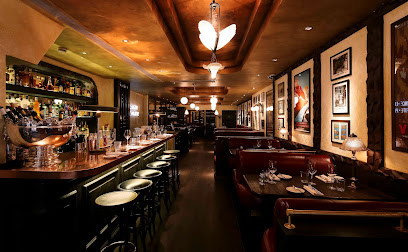
Turnbull & Asser Jermyn Street
0.2 km
Discover Turnbull & Asser on Jermyn Street, the quintessential British shirtmaker blending heritage craftsmanship with timeless elegance since 1885.
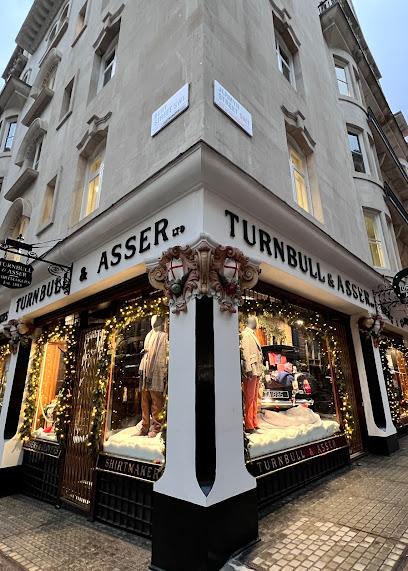
Floris London
0.2 km
Experience nearly three centuries of British fragrance heritage at Floris London’s historic boutique on iconic Jermyn Street.
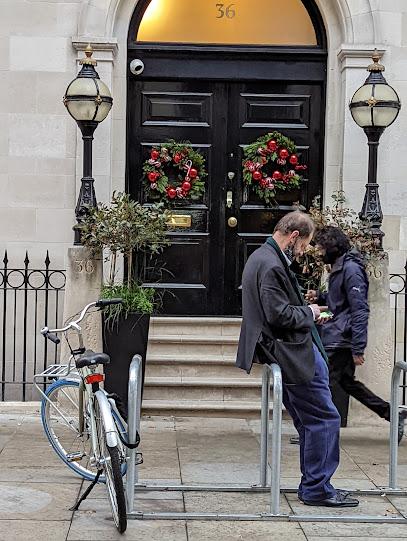
LONGCHAMP
0.4 km
Discover French luxury and craftsmanship at Longchamp’s elegant Bond Street boutique in London’s exclusive Mayfair district.
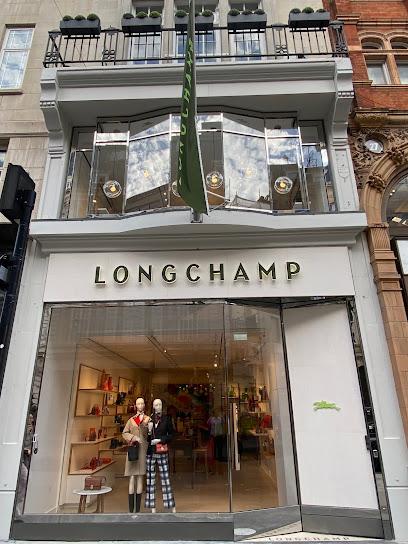
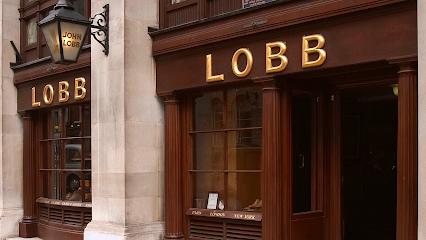
John Lobb St. James
0.4 km
Where 170 years of royal patronage meets handcrafted perfection in every stitch.
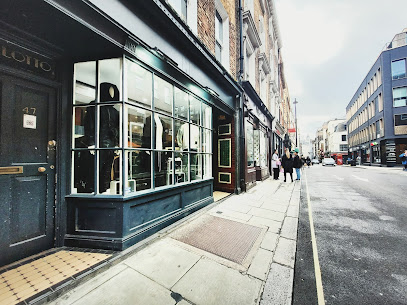
CLOSET CASE SOHO LONDON
0.4 km
Discover avant-garde menswear from global designers in Soho's vibrant heart – unique finds for the bold dresser at Closet Case.
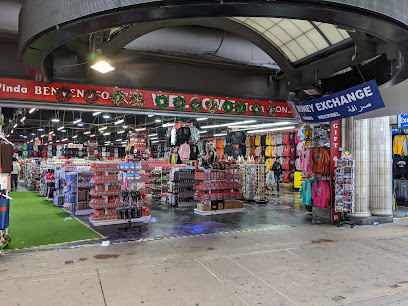
Glorious London Gift & Souvenir
0.5 km
Discover unique souvenirs and gifts that embody the spirit of London at Glorious London Gift & Souvenir, a must-visit shopping destination.
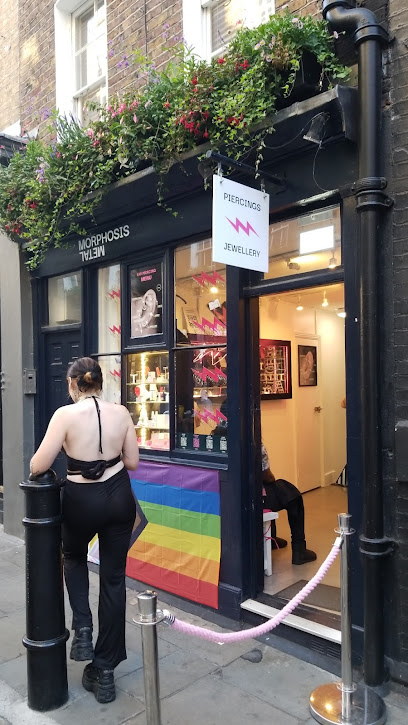
Canvas Collection
0.5 km
Discover handmade ceramics, jewelry, and accessories in Carnaby's artistic gift haven—unique treasures from London's creative makers.
Liberty
0.5 km
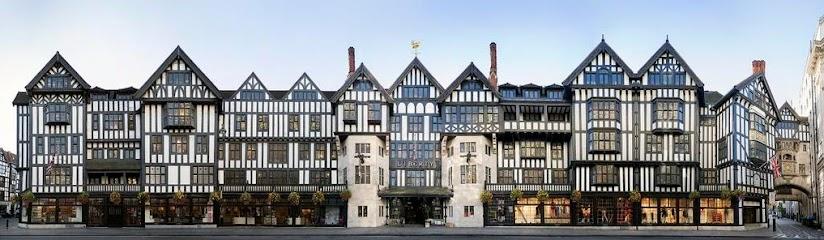
Discover Liberty London, a Tudor revival icon blending heritage craftsmanship, luxurious fabrics, and timeless design in the heart of London’s West End.
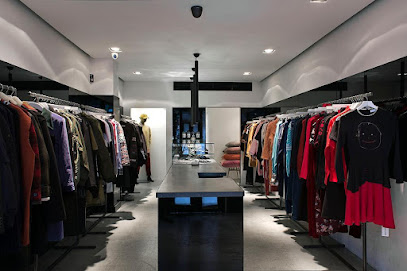
Machine-A
0.5 km
Small but influential Soho boutique showcasing curated avant‑garde and emerging fashion with gallery‑like presentation.
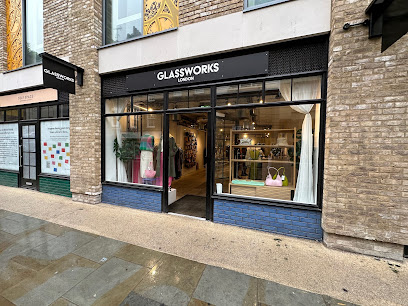
Glassworks London - Soho
0.5 km
Discover limited-edition London fashion at Glassworks Soho: quality designs, weekly drops, and timeless style on vibrant Berwick Street.
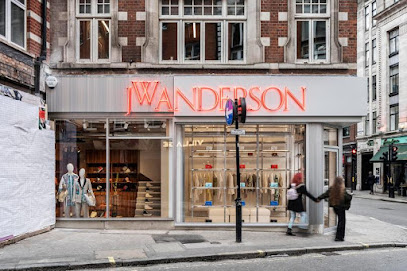
JW Anderson London Soho
0.6 km
Soho's avant-garde flagship: minimalist Shaker-inspired space brimming with gender-fluid luxury fashion, artisanal homewares, and exclusive collaborations.
Shepherd Market
0.6 km
A Georgian village hidden in Mayfair's heart, where independent shops, art galleries and historic pubs preserve timeless London charm.
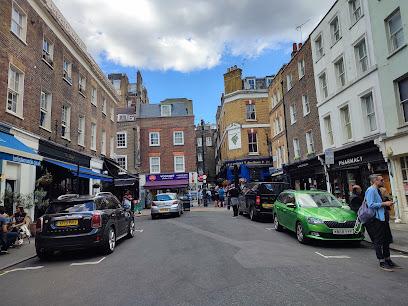
Pop Up 38
0.6 km
A compact, curated boutique on Broadwick Street offering rotating seasonal pieces and design-led accessories in the heart of Soho.
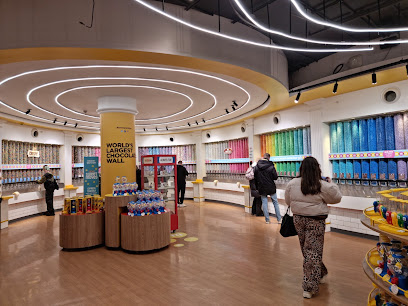
M&M'S London
0.6 km
Experience the colorful world of M&M'S London, where candy dreams come true with personalized treats and vibrant merchandise.
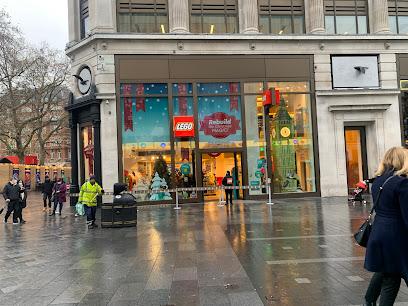
The LEGO® Store Leicester Square
0.6 km
Explore the world’s largest LEGO® Store in Leicester Square, London—two floors of interactive fun, iconic models, and endless creativity.
Essential bars & hidden hideouts

Disrepute - Soho
0.3 km
Descend into Soho's glamorous underworld at Disrepute, where 1960s scandal meets masterful cocktails in velvet-clad vaults—Soho's seductive late-night escape.
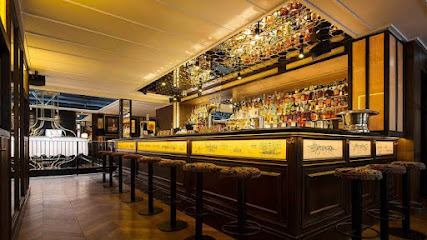
Cahoots London
0.4 km
Step into a 1940s London underground tube station and enjoy creative cocktails in a vibrant, theatrical vintage setting.
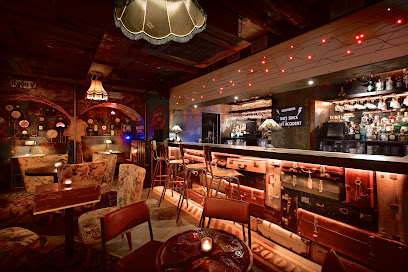
The Thin White Duke
0.4 km
Discover Soho’s intimate cocktail bar inspired by David Bowie, blending bespoke drinks, award-winning dim sum, and creative recording studios.
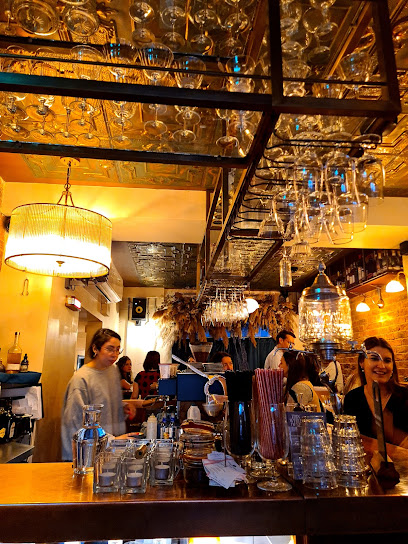
Duke of Argyll
0.5 km
Step into the Duke of Argyll for authentic Victorian pub charm, affordable ales, and a warm Soho atmosphere in central London.
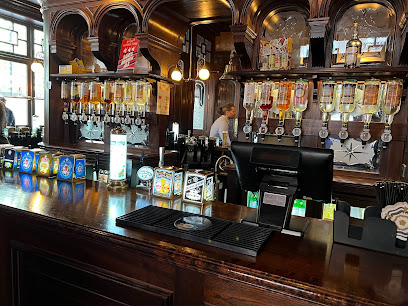
Below
0.5 km
Discover Below at HIDE, a hidden Mayfair cocktail bar offering expertly crafted seasonal drinks and rare spirits beneath a Michelin-starred restaurant.
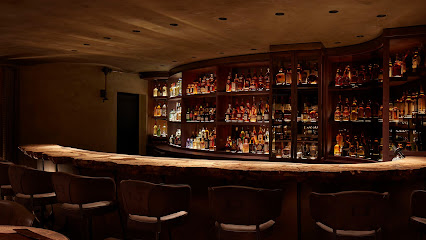
The Blind Pig at Mary's est. 2024
0.5 km
Discover a stylish Mayfair speakeasy blending inventive cocktails, retro charm, and attentive service in London's vibrant Pollen Street scene.
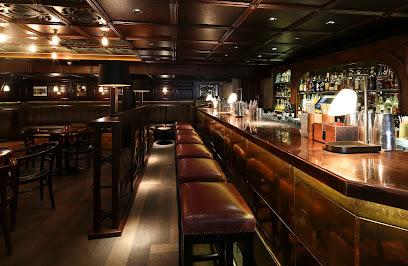
Village Soho
0.6 km
A lively, inclusive gay bar in Soho with energetic dance floors, go-go dancers, karaoke nights, and a vibrant LGBTQ+ atmosphere.
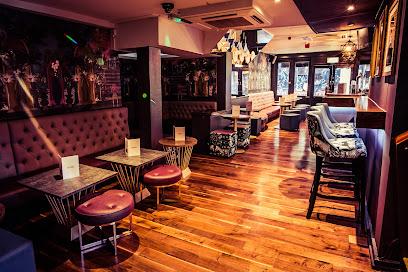
Duke Of Wellington
0.6 km
A lively Soho pub blending traditional British charm with modern nightlife energy on Wardour Street.
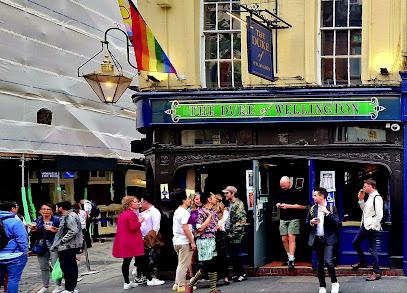
Basement Sate
0.6 km
Discover Soho’s chic basement bar where decadent desserts meet expertly crafted cocktails in an intimate, stylish setting.
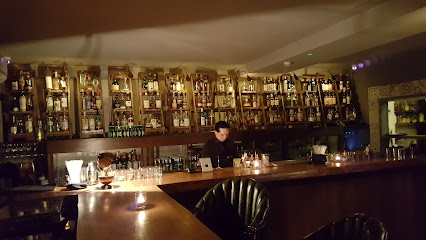
All Bar One Leicester Square
0.6 km
Stylish wine and cocktail bar in the heart of Leicester Square, perfect for socializing, dining, and private events in central London.
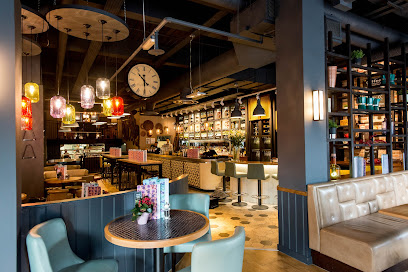
Opium Cocktail Bar - Soho
0.6 km
Discover a hidden Soho speakeasy blending 1920s Shanghai charm with inventive cocktails and exquisite dim sum in London’s Chinatown.
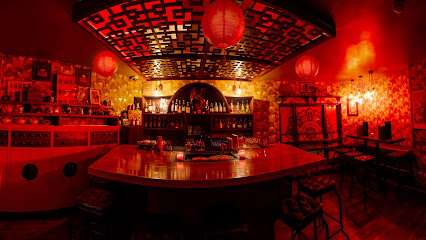
The Admiral Duncan - Soho
0.7 km
Historic Soho gay pub and resilient LGBTQ+ landmark, symbolizing community strength and vibrant nightlife since the 1830s.
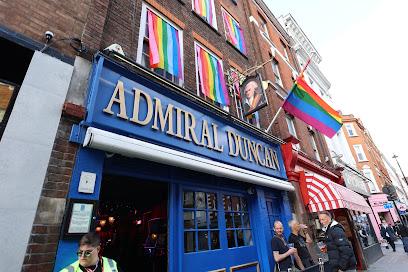
The Argyll Arms
0.7 km
Step into The Argyll Arms, a Victorian-era pub gem in Soho blending historic charm, real ales, and hearty British fare near Oxford Circus.
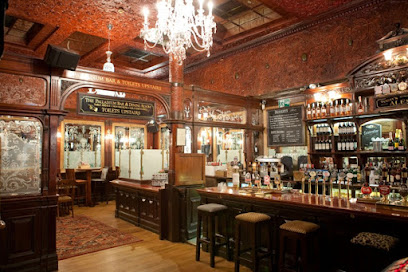
Hampshire Restaurant and Bar
0.7 km
Intimate bar and restaurant serving vibrant Mexican and Peruvian cuisine in the heart of Leicester Square’s iconic theatre district.
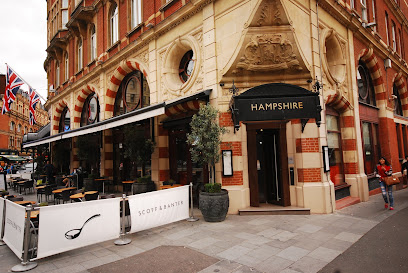
NQ64 Soho
0.7 km
Dive into a neon-lit world of retro arcade games and themed cocktails in the heart of Soho’s vibrant nightlife scene.
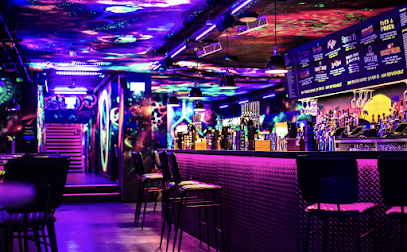
Nightclubs & after hour spots

The Cuckoo Club
0.1 km
Exclusive Mayfair nightclub and restaurant blending glamorous design, contemporary cuisine, and vibrant nightlife in London’s upscale scene.
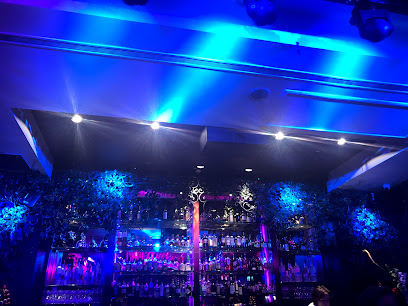
Tabu London
0.2 km
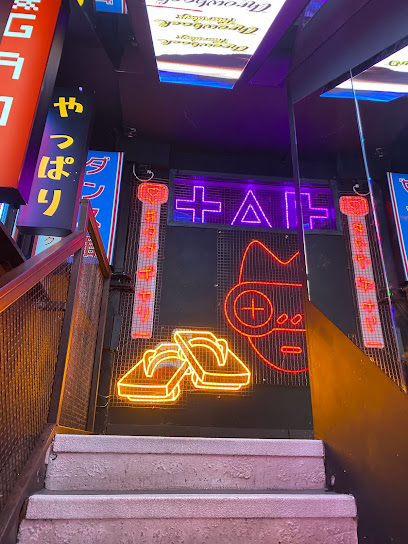
Escape Mayfair's polish for Tokyo's neon-lit Shinjuku alleys at Tabu London—retro gaming vibes, caged dancers, hip-hop beats, and upscale bites fuel epic nights.
LUXX CLUB LONDON
0.3 km
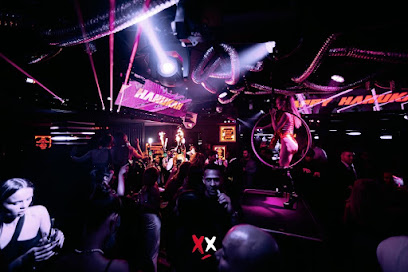
Experience Mayfair’s premier luxury nightclub with dazzling lights, top DJs, and exclusive VIP vibes at LUXX CLUB LONDON.
The Scotch of St James
0.3 km
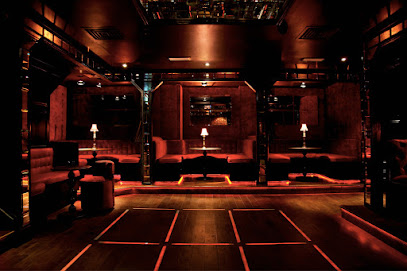
Legendary Mayfair speakeasy where 60s rock stars jammed and today's elite dance till dawn in velvet-clad intimacy.
The Windmill Soho | Restaurant, Cabaret & Nightclub in Soho, London
0.5 km
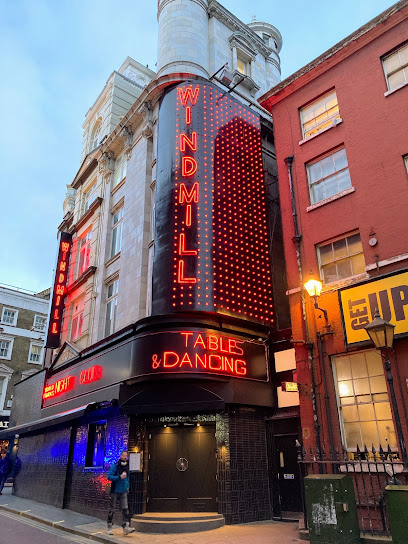
Soho's legendary cabaret den revived: burlesque bites, theatrical feasts, and all-night beats in a historic hotspot of hedonism.
Tiger Tiger London
0.5 km
Experience London’s iconic Haymarket nightclub with six vibrant rooms, lively DJs, and a dynamic party atmosphere just moments from Piccadilly Circus.
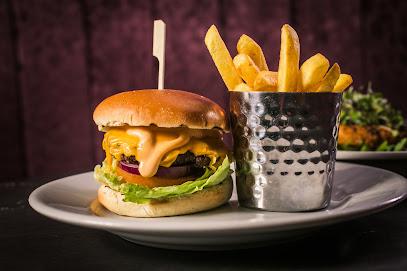
Luxe Club
0.5 km
Experience London's vibrant nightlife at Luxe Club, a central hotspot for music, dancing, and late-night entertainment.
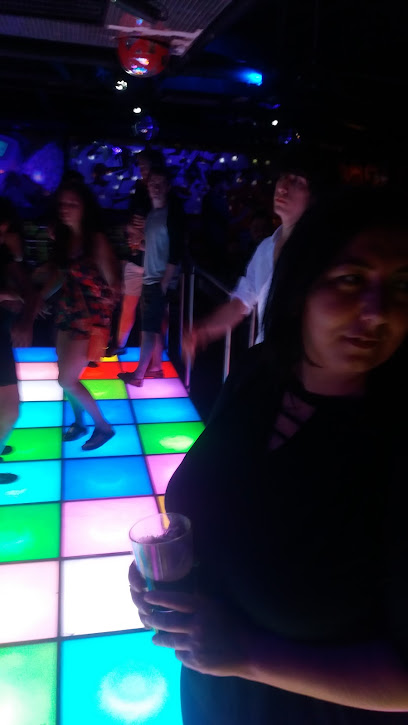
Sunset night club
0.5 km
Dive into Soho's electric nightlife at Sunset Night Club, where thumping beats, craft cocktails, and dawn-chasing energy define unforgettable nights in London's vibrant core.
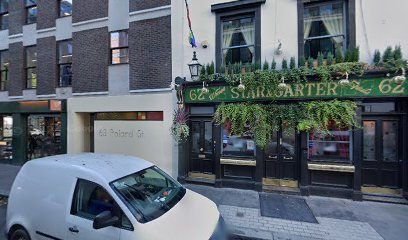
The Box Soho
0.5 km
A clandestine Soho cabaret where decadent staging, provocative shows and high‑end cocktails collide in an intense late‑night theatre.
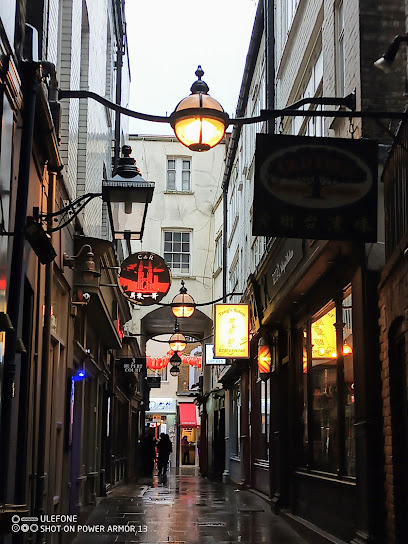
Versity Camp Nightclub
0.5 km
Dive into Soho's beating heart at Versity Camp Nightclub, where thumping bass, inventive cocktails, and an electric crowd fuel unforgettable nights until dawn.
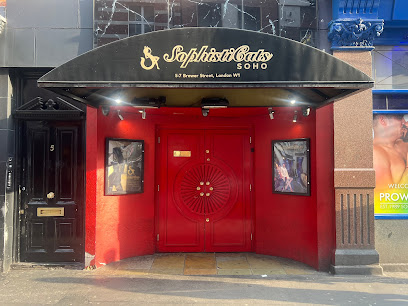
Sophisticats Soho
0.6 km
An intimate, late‑night Soho gentlemen’s club on Brewer Street offering staged performances, VIP seating and an upmarket, discreet atmosphere.
The Penthouse London
0.6 km
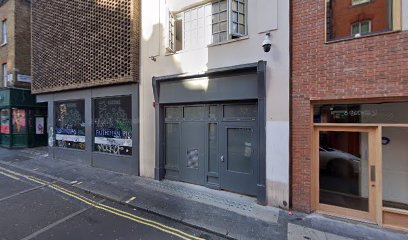
A compact, rooftop nightclub above Leicester Square — reached by a side lift, built for late‑night private parties and skyline glimpses.
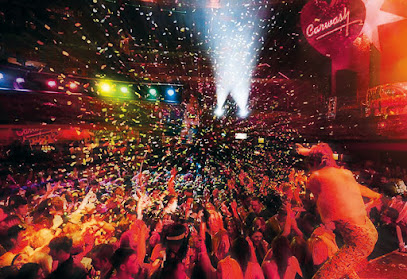
Carwash Nightclub
0.7 km
Europe's longest-running disco since 1989: sequins, funk beats, and joyful dancing in Mayfair's retro heart. Join the glitter-fueled party!
St Moritz Club
0.7 km
Soho's retro basement nightclub: 1960s vibes meet modern beats in an intimate, wood-paneled haven beneath a Swiss chalet restaurant.
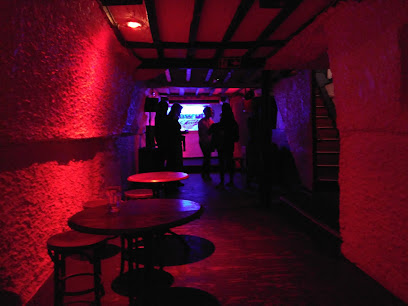
TSQ Club
0.7 km
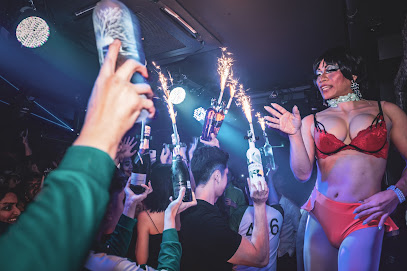
Dive into Trafalgar Square's nightlife pulse at TSQ Club, where eclectic beats, dazzling lights, and craft cocktails fuel unforgettable weekend nights in London's heart.
For the vibe & atmosphere seeker
- Scenic
- Cultural
- Historic
- Relaxing
- Tranquil
For the design and aesthetic lover
- Historic
- Classical
- Elegant
For the architecture buff
- Historic
- Landmarks
- Art & Design
- Heritage Neighborhoods
For the view chaser and sunset hunter
- Iconic Views
- Panoramas
For the social media creator & influencer
- Instagrammable
- Photo Spots
- Architectural Shots
For the eco-conscious traveler
- Public-Transport Accessible
For the kind of experience you’re after
- Cultural Heritage
- Photowalk
- Day Trip
For how adventurous you want the journey to be
- Easy Access
Location Audience
- Family Friendly
- Senior Friendly
- Child Friendly
- Teen Friendly
- Wheelchair Access
- Solo Friendly
- Couple Friendly
- Solo Female Friendly
- Business Friendly


