

Westminster (London) Travel Guide - Free
Explore Westminster in London with Evendo's free guide. Find the best shops, historic streets, restaurants, and gems on web or mobile.


Westminster, London, brings Parliament, Westminster Abbey, royal ceremony, Whitehall history, riverside walks, galleries and classic dining together.
Power and Ceremony
Westminster occupies a compact but exceptionally consequential stretch of central London, centred on the River Thames, Parliament Square, Westminster Abbey, Whitehall and the ceremonial avenues leading towards Buckingham Palace. It is a neighbourhood of institutions rather than a conventional residential quarter: medieval religious foundations, the seat of the UK Parliament, government departments, royal processions and public demonstrations all share the same streets. The result is a landscape where daily political business unfolds beside centuries-old stonework and carefully staged pageantry.Read more about Westminster
Streets of Contrasting Character
Culture Along the Thames
Best attractions in Westminster
Westminster Abbey is the neighbourhood's central visitor attraction, combining an active place of worship with royal coronation history, medieval architecture, memorials and the tombs of notable figures. The Palace of Westminster provides the defining riverside panorama, and guided visits or parliamentary tours offer a closer look when available. The Churchill War Rooms, beneath Whitehall, reveal the underground headquarters used during the Second World War and the political career of Winston Churchill. Horse Guards Parade introduces ceremonial traditions, while Parliament Square gathers statues of prominent political figures around a major civic space. The Thames Path, Victoria Tower Gardens, Dean's Yard and St James's Park add open-air alternatives to the monumental interiors, with the park extending towards nearby St James's and Buckingham Palace. Together these places show Westminster as a working centre of state, religion, commemoration and public life.
-
Anglican church
Westminster Abbey
Discover Westminster Abbey, London’s majestic Gothic church steeped in royal history, architectural splendor, and living spiritual tradition.
11 min walk · 0.9 km from neighbourhood centre
-
History museum
Churchill War Rooms
Step into the secret underground bunker where Churchill led Britain’s WWII efforts and explore the preserved war rooms and museum beneath London.
7 min walk · 0.6 km from neighbourhood centre
-
Shopping Centre
Cardinal Place
Urban shopping oasis blending retail buzz, rooftop serenity, and innovative design over London's Underground in vibrant Victoria.
18 min walk · 1.5 km from neighbourhood centre
-
Tourist attraction
Westminster Millennium Pier
Experience London's iconic riverfront from Westminster Millennium Pier, your gateway to historic landmarks and scenic Thames cruises.
9 min walk · 0.7 km from neighbourhood centre


Best landmarks in Westminster
The Palace of Westminster, with its riverside towers, debating chambers and distinctive Gothic Revival silhouette, is Westminster's most recognisable landmark and the physical home of the UK Parliament. Westminster Hall, the oldest surviving part of the complex, connects the present institution with medieval royal and parliamentary history. Westminster Abbey, rebuilt in successive periods and especially associated with the Gothic church visible today, remains a coronation church and a major repository of national memorials. Whitehall's Banqueting House is a surviving late-Jacobean royal building, while Horse Guards and the Old Admiralty buildings express the area's military and administrative past. The statue-lined Parliament Square, Victoria Tower Gardens and the river embankment extend this landscape of commemoration into public space, linking architecture with the rituals and political symbolism of the neighbourhood.
-
Bridge
Westminster Bridge
Historic Gothic bridge over the Thames offering stunning views of Big Ben, the London Eye, and the Houses of Parliament.
10 min walk · 0.8 km from neighbourhood centre
-
Government office
Palace of Westminster
Iconic Neo-Gothic home of UK Parliament, blending centuries of history, stunning architecture, and royal tradition on the banks of the Thames.
11 min walk · 0.9 km from neighbourhood centre
-
Historical landmark
Westminster Hall
Step into Westminster Hall, a majestic medieval masterpiece that has witnessed a millennium of British history, law, and monarchy.
10 min walk · 0.8 km from neighbourhood centre
-
Historical landmark
George Duke of Cambridge statue
A commanding bronze tribute to Prince George, Duke of Cambridge, standing proudly on Whitehall as a symbol of military heritage.
3 min walk · 0.3 km from neighbourhood centre


Explore Westminster on the map
A handpicked selection of must-see spots in Westminster, mapped for you.
Best hotels in Westminster
Best restaurants in Westminster
Westminster's dining scene reflects its concentration of government offices, historic institutions, hotels and international visitors rather than a single local cuisine. Around Victoria Street and Broadway, cafés, sandwich shops and casual restaurants cater to office workers, while Whitehall and the riverfront offer hotel dining, traditional British menus and restaurants suited to formal meals. The Cinnamon Club, housed in the former Westminster Public Library near Great Smith Street, is a well-established example of Indian cuisine in a historic setting. Pubs around the government quarter provide familiar British food and a meeting place after work, while nearby Victoria has a broader range of restaurants and theatreside dining. Reservations may be useful for formal venues, especially when Parliament is sitting or major events fill the area, and restaurant locations should be checked carefully because the wider City of Westminster extends far beyond this neighbourhood.
-
British
Bill's Victoria Restaurant
A vibrant British eatery near Victoria Station offering hearty classics, sharing plates, and plant-based dishes in a cozy, casual setting.
18 min walk · 1.5 km from neighbourhood centre
-
Chinese
Ma La Sichuan
Experience authentic, boldly spiced Sichuan cuisine in the heart of Westminster with vibrant flavors and a welcoming atmosphere.
15 min walk · 1.2 km from neighbourhood centre
-
French
Chez Antoinette Victoria
Authentic French bistro in London’s Victoria offering classic Lyonnais and Parisian dishes in a cozy, Parisian-style setting.
14 min walk · 1.1 km from neighbourhood centre
-
Italian
Mio Restaurant & Bar
Authentic Italian flavors and warm hospitality await you in this cozy central London gem with generous portions and great value.
16 min walk · 1.3 km from neighbourhood centre


Best bars in Westminster
Westminster is not principally a late-night clubbing district; its evening character is shaped by historic pubs, hotel bars, political conversation and visitors leaving theatres or organised events nearby. Traditional pubs around Whitehall and Victoria Street serve as informal meeting places for civil servants, journalists and sightseers, while hotel lounges provide a quieter setting for cocktails and conversations. The area around Parliament becomes subdued after office hours, although the riverfront and routes towards Victoria remain active enough for an evening walk. Live music and major nightclub culture are more strongly associated with neighbouring Soho, Covent Garden, Mayfair and the West End than with Westminster itself. Public events, demonstrations and ceremonial occasions can change the atmosphere quickly, so an evening itinerary should allow for diversions and security arrangements rather than assuming that every route will remain open.
-
Pub
The Red Lion, Parliament Street
A venerable Westminster corner pub — late‑Victorian fittings, political atmosphere and a long history beside Downing Street and Parliament.
8 min walk · 0.6 km from neighbourhood centre
-
Pub
Old Shades
Historic Whitehall pub pouring cask ales and pub classics since 1898, steps from Trafalgar Square—a true taste of London tradition.
1 min walk · 0.1 km from neighbourhood centre
-
Wine bar
All Bar One Victoria
Sophisticated wines, global bites, and lively vibes on Victoria Street – London's go-to for stylish drinks and casual feasts near Westminster's heart.
16 min walk · 1.3 km from neighbourhood centre
-
Pub
Morpeth Arms
Historic Thameside pub with cask ales, hearty fare, haunted cellars, and MI6 views— a Westminster gem blending Victorian ghosts and modern cheer.
6 min drive · 2.0 km from neighbourhood centre


Best nightclubs in Westminster
Westminster is not principally a late-night clubbing district; its evening character is shaped by historic pubs, hotel bars, political conversation and visitors leaving theatres or organised events nearby. Traditional pubs around Whitehall and Victoria Street serve as informal meeting places for civil servants, journalists and sightseers, while hotel lounges provide a quieter setting for cocktails and conversations. The area around Parliament becomes subdued after office hours, although the riverfront and routes towards Victoria remain active enough for an evening walk. Live music and major nightclub culture are more strongly associated with neighbouring Soho, Covent Garden, Mayfair and the West End than with Westminster itself. Public events, demonstrations and ceremonial occasions can change the atmosphere quickly, so an evening itinerary should allow for diversions and security arrangements rather than assuming that every route will remain open.
-
Nightclub
Carwash Nightclub
Europe's longest-running disco since 1989: sequins, funk beats, and joyful dancing in Mayfair's retro heart. Join the glitter-fueled party!
18 min walk · 1.4 km from neighbourhood centre
-
Gay night club
Heaven
London’s iconic gay superclub under the railway arches — big nights, loud music, drag, and late finishes in the heart of the West End.
3 min walk · 0.3 km from neighbourhood centre
-
Nightclub
Lightbox London
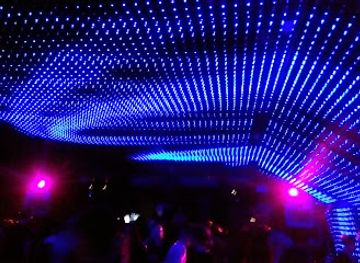
A high-energy Vauxhall nightclub centred on big LED production, late-night dance floors and headline DJ nights.
7 min drive · 2.5 km from neighbourhood centre
-
Nightclub
LUXX CLUB LONDON
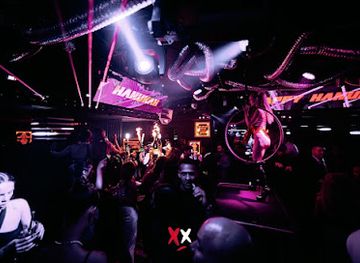
Mayfair's neon-charged superclub: ascend into LED-lit luxury, hip-hop pulses, and exclusive VIP nights that define London's elite party scene.
13 min walk · 1.1 km from neighbourhood centre


Best shops in Westminster
Shopping in Westminster is concentrated on practical retail, gifts, books, food and visitor essentials rather than an extensive independent high-street scene. Victoria Street and the Broadway area contain convenience shops, cafés, department-store-style retail and services for office workers, while the streets around Whitehall include bookshops, souvenir outlets and businesses serving the parliamentary and tourist trade. The Westminster Abbey shop offers books and heritage-related gifts connected with the church, and specialist political or historical titles can be found in central London shops nearby, though stock changes. For broader fashion and luxury shopping, visitors generally move into neighbouring St James's, Mayfair or Victoria, while Covent Garden and Soho provide more varied independent retail. Westminster's commercial character is therefore closely tied to institutions, commuting and heritage visits, with the most distinctive purchases tending to be books, prints, commemorative items and food rather than locally manufactured crafts.
-
Gift shop
Buckingham Palace Shop
Official royal souvenirs at the palace gates: chinaware, gifts, and memorabilia that bring Buckingham Palace's grandeur home with you. (162 characters)
18 min walk · 1.4 km from neighbourhood centre
-
Gift shop
Westminster Abbey Shop
Curated Abbey gifts, books and exclusive souvenirs — purchases help support the care and life of Westminster Abbey.
11 min walk · 0.9 km from neighbourhood centre
-
Gift shop
Houses of Parliament Shop
Discover parliamentary pride in souvenirs, books, and gifts at this cozy Bridge Street boutique, steps from Westminster's iconic halls.
9 min walk · 0.7 km from neighbourhood centre
-
Gift shop
Cool Britannia
Your one-stop emporium for British souvenirs and costume photo fun, steps from Buckingham Palace.
18 min walk · 1.5 km from neighbourhood centre


Westminster essentials
Getting There
Getting Around
Safety
Emergency Situations
Do's and Don'ts
Local Tips

From Eve
Local phrases worth knowing
You don't need to get them perfect. A few words go a long way, and locals appreciate the effort.
Basics
| English | Local | Say it |
|---|---|---|
| Hello | Hello | [heh-loh] |
| Goodbye | Goodbye | [guhd-bye] |
| Yes | Yes | [yehs] |
| No | No | [noh] |
| Please/You're welcome | Please/You're welcome | [pleez/yoo-er wel-kuhm] |
| Thank you | Thank you | [thank yoo] |
| Excuse me/Sorry | Excuse me/Sorry | [ehk-kyoos mee/sor-ee] |
| How are you? | How are you? | [hau ahr yoo?] |
| Fine. And you? | Fine. And you? | [fain. and yoo?] |
| Do you speak English? | Do you speak English? | [doo yoo speek ing-glish?] |
| I don't understand | I don't understand | [ai dohnt ahn-der-stahnd] |
Eating & Drinking
| English | Local | Say it |
|---|---|---|
| I'd like to see the menu, please | I'd like to see the menu, please | [ai'd laik too see thee men-yoo, pleez] |
| I don't eat meat | I don't eat meat | [ai dohnt eet meet] |
| Cheers! | Cheers! | [cheers] |
| I would like to pay, please | I would like to pay, please | [ai wood laik too pay, pleez] |
Emergencies
| English | Local | Say it |
|---|---|---|
| Help! | Help! | [help!] |
| Go away! | Go away! | [goh uh-way!] |
| Call the Police! | Call the Police! | [kawl thee puh-lees!] |
| Call a doctor! | Call a doctor! | [kawl ah dok-ter!] |
| I'm lost | I'm lost | [ai'm lost] |
| I'm ill | I'm ill | [ai'm il] |
Shopping
| English | Local | Say it |
|---|---|---|
| I'd like to buy... | I'd like to buy... | [ai'd laik too bahy...] |
| I'm just looking | I'm just looking | [ai'm jahst look-ing] |
| How much is it? | How much is it? | [hau much iz it?] |
| That's too expensive | That's too expensive | [thats tooh ik-spens-iv] |
| Can you lower the price? | Can you lower the price? | [kan yoo loh-er thee prais?] |
Time & Numbers
| English | Local | Say it |
|---|---|---|
| What time is it? | What time is it? | [wot taim iz it?] |
| It's one o'clock | It's one o'clock | [its wuhn uh-klok] |
| Half past (10) | Half past (10) | [haf past (ten)] |
| Morning | Morning | [morn-ing] |
| Afternoon | Afternoon | [af-ter-noon] |
| Evening | Evening | [eev-ning] |
| Yesterday | Yesterday | [yest-er-day] |
| Today | Today | [tuh-day] |
| Tomorrow | Tomorrow | [toh-mor-oh] |
| 1 | 1 | [wuhn] |
| 2 | 2 | [too] |
| 3 | 3 | [three] |
| 4 | 4 | [for] |
| 5 | 5 | [fahyv] |
| 6 | 6 | [siks] |
| 7 | 7 | [sev-uhn] |
| 8 | 8 | [eyt] |
| 9 | 9 | [nain] |
| 10 | 10 | [ten] |
Transport & Directions
| English | Local | Say it |
|---|---|---|
| Where's a/the...? | Where's a/the...? | [whehrz uh/the...] |
| What's the address? | What's the address? | [wots thee uh-dres?] |
| Can you show me (on the map)? | Can you show me (on the map)? | [kan yoo shoh mee (on thee map)?] |
| When's the next (bus)? | When's the next (bus)? | [wenz thee nekst (bus)?] |
| A ticket (to ....) | A ticket (to ....) | [uh tik-et (to ....)] |
History of Westminster
The Abbey and the Island
Westminster's historical identity grew from the religious settlement established beside the Thames. A church was founded at Westminster in the tenth century, and Edward the Confessor rebuilt it in the eleventh century, creating the predecessor of today's Westminster Abbey. The area was then partly separated from the City of London by waterlogged ground and channels associated with the Tyburn and the river. The name Westminster, meaning the western minster or church, distinguished the settlement from St Paul's and the older religious centre in the City. The Abbey became a royal church and burial place, anchoring the district's political importance as well as its religious character.
A Royal and Parliamentary Centre
Royal government developed around the Abbey during the medieval period, when the Palace of Westminster became the principal residence of English monarchs and the meeting place of Parliament. The palace complex expanded over successive centuries, while Westminster Hall, begun under William II in the late eleventh century, remained a major surviving medieval structure. The relationship between church, Crown and Parliament shaped the local street plan and gave Westminster an institutional identity distinct from the commercial City. Although monarchs later moved away from the palace as a residence, royal ceremonies and parliamentary business continued to define the neighbourhood.
Whitehall and the Government Quarter
Whitehall developed from the medieval route between Westminster and the City and became associated with royal administration after the Tudor court used the Palace of Whitehall. The palace was largely destroyed by fire in 1698, but the surrounding street retained its governmental role. Ministries, military offices and residences gradually occupied the area, including the Banqueting House, Horse Guards and later purpose-built government buildings. By the eighteenth and nineteenth centuries, Westminster was a centre of administration, political lobbying and public ceremony. Its buildings and memorials still reflect the concentration of national government along Whitehall and nearby avenues.
The Victorian Palace and Modern Westminster
A fire destroyed much of the old Palace of Westminster in 1834, prompting the construction of the present Houses of Parliament, designed by Charles Barry with Gothic Revival interiors by A. W. N. Pugin. The new palace, completed over the later nineteenth century, established the riverside silhouette now associated with Westminster. Improved roads, bridges and railway connections brought growing numbers of workers and visitors, while the Embankment reshaped the river frontage. In the twentieth and twenty-first centuries, Westminster remained a stage for national ceremony, political protest and public commemoration, even as offices, hotels and transport infrastructure changed the everyday district around it.
Westminster in Photos
Browse through our photo collection highlighting the charm and character of the destination.
Neighbourhoods near Westminster
The closest neighbourhoods to Westminster, if you have time for more than one stop.
-

-

-

-

-


Swipe for more neighbourhoods
Explore more

Explore more of London
London combines royal landmarks, world-class museums, historic neighbourhoods, theatre, markets and diverse dining along the River Thames for rich urban exploration.
Explore London