
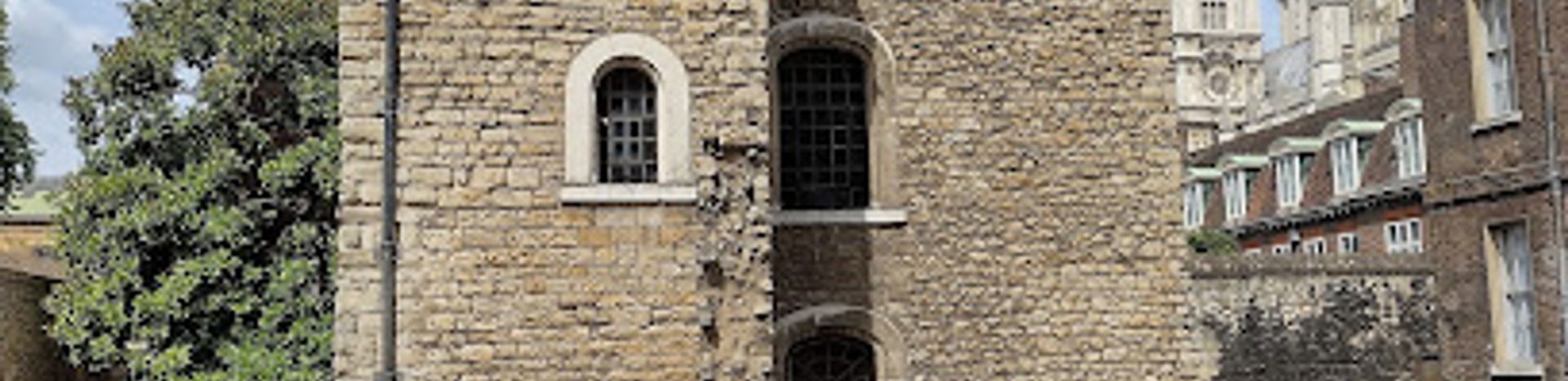
Jewel Tower: A Medieval Treasure of London's Royal Past
Explore the Jewel Tower, a rare medieval treasure tower of London’s royal past, showcasing exquisite architecture and centuries of history.
The Jewel Tower is a rare surviving fragment of the 14th-century Palace of Westminster, built c.1365 to safeguard King Edward III’s royal treasures. Located on Abingdon Street, London, this moated medieval tower features exquisite stone vaulting, historical exhibitions across three floors, and remnants of its original defensive moat. Managed by English Heritage, it offers visitors a glimpse into England’s royal and parliamentary history through carefully preserved architecture and engaging displays.
A brief summary to Jewel Tower
- Abingdon St, London, SW1P 3JY, GB
- +443703331181
- Visit website
- Duration: 0.5 to 1.5 hours
- Mid ranged
-
 Indoor
- Mobile reception: 4 out of 5
- Monday 10 am-5 pm
- Tuesday 10 am-5 pm
- Wednesday 10 am-5 pm
- Thursday 10 am-5 pm
- Friday 10 am-5 pm
- Saturday 10 am-5 pm
- Sunday 10 am-5 pm
Local tips
- Book tickets online in advance to secure discounted entry and avoid queues, especially on weekends.
- English Heritage members enjoy free admission—consider joining if you plan to visit multiple historic sites.
- Take time to examine the intricate medieval stone vaulting and the unique carved bosses inside the tower.
- Visit on a weekday morning or early afternoon to experience a quieter atmosphere.
- Don’t miss the archaeological displays featuring artifacts recovered from the original moat.

For the on-the-go comforts that matter to you
- Restrooms
- Drink Options
- Food Options
- Seating Areas
- Information Boards
- Visitor Center
Getting There
-
London Underground
Take the Circle or District Line to Westminster Station, approximately a 10-15 minute walk to Jewel Tower. The station is well connected but can be busy during peak hours. No direct parking available nearby. Tube fare ranges from £2.50 to £6.00 depending on ticket type.
-
Bus
Multiple London bus routes stop near Westminster, including routes 11, 24, and 148. Travel time varies from 20 to 40 minutes depending on traffic. Buses are wheelchair accessible and accept contactless payment cards.
-
Taxi or Ride-Hailing
A taxi or ride-hailing service from central London locations typically takes 10-20 minutes depending on traffic. Expect fares between £8 and £15. Drop-off is possible near Abingdon Street, but parking is limited.
-
Walking
If staying nearby, walking to the Jewel Tower is pleasant and takes 10-20 minutes through historic Westminster streets. The terrain is flat and accessible, suitable for most visitors.
Jewel Tower location weather suitability
-
 Any Weather
-
 Clear Skies
-
 Rain / Wet Weather
-
 Mild Temperatures
Discover more about Jewel Tower
Medieval Origins and Architectural Significance
Constructed between 1365 and 1366 under King Edward III’s reign, the Jewel Tower was originally designed to house the King's personal treasure and valuables, including silver plate and rich robes. It is one of only two surviving parts of the medieval Palace of Westminster, distinguished by its thick stone walls, crenellated battlements, and protective moat linked to the River Thames. The tower’s interior boasts a remarkable 14th-century bibbed vaulted ceiling, considered an architectural masterpiece, featuring intricately carved Reigate Stone bosses that depict grotesque heads, birds, flowers, and even the devil, some designed as visual illusions.Historical Roles Through the Centuries
After the royal court relocated to Whitehall following a fire in 1512, the Jewel Tower’s function evolved significantly. It served as a royal storage space, including housing the dolls of Henry VIII’s daughters, Mary and Elizabeth. Later, it became a repository for Parliamentary documents, safeguarding critical records such as the death warrant of King Charles I and the Act of Union between England and Scotland. In the 18th century, it was also used as the National Weights and Measures Office, underscoring its continued importance in British governance.Preservation, Restoration, and Modern-Day Access
The tower suffered damage during World War II but was extensively restored post-war by the Ministry of Works, who replaced medieval foundations with concrete supports and reinstated the spiral staircase. Today, under English Heritage’s care, the Jewel Tower is a Grade I listed building and part of the Westminster Palace World Heritage Site. Visitors can explore three floors of exhibits, including models of the lost medieval palace, replicas of precious objects, and period room settings that immerse guests in the lives of medieval treasury officials and 18th-century clerks.Visitor Experience and Surroundings
Set amid the political heart of London, the Jewel Tower offers a tranquil contrast to the bustling nearby Houses of Parliament and Westminster Abbey. Visitors can still see the remains of the original moat and archaeological finds such as medieval flasks and a curious cat skull recovered from the site. The ground floor houses a gift shop and café, providing a pleasant spot to reflect on the tower’s rich history. Its relatively small size makes for an intimate visit, suitable for those interested in medieval architecture and England’s royal heritage.Architectural Details and Unique Features
The tower’s windows combine early 18th-century designs with a surviving large medieval embrasure, offering a glimpse into its layered history. The stone bosses on the vaulted ceiling are notable for their artistic detail and medieval symbolism. The tower’s defensive moat, once a vital security feature, remains partially visible, connecting visitors to the medieval landscape of London. These features collectively make the Jewel Tower a rare architectural and historical gem amidst the modern cityscape.Significance in London’s Heritage Landscape
As a surviving remnant of the original Palace of Westminster, the Jewel Tower stands as a testament to London’s medieval past and its evolution through centuries of royal, political, and administrative change. Its preservation allows visitors to engage directly with a piece of history that predates the current neo-Gothic Houses of Parliament. The tower’s designation as a World Heritage Site highlights its value as a cultural and historical landmark, offering insights into England’s governance and royal life spanning nearly 700 years.Iconic landmarks you can’t miss

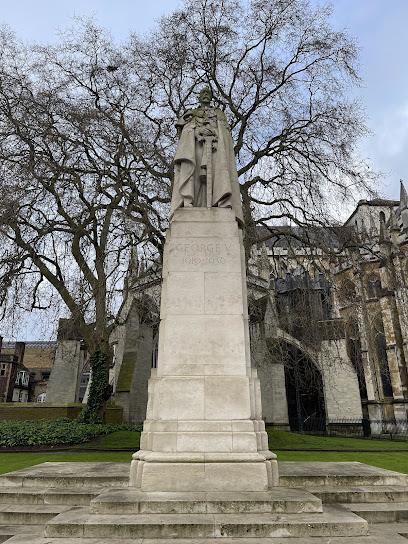
Statue of George V
0.1 km
A dignified white Portland stone statue honoring King George V, standing proudly in Westminster’s historic Old Palace Yard.
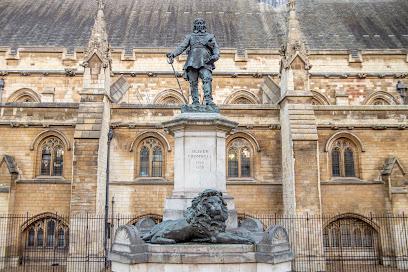
Statue of Oliver Cromwell
0.2 km
A commanding bronze tribute to Oliver Cromwell, standing outside Westminster Hall as a symbol of Britain’s turbulent 17th-century history and contested legacy.
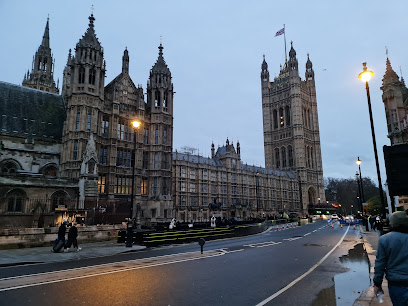
Westminster Hall
0.2 km
Step into Westminster Hall, a majestic medieval masterpiece that has witnessed a millennium of British history, law, and monarchy.
Millicent Garrett Fawcett Statue
0.3 km
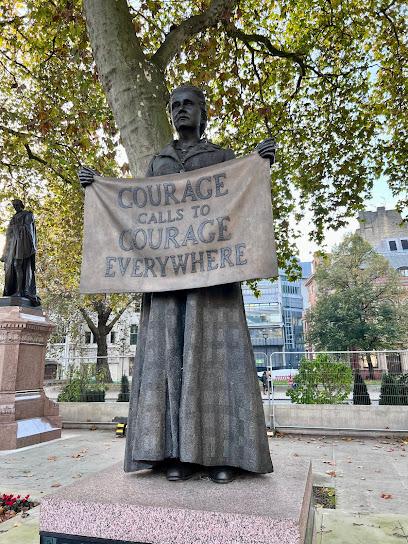
Honoring Millicent Garrett Fawcett, the first woman commemorated in Parliament Square, inspiring equality through her iconic statue and legacy.
King Charles Street
0.4 km
Explore King Charles Street, a historic London government hub famed for its grand Victorian architecture and pivotal role in British political life.
King Charles Street Arch
0.4 km
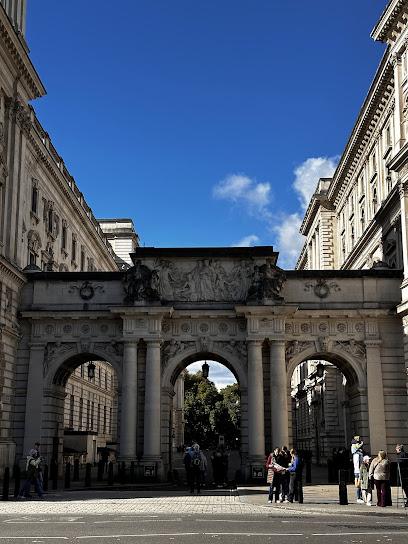
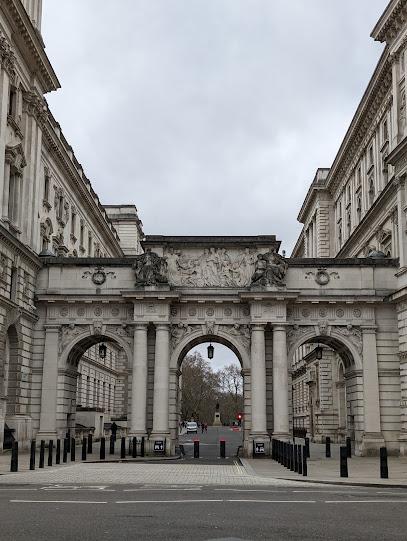
A grand 1908 triple-arched gateway in London’s Whitehall, rich in sculptural detail and historical significance.
His Majesty's Treasury
0.4 km
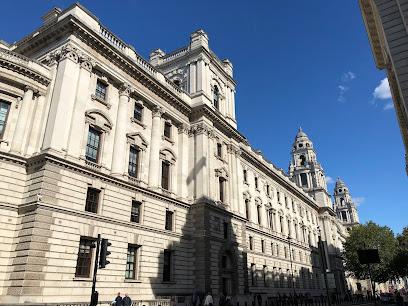
The historic and strategic heart of the UK government’s economic policy, located in the iconic government district of Westminster, London.
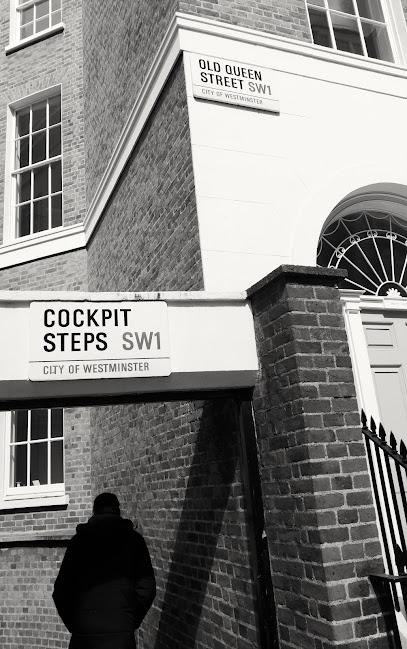
Cockpit Steps
0.5 km
Discover Cockpit Steps, a hidden historic passage in Westminster where London’s royal cockfighting past meets ghostly legend and quiet charm.
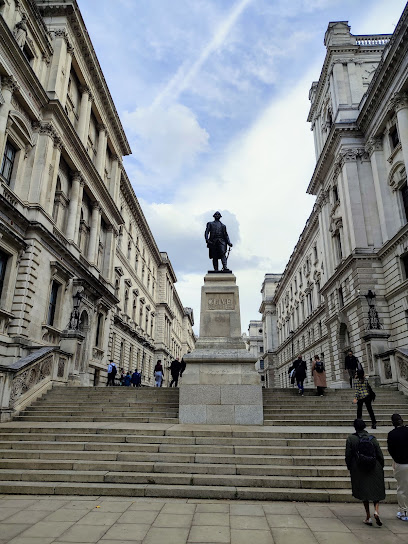
Clive of India Memorial
0.5 km
A towering Edwardian statue in London commemorating Robert Clive, founder of British rule in India, embodying imperial triumph and controversy.
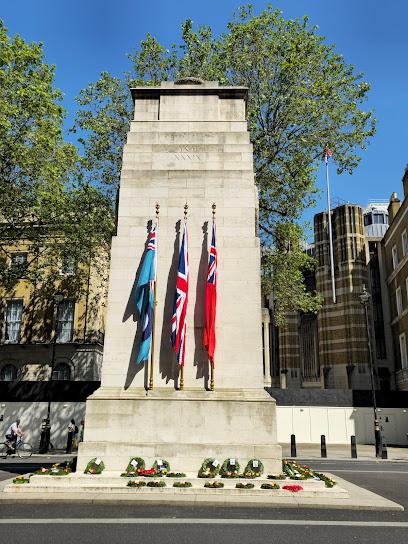
The Cenotaph
0.5 km
Britain’s national war memorial in Whitehall, a solemn tribute to the fallen of the World Wars and later conflicts.
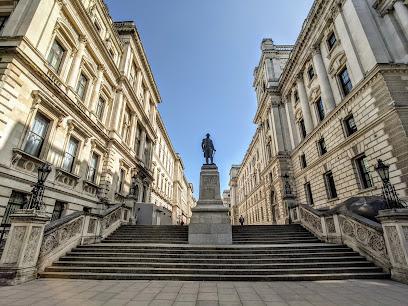
Clive Steps
0.5 km
A Grade II-listed bronze statue commemorating the controversial architect of British imperial power in India.
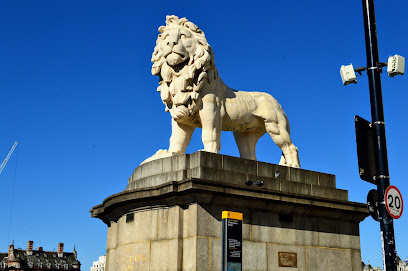
South Bank Lion
0.5 km
Majestic 1837 Coade stone lion guarding Westminster Bridge, symbolizing London’s resilience and rich heritage.
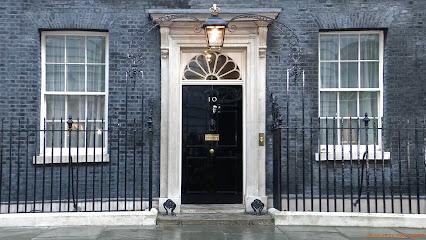
10 Downing Street
0.6 km
Iconic London residence and office of the UK Prime Minister, steeped in centuries of political history and power.
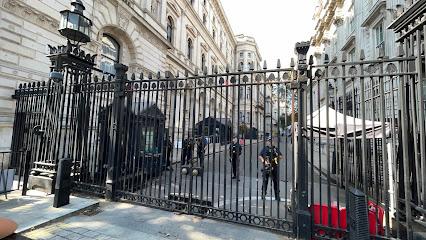
10 Downing St
0.6 km
Discover the historic seat of British leadership, where iconic moments and political power converge behind the famous black door.
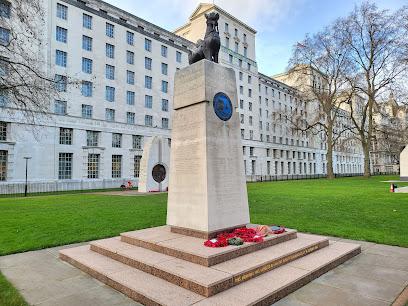
Chindit Memorial
0.6 km
A solemn tribute in London honoring the daring Chindit special forces and their leader Major General Orde Wingate’s legacy.
Unmissable attractions to see

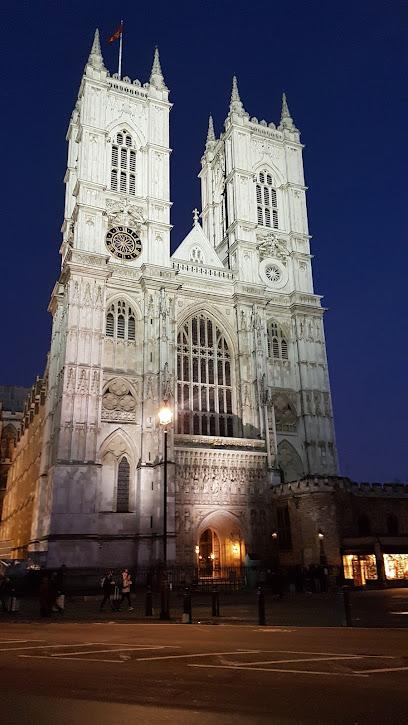
Westminster Abbey
0.1 km
Discover the majestic Gothic abbey where British monarchs have been crowned since 1066 and history echoes through every stone.
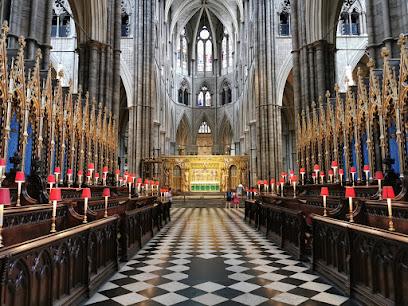
Royal Court
0.1 km
London’s Royal Court Theatre: A historic beacon for groundbreaking new plays and emerging playwrights in the heart of Sloane Square.
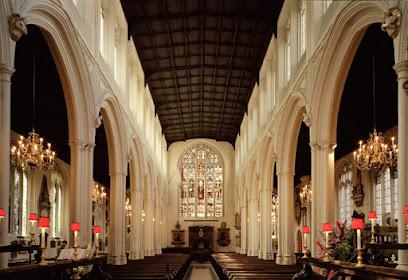
St Margaret's Church
0.2 km
Explore the serene St Margaret's Church, a historic Anglican church in London, next to Westminster Abbey, rich in history and stunning architecture.
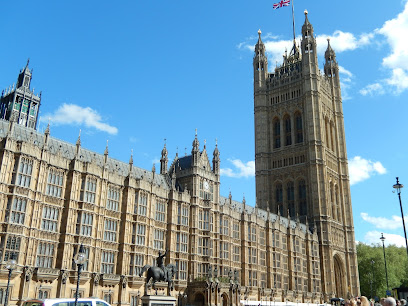
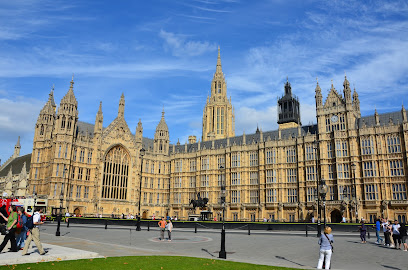
Palace of Westminster
0.2 km
Discover the architectural splendor and historical significance of the Palace of Westminster, the iconic heart of British democracy in London.
Dean's Yard
0.2 km
A historic, tranquil green courtyard nestled within Westminster Abbey’s precincts, blending monastic heritage with collegiate charm.
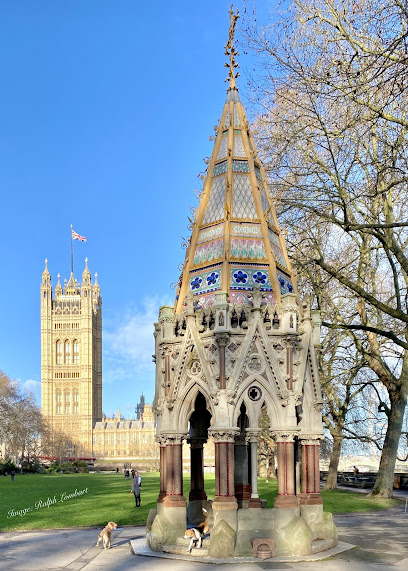
Victoria Tower Gardens South
0.2 km
A peaceful riverside park in Westminster featuring iconic memorials, scenic views, and a family-friendly playground beside the Houses of Parliament.
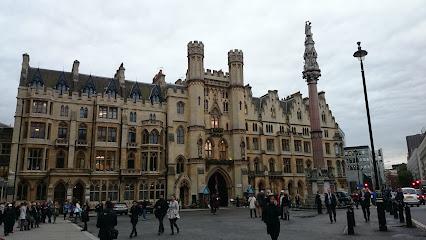
The Sanctuary
0.2 km
Historic charm meets modern comfort in the heart of Westminster, with cozy rooms, a classic pub, and sustainable hospitality.
Parliament Square Garden
0.2 km
A historic green oasis in Westminster, offering iconic views and monuments at the heart of London’s political heritage.
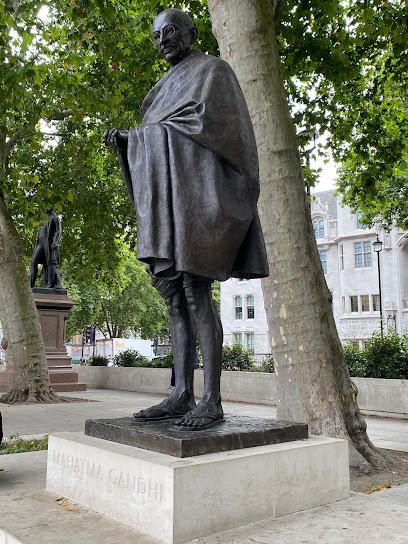
Mahatma Gandhi statue
0.3 km
A dignified bronze tribute to Gandhi’s peaceful legacy, standing humbly among world leaders in the heart of London’s historic Parliament Square.
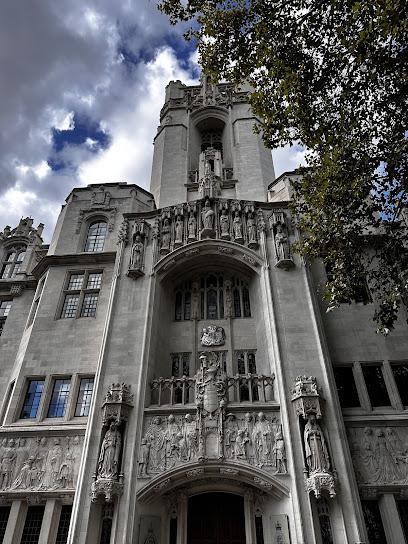
The Supreme Court
0.3 km
Explore the UK's highest court in a stunning neo-Gothic building at the heart of London’s political and judicial district.
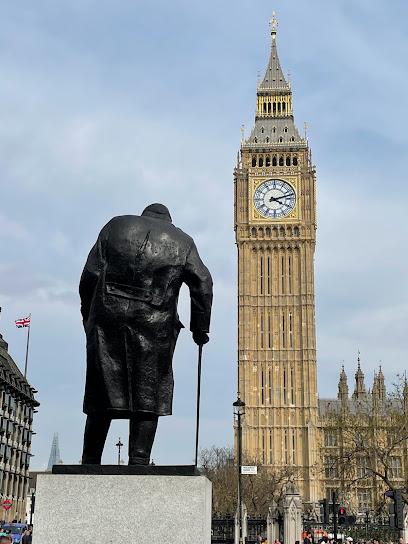
Sir Winston Churchill statue
0.3 km
Iconic bronze statue of Winston Churchill in Parliament Square, symbolizing British resilience and leadership during World War II.
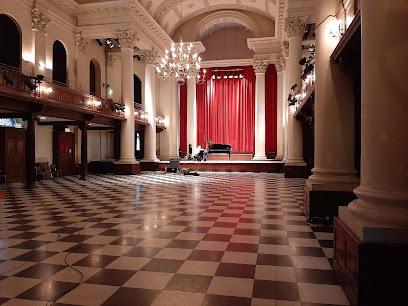
Sinfonia Smith Square
0.3 km
Experience world-class classical music in a stunning 18th-century Baroque concert hall at the heart of Westminster.
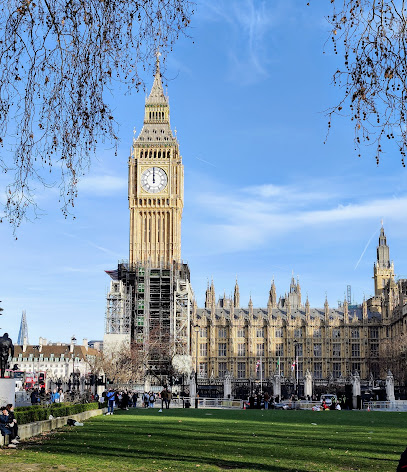
Big Ben
0.3 km
Explore Big Ben, London's iconic clock tower, a cultural landmark and symbol of British history, attracting millions of tourists each year.
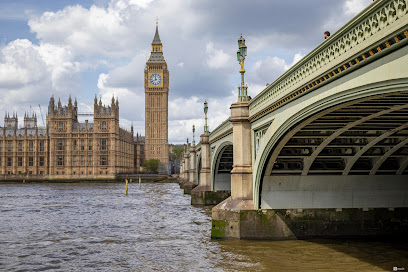
Parliament Sq
0.3 km
Historic London square at the heart of British democracy, adorned with iconic statues and framed by world-famous landmarks.
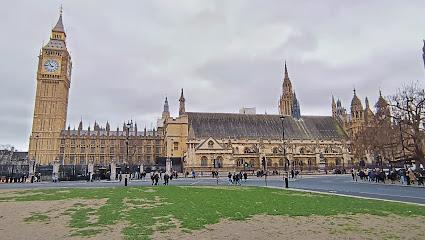
Bridge St
0.3 km
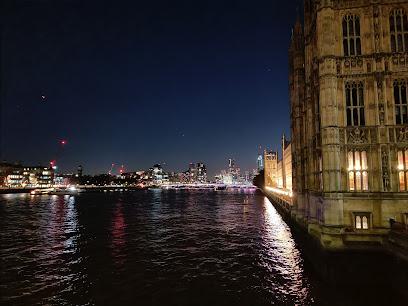
Historic Bridge Street in London offers riverside views, rich heritage, and vibrant urban life beside the iconic London Bridge.
Essential places to dine

Ma La Sichuan
0.4 km
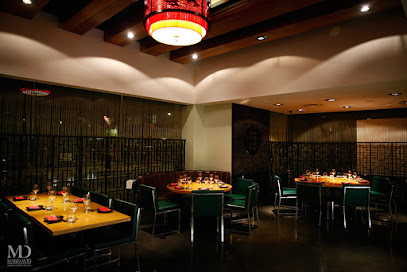
Experience authentic, boldly spiced Sichuan cuisine in the heart of Westminster with vibrant flavors and a welcoming atmosphere.
Osteria dell'Angolo
0.4 km
Classic Italian flavors and fresh pasta in a warm, elegant Westminster setting with attentive service and a visible kitchen.
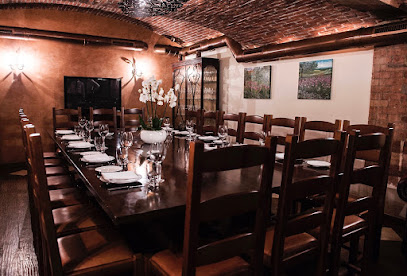
Sapori
0.4 km
Enjoy authentic Italian cuisine with generous portions and a lively atmosphere in the heart of Westminster, London.
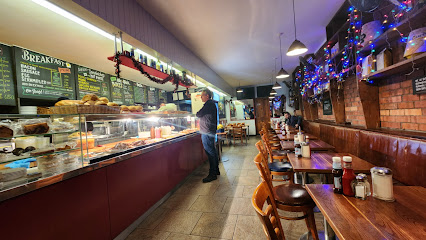
The Pem
0.5 km
Elegant modern British dining in Westminster, honoring heritage with exquisite seasonal menus and refined ambiance.
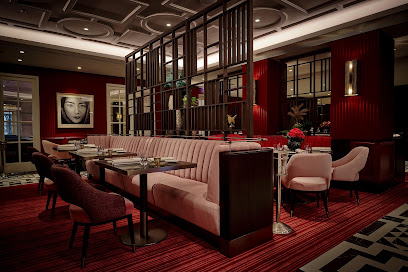
Caxton Grill
0.5 km
Refined British grill cuisine with fresh rooftop garden produce in a relaxed Westminster setting inside St Ermin’s Hotel.
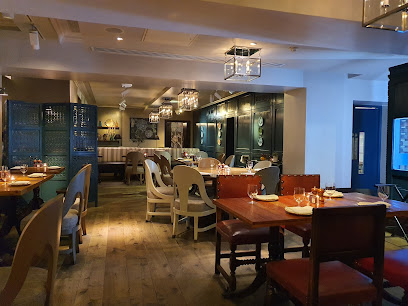
Mio Restaurant & Bar
0.5 km
Authentic Italian flavors and warm hospitality await you in this cozy central London gem with generous portions and great value.
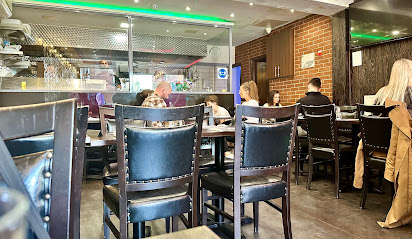
Colosseo Restaurant
0.6 km
Experience authentic Italian flavors and warm hospitality in the heart of London’s Victoria at Colosseo Restaurant.
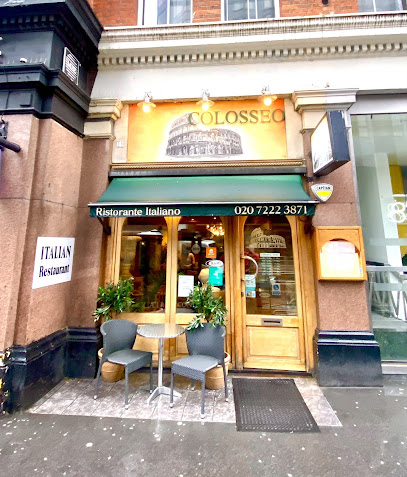
Chez Antoinette Victoria
0.6 km
Authentic French bistro in London’s Victoria offering classic Lyonnais and Parisian dishes in a cozy, Parisian-style setting.
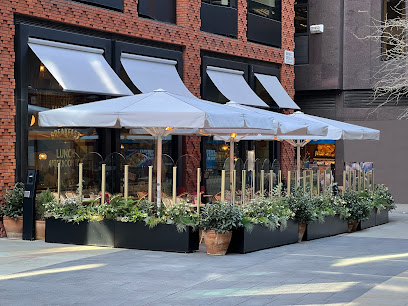
OKAN South Bank
0.7 km
Experience authentic Osaka-style okonomiyaki and Japanese street food in a cozy, lively South Bank eatery with friendly service and a nostalgic vibe.
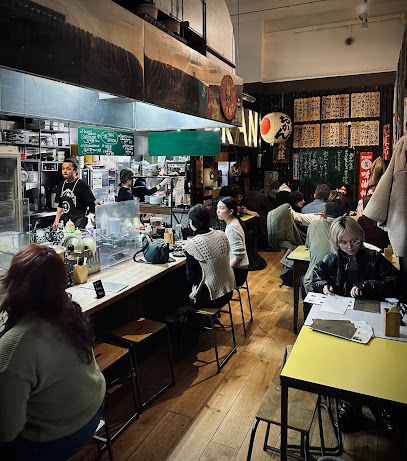
Park Plaza London Westminster Bridge
0.7 km
Stylish 4-star hotel on London’s South Bank with exceptional dining, event spaces, and modern amenities near iconic landmarks.
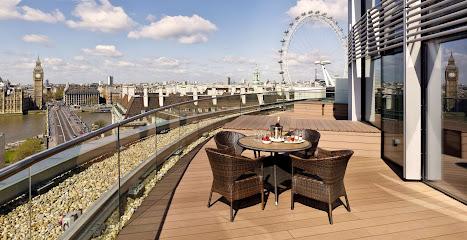
Troia Southbank
0.7 km
Experience authentic Mediterranean and Middle Eastern cuisine with halal options in a vibrant riverside setting near the London Eye.
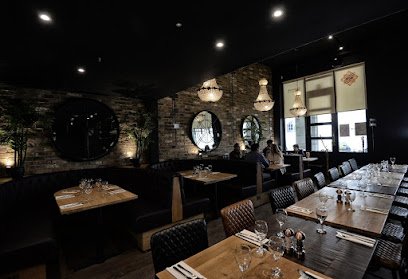
Ekstedt at The Yard
0.9 km
Experience Nordic wood-fired cuisine by Michelin-starred chef Niklas Ekstedt in the historic Great Scotland Yard Hotel, blending ancient fire cooking with British seasonal ingredients.
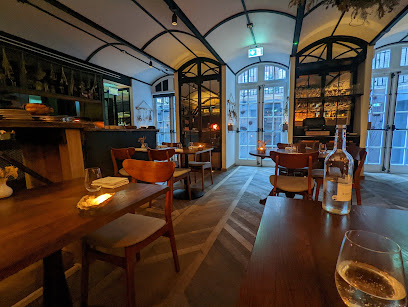
The Garden
0.9 km
A Mediterranean-inspired garden oasis offering refined seafood and elegant dining in the heart of London’s Corinthia Hotel.
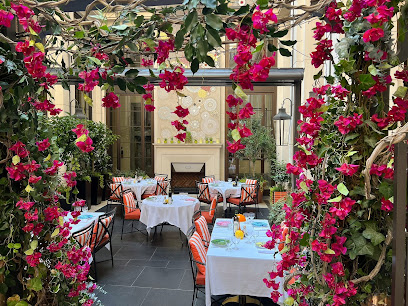
The Northall
0.9 km
Refined British dining with seasonal flair in a grand, elegant setting at Corinthia London’s distinguished restaurant.
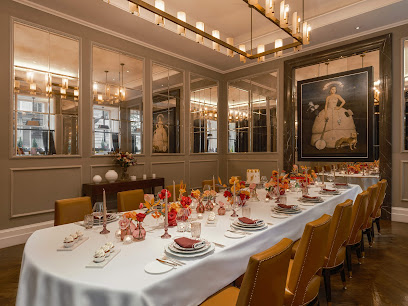
The Archduke
1.0 km
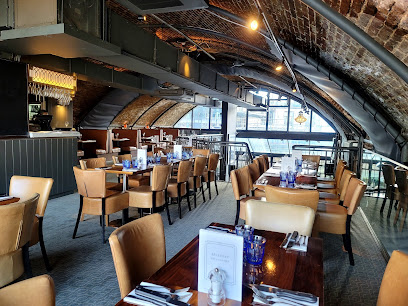
Lively steakhouse and wine bar in Waterloo with superb Scotch beef, classic desserts, and live jazz in a buzzy, inviting atmosphere.
Markets, malls and hidden boutiques

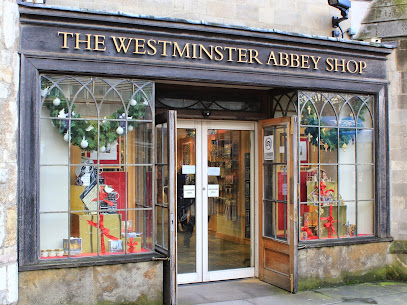
Westminster Abbey Shop
0.2 km
Discover exclusive Abbey-inspired gifts and souvenirs that support Westminster Abbey’s heritage and conservation efforts.
Jubilee Shop (Houses of Parliament Gift Shop)
0.2 km
Discover exclusive British political gifts and souvenirs inside the historic Westminster Hall at the Jubilee Shop, Houses of Parliament.
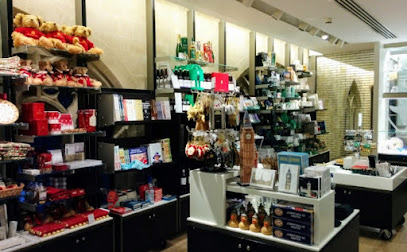
Houses of Parliament Shop
0.3 km
Discover parliamentary pride in souvenirs, books, and gifts at this cozy Bridge Street boutique, steps from Westminster's iconic halls.
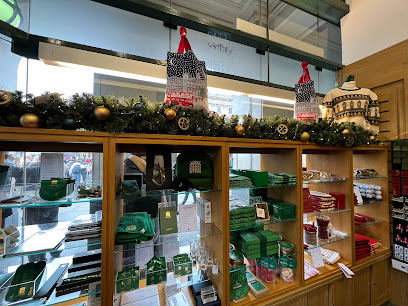
Browns of London
0.5 km
Explore Browns of London for unique handcrafted gifts and local treasures in the heart of the city, perfect for memorable souvenirs from your travels.
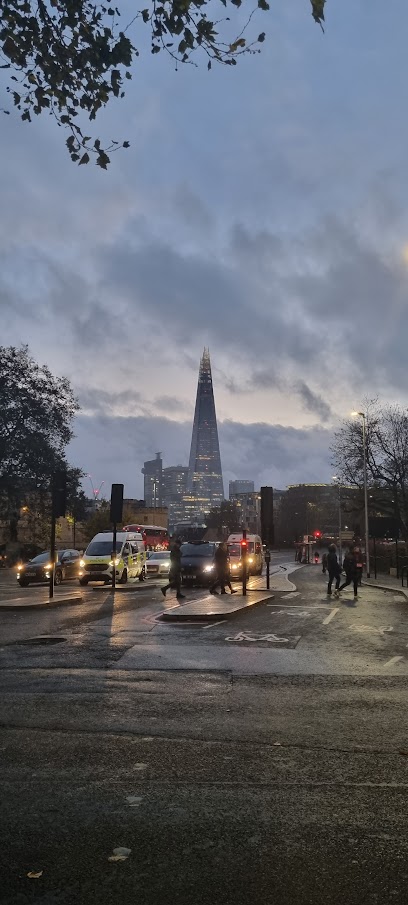
Gift Shop - London Eye Shop
0.7 km
Capture London's magic at the London Eye Gift Shop: exclusive souvenirs, Thames views, and iconic keepsakes from the wheel's base.
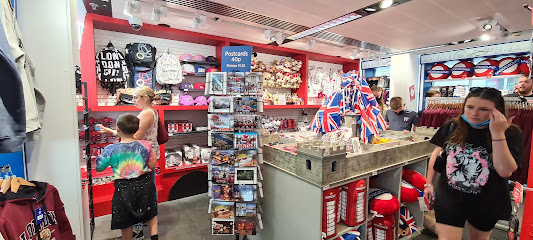
Custom Gifts By Jupiter
0.9 km
Unleash creativity with bespoke gifts and custom decor from this South Bank artisan haven near the Thames and iconic landmarks.
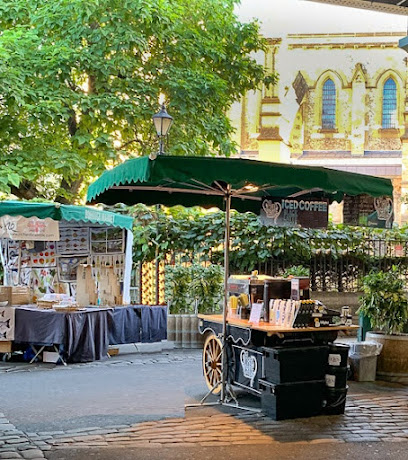
The Giftree London
0.9 km
Discover London's soul in souvenirs, crafts, and conveniences at this Lambeth gem—unique gifts, luggage storage, and local flair await.
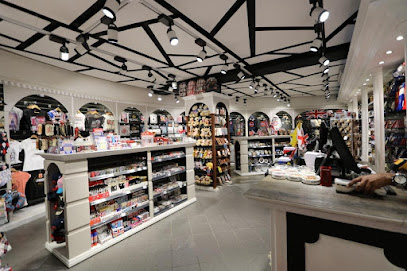
Crest of London Ltd
0.9 km
Discover authentic London souvenirs and local crafts at Crest of London Ltd, your premier gift shop in historic Whitehall.
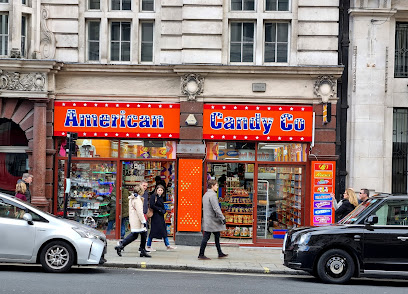
Southbank Centre Shop, Mandela Walk
1.0 km
Discover creative gifts, sustainable homewares, and arts-inspired souvenirs on vibrant Mandela Walk, opposite Royal Festival Hall—a stylish treat amid South Bank's cultural heartbeat.
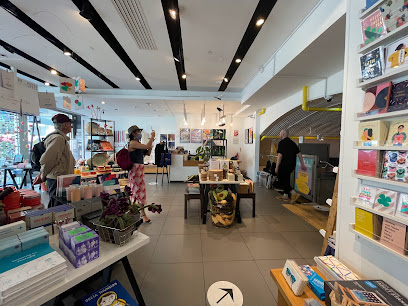
Cardinal Place
1.0 km
Experience the ultimate shopping and dining destination at Cardinal Place, London’s vibrant commercial hub near Victoria Station.
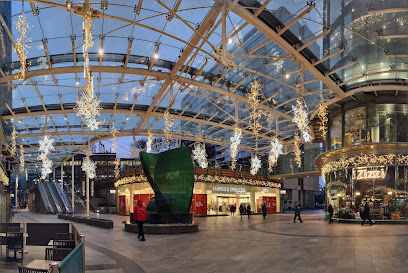
Gifts of London
1.0 km
Discover unique souvenirs and gifts that embody the spirit of London at Gifts of London, your perfect shopping destination.
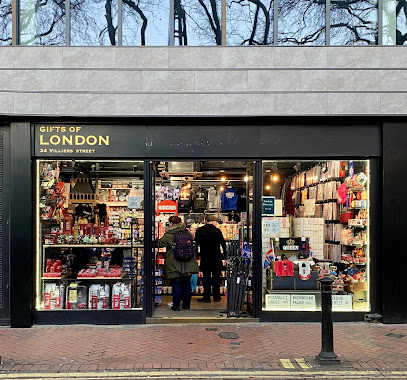
Berry Bros. & Rudd Wine Shop
1.1 km
London’s oldest family-run wine merchant since 1698, blending royal tradition with expert wine and spirits in a historic Pall Mall setting.
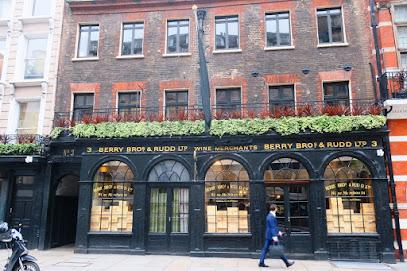
The Queen's Shop
1.1 km
Exclusive royal gifts and British heritage souvenirs steps from Buckingham Palace, blending luxury, tradition, and timeless elegance in a charming London boutique.
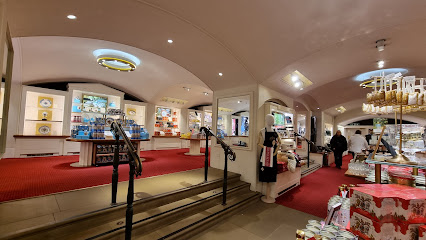
Lock & Co. Hatters
1.1 km
Discover the world’s oldest hat shop, where centuries of British style and craftsmanship come to life in the heart of London.
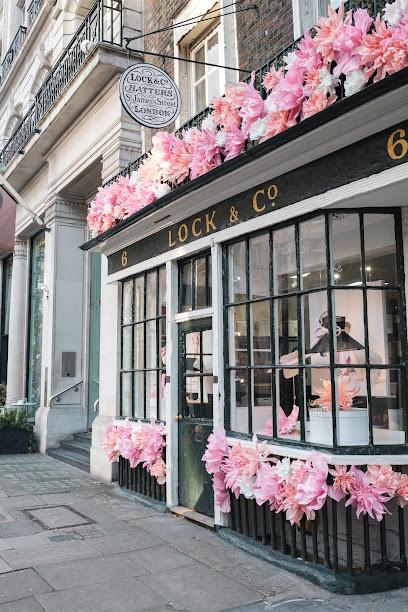
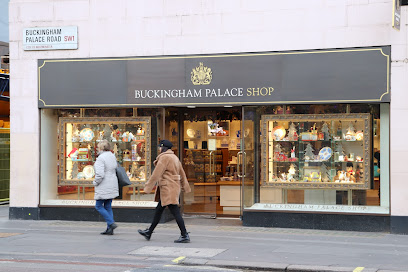
Buckingham Palace Shop
1.2 km
Official royal souvenirs at the palace gates: chinaware, gifts, and memorabilia that bring Buckingham Palace's grandeur home with you. (162 characters)
Essential bars & hidden hideouts

Westminster Arms
0.3 km
Historic Westminster pub with parliamentary division bell, Shepherd Neame ales, and cozy alcoves steps from Abbey and Parliament—timeless British charm in political heart.
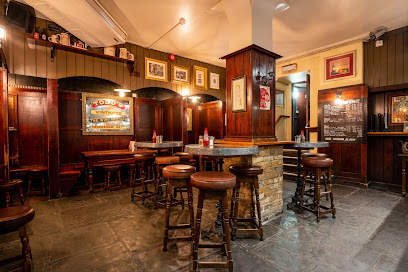
The Red Lion, Parliament Street
0.4 km
A venerable Westminster corner pub — late‑Victorian fittings, political atmosphere and a long history beside Downing Street and Parliament.
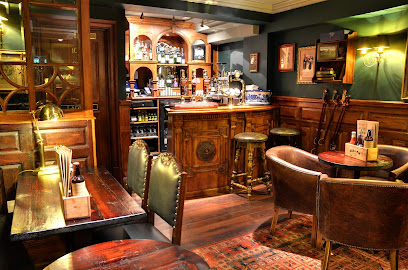
Blue Boar Pub
0.4 km
Traditional Westminster pub serving hearty British classics in a cozy, historic setting near Abbey and Parliament—perfect for ales, roasts, and relaxed evenings.
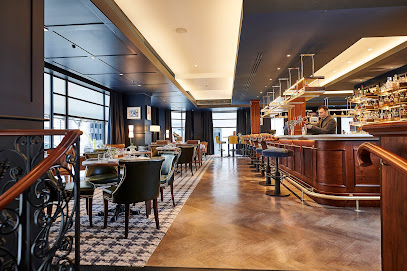
Two Chairmen
0.4 km
Traditional Westminster pub serving hearty pies, fresh ales, and classic British cheer just steps from St. James's Park and Parliament.
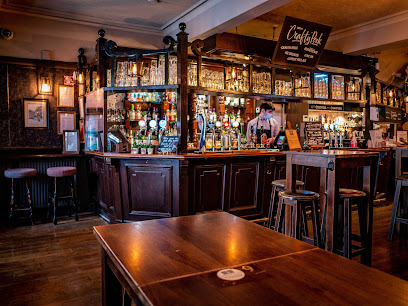
Adam & Eve
0.7 km
Classic Westminster pub pouring real ales and hearty grub amid historic streets—a cozy haven near Parliament and the Abbey for authentic London pints.
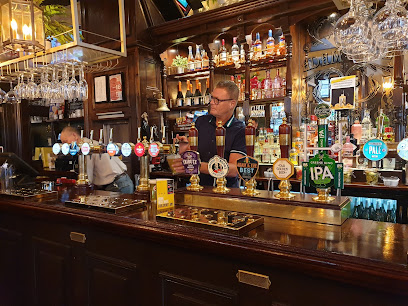
All Bar One Victoria
0.7 km
Sophisticated wines, global bites, and lively vibes on Victoria Street – London's go-to for stylish drinks and casual feasts near Westminster's heart.
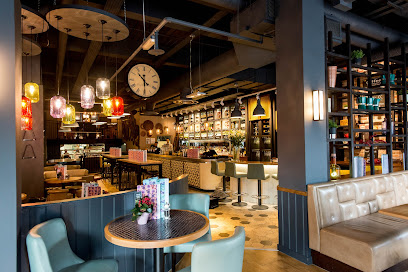
Le Champagne Bar
0.7 km
A compact riverside champagne lounge beside the London Eye—perfect for a celebratory flute and framed Thames views.
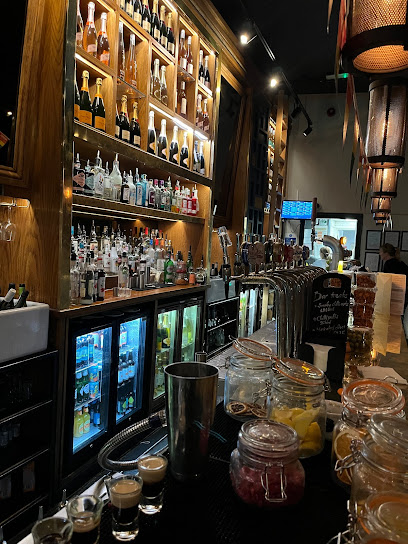
Primo Bar, London
0.7 km
Sophisticated South Bank cocktails and live jazz with Big Ben views—Primo Bar blends daytime lounge ease with electrifying nightly performances in stylish 60s-inspired surrounds.
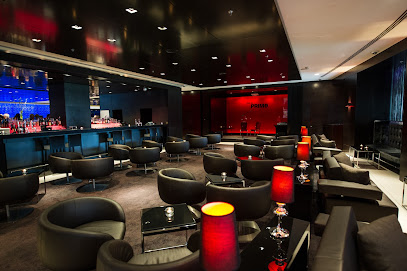
Tamesis Dock
0.8 km
A vibrant floating bar and live music venue on a historic barge with iconic Thames views between Lambeth and Vauxhall Bridges.
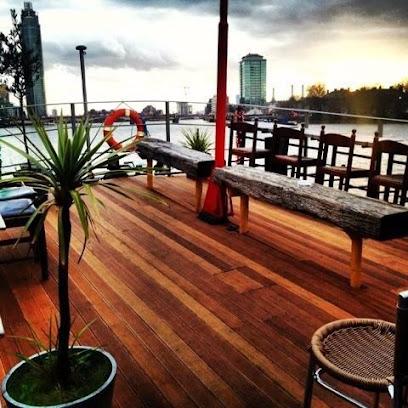
All Bar One Waterloo
0.8 km
Sophisticated South Bank bar serving creative cocktails, sharing plates, and wines in a lively spot near Waterloo Station and the London Eye.
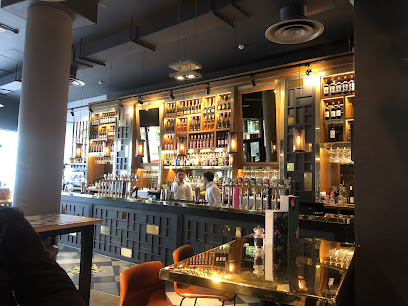
The Spy Bar
0.8 km
Step into London’s secret subterranean bar where espionage history meets masterful cocktails and exclusive, no-photos privacy.
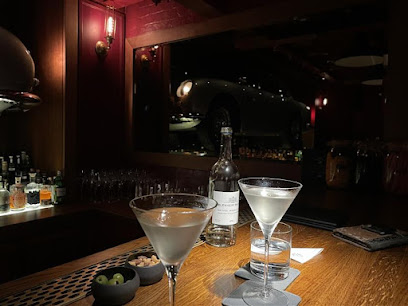
Slug & Lettuce - County Hall
0.8 km
Chic South Bank cocktail haven in County Hall: bottomless brunches, 2-for-1 sips, pub classics, and Thames views for London's liveliest lunches and nights out.
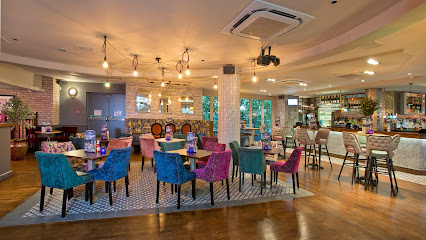
Waterloo Lost Property Office Speakeasy
0.9 km
Discover a hidden 1920s-inspired speakeasy in Waterloo serving expertly crafted cocktails in a seductive, vintage setting.
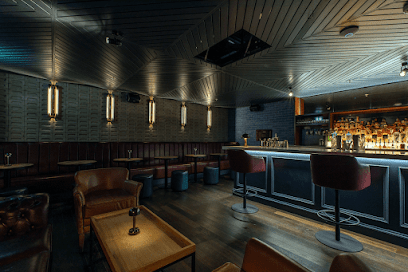
Bar @ 26 Leake Street
0.9 km
Experience London’s vibrant street art and nightlife culture at 26 Leake Street, a unique cocktail bar and event venue in Waterloo’s iconic graffiti tunnels.
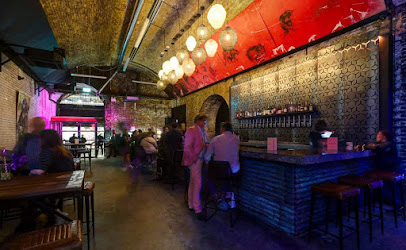
Old Shades
0.9 km
Historic Whitehall pub pouring cask ales and pub classics since 1898, steps from Trafalgar Square—a true taste of London tradition.
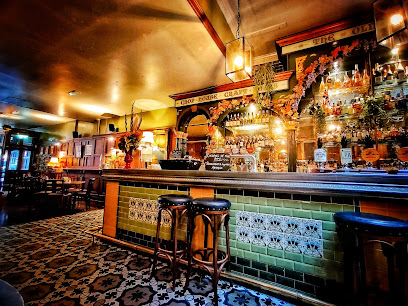
Nightclubs & after hour spots

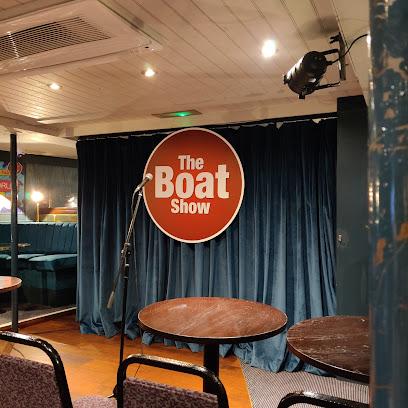
The Boat Show Comedy Club
0.7 km
London’s premier floating comedy club aboard the historic Tattershall Castle, blending laughter with iconic riverside views and vibrant nightlife.
Cirque Du Soul
0.8 km
Dive into Leake Street's graffiti tunnel for soul-stirring electronic nights at this underground nightclub haven.
We Are Waterloo
0.8 km
Dive into Leake Street's graffiti heart where street art meets thumping beats in London's ultimate underground nightclub haven.
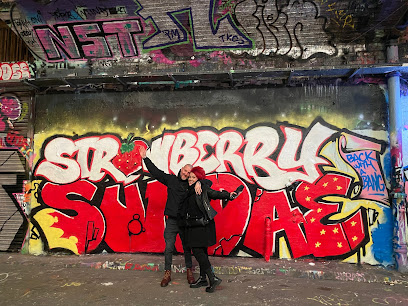
STRAWBERRY SUNDAE
0.8 km
Retro rave haven in Waterloo Arches: Daytime hardcore beats, 90s DJ legends, and industrial euphoria from midday to midnight.
TSQ Club
1.0 km
Dive into Trafalgar Square's nightlife pulse at TSQ Club, where eclectic beats, dazzling lights, and craft cocktails fuel unforgettable weekend nights in London's heart.
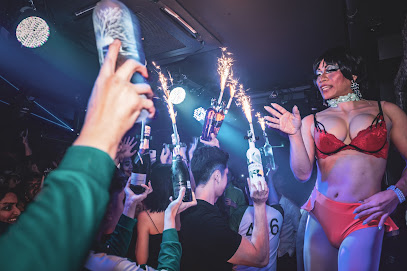
Heaven
1.1 km
London’s iconic gay superclub under the railway arches — big nights, loud music, drag, and late finishes in the heart of the West End.
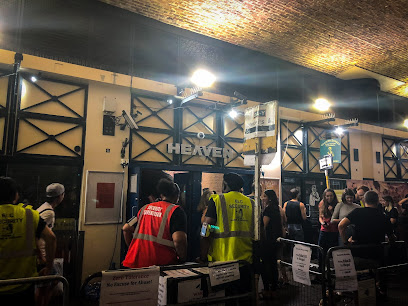
The Scotch of St James
1.3 km
Legendary Mayfair speakeasy where 60s rock stars jammed and today's elite dance till dawn in velvet-clad intimacy.
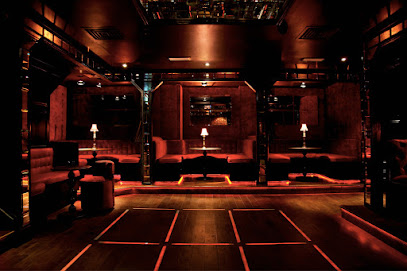
Union
1.3 km
Vauxhall's relentless nightclub heartbeat: techno-fueled nights stretching to dawn in multi-zone bliss along the Thames.
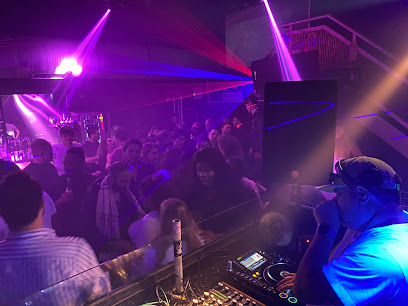
Bootylicious London last Saturday of the month
1.3 km
Late-night Vauxhall institution for raw techno, queer-focused party nights and after-hours clubbing on Albert Embankment.
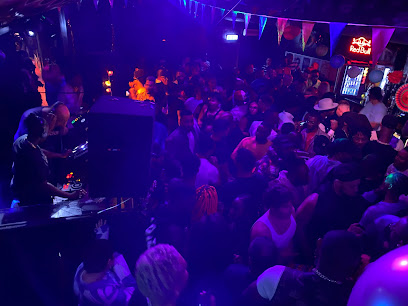
Tiger Tiger London
1.3 km
Experience London’s iconic Haymarket nightclub with six vibrant rooms, lively DJs, and a dynamic party atmosphere just moments from Piccadilly Circus.
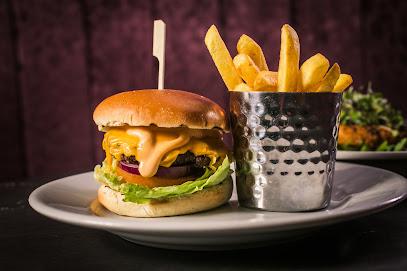
Luxe Club
1.4 km
Experience London's vibrant nightlife at Luxe Club, a central hotspot for music, dancing, and late-night entertainment.
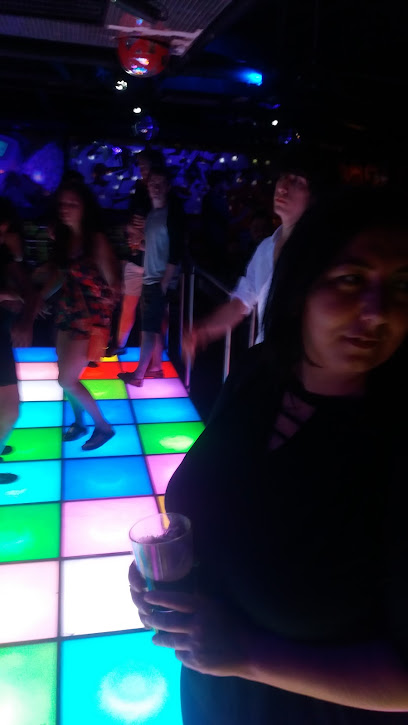
Café de Paris
1.4 km
Step into London’s iconic West End nightclub where history, glamour, and electrifying cabaret create unforgettable nights.
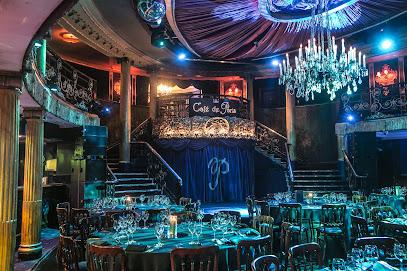
Proud Late
1.4 km
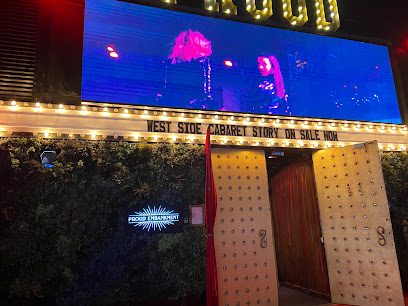
Dive into two-storey glamour under Waterloo Bridge: cabaret acrobatics, burlesque dazzle, supper feasts, and non-stop clubbing till 5am in London's West End nightlife epicenter.
Zoo Bar & Club
1.4 km
Dive into Leicester Square's edgy nightlife hub: two floors of R&B beats, sports screens, and wild energy until 3am at Zoo Bar & Club.
The Penthouse London
1.4 km
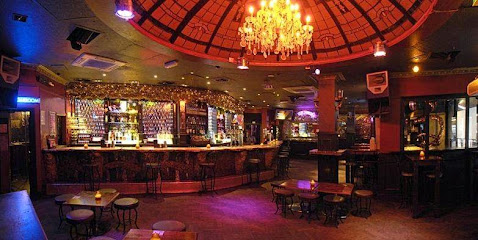
A compact, rooftop nightclub above Leicester Square — reached by a side lift, built for late‑night private parties and skyline glimpses.
For the vibe & atmosphere seeker
- Historic
- Tranquil
- Unique
- Scenic
- Casual
For the design and aesthetic lover
- Vintage Styles
- Rustic Designs
For the architecture buff
- Historic
- Landmarks
- Heritage Neighborhoods
For the view chaser and sunset hunter
- Iconic Views
For the social media creator & influencer
- Instagrammable
- Photo Spots
- Architectural Shots
For the eco-conscious traveler
- Protected Area
- Public-Transport Accessible
- Locally Managed
- Leave-No-Trace Critical
For the kind of experience you’re after
- Cultural Heritage
- Photowalk
- Day Trip
- Weekend Getaway
- Myth & Legends
For how adventurous you want the journey to be
- Easy Access
Location Audience
- Family Friendly
- Senior Friendly
- Child Friendly
- Teen Friendly
- Wheelchair Access
- Solo Friendly
- Couple Friendly
- Vegetarian Friendly
- Vegan Friendly


