
Calton Hill
Edinburgh's volcanic crown: neoclassical monuments and panoramic vistas where history meets the sky.
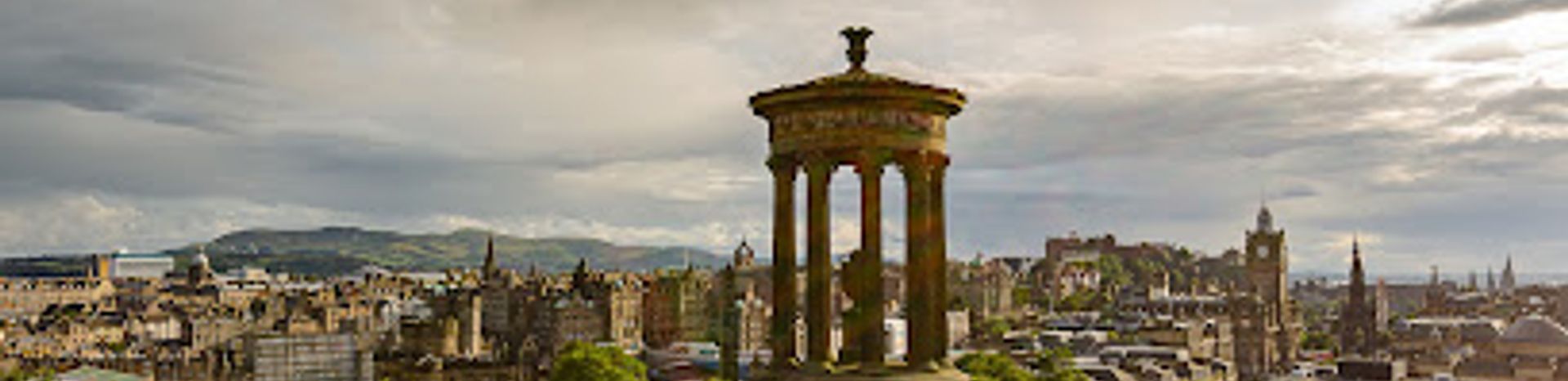
Calton Hill is a volcanic hill rising dramatically at the eastern end of Princes Street, crowned with neoclassical monuments and offering some of Edinburgh's most iconic panoramic views. This UNESCO World Heritage Site embodies 19th-century ambitions to make Edinburgh the 'Athens of the North', featuring the striking National Monument (modelled on the Parthenon), Nelson's Monument, and the City Observatory. Free to access 24/7, the hill provides a peaceful yet inspiring vantage point over Edinburgh Castle, Arthur's Seat, and the Firth of Forth.
A brief summary to Steps to Calton Hill
- A1, Edinburgh, EH1 3BQ, GB
- Visit website
- Duration: 1 to 3 hours
- Free
-
 Outdoor
- Mobile reception: 5 out of 5
Local tips
- Visit early morning or late afternoon to avoid peak crowds and capture the best light for photography. Sunset is particularly magical, transforming the cityscape with golden hour glow.
- Wear sturdy footwear with good grip; the terrain is uneven and can be slippery in wet conditions. The climb is steep but brief, taking only about five minutes from Regent Road.
- Bring a torch or headlamp if visiting at night; while generally safe, the uneven ground becomes hazardous in darkness. The 24-hour access makes it ideal for sunrise and stargazing.
- Check opening hours for the Collective Gallery and Cafe Calton before visiting, as they vary seasonally. The Observatory and restaurants operate on specific schedules separate from the hill itself.
- Plan your visit around Edinburgh's festival calendar—Hogmanay, the Edinburgh Festival finale, Beltane Fire Festival, and Samhuinn Fire Festival transform the hill into a celebration venue.

For the on-the-go comforts that matter to you
- Restrooms
- Drink Options
- Drinking Water
- Food Options
- Seating Areas
- Sheltered Areas
- Picnic Areas
- Trash Bins
- Information Boards
Getting There
-
On Foot from City Centre
From Princes Street or the New Town, walk eastward to the end of Princes Street. The main entrance is at Regent Road on the south side of the hill, marked by a staircase that leads directly to the summit. The climb takes approximately 5 to 10 minutes and is steep but manageable for most fitness levels. An alternative footpath entrance is located on the north side at Royal Terrace beside Greenside Parish Church. Both routes are free and accessible 24/7.
-
By Bus
Multiple bus routes serve the area around Calton Hill. Services 7, 8, 14, 19, 29, 33, and 37 stop at or near Regent Road and Leith Street, within a 2 to 5 minute walk of the hill's entrances. Journey times from the city centre are typically 5 to 10 minutes depending on traffic. Single fares cost approximately £1.80 to £2.00. Services run frequently throughout the day and evening.
-
By Taxi or Rideshare
Taxis and rideshare services can drop passengers at Regent Road or Leith Street, the closest points to the hill's main entrances. Journey time from the city centre is typically 5 to 10 minutes depending on traffic. Estimated fares range from £6 to £12 for short journeys within the city centre. Note that vehicle access to the hilltop itself is restricted and requires prior appointment through the City Centre and Leith team.
-
By Bicycle
Calton Hill is easily accessible by bike from the city centre via the New Town's street network. The hill can be reached in 10 to 15 minutes from Princes Street. Bike parking is available at the base of the hill near Regent Road. The climb to the summit is steep and may require dismounting; however, the surrounding paths are suitable for cycling once at the top.
Steps to Calton Hill location weather suitability
-
 Any Weather
-
 Clear Skies
-
 Mild Temperatures
Discover more about Steps to Calton Hill
A Volcanic Monument to Edinburgh's Classical Ambitions
Calton Hill stands as one of Edinburgh's most recognizable landmarks, an extinct volcano that rises prominently beyond the eastern end of Princes Street. During the 19th century, Edinburgh was envisioned as the 'Athens of the North', and Calton Hill was deliberately conceived as the city's answer to the Athenian Acropolis. This ambitious vision shaped the hill's architectural character, transforming it into an open-air gallery of neoclassical monuments that remain striking focal points in the city's skyline. The hill occupies one of the oldest public parks in Britain, purchased by Edinburgh Town Council in 1724, and today it serves as a testament to the city's historical aspirations for cultural and architectural prominence.Iconic Monuments and Architectural Treasures
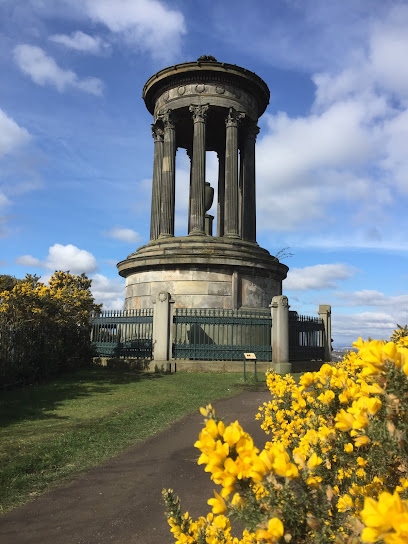
The summit of Calton Hill is home to several remarkable structures that define its character. The National Monument, designed as a replica of the Parthenon in Athens, was intended to commemorate Scottish servicemen who died in the Napoleonic Wars. Though never completed, its twelve soaring columns create a haunting and distinctive silhouette that has become synonymous with Edinburgh itself. Nelson's Monument, completed in 1816 to honour Admiral Lord Nelson's victory at the Battle of Trafalgar, features a famous timeball mechanism that mariners once used to set their chronometers. The Dugald Stewart Monument, a circular Doric temple, provides a particularly photogenic vantage point. The City Observatory, built in 1818, and the earlier Observatory House, designed by New Town architect James Craig in 1792, continue to serve as working observatories and cultural venues. The Old Royal High School, Robert Burns Monument, and Political Martyrs' Monument add further layers of historical significance to the hilltop landscape.Unparalleled Vistas Across the City and Beyond
From the summit, visitors are rewarded with some of Edinburgh's most celebrated views. The panoramic vistas encompass Edinburgh Castle in the distance, the Royal Mile winding through the Old Town, Princes Street stretching below, Arthur's Seat and the cliffs of Salisbury Crags to the south, and views extending across the Firth of Forth towards the Kingdom of Fife. The 260-degree perspectives shift dramatically throughout the day, with sunrise and sunset transforming the cityscape into scenes of particular beauty. These views have featured prominently in historic paintings and engravings of Edinburgh for centuries, cementing Calton Hill's status as the city's most photographed viewpoint. The hill's elevated position creates an almost theatrical stage from which to observe the city's layout and architectural heritage.A Hub for Festival Culture and Celebration
Calton Hill holds special significance in Edinburgh's cultural calendar. During Hogmanay (New Year's Eve) and the grand finale of the Edinburgh Festival each August, the hill becomes a prime vantage point for viewing fireworks displays launched from Edinburgh Castle. The Beltane Fire Festival takes place on the last day of April, while the Samhuinn Fire Festival arrives at Halloween, transforming the hilltop into a stage for fire performance and celebration. In August, the hill often hosts Edinburgh Festival shows, drawing performers and audiences to its windswept summit. These events have made Calton Hill not merely a viewpoint but an integral part of the city's festive identity.Facilities and Contemporary Amenities
While Calton Hill retains its historic character, modern facilities enhance the visitor experience. The City Observatory compound houses exhibitions run by the Collective Gallery, a contemporary art space, alongside The Lookout, an upmarket restaurant offering dining with panoramic views. A kiosk provides snacks and drinks, and paid toilet facilities are available. Cafe Calton, located on the hill, offers refreshments with stunning vistas and both indoor and outdoor seating. The grassy slopes and well-maintained paths around the hill's perimeter invite picnicking and leisurely exploration, making it accessible to visitors of varying fitness levels.Landscape and Sensory Character
The hill's volcanic rockbase, gorse-strewn slopes, and windswept ruggedness create a distinctive landscape that contrasts sharply with the urban environment below. The public park area occupies the western half of the summit, while the eastern half comprises a walled private communal garden belonging to local residents. A path circles the hill's edge, offering multiple perspectives and opportunities for exploration. The terrain, though steep in places, remains accessible, with a five-minute climb from the staircase at Regent Road on the south side. The hill's diamond-shaped profile, visible from above, adds to its geometric appeal and symbolic significance within the city's urban fabric.Iconic landmarks you can’t miss

Dugald Stewart Monument
0.1 km
A neoclassical tribute to philosopher Dugald Stewart, offering iconic views over Edinburgh from historic Calton Hill.
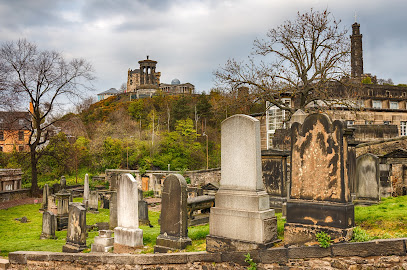
Martyrs of Reform Monument
0.1 km
A towering 27m obelisk in Edinburgh honoring five radical reformists who shaped Britain’s fight for democratic rights in the 18th century.
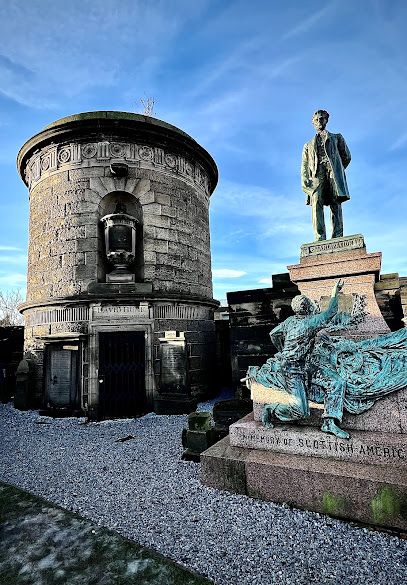
Scottish-American Soldiers Monument
0.1 km
A unique Edinburgh memorial honoring Scottish soldiers who fought in the American Civil War, symbolizing liberty and transatlantic heritage.
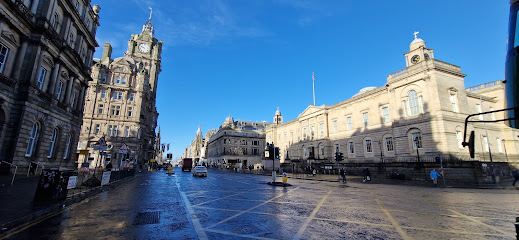
The Centre of Edinburgh
0.2 km
Historic Georgian landmark transformed into a modern, sustainable office hub in the heart of Edinburgh’s vibrant city centre.
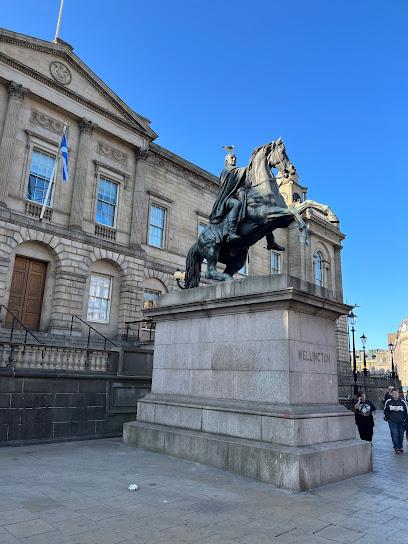
Duke of Wellington Equestrian statue
0.3 km
Historic bronze statue of the Duke of Wellington on horseback, a commanding symbol of British military triumph in the heart of Edinburgh.
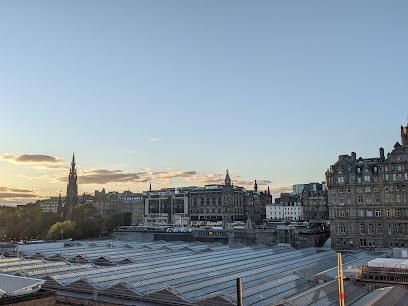
North Bridge
0.3 km
Historic North Bridge links Edinburgh’s Old and New Towns with stunning views and rich cultural heritage.
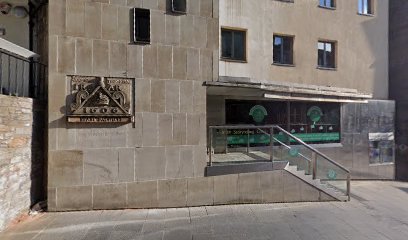
Edinburgh UNESCO City of Literature Trust
0.4 km
Explore the literary heart of Edinburgh at the UNESCO City of Literature Trust, a treasure trove of exhibitions and literary heritage.
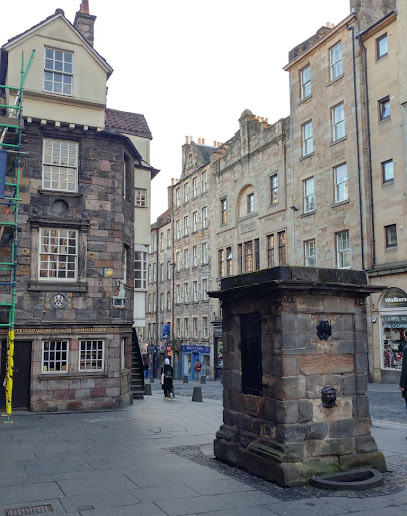
Wellhead at John Knox House
0.4 km
Discover the medieval charm and Reformation history embodied by the Wellhead at John Knox House on Edinburgh’s iconic Royal Mile.
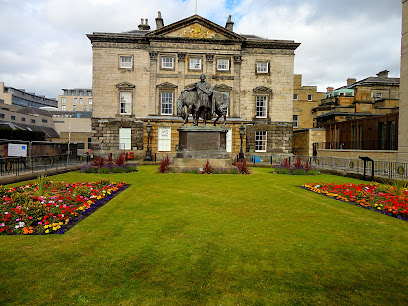
Earl of Hopetoun Statue
0.4 km
A distinguished bronze statue honoring John Hope, 4th Earl of Hopetoun, set amidst the elegant Georgian surroundings of Edinburgh’s St Andrew Square.
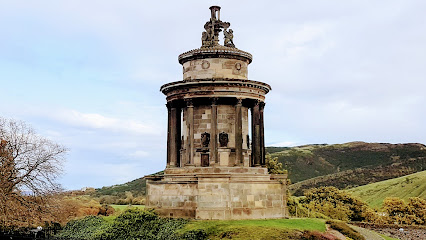
Burns Monument
0.4 km
Edinburgh's classical tribute to Scotland's national poet, a Neo-Greek temple with commanding city views.
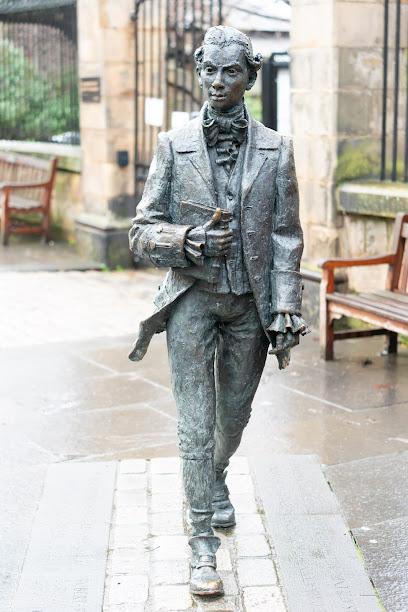
Robert Fergusson Statue
0.5 km
Celebrate the vibrant spirit of Scottish poetry with the Robert Fergusson Statue, a joyful tribute on Edinburgh’s historic Canongate.
Museum Context
0.5 km
Explore a unique selection of Scottish gifts and homewares at Museum Context, Edinburgh's premier souvenir shop celebrating local artisans.
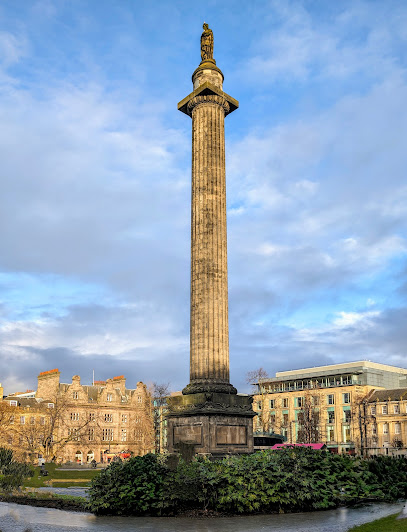
Melville Monument
0.5 km
A towering neoclassical column in Edinburgh’s New Town, commemorating Henry Dundas with rich history and architectural grandeur.
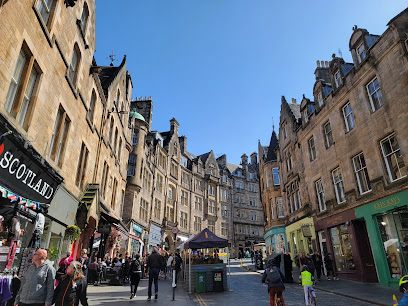
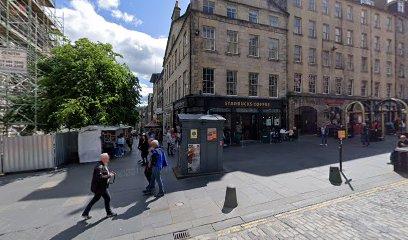
124 High St
0.5 km
Historic Royal Mile building serving as the iconic start point for Edinburgh’s renowned Underground Ghost Tour.
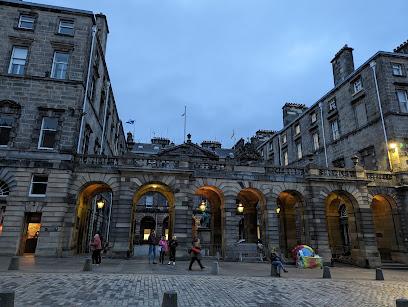
Edinburgh City Chambers
0.5 km
Historic neoclassical landmark on Edinburgh’s Royal Mile, blending civic heritage with timeless architectural elegance.
Unmissable attractions to see

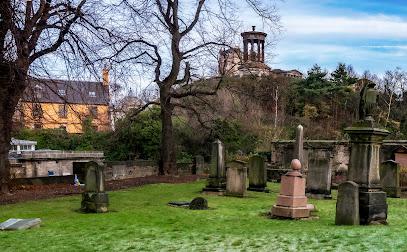
Old Calton Cemetery
0.1 km
Historic resting place on Calton Hill with notable monuments and panoramic views of Edinburgh’s rich heritage.
Heart of Scotland Tours
0.1 km
Explore Scotland’s iconic sights and hidden gems with intimate, expertly guided small-group tours departing from Edinburgh’s Waterloo Place.
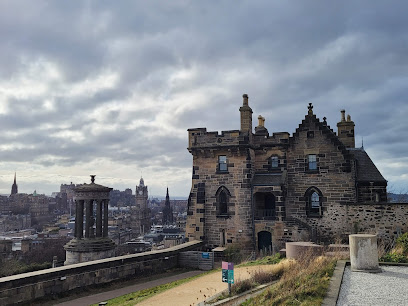
Playfair Monument
0.1 km
Elegant Greek Doric memorial on Calton Hill honoring John Playfair, a pillar of Edinburgh’s Enlightenment and uncle to architect William Playfair.
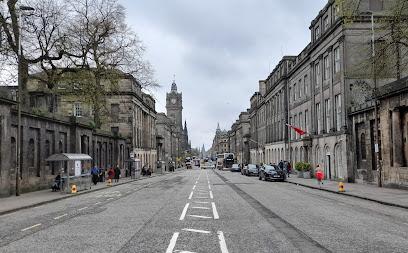
Waterloo Pl
0.1 km
Waterloo Place: historic gateway bridging Edinburgh’s Old and New Towns with Georgian elegance and sweeping city views.
Nelson Monument
0.2 km
Discover the Nelson Monument on Calton Hill, a stunning tribute to Admiral Lord Nelson with panoramic views and rich maritime history in Edinburgh.
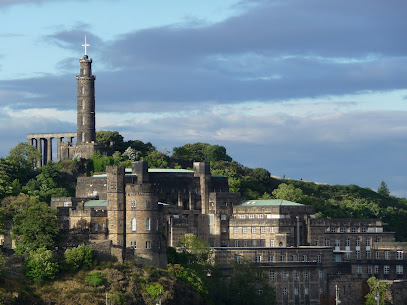
Jacob's Ladder
0.2 km
Historic and steep, Jacob's Ladder links Edinburgh’s Old and New Towns with stunning views and a glowing nighttime presence.
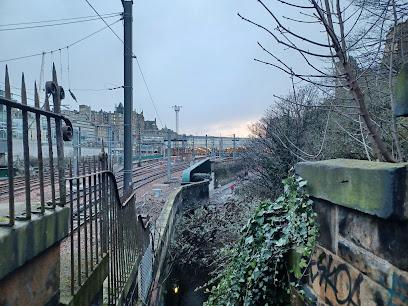
National Monument of Scotland
0.2 km
Discover the breathtaking views and rich history at the National Monument of Scotland on Calton Hill, a stunning Edinburgh landmark.
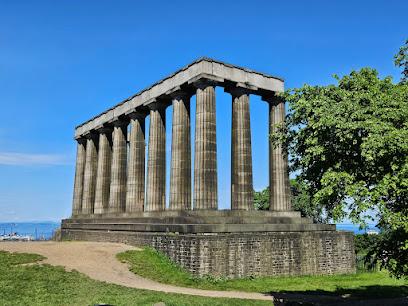
Edinburgh
0.2 km
Step aboard the Royal Yacht Britannia in Edinburgh, a majestic floating palace and iconic symbol of British royal history and maritime heritage.
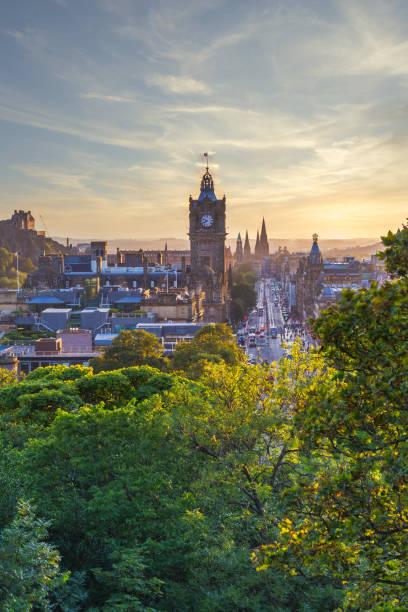
St James Quarter
0.3 km
Edinburgh’s largest retail and leisure district, blending shopping, dining, entertainment, and luxury stays in the city centre.
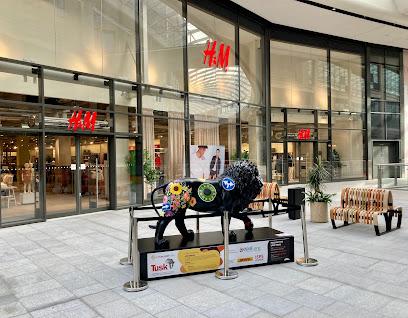
The Edinburgh Gin Distillery at The Arches
0.3 km
Discover Edinburgh’s premier gin destination with immersive tours, bespoke blends, and stunning city views at The Arches.
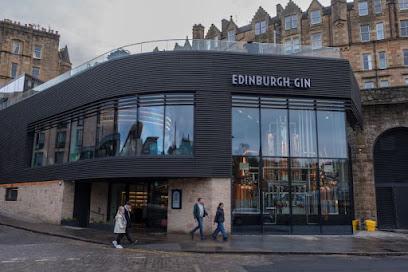
Monument to the Scottish Parliament
0.3 km
Explore Scotland’s bold and modern seat of democracy, where architecture and politics intertwine in Edinburgh’s historic heart.
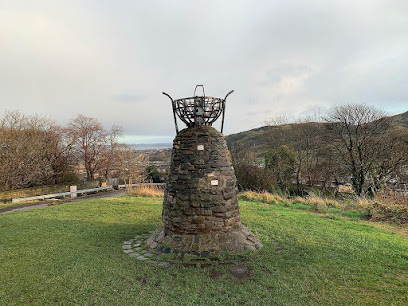
Waverley Steps
0.3 km
Waverley Steps: A modern, accessible gateway blending historic charm with panoramic views in Edinburgh’s city center.
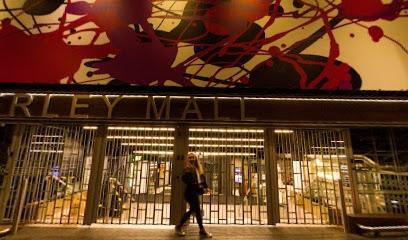
Little Fish Tours
0.3 km
Experience Edinburgh like never before with Little Fish Tours, where local insights meet unforgettable adventures in Scotland's enchanting capital.
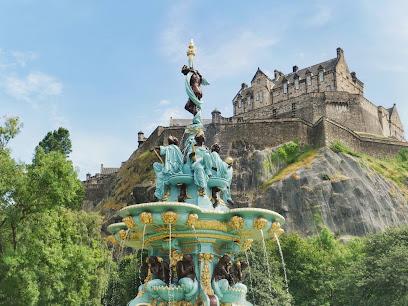
The Chocolatarium
0.4 km
Edinburgh’s interactive chocolate micro-factory where you craft, taste, and discover over 40 artisan chocolates in a historic Old Town setting.
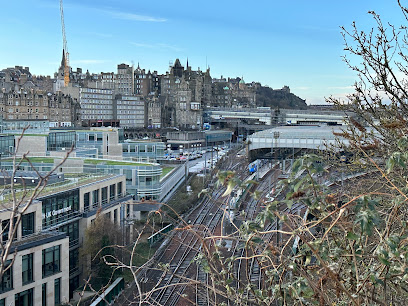
Cask
0.4 km
A lively Princes Street rooftop bar with panoramic Old Town views, Peruvian small plates and cosy heated domes for intimate cityside nights.
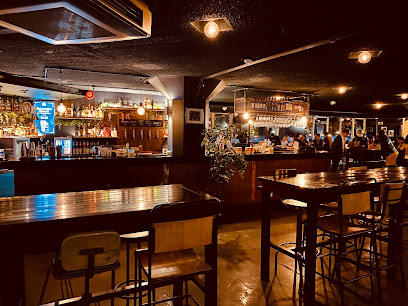
Essential places to dine

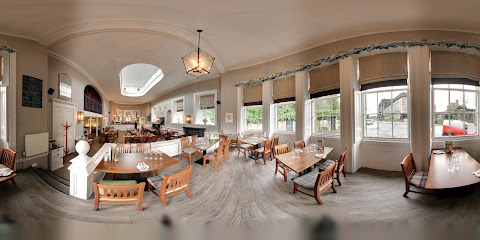
Howies Restaurant
0.0 km
Experience authentic Scottish cuisine in a stunning Georgian dining hall at Howies Waterloo Place, Edinburgh’s beloved local gem.
The Lookout by Gardener's Cottage
0.1 km
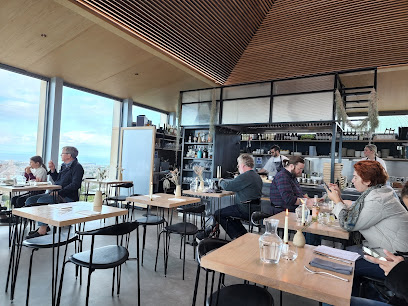
Suspended fine dining with panoramic Edinburgh views from an architectural marvel atop Calton Hill.
Duck & Waffle
0.2 km
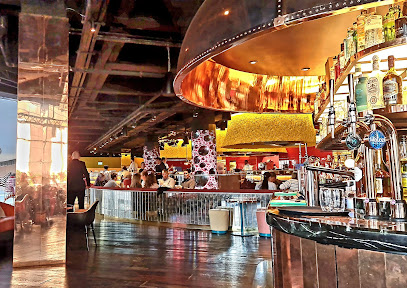
Experience Edinburgh’s vibrant St James Quarter hotspot where modern British cuisine meets playful indulgence and stylish atmosphere.
The Botanist Edinburgh
0.3 km
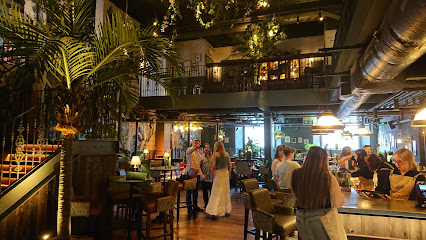
A lush botanical-themed bar and restaurant in Edinburgh’s New Town, offering creative cocktails, hearty British fare, and live music in a vibrant garden setting.
La Garrigue
0.3 km
Experience authentic Languedoc French cuisine in Edinburgh’s charming Old Town bistro with rustic flavours and vibrant ambiance.
Number One
0.3 km
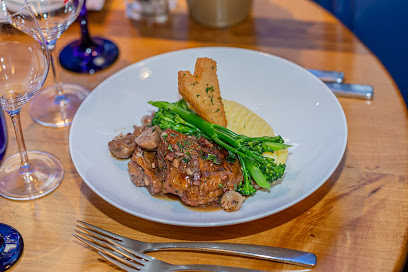
Experience modern Scottish fine dining with seasonal flair and impeccable service in the iconic Balmoral Hotel, Edinburgh.
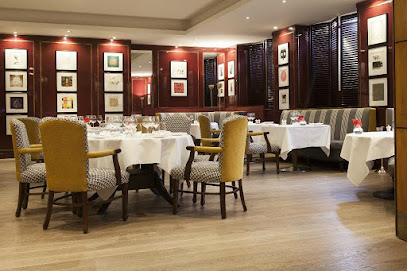
Tattu Edinburgh
0.4 km
Experience modern Chinese cuisine in a stunning setting blending Edinburgh’s historic charm with contemporary elegance.
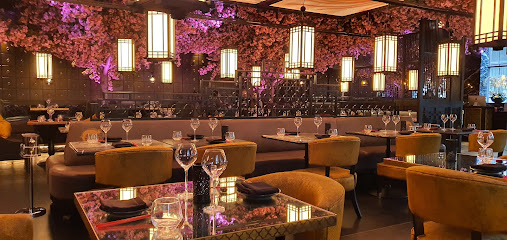
Twenty Princes Street
0.4 km
Experience refined Scottish cuisine with stunning city views at Twenty Princes Street, a stylish dining destination in Edinburgh’s heart.
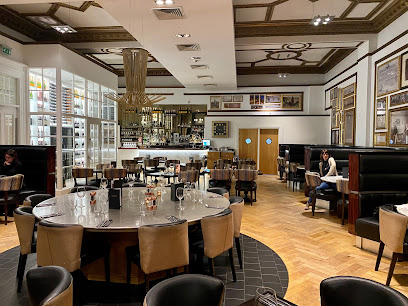
Wedgwood The Restaurant
0.4 km
Fine dining on Edinburgh’s Royal Mile with seasonal Scottish cuisine and foraged ingredients in a cozy, unpretentious setting.
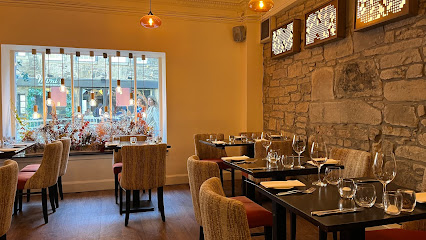
Hawksmoor Edinburgh
0.4 km
A grand art deco steakhouse in Edinburgh’s New Town, serving exceptional grass-fed beef and Scottish seafood in a relaxed yet sophisticated setting.
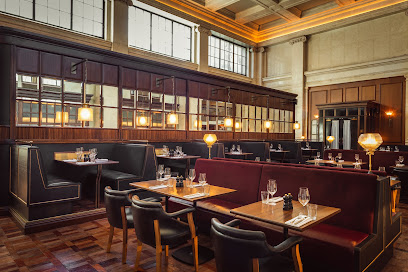
Monteiths
0.4 km
Experience contemporary Scottish dining and crafted cocktails in a stylish, intimate setting on Edinburgh’s historic Royal Mile.
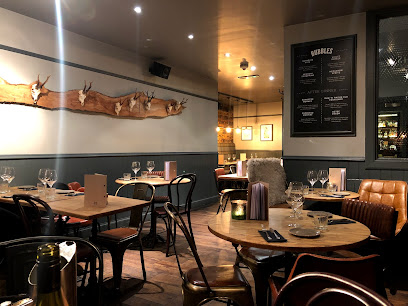
Lady Libertine
0.4 km
A chic Edinburgh hotspot blending inventive cocktails, Mediterranean mezze, and art deco vibes across two stylish floors.
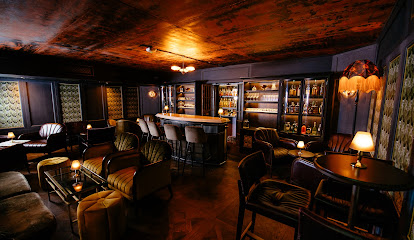
The Nether Bow Port Cafe & Bistro
0.4 km
Cozy bistro on Edinburgh’s Royal Mile serving diverse breakfast and lunch options in a warm, welcoming atmosphere.
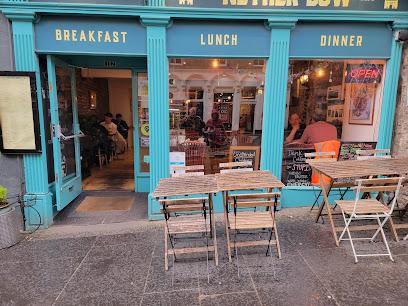
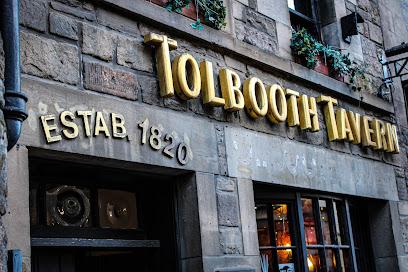
Tolbooth Tavern
0.4 km
Historic Royal Mile pub blending 400 years of Scottish history with authentic cuisine and warm hospitality.
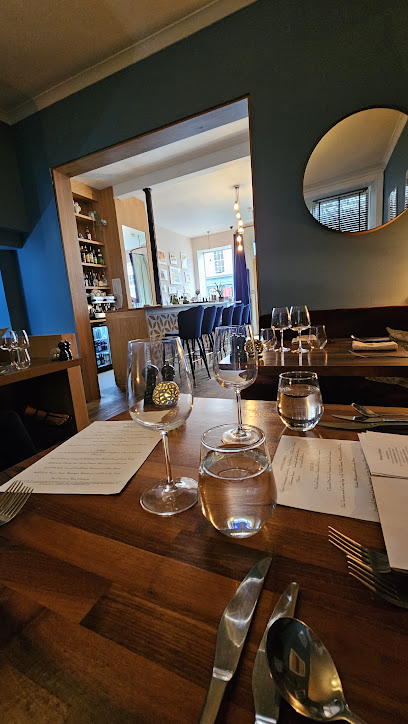
Taisteal
0.4 km
A Michelin-mentioned Edinburgh gem where Scottish ingredients meet global flavours in a warm, intimate setting.
Markets, malls and hidden boutiques

Pure Scottish
0.3 km
Authentic Scottish gifts and crafts in the heart of Edinburgh’s historic North Bridge district.

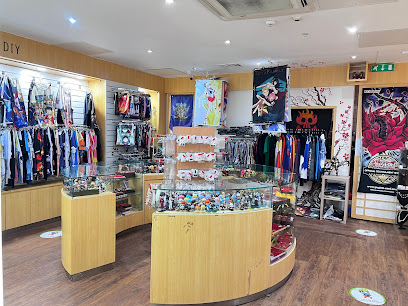
Anime Republic
0.4 km
Edinburgh’s vibrant anime gift shop and community hub offering collectibles, manga, and events for fans of all levels.
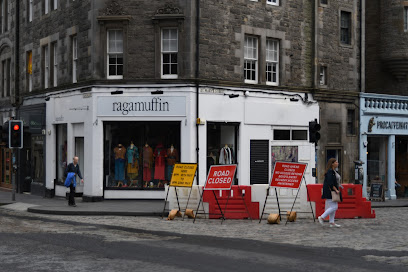
Ragamuffin
0.4 km
Discover unique, beautifully crafted women's knitwear in a charming boutique on Edinburgh’s historic Royal Mile.
The Wee Gift Shop
0.4 km
Award-winning Scottish gift shop celebrating local talent, sustainability, and authentic cultural heritage on Edinburgh's High Street.
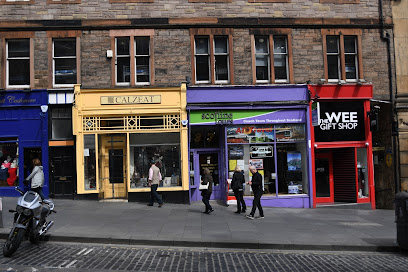
Real Scot Shop
0.4 km
Authentic Scottish gifts and crafts in the heart of Edinburgh’s historic High Street, where heritage meets quality and friendly service.
Flying Tiger Copenhagen
0.4 km
Discover quirky, affordable Danish design and everyday essentials in Edinburgh’s vibrant Waverley Mall store.
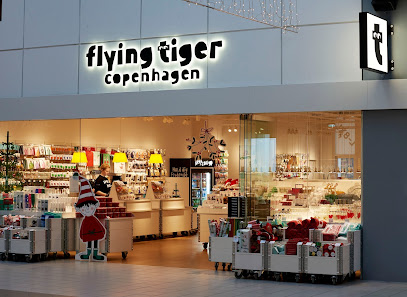
Heritage Clearance Store
0.4 km
Discover authentic Scottish heritage treasures and unbeatable bargains in the heart of Edinburgh’s historic High Street.
Prestige Scotland Kilt Maker & Souvenir Shop
0.4 km
Authentic Scottish kilts and Highland dress on Edinburgh's historic Royal Mile.

scottish experience cashmere place
0.4 km
Explore the finest cashmere souvenirs at Scottish Experience Cashmere Place, where tradition and quality meet in the heart of Edinburgh.
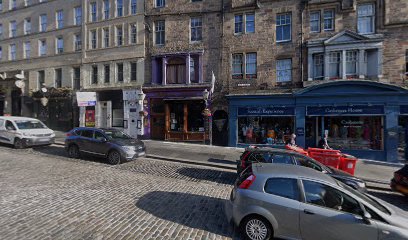
Born In Scotland - Edinburgh Waverly Mall
0.4 km
Authentic Scottish gifts blending tradition and playful modernity in Edinburgh’s Waverly Mall, perfect for meaningful keepsakes and souvenirs.
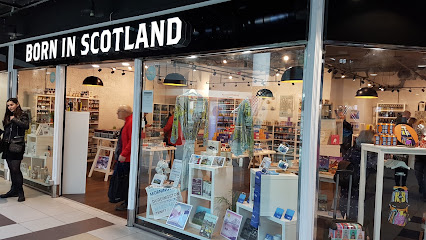
The Wyrd Shop
0.5 km
Edinburgh's esoteric gem on Canongate: crystals, tarot, pagan jewelry, and magickal handmade treasures in a cozy witchy haven.
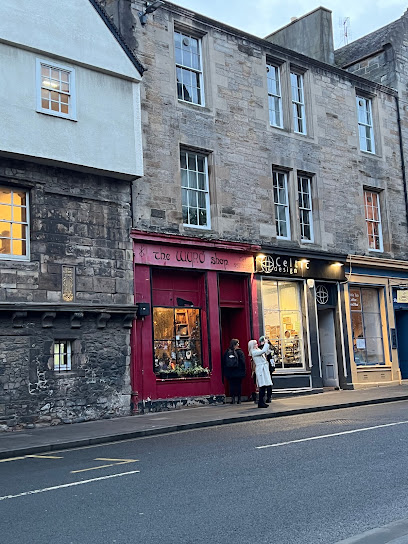
Pie In The Sky Ltd
0.5 km
Discover unique, creative clothing inspired by Scottish culture in the heart of Edinburgh’s historic Old Town.
Eden
0.5 km
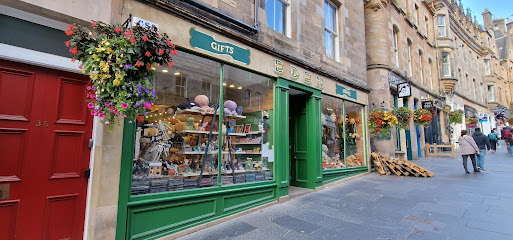
Discover authentic Scottish crafts and unique gifts in the heart of Edinburgh’s historic Cockburn Street at Eden.
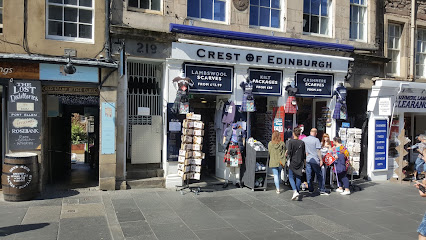
Crest Of Edinburgh
0.5 km
Discover authentic Scottish gifts, kilts, and fashion accessories in the heart of Edinburgh’s historic Royal Mile.
The Scotland Shop
0.5 km
Discover authentic Scottish tartans, bespoke kilts, and heritage gifts at The Scotland Shop in Edinburgh’s historic South Bridge.

Essential bars & hidden hideouts

The Alchemist St James Quarter
0.2 km
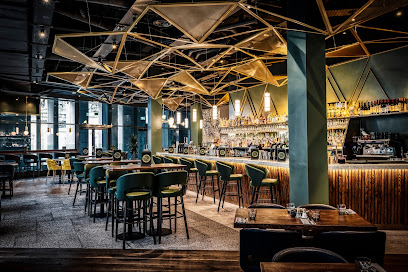
Experience Edinburgh’s vibrant cocktail theatre and unique dining at The Alchemist St James Quarter, where drinks come alive with magic and flair.
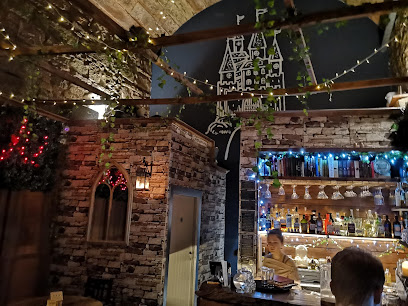
The Cocktail Geeks
0.3 km
Edinburgh's arch-hidden gem for themed cocktails, geeky immersions, and masterful mixology in a cozy, ever-changing vault.
The Street
0.3 km
Casual cocktail bar by day, energetic late-night bar and small club by night — Picardy Place’s go-to spot for social evenings and weekend parties.

The Voodoo Rooms
0.4 km
Edinburgh's clandestine Victorian lair of cocktails, cabaret, and live tunes in opulent, hidden chambers.
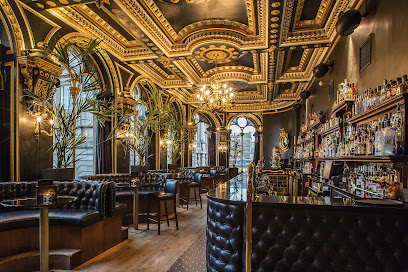
Whiski Bar & Restaurant
0.4 km
A cosy Royal Mile whisky bar with 300+ Scotch malts, hearty Scottish food and nightly live music in Edinburgh’s Old Town.
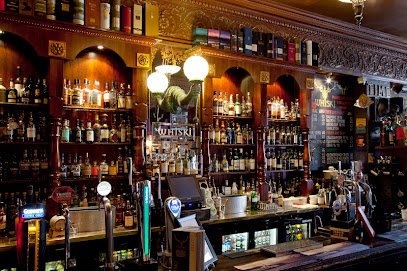
Arcade Bar Haggis & Whisky House, celebrating 20 years of serving The Best Haggis in Town!
0.5 km
Cozy Edinburgh bar serving renowned haggis and over 100 whiskies in a warm, traditional Scottish setting with hearty portions and friendly vibes.
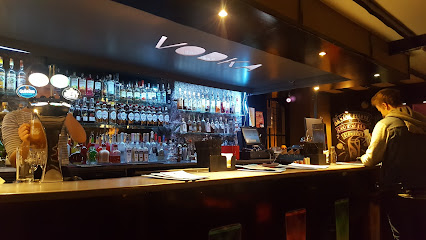
Whistlebinkies
0.5 km
Edinburgh’s legendary underground live music bar offering free entry, vibrant bands, and a cozy vaults atmosphere every night until the early hours.
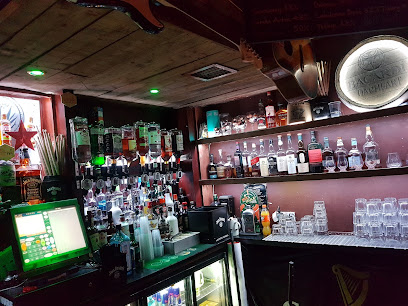
Nightcap
0.5 km
Intimate New Town speakeasy with whisky-led cocktails, reclaimed-wood warmth and attentive, bespoke service for relaxed late-night evenings.
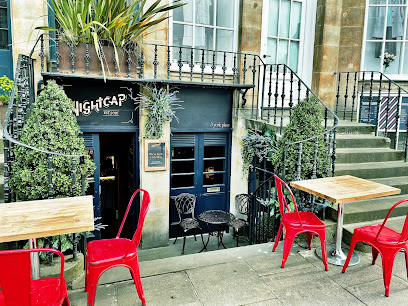
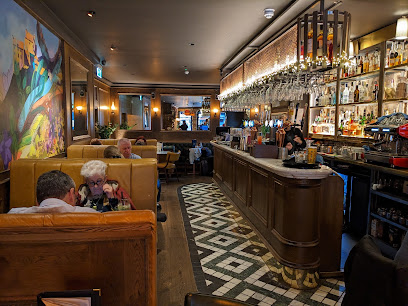
Copper Still
0.5 km
Cozy Royal Mile retreat dishing fresh Scottish eats and drams amid buskers and historic vibes – from breakfast brekkie to late-night cocktails.
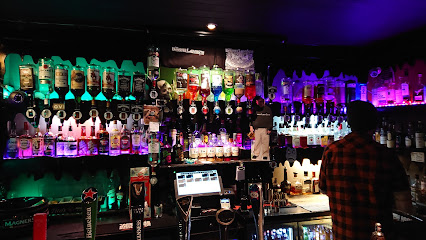
The Banshee Labyrinth
0.5 km
Discover Scotland’s most haunted pub, a labyrinth of eerie vaults and lively entertainment beneath Edinburgh’s Old Town.
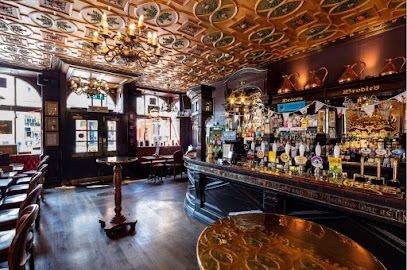
Deacon Brodies Tavern
0.7 km
Historic Royal Mile pub channeling Deacon Brodie's Jekyll-and-Hyde legacy with cask ales, hearty pies, and Old Town buzz—perfect for ale lovers and tale seekers.
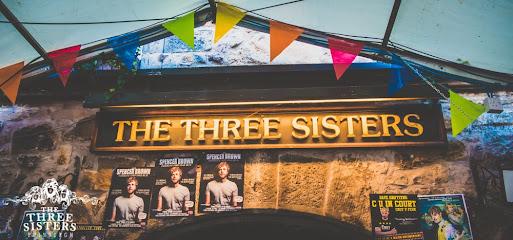
The Three Sisters
0.7 km
A legendary Edinburgh bar and live venue famed for its vibrant atmosphere, historic roots, and nonstop entertainment on Cowgate.
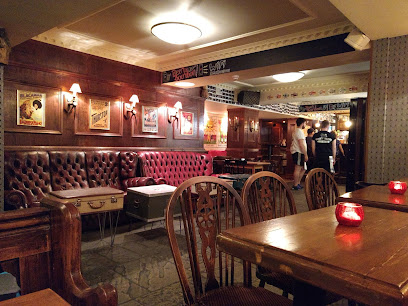
Hoot The Redeemer
0.7 km
A quirky, tarot-themed cocktail bar in Edinburgh offering inventive drinks, playful games, and a lively, intimate atmosphere.
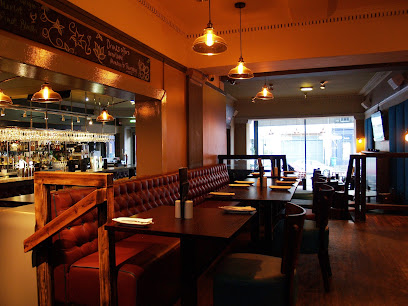
Grand Cru
0.8 km
Edinburgh's cocktail haven on Hanover Street, blending masterful drinks, modern European bites, and seamless day-to-night vibes in the heart of New Town.
The Jolly Judge
0.8 km
A cozy, historic Scottish pub nestled in Edinburgh’s Old Town, famed for malt whiskies, real ales, and timeless hospitality just minutes from the Castle.

Nightclubs & after hour spots

The Hive Nightclub & Venue
0.5 km
Edinburgh's gritty Cowgate nightclub: cheap drinks, multi-room beats, and non-stop energy until 3am in the heart of Old Town.
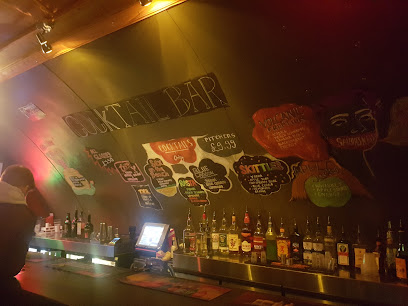
Cabaret Voltaire
0.6 km
Vaulted live-music rooms and a relaxed upstairs bar—Cabaret Voltaire is Edinburgh’s atmospheric hub for alternative gigs and late-night clubbing.
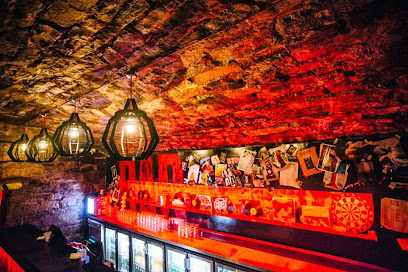
La Belle Angele
0.6 km
Edinburgh’s intimate nightclub and live music venue blending historic charm with vibrant themed nights and diverse performances.
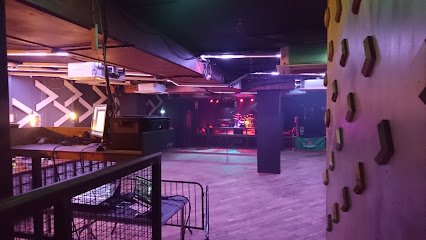
The Mash House
0.7 km
A vibrant Edinburgh nightclub and live music venue blending folk, electronic, and techno in a lively, casual setting.

Why Not Nightclub
0.7 km
Edinburgh's multi-award-winning late-night haven with LED immersion, garden vibes, and non-stop beats on George Street.
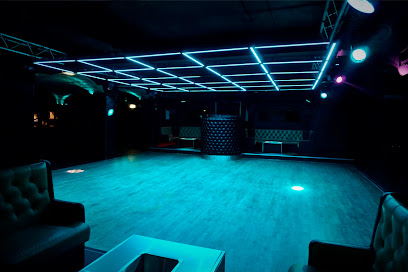
Shanghai Nightclub
0.7 km
Edinburgh's Oriental nightlife den: Asian decor, themed beats, VIP vibes, and non-stop energy on George Street.
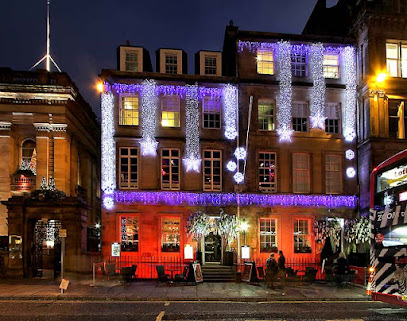
El Barrio Latino
0.7 km
Edinburgh's sizzling Latin nightclub where salsa beats pulse through New Town nights, drawing dancers to its vibrant Hanover Street heart until the early hours.
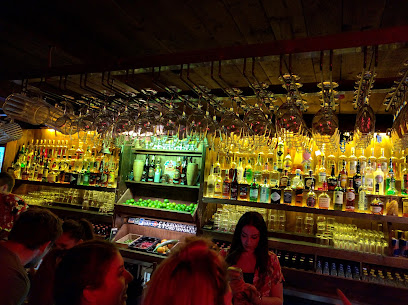
Sneaky Pete's
0.8 km
Intimate live music and club nights in Edinburgh’s Old Town, where emerging talent meets vibrant nightlife.
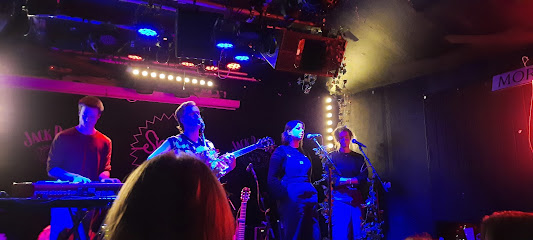
Legends
0.8 km
Edinburgh’s only 24/7 rock nightclub, Legends pulses with raw energy and live alternative music in the heart of Cowgate.
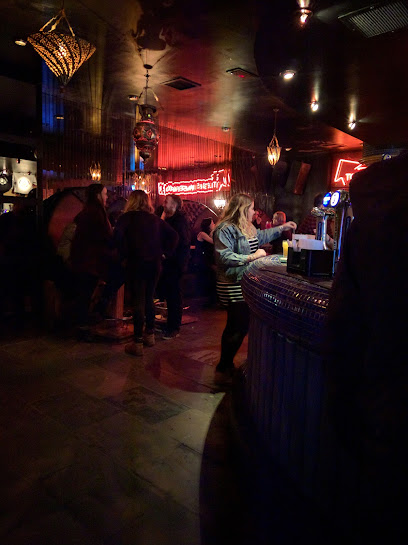
Garibaldi's
0.8 km
Edinburgh's tiniest nightclub packs the biggest late-night punch on Hanover Street, with killer margaritas and a dance floor that never quits till 3am.
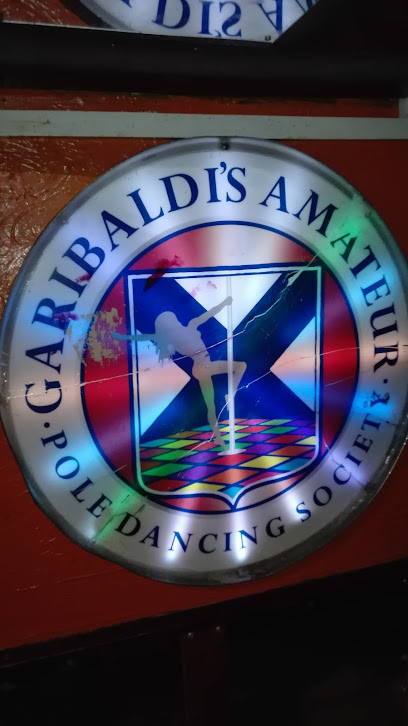
The Bongo Club
0.8 km
Edinburgh’s underground hotspot blending eclectic music, live art, and a vibrant late-night scene in the historic Old Town.
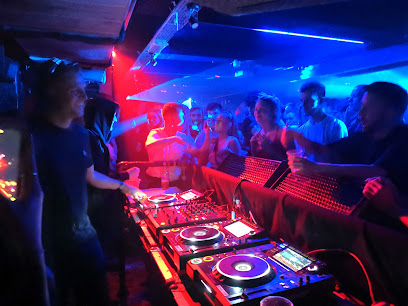
The Liquid Room
0.8 km
Edinburgh's multi-level nightlife gem: techno thumps, live gigs, and warehouse vibes on historic Victoria Street.
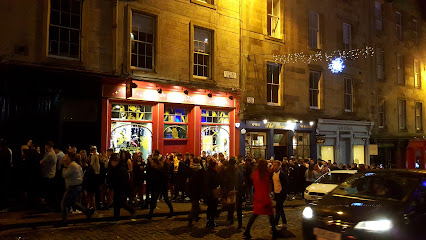
Opal Lounge
0.9 km
A stylish live music bar and nightclub in Edinburgh’s New Town, perfect for celebrations and vibrant nightlife.
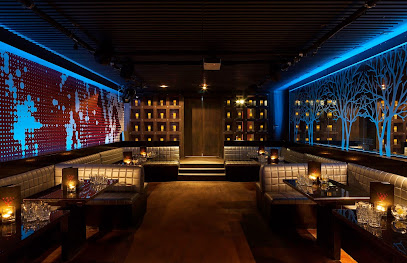
The Shack Retro Bar & Club
1.1 km
Edinburgh's retro dance den blasting 60s-90s hits amid quirky decor and sweaty dance floors—pure nostalgic escapism on Rose Street.
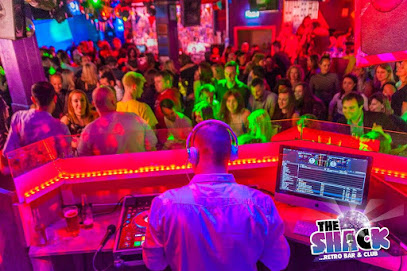
Lulu Bar and Nightclub
1.3 km
Edinburgh's George Street gem: chic cocktails, thumping beats, and dance floors that ignite the night in upscale style.
For the vibe & atmosphere seeker
- Scenic
- Romantic
- Adventurous
- Unique
- Tranquil
- Entertaining
For the design and aesthetic lover
- Minimalist Designs
- Retro Vibes
- Vintage Styles
- Modern Designs
- Rustic Designs
For the architecture buff
- Historic
- Landmarks
- Art & Design
- Viewpoints
- Parks & Gardens
- Heritage Neighborhoods
For the view chaser and sunset hunter
- Iconic Views
- Panoramas
- Skyline
- Sunrise Spots
- Sunset Spots
- Stargazing
For the social media creator & influencer
- Instagrammable
- Photo Spots
- Selfie Spots
- Aesthetic Corners
- Architectural Shots
For the eco-conscious traveler
- Protected Area
- Car-Free Access
- Public-Transport Accessible
- Locally Managed
For the kind of experience you’re after
- Mindfulness
- Meditation Spot
- Spiritual / Energy Spot
- Myth & Legends
- Cultural Heritage
- Photowalk
- Adventure Photo Shoot
- Nature Escape
- Day Trip
- Festival / Event Nearby
For how adventurous you want the journey to be
- Easy Access
- Requires Hike
Location Audience
- Family Friendly
- LGBT Friendly
- Senior Friendly
- Child Friendly
- Teen Friendly
- Wheelchair Access
- Pet Friendly
- Solo Friendly
- Couple Friendly
- Solo Female Friendly


