Clifton Hall, Westmorland Travel Guide
Explore Clifton Hall’s 15th-century pele tower, a striking relic of medieval Cumbria’s feudal past and border conflicts.
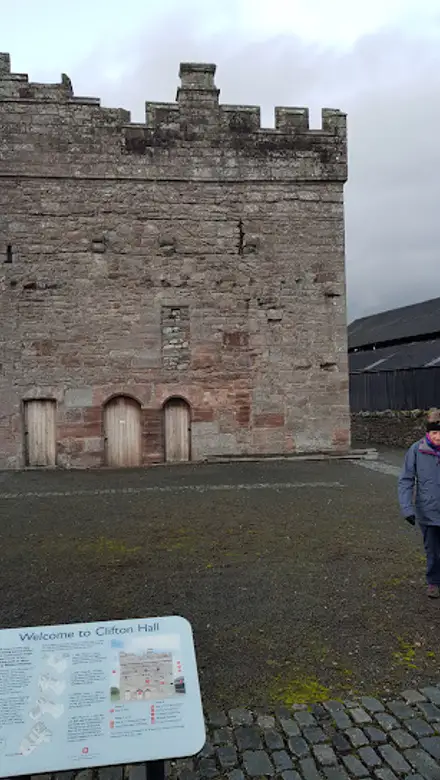
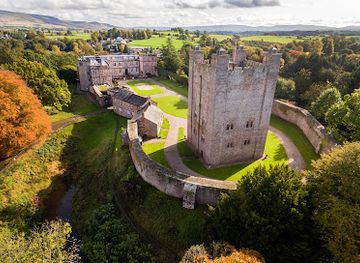
Clifton Hall in Clifton, near Penrith, Cumbria, is a historic site dominated by a 15th-century pele tower, the sole surviving remnant of a once extensive medieval manor house. Built around 1400 by the Engaine family and later owned by the Wyberghs, the hall witnessed turbulent events such as the Jacobite risings before being mostly demolished in the early 19th century. Today, the tower stands as a testament to the region’s feudal and military past, preserved by English Heritage within a working farm setting.
A brief summary to Clifton Hall
- Penrith, Clifton, CA10 2EA, GB
- Click to display
- Click to display
- Duration: 0.5 to 2 hours
- Budget
-
 Outdoor
- Mobile reception: 4 out of 5
- Monday 9 am-5 pm
- Tuesday 9 am-5 pm
- Wednesday 9 am-5 pm
- Thursday 9 am-5 pm
- Friday 9 am-5 pm
- Saturday 9 am-5 pm
- Sunday 9 am-5 pm

Know before you go
Hi, I'm Eve. Here are a few practical things to know before exploring Clifton Hall.
- Wear sturdy footwear as access is on foot via a footpath crossing fields with tall stiles.
- Park in the village of Clifton; avoid blocking farm gates or tracks.
- Bring a camera to capture the red sandstone tower and surrounding rural landscape.
- Visit nearby Brougham Castle and St Cuthbert’s Church to enrich your historical experience.
- Dogs on leads are welcome, but respect the working farm environment.
Do you manage this location?
Take control to get all the benefits, like improved information, better appearance, and stronger visibility across AI-powered discovery. Learn more about listing your business on Evendo
Activate your presenceOther nearby places you may find interesting
The closest places of the same kind, if this one is not quite what you had in mind.
Explore Clifton Hall on the Map
A handpicked selection of must-see spots near Clifton Hall, mapped for you.
Getting There
-
Bus
Take the bus from Penrith to Clifton village, a journey of approximately 20-30 minutes. Services run several times daily but check schedules in advance. From the village, access to Clifton Hall is on foot via a footpath crossing fields with tall stiles. No direct parking at the site.
-
Car
Drive to Clifton village, about 10 minutes south of Penrith. Parking is available in a small layby near the village church. Visitors must walk to Clifton Hall across fields; parking at the farm gates is prohibited to avoid obstructing farm vehicles.
-
Walking
For those staying nearby, walking to Clifton Hall from Clifton village takes about 10-15 minutes over uneven terrain with tall stiles. Suitable footwear is recommended. The walk offers scenic rural views but is not wheelchair accessible.
For the on-the-go comforts that matter to you
-
 Restrooms
-
 Seating Areas
-
 Information Boards
Discover more about Clifton Hall
Medieval Origins and Architectural Layout
Clifton Hall originated in the late 14th to early 15th century, constructed by the Engaine family who held the manor from at least the 12th century. The manor house was designed in an 'H'-plan layout typical of Cumbria at the time, featuring a central hall flanked by two wings—one for living quarters and the other for service rooms. This substantial complex reflected the status and wealth of its owners, serving both residential and defensive purposes in a politically unsettled border region.The Wybergh Family and Historical Turmoil
In 1412, the manor passed to the Wybergh family through marriage, who retained ownership for several centuries. The hall endured significant historical events, notably during the Jacobite risings of 1715 and 1745. William Wybergh was kidnapped by Scottish soldiers, and the manor was occupied and plundered by Jacobite forces shortly before the Battle of Clifton Moor—the last battle fought on English soil. These events underscore the hall’s strategic and symbolic importance in border conflicts.The Pele Tower: Symbol of Status and Defense
The most prominent surviving feature is the three-storey pele tower, believed to have been added around 1475. Unlike typical pele towers with thick walls and narrow slit windows, Clifton Hall’s tower was less fortified, suggesting it was as much a display of wealth and power as a defensive structure. Constructed from red sandstone, the tower retains original features such as fireplaces, a garderobe, and an internal spiral staircase replacing the original external access.Decline and Preservation
By the early 19th century, the manor house was deemed impractical and was largely demolished, leaving only the pele tower standing. The tower was repurposed as a farm building until 1973, when the Department of the Environment took over the site, later passing custodianship to English Heritage. Today, the tower is accessible to visitors who can explore its historical interiors and appreciate its architectural significance within a rural farm landscape.Setting and Nearby Historical Context
Clifton Hall is situated within a working farm near the village of Clifton, south of Penrith. The surrounding area is rich in history, including nearby Brougham Castle and the site of the Battle of Clifton Moor. The hall’s proximity to St Cuthbert’s Church, where soldiers from the battle are buried, adds further depth to the historical narrative of the location.Visitor Experience and Interpretation
Visitors to Clifton Hall can explore the tower’s interior, noting original medieval features and imagining the life of the manor’s inhabitants. Interpretive panels provide context about the hall’s history and its role in regional conflicts. The site’s peaceful rural setting contrasts with its turbulent past, offering a unique glimpse into Cumbria’s medieval heritage and border history.












Your all‑in‑one travel companion app
Explore expert travel guides, compare and book tours, experiences, hotels, and more—all from the palm of your hand. Download now for seamless trip planning wherever your wanderlust takes you.


Explore More of Westmorland
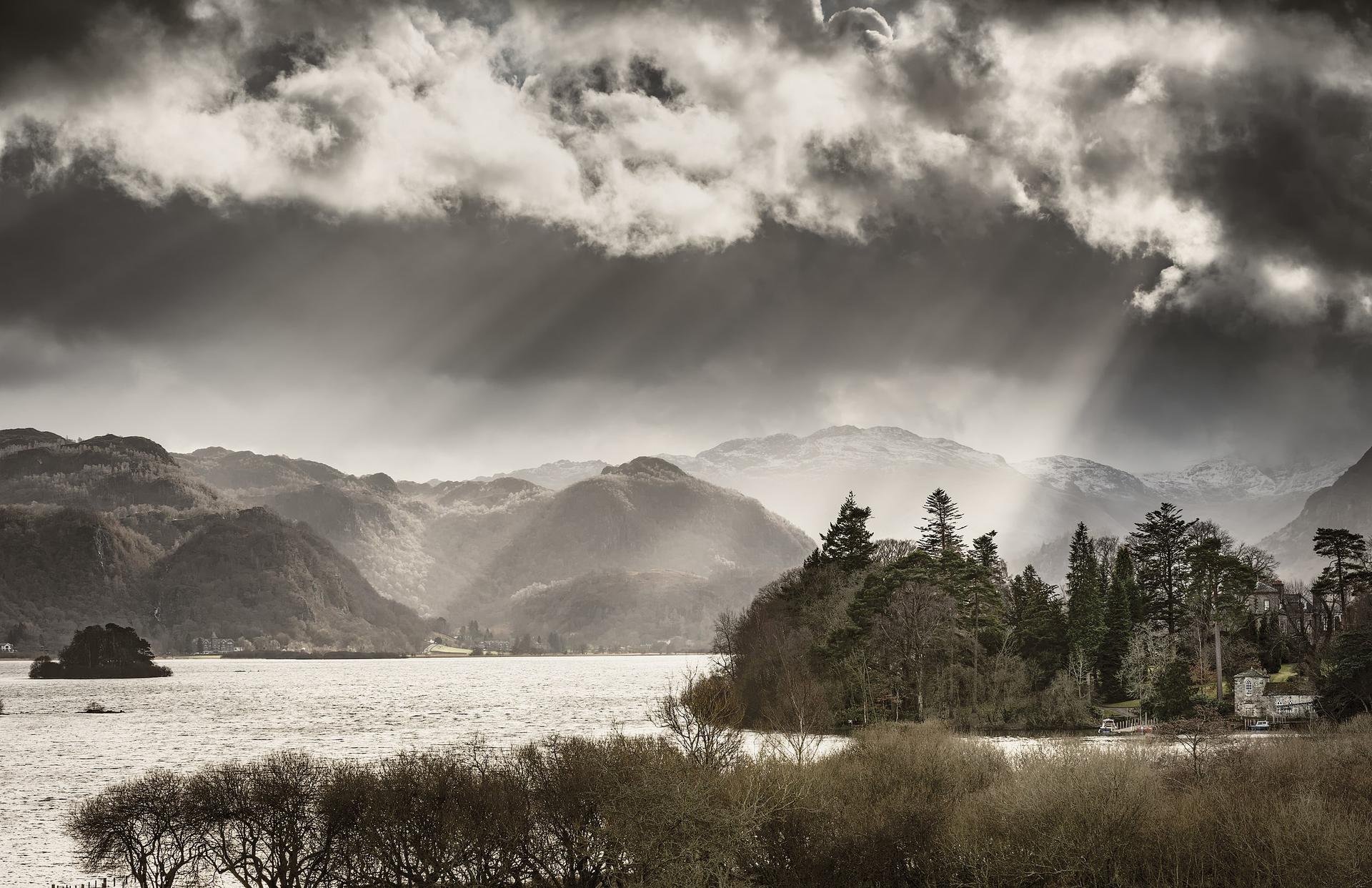
Looking beyond Clifton Hall? Discover Westmorland for broader travel guides, local hot-spots, and regional highlights.
Explore Westmorland
Historic 17th-century almshouses founded by Lady Anne Clifford, offering serene gardens and a glimpse into Appleby’s charitable heritage.
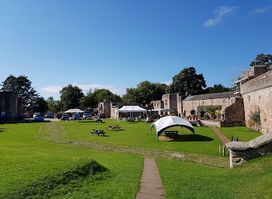
Explore centuries of history and vibrant artisan culture at Brougham Hall, a fortified estate near Penrith blending medieval roots with Victorian grandeur.