
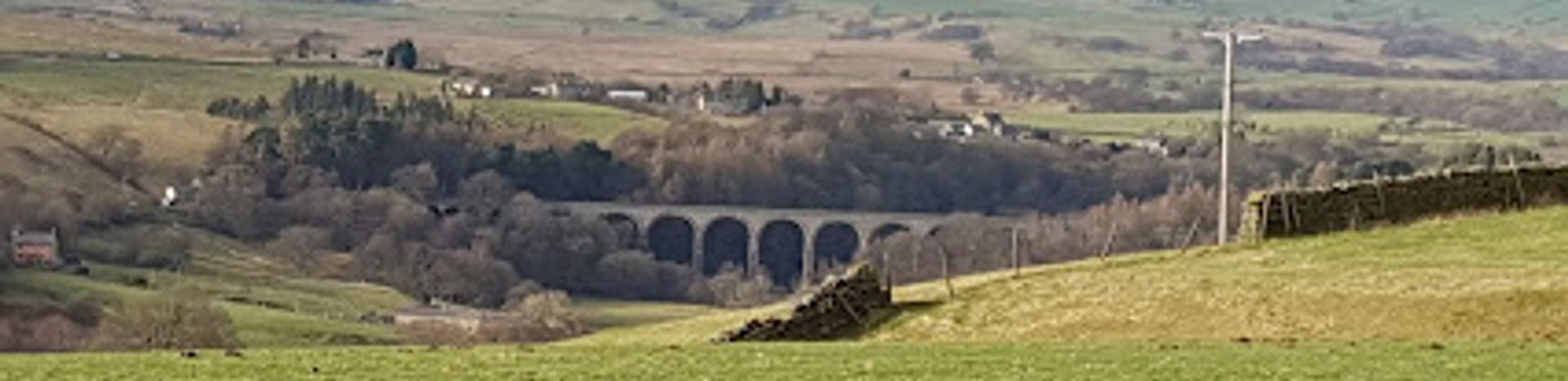
South Tynedale Railway: A Heritage Journey Through the North Pennines
Experience vintage rail travel through the breathtaking North Pennines on the historic South Tynedale Railway, a testament to industrial heritage and community spirit.
The South Tynedale Railway is a charming narrow-gauge heritage railway running through the scenic North Pennines, an Area of Outstanding Natural Beauty. Originally opened in 1852 as the Alston Branch Line, it served local mining communities before closing in 1976. Enthusiasts revived it in 1983, restoring and extending the line to preserve industrial heritage and offer visitors a unique experience of vintage rail travel amidst stunning landscapes.
A brief summary to South Tynedale Railway
- The Railway Station, Station Rd, Alston, CA9 3JB, GB
- +441434338212
- Visit website
- Duration: 1 to 3 hours
- Mid ranged
-
 Outdoor
- Mobile reception: 4 out of 5
Local tips
- Book tickets online in advance during peak seasons to secure your preferred travel times and enjoy special event trains.
- Visit during the festive season for unique 'Tinsel Trains' offering a magical holiday experience.
- Wear comfortable clothing and bring a camera to capture scenic views along the route through the North Pennines AONB.
- Check the railway’s website for updates on restoration projects and special events to enhance your visit.

For the on-the-go comforts that matter to you
- Restrooms
- Drink Options
- Food Options
- Seating Areas
- Information Boards
Getting There
-
Train and Bus Combination
Travel by train to Haltwhistle on the Tyne Valley Line from Newcastle or Carlisle, then take a local bus or taxi for the 15-mile journey to Alston. The bus service runs several times daily, with fares around £5-£10. The combined journey takes approximately 2 to 2.5 hours.
-
Car Travel
Driving from Newcastle or Carlisle to Alston takes about 1.5 to 2 hours via A69 and A686. Parking is available at Alston Station but can be limited during peak times. Note that some rural roads are narrow and winding.
-
Walking and Hiking Access
For adventurous visitors, walking trails connect to the railway area through the North Pennines AONB. Expect moderate terrain and variable weather; suitable footwear and preparation are essential. Walking times vary depending on starting point.
South Tynedale Railway location weather suitability
-
 Any Weather
-
 Rain / Wet Weather
-
 Clear Skies
-
 Windy Conditions
-
 Mild Temperatures
Discover more about South Tynedale Railway
Origins and Industrial Heritage
The South Tynedale Railway traces its roots to the Alston Branch Line, constructed by the North East Railway and opened between 1851 and 1852. This single-track line connected Haltwhistle in Northumberland to Alston in Cumbria, primarily supporting the transport of minerals such as lead from the North Pennines mines. Passenger services were secondary but vital for isolated rural communities. The line was a key industrial artery for over a century, reflecting the region’s mining boom and Victorian engineering.Decline, Closure, and Revival
By the mid-20th century, competition from road transport and changing economic conditions led to the branch line's decline. Despite local efforts to save it, the line closed in May 1976. However, the story did not end there. In 1983, dedicated volunteers reopened a section as a narrow-gauge heritage railway, marking the birth of the South Tynedale Railway Preservation Society. Their work preserved a vital piece of industrial and community history, transforming the railway into a living museum and tourist attraction.Restoration and Expansion Efforts
Since its revival, the railway has steadily expanded, including the restoration of historic infrastructure such as bridges and viaducts. A notable extension to Slaggyford station was completed in 2018, reopening 1.5 miles of track after decades. This was made possible through significant community support and grants, including from the Heritage Lottery Fund and government recovery funds. The railway now operates a mix of vintage rolling stock, including open-ended gallery coaches and wooden-bodied carriages, maintained by skilled volunteers and staff.Community and Cultural Significance
The South Tynedale Railway is more than a tourist attraction; it embodies community spirit and heritage preservation. Local businesses, councils, and residents actively support the railway, which plays a crucial role in sustaining the remote rural economy. The railway hosts seasonal events like festive 'Tinsel Trains' and offers flexible ticketing options, attracting visitors eager to experience nostalgic steam and diesel journeys through breathtaking landscapes.Scenic and Environmental Context
Running through the North Pennines Area of Outstanding Natural Beauty, the railway offers spectacular views of upland moors, rolling hills, and historic mining sites. The route’s gentle gradients and rural setting provide a tranquil and scenic experience, ideal for nature lovers and history enthusiasts alike. The railway’s ongoing restoration projects emphasize sustainable heritage tourism, balancing preservation with environmental care.Looking Ahead: Challenges and Aspirations
Despite its successes, the South Tynedale Railway faces challenges including financial sustainability and volunteer recruitment post-pandemic. Future plans include further track restoration and infrastructure upgrades, supported by grant funding and community involvement. The railway aims to reconnect with the mainline at Haltwhistle, extending the heritage experience and strengthening its role as a cultural and economic asset in the region.Iconic landmarks you can’t miss

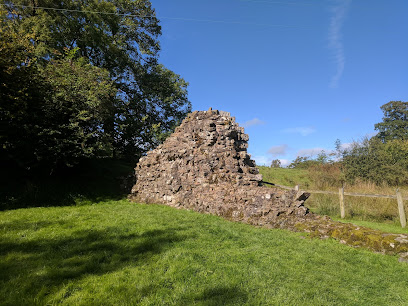
Hare Hill - Hadrian's Wall
23.5 km
Explore Hare Hill, Cumbria’s tallest surviving stretch of Hadrian's Wall, where Roman history stands proudly amidst tranquil countryside.
Market Cross Monument
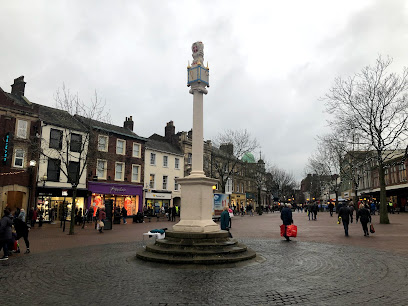
32.8 km
Historic 1682 Market Cross in Carlisle, a Grade I listed monument marking centuries of market heritage and civic pride.
Guildhall Museum
32.9 km
Explore Carlisle’s medieval heritage in the historic Guildhall Museum, a Grade I listed building and former guild meeting place dating back to 1407.
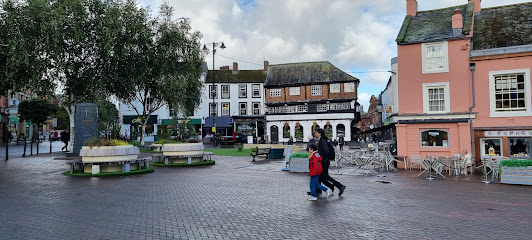
Westmorland Street
33.0 km
Experience the heart of Carlisle at Westmorland Street, your essential transit hub to explore historic attractions and local charm.

Cumbria's Museum of Military Life
33.3 km
Uncover the captivating stories of Cumbria's military heritage at this engaging museum located within Carlisle Castle.
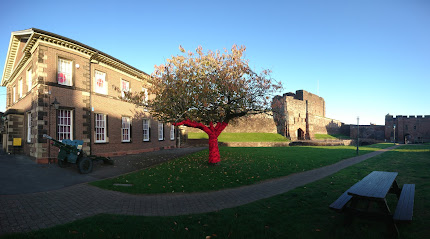
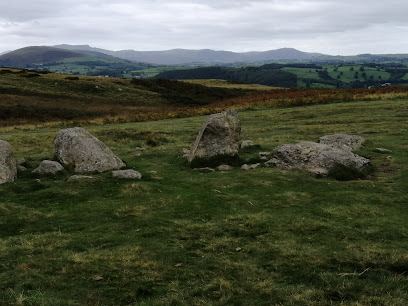
The Cockpit Stone Circle
33.8 km
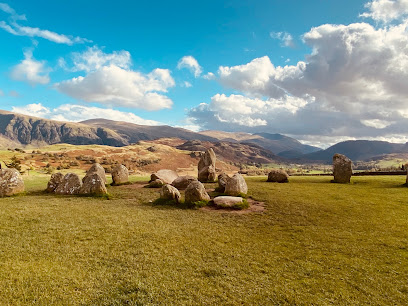
Explore The Cockpit Stone Circle, an ancient historical site near Penrith, where history and natural beauty converge in a tranquil setting.
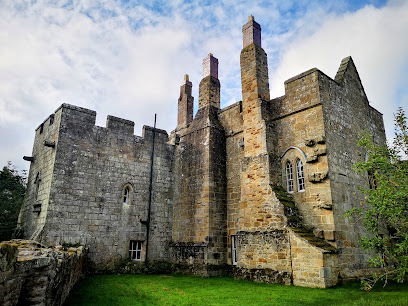
Aydon Castle
34.4 km
Discover Aydon Castle, a medieval treasure in Northumberland where history comes alive amidst stunning architecture and breathtaking landscapes.
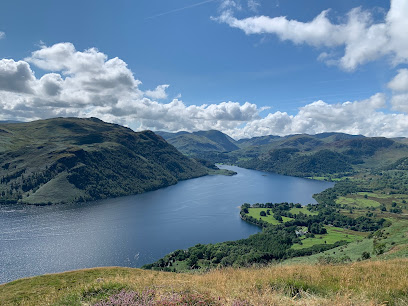
National Trust - Aira Force and Ullswater
41.0 km
Experience breathtaking beauty at Aira Force and Ullswater, the crown jewel of the Lake District, with cascading waterfalls and stunning landscapes.
Aira Force Waterfall
41.1 km
Explore Aira Force Waterfall, a breathtaking natural attraction in the Lake District, offering stunning views and exhilarating hiking adventures amidst lush landscapes.
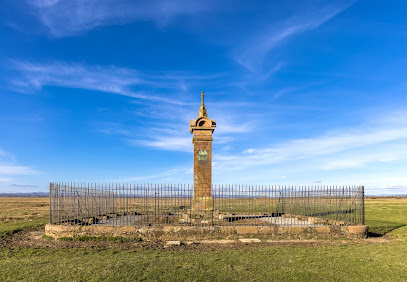
King Edward Monument
41.5 km
A solitary sandstone pillar on windswept Burgh Marsh marking the final resting place of King Edward I, the Hammer of the Scots.
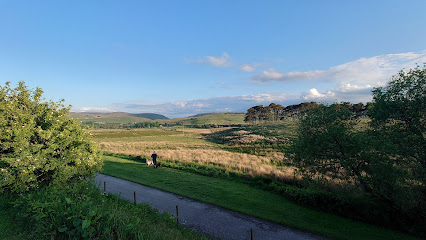
The Westmorland Family
42.0 km
Discover comfort and local flavors at The Westmorland Family, a charming rest stop in Orton, Penrith, perfect for travelers exploring Cumbria.
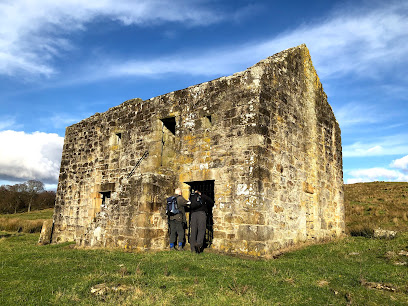
Black Middens Bastle House
43.6 km
Explore the historic Black Middens Bastle House, a gem of Northumberland, revealing the stories of England's past amidst stunning natural landscapes.
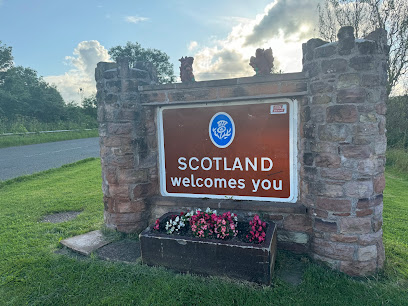
Welcome To England Sign
43.9 km
Experience the charm of England at the Welcome to England Sign in Gretna, where history and hospitality meet in picturesque surroundings.
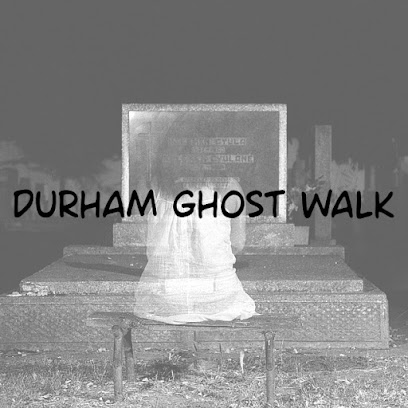
Durham Ghost Walk
44.4 km
Explore the haunted history of Durham with the captivating Ghost Walk, where chilling tales of the past come to life under the moonlight.
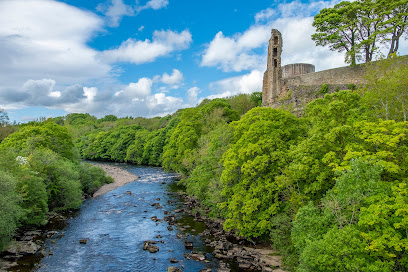
Barnard Castle
44.8 km
Discover Barnard Castle, a stunning historical landmark with breathtaking views and rich stories waiting to be explored.
Unmissable attractions to see

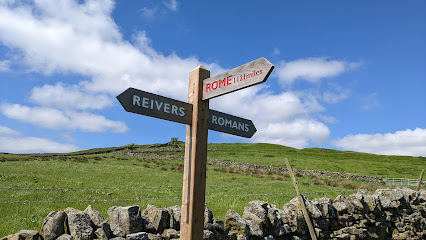
Epiacum Roman Fort
2.9 km
Explore Epiacum Roman Fort, Britain’s highest stone-built Roman stronghold with unique lozenge design and rich archaeological heritage near Alston.
Glassonby Circle
16.2 km
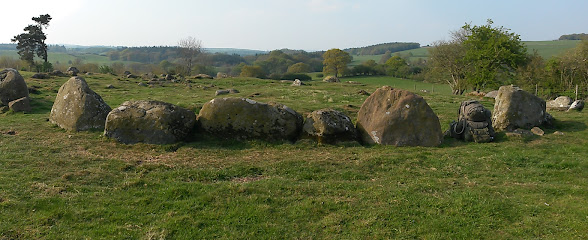
Discover the serene Bronze Age Glassonby Circle in Cumbria’s Eden Valley, a window into ancient rituals amid tranquil countryside.
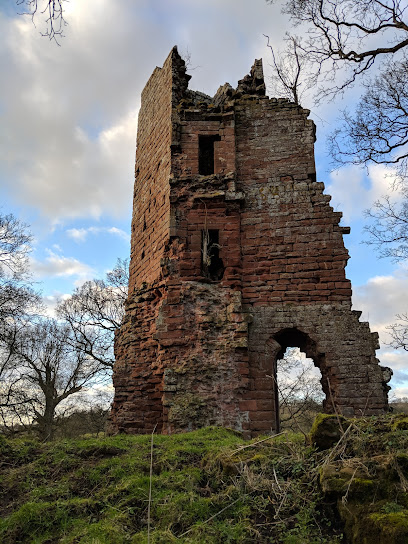
Kirkoswald Castle
16.7 km
Discover the evocative ruins of Kirkoswald Castle, a medieval stronghold steeped in history and nestled in the scenic Cumbrian countryside.
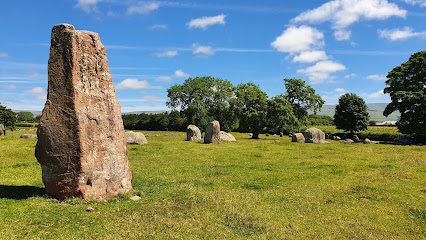
Long Meg and Her Daughters
17.4 km
Explore one of Britain’s largest Neolithic stone circles, steeped in ancient mystery, celestial alignments, and captivating folklore near Penrith.
Lacy's Caves
17.4 km
Explore the enchanting 18th-century sandstone caves carved above the River Eden, blending history and natural beauty in Cumbria.
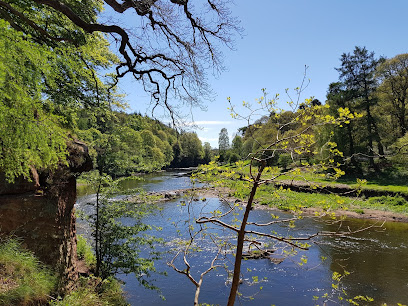
National Trust - Allen Banks and Staward Gorge
19.1 km
Explore Northumberland’s largest ancient woodland and dramatic river gorge, rich in wildlife, history, and stunning seasonal colors.
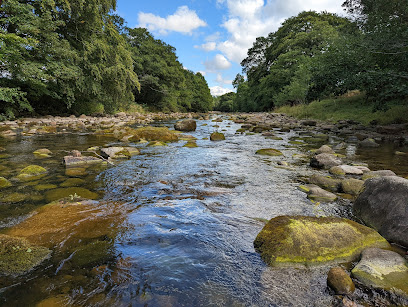
Roman Army Museum
19.7 km
Step into the life of Roman soldiers guarding Hadrian’s Wall with immersive exhibits, authentic artefacts, and live archaeology.
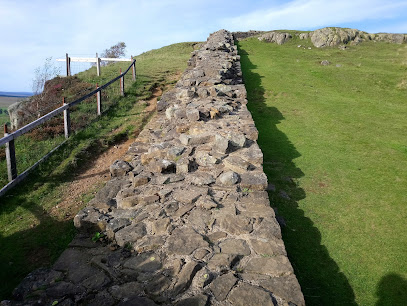
Walltown Quarry Country Park
19.9 km
Explore Roman history and natural beauty at Walltown Quarry Country Park, a peaceful haven on Hadrian’s Wall in Northumberland.
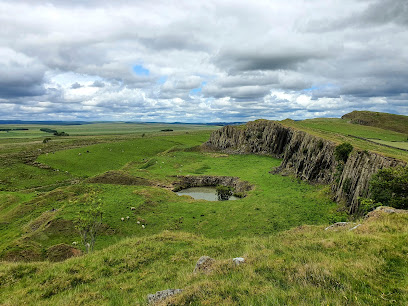
Thirlwall Castle
20.2 km
Explore the evocative ruins of Thirlwall Castle, a medieval stronghold built from Hadrian’s Wall stones, set amid scenic Northumberland countryside.
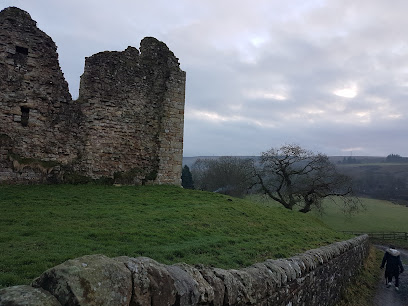
Vindolanda
20.3 km
Explore Vindolanda, a captivating Roman fort and museum with live excavations, ancient writing tablets, and rich artefacts near Hadrian's Wall.
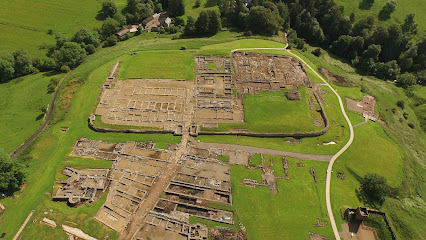
High Cup Nick
20.7 km
Discover the breathtaking glacial valley of High Cup Nick, a dramatic Pennine escarpment offering stunning views and rugged hiking on the famous Pennine Way.
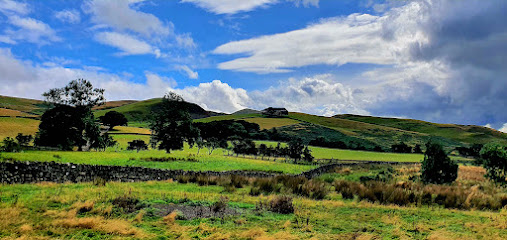
Moor House - Upper Teesdale National Nature Reserve
20.8 km
Explore one of England’s largest upland nature reserves, rich in rare habitats and botanical wonders in the heart of Upper Teesdale.
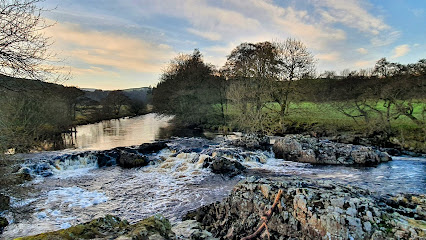
Talkin Tarn Country Park
20.9 km
Explore Talkin Tarn Country Park’s glacial lake, accessible trails, rich wildlife, and family-friendly outdoor activities set against stunning Pennine Hills.
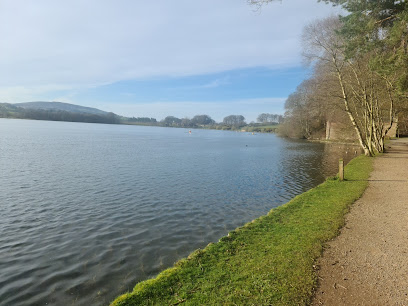
National Trust - Acorn Bank
21.0 km
Historic herb gardens, traditional orchards, and a working watermill in a tranquil Eden Valley estate near Penrith.
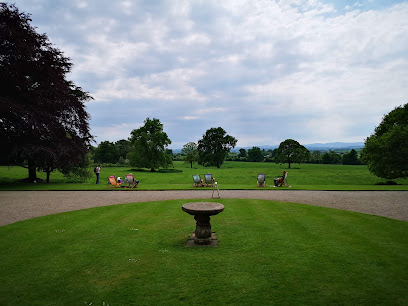
Winderwath Gardens
21.2 km
Discover Winderwath Gardens, a serene and beautifully landscaped private garden in Temple Sowerby, perfect for tranquil nature escapes and plant lovers.
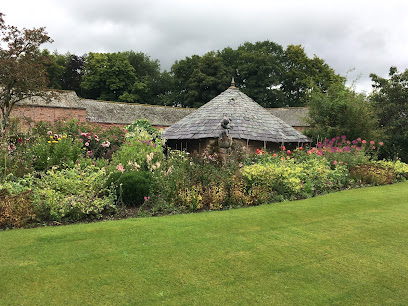
Essential places to dine

Blenkinsopp Castle Inn - Bistro, Bar, Bed & Breakfast, Gardens
18.5 km
Historic charm and cozy hospitality meet in a scenic Northumberland inn set within the ancient stable block of Blenkinsopp Castle.
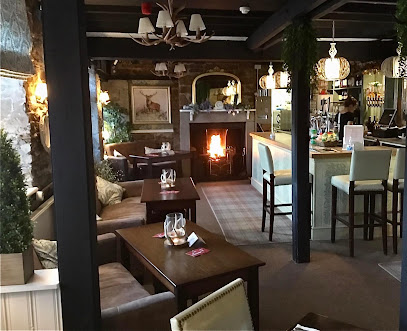
The Stag Inn
21.8 km
Experience authentic Cumbrian hospitality at The Stag Inn—your perfect retreat in Dufton with delicious food and stunning views.
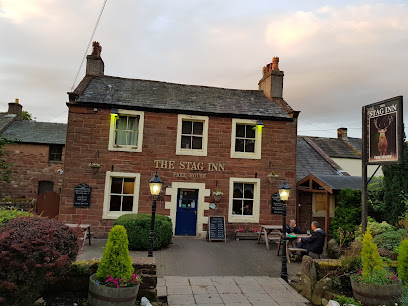
Masons Arms-CUMBRIA-LONG MARTON- APPLEBY-IN WESTMORLAND- CUMBRIA CA166BN CA16 6BN
22.6 km
Historic village pub in Cumbria offering classic British dishes, warm hospitality, and scenic gardens with sunset views.
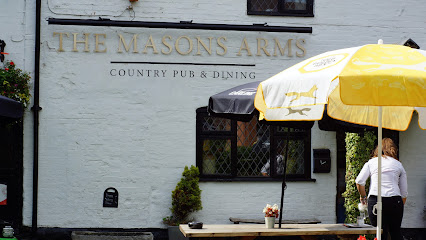
The New Crown Inn
24.6 km
A charming 4-star country pub and boutique inn in Bolton, offering cozy rooms, hearty food, and warm hospitality near Appleby-in-Westmorland.
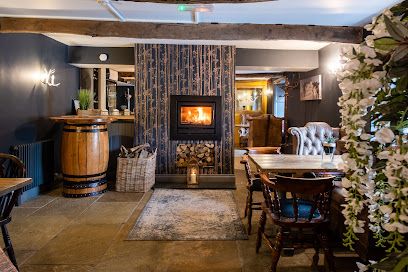
Four & Twenty
26.0 km
A charming Penrith bistro serving fresh, seasonal British dishes with global flair and a curated wine and cocktail selection.
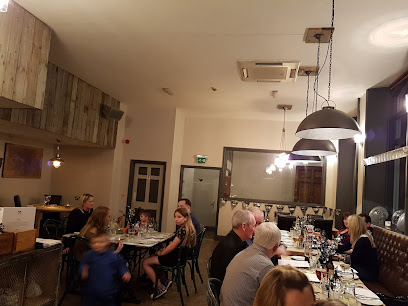
7eventy1 Appleby-in-westmorland, Cumbria
26.5 km
Authentic Indian flavors with personalized service in the historic heart of Appleby-in-Westmorland.
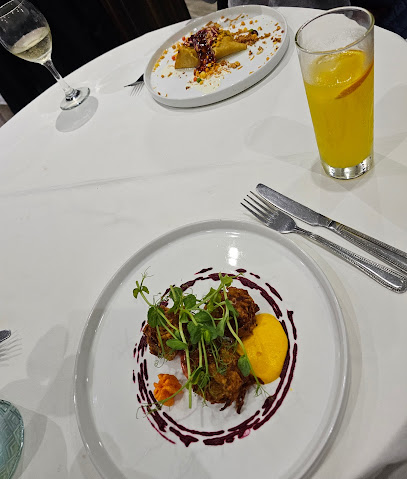
Crown & Cushion Inn
26.5 km
Experience traditional British hospitality at Crown & Cushion Inn in scenic Appleby-in-Westmorland with cozy accommodations and delicious meals.
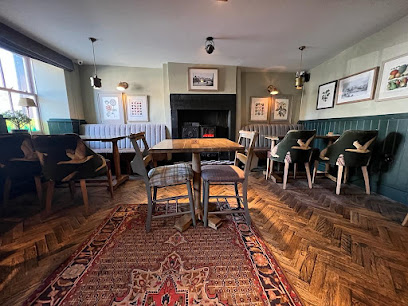
FYR Grill at North Lakes Hotel
27.0 km
Experience modern British grilling with local flavors and a relaxed atmosphere at FYR Grill, Penrith’s acclaimed restaurant within North Lakes Hotel.
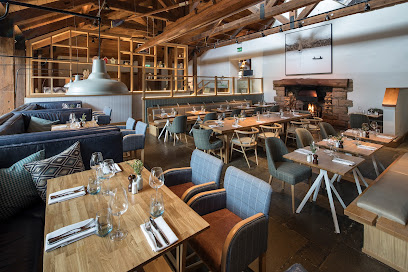
The Hired Lad Restaurant
27.4 km
A cozy café and restaurant in Penrith’s Agricultural Hall serving hearty British fare in a warm, community-focused setting.

Danielle's Bistro
27.8 km
Cozy family-run bistro blending Mediterranean and British flavors with generous portions and attentive service in the heart of Hexham.
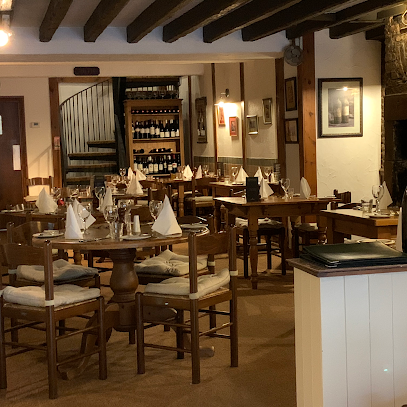
Fini’s. The Restaurant at Willowbeck Lodge
28.9 km
Charming countryside dining with fresh, locally inspired dishes at Willowbeck Lodge near Carlisle.
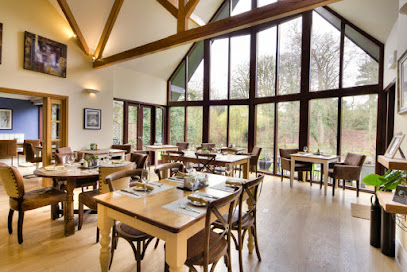
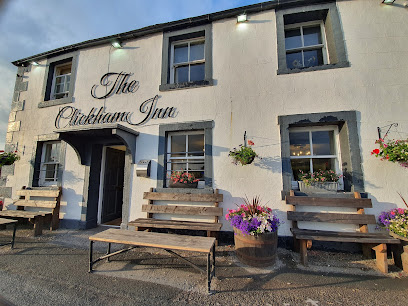
The Clickham Inn
29.6 km
A stylish Mediterranean tapas inn near Penrith offering authentic flavors, warm hospitality, and a dog-friendly atmosphere on the edge of the Lake District.
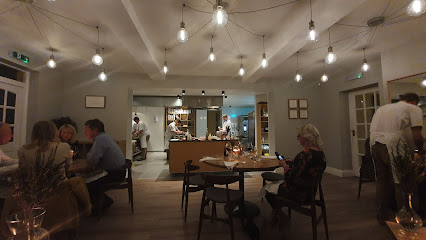
Restaurant Hjem
29.7 km
Michelin-starred Scandinavian fine dining in Northumberland, blending local ingredients with Nordic precision in a warm, intimate setting.
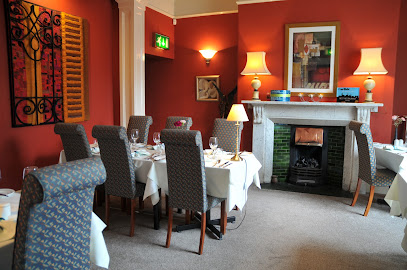
David's Restaurant
32.4 km
Elegant British and European fine dining in a charming Victorian townhouse at the heart of Carlisle.
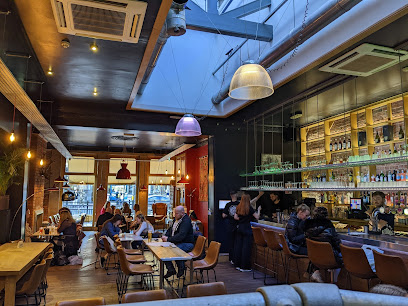
The Last Zebra
32.6 km
A lively gastropub and wine bar in Carlisle, serving world-inspired small plates, craft cocktails, and a welcoming atmosphere for all occasions.
Markets, malls and hidden boutiques

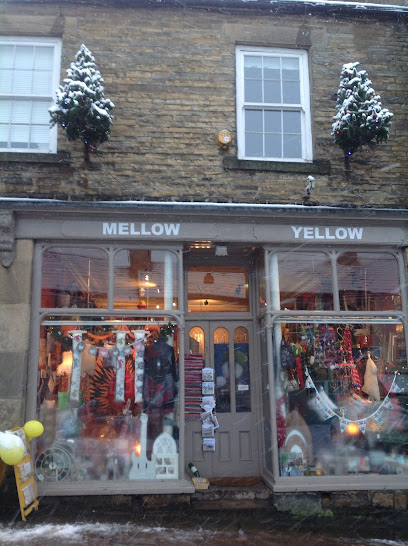
Mellow Yellow
0.4 km
Discover Mellow Yellow, Alston’s quirky and welcoming gift shop with a treasure trove of vintage and contemporary finds at the top of Front Street.
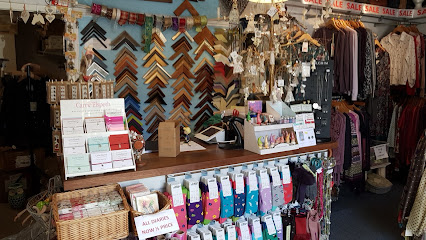
Simply Gorgeous Gifts with Scotia Framing
23.5 km
A charming gift shop and picture framing service in Brampton’s market building, offering candles, jewellery, cards, and bespoke frames for thoughtful presents and cherished memories.
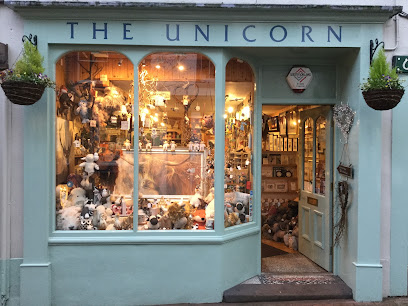
The Unicorn
26.1 km
Discover unique gifts and artistic treasures in Penrith’s beloved independent shop, The Unicorn, open Monday to Saturday.
Barry Mckay Rare Books
26.1 km
Discover rare and fine books celebrating the art and history of the book in a charming Appleby-in-Westmorland setting.
The Cupboard Under The Stairs
26.5 km
Discover unique handcrafted gifts and magical Harry Potter treasures in the heart of Appleby-in-Westmorland’s historic market street.
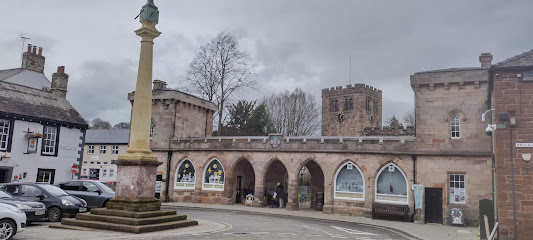
Branthwaites of Appleby
26.6 km
Discover unique local gifts and warm hospitality at Branthwaites, a charming shop nestled in the historic heart of Appleby-in-Westmorland.
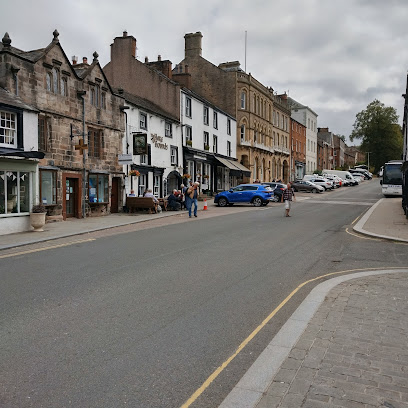
Tesco Extra
28.1 km
A versatile and convenient supermarket hub in Hexham’s Tynedale Retail Park, offering extended hours, fresh produce, clothing, and modern shopping services.

Much Love X
32.0 km
Discover unique gifts and local crafts at Much Love X, a charming gift shop in Currock, Carlisle, perfect for tourists seeking authentic souvenirs.
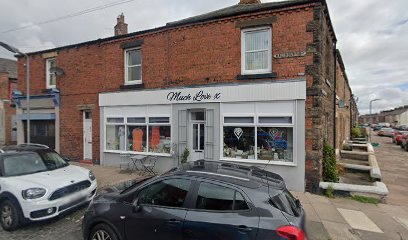
Warwick Bazaar
32.6 km
Discover Carlisle’s quirky vintage haven filled with retro treasures, eclectic curios, and a vibrant cultural vibe.
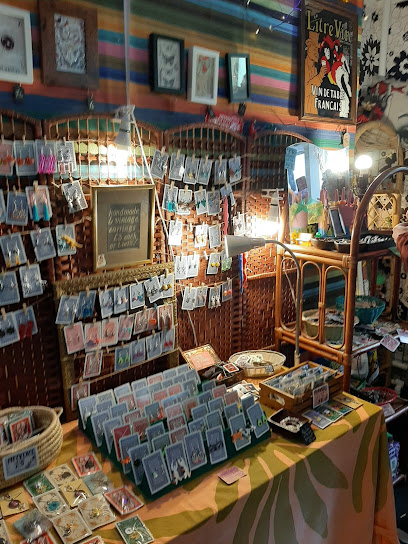
Carlisle World Shop Cooperative Ltd
32.8 km
Discover ethical treasures and fair trade crafts in Carlisle’s welcoming cooperative gift shop.
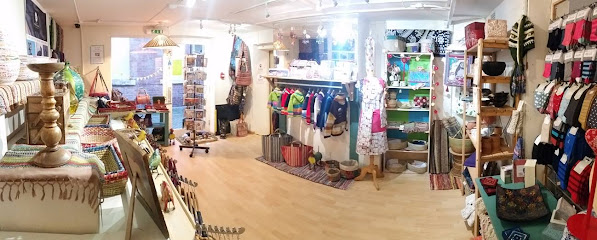
The Lanes Shopping Centre
32.8 km
A vibrant indoor shopping destination in Carlisle city centre, blending high street brands with local charm and convenient amenities.
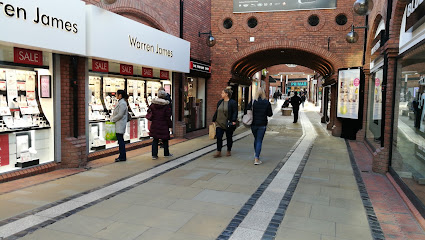
The Barn
33.0 km
Discover locally sourced gifts, quality outdoor gear, and delightful treats at The Barn in scenic Pooley Bridge.
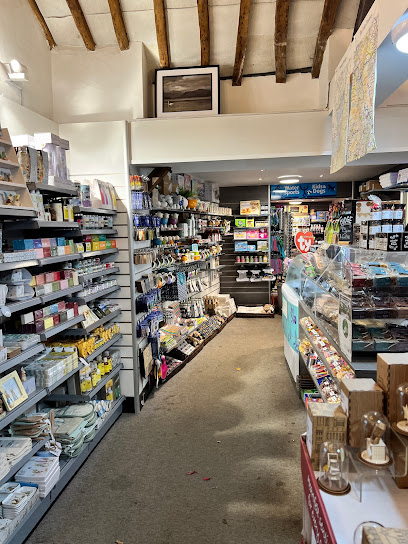
The Emporium
33.1 km
A vibrant creative hub in Carlisle offering gifts, art supplies, painting lessons, and community events in a historic setting.
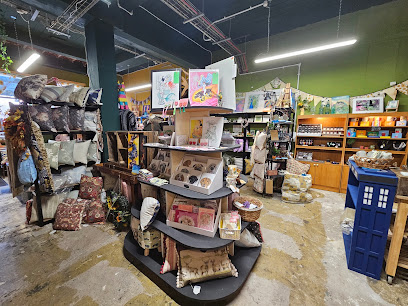
Souvenir Antiques
33.1 km
Explore authentic Roman coins and antiquities in Carlisle’s historic Bookcase, connecting you to Hadrian’s legacy and Roman Britain.
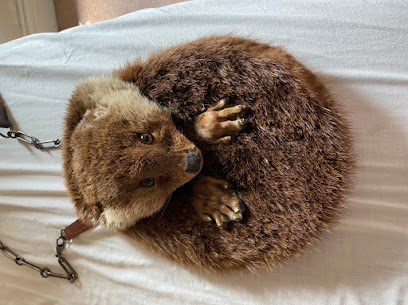
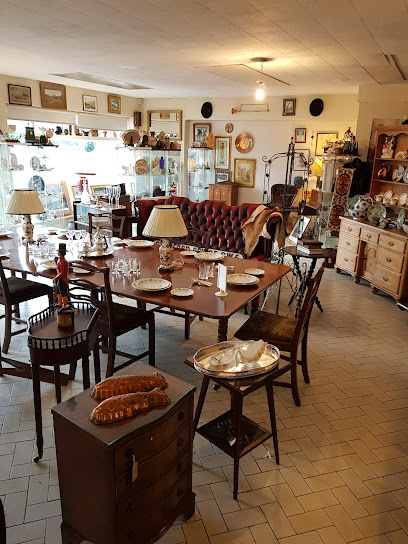
Cumbria Curiosity Shop
33.4 km
Explore Carlisle’s hidden gem for antiques and vintage treasures, where history and unique finds come alive in every corner.
Essential bars & hidden hideouts

The Twice Brewed Inn
20.4 km
Historic pub and cozy inn near Hadrian’s Wall, offering hearty meals, award-winning brews, and unique stargazing in scenic Northumberland.
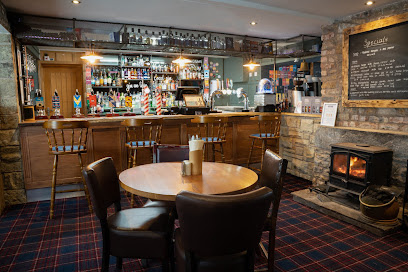
String of Horses Inn
22.4 km
Historic coaching inn with charming rooms, cozy fires, and quality dining nestled in Cumbria’s scenic countryside near Hadrian’s Wall.
The Warehouse
25.9 km
A lively multi-bar nightclub in Penrith offering vibrant weekend nightlife with music, dancing, and a welcoming social scene.
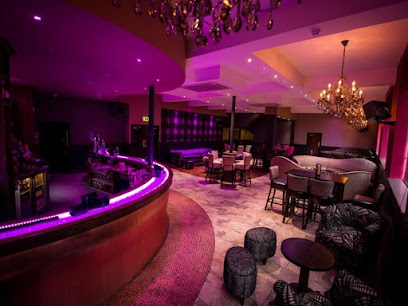
Penrith Conservative Club
26.1 km
A welcoming social venue in Penrith offering lively events, a classic bar, and community spirit in the heart of Cumbria.
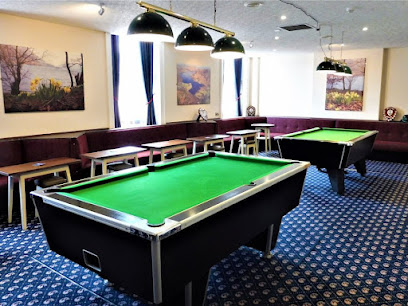
The Dog Beck
26.1 km
Historic charm meets modern hospitality at The Dog Beck, Penrith’s welcoming Wetherspoon pub open from early morning until late night.
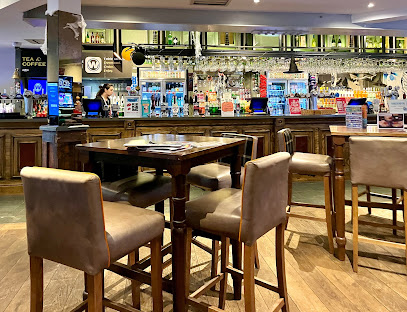
Board & Elbow
26.1 km
A lively, family-friendly pub in Penrith serving traditional British classics, local ales, and offering a warm atmosphere with a charming beer garden.
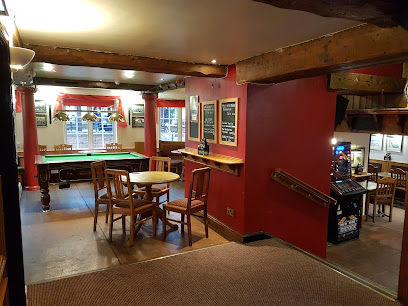
The Red Lion
26.3 km
Historic pub and cozy inn in Newbrough offering hearty British fare, real ales, and welcoming hospitality in the heart of Northumberland.
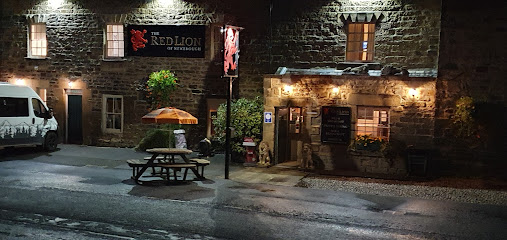
Hare & Hounds
26.6 km
Traditional British pub in Appleby with cozy log fire, excellent real ales, and a friendly, welcoming atmosphere.
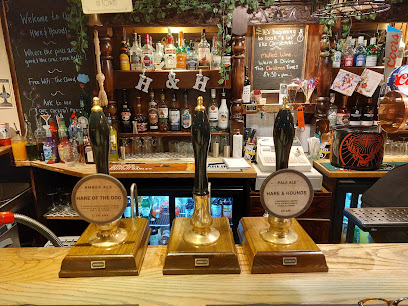
Royal Oak Inn
26.9 km
Charming 17th-century coaching inn in Appleby with cozy rooms, excellent local food, and warm, dog-friendly hospitality in the heart of Eden Valley.
The Tannery
27.8 km
Traditional pub charm meets hearty fare and lively atmosphere in the heart of Hexham’s Gilesgate.
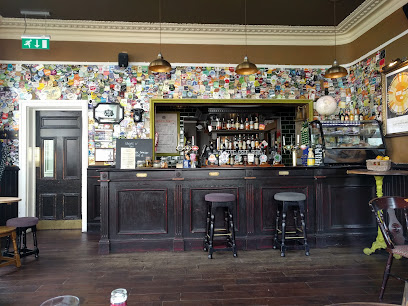
Heart of Northumberland
27.9 km
A historic, cozy pub in Hexham serving hearty British classics, local ales, and vegan options with warm hospitality and a roaring fire.
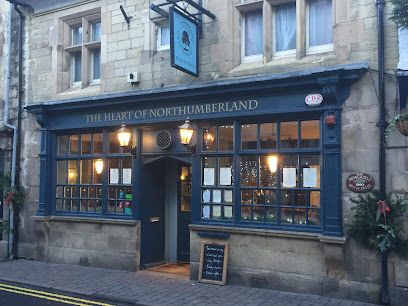
Mr Ant's
27.9 km
A quirky, family-run cocktail bar and café in Hexham’s historic market town, blending local flavors with lively evenings and live music.
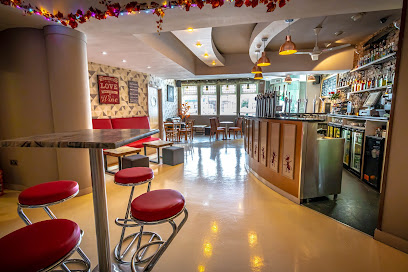
Phoenix Club & Bar
28.1 km
Lively nightlife and top-notch cocktails in the heart of historic Hexham on Priestpopple.
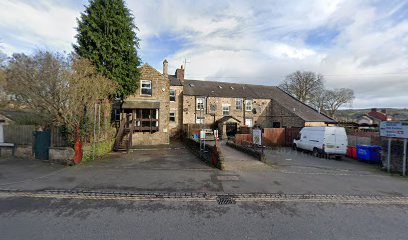
Pennine View Bar/Restaurant
30.2 km
Rustic charm and local flavors meet breathtaking Pennine views at this cozy bar and restaurant in Appleby-in-Westmorland.
Harraby Pub & Kitchen
30.9 km
A family-friendly British pub in Carlisle offering classic dishes, local ales, a lively beer garden, and a warm, welcoming atmosphere all day long.
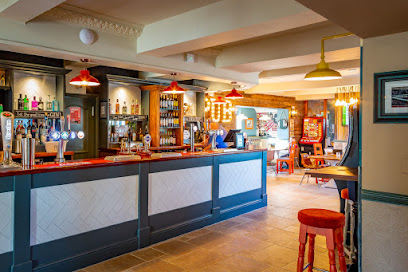
Nightclubs & after hour spots

secret bridge
16.6 km
Experience vibrant nightlife and lively music at Secret Bridge, Milburn’s premier nightclub near Penrith in the scenic Eden District.
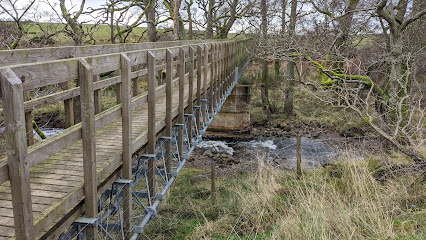
The loose moose
26.1 km
A lively and welcoming nightclub in Penrith offering cocktails, music, and community spirit in the heart of Cumbria’s Eden District.

Secret Carlisle
32.4 km
Experience energetic nights and vibrant music at Secret Carlisle, the city centre nightclub where Carlisle’s historic charm meets modern nightlife.
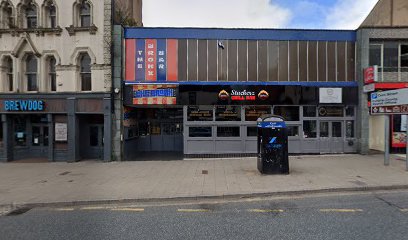
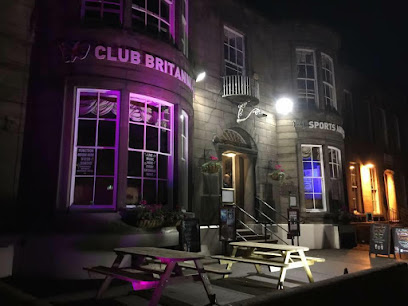
Club Britannia
32.7 km
A vibrant social club in Carlisle offering live music, friendly vibes, and affordable drinks in a smart, welcoming setting.
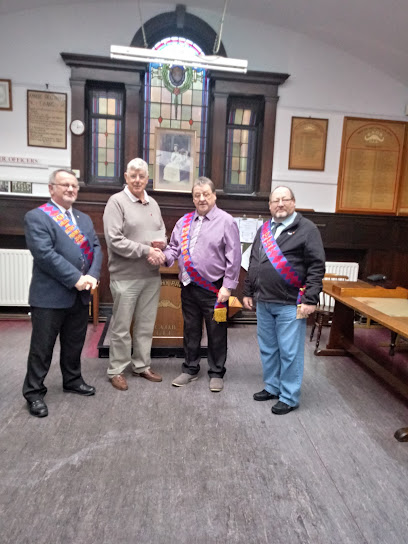
Carlisle R A O B Club
33.0 km
Historic social club in Carlisle offering lively events and a welcoming atmosphere rooted in the Royal Antediluvian Order of Buffaloes tradition.
Black Box Music Institute
33.1 km
An intimate old-style nightclub and cultural hub in Carlisle offering live music, festivals, and art exhibitions in a vibrant setting.
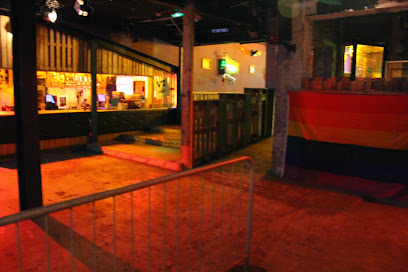
Warehouse Night Club(SR44)
55.0 km
Experience Newcastle’s vibrant underground gay nightclub scene at Warehouse Night Club (SR44), where eclectic music and lively parties come alive.
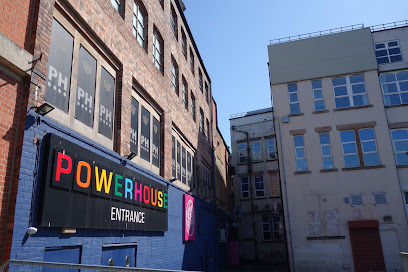
Powerhouse
55.1 km
Newcastle’s iconic four-floor nightclub blending rich LGBTQ+ history with vibrant, inclusive nightlife and dynamic music scenes.
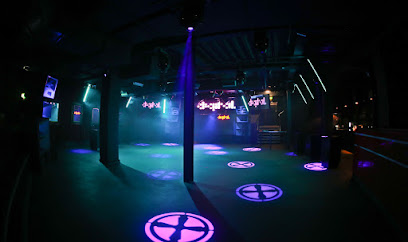
Digital
55.2 km
Experience cutting-edge nightlife with superior sound and vibrant energy at Digital, Newcastle’s premier clubbing destination in Times Square.
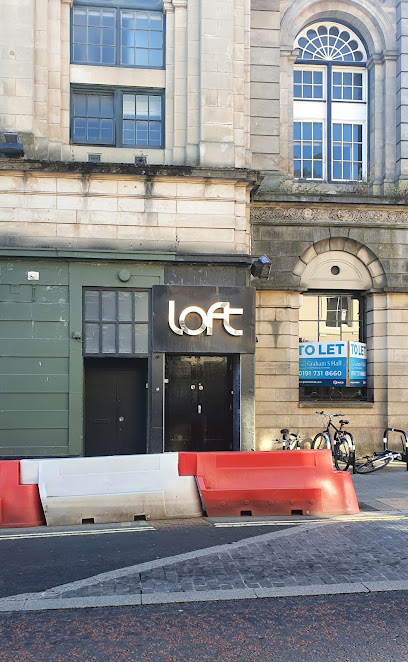
Loft Durham
55.4 km
Discover Loft Durham, the ultimate nightlife destination offering vibrant music, energetic dancing, and a chic atmosphere in the heart of Durham.
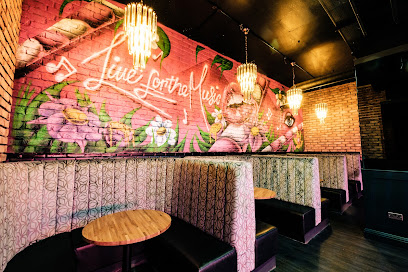
Cosmic Ballroom
55.4 km
Newcastle's longest-running underground club: two floors of electronic beats, guest DJs, and non-stop dancing till dawn in an intimate Stowell Street hideaway.

Sinners
55.6 km
Dive into sinfully themed nights at this affordable Newcastle nightclub, where red lights, bold art, and cheap drinks fuel the city's unbeatable party spirit.

Bohemia Durham
55.7 km
Bohemia Durham pulses with vibrant nightlife energy, offering dynamic music and a lively social scene in the heart of historic Durham.
The Social Club
55.7 km
Experience Newcastle’s vibrant nightlife at The Social Club, where music, cocktails, and dancing come alive until the early hours.
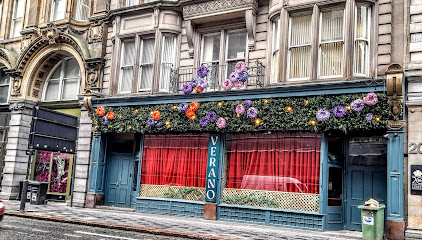
Fabio's Bar
55.7 km
Durham’s lively student nightclub and live music bar above the iconic La Spaghettata, buzzing with events and authentic local charm.

For the vibe & atmosphere seeker
- Relaxing
- Scenic
- Unique
- Tranquil
- Cultural Heritage
For the design and aesthetic lover
- Vintage Styles
- Rustic Designs
For the architecture buff
- Historic
- Landmarks
- Parks & Gardens
For the view chaser and sunset hunter
- Iconic Views
- Panoramas
- Sunset Spots
For the social media creator & influencer
- Instagrammable
- Photo Spots
- Selfie Spots
For the eco-conscious traveler
- Sustainable
- Eco-Friendly
- Locally Managed
- Public-Transport Accessible
- Leave-No-Trace Critical
For the kind of experience you’re after
- Cultural Heritage
- Nature Escape
- Day Trip
- Weekend Getaway
- Photowalk
For how adventurous you want the journey to be
- Easy Access
Location Audience
- Family Friendly
- Senior Friendly
- Child Friendly
- Teen Friendly
- Wheelchair Access
- Pet Friendly
- Couple Friendly
- Solo Friendly
- Vegetarian Friendly
- Vegan Friendly


