

Epiacum Roman Fort: Britain's Highest Stone-Built Roman Stronghold
Explore Epiacum Roman Fort, Britain’s highest stone-built Roman stronghold with unique lozenge design and rich archaeological heritage near Alston.
Epiacum Roman Fort, also known as Whitley Castle, is a unique early 2nd-century AD Roman fort near Alston, Cumbria. Distinguished by its rare lozenge shape and commanding hilltop position, it once housed around 600 soldiers guarding northern frontier routes and local lead mining. Visitors can explore extensive earthworks, archaeological remains, and enjoy panoramic views of the North Pennines, immersing themselves in a key site of Roman Britain’s military and industrial history.
A brief summary to Epiacum Roman Fort
- Alston, CA9 3BG, GB
- +441434382080
- Visit website
- Duration: 1 to 3 hours
- Budget
-
 Outdoor
- Mobile reception: 3 out of 5
Local tips
- Wear sturdy footwear for walking the uneven earthworks and trails around the fort.
- Bring binoculars or a camera to capture panoramic views of the North Pennines.
- Check for guided tours or archaeological events offered by Epiacum Heritage to enhance your visit.
- Prepare for variable upland weather; layers and waterproofs are recommended.
- Combine your visit with a walk along nearby trails like the Pennine Way or Isaac’s Tea Trail.

For the on-the-go comforts that matter to you
- Restrooms
- Seating Areas
- Information Boards
Getting There
-
Bus and Walk
Take the local bus service from Alston town center to the nearest stop about 3 km from Epiacum. From there, enjoy a 40-50 minute moderate walk along marked trails through scenic upland terrain to reach the fort. Bus fares range from £3 to £6 one way.
-
Car
Drive from Alston to the Epiacum car park via local country roads, approximately a 10-minute journey. Parking is limited and free but can fill on busy days. The final approach involves a short walk over uneven ground.
-
Heritage Railway and Walk
During the tourist season, take the South Tynedale Railway heritage train from Alston to Kirkhaugh station, then walk approximately 2 km uphill to Epiacum. The train ride is about 30 minutes, tickets cost around £10-£15, and the walk is moderately challenging.
Epiacum Roman Fort location weather suitability
-
 Any Weather
-
 Rain / Wet Weather
-
 Clear Skies
-
 Windy Conditions
-
 Cold Weather
-
 Mild Temperatures
Discover more about Epiacum Roman Fort
A Distinctive Roman Military Outpost in Northern England
Epiacum Roman Fort, known historically as Whitley Castle, stands as the highest stone-built Roman fort in Britain. Constructed in the early 2nd century AD by the Roman army, it was strategically positioned near Alston, Cumbria, to protect the northern frontier and oversee the valuable lead mining operations in the region. Unlike the typical rectangular Roman forts, Epiacum’s layout is uniquely lozenge-shaped—a parallelogram adapted to the terrain—making it an architectural anomaly among Roman military sites in Britain.Archaeological Insights into Roman Life and Military Engineering
The fort was home to a garrison of approximately 600 soldiers, including infantry and cavalry units. Excavations have uncovered the remains of barracks, granaries, a headquarters building (principia), and a commandant’s house within the fort’s walls. Outside, a bathhouse and temples dedicated to Emperor Caracalla, Hercules, and the god Mithras reveal the spiritual and daily life of its occupants. The complex defensive earthworks—walls, ditches, and ramparts—are remarkably well-preserved, showcasing advanced Roman military engineering adapted to a challenging upland environment.Historical Significance and Evolution Through Time
Epiacum was built early in the 2nd century AD, partly demolished and rebuilt around AD 200, coinciding with northern tribal uprisings. It underwent further modifications around AD 300 before being abandoned around AD 367 as Roman control waned. The fort’s name, Epiacum, likely derives from a local Brigantes tribe leader, reflecting the blending of Roman and native cultures. Its location along the Maiden Way Roman road connected it to other frontier sites, underscoring its role in regional defense and administration.Exploring the Site and Its Surroundings Today
Visitors can walk the extensive earthworks and imagine the bustling activity of Roman soldiers and civilians. The site’s elevated position offers sweeping panoramic views of the surrounding North Pennines countryside, enhancing the sense of historical immersion. Nearby trails such as the Pennine Way and Isaac’s Tea Trail provide scenic approaches, while occasional archaeological events invite hands-on participation. The solitude and rugged beauty of the landscape evoke reflections on the fort’s enduring legacy.Educational and Interactive Opportunities
Epiacum Heritage, the organization dedicated to preserving the site, offers guided tours, educational programs, and archaeological digs designed to engage visitors of all ages. These experiences deepen understanding of Roman military strategy, daily life, and the broader historical context of Roman Britain. The site serves as both a cultural heritage landmark and a living classroom for archaeology and history enthusiasts.Legacy and Continuing Research
Ongoing archaeological investigations at Epiacum continue to reveal new insights into Roman frontier life and military logistics. The fort’s unique structure and rich artifact finds contribute significantly to the study of Roman Britain and the Brigantes territory. As a protected site, Epiacum stands as a testament to the Roman Empire’s reach and the complex history of northern England’s ancient landscapes.Iconic landmarks you can’t miss

Hare Hill - Hadrian's Wall
20.6 km
Explore Hare Hill, Cumbria’s tallest surviving stretch of Hadrian's Wall, where Roman history stands proudly amidst tranquil countryside.
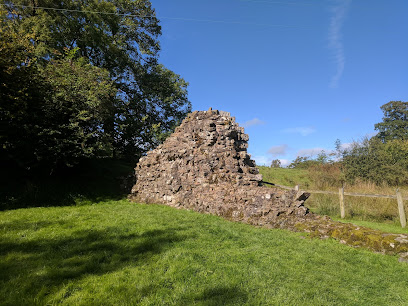
Market Cross Monument
30.2 km
Historic 1682 Market Cross in Carlisle, a Grade I listed monument marking centuries of market heritage and civic pride.
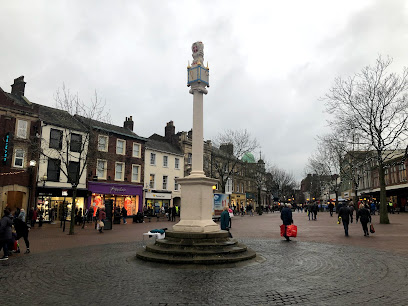
Guildhall Museum
30.3 km
Explore Carlisle’s medieval heritage in the historic Guildhall Museum, a Grade I listed building and former guild meeting place dating back to 1407.
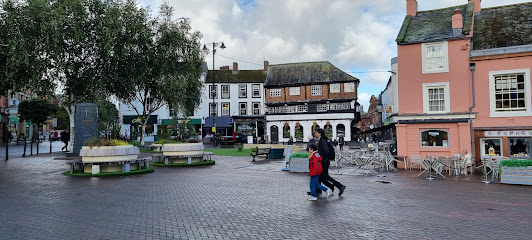
Westmorland Street
30.4 km
Experience the heart of Carlisle at Westmorland Street, your essential transit hub to explore historic attractions and local charm.

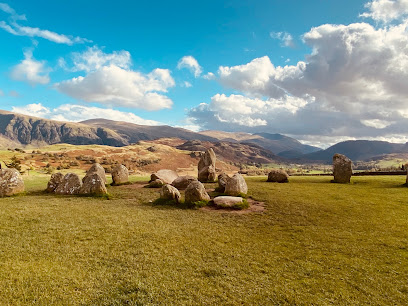
The Cockpit Stone Circle
33.9 km
Explore The Cockpit Stone Circle, an ancient historical site near Penrith, where history and natural beauty converge in a tranquil setting.
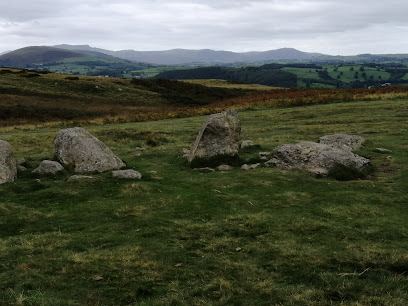
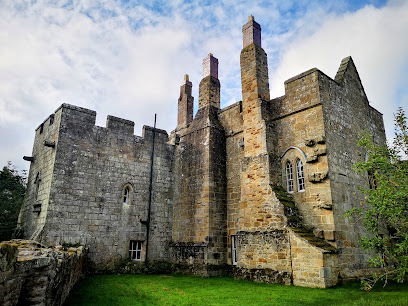
Aydon Castle
35.2 km
Discover Aydon Castle, a medieval treasure in Northumberland where history comes alive amidst stunning architecture and breathtaking landscapes.
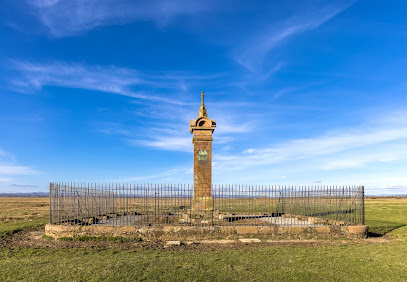
King Edward Monument
38.8 km
A solitary sandstone pillar on windswept Burgh Marsh marking the final resting place of King Edward I, the Hammer of the Scots.
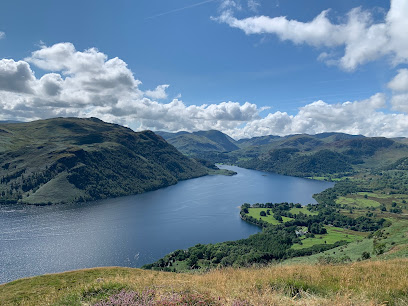
National Trust - Aira Force and Ullswater
40.7 km
Experience breathtaking beauty at Aira Force and Ullswater, the crown jewel of the Lake District, with cascading waterfalls and stunning landscapes.
Aira Force Waterfall
40.8 km
Explore Aira Force Waterfall, a breathtaking natural attraction in the Lake District, offering stunning views and exhilarating hiking adventures amidst lush landscapes.
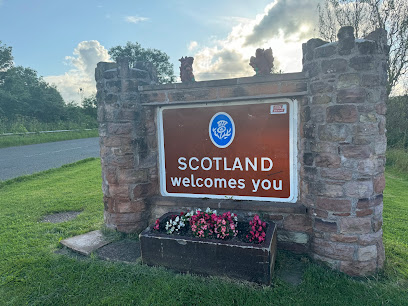
Welcome To England Sign
41.0 km
Experience the charm of England at the Welcome to England Sign in Gretna, where history and hospitality meet in picturesque surroundings.
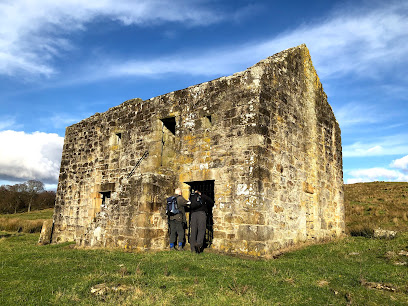
Black Middens Bastle House
42.0 km
Explore the historic Black Middens Bastle House, a gem of Northumberland, revealing the stories of England's past amidst stunning natural landscapes.
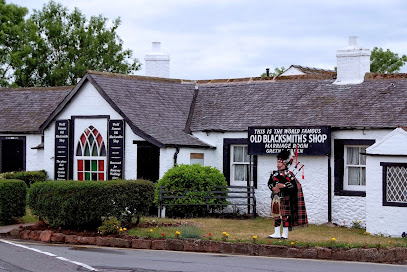
Gretna Green Famous Blacksmiths Shop
42.1 km
Discover the enchanting Gretna Green Famous Blacksmiths Shop, where love stories are celebrated and unforgettable memories are made.
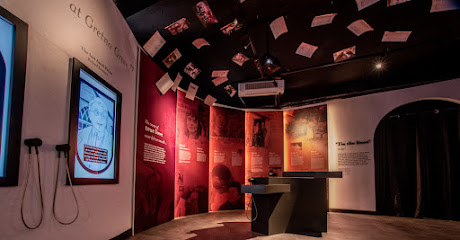
Famous Blacksmiths Gretna Green Experience
42.1 km
Explore the enchanting history of love and craftsmanship at Gretna Green's Famous Blacksmiths Experience, a timeless Scottish destination.
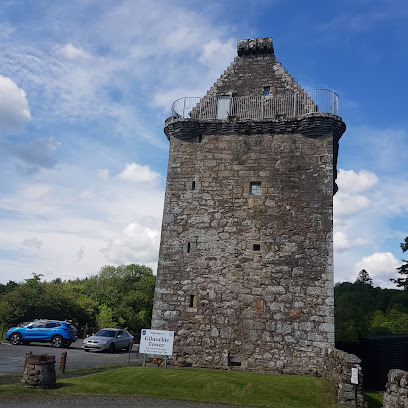
Gilnockie Tower
43.2 km
Explore the rich history and stunning architecture of Gilnockie Tower in Canonbie, a must-visit historical landmark in Scotland.
The Westmorland Family
43.4 km
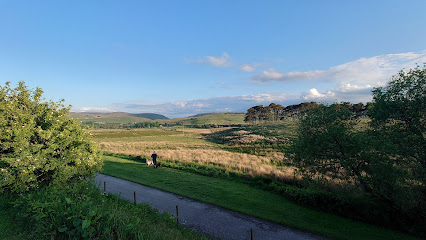
Discover comfort and local flavors at The Westmorland Family, a charming rest stop in Orton, Penrith, perfect for travelers exploring Cumbria.
Unmissable attractions to see

South Tynedale Railway
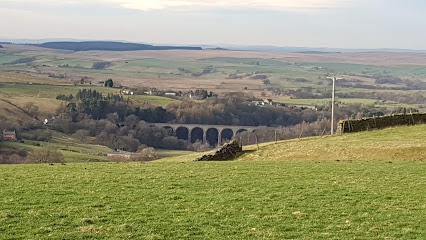
2.9 km
Experience vintage rail travel through the breathtaking North Pennines on the historic South Tynedale Railway, a testament to industrial heritage and community spirit.
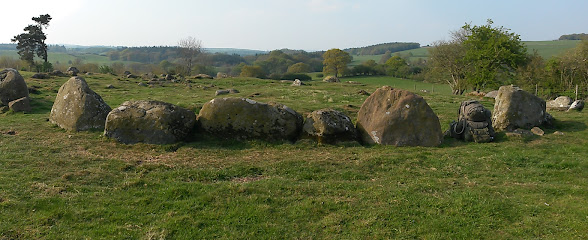
Glassonby Circle
15.4 km
Discover the serene Bronze Age Glassonby Circle in Cumbria’s Eden Valley, a window into ancient rituals amid tranquil countryside.
Kirkoswald Castle
15.5 km
Discover the evocative ruins of Kirkoswald Castle, a medieval stronghold steeped in history and nestled in the scenic Cumbrian countryside.
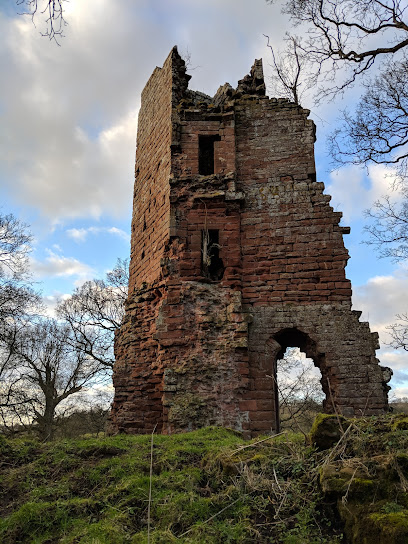
Lacy's Caves
16.7 km
Explore the enchanting 18th-century sandstone caves carved above the River Eden, blending history and natural beauty in Cumbria.
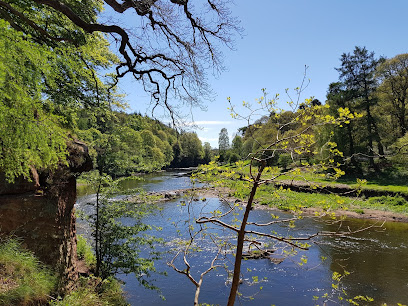
Long Meg and Her Daughters
16.9 km
Explore one of Britain’s largest Neolithic stone circles, steeped in ancient mystery, celestial alignments, and captivating folklore near Penrith.
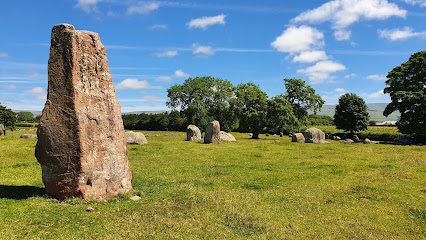
Roman Army Museum
17.3 km
Step into the life of Roman soldiers guarding Hadrian’s Wall with immersive exhibits, authentic artefacts, and live archaeology.
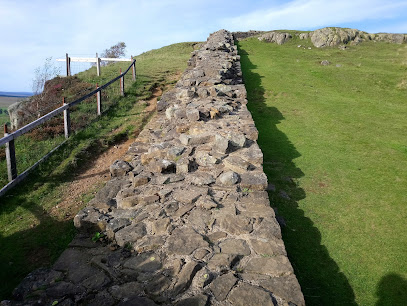
Walltown Quarry Country Park
17.6 km
Explore Roman history and natural beauty at Walltown Quarry Country Park, a peaceful haven on Hadrian’s Wall in Northumberland.
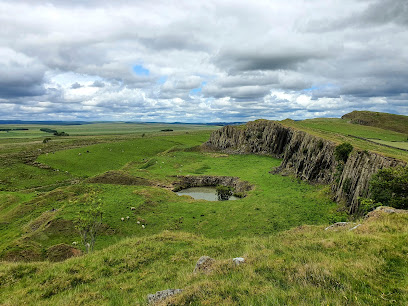
Thirlwall Castle
17.8 km
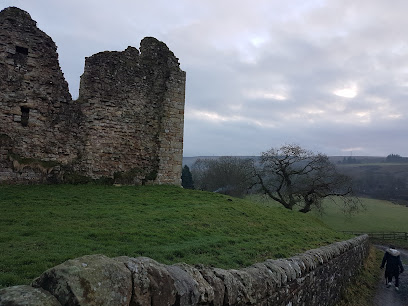
Explore the evocative ruins of Thirlwall Castle, a medieval stronghold built from Hadrian’s Wall stones, set amid scenic Northumberland countryside.
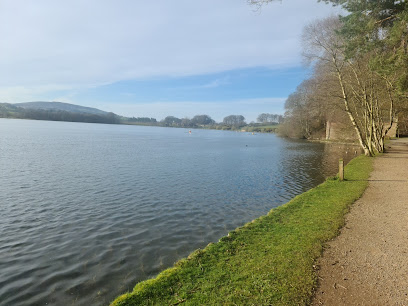
Talkin Tarn Country Park
18.0 km
Explore Talkin Tarn Country Park’s glacial lake, accessible trails, rich wildlife, and family-friendly outdoor activities set against stunning Pennine Hills.
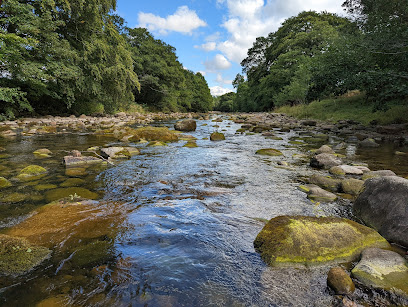
National Trust - Allen Banks and Staward Gorge
18.4 km
Explore Northumberland’s largest ancient woodland and dramatic river gorge, rich in wildlife, history, and stunning seasonal colors.
Vindolanda
19.2 km
Explore Vindolanda, a captivating Roman fort and museum with live excavations, ancient writing tablets, and rich artefacts near Hadrian's Wall.
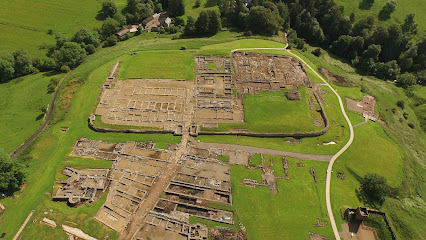
Hadrian's Wall
19.3 km
Discover Hadrian's Wall, a historic Roman frontier showcasing ancient ruins, breathtaking landscapes, and immersive experiences in England's rich cultural heritage.
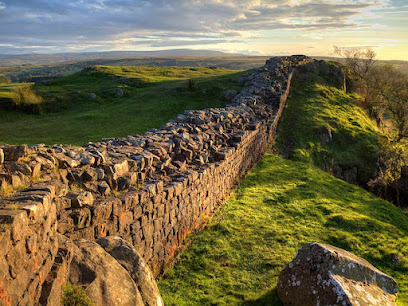
Birdoswald Roman Fort - Hadrian's Wall
19.3 km
Explore one of Hadrian’s Wall’s best-preserved Roman forts with immersive ruins, stunning views, and engaging family-friendly exhibits.
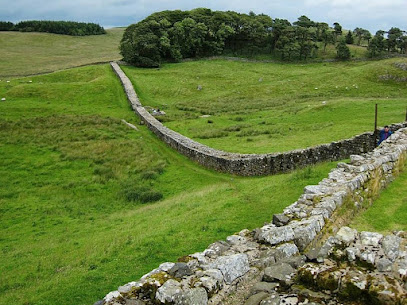
Sycamore Gap
20.2 km
Explore the enchanting Sycamore Gap, a historical landmark in Northumberland National Park, offering stunning views along Hadrian's Wall.
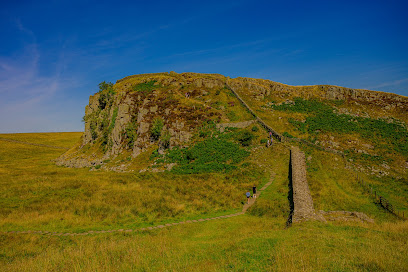
Lanercost Priory
20.4 km
Discover the enchanting Lanercost Priory, a historical landmark steeped in rich heritage, stunning architecture, and serene natural beauty near Brampton.
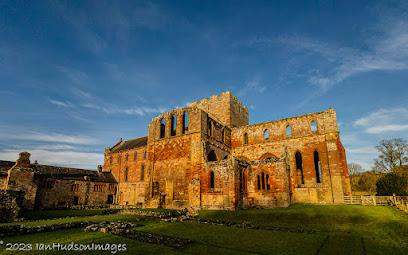
Essential places to dine

Blenkinsopp Castle Inn - Bistro, Bar, Bed & Breakfast, Gardens
16.1 km
Historic charm and cozy hospitality meet in a scenic Northumberland inn set within the ancient stable block of Blenkinsopp Castle.
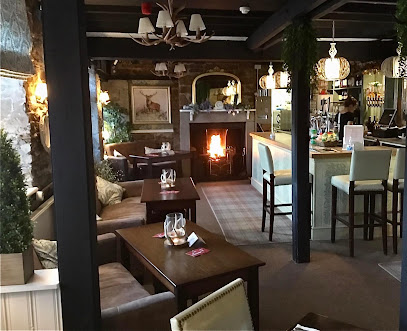
The Stag Inn
23.6 km
Experience authentic Cumbrian hospitality at The Stag Inn—your perfect retreat in Dufton with delicious food and stunning views.
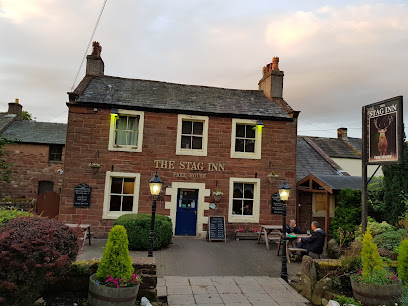
Masons Arms-CUMBRIA-LONG MARTON- APPLEBY-IN WESTMORLAND- CUMBRIA CA166BN CA16 6BN
24.2 km
Historic village pub in Cumbria offering classic British dishes, warm hospitality, and scenic gardens with sunset views.
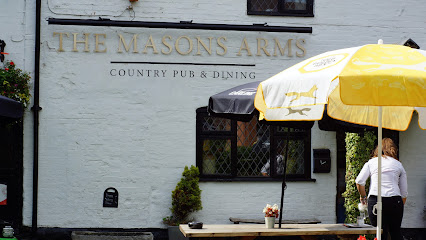
Four & Twenty
25.8 km
A charming Penrith bistro serving fresh, seasonal British dishes with global flair and a curated wine and cocktail selection.
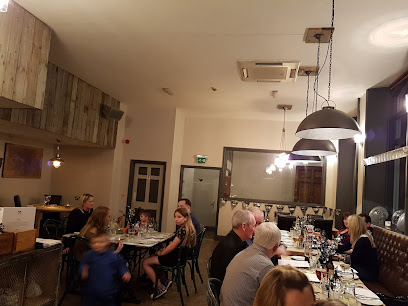
The New Crown Inn
26.0 km
A charming 4-star country pub and boutique inn in Bolton, offering cozy rooms, hearty food, and warm hospitality near Appleby-in-Westmorland.
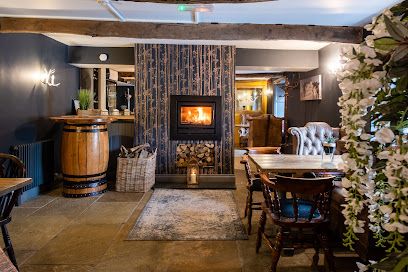
Fini’s. The Restaurant at Willowbeck Lodge
26.2 km
Charming countryside dining with fresh, locally inspired dishes at Willowbeck Lodge near Carlisle.
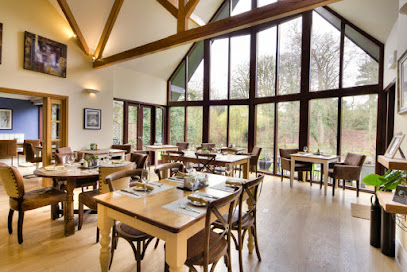
FYR Grill at North Lakes Hotel
26.8 km
Experience modern British grilling with local flavors and a relaxed atmosphere at FYR Grill, Penrith’s acclaimed restaurant within North Lakes Hotel.
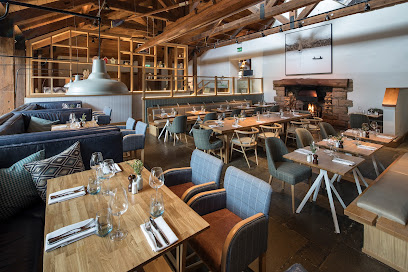
The Hired Lad Restaurant
27.1 km
A cozy café and restaurant in Penrith’s Agricultural Hall serving hearty British fare in a warm, community-focused setting.
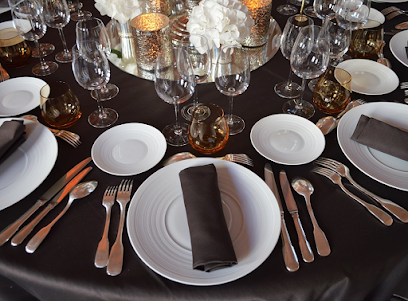
7eventy1 Appleby-in-westmorland, Cumbria
28.3 km
Authentic Indian flavors with personalized service in the historic heart of Appleby-in-Westmorland.
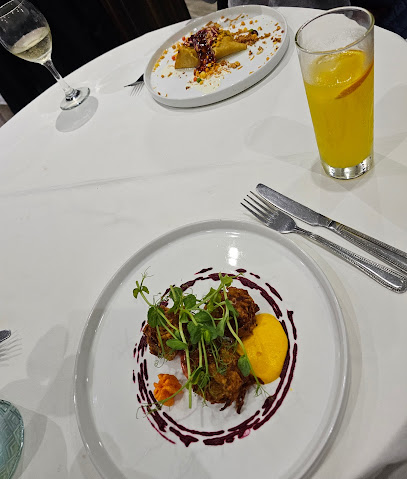
Crown & Cushion Inn
28.3 km
Experience traditional British hospitality at Crown & Cushion Inn in scenic Appleby-in-Westmorland with cozy accommodations and delicious meals.
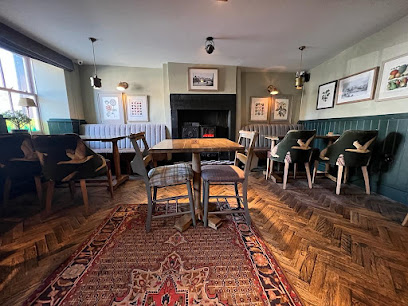
Danielle's Bistro
28.4 km
Cozy family-run bistro blending Mediterranean and British flavors with generous portions and attentive service in the heart of Hexham.
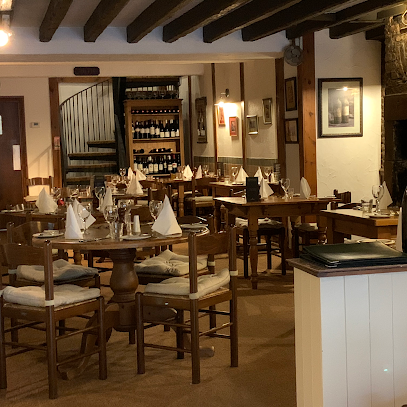
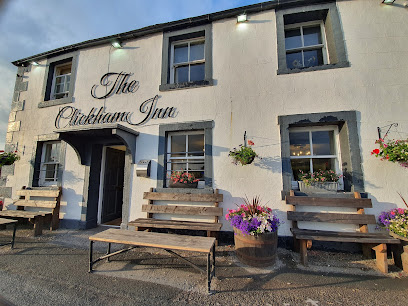
The Clickham Inn
28.9 km
A stylish Mediterranean tapas inn near Penrith offering authentic flavors, warm hospitality, and a dog-friendly atmosphere on the edge of the Lake District.
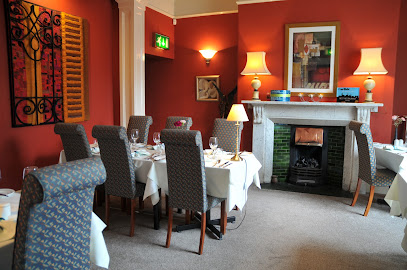
David's Restaurant
29.8 km
Elegant British and European fine dining in a charming Victorian townhouse at the heart of Carlisle.
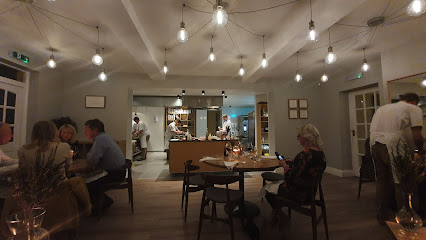
Restaurant Hjem
29.9 km
Michelin-starred Scandinavian fine dining in Northumberland, blending local ingredients with Nordic precision in a warm, intimate setting.
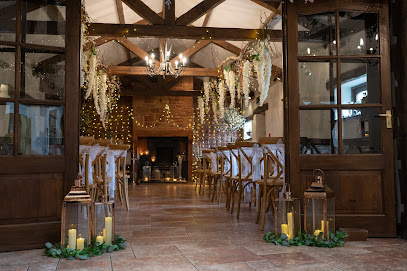
Skitby
29.9 km
Skitby blends rustic barn charm with contemporary British cuisine and warm hospitality in Carlisle’s countryside.
Markets, malls and hidden boutiques

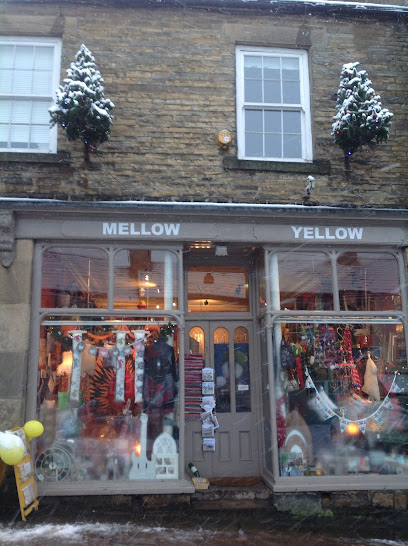
Mellow Yellow
3.3 km
Discover Mellow Yellow, Alston’s quirky and welcoming gift shop with a treasure trove of vintage and contemporary finds at the top of Front Street.
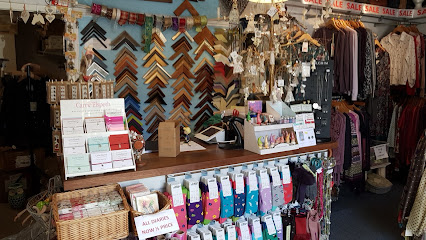
Simply Gorgeous Gifts with Scotia Framing
20.6 km
A charming gift shop and picture framing service in Brampton’s market building, offering candles, jewellery, cards, and bespoke frames for thoughtful presents and cherished memories.
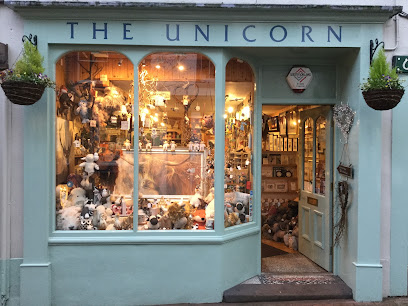
The Unicorn
25.8 km
Discover unique gifts and artistic treasures in Penrith’s beloved independent shop, The Unicorn, open Monday to Saturday.
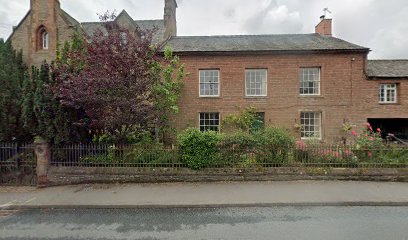
Barry Mckay Rare Books
27.9 km
Discover rare and fine books celebrating the art and history of the book in a charming Appleby-in-Westmorland setting.
The Cupboard Under The Stairs
28.3 km
Discover unique handcrafted gifts and magical Harry Potter treasures in the heart of Appleby-in-Westmorland’s historic market street.
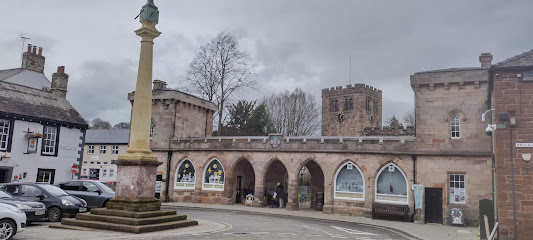
Branthwaites of Appleby
28.3 km
Discover unique local gifts and warm hospitality at Branthwaites, a charming shop nestled in the historic heart of Appleby-in-Westmorland.
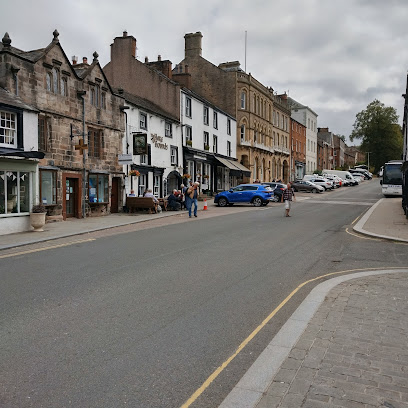
Tesco Extra
28.8 km
A versatile and convenient supermarket hub in Hexham’s Tynedale Retail Park, offering extended hours, fresh produce, clothing, and modern shopping services.

Much Love X
29.4 km
Discover unique gifts and local crafts at Much Love X, a charming gift shop in Currock, Carlisle, perfect for tourists seeking authentic souvenirs.
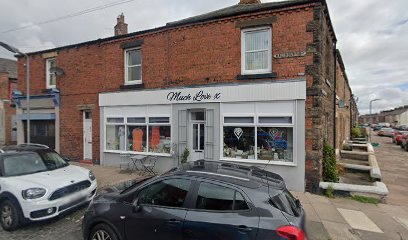
Warwick Bazaar
30.0 km
Discover Carlisle’s quirky vintage haven filled with retro treasures, eclectic curios, and a vibrant cultural vibe.
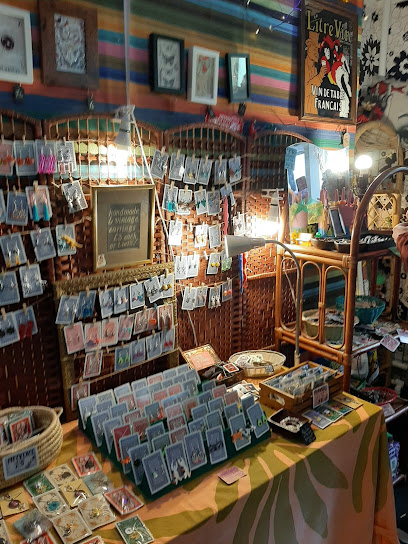
Carlisle World Shop Cooperative Ltd
30.1 km
Discover ethical treasures and fair trade crafts in Carlisle’s welcoming cooperative gift shop.
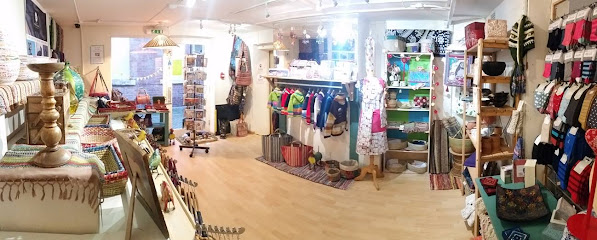
The Lanes Shopping Centre
30.2 km
A vibrant indoor shopping destination in Carlisle city centre, blending high street brands with local charm and convenient amenities.
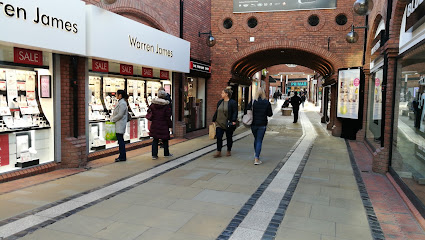
Souvenir Antiques
30.4 km
Explore authentic Roman coins and antiquities in Carlisle’s historic Bookcase, connecting you to Hadrian’s legacy and Roman Britain.
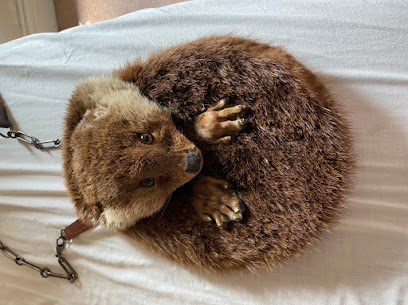
The Emporium
30.5 km
A vibrant creative hub in Carlisle offering gifts, art supplies, painting lessons, and community events in a historic setting.
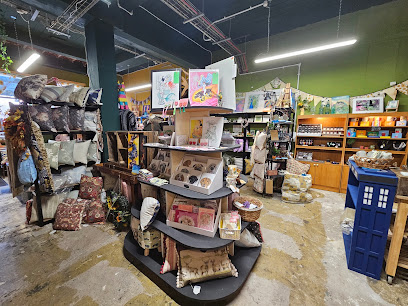
Cumbria Curiosity Shop
30.8 km
Explore Carlisle’s hidden gem for antiques and vintage treasures, where history and unique finds come alive in every corner.
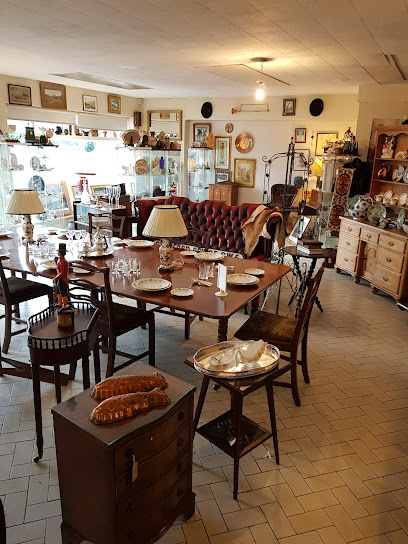
Suziebou
32.6 km
Discover unique gifts, stylish fashion, and locally sourced homewares in the welcoming boutique of Suziebou in Dalston, Carlisle.
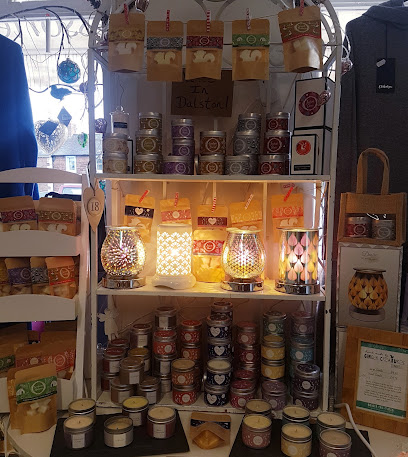
Essential bars & hidden hideouts

The Twice Brewed Inn
19.0 km
Historic pub and cozy inn near Hadrian’s Wall, offering hearty meals, award-winning brews, and unique stargazing in scenic Northumberland.
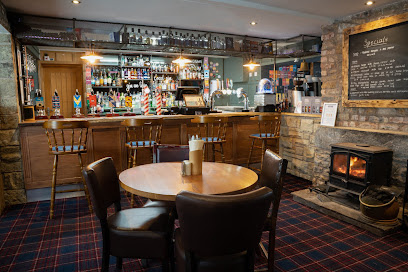
String of Horses Inn
19.7 km
Historic coaching inn with charming rooms, cozy fires, and quality dining nestled in Cumbria’s scenic countryside near Hadrian’s Wall.
The Warehouse
25.7 km
A lively multi-bar nightclub in Penrith offering vibrant weekend nightlife with music, dancing, and a welcoming social scene.
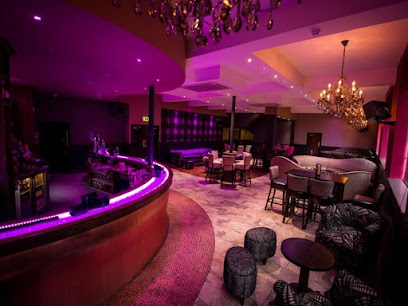
Penrith Conservative Club
25.8 km
A welcoming social venue in Penrith offering lively events, a classic bar, and community spirit in the heart of Cumbria.
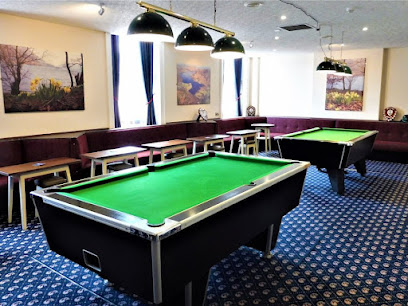
The Dog Beck
25.8 km
Historic charm meets modern hospitality at The Dog Beck, Penrith’s welcoming Wetherspoon pub open from early morning until late night.
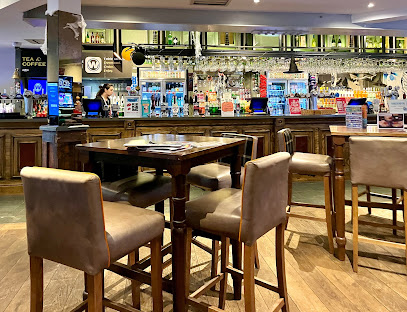
Board & Elbow
25.9 km
A lively, family-friendly pub in Penrith serving traditional British classics, local ales, and offering a warm atmosphere with a charming beer garden.
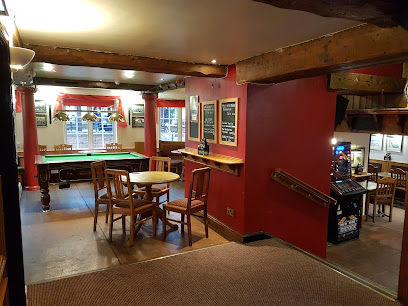
The Red Lion
26.2 km
Historic pub and cozy inn in Newbrough offering hearty British fare, real ales, and welcoming hospitality in the heart of Northumberland.
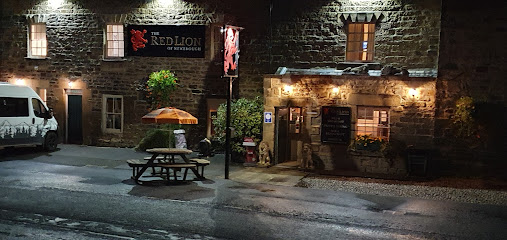
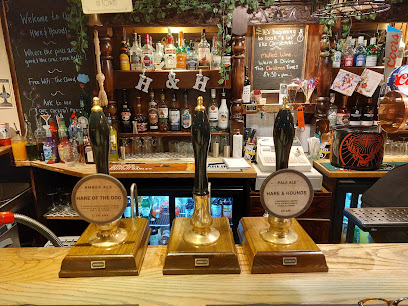
Hare & Hounds
28.3 km
Traditional British pub in Appleby with cozy log fire, excellent real ales, and a friendly, welcoming atmosphere.
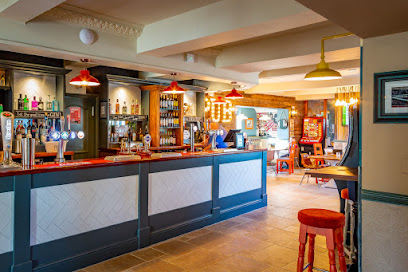
Harraby Pub & Kitchen
28.4 km
A family-friendly British pub in Carlisle offering classic dishes, local ales, a lively beer garden, and a warm, welcoming atmosphere all day long.
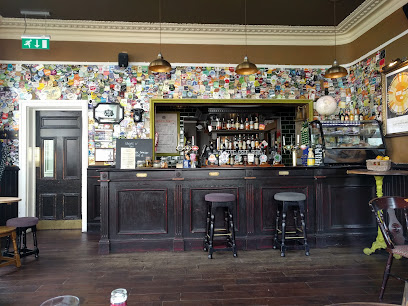
The Tannery
28.4 km
Traditional pub charm meets hearty fare and lively atmosphere in the heart of Hexham’s Gilesgate.
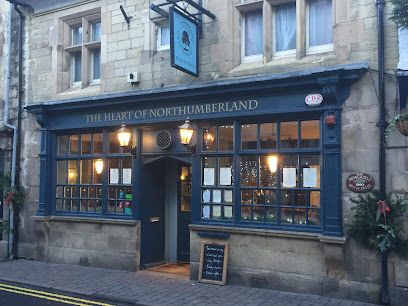
Heart of Northumberland
28.5 km
A historic, cozy pub in Hexham serving hearty British classics, local ales, and vegan options with warm hospitality and a roaring fire.
Mr Ant's
28.6 km
A quirky, family-run cocktail bar and café in Hexham’s historic market town, blending local flavors with lively evenings and live music.
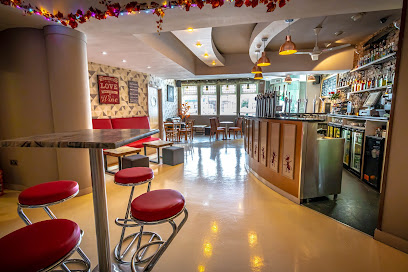
Royal Oak Inn
28.7 km
Charming 17th-century coaching inn in Appleby with cozy rooms, excellent local food, and warm, dog-friendly hospitality in the heart of Eden Valley.
Phoenix Club & Bar
28.8 km
Lively nightlife and top-notch cocktails in the heart of historic Hexham on Priestpopple.
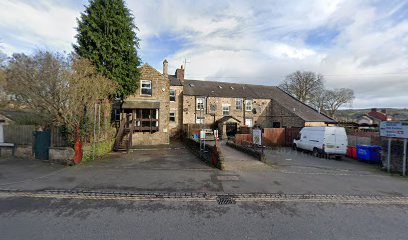
Beehive
29.0 km
A vibrant community pub in Carlisle offering great ales, hearty food, live sports, and regular entertainment in a welcoming atmosphere.
Nightclubs & after hour spots

secret bridge
17.8 km
Experience vibrant nightlife and lively music at Secret Bridge, Milburn’s premier nightclub near Penrith in the scenic Eden District.
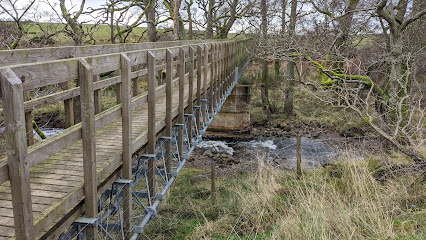
The loose moose
25.8 km
A lively and welcoming nightclub in Penrith offering cocktails, music, and community spirit in the heart of Cumbria’s Eden District.

Secret Carlisle
29.8 km
Experience energetic nights and vibrant music at Secret Carlisle, the city centre nightclub where Carlisle’s historic charm meets modern nightlife.
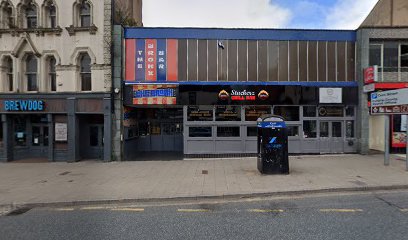
Club Britannia
30.1 km
A vibrant social club in Carlisle offering live music, friendly vibes, and affordable drinks in a smart, welcoming setting.
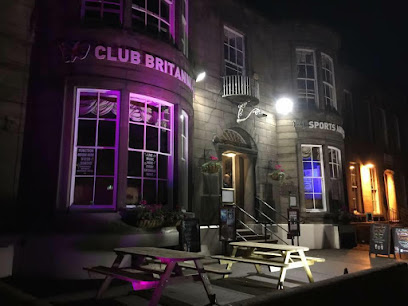
Carlisle R A O B Club
30.4 km
Historic social club in Carlisle offering lively events and a welcoming atmosphere rooted in the Royal Antediluvian Order of Buffaloes tradition.
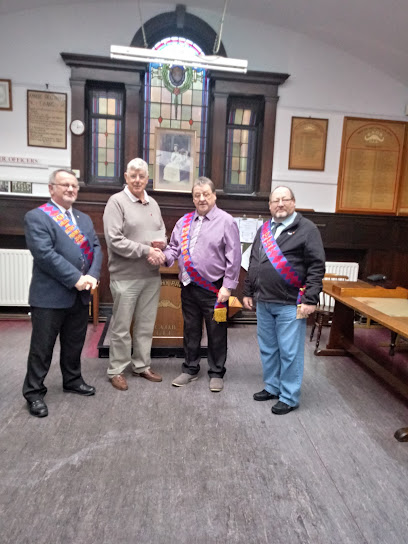
Black Box Music Institute
30.5 km
An intimate old-style nightclub and cultural hub in Carlisle offering live music, festivals, and art exhibitions in a vibrant setting.
Warehouse Night Club(SR44)
56.6 km
Experience Newcastle’s vibrant underground gay nightclub scene at Warehouse Night Club (SR44), where eclectic music and lively parties come alive.
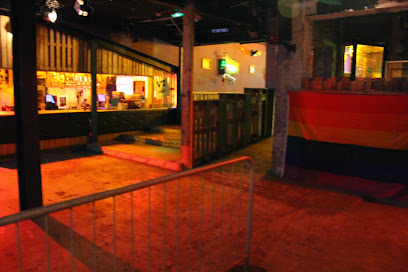
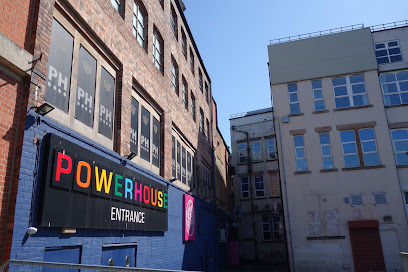
Powerhouse
56.6 km
Newcastle’s iconic four-floor nightclub blending rich LGBTQ+ history with vibrant, inclusive nightlife and dynamic music scenes.
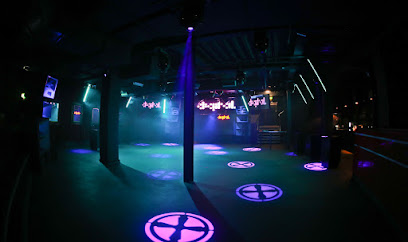
Digital
56.7 km
Experience cutting-edge nightlife with superior sound and vibrant energy at Digital, Newcastle’s premier clubbing destination in Times Square.
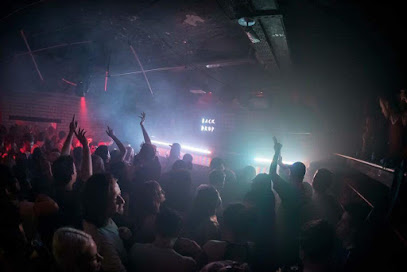
Cosmic Ballroom
56.9 km
Newcastle's longest-running underground club: two floors of electronic beats, guest DJs, and non-stop dancing till dawn in an intimate Stowell Street hideaway.
Sinners
57.1 km
Dive into sinfully themed nights at this affordable Newcastle nightclub, where red lights, bold art, and cheap drinks fuel the city's unbeatable party spirit.
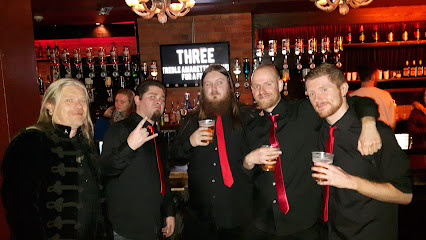
The Social Club
57.2 km
Experience Newcastle’s vibrant nightlife at The Social Club, where music, cocktails, and dancing come alive until the early hours.
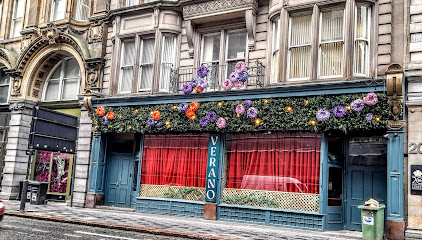
Popworld - Newcastle
57.3 km
A neon-soaked pop party on Newcastle’s Bigg Market—cheap drinks, nostalgic anthems and a packed dancefloor for late-night revelry.
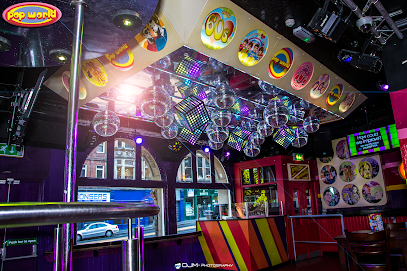
Bohemia Newcastle
57.3 km
Neon-lit cocktail bar and compact club with graffiti murals, a mezzanine dance space and a sheltered courtyard terrace for late-night socialising.
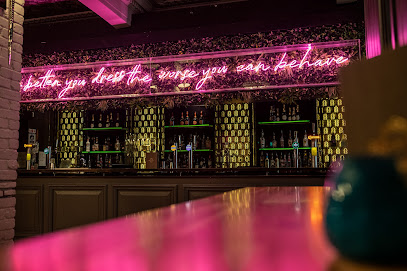
Loca Loca | Newcastle
57.3 km
A compact, neon-lit nightclub on Groat Market serving late-night dance, chart and urban sets in an intimate city-centre setting.

For the vibe & atmosphere seeker
- Tranquil
- Scenic
- Unique
- Relaxing
For the design and aesthetic lover
- Rustic Designs
For the architecture buff
- Historic
- Landmarks
For the view chaser and sunset hunter
- Iconic Views
- Panoramas
For the social media creator & influencer
- Instagrammable
- Photo Spots
For the eco-conscious traveler
- Protected Area
- Public-Transport Accessible
- Locally Managed
For the kind of experience you’re after
- Cultural Heritage
- Photowalk
- Nature Escape
- Day Trip
- Weekend Getaway
For how adventurous you want the journey to be
- Easy Access
Location Audience
- Family Friendly
- Senior Friendly
- Child Friendly
- Teen Friendly
- Solo Friendly
- Couple Friendly
- Vegetarian Friendly
- Vegan Friendly


