

Queen Victoria Memorial, London
A majestic tribute to Queen Victoria, blending imperial grandeur with artistic symbolism at the heart of London’s royal landscape.
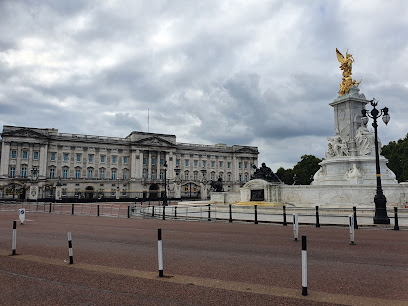
The Queen Victoria Memorial, situated in front of Buckingham Palace in London, is a grand monument dedicated to Queen Victoria, one of Britain's longest-reigning monarchs. Completed in 1911 and designed by Sir Thomas Brock, it features intricate marble and bronze sculptures symbolizing virtues such as justice, truth, and motherhood. This Grade I listed landmark is a focal point of royal heritage and imperial symbolism, surrounded by formal gardens and serving as a key cultural and historical site in the heart of London.
A brief summary to Queen Victoria Memorial
- London, SW1A 1AA, GB
- Visit website
- Duration: 0.5 to 2 hours
- Free
-
 Outdoor
- Mobile reception: 5 out of 5
- Monday 12 am-12 am
- Tuesday 12 am-12 am
- Wednesday 12 am-12 am
- Thursday 12 am-12 am
- Friday 12 am-12 am
- Saturday 12 am-12 am
- Sunday 12 am-12 am
Local tips
- Visit early in the morning or late afternoon to avoid peak crowds and capture the best light for photography.
- Take time to explore the surrounding Queen’s Gardens for a peaceful contrast to the busy city atmosphere.
- Look closely at the bronze statues representing Truth, Justice, and Motherhood to appreciate their symbolic significance.
- Combine your visit with a walk along The Mall to experience the broader imperial and ceremonial context of the area.

For the on-the-go comforts that matter to you
- Restrooms
- Drink Options
- Food Options
- Seating Areas
- Information Boards
Getting There
-
Public Transport
Take the London Underground to Green Park station, served by the Jubilee, Piccadilly, and Victoria lines. From there, it’s a 10-15 minute walk along The Mall to the memorial. Tube fares range from £2.50 to £5.00 depending on the ticket type and time of day.
-
Bus
Several London bus routes stop near Buckingham Palace, including routes 11, 211, and 148. The bus journey times vary from 15 to 30 minutes depending on traffic. A contactless payment or Oyster card costs £1.65 per single journey.
-
Taxi or Rideshare
Taxis and rideshare services can drop you off near the memorial. Travel times from central London locations typically range from 10 to 25 minutes, depending on traffic. Expect fares starting around £10.
-
Walking
If you are staying within central London, walking to the memorial is a pleasant option. From Trafalgar Square, it takes about 20 minutes on flat, paved routes suitable for most visitors.
Queen Victoria Memorial location weather suitability
-
 Any Weather
-
 Clear Skies
-
 Mild Temperatures
-
 Rain / Wet Weather
Discover more about Queen Victoria Memorial
A Monument to an Era of Empire
The Queen Victoria Memorial stands prominently at the end of The Mall, directly before Buckingham Palace, embodying the grandeur and imperial confidence of early 20th-century Britain. Designed by sculptor Sir Thomas Brock and unveiled in 1911, the memorial took over a decade to complete, with final touches added by 1924. It was commissioned shortly after Queen Victoria's death in 1901 as a national tribute, reflecting her long and influential reign that shaped the British Empire's identity. The memorial was part of a broader urban planning effort that included the creation of Queen’s Gardens and the refurbishment of Buckingham Palace by architect Sir Aston Webb, enhancing London’s stature as a global imperial capital.Symbolism and Sculptural Details
At the heart of the memorial is a majestic statue of Queen Victoria enthroned, facing northeast towards The Mall and the city. Surrounding her are allegorical bronze figures representing Truth, Justice, and Motherhood, virtues that Brock emphasized as central to Victoria’s legacy. The gilded Winged Victory crowns the monument, symbolizing triumph and progress. The memorial’s design integrates fountains and marble basins, creating a harmonious blend of sculpture and water features. Each element was crafted to celebrate not only the monarch but also the ideals and social hierarchy of the British Empire at its zenith.Historical and Cultural Context
The memorial’s unveiling was a grand event attended by King George V, Kaiser Wilhelm II of Germany, and other dignitaries, underscoring its significance as a symbol of imperial unity and national pride. It has since become a central site for royal ceremonies, public celebrations, and a backdrop for state occasions. While it commemorates Queen Victoria’s personal virtues and reign, the monument also reflects the colonial and imperial ambitions of the era, standing as a powerful reminder of Britain’s global influence during the early 1900s.Architectural Setting and Urban Impact
Surrounding the memorial are the carefully designed Queen’s Gardens, which provide a formal and tranquil setting contrasting with the bustling city. The memorial’s placement was strategic, intended to create a grand imperial theatre that connected Buckingham Palace with other key landmarks along The Mall. This urban design project elevated London’s ceremonial landscape, reinforcing the monarchy’s central role in British identity and governance.Preservation and Modern Significance
As a Grade I listed structure, the Queen Victoria Memorial is meticulously maintained, with conservation efforts including cleaning, re-gilding, and restoration of marble and bronze elements. It remains a vibrant part of London’s heritage, attracting visitors worldwide who come to appreciate its artistic detail and historical resonance. The memorial also invites reflection on the complexities of imperial history, serving as a site where past and present narratives intersect.Experiencing the Memorial Today
Today, the Queen Victoria Memorial is not only a photographic highlight with Buckingham Palace as its backdrop but also a place for quiet contemplation amid the formal gardens. Its grandeur and symbolism continue to inspire, offering insight into the Victorian era’s values and Britain’s imperial legacy, while standing as a testament to the enduring influence of Queen Victoria herself.Iconic landmarks you can’t miss

St. James's Palace
0.4 km
Discover the Tudor grandeur and royal ceremonies at London’s oldest palace, the enduring heart of British monarchy.
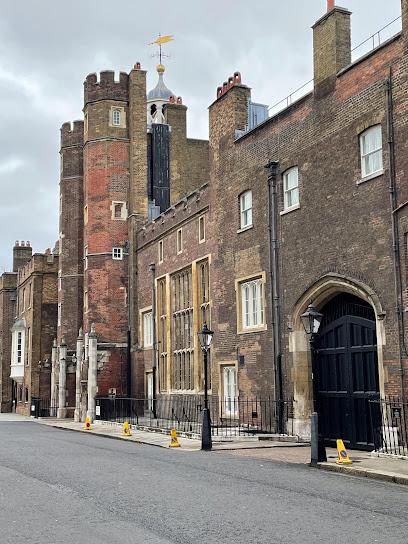
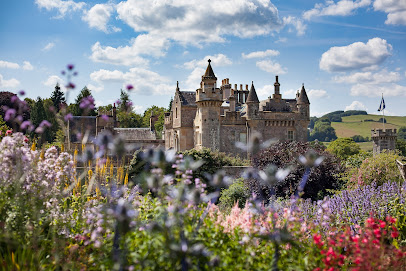
Historic Houses
0.4 km
Explore the heart of Britain's heritage through Historic Houses, a gateway to centuries-old castles, gardens, and stately homes across the UK.
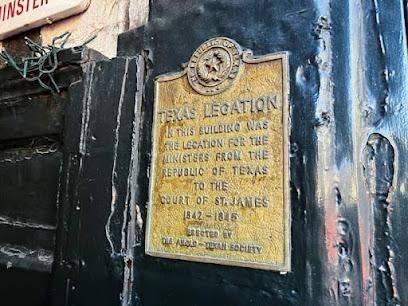
Republic of Texas Plaque
0.4 km
A hidden brass plaque marking where the Republic of Texas once sought recognition from the British Crown.
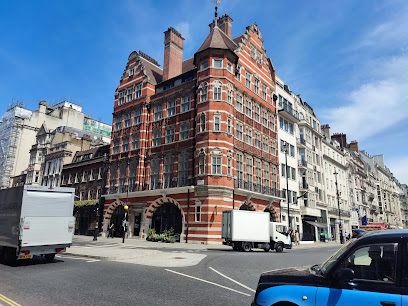
Pickering Pl
0.5 km
Discover Pickering Place, London's smallest square, a hidden Georgian courtyard steeped in duels, diplomacy, and timeless charm.
King George VI & Queen Elizabeth,The Queen Mother Memorial
0.6 km
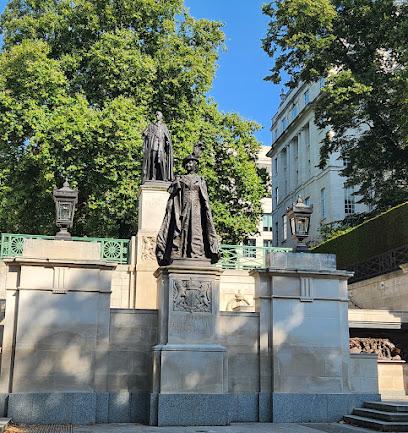
A dignified London memorial honoring King George VI and Queen Elizabeth, the Queen Mother, through iconic bronze statues and historic symbolism.
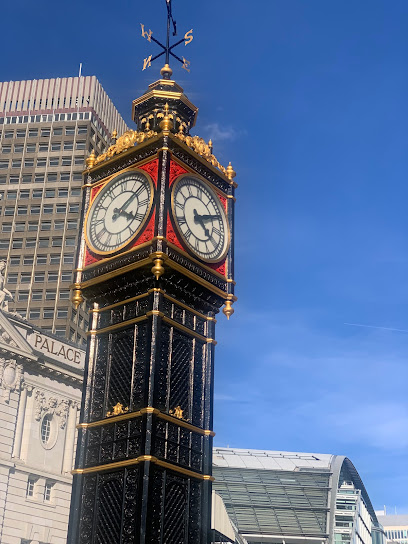
Little Ben Clock
0.6 km
Discover Little Ben, London’s charming miniature clock tower echoing Big Ben’s grandeur and symbolizing enduring Franco-British friendship.
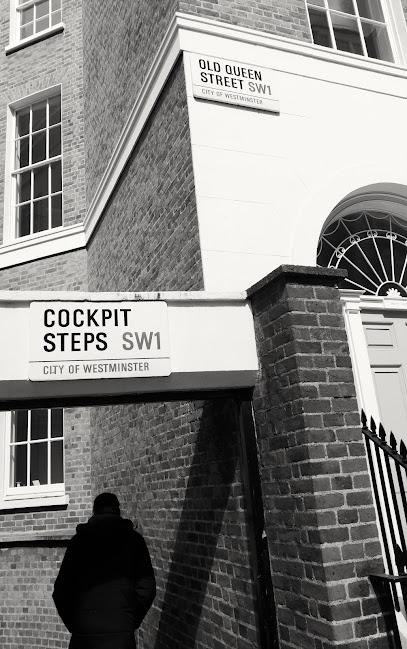
Cockpit Steps
0.6 km
Discover Cockpit Steps, a hidden historic passage in Westminster where London’s royal cockfighting past meets ghostly legend and quiet charm.
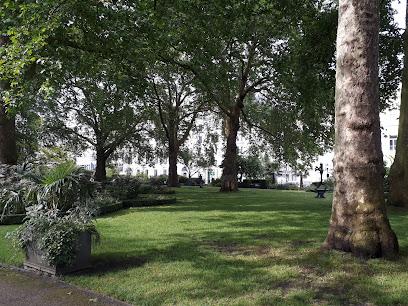
St James's Square
0.7 km
London’s oldest garden square, where Georgian elegance meets centuries of power, politics, and high society in the heart of Westminster.
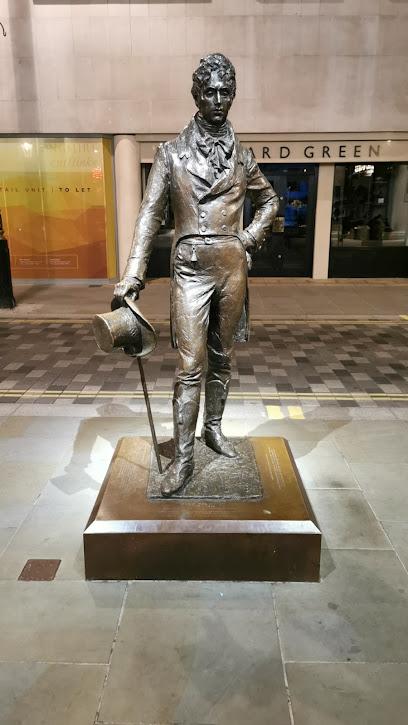
Beau Brummell Statue
0.7 km
The dandy who revolutionised menswear and defined Regency elegance in bronze.
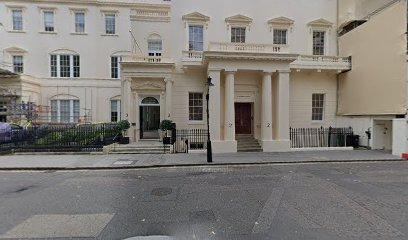
3 Carlton House Terrace
0.7 km
Elegant Grade I listed townhouse in London’s historic Carlton House Terrace, blending royal heritage with refined Georgian architecture.
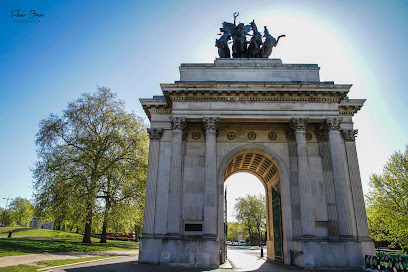
Wellington Arch
0.7 km
Discover Wellington Arch, London's majestic neoclassical triumphal arch with rich history, stunning views, and iconic Quadriga sculpture.
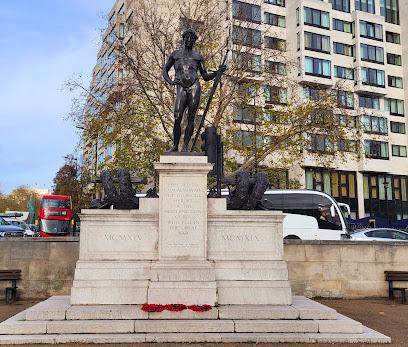
Machine Gun Corps Memorial
0.7 km
A striking WWI memorial at Hyde Park Corner, blending classical art and the harsh realities of mechanized warfare to honor the Machine Gun Corps’ sacrifice.
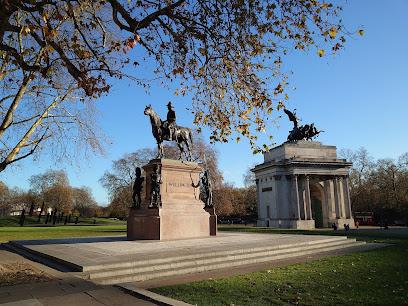
Equestrian Statue of the Duke of Wellington
0.8 km
Historic bronze statue honoring the Duke of Wellington’s military triumphs and contributions to London’s cityscape, unveiled in 1844.
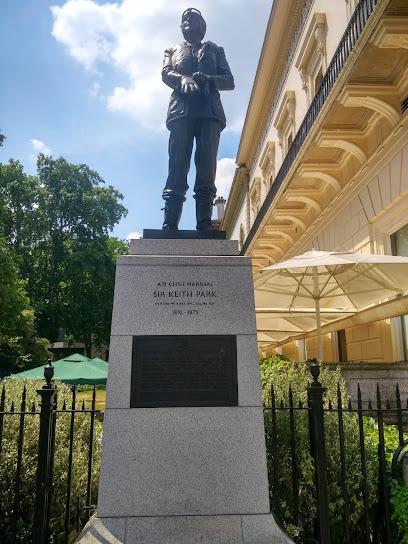
Sir Keith Park statue
0.8 km
Discover the Sir Keith Park Statue in London, an inspiring tribute to a World War II hero amidst the beauty of Waterloo Place.
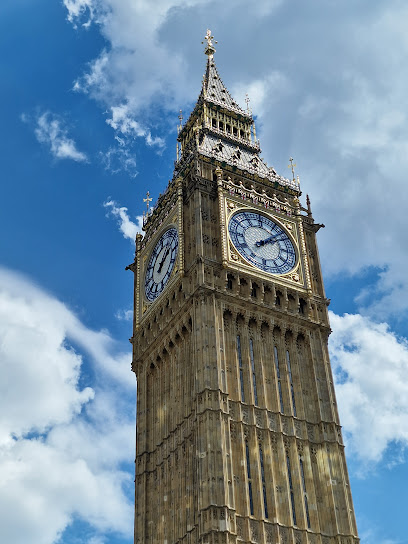
Churchill War Rooms
0.8 km
Discover the Churchill War Rooms, an iconic historical museum revealing the secrets of wartime Britain and Winston Churchill's leadership during WWII.
Unmissable attractions to see

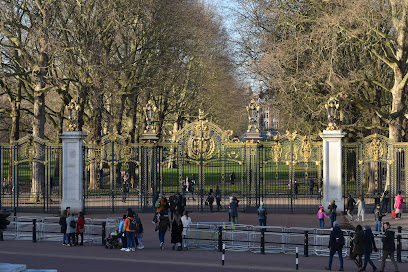
Canada Gate
0.1 km
Discover the elegance and historical significance of Canada Gate, a stunning landmark in London's Green Park, celebrating the bond between Canada and the UK.
Buckingham Palace
0.1 km
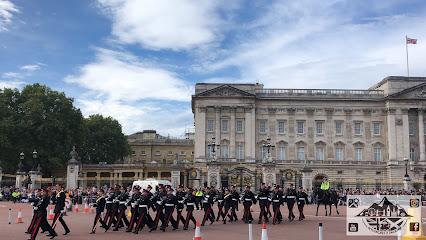
Experience the grandeur and timeless traditions of Buckingham Palace, the iconic heart of British royalty in London.
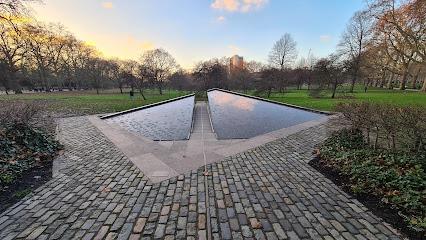
Canada Memorial
0.2 km
A serene and symbolic tribute in Green Park honoring Canadian soldiers’ sacrifices and the enduring bond with the United Kingdom.
The State Rooms
0.2 km
Step inside Buckingham Palace’s magnificent State Rooms to experience the grandeur and history of the British monarchy’s ceremonial heart.
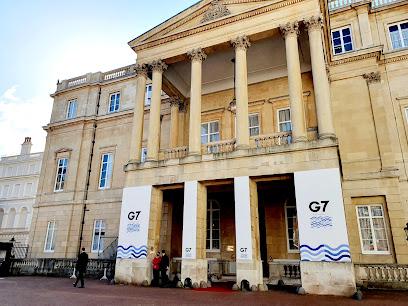
Lancaster House
0.2 km
Lancaster House: London’s neoclassical masterpiece blending royal history, political heritage, and elegant government hospitality near Buckingham Palace.
The King's Gallery, Buckingham Palace
0.3 km
Explore centuries of royal art and history in the elegant King's Gallery at Buckingham Palace, home to the Royal Collection’s rotating masterpieces.
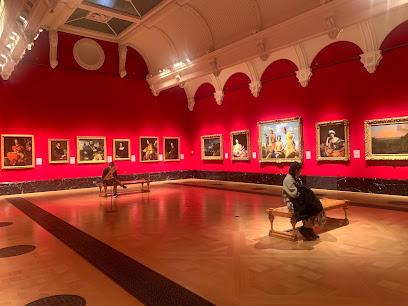
Clarence House
0.3 km
Explore Clarence House, the historic London residence of King Charles III, showcasing royal heritage, exquisite art, and elegant Regency architecture.
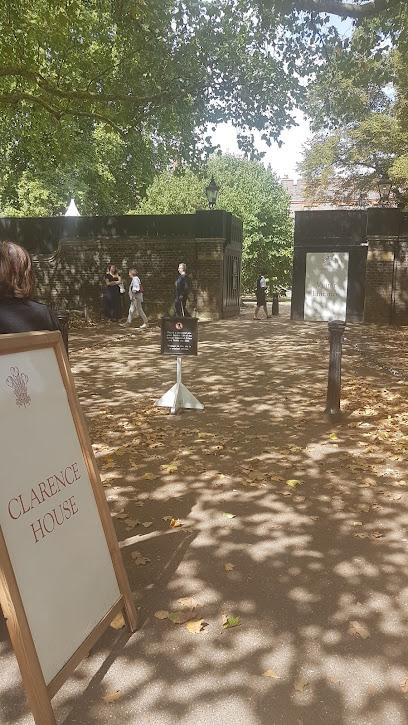
Constitution Hill
0.3 km
A historic royal route in London linking Hyde Park Corner with Buckingham Palace, rich in heritage and scenic charm.
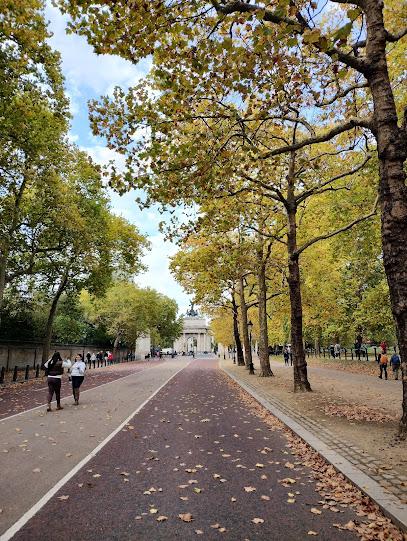
The Green Park
0.3 km
A tranquil Royal Park in central London offering peaceful lawns, historic memorials, and scenic views near Buckingham Palace.
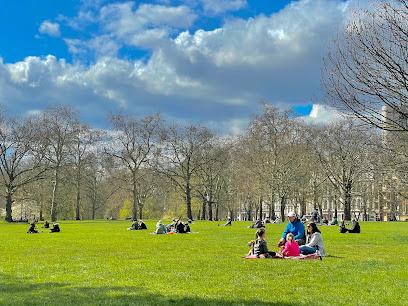
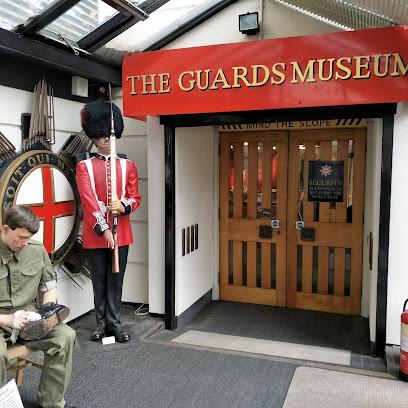
The Guards Museum
0.4 km
Explore centuries of British military history through the iconic Foot Guards’ uniforms, artifacts, and stories at Wellington Barracks’ Guards Museum.
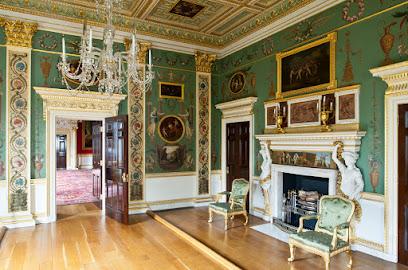
Spencer House
0.4 km
Step into Spencer House, a stunning 18th-century London mansion showcasing neoclassical elegance, aristocratic history, and exquisite interiors.
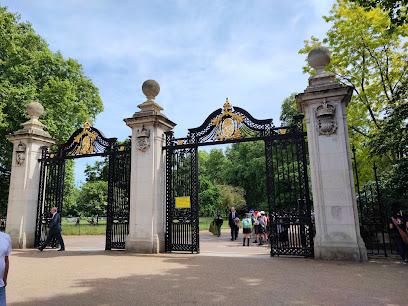
Diana Princess of Wales Memorial Walk
0.4 km
A serene 7-mile circular walk through London's Royal Parks, honoring Princess Diana’s life, legacy, and connection to iconic royal landmarks.
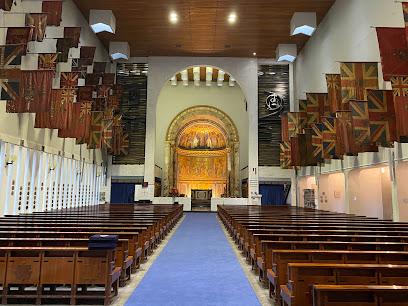
The Royal Military Chapel (The Guards’ Chapel)
0.4 km
A modernist military chapel in London, blending solemn remembrance with rich history and striking architecture.
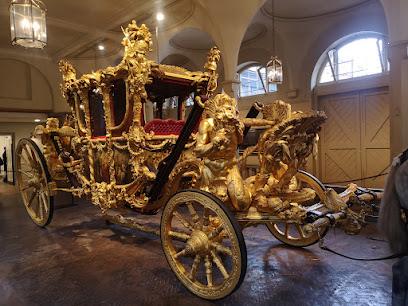
The Royal Mews, Buckingham Palace
0.4 km
Discover the historic working stables and royal coaches that have carried British monarchs for centuries at The Royal Mews.
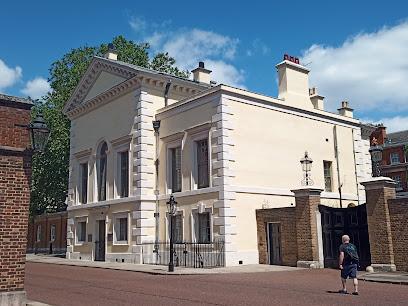
The Queen's Chapel
0.4 km
Discover the elegant 17th-century Palladian chapel beside St. James’s Palace, steeped in royal history and architectural refinement.
Essential places to dine

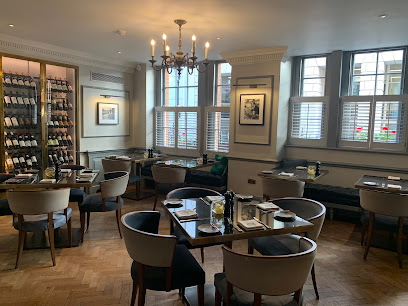
Great British Restaurant
0.4 km
Elegant British dining in the heart of St James’s, blending traditional flavors with modern sophistication in a tranquil hotel setting.
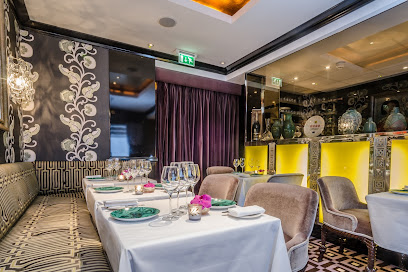
The English Grill
0.4 km
Classic British dining perfected with expertly grilled steaks and seasonal delights in a refined, elegant setting near London’s iconic theatres.

Seven Park Place by William Drabble
0.5 km
An intimate Michelin-starred restaurant in Mayfair offering refined British-French cuisine by Chef William Drabble in an elegant Art Deco setting.
Bill's Victoria Restaurant
0.5 km
A vibrant British eatery near Victoria Station offering hearty classics, sharing plates, and plant-based dishes in a cozy, casual setting.
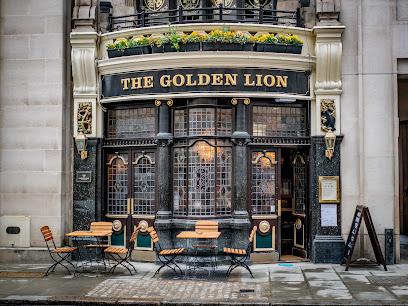
Golden Lion
0.5 km
Historic 1690s pub in St James's offering classic British fare, rich heritage, and a warm, family-friendly atmosphere near Buckingham Palace.
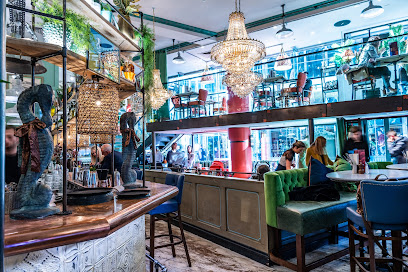
Chez Antoinette Victoria
0.5 km
Authentic French bistro in London’s Victoria offering classic Lyonnais and Parisian dishes in a cozy, Parisian-style setting.
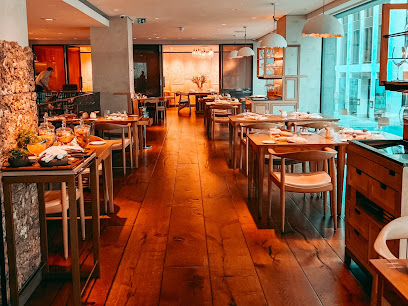
HIDE
0.5 km
Discover refined Modern European cuisine with panoramic Green Park views at HIDE, a Michelin-starred gem blending innovation and elegance in Mayfair.
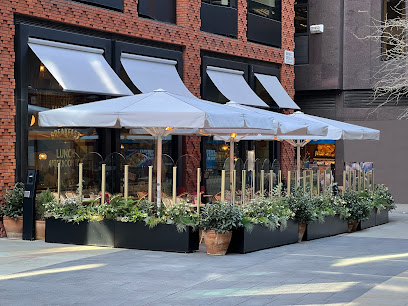
Caxton Grill
0.6 km
Refined British grill cuisine with fresh rooftop garden produce in a relaxed Westminster setting inside St Ermin’s Hotel.
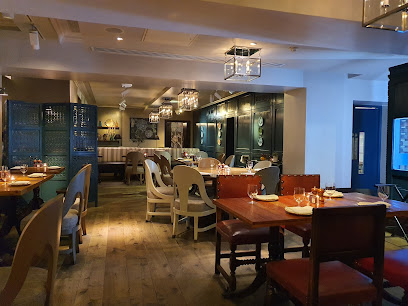
Ormer Mayfair Restaurant
0.6 km
Michelin-starred modern British dining in an elegant 1930s-style Mayfair setting, offering inventive tasting menus and impeccable service.
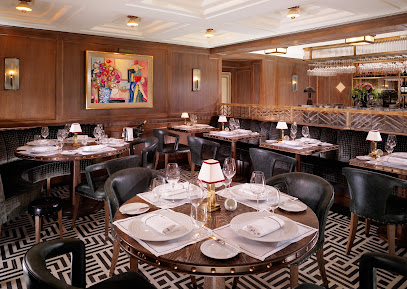
The Pem
0.6 km
Elegant modern British dining in Westminster, honoring heritage with exquisite seasonal menus and refined ambiance.
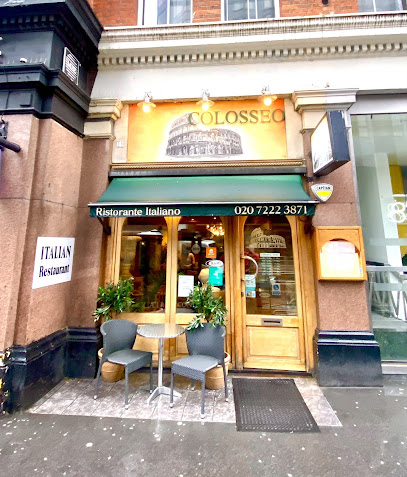
Colosseo Restaurant
0.6 km
Experience authentic Italian flavors and warm hospitality in the heart of London’s Victoria at Colosseo Restaurant.
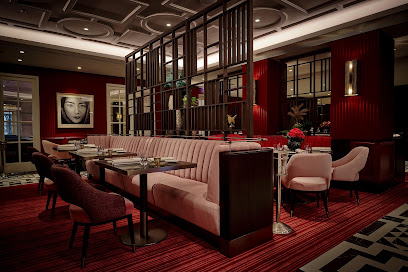
Quaglino's
0.6 km
Glamorous basement brasserie with live music, cocktails, and theatrical dining in St. James's.
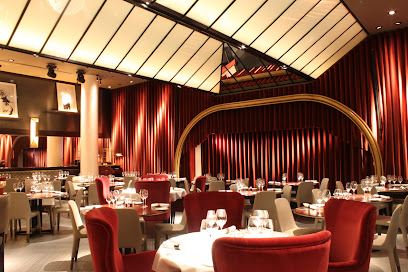
Mio Restaurant & Bar
0.8 km
Authentic Italian flavors and warm hospitality await you in this cozy central London gem with generous portions and great value.
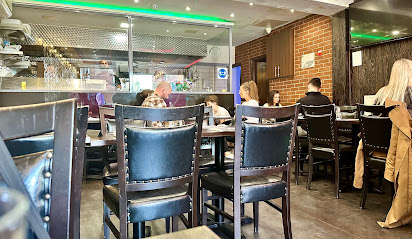
Wild Honey St James
0.9 km
Michelin-starred French-influenced cooking in a Grade II-listed banking hall, where refined technique meets understated elegance.
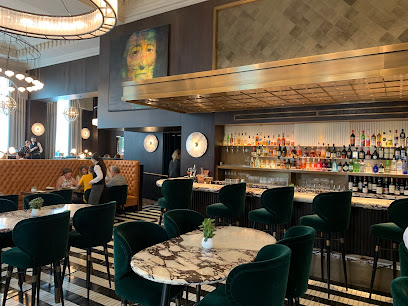
Ma La Sichuan
0.9 km
Experience authentic, boldly spiced Sichuan cuisine in the heart of Westminster with vibrant flavors and a welcoming atmosphere.
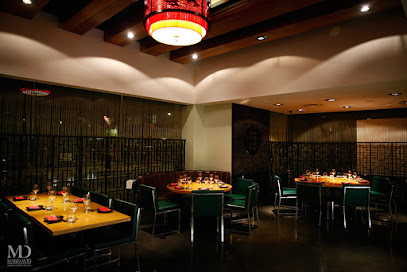
Markets, malls and hidden boutiques

The Queen's Shop
0.3 km
Exclusive royal gifts and British heritage souvenirs steps from Buckingham Palace, blending luxury, tradition, and timeless elegance in a charming London boutique.
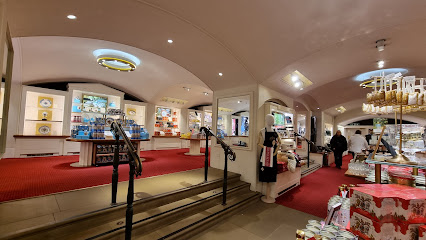
Buckingham Palace Shop
0.4 km
Official royal souvenirs at the palace gates: chinaware, gifts, and memorabilia that bring Buckingham Palace's grandeur home with you. (162 characters)
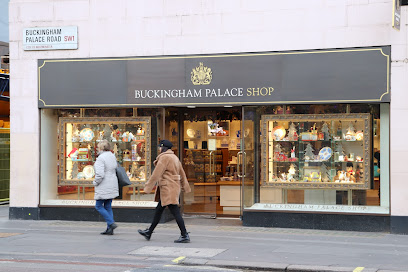
Cool Britannia
0.4 km
Discover authentic British souvenirs and vintage photography moments just steps from Buckingham Palace in a lively and welcoming shop.
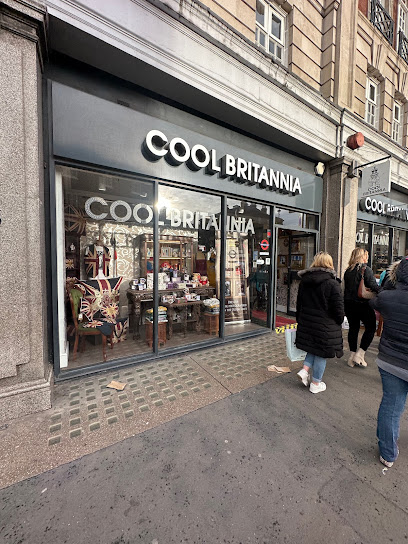
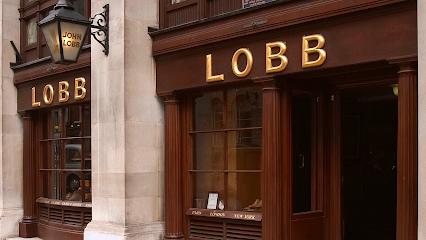
John Lobb St. James
0.5 km
Where 170 years of royal patronage meets handcrafted perfection in every stitch.
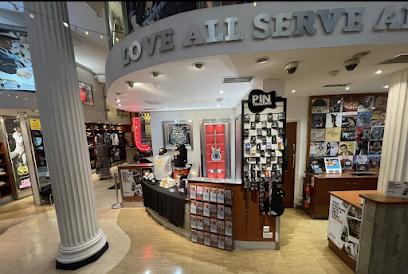
Hard Rock London Rock Shop
0.6 km
Discover exclusive rock ’n’ roll merchandise and iconic memorabilia at London’s legendary Hard Rock Rock Shop on Old Park Lane.
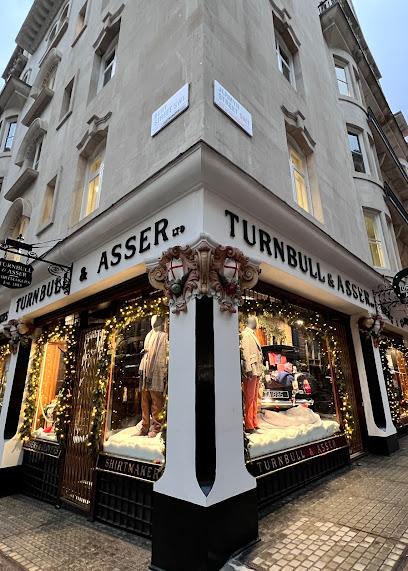
Turnbull & Asser Jermyn Street
0.6 km
Discover Turnbull & Asser on Jermyn Street, the quintessential British shirtmaker blending heritage craftsmanship with timeless elegance since 1885.
Floris London
0.7 km
Experience nearly three centuries of British fragrance heritage at Floris London’s historic boutique on iconic Jermyn Street.
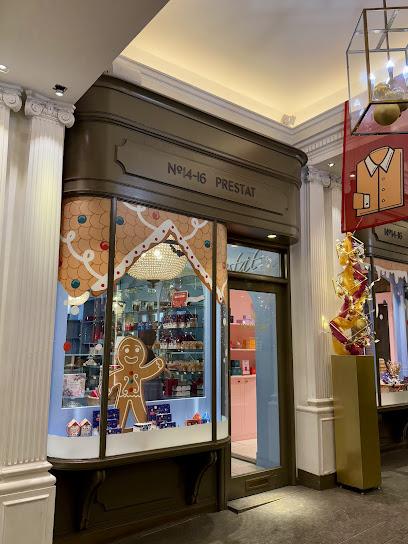
Prestat Chocolates
0.8 km
Royal warrant chocolatier crafting sophisticated truffles in Piccadilly's elegant Princes Arcade since 1902.
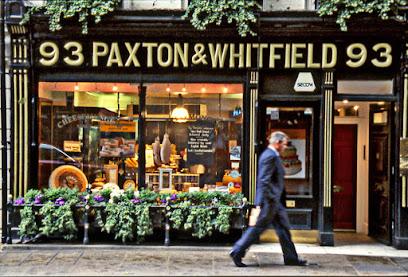
Paxton & Whitfield Ltd
0.8 km
London’s oldest cheesemonger, serving artisan cheese with royal heritage and timeless charm.
Princes Arcade
0.8 km
A refined covered arcade where London's bespoke traditions meet curated luxury shopping.
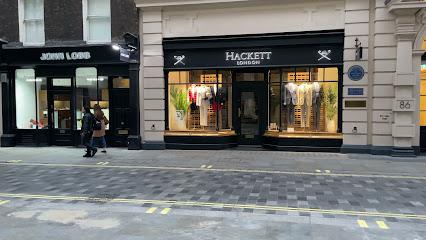
Jermyn St
0.8 km
Discover Jermyn Street, London’s historic menswear enclave blending timeless craftsmanship with contemporary style and refined elegance.
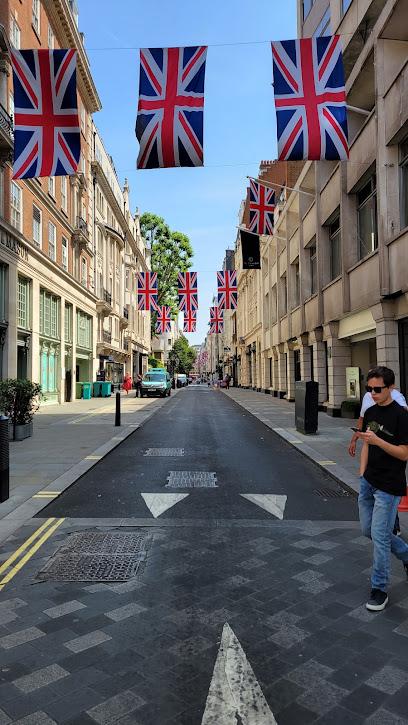
28 The Royal Arcade
0.8 km
Step into London's oldest Victorian shopping arcade, where historic charm meets luxury boutiques in the heart of Mayfair.
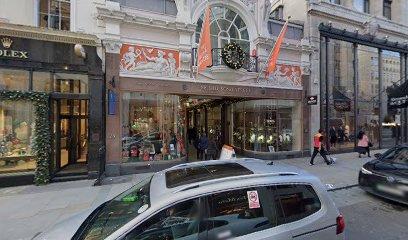
Charbonnel et Walker
0.8 km
Britain’s first luxury chocolatier since 1875, nestled in Mayfair’s Royal Arcade – where tradition, truffles and royal patronage meet in every exquisite box.
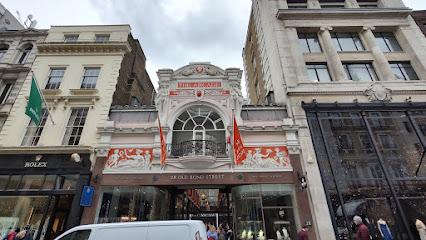
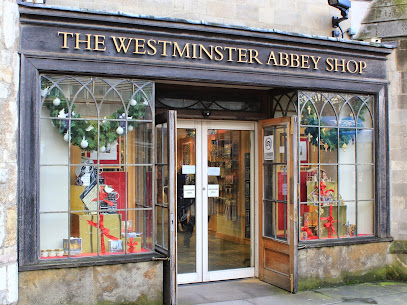
Westminster Abbey Shop
0.9 km
Discover exclusive Abbey-inspired gifts and souvenirs that support Westminster Abbey’s heritage and conservation efforts.
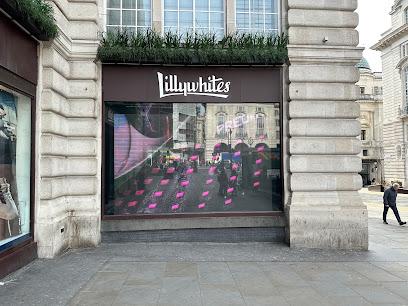
Lillywhites
1.0 km
London's iconic sports megastore at Piccadilly Circus—where athletic excellence meets retail tradition.
Essential bars & hidden hideouts

Adam & Eve
0.4 km
Classic Westminster pub pouring real ales and hearty grub amid historic streets—a cozy haven near Parliament and the Abbey for authentic London pints.
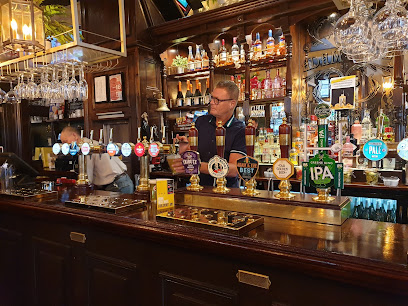
The New York Bar
0.4 km
A polished hotel lounge opposite Buckingham Palace — handcrafted cocktails, tasting events and piano-accompanied afternoons in plush, traditional surroundings.
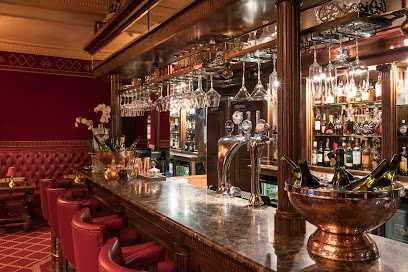
Bbar
0.5 km
Chic Victoria cocktail bar beneath a living wall, blending South African zest with inventive drinks, hearty bites, and unforgettable afternoon teas near Buckingham Palace.
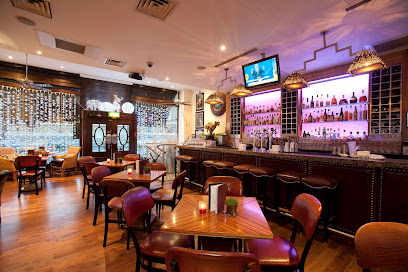
Below
0.5 km
Discover Below at HIDE, a hidden Mayfair cocktail bar offering expertly crafted seasonal drinks and rare spirits beneath a Michelin-starred restaurant.
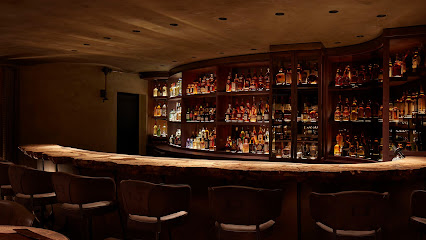
All Bar One Victoria
0.6 km
Sophisticated wines, global bites, and lively vibes on Victoria Street – London's go-to for stylish drinks and casual feasts near Westminster's heart.
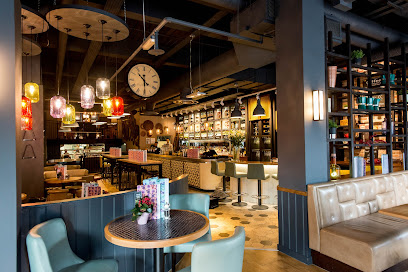
Two Chairmen
0.6 km
Traditional Westminster pub serving hearty pies, fresh ales, and classic British cheer just steps from St. James's Park and Parliament.
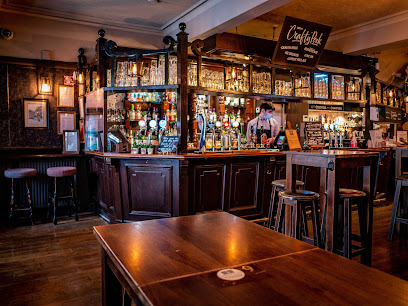
Blue Boar Pub
0.6 km
Traditional Westminster pub serving hearty British classics in a cozy, historic setting near Abbey and Parliament—perfect for ales, roasts, and relaxed evenings.
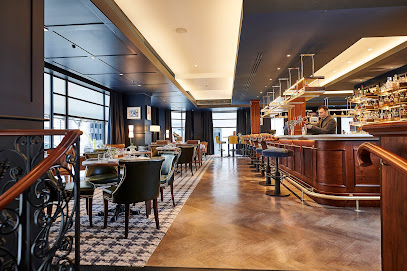
Westminster Arms
0.8 km
Historic Westminster pub with parliamentary division bell, Shepherd Neame ales, and cozy alcoves steps from Abbey and Parliament—timeless British charm in political heart.
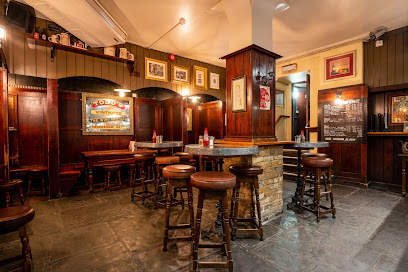
The Red Lion, Mayfair
0.8 km
Historic Victorian pub in Mayfair famed for its political heritage and classic London charm, steps from Downing Street.
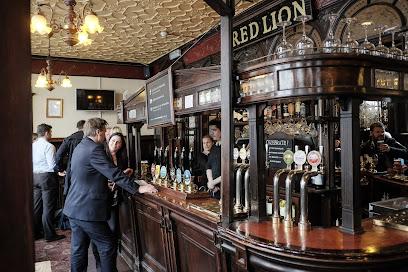
The Red Lion, Parliament Street
1.0 km
A venerable Westminster corner pub — late‑Victorian fittings, political atmosphere and a long history beside Downing Street and Parliament.
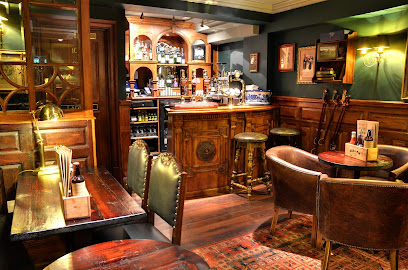
The Spy Bar
1.1 km
Step into London’s secret subterranean bar where espionage history meets masterful cocktails and exclusive, no-photos privacy.
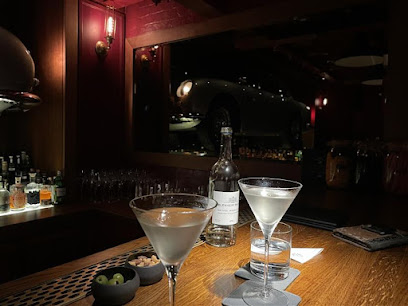
Old Shades
1.1 km
Historic Whitehall pub pouring cask ales and pub classics since 1898, steps from Trafalgar Square—a true taste of London tradition.
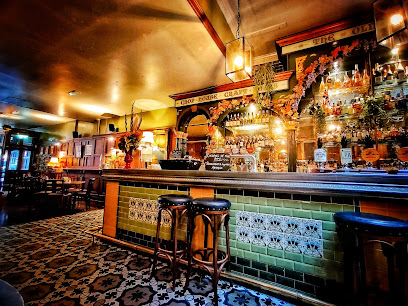
All Bar One Leicester Square
1.1 km
Stylish wine and cocktail bar in the heart of Leicester Square, perfect for socializing, dining, and private events in central London.
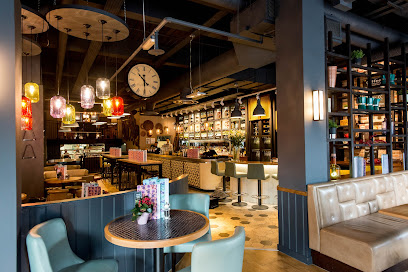
Disrepute - Soho
1.2 km
Descend into Soho's glamorous underworld at Disrepute, where 1960s scandal meets masterful cocktails in velvet-clad vaults—Soho's seductive late-night escape.
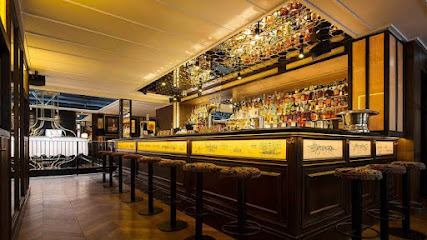
The Thin White Duke
1.2 km
Discover Soho’s intimate cocktail bar inspired by David Bowie, blending bespoke drinks, award-winning dim sum, and creative recording studios.
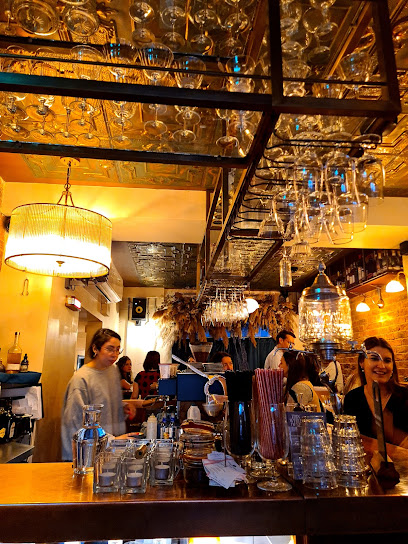
Nightclubs & after hour spots

Tabu London
0.7 km
Escape Mayfair's polish for Tokyo's neon-lit Shinjuku alleys at Tabu London—retro gaming vibes, caged dancers, hip-hop beats, and upscale bites fuel epic nights.
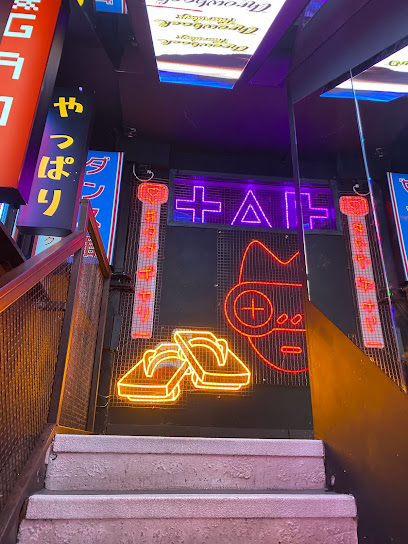
The Scotch of St James
0.7 km
Legendary Mayfair speakeasy where 60s rock stars jammed and today's elite dance till dawn in velvet-clad intimacy.
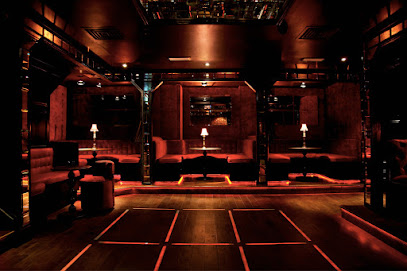
LUXX CLUB LONDON
0.8 km
Experience Mayfair’s premier luxury nightclub with dazzling lights, top DJs, and exclusive VIP vibes at LUXX CLUB LONDON.
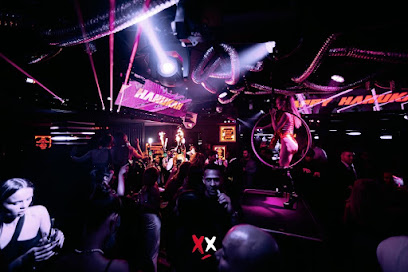
The Cuckoo Club
0.9 km
Exclusive Mayfair nightclub and restaurant blending glamorous design, contemporary cuisine, and vibrant nightlife in London’s upscale scene.
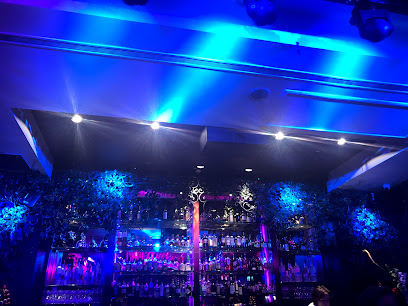
TSQ Club
1.0 km
Dive into Trafalgar Square's nightlife pulse at TSQ Club, where eclectic beats, dazzling lights, and craft cocktails fuel unforgettable weekend nights in London's heart.
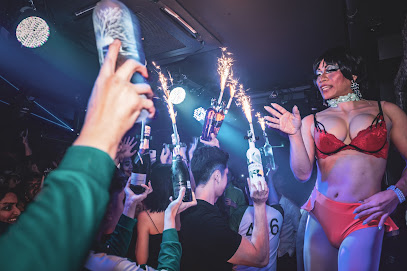
Tiger Tiger London
1.0 km
Experience London’s iconic Haymarket nightclub with six vibrant rooms, lively DJs, and a dynamic party atmosphere just moments from Piccadilly Circus.
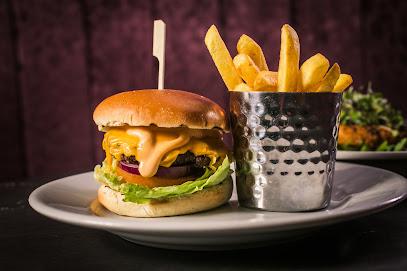
Luxe Club
1.1 km
Experience London's vibrant nightlife at Luxe Club, a central hotspot for music, dancing, and late-night entertainment.
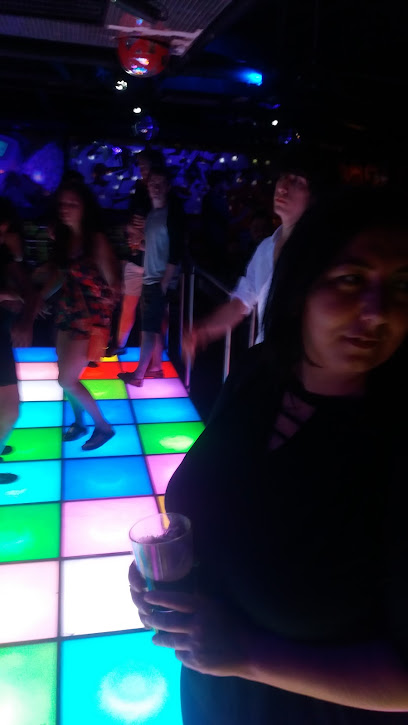
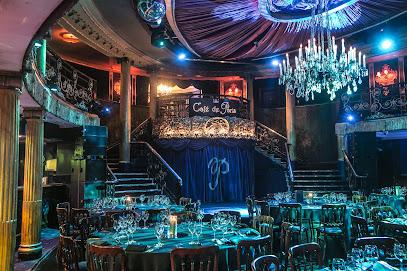
Café de Paris
1.1 km
Step into London’s iconic West End nightclub where history, glamour, and electrifying cabaret create unforgettable nights.
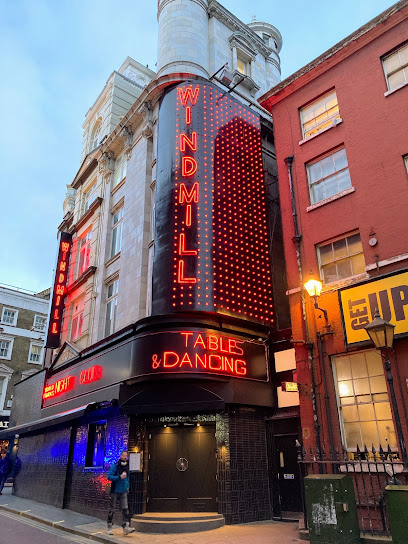
The Windmill Soho | Restaurant, Cabaret & Nightclub in Soho, London
1.1 km
Soho's legendary cabaret den revived: burlesque bites, theatrical feasts, and all-night beats in a historic hotspot of hedonism.
The Penthouse London
1.2 km
A compact, rooftop nightclub above Leicester Square — reached by a side lift, built for late‑night private parties and skyline glimpses.
Sophisticats Soho
1.3 km
An intimate, late‑night Soho gentlemen’s club on Brewer Street offering staged performances, VIP seating and an upmarket, discreet atmosphere.
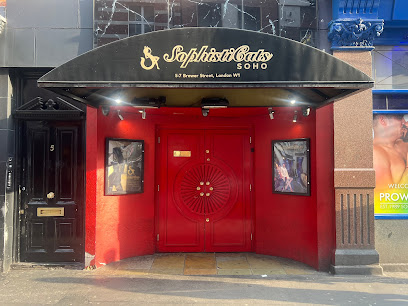
Versity Camp Nightclub
1.3 km
Dive into Soho's beating heart at Versity Camp Nightclub, where thumping bass, inventive cocktails, and an electric crowd fuel unforgettable nights until dawn.
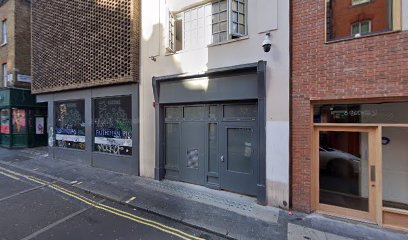
The Box Soho
1.3 km
A clandestine Soho cabaret where decadent staging, provocative shows and high‑end cocktails collide in an intense late‑night theatre.
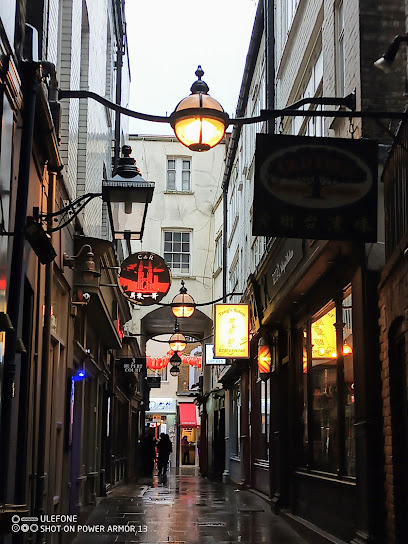
Zoo Bar & Club
1.3 km
Dive into Leicester Square's edgy nightlife hub: two floors of R&B beats, sports screens, and wild energy until 3am at Zoo Bar & Club.
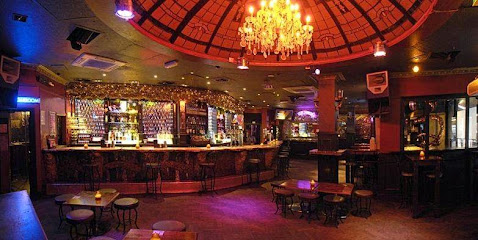
The Boat Show Comedy Club
1.3 km
London’s premier floating comedy club aboard the historic Tattershall Castle, blending laughter with iconic riverside views and vibrant nightlife.
For the vibe & atmosphere seeker
- Scenic
- Tranquil
- Historic
- Unique
- Relaxing
For the design and aesthetic lover
- Vintage Styles
- Art Deco Styles
For the architecture buff
- Historic
- Landmarks
- Parks & Gardens
For the view chaser and sunset hunter
- Iconic Views
- Panoramas
- Sunset Spots
For the social media creator & influencer
- Instagrammable
- Photo Spots
- Selfie Spots
- Architectural Shots
For the eco-conscious traveler
- Public-Transport Accessible
- Locally Managed
For the kind of experience you’re after
- Cultural Heritage
- Photowalk
- Day Trip
- Weekend Getaway
For how adventurous you want the journey to be
- Easy Access
Location Audience
- Family Friendly
- Senior Friendly
- Child Friendly
- Teen Friendly
- Wheelchair Access
- Solo Friendly
- Couple Friendly
- Vegetarian Friendly
- Vegan Friendly


