
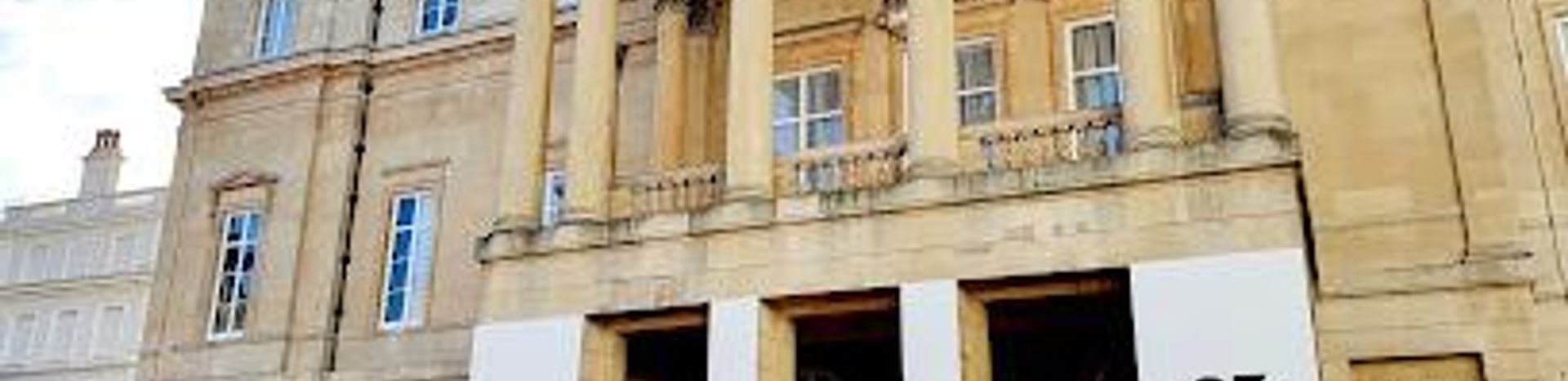
Lancaster House: A Majestic London Mansion of History and Diplomacy
Lancaster House: London’s neoclassical masterpiece blending royal history, political heritage, and elegant government hospitality near Buckingham Palace.
Lancaster House, located on The Mall in central London near Buckingham Palace, is a grand neoclassical mansion renowned for its lavish Louis XIV interiors, rich political history, and role as a government hospitality venue. Originally built in the early 19th century for the Duke of York, it later became Stafford House under the Dukes of Sutherland and was renamed Lancaster House in 1913. Today, it hosts diplomatic events and prestigious functions amid elegant state rooms and beautiful gardens.
A brief summary to Lancaster House
- Lancaster House, Stable Yard, London, SW1A 1BB, GB
- +442070082711
- Visit website
- Duration: 1 to 2.5 hours
- Mid ranged
-
 Indoor
- Mobile reception: 5 out of 5
- Monday 8:30 am-5 pm
- Tuesday 8:30 am-5 pm
- Wednesday 8:30 am-5 pm
- Thursday 8:30 am-5 pm
- Friday 8:30 am-5 pm
Local tips
- Book guided tours in advance to fully appreciate the house’s rich history and exquisite interiors.
- Visit on weekdays during opening hours (8:30 am to 5 pm) as Lancaster House is closed on weekends.
- Bring a camera to capture the stunning Louis XIV décor and the beautifully maintained gardens.
- Combine your visit with nearby attractions such as Buckingham Palace and St James’s Park for a full cultural experience.

For the on-the-go comforts that matter to you
- Restrooms
- Drink Options
- Food Options
- Seating Areas
- Information Boards
Getting There
-
Underground
Take the London Underground to Green Park station, approximately a 10-15 minute walk from Lancaster House. The station serves the Jubilee, Piccadilly, and Victoria lines. Expect moderate walking on paved city streets; no additional fare beyond standard tube prices applies.
-
Bus
Several London bus routes stop near The Mall, including routes 9, 11, and 22. Bus travel times vary from 15 to 30 minutes depending on traffic. Buses provide a scenic approach but may be subject to congestion during peak hours. Standard Transport for London fares apply.
-
Taxi or Rideshare
A taxi or rideshare from central London locations typically takes 10-20 minutes depending on traffic. Note that parking near Lancaster House is very limited, so drop-off is recommended. Expect fares to range from £8 to £20.
-
Walking
If staying nearby, walking to Lancaster House from Buckingham Palace or St James’s Park takes about 10-15 minutes on flat, well-maintained pavements. This option offers the best way to enjoy the surrounding royal parks and historic streets.
Lancaster House location weather suitability
-
 Any Weather
-
 Clear Skies
-
 Mild Temperatures
-
 Rain / Wet Weather
Discover more about Lancaster House
Origins and Architectural Grandeur
Lancaster House was commissioned in 1825 by Prince Frederick, Duke of York and Albany, the second son of King George III. Initially named York House, it was designed mainly by Benjamin Dean Wyatt in a neo-classical style using Bath stone, featuring grand Louis XIV interiors that rivaled the opulence of Versailles. The house was completed under the patronage of the Marquess of Stafford (later Duke of Sutherland) after the Duke of York’s death in 1827. Its three-storey structure includes magnificent state rooms on the piano nobile, family living quarters below, and bedrooms above, all adorned with exquisite plasterwork, gilded wood carvings, and an imperial staircase designed by Sir Charles Barry.Center of Victorian and Edwardian Society
For nearly a century, known as Stafford House, Lancaster House was a hub of social and political life in London. The Sutherland family’s liberal politics and passion for the arts attracted luminaries such as factory reformer Lord Shaftesbury, abolitionist Harriet Beecher Stowe, and Italian nationalist Giuseppe Garibaldi. The lavish Louis XIV-style décor set the standard for London reception rooms for decades. Notably, Frederic Chopin performed here for Queen Victoria and Prince Albert in 1848. The grand hall and long gallery, flooded with natural light from ornate skylights, hosted elegant balls, concerts, and gatherings that shaped cultural life in the capital.Transition to National Heritage and Diplomacy
In 1913, the industrialist Lord Leverhulme purchased the house, renamed it Lancaster House after his native Lancashire, and gifted it to the nation. It served as the London Museum until World War II and has since been managed by the Foreign, Commonwealth & Development Office. Lancaster House has played a pivotal role in British diplomatic history, hosting key events such as the 1944 European Advisory Commission meetings, the 1956 Malayan independence agreement signing, and the 1979 Lancaster House Agreement that led to Zimbabwe’s independence. Its state rooms continue to provide a prestigious backdrop for international summits, receptions, and government hospitality.Elegant Interiors and Gardens
The interiors showcase opulent Louis XIV style with Corinthian columns, gilded woodwork, and an impressive art collection including paintings and objets d’art from the Sutherland era. The grand hall’s sweeping marble staircase welcomes visitors into a world of refined elegance. The long gallery, with 18 windows and a large skylight, is ideal for large events and filled with natural light. Intimate rooms like the Gold Room and Music Room offer exquisite settings for private dining and receptions. Outside, the private gardens and terrace provide a tranquil oasis in central London, offering stunning views over The Mall and Buckingham Palace.Modern Role and Cultural Significance
Today, Lancaster House remains a vital government venue for state occasions, diplomatic receptions, and high-profile events. Its interiors are frequently used as filming locations standing in for Buckingham Palace in productions such as "The Crown" and "Downton Abbey." The house’s proximity to St James’s Park and other royal residences enhances its appeal as a cultural landmark. Visitors interested in British history, politics, and architecture find Lancaster House a compelling glimpse into the grandeur of Victorian and Edwardian London society.Legacy of Prestige and Hospitality
Lancaster House embodies the elegance and political heritage of London’s aristocratic past while serving contemporary diplomatic functions. Its storied walls have witnessed historic decisions that shaped modern nations. The blend of architectural splendor, artistic treasures, and lush gardens makes it a unique venue that balances grandeur with intimacy, offering visitors a rare experience of Britain’s cultural and governmental legacy.Iconic landmarks you can’t miss

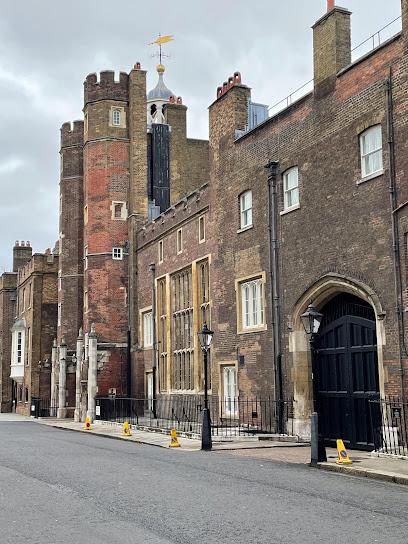
St. James's Palace
0.1 km
Discover the Tudor grandeur and royal ceremonies at London’s oldest palace, the enduring heart of British monarchy.
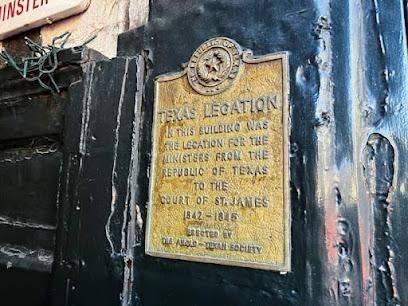
Republic of Texas Plaque
0.2 km
A hidden brass plaque marking where the Republic of Texas once sought recognition from the British Crown.
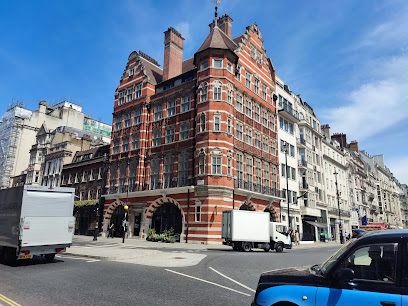
Pickering Pl
0.2 km
Discover Pickering Place, London's smallest square, a hidden Georgian courtyard steeped in duels, diplomacy, and timeless charm.
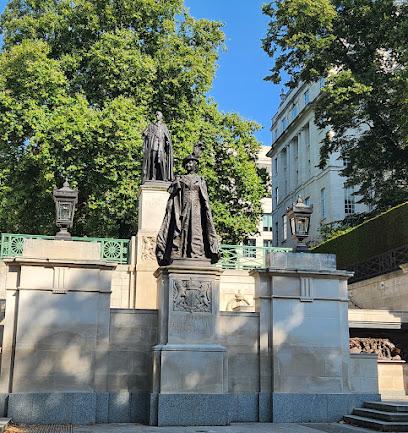
King George VI & Queen Elizabeth,The Queen Mother Memorial
0.4 km
A dignified London memorial honoring King George VI and Queen Elizabeth, the Queen Mother, through iconic bronze statues and historic symbolism.
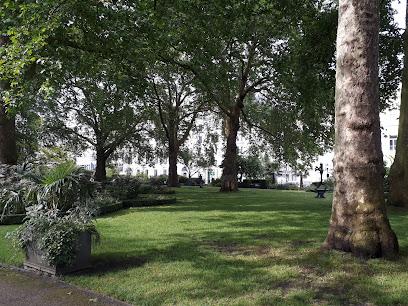
St James's Square
0.4 km
London’s oldest garden square, where Georgian elegance meets centuries of power, politics, and high society in the heart of Westminster.
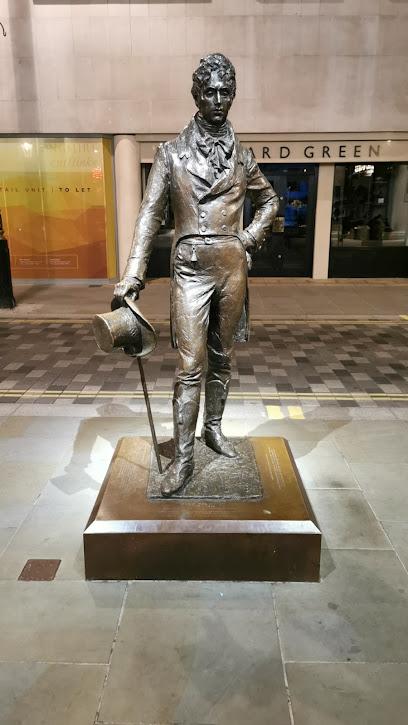
Beau Brummell Statue
0.4 km
The dandy who revolutionised menswear and defined Regency elegance in bronze.
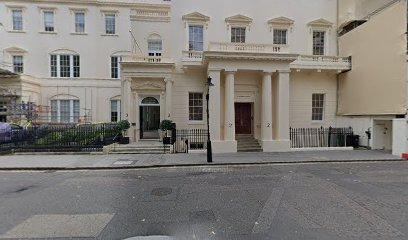
3 Carlton House Terrace
0.5 km
Elegant Grade I listed townhouse in London’s historic Carlton House Terrace, blending royal heritage with refined Georgian architecture.
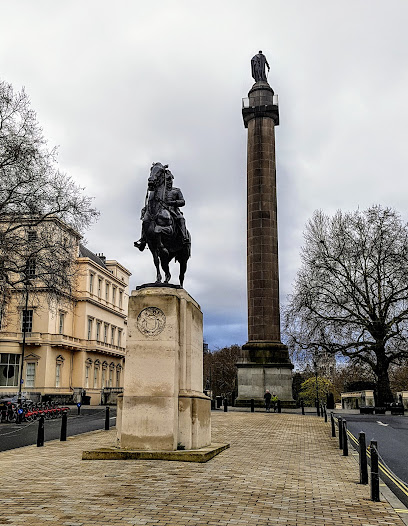
Equestrian statue of Edward Ⅶ
0.6 km
Majestic bronze tribute to King Edward VII in the heart of London’s historic Waterloo Place, blending regal artistry with imperial heritage.
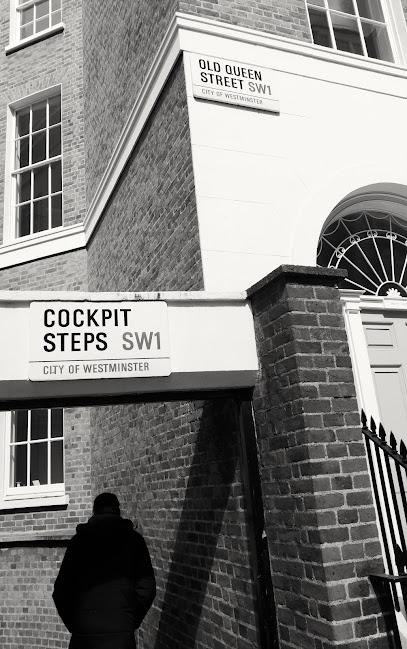
Cockpit Steps
0.6 km
Discover Cockpit Steps, a hidden historic passage in Westminster where London’s royal cockfighting past meets ghostly legend and quiet charm.
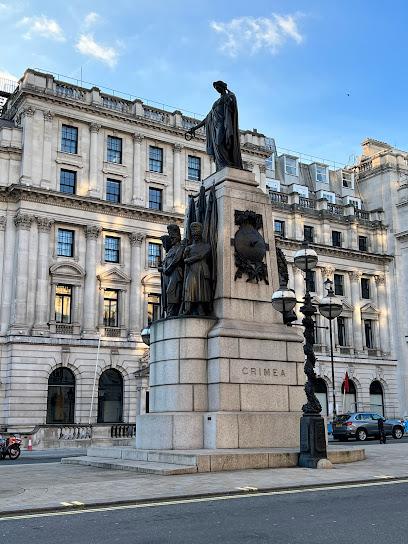
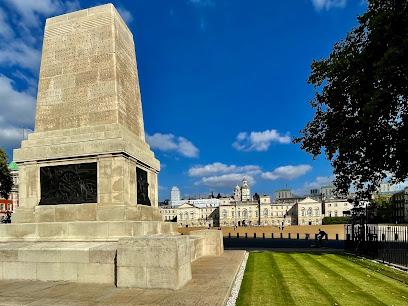
Guards Crimean War Memorial
0.6 km
A poignant bronze tribute in central London honoring the valor and sacrifice of ordinary soldiers in the Crimean War.
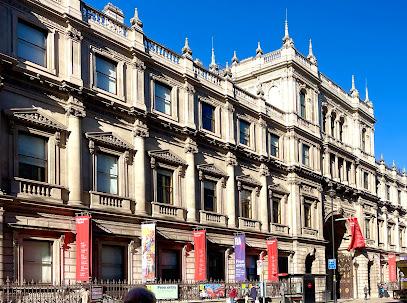
Burlington House
0.6 km
A grand 17th-century mansion on Piccadilly, now home to the Royal Academy of Arts and Britain’s leading learned societies, blending Palladian elegance with centuries of art and science.
Historic Houses
0.6 km
Explore the heart of Britain's heritage through Historic Houses, a gateway to centuries-old castles, gardens, and stately homes across the UK.
Guards Memorial
0.7 km
A solemn tribute to the valor and sacrifice of the Guardsmen who fell in World War I, set amidst London’s historic ceremonial heart.
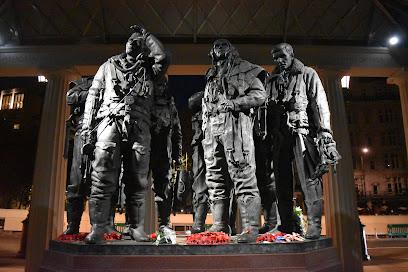
Bomber Command Memorial
0.7 km
A powerful tribute in Portland stone and bronze to the 55,573 RAF Bomber Command aircrew who lost their lives in WWII, set in the heart of Green Park, London.
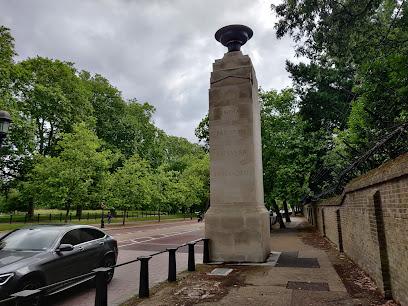
Commonwealth Memorial Gates
0.7 km
A solemn gateway honoring five million Commonwealth servicemen and women who fought for freedom in two world wars.
Unmissable attractions to see

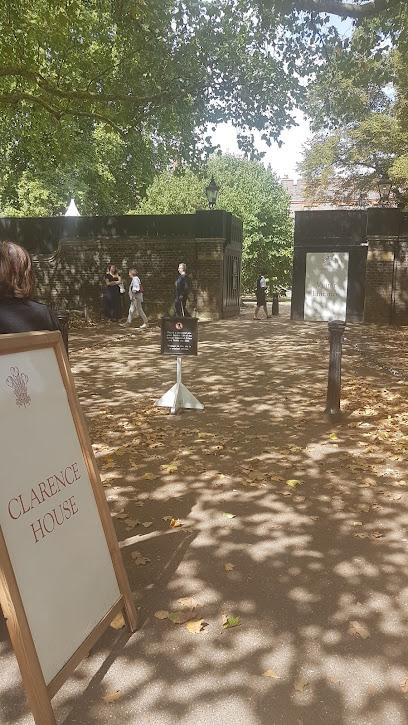
Clarence House
0.1 km
Explore Clarence House, the historic London residence of King Charles III, showcasing royal heritage, exquisite art, and elegant Regency architecture.
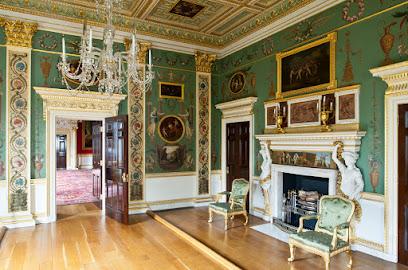
Spencer House
0.2 km
Step into Spencer House, a stunning 18th-century London mansion showcasing neoclassical elegance, aristocratic history, and exquisite interiors.
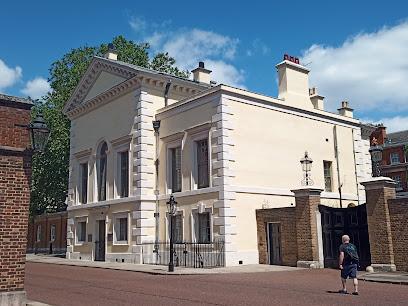
The Queen's Chapel
0.2 km
Discover the elegant 17th-century Palladian chapel beside St. James’s Palace, steeped in royal history and architectural refinement.
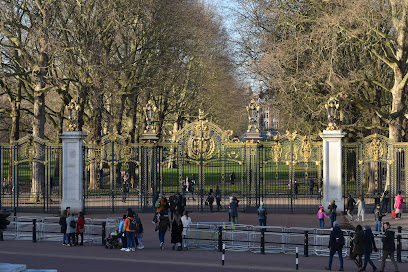
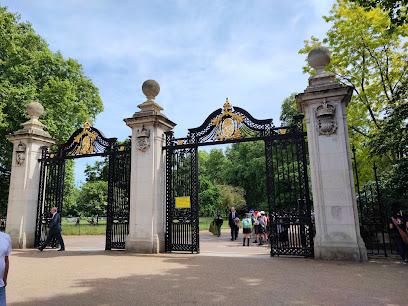
Canada Gate
0.2 km
Discover the elegance and historical significance of Canada Gate, a stunning landmark in London's Green Park, celebrating the bond between Canada and the UK.
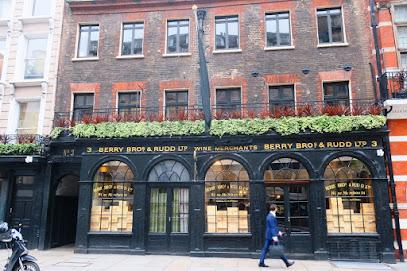
Berry Bros. & Rudd Wine Shop
0.2 km
Discover the rich heritage and exquisite selection of wines at Berry Bros. & Rudd, London's historic wine shop and event venue.
Diana Princess of Wales Memorial Walk
0.2 km
A serene 7-mile circular walk through London's Royal Parks, honoring Princess Diana’s life, legacy, and connection to iconic royal landmarks.
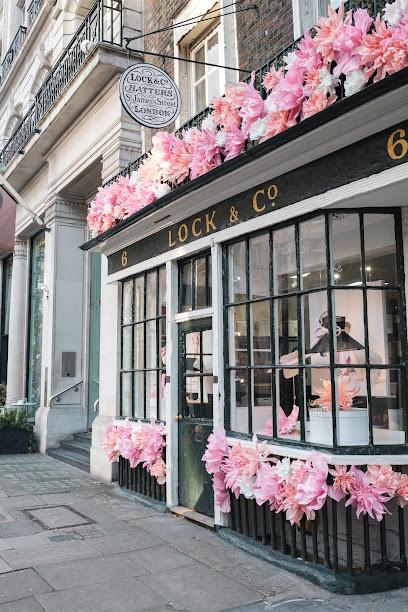
Lock & Co. Hatters
0.2 km
Discover centuries of British hat-making tradition at Lock & Co., the world's oldest hat shop since 1676, crafting iconic styles for royalty and legends.
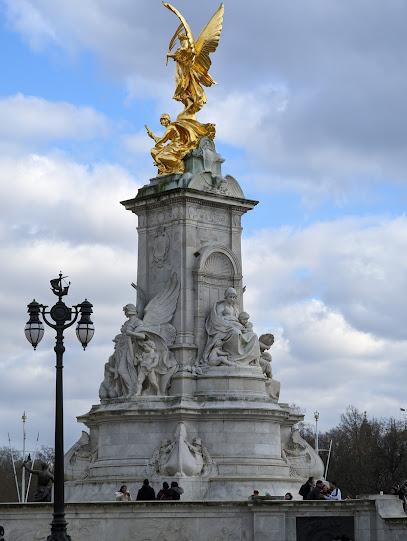
Queen Victoria Memorial
0.2 km
A majestic tribute to Queen Victoria, blending imperial grandeur with artistic symbolism at the heart of London’s royal landscape.
Canada Memorial
0.3 km
A serene and symbolic tribute in Green Park honoring Canadian soldiers’ sacrifices and the enduring bond with the United Kingdom.
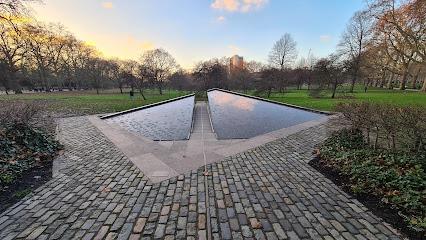
The Green Park
0.3 km
A tranquil Royal Park in central London offering peaceful lawns, historic memorials, and scenic views near Buckingham Palace.
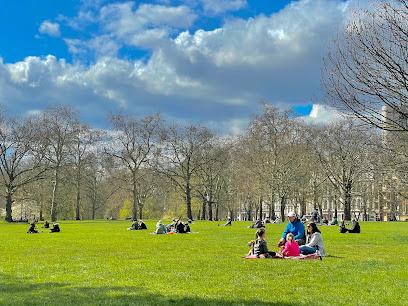
Buckingham Palace
0.3 km
Experience the grandeur and timeless traditions of Buckingham Palace, the iconic heart of British royalty in London.
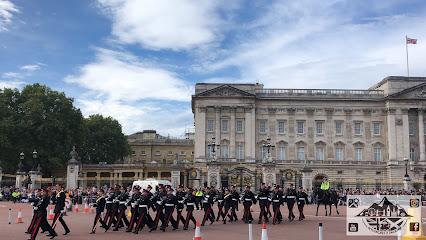
Christie's London
0.3 km
Christie's London, at 8 King Street, is a historic and prestigious auction house renowned for its world-class art and luxury sales since 1766.
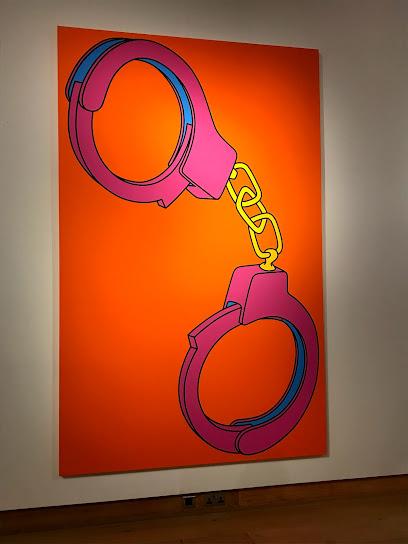
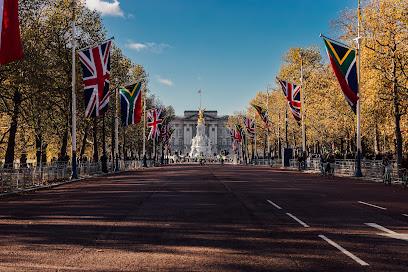
The Mall
0.4 km
A majestic royal avenue in London, The Mall connects Trafalgar Square to Buckingham Palace with regal charm and historic grandeur.
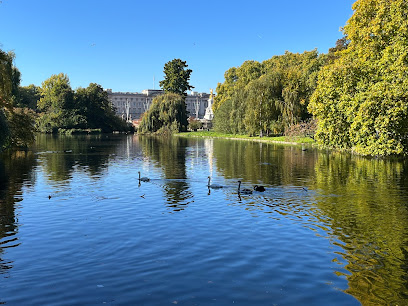
St James's Park
0.4 km
London’s oldest Royal Park, a serene green oasis with iconic palace views, historic charm, and a famous pelican colony in the city center.
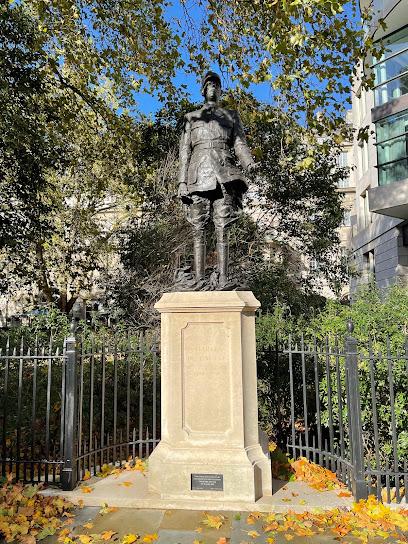
Charles De Gaulle Statue
0.4 km
A dignified tribute in London’s Carlton Gardens honoring Charles de Gaulle’s leadership of Free France during WWII.
Essential places to dine

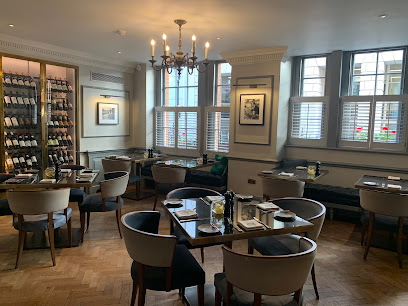
Great British Restaurant
0.2 km
Elegant British dining in the heart of St James’s, blending traditional flavors with modern sophistication in a tranquil hotel setting.
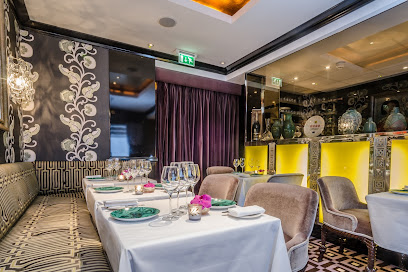
Seven Park Place by William Drabble
0.3 km
An intimate Michelin-starred restaurant in Mayfair offering refined British-French cuisine by Chef William Drabble in an elegant Art Deco setting.
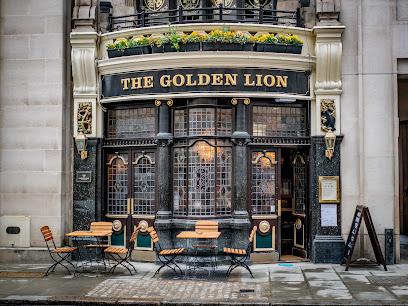
Golden Lion
0.3 km
Historic 1690s pub in St James's offering classic British fare, rich heritage, and a warm, family-friendly atmosphere near Buckingham Palace.
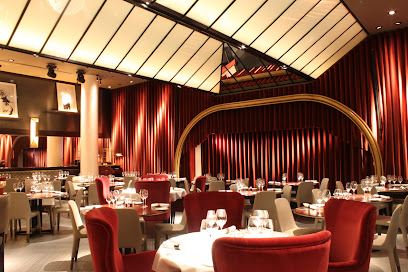
Quaglino's
0.4 km
Glamorous basement brasserie with live music, cocktails, and theatrical dining in St. James's.
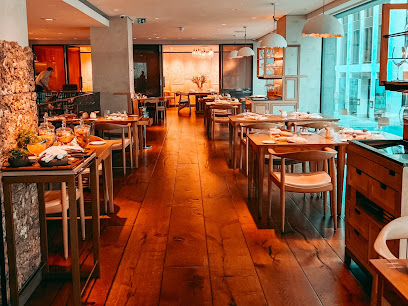
HIDE
0.5 km
Discover refined Modern European cuisine with panoramic Green Park views at HIDE, a Michelin-starred gem blending innovation and elegance in Mayfair.
Ormer Mayfair Restaurant
0.5 km
Michelin-starred modern British dining in an elegant 1930s-style Mayfair setting, offering inventive tasting menus and impeccable service.
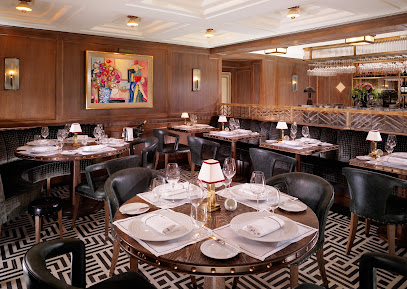
Wild Honey St James
0.6 km
Michelin-starred French-influenced cooking in a Grade II-listed banking hall, where refined technique meets understated elegance.
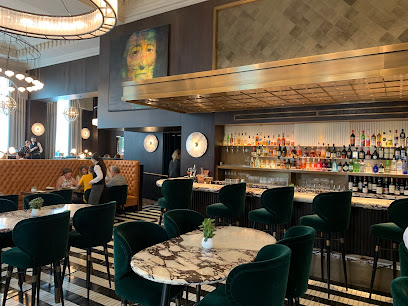
The Pem
0.7 km
Elegant modern British dining in Westminster, honoring heritage with exquisite seasonal menus and refined ambiance.
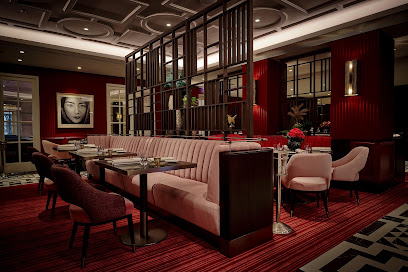
Caxton Grill
0.7 km
Refined British grill cuisine with fresh rooftop garden produce in a relaxed Westminster setting inside St Ermin’s Hotel.
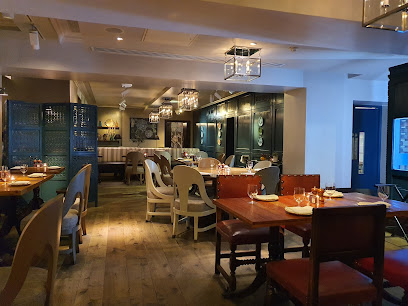
Chez Antoinette Victoria
0.7 km
Authentic French bistro in London’s Victoria offering classic Lyonnais and Parisian dishes in a cozy, Parisian-style setting.
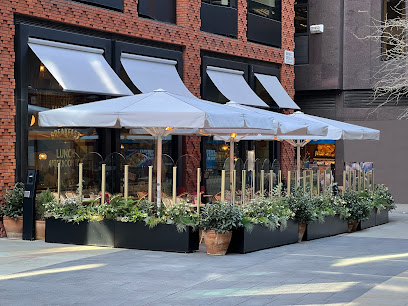
The English Grill
0.7 km
Classic British dining perfected with expertly grilled steaks and seasonal delights in a refined, elegant setting near London’s iconic theatres.

Bill's Victoria Restaurant
0.7 km
A vibrant British eatery near Victoria Station offering hearty classics, sharing plates, and plant-based dishes in a cozy, casual setting.
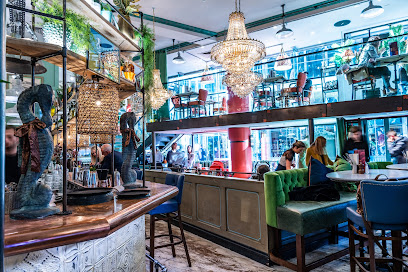
Colosseo Restaurant
0.8 km
Experience authentic Italian flavors and warm hospitality in the heart of London’s Victoria at Colosseo Restaurant.
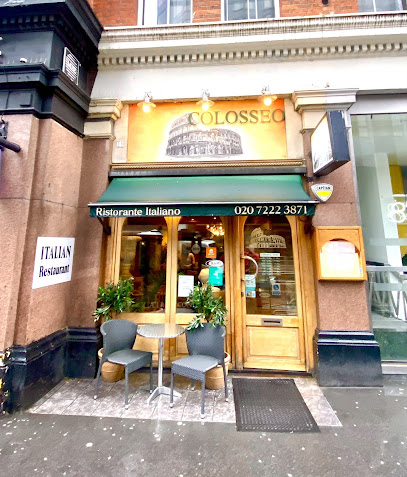
Kricket Soho
0.8 km
Discover bold, modern Indian small plates in a lively Soho setting with an open kitchen and vibrant basement dining.
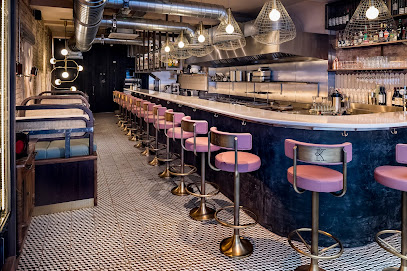
NOPI
0.9 km
Experience vibrant Mediterranean and Middle Eastern flavors in Soho at NOPI, Ottolenghi’s innovative restaurant known for shareable, seasonal dishes.
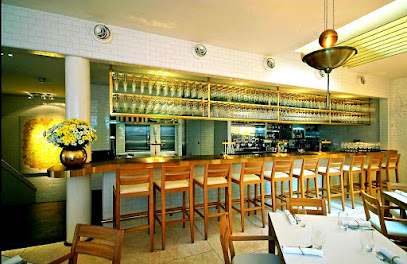
Markets, malls and hidden boutiques

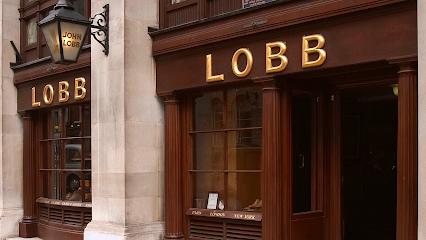
John Lobb St. James
0.2 km
Where 170 years of royal patronage meets handcrafted perfection in every stitch.
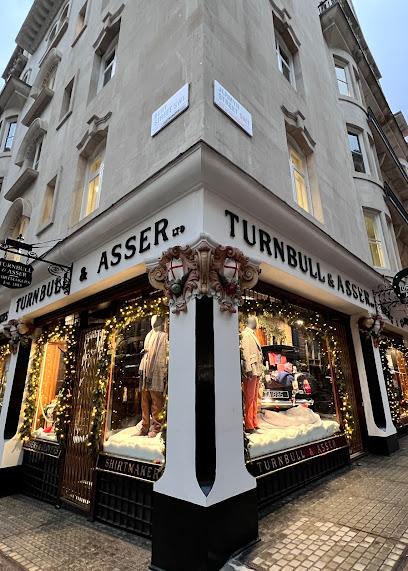
Turnbull & Asser Jermyn Street
0.4 km
Discover Turnbull & Asser on Jermyn Street, the quintessential British shirtmaker blending heritage craftsmanship with timeless elegance since 1885.
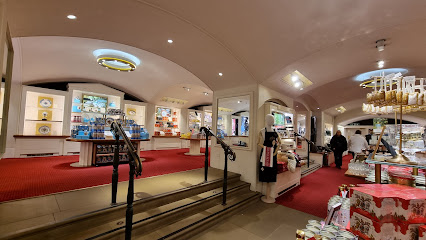
The Queen's Shop
0.5 km
Exclusive royal gifts and British heritage souvenirs steps from Buckingham Palace, blending luxury, tradition, and timeless elegance in a charming London boutique.
Floris London
0.5 km
Experience nearly three centuries of British fragrance heritage at Floris London’s historic boutique on iconic Jermyn Street.
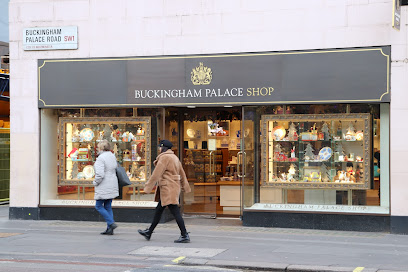
Buckingham Palace Shop
0.6 km
Official royal souvenirs at the palace gates: chinaware, gifts, and memorabilia that bring Buckingham Palace's grandeur home with you. (162 characters)
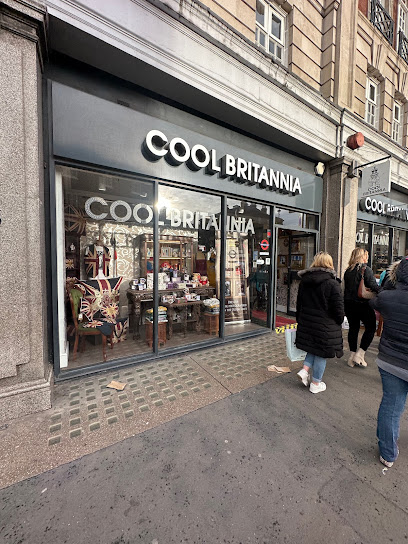
Cool Britannia
0.6 km
Discover authentic British souvenirs and vintage photography moments just steps from Buckingham Palace in a lively and welcoming shop.
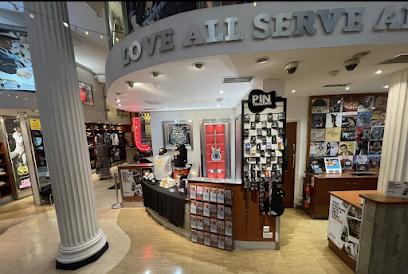
Hard Rock London Rock Shop
0.7 km
Discover exclusive rock ’n’ roll merchandise and iconic memorabilia at London’s legendary Hard Rock Rock Shop on Old Park Lane.
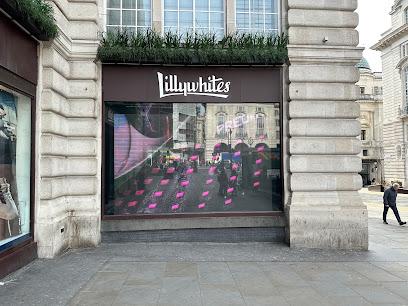
Lillywhites
0.7 km
London's iconic sports megastore at Piccadilly Circus—where athletic excellence meets retail tradition.
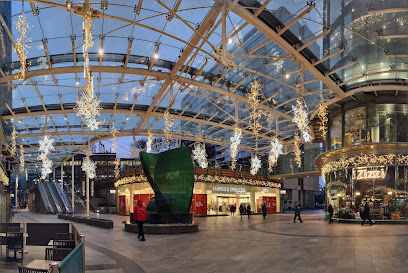
Cardinal Place
0.8 km
Experience the ultimate shopping and dining destination at Cardinal Place, London’s vibrant commercial hub near Victoria Station.
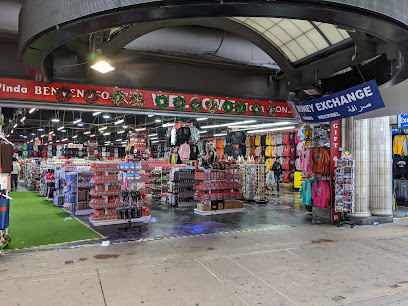
Glorious London Gift & Souvenir
0.9 km
Discover unique souvenirs and gifts that embody the spirit of London at Glorious London Gift & Souvenir, a must-visit shopping destination.
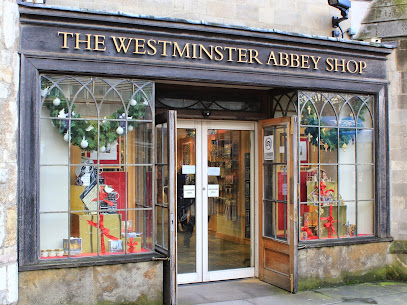
Westminster Abbey Shop
0.9 km
Discover exclusive Abbey-inspired gifts and souvenirs that support Westminster Abbey’s heritage and conservation efforts.
Bond St
0.9 km
London's most exclusive luxury shopping street, where three centuries of elegance meet contemporary high fashion.
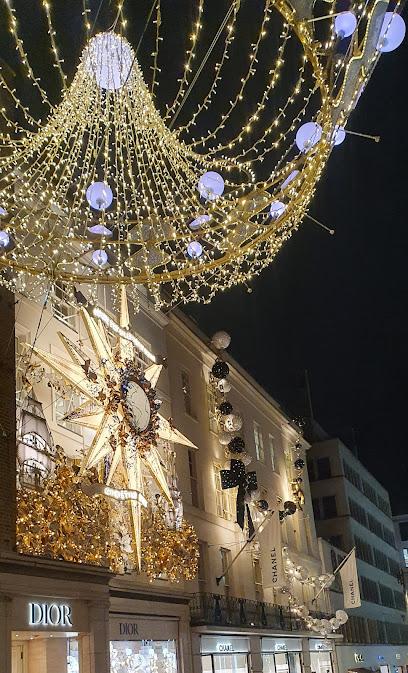
Crest of London Ltd
0.9 km
Discover authentic London souvenirs and local crafts at Crest of London Ltd, your premier gift shop in historic Whitehall.
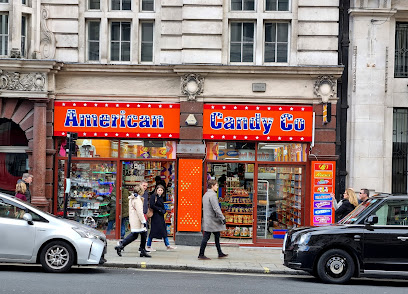
LONGCHAMP
0.9 km
Discover French luxury and craftsmanship at Longchamp’s elegant Bond Street boutique in London’s exclusive Mayfair district.
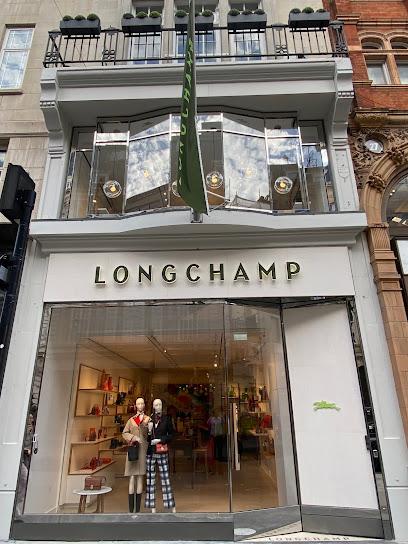
CLOSET CASE SOHO LONDON
0.9 km
Discover avant-garde menswear from global designers in Soho's vibrant heart – unique finds for the bold dresser at Closet Case.
Essential bars & hidden hideouts

Below
0.5 km
Discover Below at HIDE, a hidden Mayfair cocktail bar offering expertly crafted seasonal drinks and rare spirits beneath a Michelin-starred restaurant.
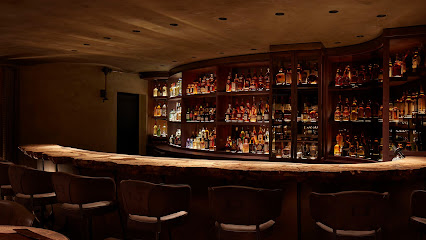
Adam & Eve
0.5 km
Classic Westminster pub pouring real ales and hearty grub amid historic streets—a cozy haven near Parliament and the Abbey for authentic London pints.
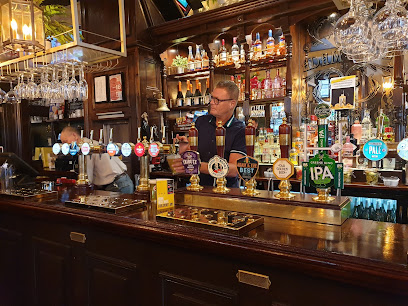
Two Chairmen
0.6 km
Traditional Westminster pub serving hearty pies, fresh ales, and classic British cheer just steps from St. James's Park and Parliament.
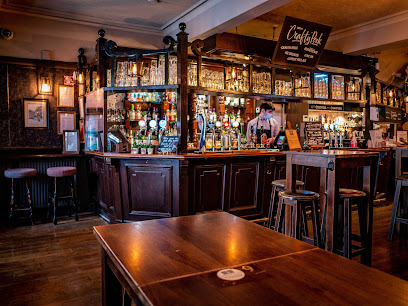
Blue Boar Pub
0.7 km
Traditional Westminster pub serving hearty British classics in a cozy, historic setting near Abbey and Parliament—perfect for ales, roasts, and relaxed evenings.
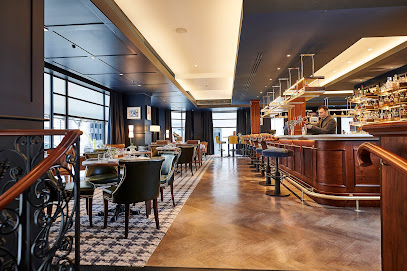
The New York Bar
0.7 km
A polished hotel lounge opposite Buckingham Palace — handcrafted cocktails, tasting events and piano-accompanied afternoons in plush, traditional surroundings.
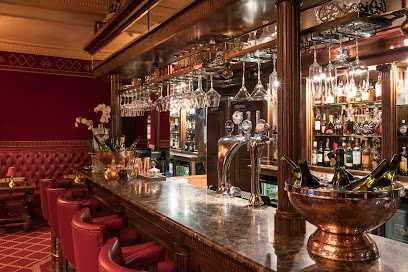
Bbar
0.7 km
Chic Victoria cocktail bar beneath a living wall, blending South African zest with inventive drinks, hearty bites, and unforgettable afternoon teas near Buckingham Palace.
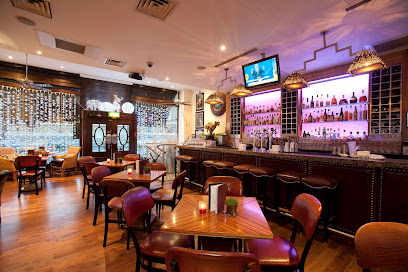
All Bar One Victoria
0.7 km
Sophisticated wines, global bites, and lively vibes on Victoria Street – London's go-to for stylish drinks and casual feasts near Westminster's heart.
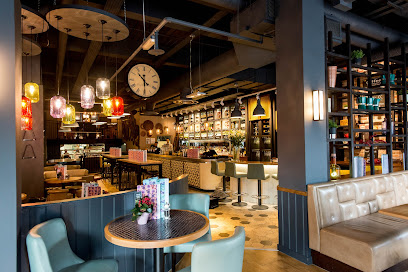
Westminster Arms
0.7 km
Historic Westminster pub with parliamentary division bell, Shepherd Neame ales, and cozy alcoves steps from Abbey and Parliament—timeless British charm in political heart.
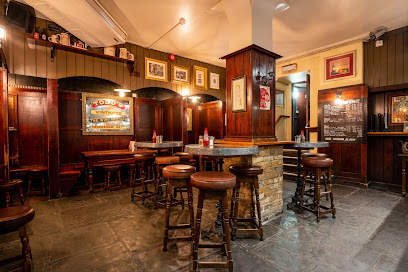
Old Shades
0.9 km
Historic Whitehall pub pouring cask ales and pub classics since 1898, steps from Trafalgar Square—a true taste of London tradition.
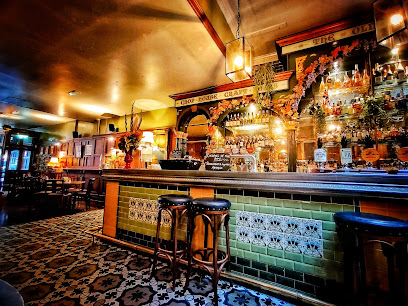
The Spy Bar
0.9 km
Step into London’s secret subterranean bar where espionage history meets masterful cocktails and exclusive, no-photos privacy.
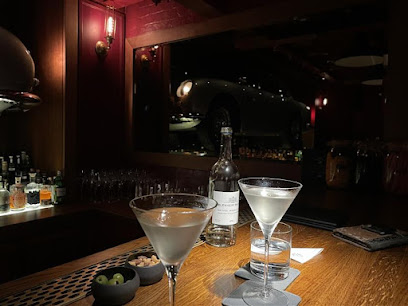
All Bar One Leicester Square
0.9 km
Stylish wine and cocktail bar in the heart of Leicester Square, perfect for socializing, dining, and private events in central London.
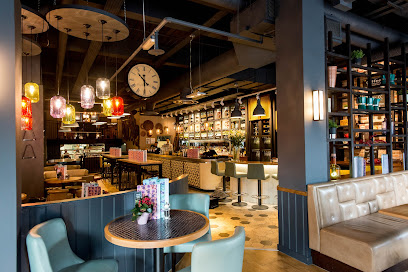
The Thin White Duke
0.9 km
Discover Soho’s intimate cocktail bar inspired by David Bowie, blending bespoke drinks, award-winning dim sum, and creative recording studios.
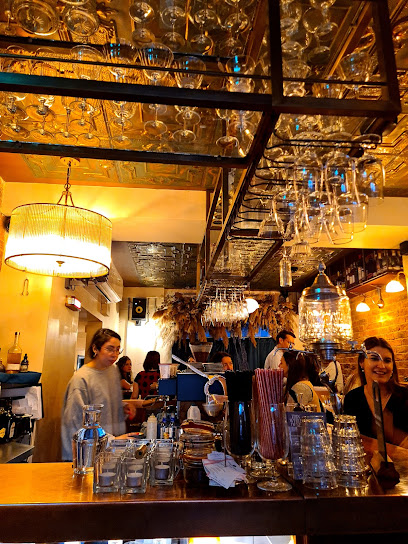
Disrepute - Soho
0.9 km
Descend into Soho's glamorous underworld at Disrepute, where 1960s scandal meets masterful cocktails in velvet-clad vaults—Soho's seductive late-night escape.
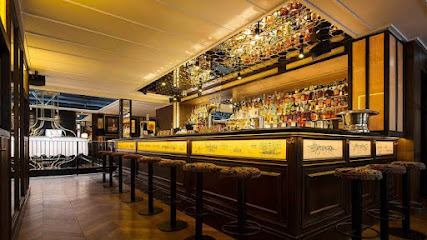
The Red Lion, Parliament Street
0.9 km
A venerable Westminster corner pub — late‑Victorian fittings, political atmosphere and a long history beside Downing Street and Parliament.
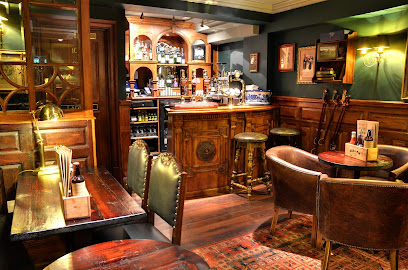
Hampshire Restaurant and Bar
1.0 km
Intimate bar and restaurant serving vibrant Mexican and Peruvian cuisine in the heart of Leicester Square’s iconic theatre district.
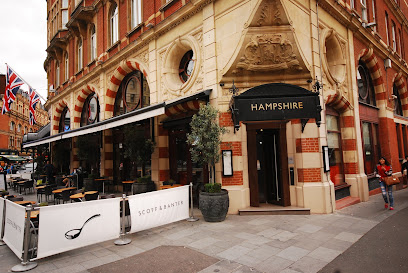
Nightclubs & after hour spots

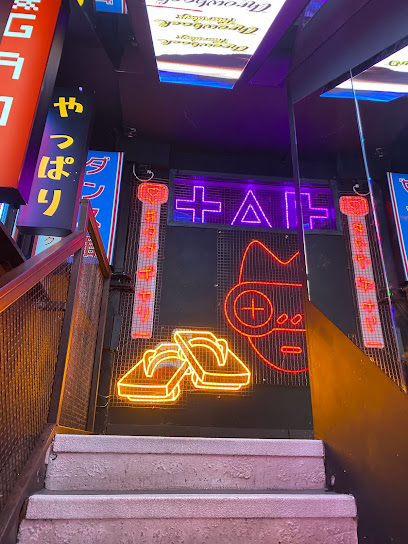
Tabu London
0.5 km
Escape Mayfair's polish for Tokyo's neon-lit Shinjuku alleys at Tabu London—retro gaming vibes, caged dancers, hip-hop beats, and upscale bites fuel epic nights.
The Scotch of St James
0.5 km
Legendary Mayfair speakeasy where 60s rock stars jammed and today's elite dance till dawn in velvet-clad intimacy.
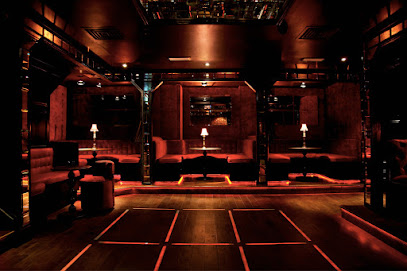
LUXX CLUB LONDON
0.6 km
Experience Mayfair’s premier luxury nightclub with dazzling lights, top DJs, and exclusive VIP vibes at LUXX CLUB LONDON.
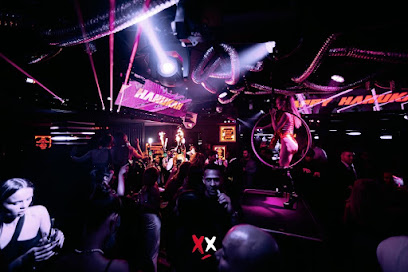
The Cuckoo Club
0.7 km
Exclusive Mayfair nightclub and restaurant blending glamorous design, contemporary cuisine, and vibrant nightlife in London’s upscale scene.
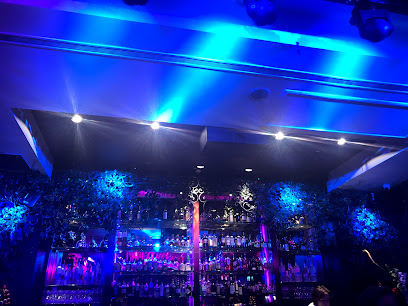
TSQ Club
0.8 km
Dive into Trafalgar Square's nightlife pulse at TSQ Club, where eclectic beats, dazzling lights, and craft cocktails fuel unforgettable weekend nights in London's heart.
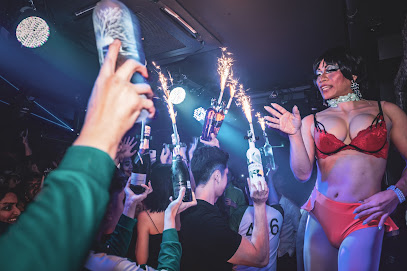
Tiger Tiger London
0.8 km
Experience London’s iconic Haymarket nightclub with six vibrant rooms, lively DJs, and a dynamic party atmosphere just moments from Piccadilly Circus.
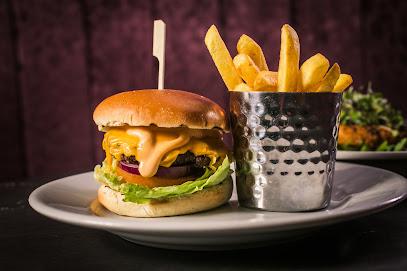
Luxe Club
0.8 km
Experience London's vibrant nightlife at Luxe Club, a central hotspot for music, dancing, and late-night entertainment.
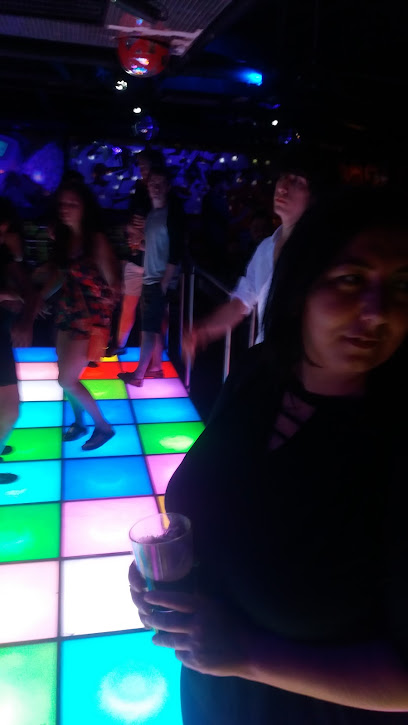
Café de Paris
0.9 km
Step into London’s iconic West End nightclub where history, glamour, and electrifying cabaret create unforgettable nights.
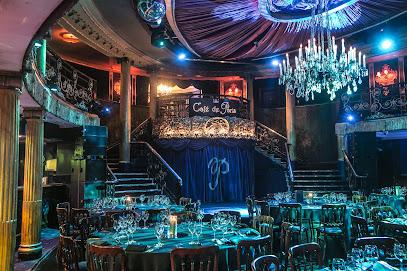
The Windmill Soho | Restaurant, Cabaret & Nightclub in Soho, London
0.9 km
Soho's legendary cabaret den revived: burlesque bites, theatrical feasts, and all-night beats in a historic hotspot of hedonism.
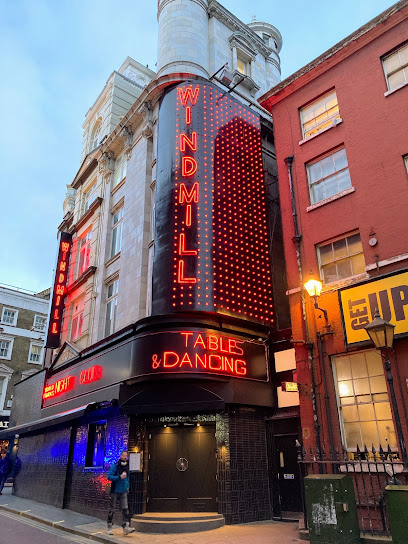
The Penthouse London
1.0 km
A compact, rooftop nightclub above Leicester Square — reached by a side lift, built for late‑night private parties and skyline glimpses.
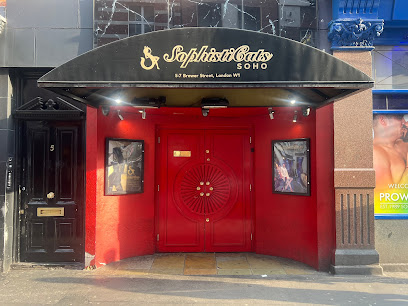
Sophisticats Soho
1.0 km
An intimate, late‑night Soho gentlemen’s club on Brewer Street offering staged performances, VIP seating and an upmarket, discreet atmosphere.
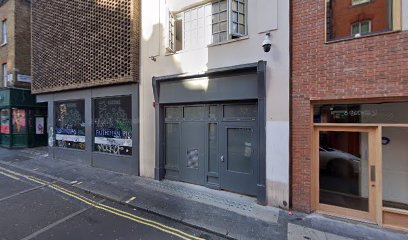
Versity Camp Nightclub
1.0 km
Dive into Soho's beating heart at Versity Camp Nightclub, where thumping bass, inventive cocktails, and an electric crowd fuel unforgettable nights until dawn.
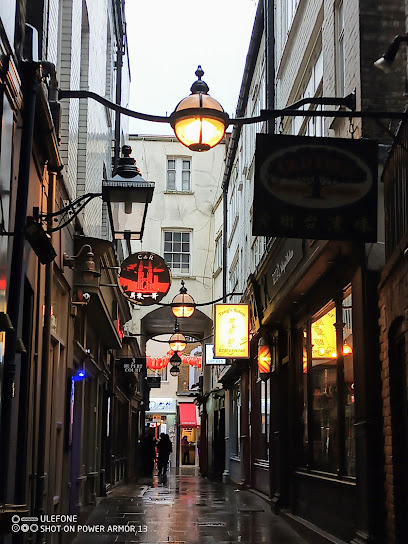
The Box Soho
1.0 km
A clandestine Soho cabaret where decadent staging, provocative shows and high‑end cocktails collide in an intense late‑night theatre.
Zoo Bar & Club
1.1 km
Dive into Leicester Square's edgy nightlife hub: two floors of R&B beats, sports screens, and wild energy until 3am at Zoo Bar & Club.
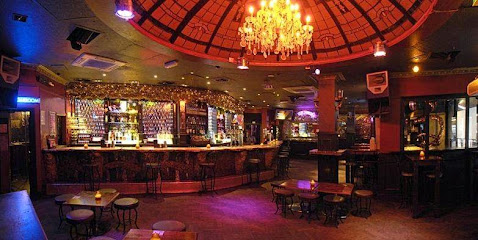
Sunset night club
1.1 km
Dive into Soho's electric nightlife at Sunset Night Club, where thumping beats, craft cocktails, and dawn-chasing energy define unforgettable nights in London's vibrant core.
For the vibe & atmosphere seeker
- Elegant
- Scenic
- Tranquil
- Unique
- Historic
For the design and aesthetic lover
- Vintage Styles
- Art Deco Styles
For the architecture buff
- Historic
- Landmarks
- Sacred Sites
For the view chaser and sunset hunter
- Iconic Views
- Panoramas
- Sunset Spots
For the social media creator & influencer
- Instagrammable
- Photo Spots
- Architectural Shots
For the eco-conscious traveler
- Public-Transport Accessible
- Locally Managed
For the kind of experience you’re after
- Cultural Heritage
- Photowalk
- Day Trip
- Weekend Getaway
- Festival / Event Nearby
For how adventurous you want the journey to be
- Easy Access
Location Audience
- Family Friendly
- Senior Friendly
- Child Friendly
- Teen Friendly
- Wheelchair Access
- Solo Friendly
- Couple Friendly
- Solo Female Friendly


