

Spitalfields Charnel House: A Medieval Testament Beneath London
Discover the haunting medieval charnel house beneath Bishop's Square, where history, death, and faith intertwine beneath modern London.
Spitalfields Charnel House, located beneath Bishop's Square in London, is a rare medieval relic that once served as a charnel house and chapel linked to the Priory of St Mary Spital. Dating back to the early 14th century, it stored the bones of thousands who died during times of famine and plague. Rediscovered in the late 1990s, the site reveals layers of London's history beneath a modern urban landscape.
A brief summary to Spitalfields Charnel House
- Bishops Square, London, E1 6FQ, GB
- Duration: 0.5 to 1.5 hours
- Budget
-
 Indoor
- Mobile reception: 5 out of 5
- Monday 12 am-12 am
- Tuesday 12 am-12 am
- Wednesday 12 am-12 am
- Thursday 12 am-12 am
- Friday 12 am-12 am
- Saturday 12 am-12 am
- Sunday 12 am-12 am
Local tips
- Visit during weekdays to avoid larger weekend crowds and enjoy a quieter, more reflective experience.
- Look for the glass floor in Bishop’s Square to view the charnel house ruins before descending to the basement level.
- Take time to read the informational panels at the site to fully appreciate the historical and archaeological significance.
- Combine your visit with exploring nearby Spitalfields Market for a full cultural and historical day out.

For the on-the-go comforts that matter to you
- Information Boards
- Seating Areas
- Restrooms
- Drink Options
- Food Options
Getting There
-
London Underground
Take the Central, Circle, or Hammersmith & City Line to Liverpool Street Station, approximately a 10-15 minute walk to Bishop's Square. The station is well connected and accessible, with frequent services and step-free access. No additional cost beyond standard tube fare applies.
-
Bus
Several bus routes, including numbers 8, 26, 35, and 47, stop near Spitalfields Market, a 5-minute walk from the Charnel House. Buses run frequently throughout the day with a standard London bus fare. Note that buses may be slower during peak traffic hours.
-
Walking
If you are staying in central London, walking to Bishop's Square is a pleasant option, taking around 20-30 minutes from the City of London. The route is flat and accessible, passing through vibrant neighborhoods with shops and cafes.
Spitalfields Charnel House location weather suitability
-
 Any Weather
-
 Clear Skies
-
 Mild Temperatures
Discover more about Spitalfields Charnel House
Origins Rooted in Medieval Care and Burial Practices
The Spitalfields Charnel House traces its origins to the late 12th century with the establishment of the Priory and Hospital of St Mary Spital. Unlike modern hospitals, this medieval institution primarily provided spiritual care and shelter for pilgrims, the sick, and vulnerable populations such as pregnant women and orphans. The name 'Spitalfields' itself derives from 'hospital' and 'fields,' reflecting its historic function and the open burial grounds surrounding it.A Sanctuary for the Dead Amidst Epidemics
The charnel house, constructed around 1320, served as a consecrated vault where bones were stored when graves were reused or disturbed. This practice was especially critical during catastrophic events like the Great Famine and plague outbreaks that claimed thousands of lives. The underground chamber, once packed with skulls and leg bones, symbolized the medieval belief in bodily resurrection on Judgement Day. Its dual role as a chapel and bone repository highlights the intertwining of spiritual and practical concerns in medieval burial customs.Transformation Through Time and Rediscovery
Following the Dissolution of the Monasteries in the 16th century, the priory was closed, and the charnel house was repurposed as a domestic space, including use as a kitchen. Remarkably, the human remains were left undisturbed, and the building later became a repository for rubble from the Great Fire of London in 1666. Buried beneath layers of history, the charnel house remained hidden until its unexpected rediscovery during construction in 1999. Preservation efforts led to its integration beneath a glass floor in Bishop's Square, allowing visitors to glimpse this extraordinary medieval survival.Architectural and Archaeological Significance
The charnel house is one of the few surviving examples of early 14th-century architecture in London. Its walls, decorated with knapped flints and Kentish Ragstone, and the presence of Romanesque arches with traces of medieval paint, provide invaluable insights into medieval craftsmanship and religious architecture. Archaeological excavations uncovered over 10,000 human remains, making it one of the largest medieval burial sites studied in Britain, enriched by detailed analysis including carbon dating and facial reconstruction.Modern Context and Cultural Legacy
Today, Spitalfields is a vibrant area known for its markets, restaurants, and offices, yet beneath this modernity lies a poignant reminder of London's layered past. The Charnel House stands as a testament to the city's medieval history, its struggles with disease and death, and the enduring human desire to honor and remember the dead. Artistic installations within the ruins, such as David Teager-Portman’s statues, add contemporary reflections on loss and exploration, bridging past and present.Visiting the Site and Its Place in London's Heritage
Accessible beneath Bishop's Square near Spitalfields Market, the charnel house offers a unique subterranean experience. Visitors can view the ruins through a glass floor and descend to a lower level to explore interpretive panels that narrate its history. This rare survival of medieval London enriches the cultural fabric of the city, inviting contemplation of mortality, faith, and the passage of time beneath the bustling streets above.Iconic landmarks you can’t miss

Northumbria University - London
0.2 km
Explore Northumbria University in London, where vibrant culture meets innovative education in the heart of the city.
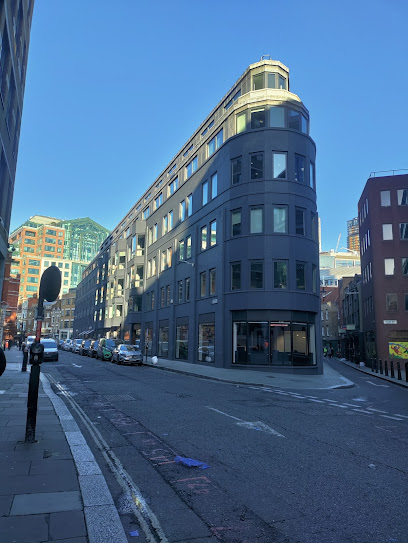
182 Bishopsgate
0.3 km
Discover 182 Bishopsgate, where London’s ancient gateway history meets the vibrant pulse of the modern financial district.

Travelodge London Central Liverpool Street
0.4 km
Affordable comfort in the heart of East London, steps from Liverpool Street station and vibrant city attractions.

St Christopher's Inn Liverpool Street
0.5 km
Budget-friendly hostel with a lively pub below, central to London’s financial district and Shoreditch’s creative energy.
30 St Mary Axe (The Gherkin)
0.6 km
A striking, sustainable skyscraper in London’s financial heart, blending innovative design with panoramic city views and historic roots.
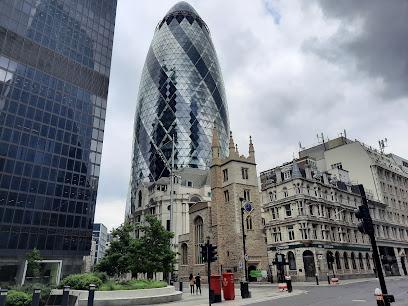
30 Saint Mary Axe - Swiss Re
0.6 km
Discover The Gherkin, London’s pioneering eco-friendly skyscraper with its iconic spiraling glass façade and panoramic city views.
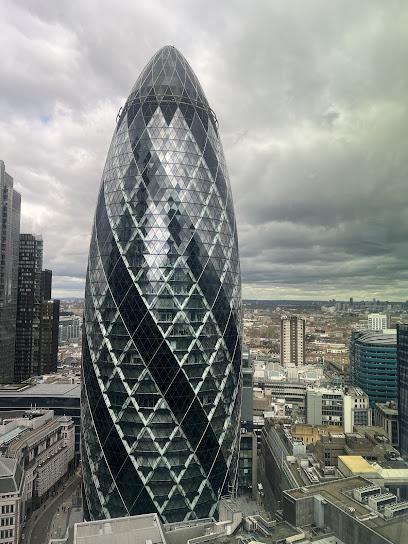
Arnold Circus
0.7 km
Arnold Circus: The historic heart of London's first council estate, born from slum clearance and social reform, now a vibrant community landmark.
St Mary’s, Whitechapel (The White Chapel)
0.7 km
Historic site of St Mary’s Whitechapel, the iconic White Chapel that shaped East London’s identity and now commemorated as Altab Ali Park.
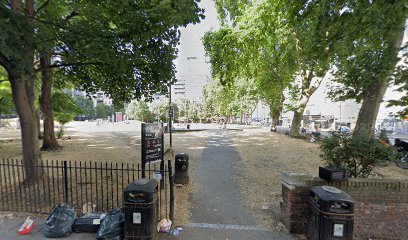
Shoreditch Church
0.8 km
Explore Shoreditch’s historic Palladian church, a sanctuary of Shakespearean theatre heritage and architectural grandeur in vibrant East London.
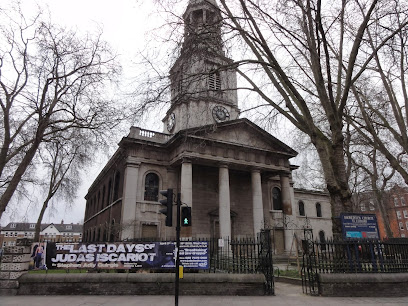
Lloyd's of London
0.8 km
A high-tech architectural masterpiece blending tradition and innovation in the heart of London’s financial district.
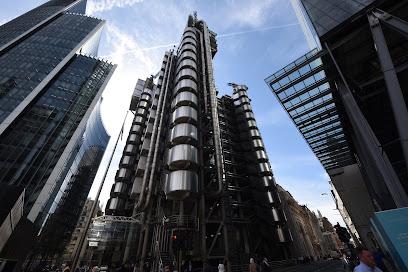
Threadneedle St
0.9 km
Historic Threadneedle Street: London’s iconic financial artery, home to the Bank of England and centuries of economic heritage.
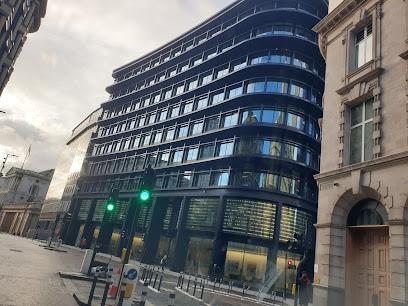
Threadneedle St & Royal Exchange
0.9 km
Explore the vibrant intersection of commerce and culture at Threadneedle St & Royal Exchange in London's financial district.
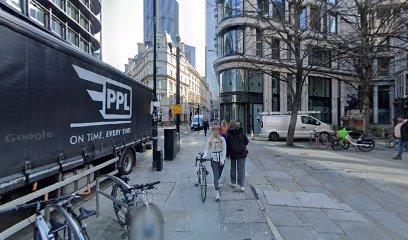
Bunhill Fields Burial Ground
0.9 km
Discover Bunhill Fields Burial Ground, a historical cemetery in London, offering a peaceful escape and the final resting place of literary legends.
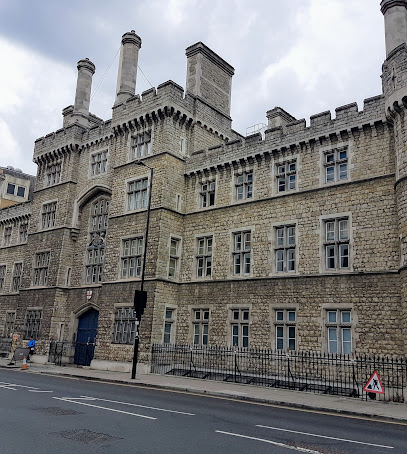
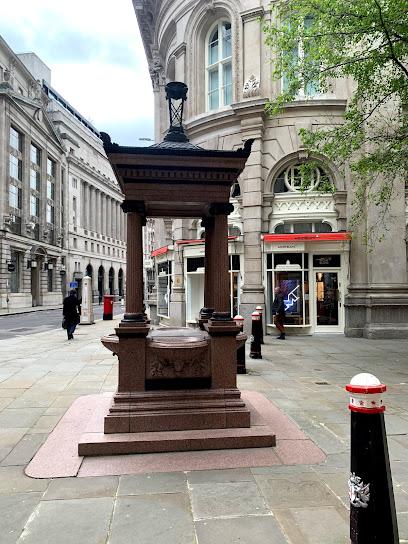
Cornhill Fountain
0.9 km
A historic cast-iron water pump outside the Royal Exchange, symbolizing centuries of London's civic pride and public health innovation.
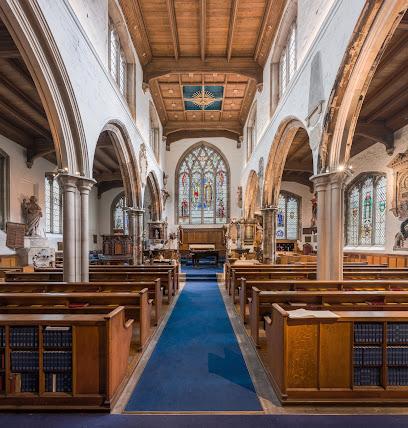
St Olave's Church, Hart Street
1.0 km
Medieval survivor where Viking legend, plague history, and literary fame converge in a Gothic gem.
Unmissable attractions to see

Spital Square
0.1 km
Discover Spital Square, a serene Georgian enclave in vibrant Spitalfields, where history and culture weave together in East London's heart.
Spitalfields Market
0.1 km
Discover the vibrant fusion of history, art, and global flavors at Spitalfields Market, East London's iconic cultural and culinary hotspot.
Dennis Severs' House
0.1 km
Step into a candlelit Georgian townhouse and journey through centuries of Spitalfields’ silk-weaving heritage in a uniquely immersive theatrical museum.
Old Spitalfields Market
0.1 km
Discover East London's vibrant blend of history, artisan crafts, and global street food beneath a stunning Victorian glass roof.
Sclater Street Market
0.2 km
Discover eclectic vintage finds, street food delights, and creative energy at Sclater Street Market in London’s dynamic East End.
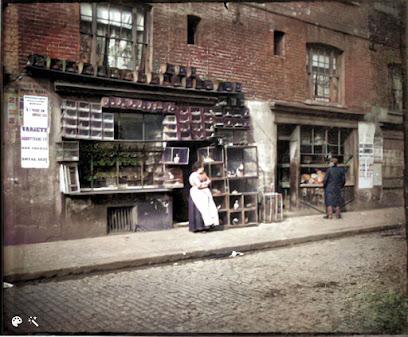
Commercial St
0.2 km
A vibrant East London artery blending historic industry, lively markets, and evolving urban culture between Shoreditch and Whitechapel.
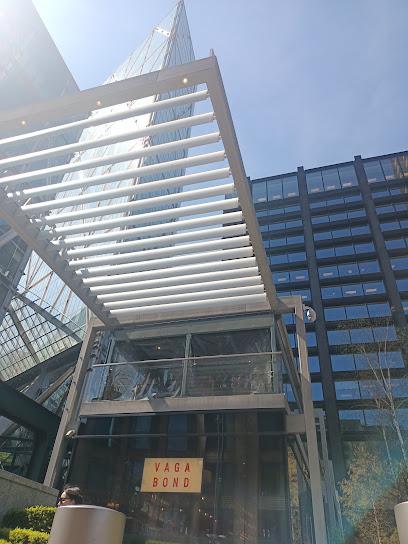
Christ Church Spitalfields
0.3 km
Discover the architectural marvel and vibrant history of Christ Church Spitalfields, a must-visit Anglican church in the heart of London.
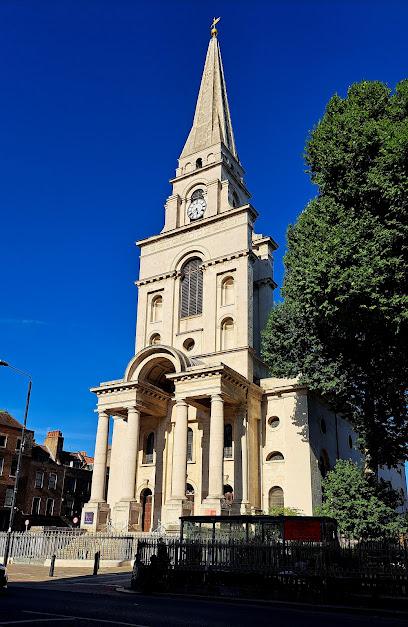
Fashion St
0.3 km
Historic Fashion Street in Spitalfields blends East London’s rich past with contemporary creative life and urban renewal.
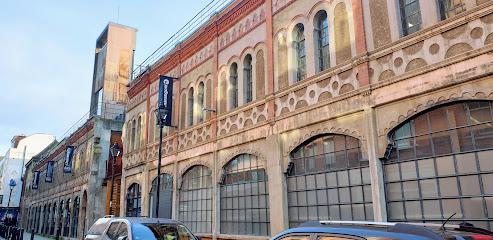
Shoreditch
0.4 km
East London's creative playground where street art, markets, and nightlife collide in authentic, ever-evolving style.
The Truman Brewery Markets
0.4 km
A vibrant East London cultural and culinary hotspot blending vintage markets, global street food, and creative community spirit in a historic brewery setting.
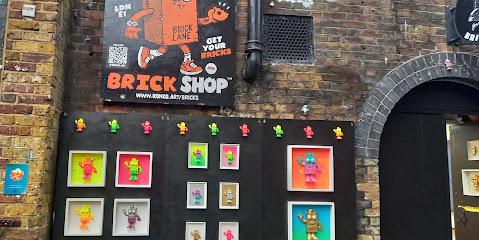
Petticoat Lane Market
0.4 km
Experience the vibrant history and diverse culture of Petticoat Lane Market, East London's iconic hub for textiles, fashion, and street food.
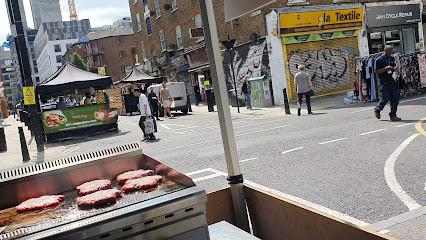
Dray Walk
0.4 km
Discover East London’s vibrant art scene at Dray Walk Gallery, a dynamic creative space within the iconic Old Truman Brewery on Brick Lane.
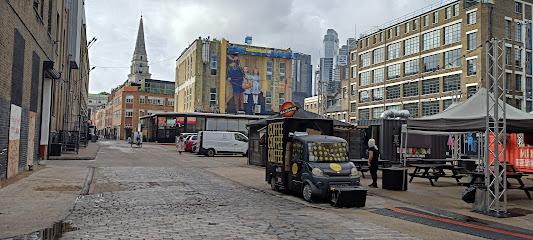
Devonshire Square
0.4 km
A tranquil blend of Victorian heritage and modern elegance in London’s bustling financial heart.
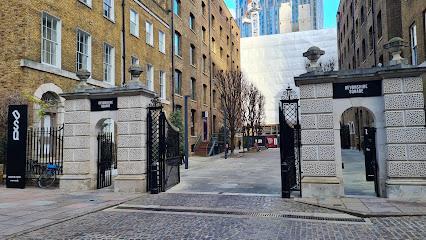
Brick Lane Mosque
0.4 km
Brick Lane Jamme Masjid: A historic mosque embodying centuries of faith, migration, and community in East London’s vibrant Spitalfields.
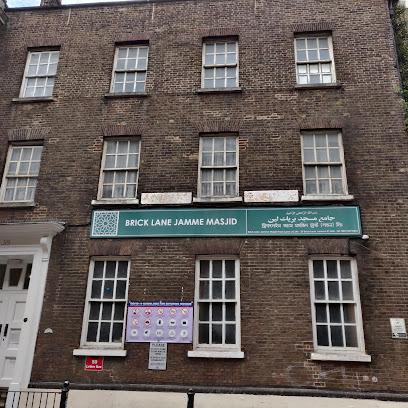
The Brick Lane Vintage Market
0.4 km
Explore the UK's largest vintage market in East London, a vibrant hub for retro fashion, unique collectibles, and cultural energy seven days a week.
Essential places to dine

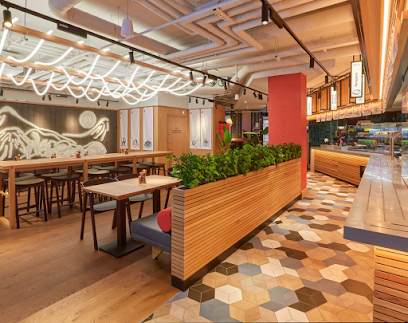
Marugame Udon Middlesex Street
0.2 km
Experience freshly handcrafted Japanese udon and crispy tempura in a lively open kitchen setting at Marugame Udon Middlesex Street, London’s authentic udon destination.
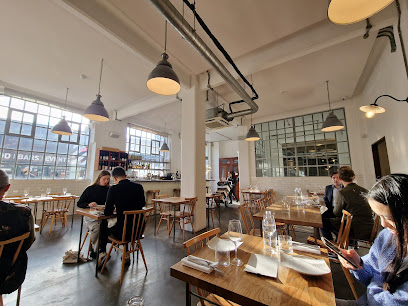
Lyle's
0.5 km
Michelin-starred Lyle's serves innovative, seasonal British cuisine in a minimalist Shoreditch setting with a relaxed, refined atmosphere.
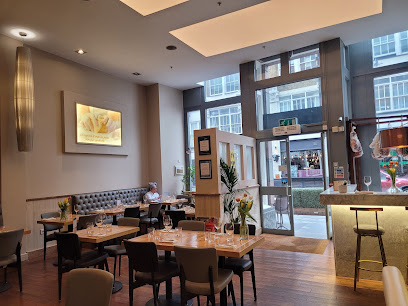
Mattarello Chiodo Bolognese Restaurant
0.5 km
Authentic Bolognese pasta and gluten-free Italian delights in the heart of London’s Middlesex Street.
Barcelona Tapas Bar & Restaurant
0.5 km
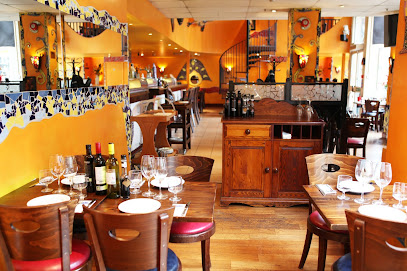
Authentic Spanish tapas and warm hospitality in the heart of London’s City since 1991.
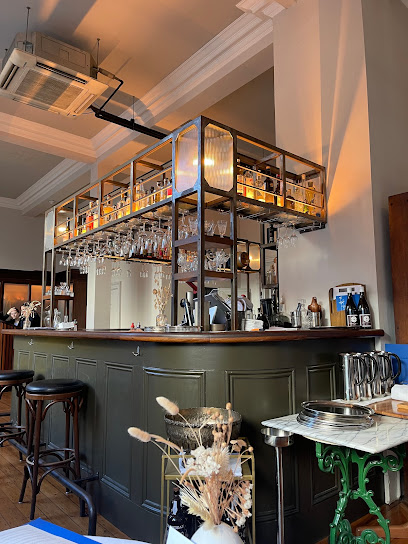
The Clove Club
0.8 km
Two Michelin stars meet innovative modern British cuisine in a historic Shoreditch Town Hall setting with a unique urban garden.
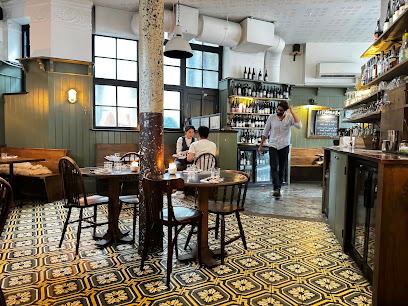
Nest Restaurant Old Street
0.8 km
Intimate Shoreditch gem offering creative British seasonal tasting menus in a cozy, historic setting with a sustainable ethos.
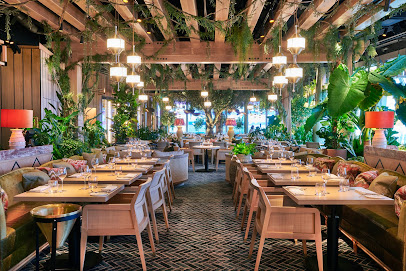
14 Hills
0.9 km
Experience modern British cuisine in a lush, sky-high garden with breathtaking panoramic views over London’s iconic skyline.
La Dame de Pic London
1.1 km
Discover refined French gastronomy and elegant dining in a historic London landmark with two Michelin stars and innovative cuisine.
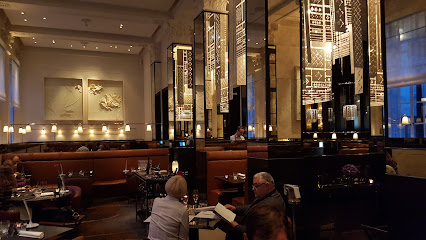
Brawn
1.2 km
Seasonal Mediterranean small plates and natural wines in a lively, vintage-inspired Shoreditch setting on Columbia Road.
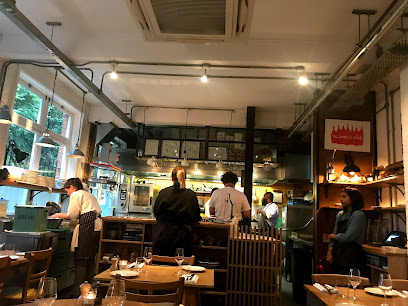
Madison
1.4 km
Stylish rooftop dining and cocktails with breathtaking views of St Paul’s Cathedral and London’s skyline.
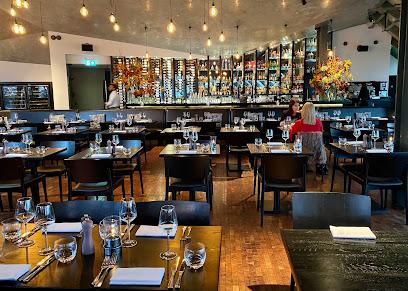
St. John
1.6 km
Experience authentic British nose-to-tail dining in the heart of London’s Barbican at St. John, where tradition meets modern culinary artistry.
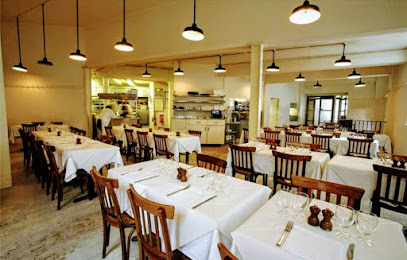
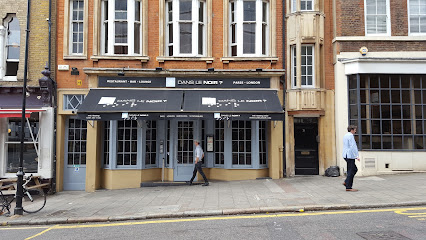
Dans le Noir ? London Restaurant
1.7 km
Experience dining like never before in total darkness, guided by visually impaired waitstaff in a sensory adventure at Dans le Noir ? London.
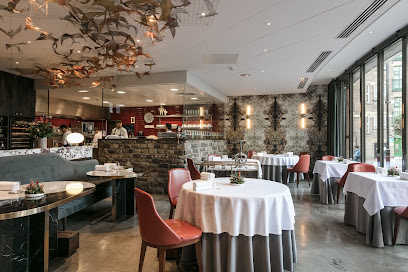
Restaurant Story
1.9 km
Experience a two Michelin-starred culinary journey where storytelling meets British fine dining in the heart of London Bridge.
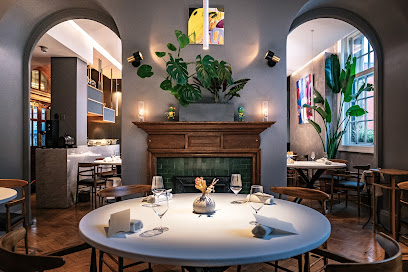
Da Terra Restaurant
1.9 km
Experience innovative two-Michelin-star Modern European cuisine with vibrant Brazilian influences in the heart of East London’s historic Bethnal Green.
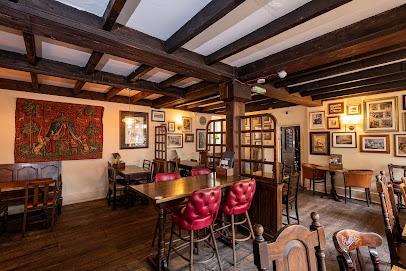
George
1.9 km
Step into London’s last galleried coaching inn, where history, hearty ales, and a lively courtyard blend in a timeless pub experience.
Markets, malls and hidden boutiques

DPUS Designer Outlet
0.3 km
Authentic designer fashion outlet in Shoreditch’s historic Old Truman Brewery, blending luxury style with urban culture and unbeatable prices.

Middlesex Textiles
0.4 km
Discover London’s premier West African fabric store offering vibrant, high-quality textiles with unmatched variety and service since 1969.
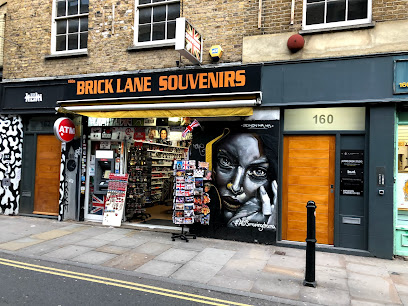
Brick Lane Souvenirs
0.5 km
Discover affordable, stylish London souvenirs and gifts in the heart of Brick Lane’s vibrant cultural scene.
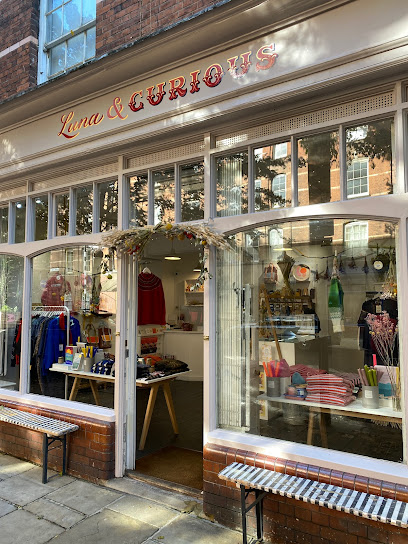
Luna & Curious
0.7 km
Discover Shoreditch’s curated boutique of British craftsmanship, quirky design, and independent retail at Luna & Curious.
The Royal Exchange
1.0 km
A majestic neoclassical landmark blending 450 years of London’s trading history with luxury shopping in the City’s financial heart.
Barbican Shop
1.1 km
Discover curated art, design, music, and unique gifts at the Barbican Shop, a creative retail haven within London’s iconic Barbican Centre.
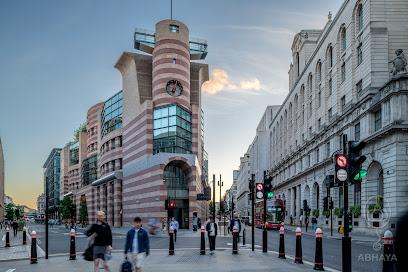
1 Poultry
1.1 km
Iconic postmodern office and retail building with vibrant limestone stripes, a colorful atrium, and a rooftop garden overlooking London’s financial district.
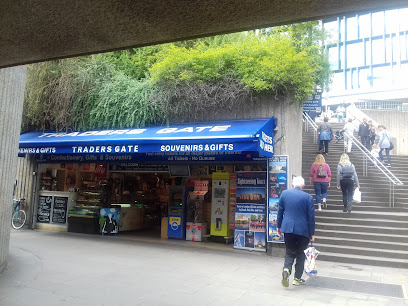
Traders Gate
1.2 km
A long-standing family-run gift shop on Tower Hill, offering classic London souvenirs and local charm just steps from the Tower of London.
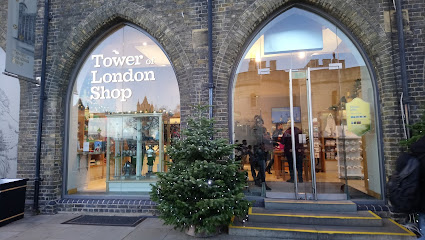
Tower of London Shop
1.3 km
Explore the Tower of London Shop for unique souvenirs that celebrate British heritage and history in the heart of London.
Hoxton Street Monster Supplies
1.3 km
Explore the enchanting Hoxton Street Monster Supplies, a whimsical gift shop in London filled with unique monster-themed treasures and delightful surprises.
One New Change
1.4 km
Modern glass landmark with free rooftop views of St Paul's Cathedral and London skyline.
Hay's Galleria
1.6 km
Historic riverside warehouse transformed into a vibrant shopping and dining destination beneath a stunning glass roof.
Smithfield Market
1.6 km
London’s oldest wholesale meat market, where history and commerce meet in the heart of the city.
Tower Bridge - Engine Rooms and Official Gift Shop
1.7 km
Explore the fascinating history of Tower Bridge at the Engine Rooms and shop for unique gifts at the Official Gift Shop.
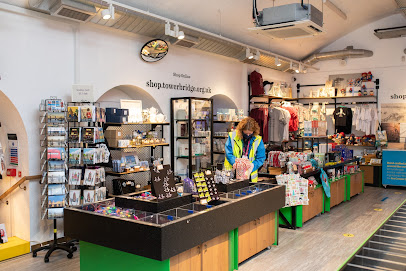
Borough Yards
1.8 km
Discover Borough Yards, a lively London district blending historic railway arches with cutting-edge shopping, dining, and culture near Borough Market.
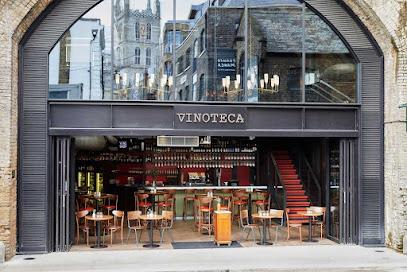
Essential bars & hidden hideouts

The Mayor of Scaredy Cat Town
0.2 km
Discover Shoreditch’s secret speakeasy behind a fridge door, where quirky vintage charm meets expertly crafted cocktails and lively 80s beats.
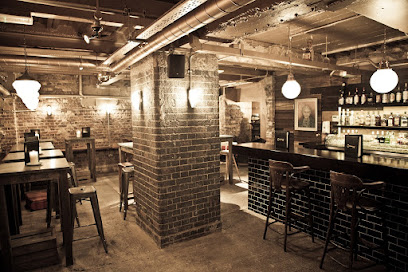
The Astronomer, EC1
0.2 km
A traditional London pub with a cosmic twist, offering hearty pies, craft ales, and a welcoming atmosphere near Liverpool Street.
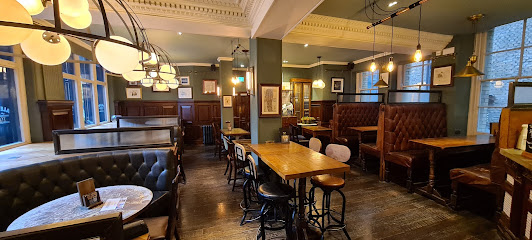
Dirty Dicks
0.2 km
Historic London pub with quirky charm, classic ales, and lively atmosphere near Liverpool Street Station.
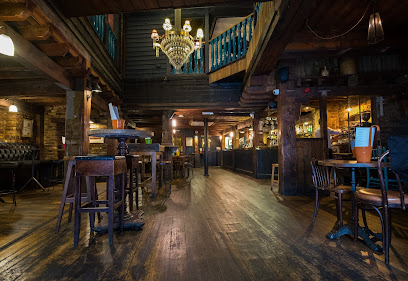
Discount Suit Company
0.4 km
Discover a hidden vintage cocktail bar beneath Spitalfields, blending bespoke drinks with a cozy speakeasy atmosphere in London’s historic tailoring district.
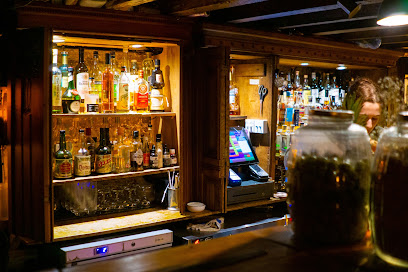
The Bell
0.4 km
A historic East End pub blending traditional charm and local spirit near Petticoat Lane Market.
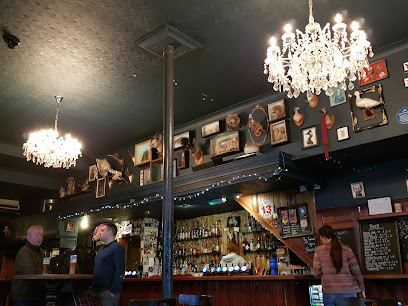
The Alchemist Bevis Marks
0.5 km
Experience London’s theatrical cocktail haven blending molecular mixology with Victorian charm and all-day dining in Aldgate.
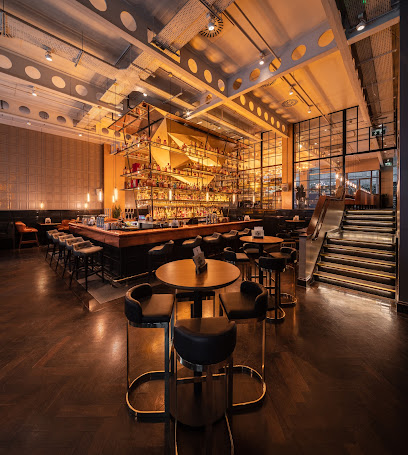
Aviary
0.6 km
Elegant rooftop dining with botanical cocktails and panoramic London skyline views in the heart of Finsbury Square.
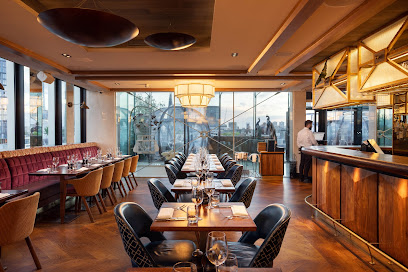
Apples & Pears Cocktail Bar
0.6 km
A vibrant East London cocktail bar blending creative drinks, lively DJs, and a welcoming atmosphere in the heart of Brick Lane.
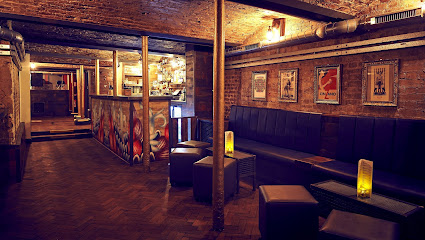
The Cocktail Trading Co. Shoreditch
0.6 km
Inventive cocktails and retro charm blend seamlessly in Shoreditch’s cozy and quirky Cocktail Trading Co.
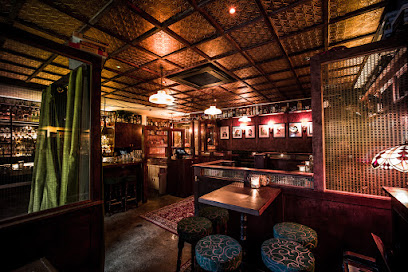
Flight Club Shoreditch
0.7 km
Experience the vibrant social darts scene with great food, cocktails, and fun at Flight Club Shoreditch in East London.
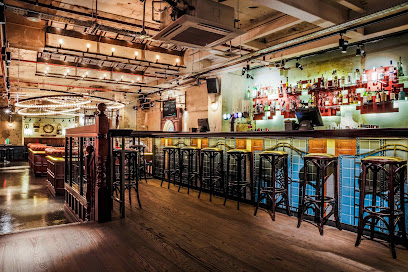
Ballie Ballerson London
0.7 km
Dive into London's most playful cocktail bar with glowing ball pits, inventive drinks, and unforgettable nights in Shoreditch.
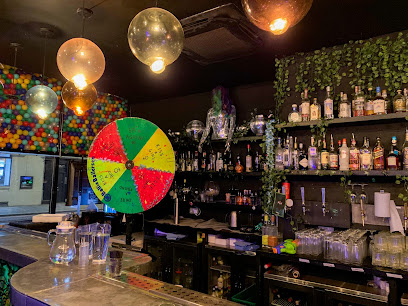
Demon, Wise & Partners
0.8 km
Classic basement cocktail bar blending historic City charm with expert mixology in London’s financial district.
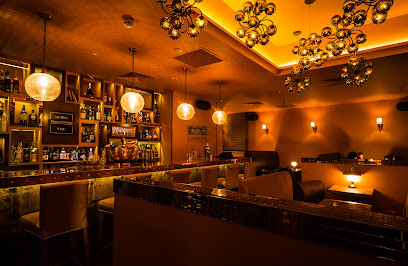
Shoreditch Balls
0.9 km
Indoor crazy golf, cocktails, and live entertainment combine for a fun-filled night out in Shoreditch’s vibrant heart.
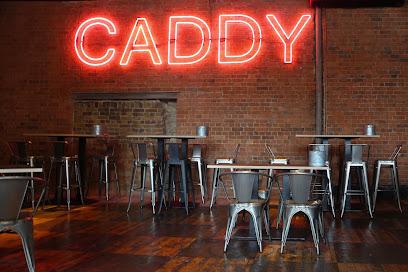
Nikkis Bar - Shoreditch
0.9 km
Lively Shoreditch cocktail bar famed for its bottomless brunch, drag shows, and nostalgic party vibes in a colorful, tropical-inspired setting.
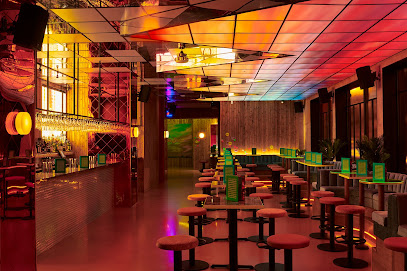
Tonight Josephine - Shoreditch
0.9 km
Lively Shoreditch cocktail bar famed for pink neon vibes, creative drinks, and unforgettable themed brunches.
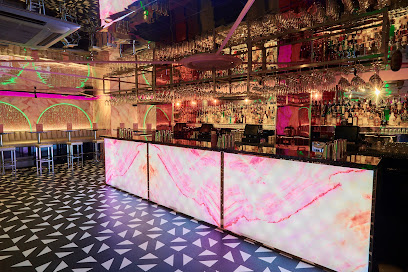
Nightclubs & after hour spots

XOYO LONDON
0.8 km
Experience Shoreditch’s iconic XOYO, where cutting-edge DJs and vibrant nightlife create an unforgettable London clubbing atmosphere.

Basing House - Shoreditch
1.0 km
An intimate Shoreditch nightclub with top electronic beats, a Funktion One sound system, and a lively rooftop bar under the London skyline.

The Steel Yard
1.4 km
Experience London’s premier industrial-chic nightclub set in historic Victorian railway arches, with world-class sound and late-night energy until 6am.
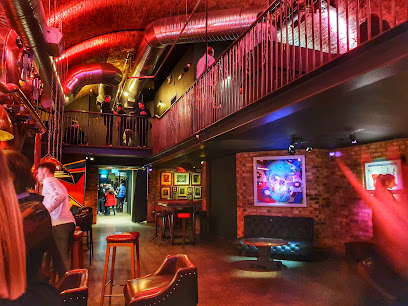
E1
1.6 km
Experience East London’s underground pulse with E1’s cutting-edge sound, immersive visuals, and vibrant club nights.
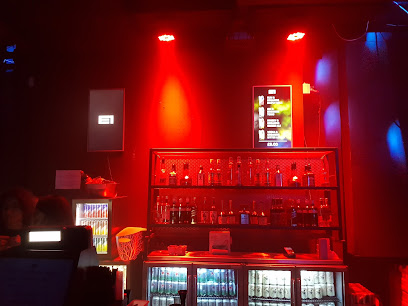
London Best Night Clubs
1.8 km
Experience London’s legendary Ministry of Sound, where cutting-edge sound meets dynamic club culture in a multi-room dance haven.
Ministry of Sound
2.9 km
London's legendary dance music cathedral since 1991, where world-class sound systems and global DJs fuel euphoric nights across four pulsing rooms.
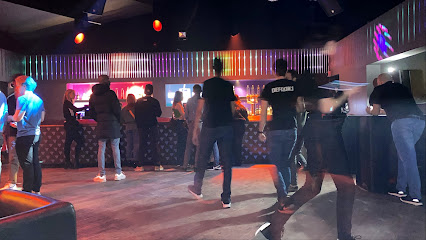
Carwash Nightclub
3.0 km
Experience Europe’s longest-running disco club in London’s West End, where retro beats, vibrant crowds, and themed parties create unforgettable nights.
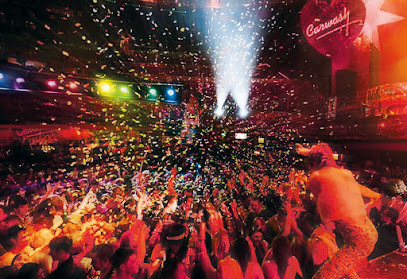
Proud Late
3.0 km
Dive into two-storey glamour under Waterloo Bridge: cabaret acrobatics, burlesque dazzle, supper feasts, and non-stop clubbing till 5am in London's West End nightlife epicenter.
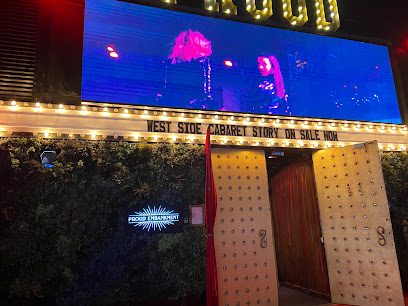
Bunga Bunga Covent Garden
3.2 km
A neon-soaked, pizza-and-karaoke supper club under Drury Lane — 90s nostalgia, stage shows and shareable Italian feasts.
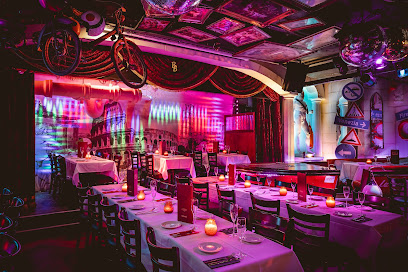
Corsica Studios
3.2 km
Experience London’s underground music pulse at Corsica Studios, where intimate vibes meet exceptional sound beneath historic railway arches.
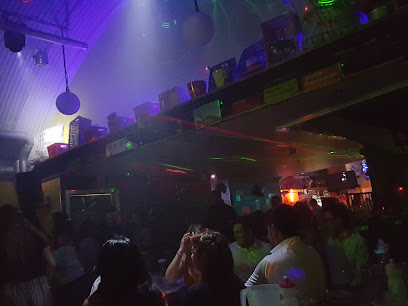
Cirque Du Soul
3.3 km
Dive into Leake Street's graffiti tunnel for soul-stirring electronic nights at this underground nightclub haven.
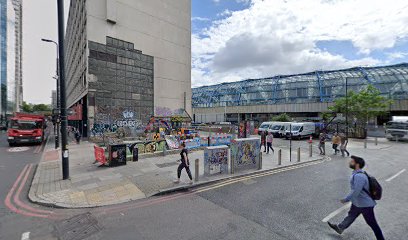
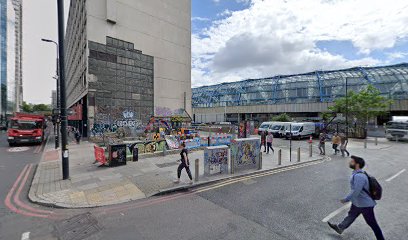
We Are Waterloo
3.3 km
Dive into Leake Street's graffiti heart where street art meets thumping beats in London's ultimate underground nightclub haven.
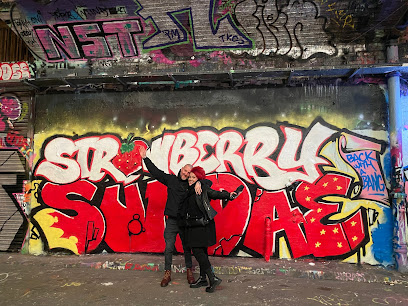
STRAWBERRY SUNDAE
3.3 km
Retro rave haven in Waterloo Arches: Daytime hardcore beats, 90s DJ legends, and industrial euphoria from midday to midnight.
The Roxy
3.4 km
Soho's unbeatable happy hour cocktail bar by day, pulsing nightclub with live music and DJ nights till 3am—affordable vibes in London's nightlife heart.
Comedy Carnival Covent Garden
3.4 km
London's premier stand-up comedy venue showcasing bold, award-winning international comedians in vibrant Covent Garden.

For the vibe & atmosphere seeker
- Tranquil
- Scenic
- Unique
- Quirky
For the design and aesthetic lover
- Rustic Designs
- Vintage Styles
For the architecture buff
- Historic
- Sacred Sites
For the view chaser and sunset hunter
- Iconic Views
For the social media creator & influencer
- Instagrammable
- Photo Spots
For the eco-conscious traveler
- Protected Area
- Public-Transport Accessible
- Locally Managed
For the kind of experience you’re after
- Cultural Heritage
- Myth & Legends
- Photowalk
- Day Trip
For how adventurous you want the journey to be
- Easy Access
Location Audience
- Family Friendly
- Senior Friendly
- Child Friendly
- Teen Friendly
- Wheelchair Access
- Solo Friendly
- Couple Friendly
- Vegetarian Friendly
- Vegan Friendly


