
The Old Operating Theatre Museum and Herb Garret
Step into Europe’s oldest surviving surgical theatre, hidden in a church attic, and explore the raw, pre-anaesthetic world of 19th-century surgery and herbal medicine.
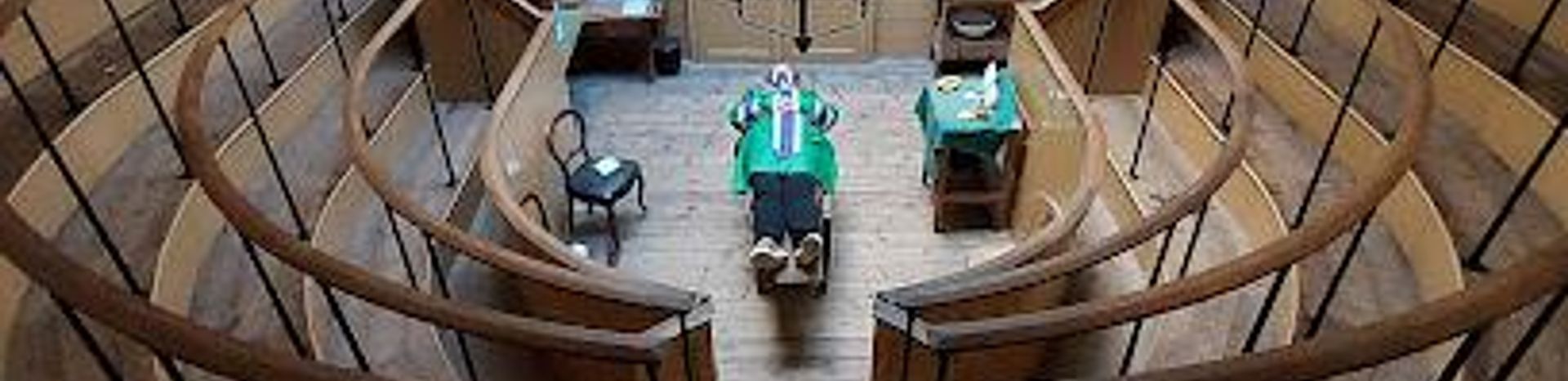
Tucked into the attic of an 18th-century church near London Bridge, this atmospheric museum preserves Europe’s oldest surviving surgical theatre. Once a women’s operating room where procedures were performed without anaesthesia or antiseptics, it now offers a gripping journey through pre-modern medicine. Explore the original timber-framed herb garret where apothecaries stored medicinal herbs, see period surgical instruments, and stand in the eerie, tiered theatre where students once watched amputations and trepanations. The museum also traces the history of St Thomas’ Hospital, monastic healthcare, and early nursing, including Florence Nightingale’s role in shaping modern nursing on this very site.
A brief summary to The Old Operating Theatre Museum and Herb Garret
- 9a St Thomas St, London, SE1 9RY, GB
- +442071882679
- Visit website
- Duration: 1 to 2 hours
- Mid ranged
-
 Indoor
- Mobile reception: 4 out of 5
- Thursday 10:30 am-5 pm
- Friday 10:30 am-5 pm
- Saturday 10:30 am-5 pm
- Sunday 10:30 am-5 pm
Local tips
- Wear comfortable shoes and be prepared for a narrow 52-step spiral staircase; the museum is not easily accessible for those with mobility issues.
- Visit on a weekday afternoon to avoid the busiest crowds, as the museum is small and can feel crowded on weekends.
- There are no toilets on site; use the facilities at London Bridge station or Borough Market before your visit.
- Allow extra time to browse the apothecary-style shop, which sells herbal-inspired wellness products and supports the museum’s upkeep.

For the on-the-go comforts that matter to you
- Drink Options
- Food Options
- Seating Areas
- Trash Bins
- Information Boards
Getting There
-
Public Transport
From central London, take the Underground or National Rail to London Bridge station; the museum is a 5-minute walk from the station’s main exit, following signs for Borough Market and St Thomas Street.
-
Walking
From Borough Market, walk north along Borough High Street, then turn into St Thomas Street; the museum is a short distance on the left, clearly marked by signage near the church tower.
-
Bus
Several bus routes serve the London Bridge area; alight at the London Bridge stop and follow the pedestrian route past the Shard and Borough Market to reach St Thomas Street.
The Old Operating Theatre Museum and Herb Garret location weather suitability
-
 Any Weather
-
 Rain / Wet Weather
Discover more about The Old Operating Theatre Museum and Herb Garret
A Hidden Theatre in the Church Attic
Perched in the roof space of St Thomas’s Church in Southwark, this museum occupies what was once the hospital’s herb garret – a timber-framed attic where medicinal herbs were dried and stored for St Thomas’ Hospital. In 1822, part of this garret was converted into a purpose-built operating theatre for female patients, making it the oldest surviving surgical theatre in Europe. The space was designed like a theatre, with a central operating table and steeply tiered wooden benches rising around it, where up to 150 medical students could observe procedures. These operations took place in an era before anaesthetics and antiseptics, so speed and brute force were essential, and patients relied on alcohol, opiates, or later chloroform for pain relief.Life in a Pre-Scientific Hospital
The museum vividly reconstructs the grim realities of 19th-century hospital life. Patients were typically poor working-class women, and the hospital maintained strict rules, excluding those deemed ‘incurable’ – including the mentally ill, those with contagious diseases, and pregnant women. The displays include instruments for cupping, bleeding, trepanning, lithotomy, and childbirth, offering a stark reminder of how little was understood about infection and pain. Alongside these are exhibits on the apothecary’s role, showing how herbal remedies, poultices, and potions were prepared and dispensed, often serving as the only accessible medical care for many Londoners.From Herb Garret to Forgotten Space
The herb garret itself was a working apothecary space throughout the 18th century, where the hospital’s resident apothecary lived and prepared medicines. When the operating theatre was created, windows were added to the garret, transforming it from a storage space into a functional medical environment. The theatre remained in use until 1862, when St Thomas’ Hospital moved across the river to Lambeth. At that point, the entrances to the theatre were sealed, and the space was effectively lost for nearly a century. It survived both time and the Blitz, only to be rediscovered in 1956 and reopened as a museum in 1962, preserving a unique window into the history of surgery and hospital care.Stories of Medicine and Reform
Beyond the operating theatre, the museum explores broader themes in medical history. It traces the evolution of St Thomas’ Hospital from its medieval monastic origins to its role as a major teaching hospital, and examines the development of nursing, particularly through the work of Florence Nightingale, who later established her famous nursing school on the same site. The museum also touches on the miasma theory of disease, the rise of germ theory, and the impact of public health reforms on urban sanitation. These narratives help contextualise the crude instruments and harsh conditions on display, showing how flawed beliefs about disease nevertheless led to important improvements in hygiene and hospital design.Iconic landmarks you can’t miss

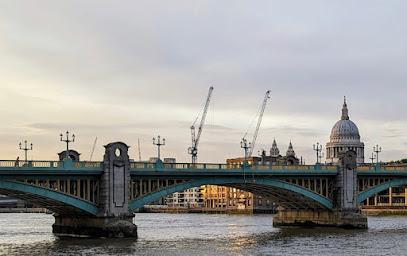
Southwark Bridge
0.6 km
A graceful steel-arched Thames crossing with a rich history, distinctive green-and-yellow detailing, and a key role in London’s illuminated river landscape.
Monument to the Great Fire of London
0.6 km
An iconic Doric column commemorating the Great Fire of London, offering panoramic city views from its historic 311-step climb.

Custom House
0.6 km
Historic Custom House on London’s Thames waterfront, a grand 19th-century customs hub echoing centuries of maritime trade and empire.
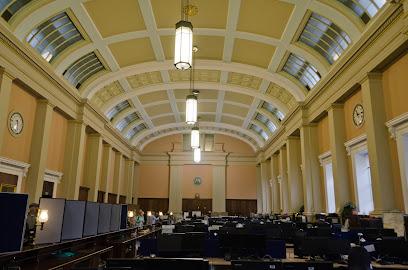
Historic England
0.7 km
Discover the rich tapestry of England's history at Historic England, a key organization dedicated to preserving the nation’s architectural treasures.
London Stone (remaining part)
0.7 km
Discover London Stone, the ancient and mysterious limestone relic at 111 Cannon Street, a symbol of London's enduring history and legend.

113 Cannon St
0.7 km
A distinguished Grade II listed classical building in London’s financial district, showcasing early 20th-century architectural elegance.
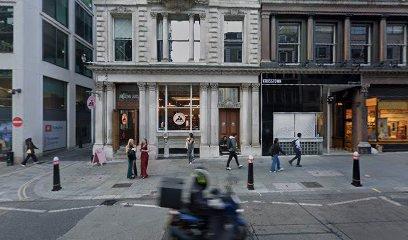
St Michael's Church : Paternoster Royal
0.7 km
Historic Anglican church on College Hill, rebuilt by Wren and linked to Dick Whittington, featuring stunning stained glass and a Hawksmoor spire.

City of London
0.8 km
Experience the captivating blend of history and modernity in the City of London, where iconic landmarks meet vibrant culture and culinary delights.
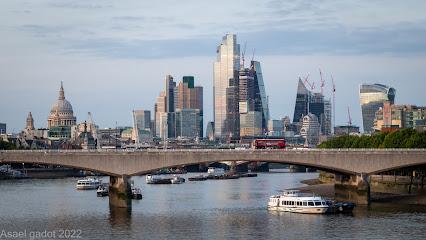
1 Tower Hl Ter
0.8 km
Historic urban landmark near Tower of London, blending centuries of British heritage with maritime memorials and modern city life.
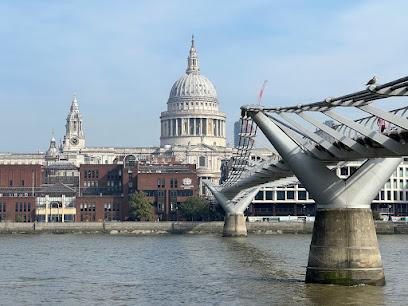
Millennium Bridge
0.9 km
Walk London’s sleek 'Wobbly Bridge' between St Paul’s and Tate Modern, with iconic Thames views and a fascinating engineering story.
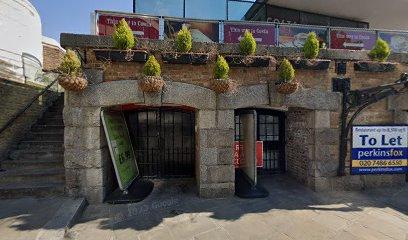
8-12 Tower Hill
0.9 km
Discover Tower Hill: Where London's Rich History Meets Modern Culture in the Heart of the City.
Lombard St
0.9 km
Explore the iconic Lombard Street, London's 'Crookedest Street,' featuring stunning architecture and charming gardens in the heart of the city.
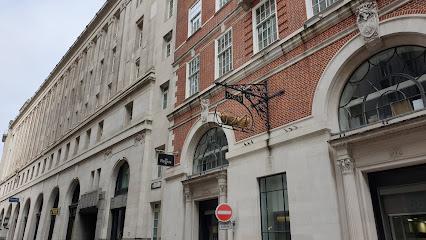
IMPRINT Church London: St Mary Woolnoth
0.9 km
Explore the historic IMPRINT Church London: St Mary Woolnoth, a stunning Anglican church offering a blend of spirituality, architecture, and community in the heart of London.
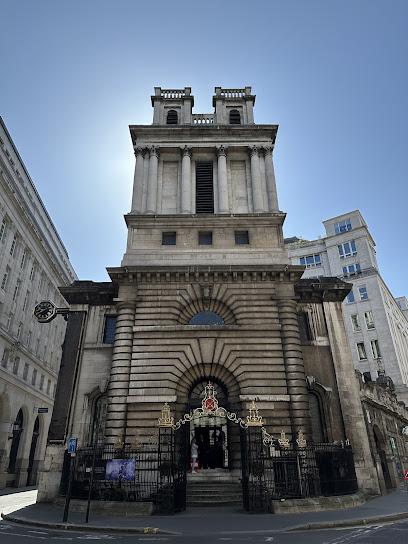
Wakefield Tower
0.9 km
Medieval royal tower steeped in 13th-century splendor and tragic history within the Tower of London.
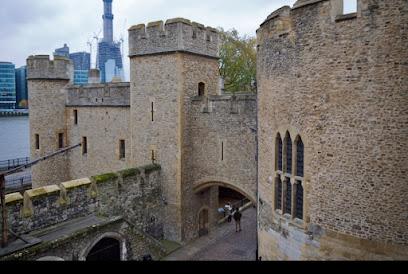
St Olave's Church, Hart Street
0.9 km
Medieval survivor where Viking legend, plague history, and literary fame converge in a Gothic gem.
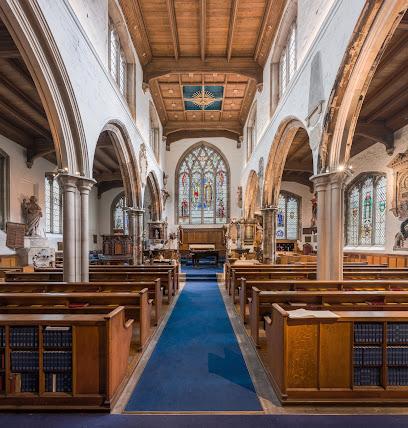
Unmissable attractions to see

Lantern Ghost Tours
0.0 km
Discover London’s haunted past with Lantern Ghost Tours, blending history, ghost stories, and atmospheric pub stops near London Bridge.
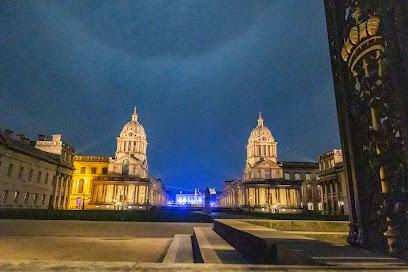
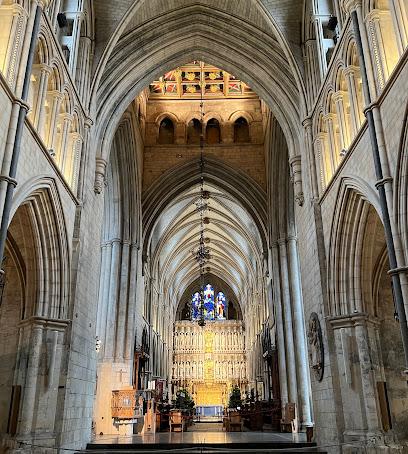
Southwark Cathedral
0.1 km
Discover Southwark Cathedral’s rich history, stunning Gothic architecture, and cultural ties in the heart of London’s historic South Bank.
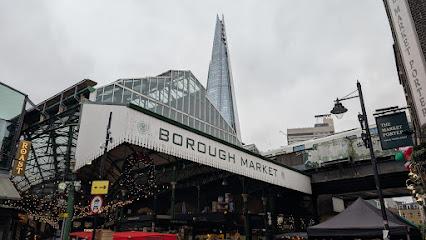
Borough Market
0.1 km
Discover Borough Market, London's historic food haven blending ancient tradition with vibrant culinary delights near London Bridge.
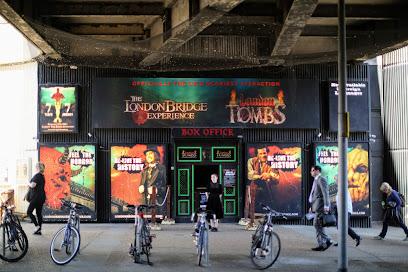
The London Bridge Experience & London Tombs
0.1 km
Dive into 2,000 years of London’s darkest history and face your fears in the UK’s top horror attraction beneath London Bridge.
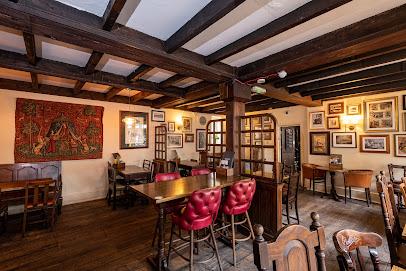
George
0.2 km
Step into London’s last galleried coaching inn, The George, where centuries of history meet traditional pub charm in a unique Southwark setting.
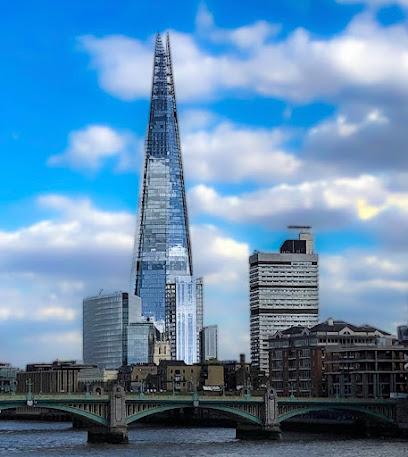
The Shard
0.2 km
Experience breathtaking views of London from The Shard, the tallest building in the UK, where modern architecture meets stunning landscapes.
The View from The Shard
0.2 km
Experience London’s highest panoramic views from the iconic glass spire of The Shard, with stunning 360-degree vistas and luxury amenities.
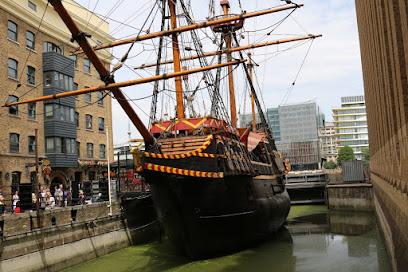
St Mary Overie's Dock
0.2 km
Historic Thames dock in London’s Southwark, home to the Golden Hinde II and steeped in medieval and maritime heritage.
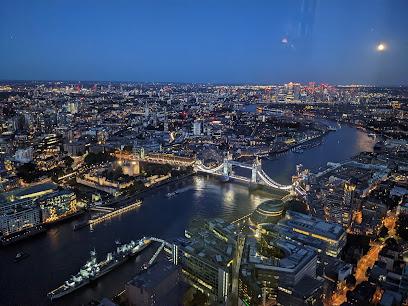
Southwark View Point
0.2 km
Experience breathtaking panoramic views of London’s iconic skyline from the vibrant South Bank’s premier open-air viewpoint.
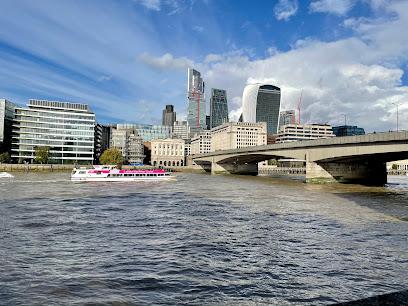
Borough Yards
0.2 km
Discover Borough Yards, London’s vibrant fusion of historic railway arches and contemporary shopping, dining, and cultural experiences.
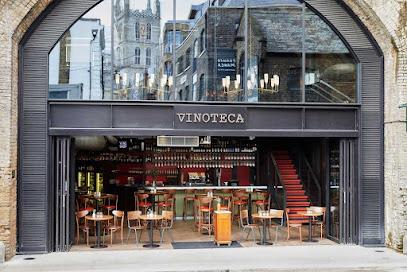
Winchester Palace
0.3 km
Explore the evocative ruins of Winchester Palace, a medieval bishop’s grand London residence with a stunning rose window by the Thames.
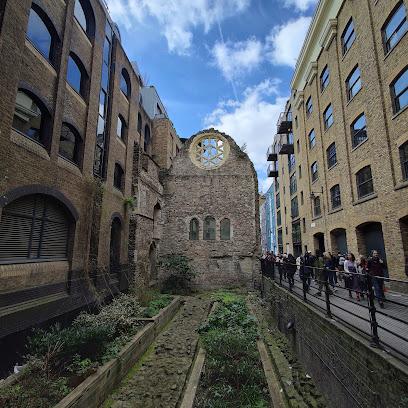
The Clink Prison Museum
0.3 km
Step back into England’s darkest prison history at The Clink Prison Museum, where medieval justice and infamous inmates come alive.
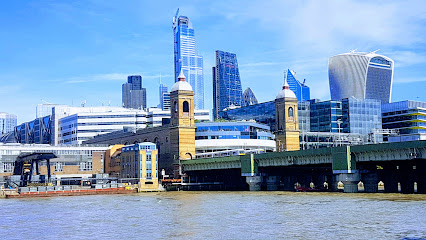
London Bridge
0.3 km
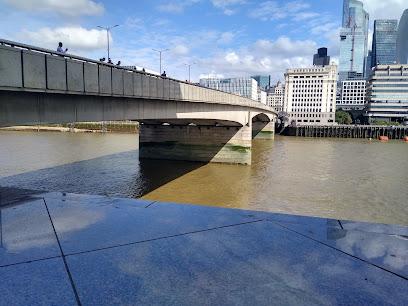
Discover the historic London Bridge, a stunning architectural marvel offering breathtaking views and a gateway to the heart of London's vibrant culture.
Crossbones Graveyard & Garden of Remembrance
0.4 km
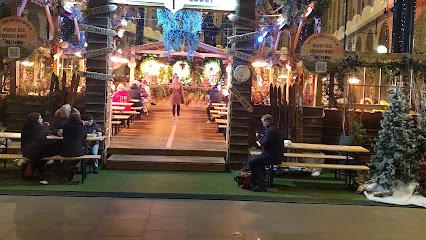
A poignant garden and memorial in London honoring the outcast dead, transforming a forgotten paupers’ graveyard into a place of remembrance and community.

Hay's Galleria
0.4 km
Historic riverside galleria blending Victorian architecture, vibrant shopping, and iconic Thames views in the heart of London.
Essential places to dine

Restaurant Story
0.8 km
Experience a two Michelin-starred culinary journey where storytelling meets British fine dining in the heart of London Bridge.
La Dame de Pic London
0.9 km
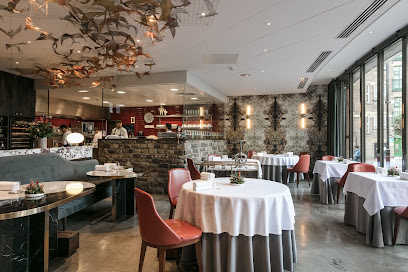
Discover refined French gastronomy and elegant dining in a historic London landmark with two Michelin stars and innovative cuisine.
14 Hills
1.0 km
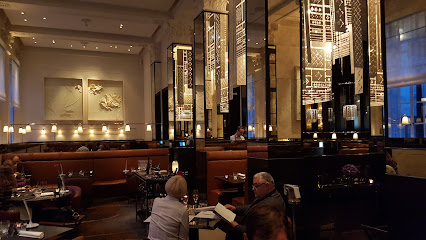
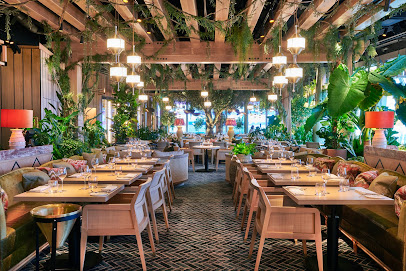
Experience modern British cuisine in a lush, sky-high garden with breathtaking panoramic views over London’s iconic skyline.
Mercato Metropolitano
1.0 km
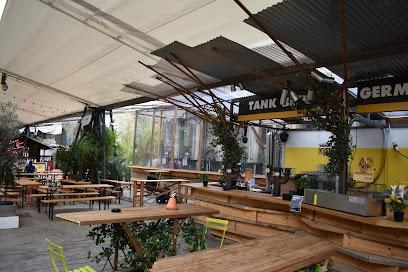
A vibrant, sustainable community food market in Elephant & Castle offering global flavors, local sourcing, and a lively social atmosphere.
Madison
1.1 km
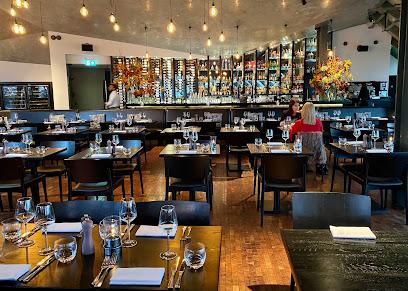
Stylish rooftop dining and cocktails with breathtaking views of St Paul’s Cathedral and London’s skyline.
Sea Containers Restaurant
1.3 km
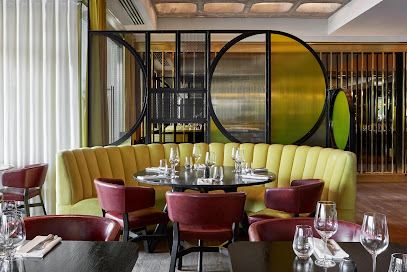
Stylish Modern British dining with iconic Thames views on London’s vibrant Southbank, perfect for brunch, dinner, and special occasions.
Barcelona Tapas Bar & Restaurant
1.5 km
Authentic Spanish tapas and warm hospitality in the heart of London’s City since 1991.
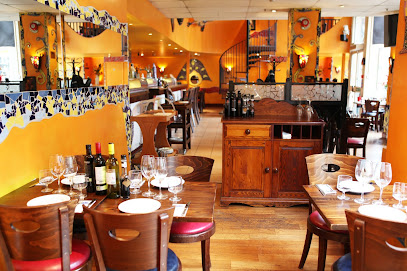
Mattarello Chiodo Bolognese Restaurant
1.5 km
Authentic Bolognese pasta and gluten-free Italian delights in the heart of London’s Middlesex Street.
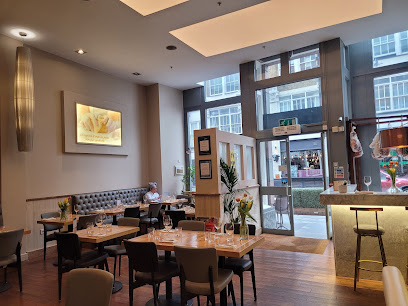
Paradiso Burger & Cocktail Bar Southbank
1.5 km
Vibrant riverside spot in Southbank serving gourmet burgers, cocktails, and bottomless brunch with stunning Thames views.
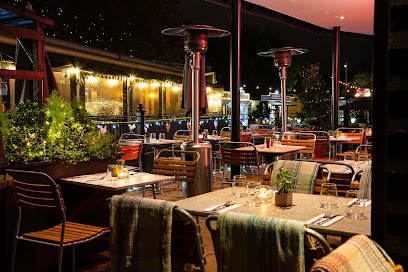
Marugame Udon Middlesex Street
1.6 km
Experience freshly handcrafted Japanese udon and crispy tempura in a lively open kitchen setting at Marugame Udon Middlesex Street, London’s authentic udon destination.
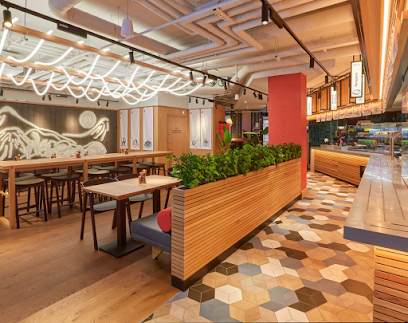
Brasserie Blanc - Southbank
1.8 km
Authentic French brasserie dining with hearty seasonal dishes and rustic charm on London’s lively South Bank.
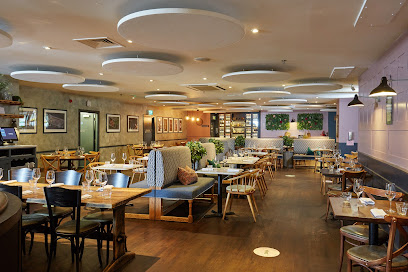
The Archduke
1.9 km
Lively steakhouse and wine bar in Waterloo with superb Scotch beef, classic desserts, and live jazz in a buzzy, inviting atmosphere.
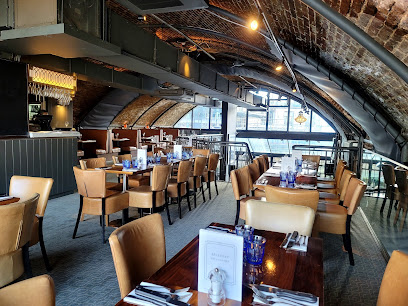
Southbank Centre Food Market
1.9 km
A lively weekend street food market on London’s South Bank offering diverse global cuisines in a vibrant riverside setting.
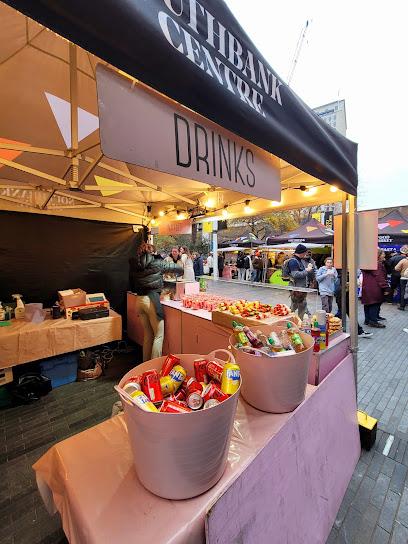
Wahaca Southbank
1.9 km
Experience vibrant Mexican street food in a unique riverside setting with scenic Thames views and lively atmosphere at Wahaca Southbank.
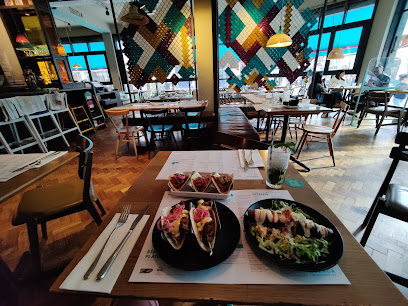
St. John
1.9 km
Experience authentic British nose-to-tail dining in the heart of London’s Barbican at St. John, where tradition meets modern culinary artistry.
Markets, malls and hidden boutiques

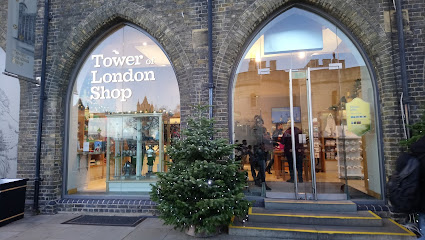
Tower of London Shop
0.8 km
Explore the Tower of London Shop for unique souvenirs that celebrate British heritage and history in the heart of London.
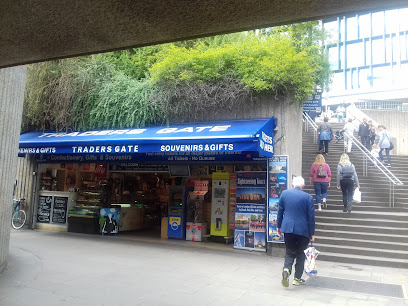
Traders Gate
0.8 km
A long-standing family-run gift shop on Tower Hill, offering classic London souvenirs and local charm just steps from the Tower of London.
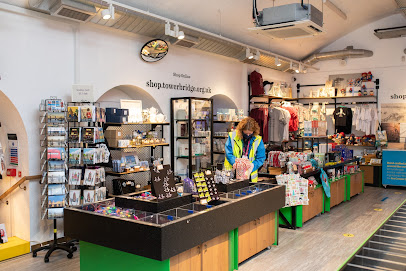
Tower Bridge - Engine Rooms and Official Gift Shop
0.9 km
Explore the fascinating history of Tower Bridge at the Engine Rooms and shop for unique gifts at the Official Gift Shop.
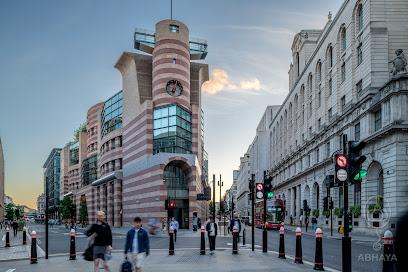
1 Poultry
0.9 km
Iconic postmodern office and retail building with vibrant limestone stripes, a colorful atrium, and a rooftop garden overlooking London’s financial district.
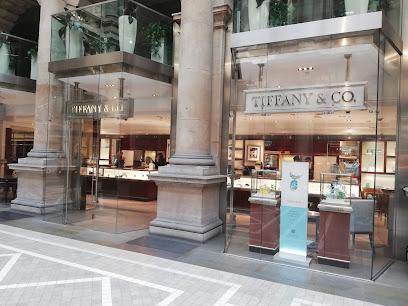
The Royal Exchange
1.0 km
A majestic neoclassical landmark blending 450 years of London’s trading history with luxury shopping in the City’s financial heart.
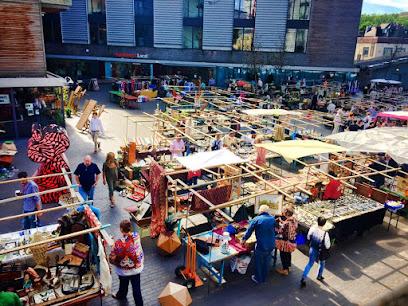
Bermondsey Antique Market
1.0 km
Uncover vintage treasures at London’s oldest antiques market, where history meets haggling every Friday morning in Bermondsey Square.
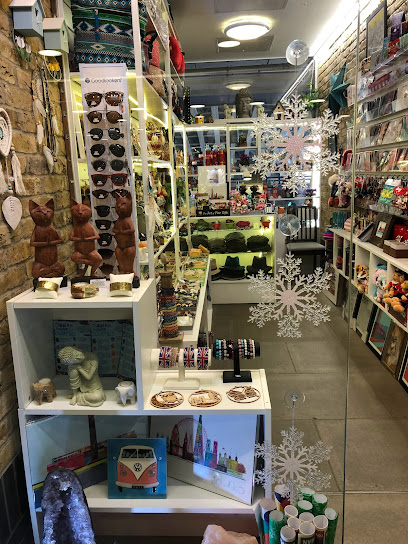
Bankside Arches Boutique
1.1 km
Discover unique London gifts and handcrafted treasures inside Blackfriars Station’s charming Bankside Arches Boutique.
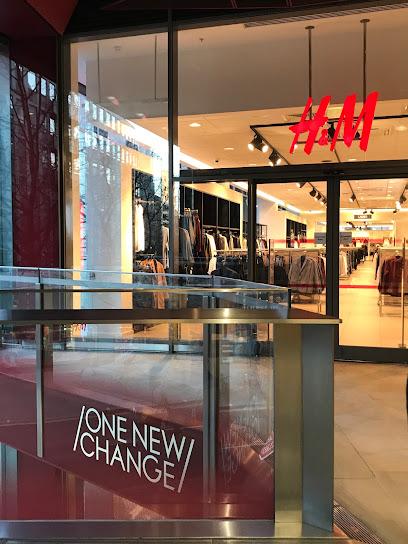
One New Change
1.1 km
Modern glass landmark with free rooftop views of St Paul's Cathedral and London skyline.
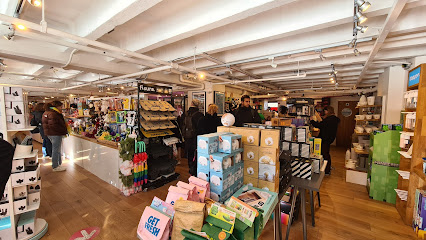
SUCK UK Alternative Gifts (OXO Tower)
1.4 km
Discover quirky, clever gifts and homewares at SUCK UK’s flagship store in London’s iconic OXO Tower.
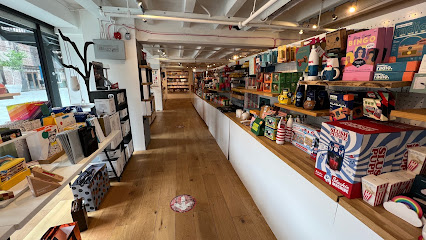
Brand Academy Independent Gift Shop
1.4 km
Dive into a world of whimsical designs and unique finds at this South Bank gem, where global brands meet emerging talents in the heart of Oxo Tower Wharf.
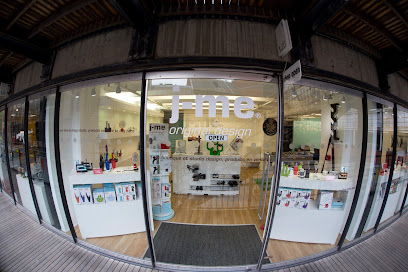
j-me original design ltd
1.4 km
Whimsical designs with a humorous twist from London's Oxo Tower creative hub – quirky home gifts blending fun, function, and British ingenuity.
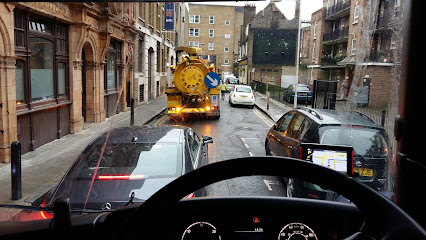
Middlesex Textiles
1.5 km
Discover London’s premier West African fabric store offering vibrant, high-quality textiles with unmatched variety and service since 1969.
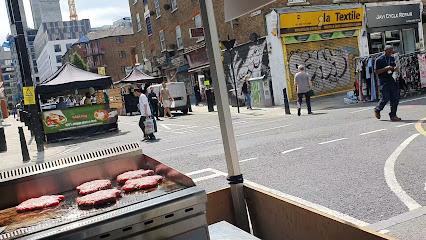
Petticoat Lane Market
1.5 km
London's historic street market where 370 years of commerce, migration, and East End character converge.
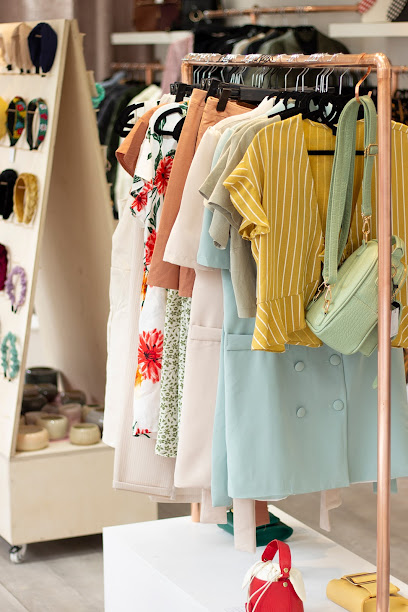
Sugar And Style
1.5 km
Discover design-led fashion accessories in Gabriel's Wharf, London's arty South Bank riverside haven blending style, creativity, and Thames views.
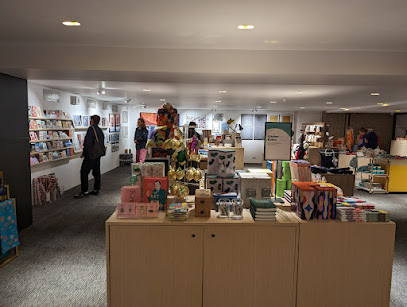
Barbican Shop
1.7 km
Discover curated art, design, music, and unique gifts at the Barbican Shop, a creative retail haven within London’s iconic Barbican Centre.
Essential bars & hidden hideouts

Nine Lives
0.5 km
A subterranean Bermondsey bar blending Mexican spirits, sustainable craft cocktails, and vibrant sharable dishes in a boho-chic setting.
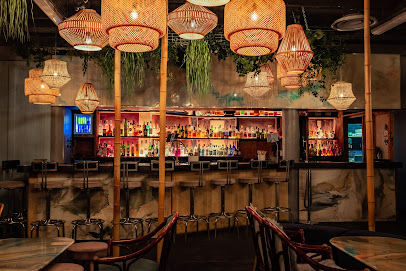
The Old School Yard
0.5 km
Step into a lively retro playground with expertly crafted cocktails, classic arcade games, and a vibrant 80s and 90s atmosphere in London Bridge.
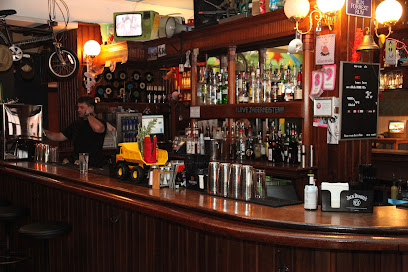
The Cocktail Club - Cocktail Bar near Monument
0.7 km
Vibrant underground cocktail bar near Monument, blending creative drinks with a lively, speakeasy-style party atmosphere.
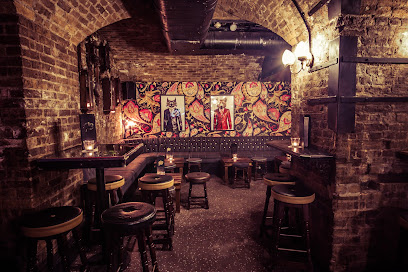
The Bootlegger
0.8 km
Step into The Bootlegger’s hidden Lime Street basement for expertly crafted cocktails, live jazz, and a true 1920s speakeasy vibe in the heart of London.
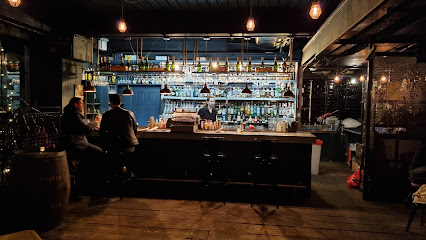
Demon, Wise & Partners
1.1 km
Classic basement cocktail bar blending historic City charm with expert mixology in London’s financial district.
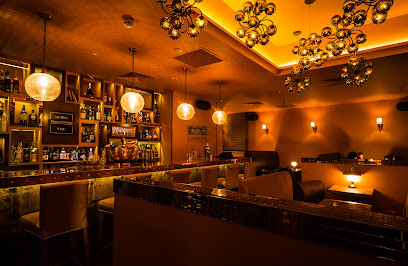
Doggett's Coat and Badge
1.2 km
A large, riverside Nicholson’s pub on Blackfriars Bridge offering classic British fare, real ales and a rooftop terrace with strong Thames views.
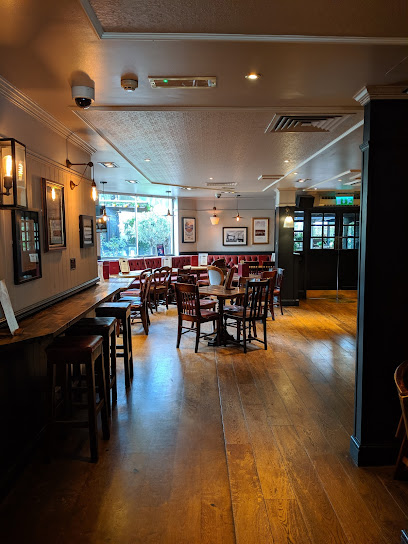
The Alchemist Bevis Marks
1.3 km
Experience London’s theatrical cocktail haven blending molecular mixology with Victorian charm and all-day dining in Aldgate.
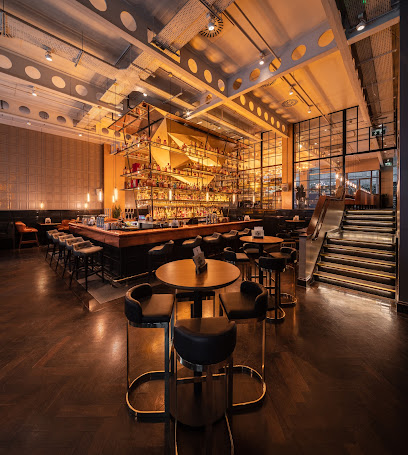
Lyaness
1.3 km
Innovative cocktails and sustainable mixology with stunning Thames views in London’s stylish South Bank hotspot.
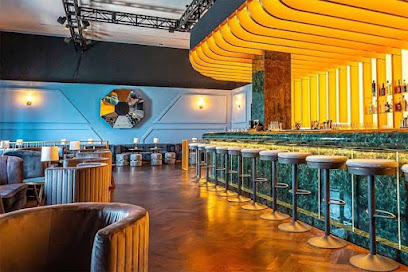
Moonshine Saloon
1.3 km
Step into London’s Moonshine Saloon for an immersive Wild West cocktail adventure with live actors, games, and bespoke drinks made from your own spirits.
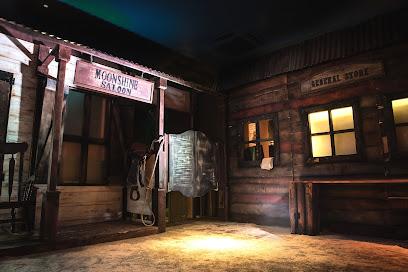
Black Parrot
1.5 km
Discover London’s top rum bar with expertly crafted cocktails, immersive masterclasses, and a lively yet intimate atmosphere in Bride Court.
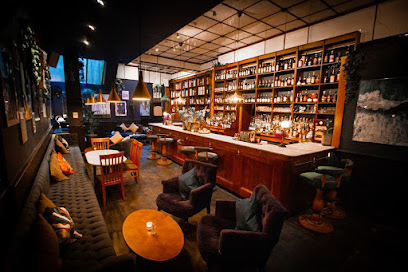
The Bell
1.5 km
A historic East End pub blending traditional charm and local spirit near Petticoat Lane Market.
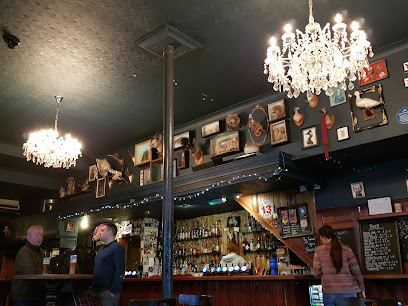
Punch Tavern
1.5 km
Historic Victorian Gin Palace on Fleet Street, famed for its Punch magazine heritage and vast gin selection in the heart of London.
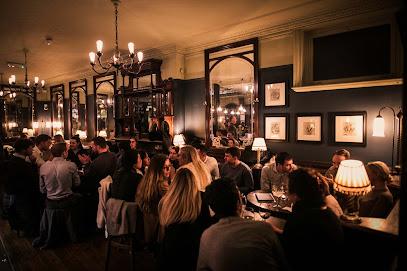
Dirty Dicks
1.6 km
Historic London pub with quirky charm, classic ales, and lively atmosphere near Liverpool Street Station.
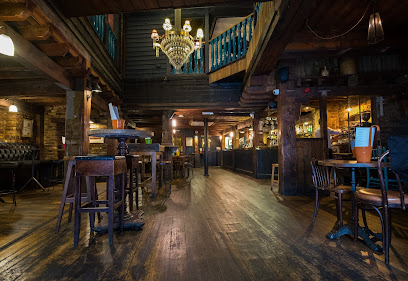
The Astronomer, EC1
1.6 km
A traditional London pub with a cosmic twist, offering hearty pies, craft ales, and a welcoming atmosphere near Liverpool Street.
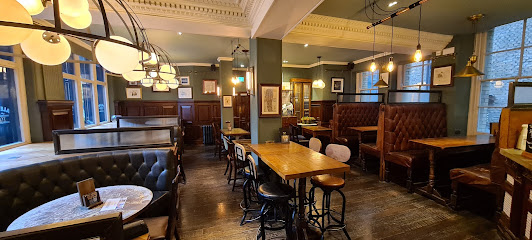
Discount Suit Company
1.6 km
Discover a hidden vintage cocktail bar beneath Spitalfields, blending bespoke drinks with a cozy speakeasy atmosphere in London’s historic tailoring district.
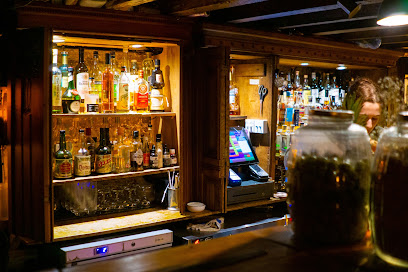
Nightclubs & after hour spots

The Steel Yard
0.6 km
Experience London’s premier industrial-chic nightclub set in historic Victorian railway arches, with world-class sound and late-night energy until 6am.
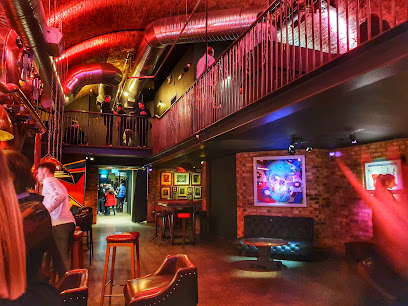
Ministry of Sound
1.1 km
London's legendary dance music cathedral since 1991, where world-class sound systems and global DJs fuel euphoric nights across four pulsing rooms.
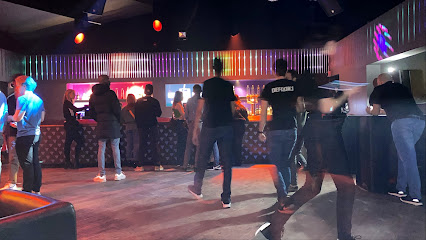
Corsica Studios
1.5 km
Experience London’s underground music pulse at Corsica Studios, where intimate vibes meet exceptional sound beneath historic railway arches.
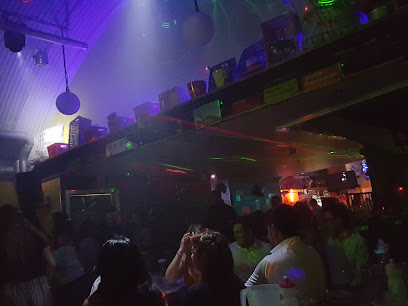
STRAWBERRY SUNDAE
1.9 km
Retro rave haven in Waterloo Arches: Daytime hardcore beats, 90s DJ legends, and industrial euphoria from midday to midnight.
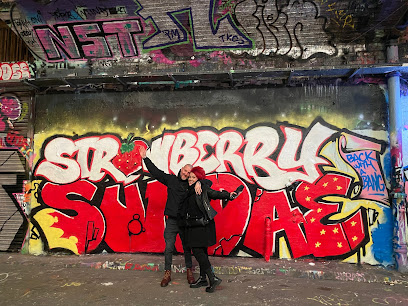
E1
1.9 km
Experience East London’s underground pulse with E1’s cutting-edge sound, immersive visuals, and vibrant club nights.
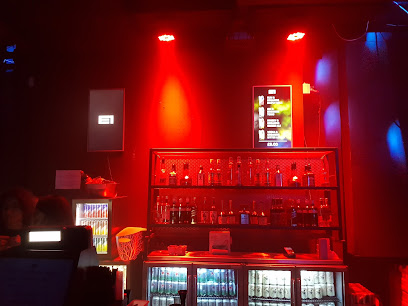
Cirque Du Soul
1.9 km
Dive into Leake Street's graffiti tunnel for soul-stirring electronic nights at this underground nightclub haven.
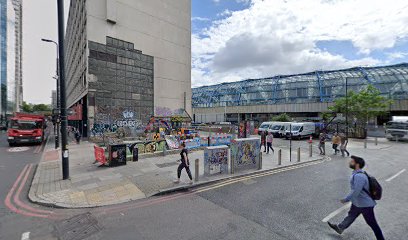
We Are Waterloo
1.9 km
Dive into Leake Street's graffiti heart where street art meets thumping beats in London's ultimate underground nightclub haven.
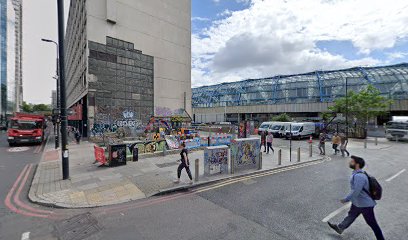
Proud Late
2.1 km
Dive into two-storey glamour under Waterloo Bridge: cabaret acrobatics, burlesque dazzle, supper feasts, and non-stop clubbing till 5am in London's West End nightlife epicenter.
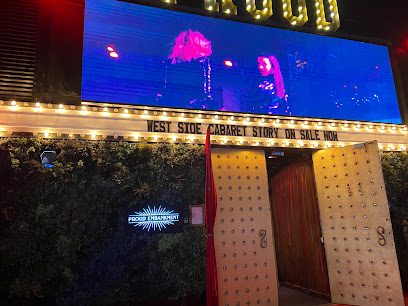
London Best Night Clubs
2.2 km
Experience London’s legendary Ministry of Sound, where cutting-edge sound meets dynamic club culture in a multi-room dance haven.
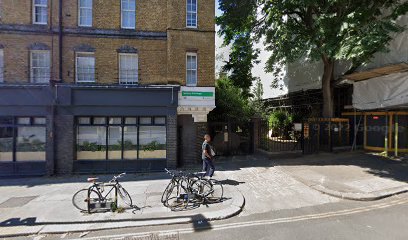
XOYO LONDON
2.3 km
Experience Shoreditch’s iconic XOYO, where cutting-edge DJs and vibrant nightlife create an unforgettable London clubbing atmosphere.

The Hoxton Pony
2.3 km
Edgy Shoreditch cocktail bar and nightclub blending vintage style with vibrant nightlife energy in East London.
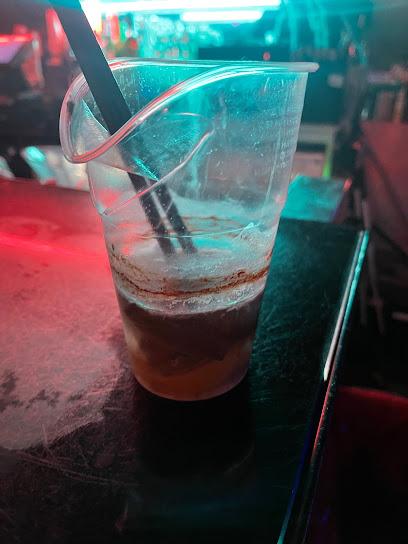
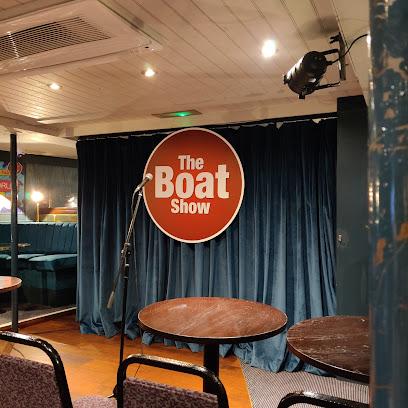
The Boat Show Comedy Club
2.4 km
London’s premier floating comedy club aboard the historic Tattershall Castle, blending laughter with iconic riverside views and vibrant nightlife.
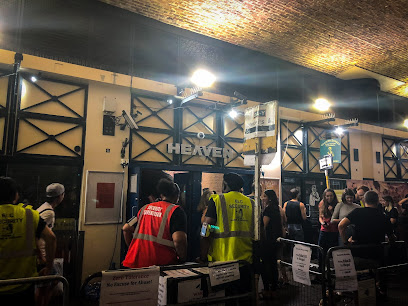
Heaven
2.5 km
London’s iconic gay superclub under the railway arches — big nights, loud music, drag, and late finishes in the heart of the West End.
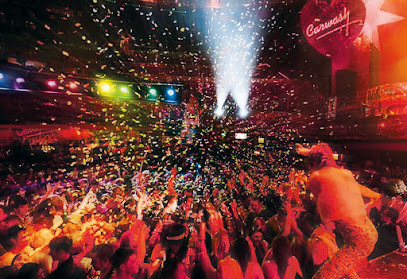
Carwash Nightclub
2.5 km
Experience Europe’s longest-running disco club in London’s West End, where retro beats, vibrant crowds, and themed parties create unforgettable nights.
Trafik
2.5 km
Shoreditch’s dynamic nightclub with underground beats, two floors of dancing, and a late licence for unforgettable nights.

For the vibe & atmosphere seeker
- Unique
- Scenic
- Tranquil
- Historic
For the design and aesthetic lover
- Vintage Styles
- Rustic Designs
For the architecture buff
- Historic
- Sacred Sites
- Heritage Neighborhoods
For the view chaser and sunset hunter
- Iconic Views
For the social media creator & influencer
- Photo Spots
- Aesthetic Corners
For the eco-conscious traveler
- Public-Transport Accessible
For the kind of experience you’re after
- Cultural Heritage
- Photowalk
For how adventurous you want the journey to be
- Easy Access
Location Audience
- Family Friendly
- Senior Friendly
- Teen Friendly
- Solo Friendly
- Couple Friendly
- Vegetarian Friendly
- Business Friendly


