Bedern Hall, York Travel Guide
Free Guide: Step into Bedern Hall, a stunning 14th-century medieval guild hall and event venue in York, blending historic charm with modern elegance.


A brief summary of Bedern Hall
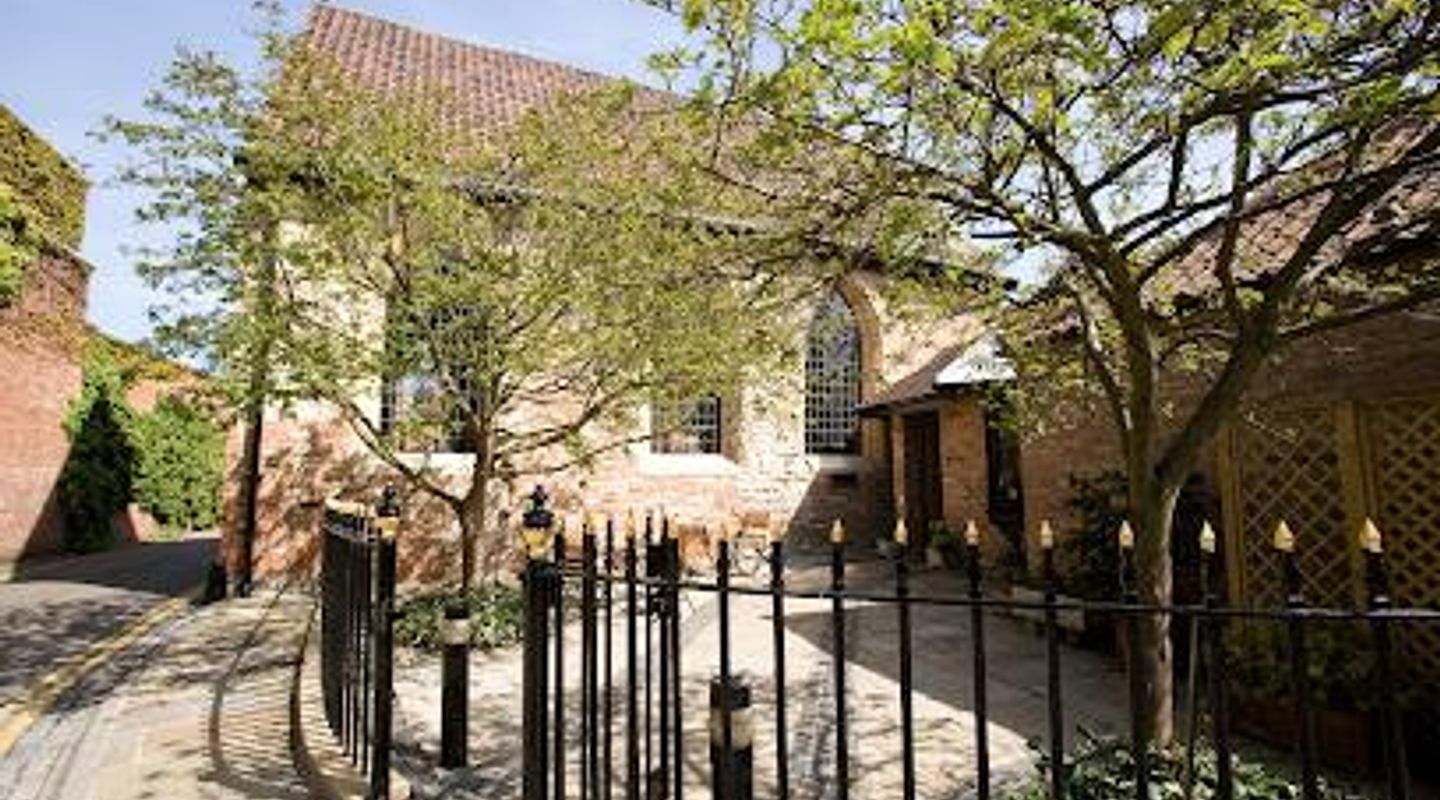
Step into Bedern Hall, a stunning 14th-century medieval guild hall and event venue in York, blending historic charm with modern elegance.
Bedern Hall, a Grade II* listed medieval building in York city centre, dates back to the 14th century. Originally the refectory for the Vicars Choral college, it features remarkable medieval stonework, timber framing, and a soaring beamed roof. Today, it serves as a historic event venue and guild hall, blending heritage charm with modern amenities for weddings, meetings, and cultural gatherings.
On-site amenities
 Restrooms
 Drink options
 Food options
 Seating areas
 Information boards
Opening hours
- MonClosed
- TueClosed
- Wed10:30 am–3:30 pm
- Thu10:30 am–3:30 pm
- Fri10:30 am–3:30 pm
- SatClosed
- SunClosed
Opening hours as listed on the venue’s Google Business Profile. Hours can change for services and special events, so check with the venue before you go.
- Address
- Bartle Garth, St Andrewgate, York YO1 7AL
- Phone
- Website
Getting there
Bus
Taxi
Walking
Discover more about Bedern Hall
Origins and Medieval Significance
Bedern Hall was constructed in the mid-14th century as the refectory for the College of the Vicars Choral, a religious community that served York Minster. The name "Bedern" has Anglo-Saxon roots, meaning "house of prayer," and the site is first mentioned around 1270. The Hall was central to the college’s communal life, hosting meals and meetings for the vicars. Its medieval architectural features, including coursed limestone walls and a timber-framed section, reflect the craftsmanship of the period.
Architectural Highlights and Restoration
The Hall’s interior boasts a soaring beamed roof space and a floor now laid with York stone, though originally it was covered with green glazed tiles, fragments of which were uncovered during archaeological excavations. One wall retains visible medieval timber framing, and a surviving medieval window with original tracery remains on the north-east front. Excavations also revealed a fan-vaulted bay window, an early example of such vaulting linked stylistically to York Minster’s eastern arm, possibly crafted by masons William Hoton or Robert de Patryngton. Restoration in the late 20th century replaced many roof timbers with modern oak and softwood to preserve the building while distinguishing new from old.
Changing Roles Through History
After serving as a refectory until the mid-17th century, Bedern Hall’s function evolved dramatically. It became part private residence and housed St Peter’s School during the English Civil War. The surrounding area’s buildings were cleared in the 20th century, bringing Bedern Hall’s architectural gems back into view. The hall’s history also includes periods as Victorian slums, a bakery, and a butcher’s shop, reflecting York’s changing urban fabric.
Modern Revival and Guild Associations
In 1980, a group of York’s surviving guilds formed the Bedern Hall Company to restore and repurpose the building as a guild hall and event venue. A modern annexe was added to support contemporary needs while preserving the historic core. Today, it is home to several guilds including the Company of Cordwainers, the Gild of Freemen, the York Guild of Building, the Company of Butchers, and the Guild of Scriveners. The hall hosts weddings, meetings, and cultural events, blending heritage with modern comfort.
Atmosphere and Visitor Experience
Visitors to Bedern Hall experience a unique blend of medieval ambiance and modern functionality. The soaring roof beams and stone floors create an evocative setting that transports guests back to medieval York, while the updated facilities ensure comfort for contemporary events. The hall’s location in the heart of York’s historic centre makes it a fascinating stop for those interested in the city’s rich guild and ecclesiastical history.
Preservation and Cultural Importance
Bedern Hall stands as a testament to York’s medieval past and the resilience of its historic buildings. Its Grade II* listing recognizes its architectural and historic significance. The careful restoration and ongoing use by historic guilds ensure the hall remains a vibrant part of York’s cultural heritage, bridging centuries of community, craftsmanship, and celebration.
Evendo Review Centre
 Google
Guest reviews
Best time to go
Quietest: Jan, Feb & Dec · before 7am or from 7pm
Busy times are Evendo estimates for a typical year, to help you plan. Actual crowds vary with events, school holidays and the weather.
Explore Bedern Hall on the map
A handpicked selection of must-see spots near Bedern Hall, mapped for you.
Get your free copy of our complete guide to Bedern Hall, delivered straight to you.
Everything on this page, from opening hours and how to get there to Eve’s tips and the best time to go, in one PDF you can read offline, print or share.
Already have an account? Sign in
Your Bedern Hall guide is ready.
We'll send it to · Not you? Sign out

Getting your guide ready…
We are putting together a fresh copy of the Bedern Hall guide. This can take up to a minute.
This can take a few moments. If your browser asks, choose Allow so the download can start. You'll find the guide in your Downloads folder.
Nothing happened? Download it again
Sorry, the guide is taking longer than usual. Please try again in a minute, or get it by email instead.
Unlock the best of Bedern Hall
Skip-the-line tickets, guided tours with entry, and walking tours of the area, booked in a few clicks.




Other nearby places you may find interesting
The closest places of the same kind, if this one is not quite what you had in mind.
-
-
-
-
-


Swipe for more places
More to explore near Bedern Hall

 Best experiences near Bedern Hall
 Best hotels near Bedern Hall
 Best landmarks near Bedern Hall
 Best attractions near Bedern Hall
 Best shops near Bedern Hall
 Best restaurants near Bedern Hall
 Best bars near Bedern Hall
Do you manage this location?
Take control to get all the benefits, like improved information, better appearance, and stronger visibility across AI-powered discovery.
Explore more
Explore more of York
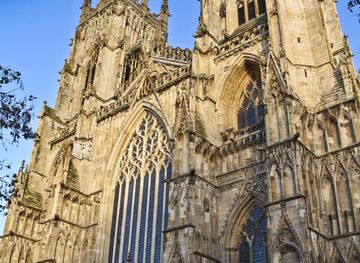
Explore York, a captivating city where medieval history meets modern charm. Discover York Minster, The Shambles, and a vibrant food scene in this must-visit UK destination.
Explore York
Explore more of United Kingdom
Discover the United Kingdom: A blend of rich history, stunning landscapes, and vibrant cities, offering a unique travel experience for every visitor.
Explore United Kingdom