

St Cuthbert's House of Prayer, York
Discover the medieval charm and spiritual heritage of St Cuthbert's House of Prayer, a historic gem nestled in York's Peasholme Green.
St Cuthbert's House of Prayer in York is a historic church located on Peasholme Green, with origins dating back to the 14th century. Though heavily restored in the 19th century, much of the medieval structure remains, including a medieval tower and porch. The church is dedicated to St Cuthbert, a revered Anglo-Saxon saint. It features a ring of six historic bells cast over 600 years, stained glass windows, and has been adapted for community use with modern amenities.
A brief summary to St Cuthbert's House of Prayer
- St Cuthbert's, Peasholme Grn, York, York, YO1 7PW, GB
- +441904624190
- Duration: 0.5 to 1.5 hours
- Free
-
 Indoor
- Mobile reception: 4 out of 5
- Monday 11 am-5 pm
- Wednesday 11 am-5 pm
Local tips
- Visit on Monday or Wednesday afternoons when the church is open from 11 AM to 5 PM for a quieter experience.
- Look for the medieval bells and their inscriptions, a unique feature reflecting centuries of history.
- Take time to appreciate the stained glass windows, especially the memorial to Constance Ida Thomas in the chancel.
- Explore the surrounding Peasholme Green area to experience other historic landmarks like St Anthony's Hall and the Black Swan pub.

For the on-the-go comforts that matter to you
- Restrooms
- Seating Areas
- Information Boards
Getting There
-
Bus
Take the York Park & Ride bus services from the outskirts of York city centre; buses run frequently with a journey time of approximately 15-20 minutes. The nearest stop to Peasholme Green is accessible by a short walk. Tickets cost around £3-£5 for a day pass.
-
Taxi
A taxi ride from York railway station to St Cuthbert's takes about 10 minutes depending on traffic. Taxi fares typically range from £6 to £10. Taxis are readily available at the station and can be pre-booked.
-
Walking
From York city centre, a walk to Peasholme Green takes approximately 15-20 minutes on mostly flat, paved streets. The route is accessible for wheelchairs and strollers.
St Cuthbert's House of Prayer location weather suitability
-
 Any Weather
-
 Rain / Wet Weather
-
 Clear Skies
-
 Mild Temperatures
Discover more about St Cuthbert's House of Prayer
Medieval Origins and Architectural Heritage
St Cuthbert's Church stands on Peasholme Green in York, with its earliest stone construction begun around 1305 by Roger de Halberdine. Despite setbacks from poor weather and economic hardship in the 14th century, the building was completed around 1350, likely funded by the Earl of Arundel. The church retains much of its medieval fabric, including the tower and porch, which were later enhanced during a significant 19th-century restoration. This restoration, led by architect Edward Turner in 1894, added a stone tower for the bells and a porch featuring a statue of St Cuthbert, blending Victorian elements with the medieval structure.Dedication to St Cuthbert and Religious Significance
The church is dedicated to St Cuthbert, born in 634, who was deeply venerated by the Anglo-Saxons. St Cuthbert’s legacy is intertwined with the religious history of northern England, and the church serves as a spiritual centre reflecting this heritage. Inside, visitors can find a 14th-century piscina used for washing sacred vessels, aumbries behind the altar, and a chancel east window installed in 1885 by Hardmans, which commemorates local individuals and depicts scenes from the life of Christ alongside medieval glass fragments.Historic Bells and Musical Heritage
One of the church’s most notable features is its ring of six bells, cast over a span of 600 years. The oldest bell, inscribed in Latin and dating from the 14th century, was made by the Gloucester foundry. The tenor bell, cast in the early 15th century by the Worcester foundry, weighs approximately 7½ hundredweight and carries an inscription invoking St Cuthbert’s prayers. These bells contribute to the church’s rich acoustic tradition and are a cherished part of its identity.Community Adaptations and Modern Use
In 2013, after extensive fundraising, the church underwent improvements including the installation of toilets and a servery, enabling it to host a wider range of community events. This adaptation reflects St Cuthbert's ongoing role as a living place of worship and community gathering, balancing its historic character with contemporary needs.Artistic and Memorial Features
The church houses various memorials and artistic elements, including floor inscriptions commemorating the Bayley family from the 18th century and a war memorial honoring local servicemen. The chancel window dedicated to Constance Ida Thomas, who died in childbirth, stands as a poignant reminder of personal histories intertwined with the church’s spiritual life.Location and Surroundings
Situated on Peasholme Green, an area historically known as a water meadow for growing peas, St Cuthbert's is part of York’s rich tapestry of medieval and Victorian architecture. Nearby historic sites, such as St Anthony's Hall and the Black Swan pub, complement the church’s setting within a vibrant historic district, offering visitors a deep sense of York's layered history.Iconic landmarks you can’t miss

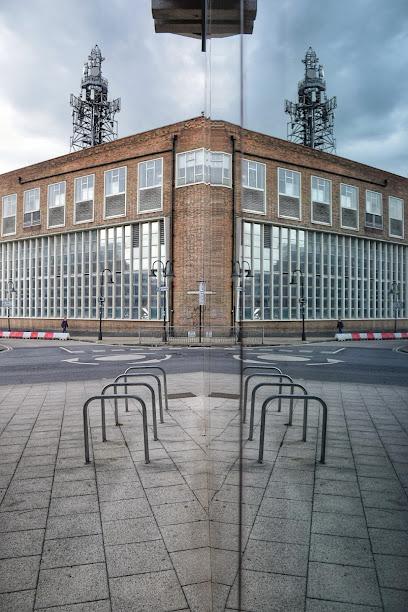
The Stonebow
0.2 km
A historic gateway blending medieval charm and architectural evolution at York’s vibrant city heart.
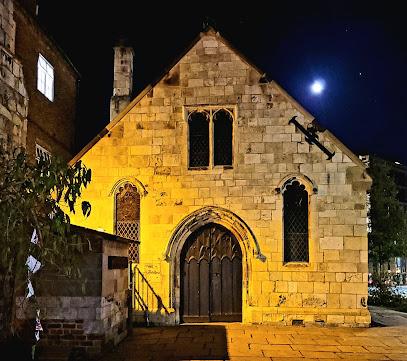
St Crux
0.3 km
Explore the echoes of medieval York at St Crux, where a grand church’s legacy lives on in a historic parish hall and poignant tales of martyrdom.
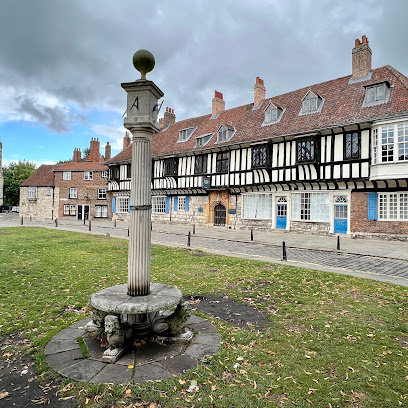
Sundial Column
0.3 km
An elegant 18th-century sundial column on stone lions, quietly marking time just east of York Minster in a peaceful corner of the cathedral precincts.
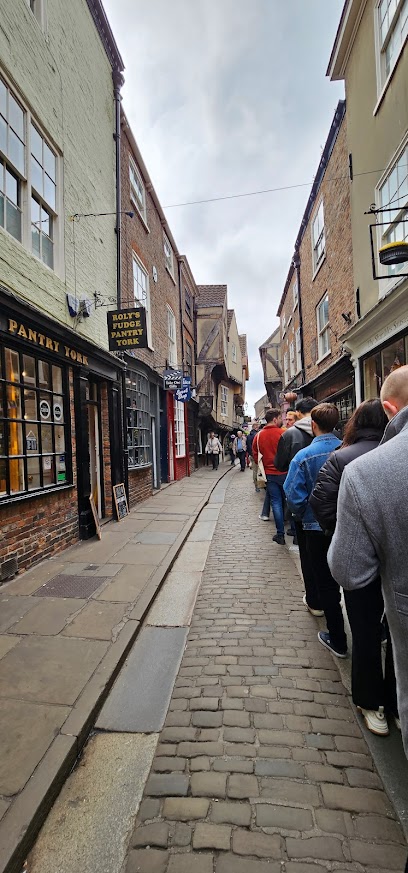
The York Ghost Merchants
0.3 km
Explore a unique blend of York's ghostly history and charming souvenirs at The York Ghost Merchants, your destination for eerie collectibles.
Ghost Hunt of York
0.4 km
Explore the haunted streets of York with the Ghost Hunt, where history and the supernatural collide in an unforgettable sightseeing experience.
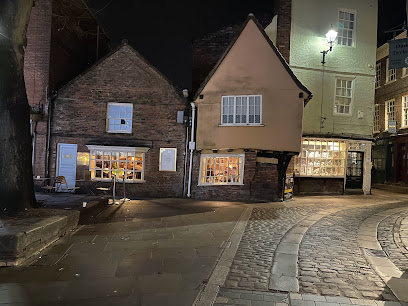
Roman Column
0.4 km
A 7.6-metre Roman column where Constantine may have been declared Emperor, standing in the shadow of York Minster since 1971.
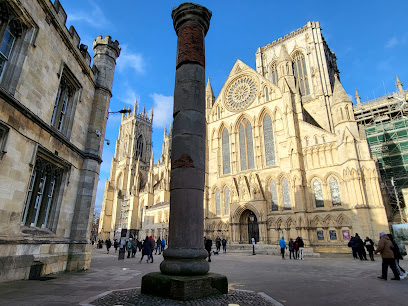
Parliament St
0.4 km
York's vibrant shopping street where Victorian commerce meets medieval heritage and market tradition.
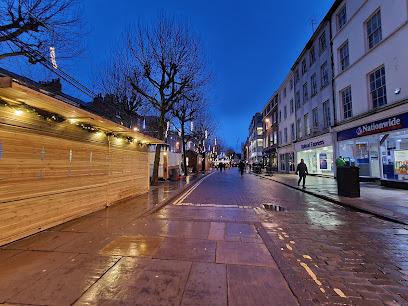
The Cathedral and Metropolitical Church of St Peter in York
0.5 km
A soaring Gothic masterpiece in the heart of York, where 1,400 years of faith, history, and light-filled architecture converge in one of England’s greatest cathedrals.
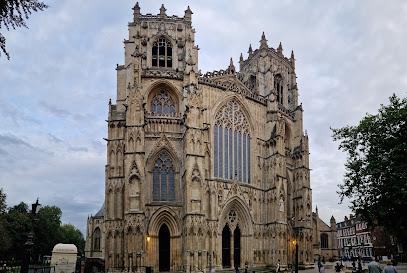
St Michael Le Belfrey
0.5 km
Discover the enchanting St Michael Le Belfrey, an Anglican church in York, rich in history and architectural beauty, perfect for spiritual reflection.
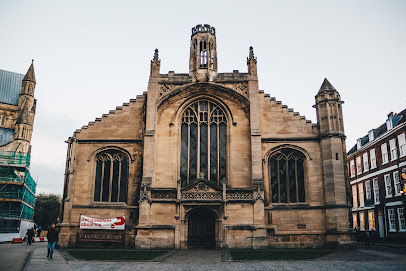
JORVIK Viking Centre
0.5 km
Explore the thrilling Viking heritage at JORVIK Viking Centre in York, where history meets adventure through interactive exhibits and captivating stories.
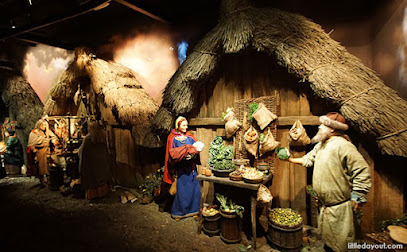
Foss Fairy Trail
0.5 km
Explore the magical Foss Fairy Trail in York, where nature and fairy tales intertwine for a unique family experience.
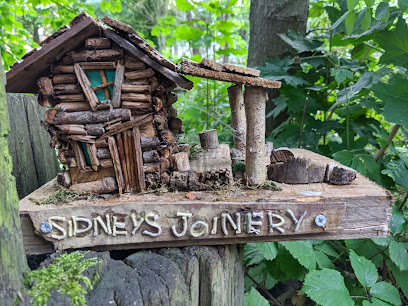
Shadows of York Ghost Walk
0.5 km
Experience York's haunted history with the Shadows of York Ghost Walk, a thrilling journey through the city's ghostly past and chilling legends.
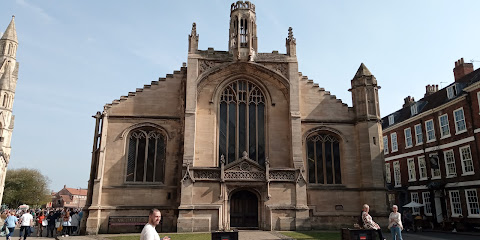
The Norman House
0.5 km
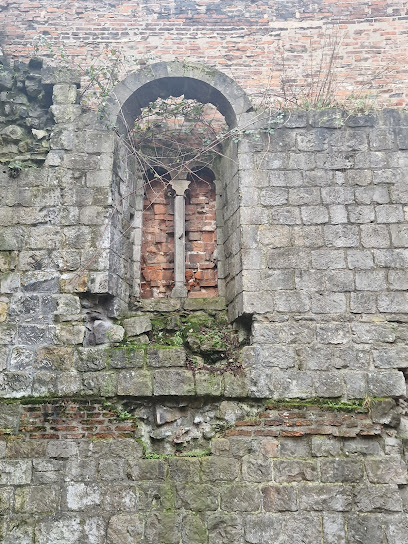
Discover York’s oldest medieval house, a Norman stone residence with rare surviving walls and a Norman window hidden behind Stonegate.
St Mary's Church
0.5 km
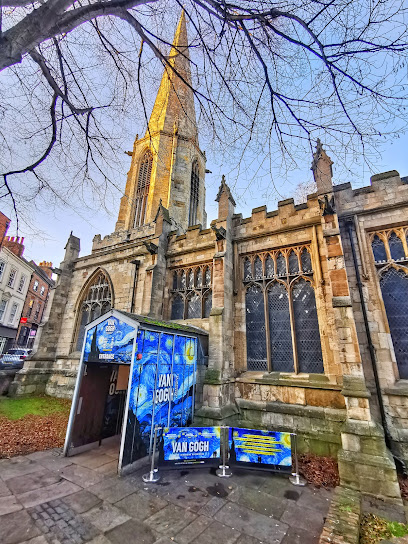
Explore the enchanting St Mary's Church in York, a historic site blending medieval architecture and cultural heritage in a serene setting.
Fairfax House
0.6 km
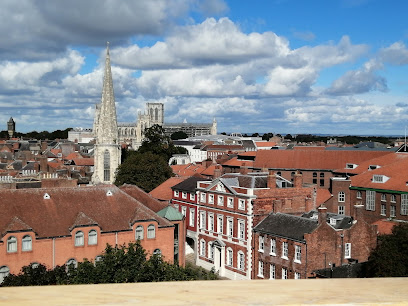
Discover the rich history and stunning architecture of Fairfax House, a premier Georgian mansion and museum in the heart of York.
Unmissable attractions to see

Peasholme Grn
0.0 km
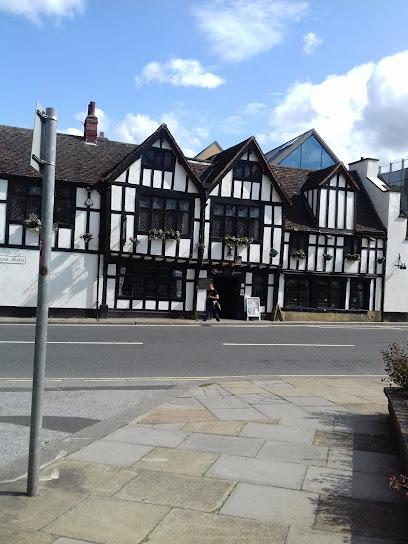
Historic Peasholme Green in York blends medieval market heritage, iconic pubs, and vibrant cultural life in a unique urban setting.
St Anthonys Garden
0.0 km
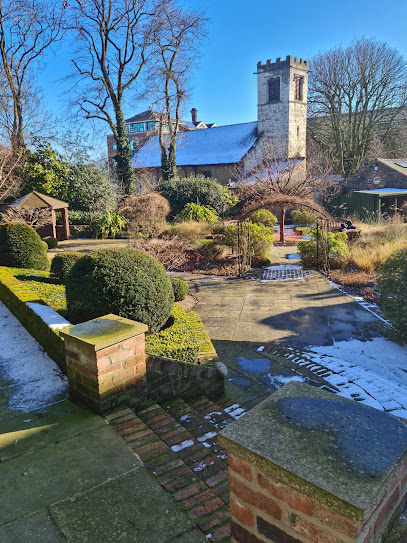
Discover a serene, historic garden oasis in York blending medieval heritage, sensory planting, and tranquil green space beneath ancient city walls.
The Black Swan
0.1 km
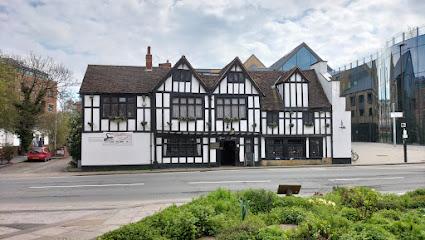
Experience the rich history and vibrant atmosphere of The Black Swan, a traditional pub in York offering local ales and authentic British cuisine.
York
0.1 km
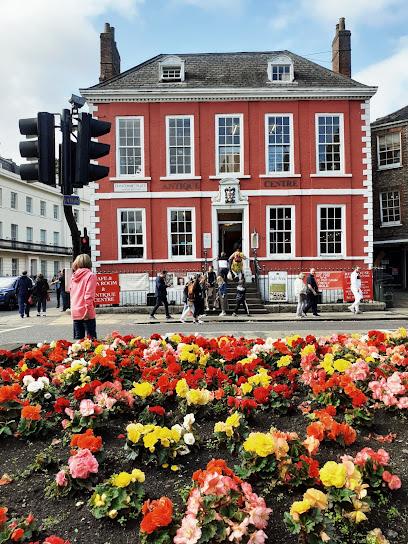
Discover York’s rich history, stunning Gothic architecture, and vibrant cultural scene in one of England’s most captivating cities.
Merchant Taylors' Hall
0.2 km
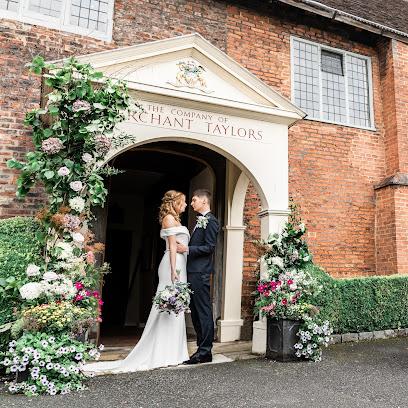
Step into over 600 years of history at Merchant Taylors' Hall, York’s enchanting medieval venue for weddings and events.
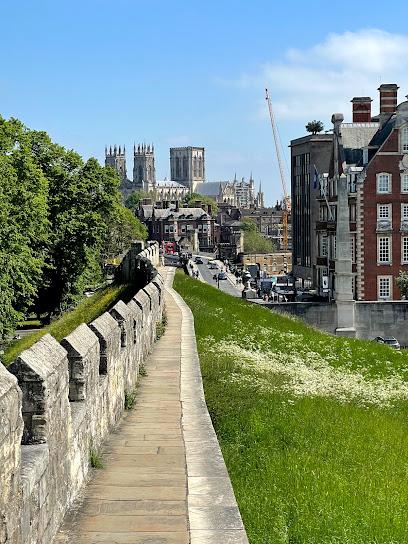
York City Walls
0.2 km
Discover the historical grandeur of York City Walls, the longest intact medieval town walls in England, offering stunning views and rich stories.
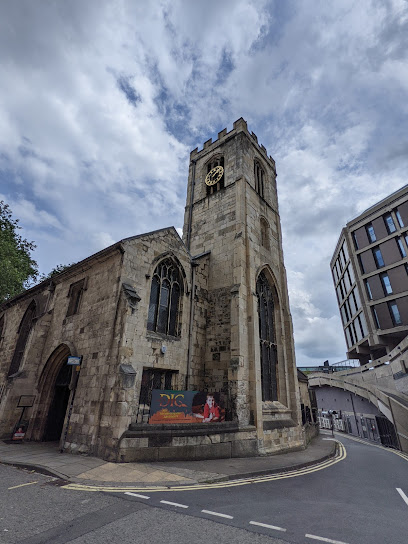
DIG: An Archaeological Adventure
0.2 km
Uncover 2,000 years of York’s history through hands-on archaeological adventures in a historic church setting, perfect for young explorers.
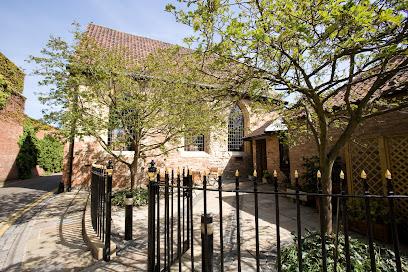
Bedern Hall
0.3 km
Step into Bedern Hall, a stunning medieval guild hall in York where history, architecture, and community converge in timeless elegance.
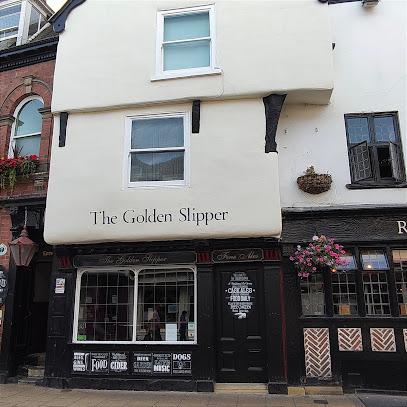
The Golden Slipper
0.3 km
Step into York’s medieval past at The Golden Slipper, a historic pub on Goodramgate blending centuries-old charm with traditional hospitality.
Monk Bar
0.3 km
Explore Monk Bar, a stunning historical landmark in York, where medieval architecture meets captivating tales of the city's rich past.
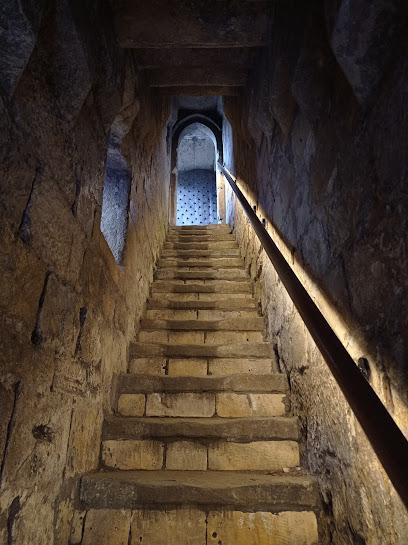
Snickleway Inn
0.3 km
Step into York’s 15th-century Snickleway Inn, a historic pub famed for its cosy charm and ghostly legends.
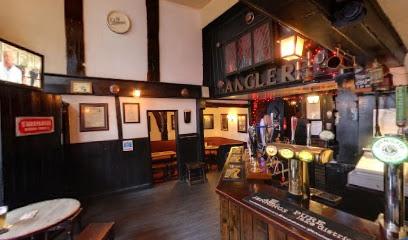
GR8escape York
0.3 km
Discover York’s top escape room centre with immersive puzzles, unique themes, and friendly hosts in the city’s historic heart.
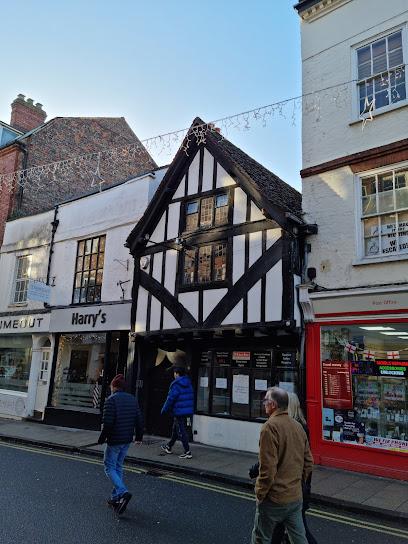
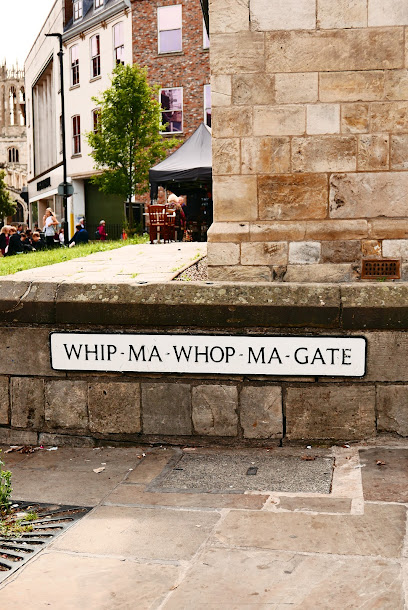
Whip-Ma-Whop-Ma Gate
0.3 km
Discover York’s tiniest street, Whip-Ma-Whop-Ma Gate, where mystery, medieval tales, and charming historic architecture converge in just a few meters.

King's Sq
0.3 km
King's Square, York – where ancient history meets lively culture in the city’s vibrant heart.
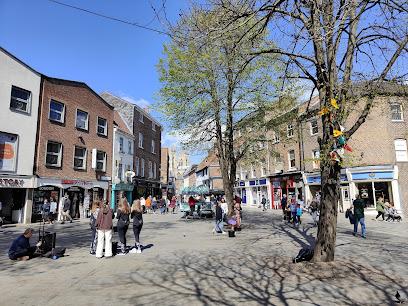
Whip-Ma-Whop-Ma-Gate Sign
0.3 km
Discover York’s quirkiest tiny street marked by the Whip-Ma-Whop-Ma-Gate Sign, nestled near the medieval charm of the Shambles.
Essential places to dine

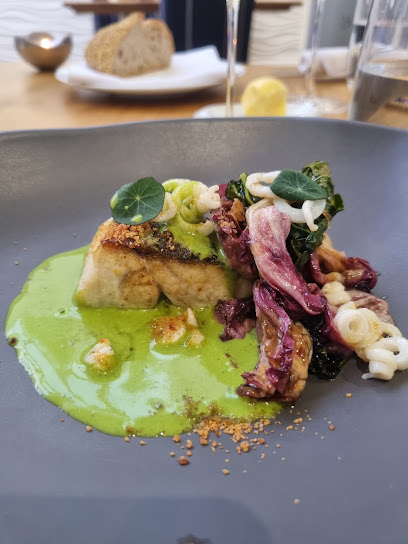
Arras
0.0 km
Innovative British cuisine with Mediterranean flair in a stylish, intimate setting tucked away in historic York.
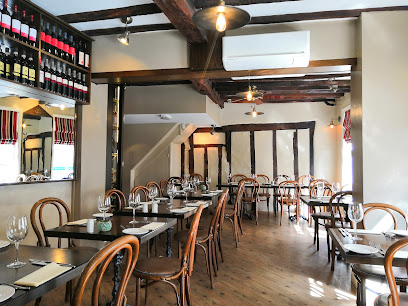
Little Italy
0.3 km
Authentic Italian dining and deli in York’s historic heart, serving traditional flavors since 1992 in a warm, inviting atmosphere.
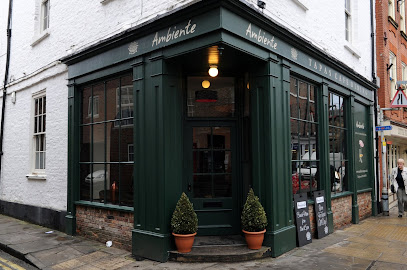
Ambiente Tapas Goodramgate
0.3 km
Experience authentic Spanish tapas and warm Andalusian charm in York’s historic Goodramgate, with a welcoming atmosphere and diverse vegan options.
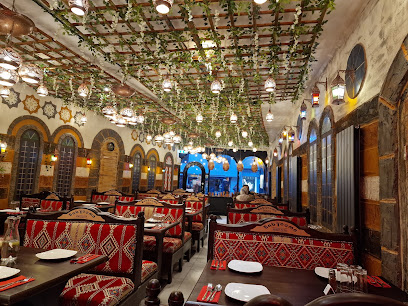
Bab Tooma York
0.3 km
Experience authentic Syrian cuisine in a warm, traditional setting with generous portions and BYOB in the heart of York.
Fancy Hank's Bar & Kitchen
0.3 km
Experience hearty Southern American flavors and vibrant cocktails in the heart of York’s historic Minster Quarter.
Marzano Italian & Grill
0.3 km
Experience authentic Italian flavors and warm hospitality in the heart of York’s vibrant Fossgate district.
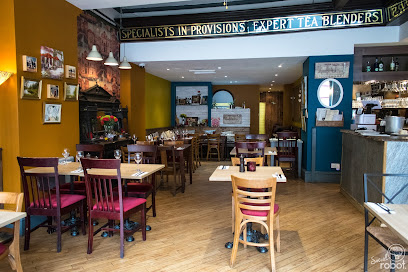
Cosy Club
0.3 km
Historic charm meets stylish dining and cocktails in York’s iconic Cosy Club on Fossgate, perfect for all-day indulgence and special celebrations.
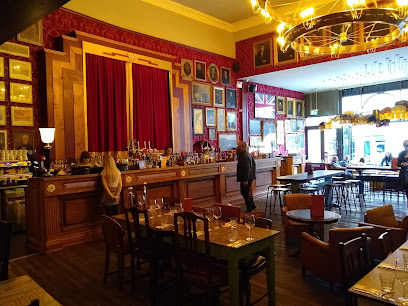
Ambiente Tapas Fossgate
0.4 km
Experience authentic Spanish tapas and vibrant atmosphere in York’s stylish Ambiente Tapas Fossgate, perfect for sharing, sipping, and socializing.
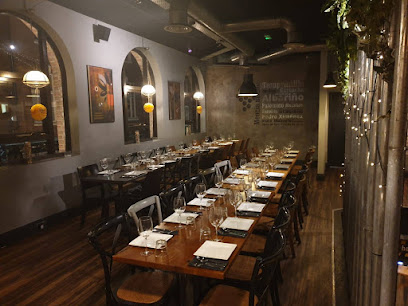
Wildwood
0.4 km
Cozy Italian dining with stone-baked pizzas, fresh pasta, and vegan-friendly options in the heart of historic York’s Low Petergate.
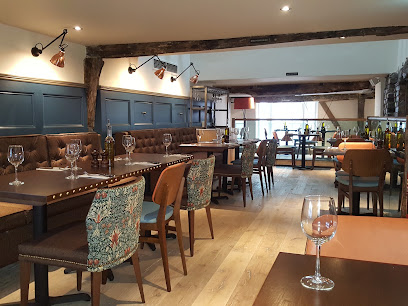
Valhalla York
0.4 km
Experience hearty Viking-inspired tapas, unique ales, and a lively atmosphere at Valhalla York in the heart of the city.
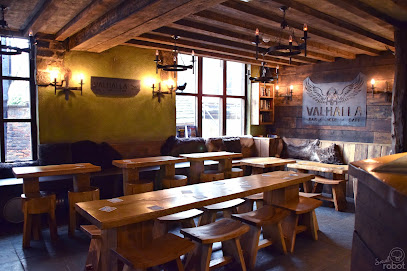
The Blue Barbakan
0.4 km
Experience hearty Polish classics and warm hospitality in York’s vibrant Fossgate at The Blue Barbakan.
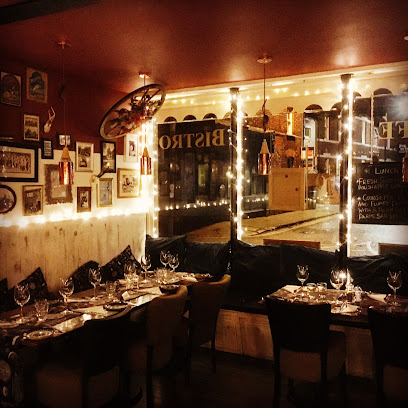
La Vecchia Scuola
0.4 km
Experience authentic Italian flavors and contemporary dining in the heart of historic York at La Vecchia Scuola.
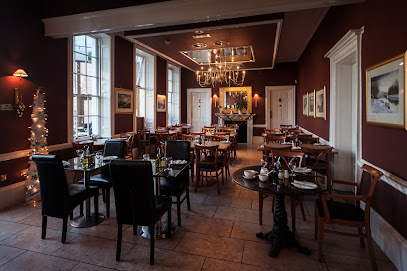
D'vine Restaurant And Social Bar
0.4 km
A vibrant York venue blending British, Italian, and Mediterranean flavors with a lively social bar atmosphere.
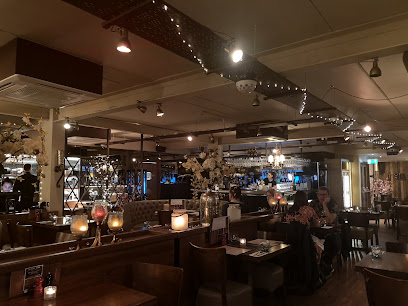
Forest
0.4 km
Charming Georgian hotel in York’s historic heart with cozy rooms and acclaimed Forest Restaurant, perfect for exploring medieval streets and local culture.
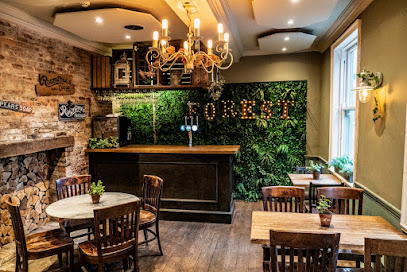
Fat Hippo York
0.4 km
Savour bold, creative burgers and dirty fries in York’s historic Low Petergate, where casual meets flavour-packed indulgence.
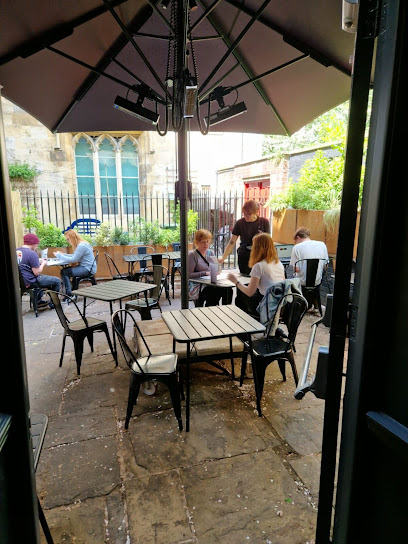
Markets, malls and hidden boutiques

Village Shop
0.3 km
Discover timeless antiques and vintage treasures in York’s historic heart at the Village Shop, open daily with expert guidance and a warm atmosphere.
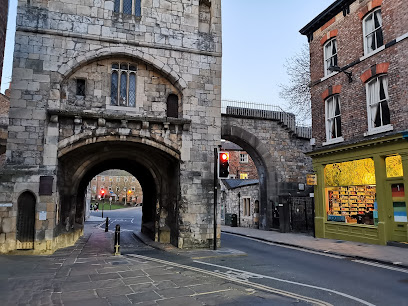
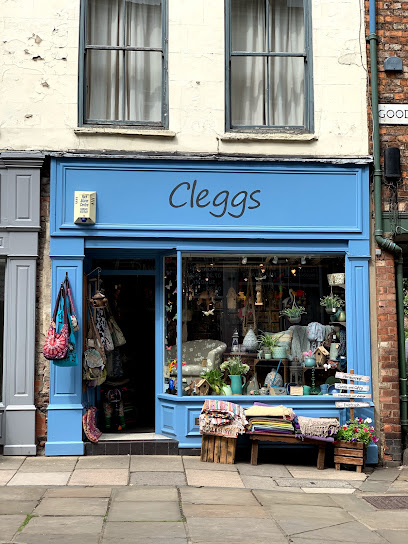
Cleggs
0.3 km
Discover unique gifts, handcrafted homewares, and stylish accessories in the heart of York’s historic Goodramgate at Cleggs.
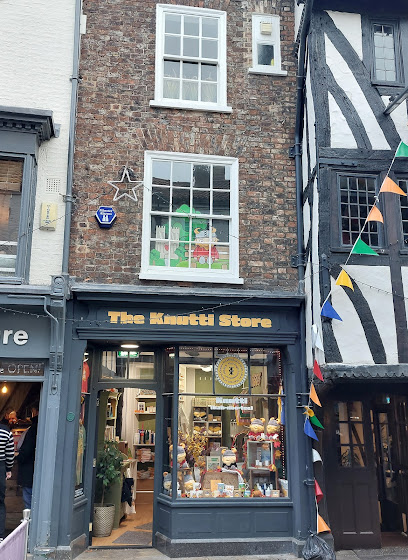
The Knutti Store, a Viking Trading Post
0.3 km
Step into York’s Viking past at The Knutti Store, where authentic craftsmanship meets legendary tales in a charming trading post setting.
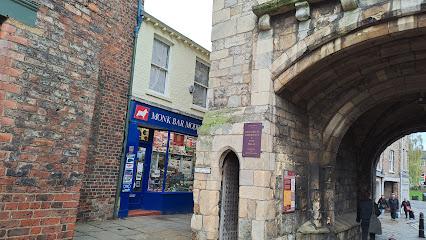
Monk Bar Model Shop
0.3 km
York’s historic model shop offering a vast selection of trains, kits, and collectibles with expert staff and a welcoming atmosphere.
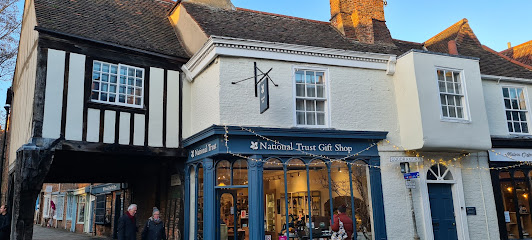
National Trust Gift Shop
0.3 km
Discover unique National Trust gifts and local crafts in a historic York setting supporting conservation and heritage.
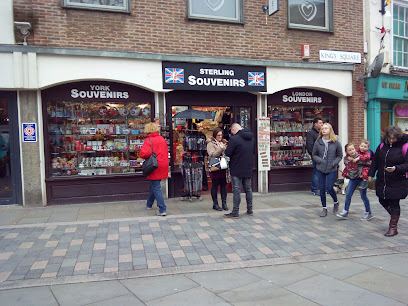
Sterling Souvenirs
0.3 km
Discover authentic York treasures and unique souvenirs at Sterling Souvenirs, your friendly gift shop in the heart of King’s Square.
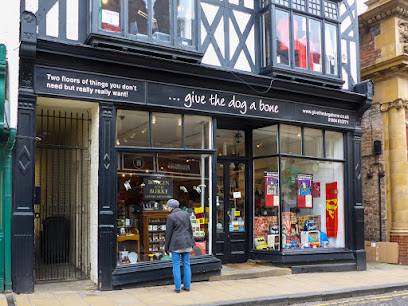
Give The Dog A Bone
0.3 km
Discover York’s quirky gift haven with two floors of unique treasures, from funky homeware to pop culture collectibles on historic Fossgate.
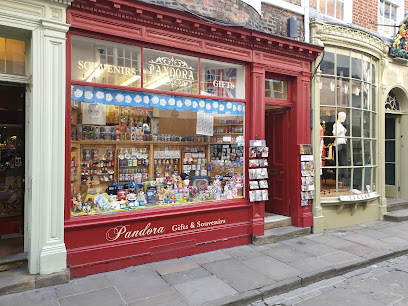
Pandora
0.3 km
Discover elegant, hand-finished jewellery crafted with care and inspired by timeless style at Pandora on Low Petergate, York.
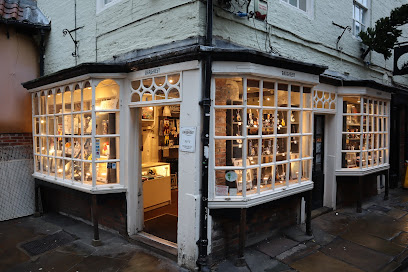
Barghest
0.3 km
Discover Barghest, a quirky gift shop in York’s historic Shambles, offering unique film, TV, and music merchandise in a medieval setting.
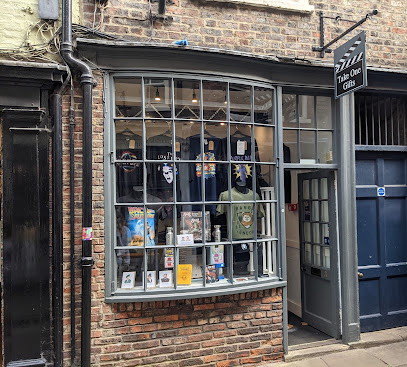
Take One Gifts
0.3 km
Explore Take One Gifts in York for unique souvenirs, artisan crafts, and memorable collectibles reflecting the city's charm.
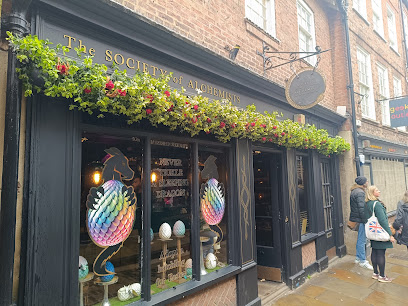
Gift Gallery
0.4 km
Discover unique gifts and charming souvenirs in the heart of York’s historic Shambles, where tradition meets thoughtful shopping.
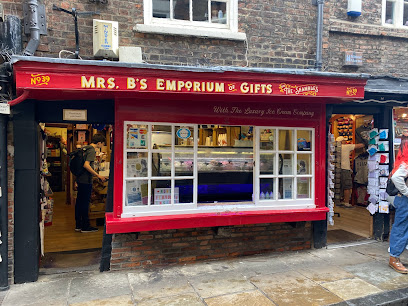
Mrs B's Emporium of Gifts
0.4 km
Discover quirky, unique gifts and playful treasures in the heart of York’s historic Shambles at Mrs B's Emporium of Gifts.
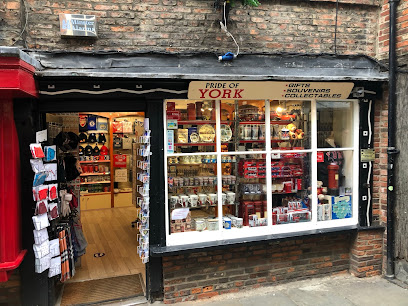
Pride of York Souvenirs
0.4 km
Discover authentic York treasures and unique souvenirs in the heart of the historic Shambles at Pride of York Souvenirs.
The Medieval Scribe
0.4 km
Discover unique medieval-inspired crafts and artisanal treasures in the heart of York’s historic Church Street.
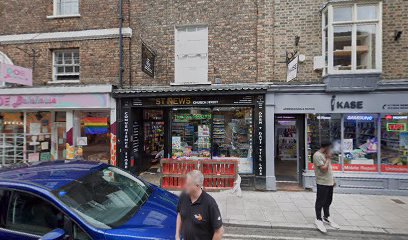
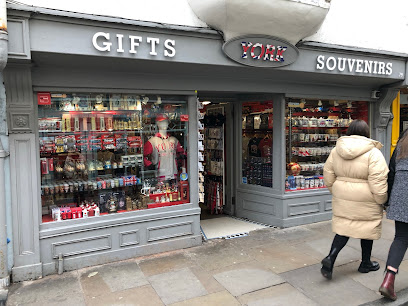
York Souvenirs and Gifts
0.4 km
Authentic Yorkshire souvenirs and handcrafted gifts in the heart of historic York’s medieval streets.
Essential bars & hidden hideouts

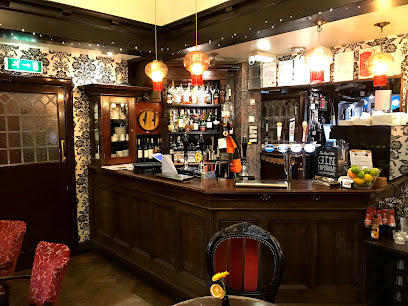
Royal Oak
0.3 km
Traditional British pub charm in York’s historic heart, serving seasonal classics and local ales with a warm, dog-friendly welcome.
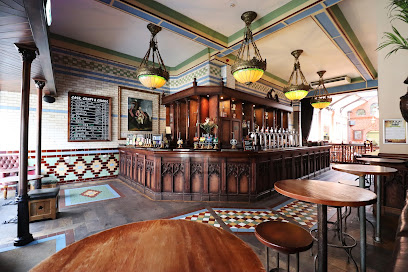
The Hop York
0.3 km
A lively York city centre bar known for its craft beers, stone-baked pizzas, and vibrant live music in a historic Victorian setting.
The Blue Bell
0.3 km
York’s smallest and most beloved Edwardian pub, famed for its authentic atmosphere, quality ales, and warm community spirit.
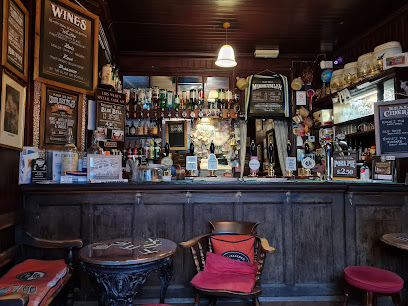
The Fossgate Social
0.4 km
A lively independent bar and coffee shop on York’s Fossgate, known for craft drinks, specialty coffee, and a welcoming atmosphere.
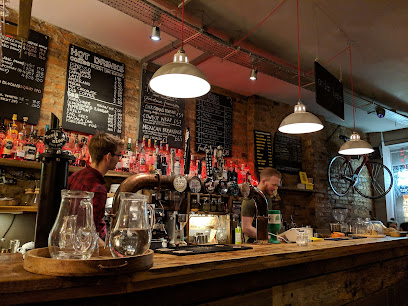
Golden Fleece York
0.4 km
York’s oldest haunted pub offering historic charm, classic ales, cozy rooms, and a lively social atmosphere in the heart of the city.
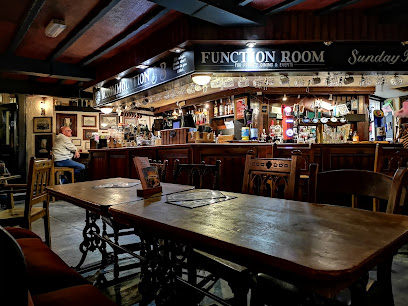
Pivní York
0.4 km
Historic 16th-century timber-framed pub in York offering an exceptional selection of local and global craft beers in a cosy, multi-floor setting.
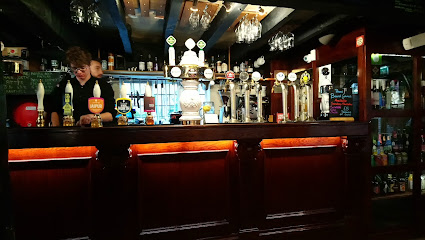
Vudu Lounge
0.4 km
York’s eclectic after-hours lounge blending quality cocktails with a lively, quirky nightlife vibe until the early morning.
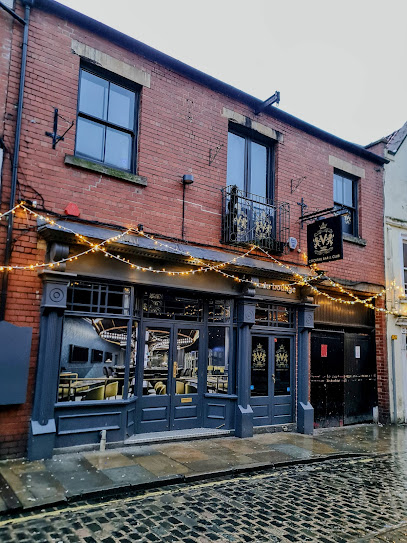
Oscar's Wine Bar & Bistro
0.4 km
A lively and welcoming wine bar in York offering quality food, diverse wines, and a charming atmosphere for all occasions.
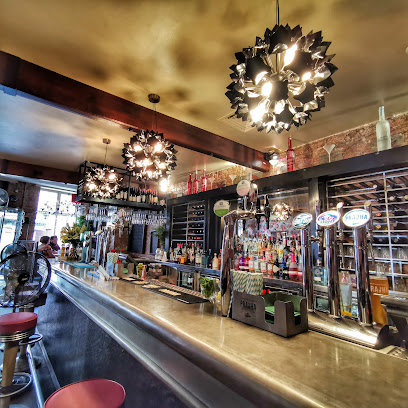
Victor J's
0.4 km
Eclectic art-inspired bar and restaurant in York’s heart, offering cozy seating, creative vibes, and lively weekend nights.
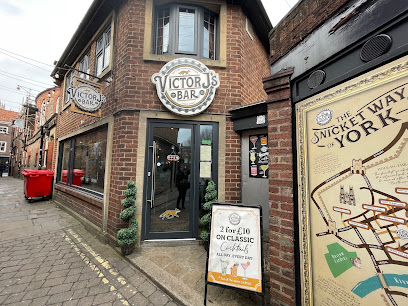
Slug & Lettuce - Swinegate York
0.5 km
A lively cocktail bar and casual dining spot in York’s historic centre, perfect for social drinks, events, and weekend late nights.
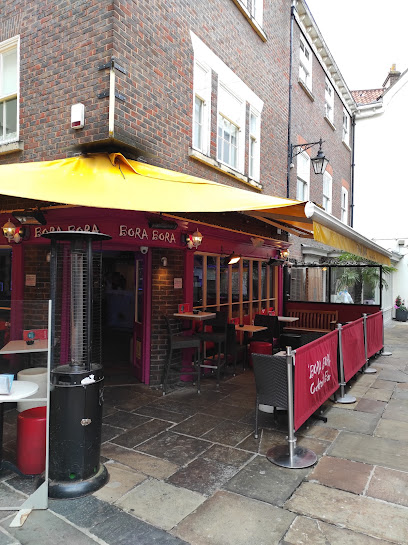
Social 8 Lounge
0.5 km
Stylish York lounge bar offering crafted cocktails, small plates, and boozy brunch in a relaxed, elegant setting with a courtyard garden.
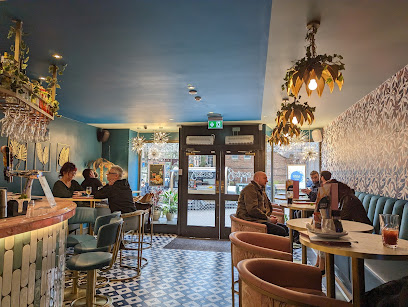
Evil Eye
0.5 km
Quirky cocktails and lively entertainment blend seamlessly in York’s vibrant Evil Eye Lounge on historic Stonegate.
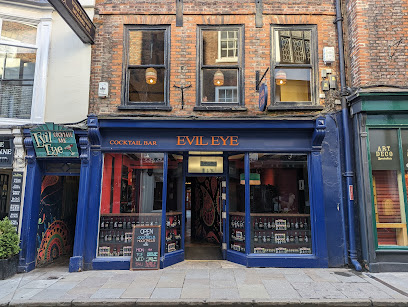
The Three Tuns
0.5 km
Step into The Three Tuns, a centuries-old timber-framed pub on Coppergate offering historic charm and hearty Yorkshire hospitality in York’s heart.
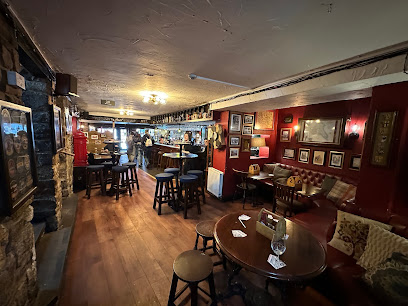
Bobos Cocktail Bar York
0.5 km
York’s vibrant two-floor cocktail bar with tropical drinks, heated shisha terrace, lively DJs, and unbeatable drink deals in the historic Quarter.
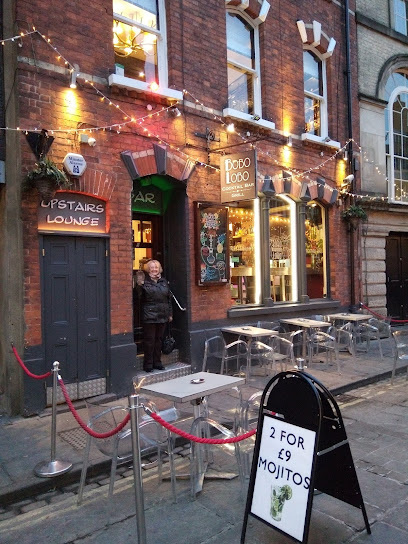
Ye Olde Starre Inne
0.5 km
Historic and welcoming pub on York’s Stonegate, serving hearty British classics in a charming medieval setting.
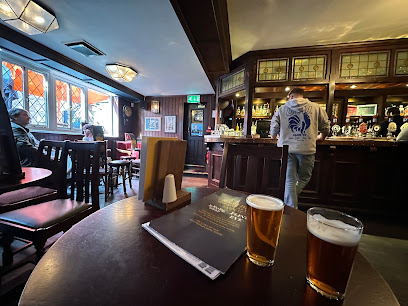
Nightclubs & after hour spots

BlueBox
0.6 km
York’s premier late-night nightclub, BlueBox pulses with House, Tech House, and Disco beats until dawn in a vibrant city-center setting.
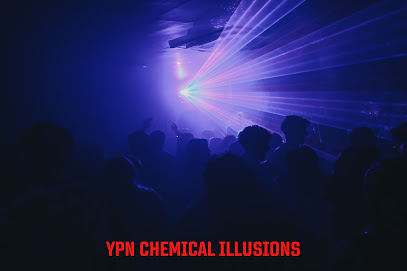
Kuda
0.6 km
York’s vibrant nightclub offering diverse music, live DJs, and a lively late-night atmosphere in the heart of the city.
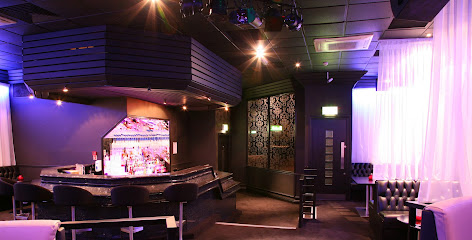
Flares - York
0.8 km
Experience York’s ultimate retro nightclub with decades-spanning hits, vibrant dance floors, and an inclusive party atmosphere.
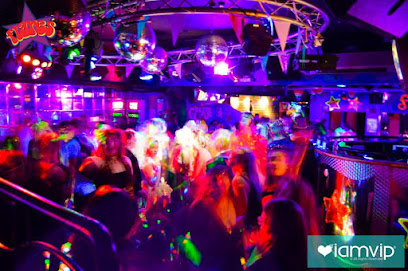
Club Salvation
0.8 km
York’s vibrant nightclub with dual music rooms, lively atmosphere, and fair-priced drinks for an unforgettable night out.
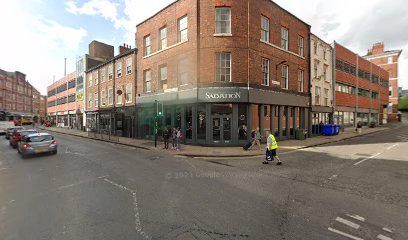
Popworld York
0.8 km
York’s vibrant pop music nightclub with a unique revolving dancefloor and a lively atmosphere for unforgettable nights out.
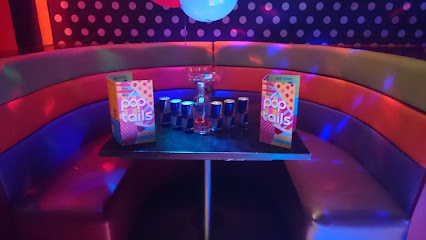
Karaoke Rooms (KTV)
0.9 km
Experience lively private karaoke rooms in the heart of York’s vibrant nightlife at Chuandao Karaoke Bar.
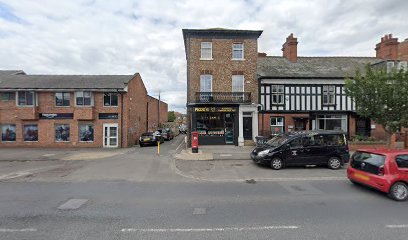
Ziggy's Bar & Nightclub
0.9 km
York’s iconic student nightclub offering energetic dance floors, affordable drinks, and a lively atmosphere since the 1980s.
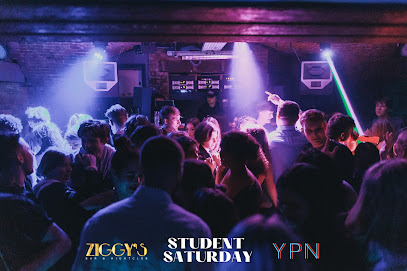
Bar 55 York
0.9 km
York’s exclusive strip club offering sophisticated adult entertainment and premium nightlife in a stylish, historic setting.
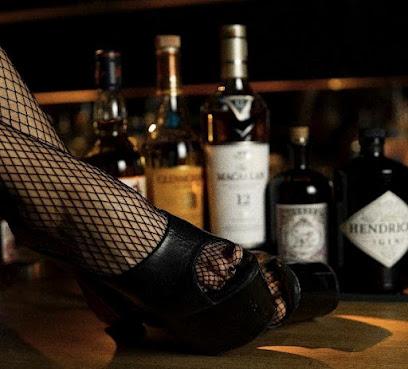
Big Fellas Nightclub
33.8 km
A lively and casual nightclub in Pontefract offering energetic late-night dancing and drinks in a central urban setting.
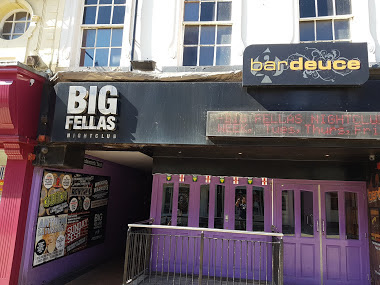
Arabian Night Lounge
34.5 km
Dive into Arabian enchantment on Leeds' nightlife scene: shisha, beats, and opulent vibes await at this Cherry Row gem.
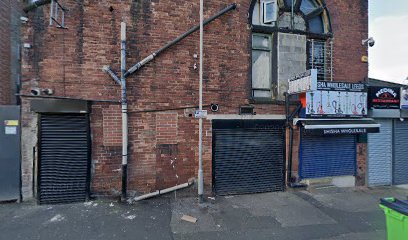
Quadrophenia Night
35.1 km
Rev up for mod anthems, live ska-soul bands, and 60s film vibes at Leeds' ultimate Quadrophenia tribute night—pure energy and rebellion on the dancefloor.
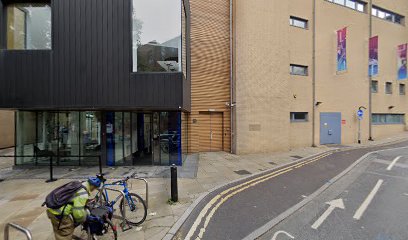
Disco Stu's
35.3 km
Pulse-pounding beats and sticky-floored euphoria on Vicar Lane—Disco Stu's delivers unfiltered Leeds nightlife with affordable drinks and all-night energy.

The Lab Nightclub Leeds
35.3 km
Experience Leeds' electric nightlife at The Lab Nightclub, where music flows smoothly and the party never stops in the heart of the city.
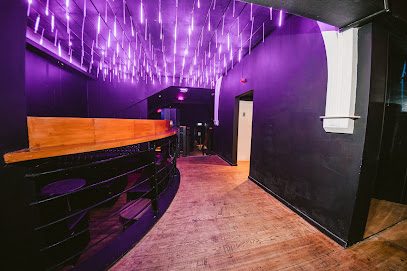
The Key Club
35.5 km
Intimate, no-frills live-music club in central Leeds where punk, indie and alternative acts play close and loud beneath Merrion Street.
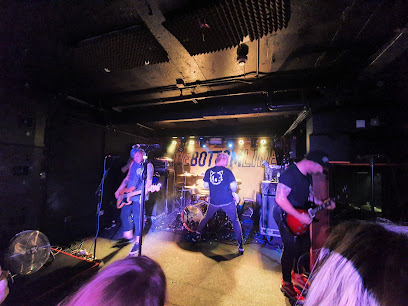
PRYZM
35.5 km
Leeds' multi-themed superclub where futuristic beats meet quirky rooms in the heart of Arena Quarter nightlife.
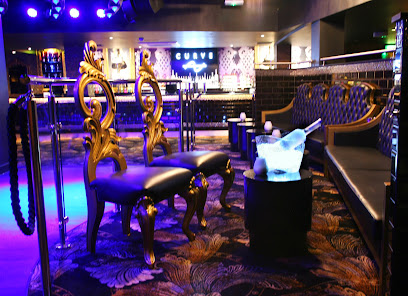
For the vibe & atmosphere seeker
- Tranquil
- Scenic
- Unique
- Relaxing
For the design and aesthetic lover
- Vintage Styles
For the architecture buff
- Historic
- Landmarks
- Sacred Sites
For the view chaser and sunset hunter
- Iconic Views
For the social media creator & influencer
- Instagrammable
- Photo Spots
- Architectural Shots
For the eco-conscious traveler
- Public-Transport Accessible
- Locally Managed
For the kind of experience you’re after
- Cultural Heritage
- Spiritual / Energy Spot
- Photowalk
- Day Trip
For how adventurous you want the journey to be
- Easy Access
Location Audience
- Family Friendly
- Senior Friendly
- Child Friendly
- Wheelchair Access
- Solo Friendly
- Couple Friendly


