

West Desert, Utah Travel Guide
Explore the enchanting landscapes and rich history of Utah's West Desert, from the Bonneville Salt Flats to the starry skies of Great Basin National Park.
The West Desert in Utah, United States, is a captivating expanse of arid beauty and stark landscapes. Spanning a vast area, this desert is known for its unique geological formations, including the famous Bonneville Salt Flats. The flats offer a surreal, almost otherworldly experience, with the ground shimmering like a mirror under the sun. It's a perfect spot for photographers and those seeking tranquility away from the bustling cities. Another highlight of the West Desert is the Great Basin National Park, where visitors can explore ancient bristlecone pine trees and the Lehman Caves. The park is also a haven for stargazing, boasting some of the darkest skies in the country. This makes it an excellent destination for amateur astronomers and night sky enthusiasts. The West Desert is also rich in history and culture. Visitors can discover remnants of the area's mining past or visit the Pony Express National Historic Trail. The combination of natural beauty and historical significance makes the West Desert a must-visit for adventurers and history buffs alike.

Know before you go
Hi, I'm Eve. Here are a few practical things to know before exploring West Desert.
- Bring plenty of water and sun protection; the desert environment can be harsh and dehydrating.
- Visit the Bonneville Salt Flats early in the morning or late in the afternoon for the best lighting and cooler temperatures.
- Check the weather forecast before heading out, as conditions can change rapidly in the desert.
- If you plan to stargaze, bring a star chart or download a stargazing app to enhance your experience.
- Respect the natural environment and historical sites; take only pictures and leave no trace.
Top City Travel Guides in West Desert
The cities of West Desert, and the easiest places to base yourself.


Destinations in West Desert
Resorts, valleys and scenic spots worth a trip of their own.


Explore West Desert: Things to Do, Places to Eat, Hotels & More
Handpicked recommendations for top attractions, local dining, accommodations, and more

Top Attractions & Sightseeing in West Desert
Top-rated picks
Best Attractions

Dead Horse Point State Park
Discover the breathtaking vistas and rich landscapes of Dead Horse Point State Park, a premier destination for outdoor adventure and natural beauty.

Capitol Reef National Park
Discover the enchanting landscapes and rich history of Capitol Reef National Park, a hidden gem in Utah's stunning natural scenery.

Dinosaur National Monument
Discover the captivating Dinosaur National Monument in Utah, where ancient fossils and stunning landscapes come together for an unforgettable adventure.

Golden Spike National Historical Park
Explore the Golden Spike National Historical Park, where history meets breathtaking landscapes, celebrating the completion of America's First Transcontinental Railroad.

Best landmarks in West Desert
Top-rated picks
Best Landmarks

Capitol Reef National Park
Explore the breathtaking beauty and unique geological features of Capitol Reef National Park, a must-visit destination in Utah for nature lovers and adventurers.

Grand Staircase-Escalante National Monument
Experience the breathtaking beauty of Grand Staircase-Escalante National Monument, a haven for nature lovers and adventure seekers in Utah.

This Is The Place Heritage Park
Immerse yourself in Utah's rich history at This Is The Place Heritage Park, a historical landmark offering engaging exhibits and family-friendly activities.

Golden Spike National Historical Park
Explore the rich history of the first transcontinental railroad at Golden Spike National Historical Park in Utah, where innovation meets breathtaking landscapes.

Best restaurants in West Desert
Top-rated picks
Best Restaurants

Ruth's Diner
Discover the charm of Ruth's Diner in Emigration Canyon: where delicious American cuisine meets stunning natural beauty.

Bohemian Brewery
Experience authentic Czech-style brews and delectable cuisine at Bohemian Brewery in Midvale, Utah – where every sip tells a story.

The Copper Onion
Discover The Copper Onion in Salt Lake City - where American cuisine meets local flavor in a warm and inviting atmosphere.

Prairie Schooner Steak House
Experience the best steaks in Ogden at Prairie Schooner Steak House – where exceptional flavor meets inviting ambiance.

Best bars in West Desert
Top-rated picks
Best Bars

Olive Garden Italian Restaurant
Experience authentic Italian dining at Olive Garden in Spanish Fork, where delicious food and a welcoming atmosphere await.

Outback Steakhouse
Experience the unique blend of American and Australian cuisine at Outback Steakhouse, where delicious flavors and a lively atmosphere await you.

Beerhive Pub
Discover the heart of Salt Lake City's beer culture at Beerhive Pub, where craft brews and a vibrant atmosphere await every visitor.

Red Robin Gourmet Burgers and Brews
Discover the ultimate burger experience at Red Robin Gourmet Burgers and Brews, where flavor meets family-friendly fun in West Valley City.

Best nightclubs in West Desert
Top-rated picks
Best Nightclubs

Club 90
Unleash your energy and dance the night away at Club 90, Sandy's premier night club with vibrant music and an unforgettable atmosphere.

Area 51
Discover Salt Lake City's ultimate nightlife experience at Area 51, where the dance floor comes alive with energy and excitement.

Why KiKi
Discover Salt Lake City's nightlife at Why KiKi, a vibrant bar and grill that offers dining, dancing, and unique events for an unforgettable experience.

The Westerner
Discover the vibrant nightlife at The Westerner, featuring dance, karaoke, and live music in West Valley City.

Explore West Desert on the Map
A handpicked selection of must-see spots in West Desert, mapped for you.
West Desert Essentials
-
West Desert in Utah can be accessed by various routes depending on your starting location. The nearest major airport is Salt Lake City International Airport (SLC), located approximately 120 miles away. From Salt Lake City, you can rent a car or take a bus to reach the West Desert area. Major highways like I-80 and US-50 provide road access to different parts of the region. It's advisable to have a reliable GPS system as cellular service can be spotty in remote areas.
-
Transportation within the West Desert primarily relies on private vehicles. Renting a car is highly recommended for exploring the vast and remote areas. Ensure your vehicle is well-maintained and equipped for off-road driving if you plan to explore less accessible regions. There are limited public transportation options, so plan your trips carefully. For short distances, biking and hiking are popular options among adventurers.
-
The official currency is the United States Dollar (USD). Credit and debit cards are widely accepted in larger towns and tourist facilities, but it's wise to carry cash, especially when visiting remote areas where card transactions might not be possible. ATMs are available in larger towns, but ensure you have enough cash before heading into the more isolated regions of the West Desert.
-
The West Desert is generally safe for tourists, but common sense and standard precautions should be exercised. Avoid hiking alone, especially in remote areas. Always inform someone about your travel plans and expected return time. There are no specific high-crime areas targeting tourists, but always be aware of your surroundings and secure your belongings. Be cautious of wildlife and natural hazards.
-
In case of emergency, dial 911 for immediate assistance. Be aware of the nearest medical facilities and keep a well-stocked first aid kit in your vehicle. Cell phone service can be unreliable in remote parts of the desert, so consider carrying a satellite phone or emergency beacon. It's essential to have travel insurance covering medical emergencies and evacuation.
-
Fashion: Do wear appropriate clothing for the desert environment, including sun protection and sturdy footwear. Avoid overly revealing attire. Religion: Do respect any cultural or religious sites you may encounter. Public Transport: Do plan your transportation needs ahead, as public transport is limited. Greetings: Do greet locals with a friendly ‘hello’ or ‘hi.’ Eating & Drinking: Do bring sufficient water and food supplies for your trips. Don't litter in the pristine environment and follow the Leave No Trace principles.
-
To experience the West Desert like a local, visit the small towns and interact with the residents who are often friendly and knowledgeable about the area. Explore the ghost towns and historical mining sites to get a sense of the region's past. Make sure to enjoy the natural beauty of places like the Bonneville Salt Flats and Fish Springs National Wildlife Refuge. Always carry extra water, as dehydration can be a significant risk.
When is the best time to visit West Desert?
Useful Local Phrases for West Desert
You don't need to speak the language perfectly. Even learning a few simple words can make conversations warmer—and locals usually appreciate the effort.
— Eve

Here are the phrases I use most often in West Desert. Try a few—you'll be surprised how far they go! 😊
❤️
-
- HelloHowdy
[haʊdi] - GoodbyeSee ya
[si jə] - YesYep
[jɛp] - NoNope
[noʊp] - Please/You're welcomeNo problem
[noʊ ˈprɑbləm] - Thank youThanks a lot
[θæŋks ə lɑt] - Excuse me/SorryPardon me
[ˈpɑrdən mi] - How are you?How's it going?
[haʊz ɪt ˈɡoʊɪŋ] - Fine. And you?Good. You?
[ɡʊd. ju] - Do you speak English?You speak English?
[ju spiːk ˈɪŋɡlɪʃ] - I don't understandI don't get it
[aɪ doʊnt ɡɛt ɪt]
- HelloHowdy
-
- I'd like to see the menu, pleaseCan I see the menu?
[kæn aɪ si ðə ˈmɛnju] - I don't eat meatI don't do meat
[aɪ doʊnt du mit] - Cheers!Cheers!
[ʧɪrz] - I would like to pay, pleaseCan I pay, please?
[kæn aɪ peɪ pliːz]
- I'd like to see the menu, pleaseCan I see the menu?
-
- Help!Help!
[hɛlp] - Go away!Leave me alone!
[liv mi əˈloʊn] - Call the Police!Call 911!
[kɔl naɪn wʌn wʌn] - Call a doctor!Get a doctor!
[ɡɛt ə ˈdɑktər] - I'm lostI'm turned around
[aɪm tɜrnd əˈraʊnd] - I'm illI'm not feeling well
[aɪm nɑt ˈfiːlɪŋ wɛl]
- Help!Help!
-
- I'd like to buy...I want to buy...
[aɪ wɑnt tu baɪ] - I'm just lookingJust browsing
[dʒʌst ˈbraʊzɪŋ] - How much is it?What's the price?
[wɑts ðə praɪs] - That's too expensiveThat's pricey
[ðæts ˈpraɪsi] - Can you lower the price?Can you cut the price?
[kæn ju kʌt ðə praɪs]
- I'd like to buy...I want to buy...
-
- What time is it?What time?
[wɑt taɪm] - It's one o'clockIt's one
[ɪts wʌn] - Half past (10)Half past ten
[hæf pæst tɛn] - MorningMorning
[ˈmɔrnɪŋ] - AfternoonAfternoon
[ˌæftərˈnun] - EveningEvening
[ˈivnɪŋ] - YesterdayYesterday
[ˈjɛstərˌdeɪ] - TodayToday
[təˈdeɪ] - TomorrowTomorrow
[təˈmɔroʊ] - 1One
[wʌn] - 2Two
[tu] - 3Three
[θri] - 4Four
[fɔr] - 5Five
[faɪv] - 6Six
[sɪks] - 7Seven
[ˈsɛvən] - 8Eight
[eɪt] - 9Nine
[naɪn] - 10Ten
[tɛn]
- What time is it?What time?
-
- Where's a/the...?Where's the...?
[wɛrz ðə] - What's the address?What's the address?
[wɑts ði əˈdrɛs] - Can you show me (on the map)?Can you point it out?
[kæn ju pɔɪnt ɪt aʊt] - When's the next (bus)?When's the next bus?
[wɛnʤ ðə nɛkst bʌs] - A ticket (to ....)A ticket to...
[ə ˈtɪkɪt tu]
- Where's a/the...?Where's the...?
History of West Desert
-
The West Desert of Utah was once home to the Fremont Culture, a group of Native American peoples who lived in the region from approximately 300 to 1300 AD. The Fremont people were known for their unique pottery, intricate rock art, and advanced agricultural practices. Evidence of their presence can be found in various archaeological sites across the desert, including petroglyphs and remnants of their pit houses.
-
In the mid-19th century, the West Desert played a crucial role in the operation of the Pony Express, a mail service that connected the Eastern United States with California. Riders would brave the harsh desert conditions to deliver mail across this vast, arid landscape. Several historical markers and remnants of Pony Express stations can still be visited today, offering a glimpse into this daring and short-lived chapter of American history.
-
During World War II, the West Desert was the site of the Topaz War Relocation Center, one of the internment camps where Japanese Americans were forcibly relocated and confined. The camp operated from 1942 to 1945 and housed over 8,000 internees. Today, the Topaz Museum in Delta, Utah, preserves the history of the internment camp and honors the resilience of those who lived there.
-
Established in 1942, the Dugway Proving Ground in the West Desert has been a key site for the United States military's testing of chemical, biological, and other defense systems. The area's remote location and harsh environment make it an ideal testing ground. While much of the testing remains classified, Dugway has been instrumental in advancing military technology and preparedness.
-
The Bonneville Salt Flats, located in the West Desert, are one of the most iconic natural landmarks in Utah. These expansive salt flats are the remnants of the ancient Lake Bonneville, which covered much of the region during the last Ice Age. The flats are a popular location for land speed record attempts, film shoots, and unique photographic opportunities, drawing visitors from around the world.
-
The West Desert experienced a mining boom in the late 19th and early 20th centuries, with towns like Ibex and Gold Hill springing up almost overnight. These towns were established to support the mining of precious metals, including gold, silver, and lead. While many of these towns are now ghost towns, the remnants of buildings, mines, and equipment offer a fascinating glimpse into the region's mining heritage.
-
The West Desert is part of the larger Great Basin, a unique geographical area characterized by its internal drainage system. The region's flora and fauna have adapted to the harsh desert conditions, with many species found nowhere else on Earth. Visitors can explore the diverse ecosystems, from sagebrush flats to isolated springs, and discover how life has adapted to thrive in this challenging environment.
Neighbouring Regions of West Desert
The closest regions to West Desert, if you have time for more than one.



Your all‑in‑one travel companion app
Explore expert travel guides, compare and book tours, experiences, hotels, and more—all from the palm of your hand. Download now for seamless trip planning wherever your wanderlust takes you.


Explore More of Utah

Looking beyond West Desert? Discover Utah for broader travel guides, local hot-spots, and regional highlights.
Explore UtahWest Desert in Photos
Browse through our photo collection highlighting the charm and character of the destination.


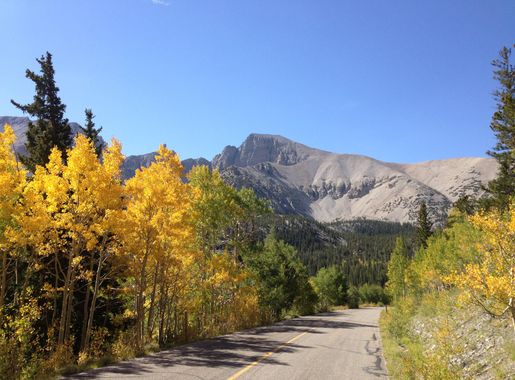
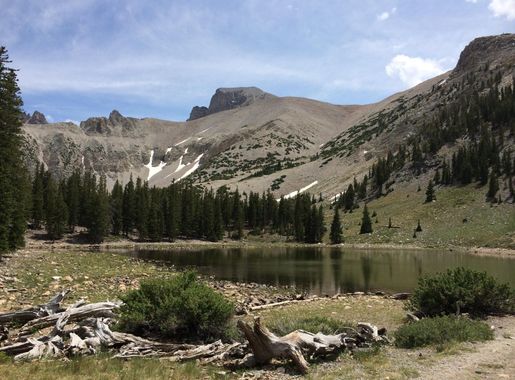

The Mystique of Utah's West Desert
The West Desert in Utah, United States, is a captivating expanse of arid beauty and stark landscapes. Spanning a vast area, this desert is known for its unique geological formations, including the famous Bonneville Salt Flats. The flats offer a surreal, almost otherworldly experience, with the ground shimmering like a mirror under the sun. It's a perfect spot for photographers and those seeking tranquility away from the bustling cities. Another highlight of the West Desert is the Great Basin National Park, where visitors can explore ancient bristlecone pine trees and the Lehman Caves. The park is also a haven for stargazing, boasting some of the darkest skies in the country. This makes it an excellent destination for amateur astronomers and night sky enthusiasts. The West Desert is also rich in history and culture. Visitors can discover remnants of the area's mining past or visit the Pony Express National Historic Trail. The combination of natural beauty and historical significance makes the West Desert a must-visit for adventurers and history buffs alike.