

Snowbird Travel Guide - Free Web & App
Your ultimate guide to Snowbird. Discover top landmarks, proposed trips, and local tips. Free on the web or via the Evendo companion app.


Snowbird, Utah, pairs deep Wasatch powder with the Aerial Tram, summer hiking and Little Cottonwood Canyon scenery near Salt Lake City in every season.
Wasatch Landscapes and Alpine Character
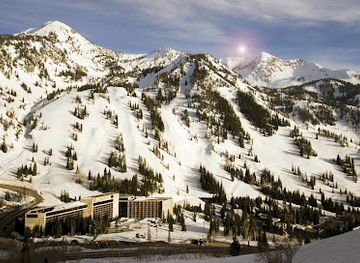
Snowbird occupies a narrow, dramatic section of Little Cottonwood Canyon in Utah’s Wasatch Range, about 30 miles south-east of Salt Lake City. The resort is surrounded by steep granite walls, avalanche-shaped slopes, conifer forests and high ridgelines, with the developed area concentrated around its base facilities and mountain lifts. Snowbird is principally known for winter skiing and snowboarding, particularly its steep terrain and frequent powder conditions, but its setting gives it a broader appeal throughout the year.Read more about Snowbird
Winter on the Mountain
Summer Recreation and Resort Life
When is the best time to visit Snowbird?
Best: June–August · 17–21°C| Month | High (°C) | Rainfall (mm) |
|---|---|---|
| January | -3 | 100 |
| February | -2 | 90 |
| March | 1 | 80 |
| April | 6 | 70 |
| May | 12 | 60 |
| June (best) | 17 | 50 |
| July (best) | 21 | 40 |
| August (best) | 20 | 50 |
| September | 14 | 60 |
| October | 9 | 70 |
| November | 3 | 80 |
| December | -2 | 90 |
Getting to and around Snowbird
How to get there
Transportation
Best attractions in Snowbird
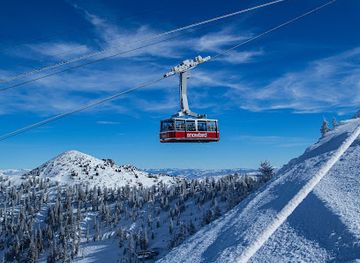
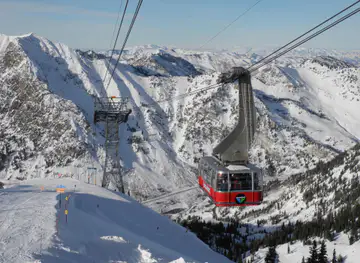
Snowbird’s principal attraction is its lift-served mountain, where the Aerial Tram climbs towards Hidden Peak and opens broad views over Little Cottonwood Canyon and the Wasatch Range. In winter, skiers and snowboarders explore a varied network of groomed runs, bowls, glades and steep terrain, subject to ability, weather and operational conditions. The resort base contains the main concentration of dining, accommodation, visitor services and seasonal entertainment. In summer, scenic tram rides provide access to high-elevation viewpoints, while hiking routes lead into forests, rocky slopes and alpine meadows around the canyon. Little Cottonwood Canyon itself is a major landscape attraction, combining granite walls, avalanche chutes, historic mining traces and Uinta-Wasatch-Cache National Forest scenery. Visitors interested in geology and local history can also explore the canyon’s changing landscape from Salt Lake Valley approaches, though many historic mining sites are dispersed, undeveloped or unsuitable for casual entry.
-
Tourist attraction
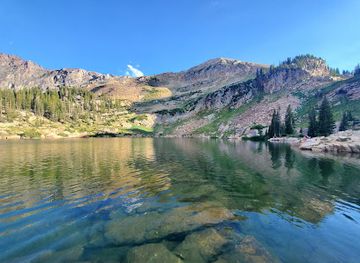
Cecret Lake Trail
Explore the breathtaking beauty of Cecret Lake Trail in Alta, Utah, where nature meets adventure amidst stunning mountain scenery.
-
Hiking area
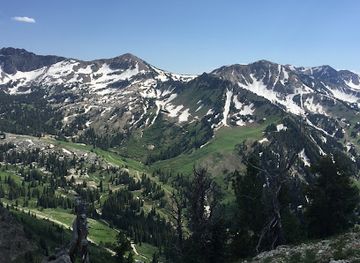
Alta-Brighton Trailhead
Discover the stunning Alta-Brighton Trailhead in Utah, a hiker's paradise with breathtaking views and diverse trails for all levels of adventurers.
-
Hiking area
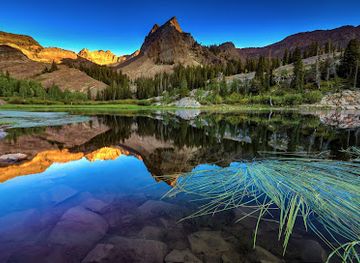
Sundial Peak
Experience the stunning beauty and adventure of Sundial Peak, a must-visit hiking destination near Salt Lake City, Utah.
-
10000 Little Cottonwood Canyon Rd
Explore the stunning landscapes and outdoor adventures of Little Cottonwood Canyon in Alta, Utah, a perfect escape for nature enthusiasts and adventurers alike.
Best landmarks in Snowbird
The Aerial Tram is Snowbird’s defining built landmark, rising from the resort base to Hidden Peak against the steep walls of Little Cottonwood Canyon. The surrounding granite cliffs, high ridgelines and avalanche-carved slopes are the area’s most important natural landmarks, demonstrating the scale and geology of the Wasatch Range. Little Cottonwood Creek runs through the canyon landscape, while historic mining remains and old workings reflect the nineteenth-century search for precious metals that preceded the resort. Snowbird’s mountain buildings and village infrastructure represent a later phase of the canyon’s development, created for modern skiing and tourism rather than historic settlement. Beyond the resort boundaries, the Uinta-Wasatch-Cache National Forest forms the broader public-land setting, encompassing forests, rocky alpine terrain and watersheds whose environmental importance shapes how recreation and access are managed.
-
 Hotel
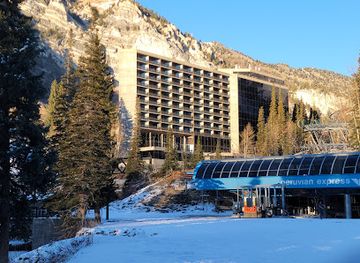
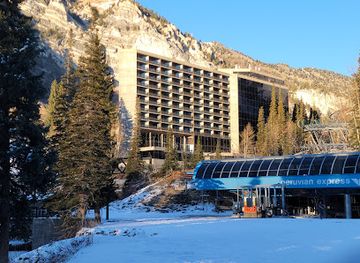
HotelThe Cliff Lodge
Discover luxury and adventure at The Cliff Lodge, the premier mountain retreat in Snowbird, Utah, offering stunning views and top-notch amenities.
-
Tourist attraction
Snowbird Tram
Discover breathtaking mountain views and exhilarating outdoor adventures at Snowbird Tram, Utah's premier tourist attraction for nature lovers.
-
Lodge
The Iron Blosam
Experience the breathtaking beauty of the Wasatch Mountains at The Iron Blosam Lodge, your perfect base for adventure and relaxation in Snowbird, Utah.
-
Ski resort
Snowbird Ski Resorts, Weather & Snow Report
Explore Snowbird Ski Resort in Utah: a premier winter destination for skiing, snowboarding, and breathtaking mountain views all year round.
Explore Snowbird on the map
Plan your trip on one map. See where the top attractions, landmarks, restaurants and hotels are, and book hotels and experiences in a few clicks.
Best hotels in Snowbird
Best restaurants in Snowbird
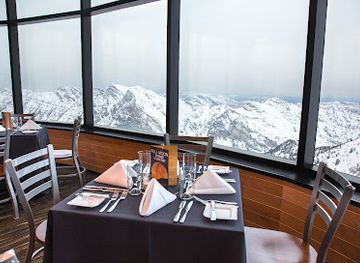
Dining at Snowbird is concentrated in the resort, where visitors find mountain restaurants, cafés, après-ski food and venues serving familiar American and international dishes suited to a ski destination. The resort’s food culture is shaped more by alpine recreation and hospitality than by a single traditional local cuisine, with hearty meals and convenient options important after time on the slopes. Outside the canyon, Cottonwood Heights, Sandy and other Salt Lake Valley communities offer a much broader range of restaurants, from casual American dining to cuisines reflecting the metropolitan area’s diverse population. Visitors staying in self-catering accommodation can buy provisions in the valley before travelling up Little Cottonwood Canyon, where retail food choices are more limited. Seasonal operating patterns are common in mountain destinations, so check current details rather than assuming every dining venue is open year-round.
-
Restaurant
The Summit at Snowbird
Experience exquisite dining with breathtaking views at The Summit at Snowbird – where culinary artistry meets nature’s grandeur.
-
American
Mid-Gad Restaurant
Experience exquisite American cuisine amidst breathtaking mountain views at Mid-Gad Restaurant in Snowbird.
-
Fine Dining
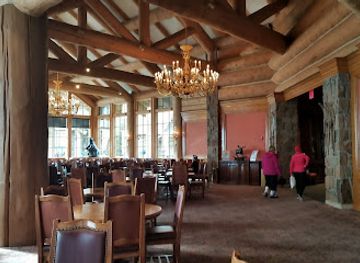
The Aerie
Experience exquisite fine dining at The Aerie in Snowbird - where breathtaking views meet exceptional cuisine for an unforgettable night out.
-
Steak
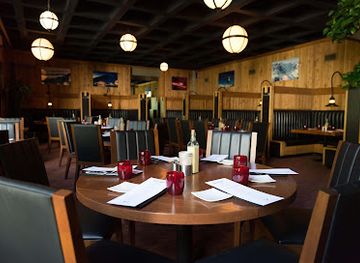
Steak Pit Restaurant
Experience gourmet dining at the Steak Pit Restaurant in Snowbird - where succulent steaks meet fresh seafood amidst stunning mountain views.
Best bars in Snowbird
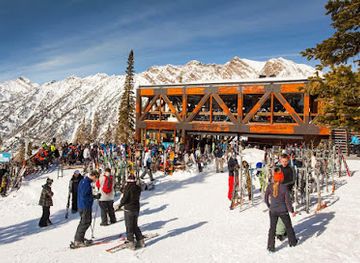
Snowbird’s evening life is centred on après-ski hospitality rather than a dedicated nightclub district. Resort bars, lounges and restaurants provide places for drinks, conversation, live entertainment on some occasions and views of the surrounding mountains, with the atmosphere changing between busy winter periods and quieter seasons. Evening options are generally concentrated around the village and accommodation areas, so visitors staying in the canyon should not expect the range of late-night venues found in central Salt Lake City. Cottonwood Heights, Sandy and the wider Salt Lake Valley provide more restaurants, breweries, bars and cultural entertainment, but they require a journey from Snowbird and should be considered separately from the resort itself. Seasonal festivals and resort events may add entertainment at particular times, although programmes and opening arrangements vary.
-
Ski resort
Snowbird
Experience the breathtaking beauty and thrilling adventures at Snowbird Ski Resort, a year-round destination in Utah's stunning Wasatch Range.
-
Lodge
The Iron Blosam
Experience the beauty and adventure of the Wasatch Mountains at The Iron Blosam Lodge, your home away from home in Snowbird, Utah.
-
Hotel
The Inn at Snowbird
Experience unparalleled comfort and adventure at The Inn at Snowbird, your perfect mountain retreat in Utah's stunning Wasatch Range.
-
Restaurant
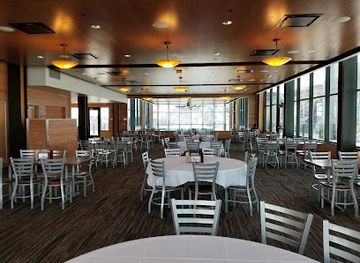
The Summit at Snowbird
Experience fine dining with breathtaking alpine views at The Summit at Snowbird, a culinary gem nestled in the Wasatch Mountains.
Best nightclubs in Snowbird
Snowbird’s evening life is centred on après-ski hospitality rather than a dedicated nightclub district. Resort bars, lounges and restaurants provide places for drinks, conversation, live entertainment on some occasions and views of the surrounding mountains, with the atmosphere changing between busy winter periods and quieter seasons. Evening options are generally concentrated around the village and accommodation areas, so visitors staying in the canyon should not expect the range of late-night venues found in central Salt Lake City. Cottonwood Heights, Sandy and the wider Salt Lake Valley provide more restaurants, breweries, bars and cultural entertainment, but they require a journey from Snowbird and should be considered separately from the resort itself. Seasonal festivals and resort events may add entertainment at particular times, although programmes and opening arrangements vary.
-
Fine Dining
The Aerie
Experience the exquisite flavors and breathtaking views at The Aerie, Snowbird's premier fine dining restaurant offering a perfect blend of culinary art and nature.
-
Sports bar
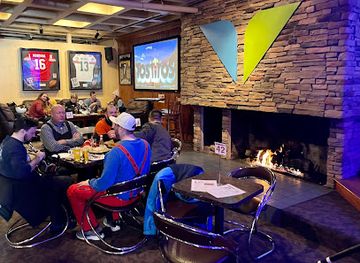
Tram Club
Discover Tram Club, the ultimate sports bar in Snowbird, offering delicious food, refreshing drinks, and stunning mountain views.
Best shops in Snowbird
Shopping at Snowbird is compact and primarily geared towards mountain recreation, clothing, equipment, gifts, souvenirs and practical items for visitors staying at the resort. The village may also offer locally themed products and art or craft-oriented gifts, but it should not be confused with a large shopping district. For groceries, specialist outdoor equipment, general retail and a wider selection of shops, visitors normally travel down Little Cottonwood Canyon into Cottonwood Heights, Sandy or other Salt Lake Valley communities. Regional food products and Utah-made items are more likely to be found through selected independent retailers, markets and food businesses in the valley than in the high canyon itself. Because seasonal mountain retail changes with demand and operating periods, visitors should arrange essential equipment and provisions before relying on a particular shop.
-
Ski resort
Snowbird
Experience the thrill of skiing and the beauty of nature at Snowbird, a premier resort offering year-round outdoor adventures and stunning mountain views.
-
Lodge
The Lodge at Snowbird
Experience the perfect blend of adventure and relaxation at The Lodge at Snowbird, your gateway to the stunning Wasatch Mountains.
-
Ski shop
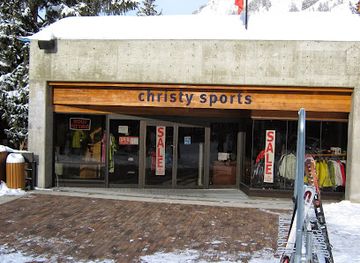
Christy Sports
Discover top-notch ski gear and outdoor apparel at Christy Sports in Snowbird, your one-stop shop for winter adventure essentials.
-
Coffee shop
Baked & Brewed Café
Discover the cozy charm of Baked & Brewed Café in Snowbird, where delicious coffee, fresh bagels, and delightful ice cream await in a stunning mountain setting.
Get your free copy of our complete guide to Snowbird, delivered straight to you.
Everything on this page, from attractions and restaurants to essentials and local phrases, in one PDF you can read offline, print or share.
Already have an account? Sign in
Your Snowbird guide is ready.
We'll send it to · Not you? Sign out

Getting your guide ready…
We are putting together a fresh copy of the Snowbird guide. This can take up to a minute.
This can take a few moments. If your browser asks, choose Allow so the download can start. You'll find the guide in your Downloads folder.
Nothing happened? Download it again
Sorry, the guide is taking longer than usual. Please try again in a minute, or get it by email instead.
Snowbird essentials
Currency and Payment
Safety
Emergency Situations
Do's and Don'ts
Local Tips
From Eve
Local phrases worth knowing
You don't need to get them perfect. A few words go a long way, and locals appreciate the effort.
Basics
| English | Local | Say it |
|---|---|---|
| Hello | Howdy | [haw-dee] |
| Goodbye | See ya | [see yuh] |
| Yes | Yup | [yuhp] |
| No | Nah | [nuh] |
| Please/You're welcome | Please and thank ya | [pleez and thank yuh] |
| Thank you | Thanks a bunch | [thanks uh bunch] |
| Excuse me/Sorry | Pardon me | [par-dun me] |
| How are you? | Howdy partner | [haw-dee par-tner] |
| Fine. And you? | Doing good. How 'bout you? | [doin gud. How bout yuh] |
| Do you speak English? | Ya speak English? | [yuh speak ing-lish] |
| I don't understand | I'm plum confused | [ahm plum kun-fyoozd] |
Eating & Drinking
| English | Local | Say it |
|---|---|---|
| I'd like to see the menu, please | Can I reckon the menu? | [kan ah rek-uhn thee menu?] |
| I don't eat meat | I don't fancy no meat | [ah don't fan-see no meat] |
| Cheers! | Bottoms up! | [bot-ums up] |
| I would like to pay, please | I reckon I'll pay now | [ah rek-uhn ahl pay now] |
Emergencies
| English | Local | Say it |
|---|---|---|
| Help! | SOS! | [ess-oh-ess] |
| Go away! | Skedaddle! | [sked-ad-dul] |
| Call the Police! | Call the Sheriff! | [kawl thee sher-iff] |
| Call a doctor! | Get the doc! | [get thee dahk] |
| I'm lost | I'm all turned around | [ahm ahl turnd uh-round] |
| I'm ill | I'm feelin' poorly | [ahm feel-in poor-lee] |
Shopping
| English | Local | Say it |
|---|---|---|
| I'd like to buy... | I'm fixin' to buy... | [ahm fiks-in tuh buy] |
| I'm just looking | I'm browsin' | [ahm brow-sin] |
| How much is it? | What's the reckonin'? | [whuts thee rek-uhn-in] |
| That's too expensive | That's highfalutin | [thats hi-fuh-lootin] |
| Can you lower the price? | Can ya haggle the reckonin'? | [kan yuh hag-ul thee rek-uhn-in] |
Time & Numbers
| English | Local | Say it |
|---|---|---|
| What time is it? | What's the reckonin'? | [whuts thee rek-uhn-in] |
| It's one o'clock | It's one bell | [its wun bell] |
| Half past (10) | Ten-thirty | [ten-thur-tee] |
| Morning | Mornin' | [morn-in] |
| Afternoon | Afternoon | [af-ter-noon] |
| Evening | Evenin' | [eev-nin] |
| Yesterday | Yest'day | [yest-day] |
| Today | Today | [to-day] |
| Tomorrow | Tomorra | [tuh-mor-rah] |
| 1 | One | [wun] |
| 2 | Two | [too] |
| 3 | Three | [three] |
| 4 | Four | [for] |
| 5 | Five | [fiv] |
| 6 | Six | [siks] |
| 7 | Seven | [sev-en] |
| 8 | Eight | [ate] |
| 9 | Nine | [nine] |
| 10 | Ten | [ten] |
Transport & Directions
| English | Local | Say it |
|---|---|---|
| Where's a/the...? | Where's the... | [wheres thee] |
| What's the address? | What's the locashun? | [whuts thee lo-cash-un] |
| Can you show me (on the map)? | Can ya point it out (on the map)? | [kan yuh point it out (on thee map)] |
| When's the next (bus)? | When's the next stagecoach? | [whens thee next stayj-coach] |
| A ticket (to ....) | A pass (to ....) | [ah pass (tuh)] |
History of Snowbird
A Canyon Shaped by Ice and Water
Long before human settlement, glacial activity helped carve Little Cottonwood Canyon into the steep-sided valley visitors see today. The canyon’s exposed granite, high cirques and mountain slopes form part of the central Wasatch Range, whose elevation and winter storms later made the area suitable for skiing. The landscape remains an active mountain environment, shaped by snow, erosion, rockfall, avalanches and seasonal runoff rather than by the resort alone.
Ute Lands and Early Mountain Travel
The Wasatch region lies within the broader homeland of Indigenous peoples, including the Ute, whose historic presence predates the arrival of American mining and settlement. Little Cottonwood Canyon was used as a route through the mountains and later became connected to Salt Lake Valley communities. Any account of the area’s development sits within the much longer history of Indigenous occupation, movement and resource use across northern Utah.
Mining in Little Cottonwood Canyon
Gold, silver, lead and other minerals drew prospectors into Little Cottonwood Canyon during the nineteenth century, following the establishment of Salt Lake City by Mormon settlers in 1847. Mining camps and transportation routes developed in the canyon, and the area became part of Utah’s wider mineral economy. Remnants of this period survive in the canyon’s historic mining landscape, although Snowbird itself is a modern recreation development rather than a preserved mining town.
From Mining Landscape to National Forest
As mining declined, the high canyon’s value increasingly lay in its watershed, scenery and recreational possibilities. Little Cottonwood Canyon is now part of the Uinta-Wasatch-Cache National Forest, and much of the surrounding landscape remains publicly managed rather than privately developed. This transition brought new debates over roads, water protection, winter safety, recreation and the balance between commercial resort use and the conservation of a heavily visited alpine environment.
Snowbird and Modern Skiing
Snowbird opened in 1971 after development led by businessman and ski-industry figure Dick Bass and partners including Ted Johnson. Its arrival transformed part of Little Cottonwood Canyon into a major ski destination, with lifts, lodgings and the distinctive Aerial Tram allowing visitors to reach high terrain that had previously been accessible mainly to mountaineers and backcountry travellers. The resort’s reputation developed around deep snow, challenging terrain and a long winter season.
A Four-Season Mountain Resort
Snowbird gradually expanded beyond winter skiing to include summer sightseeing, hiking, mountain recreation, dining and seasonal events. Its modern identity reflects the continuing evolution of Little Cottonwood Canyon from a mining corridor into a heavily used recreation landscape. At the same time, snow safety, watershed protection, traffic, habitat and the effects of changing climate conditions remain important considerations in the management of the canyon and its resort economy.
Snowbird in Photos
Browse through our photo collection highlighting the charm and character of the destination.
Neighbouring destination travel guides
The closest destinations to Snowbird, if you have time for more than one.
-
-

-

-

-


Swipe for more destinations
Explore more
Explore more of Wasatch Front
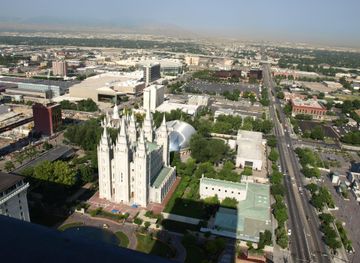
Explore Utah’s Wasatch Front for mountain trails, Great Salt Lake scenery, historic cities, museums, local food and easy urban-to-outdoor journeys.
Explore Wasatch Front
Explore more of Utah
Explore Utah's stunning national parks, rich cultural heritage, and year-round outdoor adventures. Discover why this diverse state is a top destination for travelers.
Explore Utah