

Free San Juan Islands Travel Guide & Mobile App
Explore San Juan Islands with free travel guides. Discover regional history, expert tips, proposed trips, and audio guides on web or mobile app.


Explore the San Juan Islands for orca-rich waters, forested trails, maritime history, farm roads and distinctive island communities in Washington.
Read more about San Juan Islands
Getting to and around San Juan Islands
How to get there
Transportation
Destinations in San Juan Islands
Resorts, valleys and scenic spots worth a trip of their own.

Swipe for more destinations
Best attractions in San Juan Islands
-
Tourist attraction
Lake Padden Park
Explore the serene landscapes and outdoor adventures at Lake Padden Park, a hidden gem in Bellingham, Washington.

Best landmarks in San Juan Islands
Friday Harbor's waterfront and historic commercial core form the archipelago's principal civic landmark, linking ferry traffic, fishing boats, galleries and public life. On San Juan Island, the preserved buildings and landscapes of American Camp and English Camp are the most important historical markers of the Pig War, while the English Camp waterfront and surrounding wooded slopes convey the former military presence without grand fortifications. Lime Kiln Point Lighthouse is one of the region's most recognisable maritime structures, standing above a passage used by travelling orcas and ships. On Orcas Island, Mount Constitution is the defining geographical landmark: its summit lookout and stone observation tower command a wide view across island channels and the mainland mountains on clear days. Moran State Park's lakes and forested roads extend that landscape into the island interior. Lopez Island is marked less by monumental architecture than by open agricultural scenery, low shoreline, quiet lanes and small harbours. Together these places express the region's character through boundary history, maritime navigation, protected forest and the continuing relationship between settlement and water.
-
Historical landmark
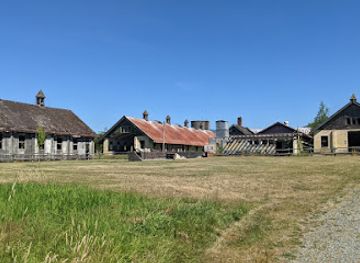
Northern State Old Farm Area
Explore the hauntingly beautiful Northern State Old Farm Area, a historical landmark in Sedro-Woolley, Washington, rich in stories and scenic beauty.
Explore San Juan Islands on the map
Plan your trip on one map. See where the top cities, national parks and sights are, and book hotels and experiences in a few clicks.
Best hotels in San Juan Islands
Best restaurants in San Juan Islands
Dining in the San Juan Islands reflects a small, seasonal food economy shaped by farms, fisheries and limited transport links. Friday Harbor has the broadest choice, from cafés and bakeries to seafood restaurants, pubs and more polished dining rooms, while Eastsound provides a similarly varied but smaller selection. Island menus may feature Pacific Northwest ingredients such as salmon, shellfish, oysters, berries, apples, mushrooms and locally grown vegetables, although not every item described as local is produced within the archipelago. Lopez Island's agricultural character is visible in farm stands, community-oriented food businesses and country-style meals, while San Juan Island combines farm products with harbour dining. Markets and small producers are useful places to find preserves, baked goods, seasonal fruit and other provisions for picnics. Outside the main towns, choices can be widely spaced and opening arrangements may change seasonally, so visitors should not rely on finding a late meal near a remote trailhead or ferry landing.
-
Seafood
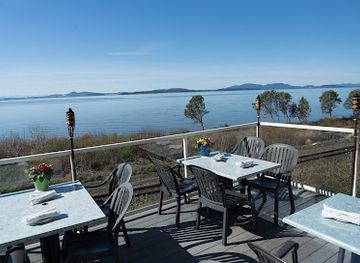
Chuckanut Manor Seafood & Grill
Experience fresh seafood with stunning waterfront views at Chuckanut Manor Seafood & Grill in Bow, Washington.
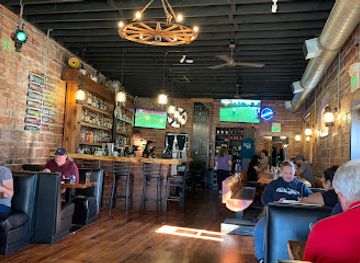
Best bars in San Juan Islands
Evenings in the San Juan Islands are generally low-key rather than centred on a large nightclub scene. Friday Harbor offers the widest selection of pubs, wine bars, restaurants and occasional live-music settings, with activity often reflecting ferry arrivals and the summer visitor season. Eastsound has a smaller collection of places for drinks, casual food and community entertainment, while Lopez Island's evening life is more closely tied to local restaurants, informal gatherings and seasonal events. Traditional pubs and bar areas provide a social setting, but island nightlife is not a substitute for urban late-night entertainment, and options become limited outside the main settlements. Check current arrangements locally because businesses may have short winter schedules or close earlier than mainland venues. Responsible drinking matters particularly where taxis, buses and late transport are scarce; walking, designated drivers and pre-arranged accommodation are sensible choices.
-
Bar
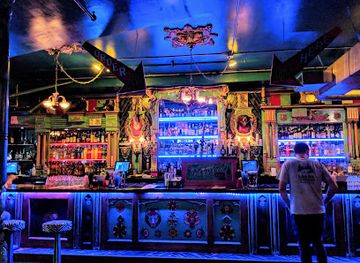
Unicorn
Discover the magical ambiance of Unicorn, a unique bar in Seattle's Capitol Hill offering whimsical decor and innovative cocktails.
-
Casino
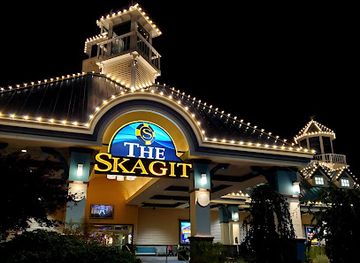
The Skagit Casino Resort
Experience the excitement at The Skagit Casino Resort, where gaming, dining, and entertainment come together in beautiful Bow, Washington.
-
Bar
Train Wreck Bar & Grill
Discover Burlington's culinary gem at Train Wreck Bar & Grill, where delicious food and local brews create an unforgettable dining experience.
-
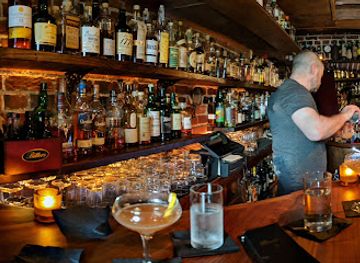
Bar
Bathtub Gin & Co.
Discover the enchanting ambiance of Bathtub Gin & Co., Seattle's premier cocktail bar offering creative drinks and a cozy speakeasy vibe.
Best nightclubs in San Juan Islands
Evenings in the San Juan Islands are generally low-key rather than centred on a large nightclub scene. Friday Harbor offers the widest selection of pubs, wine bars, restaurants and occasional live-music settings, with activity often reflecting ferry arrivals and the summer visitor season. Eastsound has a smaller collection of places for drinks, casual food and community entertainment, while Lopez Island's evening life is more closely tied to local restaurants, informal gatherings and seasonal events. Traditional pubs and bar areas provide a social setting, but island nightlife is not a substitute for urban late-night entertainment, and options become limited outside the main settlements. Check current arrangements locally because businesses may have short winter schedules or close earlier than mainland venues. Responsible drinking matters particularly where taxis, buses and late transport are scarce; walking, designated drivers and pre-arranged accommodation are sensible choices.
-
Night club
Fifty Eight
Experience the vibrant nightlife of San Juan at Fifty Eight, where music, dancing, and unforgettable memories await.

Get your free copy of our complete guide to San Juan Islands, delivered straight to you.
Everything on this page, from attractions and restaurants to essentials and local phrases, in one PDF you can read offline, print or share.
Already have an account? Sign in
Your San Juan Islands guide is ready.
We'll send it to · Not you? Sign out

Getting your guide ready…
We are putting together a fresh copy of the San Juan Islands guide. This can take up to a minute.
This can take a few moments. If your browser asks, choose Allow so the download can start. You'll find the guide in your Downloads folder.
Nothing happened? Download it again
Sorry, the guide is taking longer than usual. Please try again in a minute, or get it by email instead.
San Juan Islands essentials
Currency and Payment
Safety
Emergency Situations
Do's and Don'ts
Local Tips
From Eve
Local phrases worth knowing
You don't need to get them perfect. A few words go a long way, and locals appreciate the effort.
Basics
| English | Local | Say it |
|---|---|---|
| Hello | Hello | [həˈloʊ] |
| Goodbye | Goodbye | [ɡʊdˈbaɪ] |
| Yes | Yes | [jɛs] |
| No | No | [noʊ] |
| Please/You're welcome | Please/You're welcome | [pliz/jʊr ˈwɛlkəm] |
| Thank you | Thank you | [θæŋk ju] |
| Excuse me/Sorry | Excuse me/Sorry | [ɪkˈskjus mi/ˈsɔri] |
| How are you? | How are you? | [haʊ ɑr ju] |
| Fine. And you? | Fine. And you? | [faɪn. ənd ju] |
| Do you speak English? | Do you speak English? | [du ju spiːk ˈɪŋɡlɪʃ] |
| I don't understand | I don't understand | [aɪ doʊnt ˌʌndərˈstænd] |
Eating & Drinking
| English | Local | Say it |
|---|---|---|
| I'd like to see the menu, please | I'd like to see the menu, please | [aɪd laɪk tə si ðə ˈmɛnju, pliz] |
| I don't eat meat | I don't eat meat | [aɪ doʊnt iːt miːt] |
| Cheers! | Cheers! | [tʃɪrz] |
| I would like to pay, please | I would like to pay, please | [aɪ wʊd laɪk tə peɪ, pliz] |
Emergencies
| English | Local | Say it |
|---|---|---|
| Help! | Help! | [hɛlp] |
| Go away! | Go away! | [ɡoʊ əˈweɪ] |
| Call the Police! | Call the Police! | [kɔl ðə pəˈlis] |
| Call a doctor! | Call a doctor! | [kɔl ə ˈdɑktər] |
| I'm lost | I'm lost | [aɪm lɔst] |
| I'm ill | I'm ill | [aɪm ɪl] |
Shopping
| English | Local | Say it |
|---|---|---|
| I'd like to buy... | I'd like to buy... | [aɪd laɪk tə baɪ...] |
| I'm just looking | I'm just looking | [aɪm dʒʌst ˈlʊkɪŋ] |
| How much is it? | How much is it? | [haʊ mʌtʃ ɪz ɪt] |
| That's too expensive | That's too expensive | [ðæts tu ɪkˈspɛnsɪv] |
| Can you lower the price? | Can you lower the price? | [kæn ju ˈloʊər ðə praɪs] |
Time & Numbers
| English | Local | Say it |
|---|---|---|
| What time is it? | What time is it? | [wʌt taɪm ɪz ɪt] |
| It's one o'clock | It's one o'clock | [ɪts wʌn əˈklɑk] |
| Half past (10) | Half past (10) | [hæf pæst (10)] |
| Morning | Morning | [ˈmɔrnɪŋ] |
| Afternoon | Afternoon | [ˌæftərˈnun] |
| Evening | Evening | [ˈivnɪŋ] |
| Yesterday | Yesterday | [ˈjɛstərdeɪ] |
| Today | Today | [təˈdeɪ] |
| Tomorrow | Tomorrow | [təˈmɔroʊ] |
| 1 | 1 | [wʌn] |
| 2 | 2 | [tu] |
| 3 | 3 | [θri] |
| 4 | 4 | [fɔr] |
| 5 | 5 | [faɪv] |
| 6 | 6 | [sɪks] |
| 7 | 7 | [sɛvən] |
| 8 | 8 | [eɪt] |
| 9 | 9 | [naɪn] |
| 10 | 10 | [tɛn] |
Transport & Directions
| English | Local | Say it |
|---|---|---|
| Where's a/the...? | Where's a/the...? | [wɛrz ə/ðə...?] |
| What's the address? | What's the address? | [wʌts ði ˈædrɛs] |
| Can you show me (on the map)? | Can you show me (on the map)? | [kæn ju ʃoʊ mi (ɒn ðə mæp)?] |
| When's the next (bus)? | When's the next (bus)? | [wɛn zə nɛkst (bʌs)?] |
| A ticket (to ....) | A ticket (to ....) | [ə ˈtɪkɪt (tə....)] |
History of San Juan Islands
Coast Salish Homelands
The San Juan Islands lie within the longstanding homelands and waters of Coast Salish peoples, including communities with deep connections to the northern Salish Sea. Indigenous societies travelled between islands by canoe, harvested marine and terrestrial resources, and maintained exchange networks across what are now the United States and Canada. Archaeological evidence and continuing Indigenous presence demonstrate that island history began thousands of years before colonial mapping and settlement. Visitors encounter only part of this story through museums, place names and cultural interpretation, and should recognise that Indigenous relationships with the region continue today.
Maritime Exploration and Colonial Claims
European and American maritime expeditions charted the islands during the eighteenth and nineteenth centuries, bringing competing imperial claims to a strategically important waterway. British and Spanish voyages contributed to the mapping of the Salish Sea, while later British and American settlement increased pressure on Indigenous communities and reshaped land use. The islands' sheltered channels also became useful routes for trading vessels, fishing boats and local transport. Many modern place names reflect this period, although they overlay much older Indigenous geographies.
The Pig War, 1859–1872
The most famous political episode in San Juan Islands history began after an American settler killed a pig belonging to the British Hudson's Bay Company on San Juan Island in 1859. The incident exposed unresolved boundary claims and prompted both countries to send troops, though the confrontation remained peaceful and became known as the Pig War. American and British forces occupied separate camps for more than a decade. In 1872, arbitration awarded the islands to the United States, and the military camps are now preserved at English Camp and American Camp.
Farming, Fishing and Lime Production
During the nineteenth and early twentieth centuries, island economies combined subsistence and commercial farming with fishing, logging, quarrying and maritime trade. Lime production was particularly important on San Juan Island, where limestone was burned in kilns and shipped to growing settlements around Puget Sound. Remains of this industrial past survive at Lime Kiln Point and other historic sites. Orchards, sheep farms and dairies also shaped the open landscapes that remain visible, especially on Lopez Island and parts of San Juan Island.
Settlement and Island Transport
Regular marine connections helped transform isolated settlements into communities linked to mainland Washington and neighbouring islands. Friday Harbor developed as a commercial and administrative centre, while smaller ports served farms, resorts and fishing activity. Before modern roads and ferry infrastructure, boats were essential for mail, goods, school travel and medical access. The Washington State Ferries system later made the main islands more accessible to visitors while preserving the central practical fact of regional life: water separates communities and schedules are governed by tides, weather and limited capacity.
Conservation and Protected Landscapes
The twentieth century brought growing concern about the loss of forests, farmland, shoreline habitat and wildlife. Public agencies, land trusts and local organisations protected important areas, including Moran State Park, Lime Kiln Point State Park and the San Juan Island National Historical Park. Conservation has also supported research into orcas, seabirds, salmon and marine ecosystems. The modern visitor economy consequently operates within a landscape where recreation, private land ownership, working farms and habitat protection must coexist.
A Contemporary Island Economy
Today the San Juan Islands combine year-round communities with a strongly seasonal visitor economy. Tourism supports accommodation, food, guiding, transport, galleries and outdoor recreation, while agriculture, marine trades, public services and creative work remain important. The region's identity is shaped by the practical realities of island living: limited land, ferry dependence, environmental sensitivity and close-knit local services. Current debates over housing, conservation, visitor pressure and climate resilience continue the long history of adapting to a changing maritime environment.
San Juan Islands in Photos
Browse through our photo collection highlighting the charm and character of the destination.
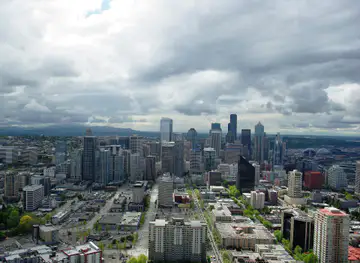
Neighbouring regions of San Juan Islands
The closest regions to San Juan Islands, if you have time for more than one.
-

-
-
-

-


Swipe for more regions
Explore more

Explore more of Washington
Explore Washington State: From the vibrant streets of Seattle to the tranquil beauty of the Olympic Peninsula, discover the diverse landscapes, culture, and adventures awaiting you.
Explore Washington