

Deception Pass State Park Travel Guide - Free Web & App
Your ultimate guide to Deception Pass State Park. Discover top landmarks, proposed trips, and local tips. Free on the web or via the Evendo companion app.


Experience the untamed beauty and rich history of Deception Pass State Park, Washington's premier destination for outdoor adventure and serene natural escapes.
Read more about Deception Pass State Park
When is the best time to visit Deception Pass State Park?
Best: June–August · 21–23°C| Month | High (°C) | Rainfall (mm) |
|---|---|---|
| January | 8 | 110 |
| February | 10 | 90 |
| March | 12 | 90 |
| April | 15 | 70 |
| May | 18 | 50 |
| June (best) | 21 | 40 |
| July (best) | 23 | 20 |
| August (best) | 23 | 40 |
| September | 20 | 50 |
| October | 15 | 80 |
| November | 11 | 100 |
| December | 8 | 110 |
Getting to and around Deception Pass State Park
How to get there
Transportation
Best attractions in Deception Pass State Park
-
Tourist attraction
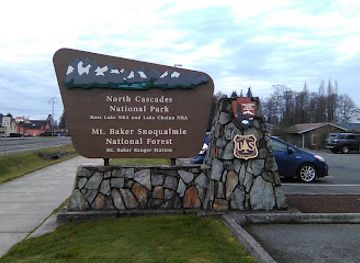
North Cascades National Park Ranger District
Discover the breathtaking beauty and outdoor adventures at North Cascades National Park Ranger District in Washington State, a true nature lover's paradise.
Explore Deception Pass State Park on the map
Plan your trip on one map. See where the top attractions, landmarks, restaurants and hotels are, and book hotels and experiences in a few clicks.
Best hotels in Deception Pass State Park
Get your free copy of our complete guide to Deception Pass State Park, delivered straight to you.
Everything on this page, from attractions and restaurants to essentials and local phrases, in one PDF you can read offline, print or share.
Already have an account? Sign in
Your Deception Pass State Park guide is ready.
We'll send it to · Not you? Sign out

Getting your guide ready…
We are putting together a fresh copy of the Deception Pass State Park guide. This can take up to a minute.
This can take a few moments. If your browser asks, choose Allow so the download can start. You'll find the guide in your Downloads folder.
Nothing happened? Download it again
Sorry, the guide is taking longer than usual. Please try again in a minute, or get it by email instead.
Deception Pass State Park essentials
Currency and Payment
Safety
Emergency Situations
Do's and Don'ts
Local Tips
From Eve
Local phrases worth knowing
You don't need to get them perfect. A few words go a long way, and locals appreciate the effort.
Basics
| English | Local | Say it |
|---|---|---|
| Hello | Chinook | [shin-ook] |
| Goodbye | Chinook | [shin-ook] |
| Yes | Chinook | [shin-ook] |
| No | Chinook | [shin-ook] |
| Please/You're welcome | Chinook | [shin-ook] |
| Thank you | Chinook | [shin-ook] |
| Excuse me/Sorry | Chinook | [shin-ook] |
| How are you? | Chinook | [shin-ook] |
| Fine. And you? | Chinook | [shin-ook] |
| Do you speak English? | Chinook | [shin-ook] |
| I don't understand | Chinook | [shin-ook] |
Eating & Drinking
| English | Local | Say it |
|---|---|---|
| I'd like to see the menu, please | Chinook | [shin-ook] |
| I don't eat meat | Chinook | [shin-ook] |
| Cheers! | Chinook | [shin-ook] |
| I would like to pay, please | Chinook | [shin-ook] |
Emergencies
| English | Local | Say it |
|---|---|---|
| Help! | Chinook | [shin-ook] |
| Go away! | Chinook | [shin-ook] |
| Call the Police! | Chinook | [shin-ook] |
| Call a doctor! | Chinook | [shin-ook] |
| I'm lost | Chinook | [shin-ook] |
| I'm ill | Chinook | [shin-ook] |
Shopping
| English | Local | Say it |
|---|---|---|
| I'd like to buy... | Chinook | [shin-ook] |
| I'm just looking | Chinook | [shin-ook] |
| How much is it? | Chinook | [shin-ook] |
| That's too expensive | Chinook | [shin-ook] |
| Can you lower the price? | Chinook | [shin-ook] |
Time & Numbers
| English | Local | Say it |
|---|---|---|
| What time is it? | Chinook | [shin-ook] |
| It's one o'clock | Chinook | [shin-ook] |
| Half past (10) | Chinook | [shin-ook] |
| Morning | Chinook | [shin-ook] |
| Afternoon | Chinook | [shin-ook] |
| Evening | Chinook | [shin-ook] |
| Yesterday | Chinook | [shin-ook] |
| Today | Chinook | [shin-ook] |
| Tomorrow | Chinook | [shin-ook] |
| 1 | Chinook | [shin-ook] |
| 2 | Chinook | [shin-ook] |
| 3 | Chinook | [shin-ook] |
| 4 | Chinook | [shin-ook] |
| 5 | Chinook | [shin-ook] |
| 6 | Chinook | [shin-ook] |
| 7 | Chinook | [shin-ook] |
| 8 | Chinook | [shin-ook] |
| 9 | Chinook | [shin-ook] |
| 10 | Chinook | [shin-ook] |
Transport & Directions
| English | Local | Say it |
|---|---|---|
| Where's a/the...? | Chinook | [shin-ook] |
| What's the address? | Chinook | [shin-ook] |
| Can you show me (on the map)? | Chinook | [shin-ook] |
| When's the next (bus)? | Chinook | [shin-ook] |
| A ticket (to ....) | Chinook | [shin-ook] |
History of Deception Pass State Park
Native American Heritage
Long before European explorers arrived, the area now known as Deception Pass was home to the Coast Salish tribes, including the Samish and Swinomish peoples. These tribes utilized the rich resources of the region, engaging in fishing, hunting, and gathering. The waters of Deception Pass provided an abundance of salmon and shellfish, while the surrounding forests were sources of game and plant materials for building and crafting.
European Exploration
In 1792, British explorer Captain George Vancouver was the first European to chart the area. Vancouver initially failed to recognize the passage between Whidbey Island and Fidalgo Island, hence the name Deception Pass, reflecting his initial misjudgment. Vancouver's lieutenant, Joseph Whidbey, later discovered the strait, which was subsequently named in his honor.
Military History
During World War II, Deception Pass State Park played a significant role in coastal defense. The Civilian Conservation Corps (CCC) constructed several buildings and trails in the park during the 1930s, which were later used by the military. The park served as a training ground and lookout point to protect against potential enemy attacks. Remnants of these military installations can still be seen today.
Bridge Construction
The iconic Deception Pass Bridge, spanning the turbulent waters of the pass, was completed in 1935. The bridge, consisting of two spans connecting Whidbey Island and Fidalgo Island, was an engineering marvel of its time. Built during the Great Depression, it provided much-needed jobs and improved transportation in the region. The bridge is now a significant landmark and offers stunning views of the surrounding landscape.
Establishment as a State Park
Deception Pass State Park was established in 1923, making it one of the oldest state parks in Washington. The park encompasses over 4,000 acres of diverse terrain, including old-growth forests, rocky shorelines, and pristine beaches. It offers a wide range of recreational opportunities, from hiking and camping to boating and fishing, attracting millions of visitors each year.
Cultural Significance
Deception Pass State Park holds cultural significance for both Indigenous peoples and the broader community. The park is a place of natural beauty and historical importance, where visitors can learn about the rich cultural heritage of the region. Interpretive programs and exhibits provide insights into the lives of the Native American tribes, early explorers, and settlers who shaped the history of Deception Pass.
Deception Pass State Park in Photos
Browse through our photo collection highlighting the charm and character of the destination.
Neighbouring destination travel guides
The closest destinations to Deception Pass State Park, if you have time for more than one.
-

-

-

-

-
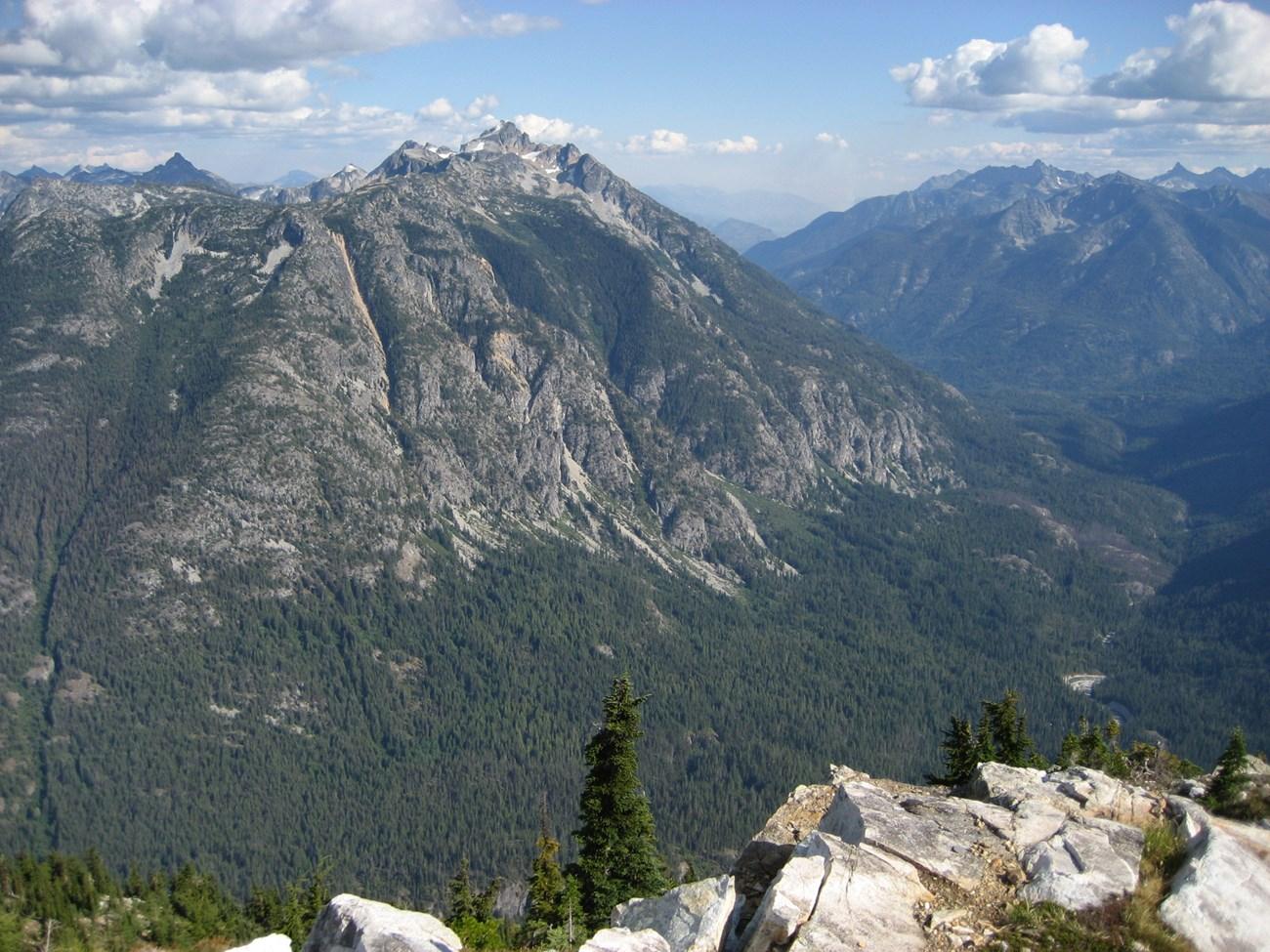 North Cascades National Park
 in Washington offers glaciers, alpine lakes, jagged peaks, wilderness trails and scenic drives through the American mountains.
North Cascades National Park
North Cascades National Park in Washington offers glaciers, alpine lakes, jagged peaks, wilderness trails and scenic drives through the American mountains.


Swipe for more destinations
Explore more
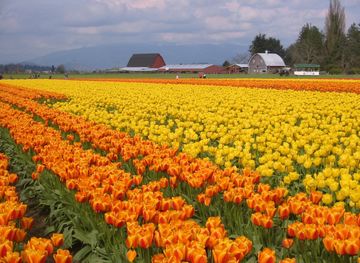
Explore more of The Skagit Valley
Explore Washington's Skagit Valley for tulip fields, river towns, wildlife refuges, farm produce and Salish Sea landscapes.
Explore The Skagit Valley
Explore more of Washington
Explore Washington State: From the vibrant streets of Seattle to the tranquil beauty of the Olympic Peninsula, discover the diverse landscapes, culture, and adventures awaiting you.
Explore Washington