


Rome Best Kept Secrets: Self-Guided City Tour
 Rome, IT
Non-refundable - Your booking can not be cancelled, modified or refunded.
Guaranteed Lowest Prices - Find a lower price? We'll match it!
Highlights
- Interactive self-guided tour app
- Comprehensive exploration of Siena's landmarks
- Fascinating historical insights
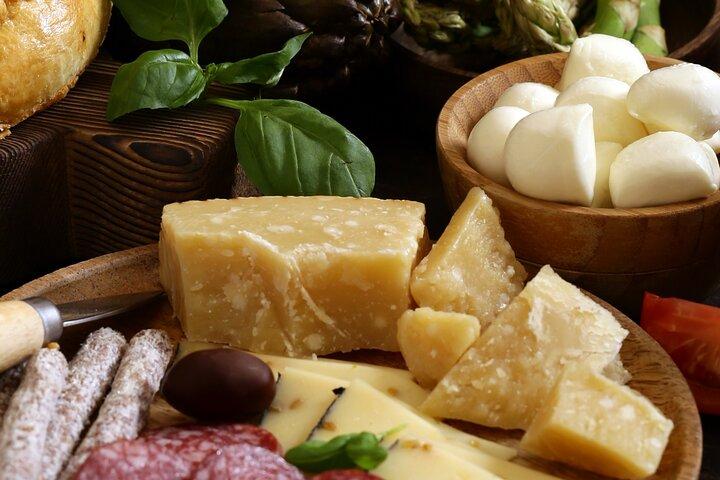
- Flexibility to pause for wine tastings
- Real-time navigation for confident exploration
-
Self-guided walking tour app
-
Digital map included
-
Duration 4 hours
-
Audio guide in English
-
Flexible schedule
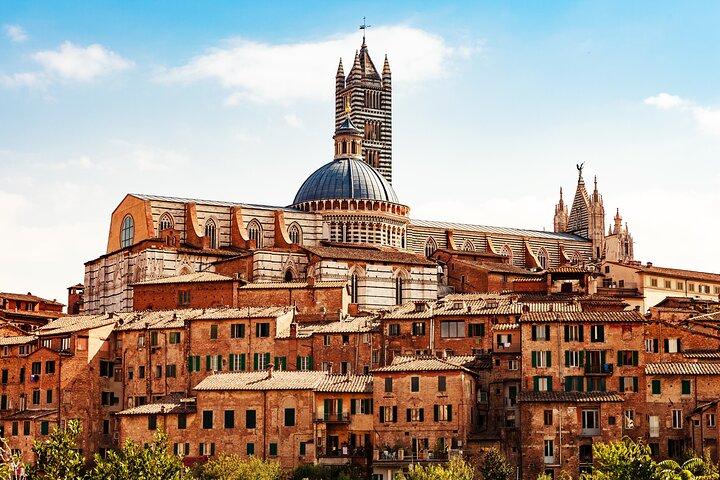
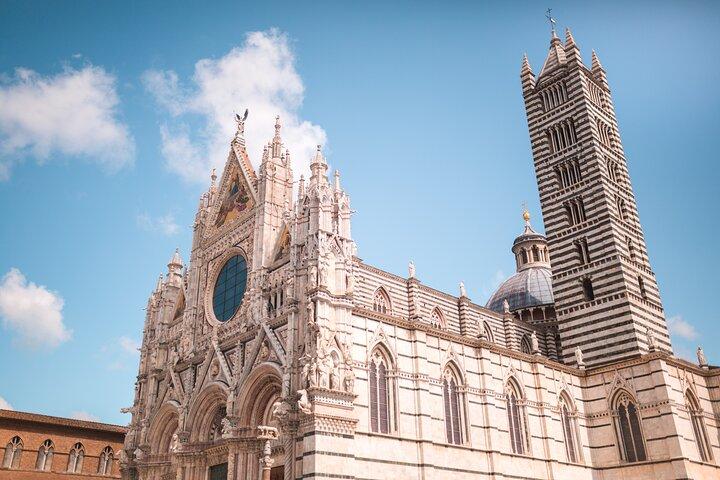
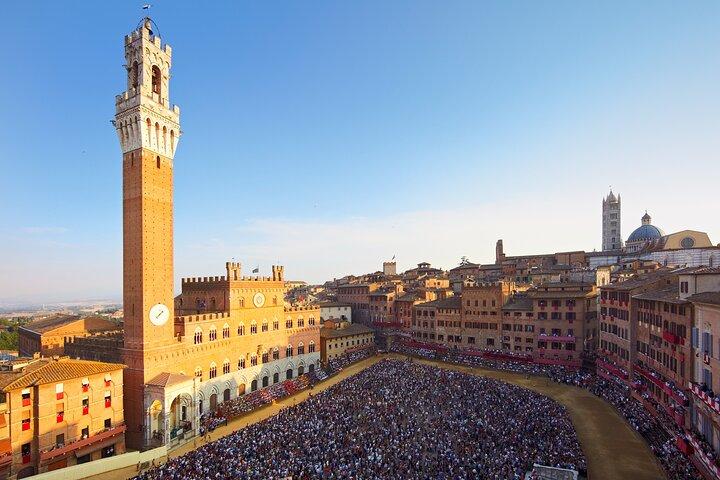
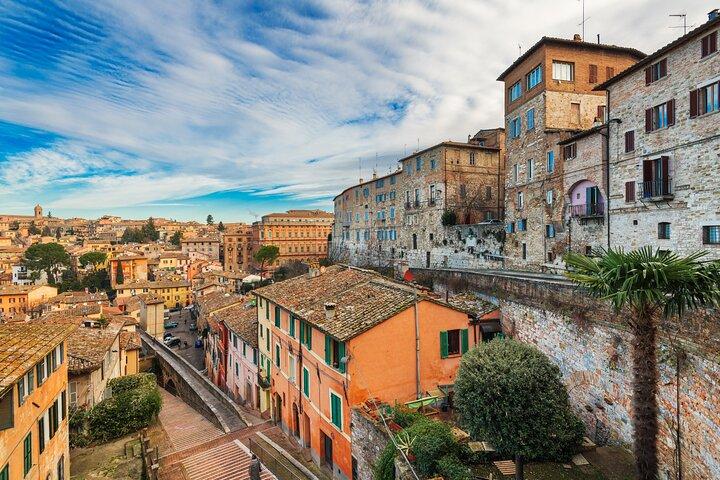
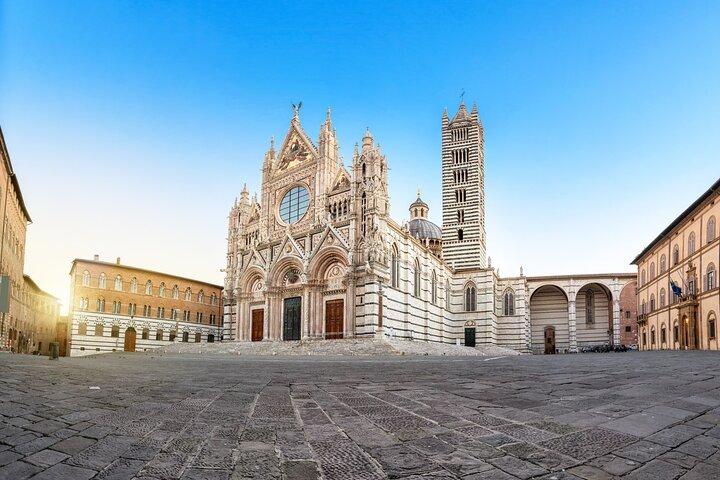
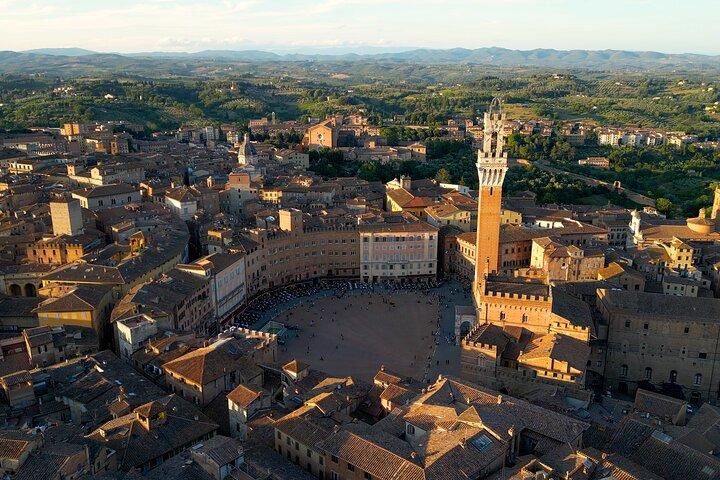
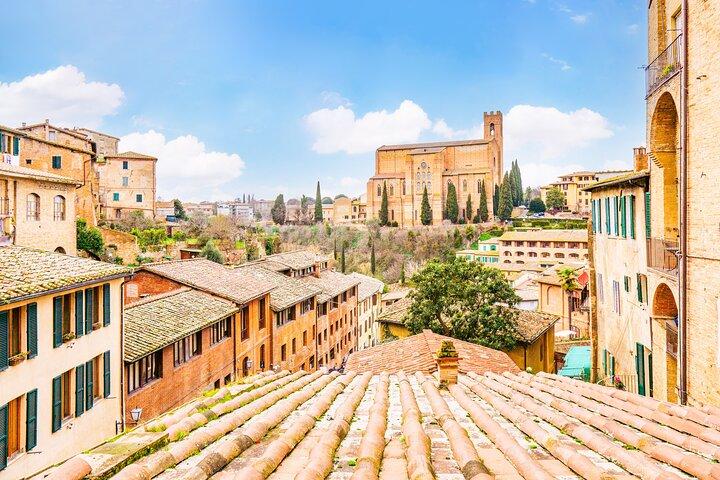
Immerse yourselves in the enchanting city of Siena with a self-guided walking tour that will take you on a journey through the history and beauty of this Tuscan gem. Explore iconic landmarks such as the Piazza del Campo and the Duomo at your own pace, while uncovering hidden treasures and local secrets along the way. Our interactive tour app provides fascinating insights, audio guides, and interactive maps to enhance your experience, allowing you to delve deeper into Siena's rich cultural heritage. With the freedom to stop for wine tastings or museum visits, this tour offers the perfect blend of flexibility and discovery, ensuring an unforgettable adventure in one of Italy's most captivating cities.
At a Glance
-
 7 hours 30 minutes
-
 Instant Confirmation
-
 Available in English
-
 Mobile voucher
-
 Private Tour
-
 Family friendly

Discover the beauty of Siena at your own pace with our self-guided walking tour, featuring audio guides and interactive maps.
Included
-
 OtherSelf-guided walking tour (app)
 -
OtherDigital Map
Excluded
-
 Private transportationPrivate transportation
 -
OtherTicket fees for tourist and cultural attractions.
-
OtherOur app-based self-guided tour has no physical guide on-site.
Meeting Point
The designated meeting spot is Basilica di San Clemente, located at Via Labicana, 95, 00184 Roma RM, Italy. Visitors are encouraged to personalize their experience by choosing their own starting point and the order in which they wish to explore.

Piazza di S. Clemente, 00184 Roma RM , Italy

End Point
The designated meeting spot is Basilica di San Clemente, located at Via Labicana, 95, 00184 Roma RM, Italy. Visitors are encouraged to personalize their experience by choosing their own starting point and the order in which they wish to explore.

Piazza di S. Clemente, 00184 Roma RM , Italy
What to expect
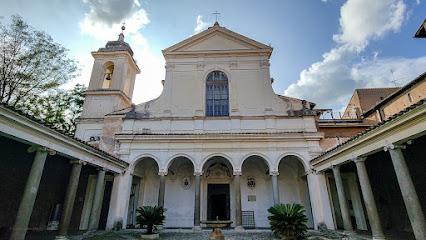
Visitors to the Basilica di San Clemente will marvel at its layered history, uncovering ancient frescoes and mosaics in the 12th-century church. Below, explore the 4th-century basilica with its stunning frescoes, and finally, delve into the 1st-century Roman house and Mithraeum hidden beneath. This unique journey through time offers a glimpse into Rome's rich and complex past.

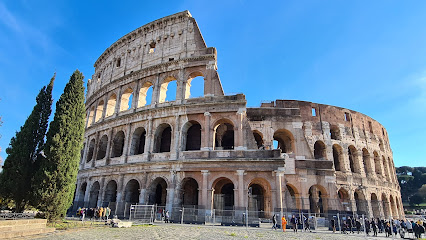
The Colosseum, a powerful symbol of ancient Rome, greets every visitor with its impressive arches and rich history. Step inside to walk the arena floor, once the stage for gladiatorial combat, and venture into the underground chambers—an intricate labyrinth where animals, gladiators, and elaborate stage sets were readied before dramatic appearances. The extensive system of tunnels, lifts, and trapdoors beneath the arena was a feat of Roman engineering, offering a closer look at how shows were meticulously orchestrated for the crowds. Exploring this iconic amphitheater unveils both the spectacle and complexity of Roman public entertainment.
Visitors to the Roman Forum will step into the heart of ancient Rome, surrounded by the ruins of grand temples, basilicas, and public spaces. Walk along the ancient cobblestone roads and imagine the vibrant civic life that once took place here. This historic site offers a captivating glimpse into the political, religious, and social center of the Roman Empire.
Piazza del Campidoglio
Visitors to Campidoglio will experience the grandeur of Rome's historic center, designed by Michelangelo atop Capitoline Hill. Admire the harmonious architecture of the surrounding palaces and the magnificent statue of Marcus Aurelius. From this vantage point, enjoy sweeping views of the Roman Forum and the city, making Campidoglio a perfect blend of artistic and historical significance.
60 minutes
Monumento a Vittorio Emanuele II
Visitors to the Monumento Nazionale a Vittorio Emanuele II will be awe-struck by this grandiose tribute to Italy's first king. Also known as the Altare della Patria, it features majestic marble staircases, towering Corinthian columns, and a striking bronze equestrian statue of Vittorio Emanuele II. The panoramic terraces offer breathtaking views of Rome's historic center, making it a must-see landmark.
30 minutes

Rome’s historic Jewish Ghetto offers a layered blend of history and tradition, where ancient synagogues stand next to well-known kosher bakeries and local eateries. The area is defined by winding, cobbled lanes, with sights like the monumental Portico d’Ottavia and the distinctive Teatro di Marcello nearby. Exploring these streets reveals a living narrative of Rome’s Jewish community, highlighted by moving memorials, the Turtle Fountain in Piazza Mattei, and vibrant gathering places for residents and visitors. Stepping into the Ghetto provides authentic encounters with the city’s heritage and its enduring spirit.
30 minutes
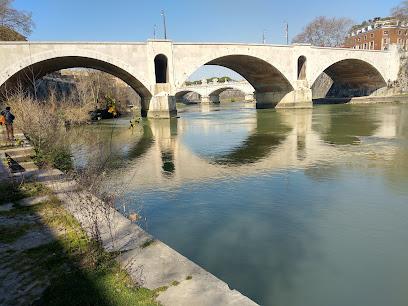
Trastevere showcases one of Rome’s most distinctive neighborhoods, celebrated for its winding cobblestone lanes and lively atmosphere in the evenings. Visitors can admire sites like the Basilica of Santa Maria in Trastevere and Villa Farnesina, or sample classic Roman dishes at family-run trattorias tucked away on side streets. From the welcoming piazzas and vibrant café terraces to local markets and quiet corners, the area perfectly balances centuries-old history with the rhythms of modern Roman life.
60 minutes
Navona / Pantheon / Campo de’ Fiori
Piazza Navona stands as one of Rome’s most remarkable squares, renowned for its striking Baroque architecture and rich, multi-layered history. The piazza occupies the site of the ancient Stadium of Domitian, commissioned in 86 AD, and preserves the stadium’s distinctive elongated shape. During the Renaissance and Baroque periods, it was transformed into a celebrated urban center featuring the Fountain of the Four Rivers by Gian Lorenzo Bernini, the church of Sant’Agnese in Agone by Borromini, and the palatial Palazzo Pamphilj.
30 minutes
Pantheon
The Pantheon in Rome is a masterpiece of ancient engineering, recognized for its immense dome and grand portico of Corinthian columns. Originally built as a temple to all the gods, it was reconstructed by Emperor Hadrian in the second century AD on the site of Agrippa’s earlier temple. The building’s dome, still the world’s largest unreinforced concrete dome, features a central oculus that fills the space with natural light. Inside, visitors experience a remarkable sense of harmony created by circular geometry and soaring proportions. The Pantheon remains one of Rome’s most enduring monuments, celebrated for both its architectural innovation and its ongoing use as a church.
Villa Doria Pamphilj
Villa Doria Pamphilj is Rome’s largest landscaped park, originally developed in the 17th century as a lavish country residence by the Pamphilj family and later expanded through inheritance and acquisition by the Doria line. The estate features the striking Casino del Bel Respiro, designed by Alessandro Algardi, with formal gardens, Baroque fountains, and original Roman ruins incorporated throughout the grounds. The monumental Arch of the Four Winds marks the principal entrance, added after the property was enlarged by the purchase of the neighboring Villa Corsini following fierce battles during the defense of Rome in the 19th century. Today, Villa Doria Pamphilj serves as a public park, offering miles of tranquil paths, forested areas, and scenic gardens open from dawn to dusk. It remains a celebrated oasis, connecting the city’s artistic legacy with natural beauty and centuries of history.
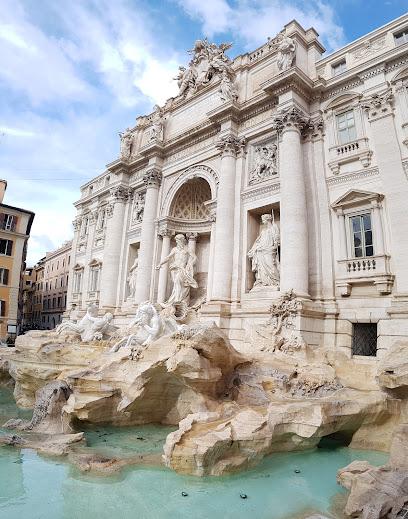
The Trevi Fountain is Rome’s largest Baroque fountain, designed by Nicola Salvi in 1732 and completed by Giuseppe Pannini in 1762. Its dramatic façade features the Palazzo Poli as a backdrop, with a monumental depiction of Oceanus riding a shell chariot pulled by sea horses and accompanied by tritons, symbolizing the city’s mastery over water. Built of travertine stone, the fountain is supplied by the ancient Aqua Virgo aqueduct, which has served Rome since 19 BCE. The tradition of tossing a coin into the fountain is said to ensure a return visit to Rome, and coins are collected and donated to charity. Today, both locals and visitors gather at Trevi Fountain to admire its sculptural detail and the spectacle of cascading water.
30 minutes
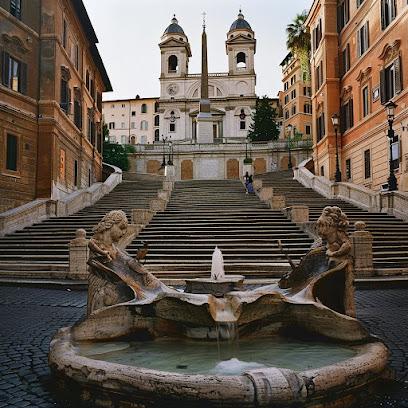
The Spanish Steps are a grand staircase of 135 travertine steps connecting Piazza di Spagna to the church of Trinità dei Monti atop the slope. Designed by Francesco de Sanctis and Alessandro Specchi, they were built between 1723 and 1725 with funds from French diplomat Étienne Gueffier, yet named after the Spanish Embassy located in the piazza below. The steps display Rococo artistry, elegantly winding and changing direction with terraces and balustrades ideal for meeting, relaxing, and people-watching. At the base sits the Fontana della Barcaccia, a boat-shaped Baroque fountain crafted by Pietro Bernini and his son Gian Lorenzo. Renowned for glamour and history, the Spanish Steps remain one of Rome’s most iconic gathering spots.
30 minutes
Via Margutta
Via Margutta is one of Rome’s most historic and atmospheric streets, famed for its artistic heritage and tranquil charm. Originally a medieval alleyway used for stables and workshops behind noble palaces, it evolved into a haven for painters, sculptors, and craftspeople from the Renaissance onward. By the 19th century, real estate improvements and creative tax incentives encouraged a vibrant community of international artists and notable bohemians to settle here; later, its allure grew with the arrival of film personalities and fashion icons during the Dolce Vita years. Today, Via Margutta is celebrated for its leafy facades, unique art studios, and inviting galleries, all tucked away a short walk from Piazza di Spagna. Strolling down this picturesque lane reveals the creative spirit and cosmopolitan legacy that continue to make it a beloved retreat in the heart of Rome.
30 minutes
Piazza del Popolo
Piazza del Popolo is one of Rome’s grandest squares, marking the meeting point of three important streets—Via del Corso, Via di Ripetta, and Via del Babuino—at the city’s historic northern gateway. Redesigned by Giuseppe Valadier in the early 19th century, the square is laid out in an elegant ellipse, crowned at its center by the towering Flaminio Obelisk, originally brought from Egypt and re-erected here by Pope Sixtus V in 1589. The piazza is framed by the twin Baroque churches of Santa Maria dei Miracoli and Santa Maria in Montesanto, which flank the entrance to Via del Corso and are iconic visual landmarks. At the northern edge stands Porta del Popolo, a monumental city gate with decorations by both Michelangelo and Bernini, welcoming travelers arriving in Rome for centuries. Nearby, the Basilica of Santa Maria del Popolo is renowned for its artistic treasures, including works by Caravaggio, Raphael, and Bernini.
30 minutes
Villa Borghese
Villa Borghese is Rome’s expansive central park, renowned for its lush English-style gardens, serene lakes, and diverse cultural attractions. Commissioned by Cardinal Scipione Borghese in the early 17th century, the estate is home to the famed Borghese Gallery, which displays masterpieces by artists such as Caravaggio, Bernini, Raphael, and Titian. The park features winding paths, open lawns, and monuments like the Temple of Aesculapius and the Pincio Terrace, offering panoramic views over the city. Visitors enjoy boat rides, children’s playgrounds, and art museums within a tranquil green oasis that connects nature, art, and history. Today, Villa Borghese remains a favorite destination for both relaxation and culture in Rome’s vibrant landscape.
30 minutes
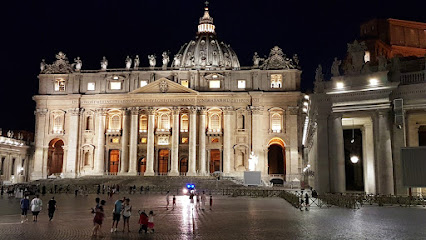
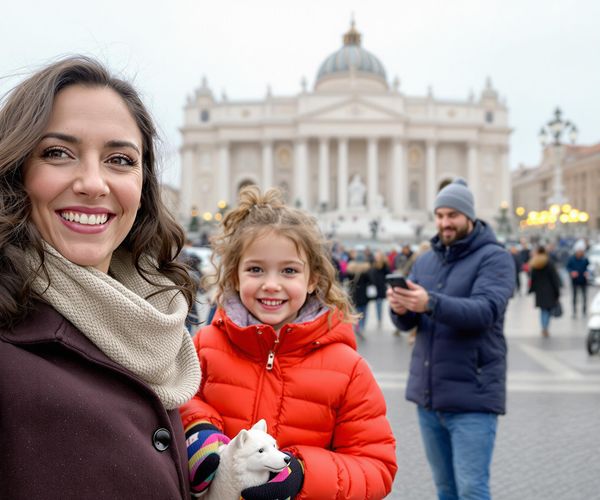
St. Peter’s Square, designed by Gian Lorenzo Bernini in the 17th century, is the grand forecourt to St. Peter’s Basilica and the spiritual heart of Vatican City. The square’s elliptical shape is defined by two sweeping colonnades crowned with statues of saints—symbolizing the welcoming arms of the church. At its center stands a striking Egyptian obelisk, flanked by ornate fountains that mirror one another across the piazza. St. Peter’s Square hosts major religious ceremonies and papal gatherings, drawing visitors worldwide for its architectural harmony and historic significance. The space remains an iconic symbol of Rome’s sacred and monumental heritage.
45 minutes
The experience can be subject to change due to bad weather or unforseen circumstances. We always endeavour to give you the best possible experience.
Additional Information
-
 Not recommended for travelers with poor cardiovascular health
 -
Not recommended for travelers with spinal injuries
-
Public transportation options are available nearby
-
Suitable for all physical fitness levels
What our experts say
-
 Visit the Duomo for stunning art
 -
Try local wine at nearby enotecas
-
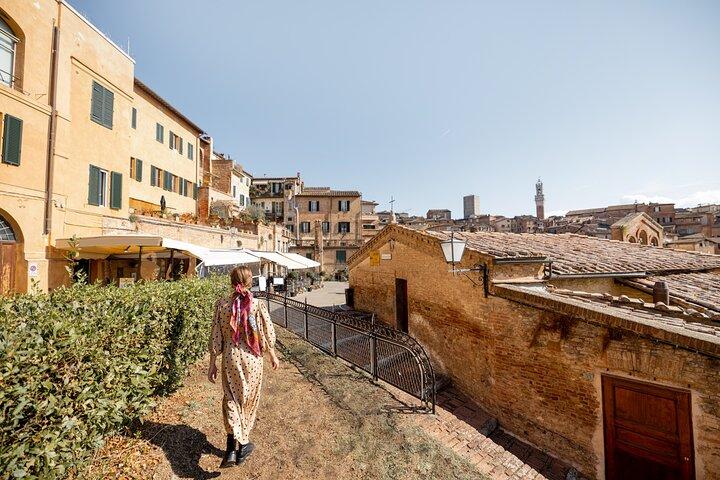
Explore hidden gems off the main path
-
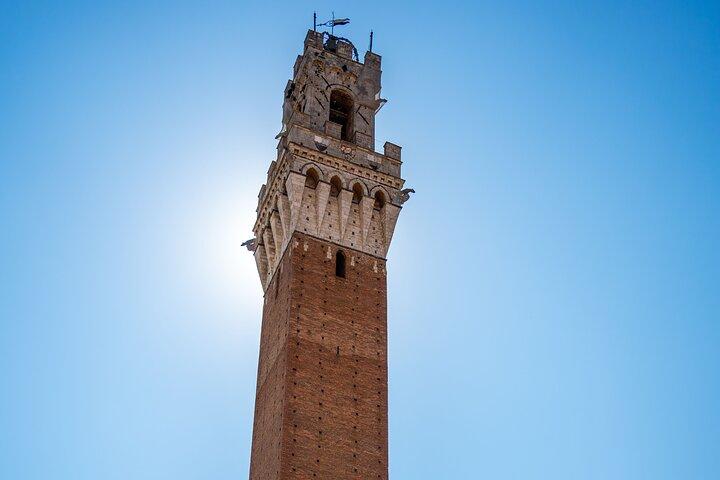
Check out the views from Torre del Mangia
-
Relax at All'Orto de' Pecci garden

More About this Experience
Introduction
Are you ready to immerse yourself in the enchanting beauty of Siena, Tuscany's medieval gem? Embark on a self-guided walking city tour with a twist, exploring iconic landmarks and hidden treasures at your own pace through an interactive tour app.What to expect?
With this self-guided walking city tour in Siena, travelers can look forward to a comprehensive exploration of the city's most famous sites and lesser-known corners. The tour offers in-depth audio guides, fascinating historical insights, and interactive maps, providing a rich tapestry of Siena's past and present. Whether you're a history buff, art enthusiast, or simply a curious traveler, this experience promises to captivate and educate you about this stunning destination.Who is this for?
This self-guided walking city tour in Siena is perfect for independent travelers who crave flexibility and a deeper connection with the places they visit. Whether you're a solo adventurer, a couple seeking a romantic getaway, or a family looking for an immersive cultural experience, this tour caters to all. History enthusiasts, art lovers, and anyone with a curious mind will find this interactive tour app to be a valuable companion in uncovering the secrets of Siena.Why book this?
Immerse yourself in the rich history, art, and culture of Siena with this self-guided walking city tour. Unlike traditional guided tours, this experience allows you to explore at your own pace, pausing for wine tastings, museum visits, or simply soaking in the local atmosphere. The interactive tour app provides a personalized journey through Siena's Gothic architecture, Renaissance masterpieces, and vibrant traditions, ensuring a memorable and enriching experience that you won't find elsewhere.Good to know
Before embarking on this self-guided walking city tour in Siena, make sure to download the interactive tour app for offline access and real-time navigation. The tour includes a digital map and audio guides, giving you the freedom to explore Siena's highlights on your terms. Don't forget to start your journey at the designated meeting spot in Piazza del Campo, where the adventure begins amidst the beauty of this historic square.Reviews
Travelers who have experienced this self-guided walking city tour in Siena rave about the flexibility and depth of exploration it offers. From the informative audio guides to the interactive maps, visitors appreciate the opportunity to discover Siena's beauty at their own pace. Whether you're a first-time visitor or a seasoned traveler, this tour promises an unforgettable journey through one of Italy's most captivating cities.Journals from our explorers at this location





Your all‑in‑one travel companion app
Explore expert travel guides, compare and book tours, experiences, hotels, and more—all from the palm of your hand. Download now for seamless trip planning wherever your wanderlust takes you.


This is a popular product and the date you are looking for just sold out. Next available date is
