

Saranda Region Travel Guide - Free Web & App
Your ultimate guide to Saranda Region. Discover top landmarks, proposed trips, and local tips. Free on the web or via the Evendo companion app.


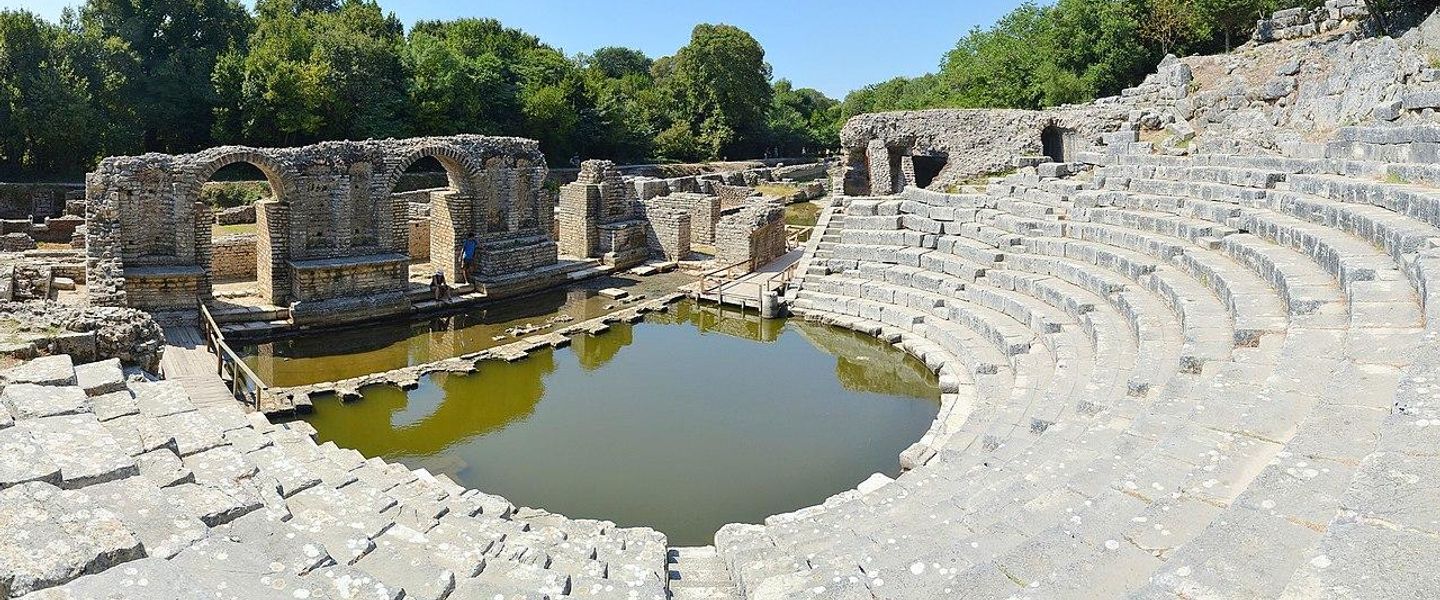


Saranda Region, Albania, combines Ionian beaches, Ksamil islands, Butrint’s ancient ruins, mountain villages, seafood and clear-water escapes.
Ionian Coast and Inland Country
Saranda Region occupies Albania’s far south, centred on the coastal city of Sarandë and extending around the bays, beaches, villages and archaeological landscapes of the southern Ionian coast. The area is shaped by turquoise water, limestone hills and a Mediterranean climate, with the island-dotted shore at Ksamil contrasting with the quieter mountain country inland. Sarandë is the principal gateway and service centre, while Ksamil is the best-known beach resort and Butrint provides the region’s most important historical focus.Read more about Saranda Region
History beside the Sea
Exploring Saranda Region
When is the best time to visit Saranda Region?
Best: April–May, October · 24–29°C| Month | High (°C) | Rainfall (mm) |
|---|---|---|
| January | 15 | 120 |
| February | 16 | 120 |
| March | 19 | 100 |
| April (best) | 24 | 80 |
| May (best) | 29 | 60 |
| June | 34 | 30 |
| July | 37 | 20 |
| August | 37 | 20 |
| September | 33 | 40 |
| October (best) | 28 | 80 |
| November | 22 | 100 |
| December | 17 | 120 |
Getting to and around Saranda Region
How to get there
Transportation
Best attractions in Saranda Region
Butrint is Saranda Region’s defining attraction, an archaeological landscape where a Greek theatre, Roman buildings, early Christian remains, Venetian fortifications and woodland paths occupy a peninsula beside Lake Butrint. South of Sarandë, Ksamil is known for its small beaches, clear water and nearby islets, with boat trips and swimming areas varying according to weather and seasonal conditions. Sarandë itself offers a busy waterfront, sea views and access to excursions along the coast. Inland, the Blue Eye near Muzinë is a celebrated karst spring set in a wooded landscape, while the Monastery of Saint Nicholas at Mesopotam provides an important historic detour. The surrounding villages and mountain roads offer olive groves, stone settlements and changing views across the Ionian coast, although facilities become more limited away from the principal towns.
-
Archaeological museum
Museum of Palaiopolis - Mon Repos
Discover Corfu's ancient past and colonial history at the Museum of Palaiopolis, nestled in the beautiful Mon Repos Estate.
-
Motorcycle rental agency
Corfu Vespa Tours & Rental
Discover Corfu's hidden gems and scenic routes with guided Vespa tours and rentals. Experience the island in a unique and unforgettable way!
-
Public beach
Palermo Beach
Discover the serene beauty of Palermo Beach in Himarë, Albania – a perfect blend of sun, sea, and local culture awaits!
-
Marina
Kanoni Harbour
Experience Corfu's most iconic views from Kanoni Harbour: history, stunning scenery, and the gateway to Mouse Island.


Best landmarks in Saranda Region
The ancient city of Butrint is the region’s principal cultural landmark, with its Greek theatre, Roman-era remains, early Christian baptistery, basilica and Venetian castle illustrating successive civilisations in one coastal setting. Lake Butrint and its surrounding wetlands are important natural features that explain the settlement’s historic position and create a distinctive archaeological landscape. The Blue Eye near Muzinë is a notable karst spring whose intensely coloured water rises from a deep underground system, while the Ionian shore at Ksamil is marked by small offshore islets and sheltered bays. Inland, the Church of the Monastery of Saint Nicholas at Mesopot stands as a significant medieval monument, distinguished by its stone construction and carved decorative details. Sarandë’s waterfront and coastal hills provide the region’s principal modern visual landmarks.
-
National park
Butrint National Archaeological Park
Discover ancient civilizations and natural beauty at Butrint National Park, a UNESCO World Heritage Site in Albania.
-
Nature preserve
The Blue Eye
Discover the mesmerizing Blue Eye of Albania, a natural spring with crystal-clear turquoise waters and lush forest surroundings.
-
Castle
Kalaja e Lëkurësit
Explore the historic Kalaja e Lëkurësit in Sarandë for breathtaking panoramic views, Ottoman-era ruins, and a taste of Albanian hospitality.
-
Marina
Port of Saranda
Experience the Albanian Riviera: Saranda's port, your gateway to stunning beaches, ancient ruins, and vibrant culture.


Explore Saranda Region on the map
Plan your trip on one map. See where the top attractions, landmarks, restaurants and hotels are, and book hotels and experiences in a few clicks.
Best hotels in Saranda Region
Best restaurants in Saranda Region
Dining in Saranda Region draws on southern Albanian and Ionian traditions, with grilled fish, seafood, seasonal vegetables, salads, byrek, locally produced olive oil and citrus among the flavours visitors commonly encounter. Sarandë has the widest range of restaurants, from casual seafood venues and cafés to family-run establishments serving Albanian dishes, while Ksamil’s dining scene is strongly seasonal and concentrated around the resort and beaches. In inland villages, tavernas and small restaurants may offer simpler menus based on produce from nearby farms, including lamb, cheese and herbs. Visitors exploring Butrint or secluded beaches should not assume that food is available at the site itself and may wish to eat in Sarandë, Ksamil or another established settlement. Regional wines and raki are also part of southern Albanian hospitality, but responsible drinking is important on hot days and unfamiliar roads.
-
Restaurant
Bar Restaurant Limani
Experience exquisite dining at Bar Restaurant Limani in Sarandë—where tradition meets modern flavors against a stunning seaside backdrop.
-
Restaurant
Manxurane Restaurant & Wines
Experience exquisite seafood and succulent steaks at Manxurane Restaurant & Wines in Sarandë, Albania – a culinary delight by the Adriatic coast.
-
Seafood
LaYo's Restaurant
Discover fresh seafood delights at LaYo's Restaurant in Sarandë - where every meal tells a story of Albania’s rich culinary heritage.
-
Restaurant
Balcony Restaurant
Experience authentic Albanian cuisine with stunning coastal views at Balcony Restaurant in Sarandë.


Best bars in Saranda Region
Evening life is concentrated in Sarandë, where the waterfront and central streets have cafés, bars and restaurants that become livelier during the summer season. The atmosphere is primarily social and seaside-oriented, with late dinners, promenade strolls and music rather than a large club scene. Ksamil also has seasonal bars and evening venues around its developed coastal areas, though the character and availability of entertainment change outside the main holiday period. In inland villages and around Butrint, nightlife is limited; evenings are better suited to quiet meals, local hospitality and views across the surrounding countryside. Visitors staying in rural areas should arrange transport before drinking, as public transport options may be limited after dark and roads can be unfamiliar.
-
Cocktail bar
Jericho Cocktail Bar
Experience the vibrant nightlife of Sarandë at Jericho Cocktail Bar, where exquisite cocktails and stunning sea views await.
-
Cocktail bar
Tipsy drinks and more
Discover the vibrant nightlife of Sarandë at Tipsy Drinks and More, where expertly crafted cocktails and a lively atmosphere await.
-
Bar
Wine Bar Kristiano
Experience the finest wines in Sarandë at Wine Bar Kristiano, where breathtaking views and exceptional flavors await.
-
Bar
Elvis Bar
Experience the lively atmosphere of Elvis Bar in Sarandë, where refreshing drinks and Albanian coffee create unforgettable moments.


Best nightclubs in Saranda Region
Evening life is concentrated in Sarandë, where the waterfront and central streets have cafés, bars and restaurants that become livelier during the summer season. The atmosphere is primarily social and seaside-oriented, with late dinners, promenade strolls and music rather than a large club scene. Ksamil also has seasonal bars and evening venues around its developed coastal areas, though the character and availability of entertainment change outside the main holiday period. In inland villages and around Butrint, nightlife is limited; evenings are better suited to quiet meals, local hospitality and views across the surrounding countryside. Visitors staying in rural areas should arrange transport before drinking, as public transport options may be limited after dark and roads can be unfamiliar.
-
Cocktail bar
Jericho Cocktail Bar
Experience Sarandë's vibrant nightlife at Jericho Cocktail Bar, featuring stunning views and expertly crafted cocktails in a lively atmosphere.
-
Club
Orange Club Sarande
Experience the electric nightlife of Orange Club Sarande, where music, cocktails, and stunning coastal views create unforgettable memories.
-
Cocktail bar
Tipsy drinks and more
Discover the vibrant cocktail culture at Tipsy Drinks and More, where stunning views and expertly crafted drinks create an unforgettable experience in Sarandë.
-
Adult entertainment club
4 Elements Night Clubs ( Strip Club )
4 Elements Night Club in Sarandë: A Thrilling Adult Entertainment Experience with Music, Dance, and Unforgettable Performances.


Best shops in Saranda Region
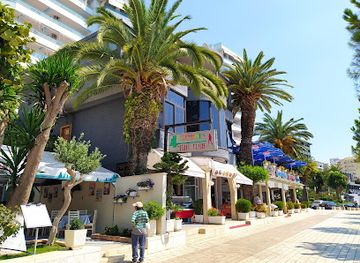
Shopping is centred on Sarandë and Ksamil rather than on the archaeological or rural parts of the region. Sarandë offers supermarkets, pharmacies, clothing and beachwear shops, small food stores, souvenir outlets and businesses selling Albanian products, while Ksamil’s retail activity is largely seasonal and geared towards beach visitors. Local specialities to look for include olive oil, honey, mountain herbs, preserves, raki and regional wine, although quality and provenance vary between sellers. Small village shops may provide everyday provisions but should not be expected to stock a wide range of goods. Farm products and traditional foods are often easier to find through established local producers or markets in the wider southern Albanian region than at isolated attractions, so visitors heading into the countryside should buy essentials in Sarandë or another substantial settlement.
-
Supermarket
Big Market
Explore local flavors and essentials at Big Market, Sarandë’s largest supermarket, perfect for tourists seeking convenience and culinary delights.
-
Patisserie
Baci A Tutti
Experience the sweet flavors of Albania at Baci A Tutti, a delightful patisserie in Sarandë offering an array of pastries, coffee, and more.
-
Vegan
Green Life Market
Discover Sarandë's Green Life Market, a vegan haven offering organic delights, refreshing beers, and a lively atmosphere perfect for every health-conscious traveler.
-
Hypermarket
Hypermarket - HALO GROUP SARANDA
Experience the vibrant shopping culture at HALO GROUP SARANDA, a hypermarket offering local and international goods in Sarandë, Albania.


Get your free copy of our complete guide to Saranda Region, delivered straight to you.
Everything on this page, from attractions and restaurants to essentials and local phrases, in one PDF you can read offline, print or share.
Already have an account? Sign in
Your Saranda Region guide is ready.
We'll send it to · Not you? Sign out

Getting your guide ready…
We are putting together a fresh copy of the Saranda Region guide. This can take up to a minute.
This can take a few moments. If your browser asks, choose Allow so the download can start. You'll find the guide in your Downloads folder.
Nothing happened? Download it again
Sorry, the guide is taking longer than usual. Please try again in a minute, or get it by email instead.
Saranda Region essentials
Currency and Payment
Safety
Emergency Situations
Do's and Don'ts
Local Tips
From Eve
Local phrases worth knowing
You don't need to get them perfect. A few words go a long way, and locals appreciate the effort.
Basics
| English | Local | Say it |
|---|---|---|
| Hello | Përshëndetje | [PUHR-shuhn-DEHT-yeh] |
| Goodbye | Mirupafshim | [MEE-roo-pahf-SHEEM] |
| Yes | Po | [POH] |
| No | Jo | [YOH] |
| Please/You're welcome | Ju lutem | [YOO LOO-tehm] |
| Thank you | Faleminderit | [FAH-leh-min-deh-REET] |
| Excuse me/Sorry | Më falni | [muh FAHL-nee] |
| How are you? | Si jeni? | [see YEH-nee] |
| Fine. And you? | Mirë. Dhe ju? | [MEER duh YOO] |
| Do you speak English? | Flisni anglisht? | [flees-NEE ahng-LEESHT] |
| I don't understand | Nuk kuptoj | [nook koo-POY] |
Eating & Drinking
| English | Local | Say it |
|---|---|---|
| I'd like to see the menu, please | Dua të shoh menunë, ju lutem | [DOO-ah tuh SHOH meh-NOO-nuh, yoo LOO-tehm] |
| I don't eat meat | Nuk ha mish | [nook hah meesh] |
| Cheers! | Gëzuar! | [guh-ZOO-ahr] |
| I would like to pay, please | Dua të paguaj, ju lutem | [DOO-ah tuh pah-GWAHY, yoo LOO-tehm] |
Emergencies
| English | Local | Say it |
|---|---|---|
| Help! | Ndihmë! | [NDEE-muh] |
| Go away! | Shko larg! | [shkoh lahrgh] |
| Call the Police! | Thirrni policinë! | [theer-NEE po-lee-SEEN] |
| Call a doctor! | Thirrni një doktor! | [theer-NEE njuh DOHK-tohr] |
| I'm lost | Jam humbur | [yahm hoom-BOOR] |
| I'm ill | Jam i sëmurë | [yahm ee suh-MOO-ruh] |
Shopping
| English | Local | Say it |
|---|---|---|
| I'd like to buy... | Dua të blej... | [DOO-ah tuh BLEH] |
| I'm just looking | Po shikoj vetëm | [POH shee-KOY veh-TEM] |
| How much is it? | Sa kushton? | [sah kooshtohn] |
| That's too expensive | Ky është shumë i shtrenjtë | [kuh ESHT shoo-muh ee shtrehn-JTUH] |
| Can you lower the price? | A mund të ulni çmimin? | [ah moond tuh OOL-nee chmee-MEEN] |
Time & Numbers
| English | Local | Say it |
|---|---|---|
| What time is it? | Sa është ora? | [sah ESHT oh-RAH] |
| It's one o'clock | Është një ora | [ESHT nuh oh-RAH] |
| Half past (10) | Njëmbëdhjetë e gjysmë | [nyuhm-BUHDH-yeh-tuh eh JUHS-muh] |
| Morning | Mëngjes | [muhn-JAYS] |
| Afternoon | Pasdite | [pahs-DEE-teh] |
| Evening | Mbrëmje | [mbruhm-JEH] |
| Yesterday | Dje | [djeh] |
| Today | Sot | [soht] |
| Tomorrow | Nesër | [neh-suhr] |
| 1 | Një | [nyuh] |
| 2 | Dy | [duh] |
| 3 | Tre | [treh] |
| 4 | Katër | [kah-tuhr] |
| 5 | Pesë | [peh-seh] |
| 6 | Gjashtë | [gyahsht] |
| 7 | Shtatë | [shtah-tuh] |
| 8 | Tetë | [teht] |
| 9 | Njëzanë | [nyuh-zahn] |
| 10 | Dhjetë | [th-yeh-tuh] |
Transport & Directions
| English | Local | Say it |
|---|---|---|
| Where's a/the...? | Ku është një/...? | [koo ESHT nuh] |
| What's the address? | Cili është adresa? | [CEE-lee ESHT ah-DREH-sah] |
| Can you show me (on the map)? | A mund të më tregoni (në hartë)? | [ah moond tuh muh treh-GOH-nee] |
| When's the next (bus)? | Kur është autobusi i ardhshëm? | [koor ESHT ah-OO-toh-BOO-see ee ahrd-SHUM] |
| A ticket (to ....) | Një biletë (në ....) | [nyuh bee-leh-tuh] |
History of Saranda Region
Limestone Coast and Mediterranean Landscape
The physical setting of Saranda Region was formed through long geological processes affecting the limestone mountains and coastal platforms of southern Albania. Karst conditions help explain the area’s springs, underground water systems and dramatic contrast between dry hills and clear coastal waters. Lake Butrint, a lagoon-like water body linked to the Ionian coast, created a sheltered environment that supported settlement, farming and trade. These natural conditions shaped the region’s later history by concentrating communities around fertile valleys, freshwater sources, sheltered inlets and routes across the mountain passes.
Ancient Bouthroton and the Greek World
Butrint, known in antiquity as Bouthroton, developed as a Greek settlement and later became part of the wider Mediterranean world. Its position beside Lake Butrint and close to the sea supported connections with nearby Greek communities and maritime trade. Archaeological remains include the Greek theatre, sanctuary areas and defensive structures, while later Roman building transformed the settlement. The surviving ruins demonstrate how religious, civic and commercial life evolved in a strategic coastal landscape rather than in isolation from the wider Ionian region.
Roman, Christian and Medieval Layers
Under Roman rule, Butrint gained monumental buildings and continued to prosper as a regional centre. In late antiquity and the early medieval period, Christian communities left important traces, notably basilicas and intricate mosaic floors. The settlement later became associated with Byzantine and Venetian interests, reflecting the strategic value of the coast and its waterways. Venetian control introduced or strengthened defensive architecture, including the castle on the acropolis. Although Butrint’s importance changed over time, its ruins preserve an unusually extensive sequence from antiquity through the medieval period.
Villages, Agriculture and Regional Heritage
Away from Butrint, the region’s history is visible in traditional villages, stone churches, olive groves and agricultural landscapes. Mesopotam is associated with the Church of the Monastery of Saint Nicholas, a major medieval monument whose carved decoration reflects the artistic traditions of southern Albania. Coastal and inland communities depended on olive cultivation, livestock, small-scale farming and connections through the mountain valleys. Sarandë developed as the principal modern coastal settlement, while the surrounding villages retained a more rural character and helped preserve local foodways, religious heritage and vernacular traditions.
Modern Tourism and Conservation
During the twentieth century, Sarandë and the southern coast became increasingly connected to Albania’s national transport network and developed as a seaside destination. Ksamil grew from a small coastal settlement into a major summer resort, while Sarandë became the principal arrival point for visitors exploring southern Albania. Butrint’s archaeological importance led to sustained research, protection and conservation, and the site is recognised internationally for its layered heritage. Modern tourism has brought investment and employment, but also seasonal pressure on beaches, roads, water resources and sensitive coastal and wetland environments.
Saranda Region in Photos
Browse through our photo collection highlighting the charm and character of the destination.
Cities in Saranda Region
The towns and cities of Saranda Region, and the easiest places to base yourself.
-

-


Swipe for more cities
Neighbouring destination travel guides
The closest destinations to Saranda Region, if you have time for more than one.
-

-
-

-

-


Swipe for more destinations
Explore more

Explore more of Delvina
Discover Delvina: A serene Albanian town rich in history, culture, and natural beauty, ideal for a peaceful getaway.
Explore Delvina
Explore more of Albania
Discover Albania: A land of untamed beauty, rich history, and warm hospitality, offering stunning beaches, rugged mountains, and vibrant cities.
Explore Albania